ORIGINAL RESEARCH ARTICLE
Top surgery enhances body satisfaction and quality of life in transgender men: results from a cross-sectional study using a transgender-specific questionnaire
Torsten Schulz, Johanna Grünewald, Stefania Sima, Yasmin Molter, Kristin Lidzba, Günce Ciklatekerlio, Stefan Langer and Rima Nuwayhid
Department of Orthopaedic, Trauma and Plastic Surgery, University Hospital Leipzig, Leipzig, Germany
ABSTRACT
Background: This is the first exploratory investigation of the Essen Transidentity Quality of Life Inventory (ETLI) questionnaire administered to transgender men before and after mastectomy.
Methods: Eighty-two transgender men were enrolled in a cross-sectional study. Depending on whether a mastectomy had been performed, 42 patients were assigned to the preoperative and 40 to the postoperative group. Data collection included epidemiologic data, screening questions for comorbidities or mental disorders and three questionnaires (Short-Form Health Survey [SF-36], BODY-Q Chest Module and ETLI). The trial was registered at the German Clinical Trial Register under the number: DRKS00035156. Qualitative data were compared using the chi-squared test, and quantitative scores were analysed using the t-test. Effect sizes were determined using ANOVA. A p-value < 0.05 was considered significant.
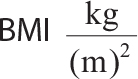
Results: The average age of the participants was 26.9 years, with an average duration of hormone intake of 31.4 months and a BMI of 23.8 kg/m². The subscales mental quality of life (QoL) (p < 0.001), physical QoL (p < 0.001), social QoL (p < 0.001) and the global sum score (p < 0.001) of the ETLI showed significantly different scores in the postoperative group compared to the preoperative group. Similarly, the mental component scale of the SF-36 (<0.001) and the Body-Q Chest Module ‘chest’ (< 0.001) and ‘nipples’ (< 0.001) were significantly increased in the group after mastectomy.
Conclusion: The ETLI questionnaire is a viable tool to measure effects on the QoL and satisfaction with body image in transgender men, correlating with well-established scores.
KEYWORDS: Gender affirming surgery; top surgery; gender affirming mastectomy; transgender man; SF-36; ETLI; BODY-Q Chest
Citation: Journal of Plastic Surgery and Hand Surgery 2025; 60: 127–133. DOI: https://doi.org/10.2340/jphs.v60.43490.
Copyright: © 2025 The Author(s). Published by MJS Publishing on behalf of Acta Chirurgica Scandinavica. This is an Open Access article distributed under the terms of the Creative Commons Attribution 4.0 International License (https://creativecommons.org/licenses/by/4.0/), allowing third parties to copy and redistribute the material in any medium or format and to remix, transform, and build upon the material, with the condition of proper attribution to the original work.
Received: 20 November 2024; Accepted: 24 March 2025; Published: 12 June 2025
CONTACT: Dr. med. Torsten Schulz torsten.schulz@medizin.uni-leipzig.de Department of Plastic, Aesthetic and Special Hand Surgery, University Hospital Leipzig, Liebigstraße 20, 04103 Leipzig, Germany
Supplemental data for this article can be accessed online at https://doi.org/10.2340/jphs.v60.43490
Competing interests and funding: The authors declare no conflict of interest.
The APC was supported by the Open Access Publishing Fund of Leipzig University.
Introduction
Masculinising chest contouring often is the first and a particularly important operative step in gender affirming surgery (GAS) in female-to-male transgender and non-binary individuals, exhibiting a remarkably low complication rate [1]. While the medical literature tends to focus on surgical and functional satisfaction rather than overall quality of life (QoL) [2], current studies indicate that QoL does improve after GAS [3]. However, a variety of different questionnaires are utilised to assess QoL in gender-dysphoric patients, with a majority of them lacking standardisation and validation [4, 5].
In broad terms, patient reported outcome measures (PROM) can be divided into two major groups: condition-specific and generic [6]. Up to now, 315 PROMs are available [6]. Generic PROMs allow aggregation and comparison across conditions and settings by measuring health concepts relevant to a wide range of patient groups. Condition-specific PROMs capture elements of health relevant to a particular group of people or disease. Condition-specific PROMs are considered to have increased validity, reliability and sensitivity to variations in the health status of the patient [7]. They are therefore most suited to the purpose of evaluating therapeutic effects within specific clinical populations and focusing on the individual level [8]. The parallel use of specific and non-specific PROMs enables a comprehensive evaluation of the intervention by considering both the specific and general effects on the patient. This leads to a more differentiated analysis and enhances the overall validity. Even the well-established questionnaires available were designed primarily for the general population and have not been validated in transgender patients, thus necessitating modifications [9]. This prompted the development of PROMs targeted at transgender patients [10]. Among these is the Essen Transidentity Quality of Life Inventory (ETLI), validated in 2018 as an instrument to record transgender-specific QoL [11].
The primary aim of this explorative study is to present the findings on the ETLI questionnaire for a German sample of 82 trans men. Since we anticipated a significant effect of the surgical intervention, we expected that the available sample of n = 82 would be sufficient to address our primary research aims. To determine the effect of top GAS, pre- and post-operative scores were collected and compared. Based on the literature, we hypothesised that transgender men without top GAS would have lower QoL than those who received surgical intervention and that the ETLI questionnaire is able to demonstrate these differences. To enable a comprehensive evaluation of the intervention, the condition-specific PROM known as the ETLI, as well as generic PROMs like the Short-Form Health Survey (SF-36) and the Body-Q Chest Module to assess general effects on the patient, were evaluated. Moreover, to identify comorbidities that influence the ETLI scores, participants’ diagnoses were tested.
Material and methods
Patients and outcomes
This prospective observational trial was conducted with institutional review board approval and was designed according to STROBE guidelines. The trial was registered at the German Clinical Trial Register under the number: DRKS00035156. Although the study was coordinated at a single centre, participant recruitment took place nationwide using flyers with the corresponding QR codes. Patients were able to participate from various surgical, endocrinological, and psychological outpatient clinics across Germany to increase the representativeness of the sample using the online electronic data capture tool REDCap [12]. Patients were screened between February 2023 and May 2024 either upon requesting a mastectomy (preoperative group) or during postoperative controls after mastectomy in our clinic (postoperative group).
The inclusion criteria were assessed before participants started the questionnaire to ensure both correct group allocation (preop or postop) and compliance with the study’s inclusion criteria. Eligible patients were those who were assigned female gender at birth, were diagnosed with gender dysphoria according to Diagnostic and Statistical Manual of Mental Disorders (DSM) criteria, 18 years of age or older, willing to participate and had received primary double incision subcutaneous mastectomy [13, 14]. Exclusion criteria were patients who did not fulfil WPATH SOC8 criteria for mastectomy, were under 18 years of age or did not wish to participate. Each participant had to provide explicit consent for data collection and processing. The questionnaires were accessible via a QR code-generated link. Therefore, literacy was a mandatory prerequisite for participation. A minimum postoperative follow-up period was not required due to the cross-sectional design of this study. After obtaining informed consent, the three questionnaires were provided to both groups. In addition to the questionnaires, patient-related data such as age, duration of gender-affirming hormone therapy (GAHT), secondary illnesses, previous psychiatric illnesses and the type and number of surgical interventions including follow-up period were inquired. Masculinising top GAS in our clinic was performed as a subcutaneous double-incision mastectomy with skin resection of the lower poles and free nipple graft technique.
At first, the trial focused on epidemiological factors such as age, previous illnesses, mental disorders, the duration of GAHT in months, and any complications that occurred during the mastectomy. To evaluate the effect of top GAS on health-related quality of life, disease-specific and generic PROMs were assessed. For disease-specific PROMs, the four subscales and the global score of the ETLI (physical, psychological, and social QoL, as well as QoL related to openness in dealing with transgender identity) were included. Moreover, the generic PROM of the SF-36 (mental health, vitality, bodily pain, social functioning, emotional role, physical role, general health, and perceived health compared to 1 year earlier), the two summary scores of the SF-36 (Physical Component Summary [PCS] and Mental Component Summary [MCS]), and the two summary scores of the BODY-Q Chest Module (chest/nipple) were collected. Pre- and post-operative scores from the ETLI, SF-36, and BODY-Q Chest Module were compared. The combined use of specific and non-specific PROMs allowed for a comprehensive assessment of the intervention, capturing both targeted and general effects on the patient. This approach enabled a more nuanced analysis and enhanced the study’s overall validity. To minimise participant burden, the questionnaire was deliberately kept brief. As a result, certain questions were not included, or self-constructed short measures were used instead. This approach ensured that the survey remained manageable for participants and prevented potential data quality issues due to fatigue effects.
Single-item questions
Participants were surveyed to report factors that were associated with the ETLI, e.g. questions about regret, comorbidities or mental disorders like ‘Do you suffer under a depression?’ with ‘yes’ or ‘no’. The actual questions can be found in the supplementary files.
Short-Form Health Survey
We used the German version of the self-reported physical and mental SF-36 to evaluate the quality of life as the ‘gold standard’. The SF-36 is a multidimensional, generic questionnaire. A validated German version is available [15]. The questionnaire measures QoL in eight emotional and physical domains – mental health, vitality, bodily pain, social functioning, emotional role, physical role, general health, as well as perceived health – compared with those 1 year prior [16]. Comprising a total of 36 questions categorised into eight domains, it yields summarised scores for the PCS and MCS. Responses to each question are transformed using a standardised transformation protocol into scores from 0 to 100 for each of the eight domains, with 100 representing the highest possible QoL. The responses to the perceived health question have been transformed to a 1–5 Likert scale, where 1 indicates 'good' health and 5 indicates 'bad' health [16].
Essen Transidentity Quality of Life Inventory
The ETLI consists of 30 items (Supplementary Table 1). The test has a four-factor structure with subscales of physical, psychological, social and QoL through openly living as transgender [11]. These four subscales are combined into a total score. The ETLI is a psychometrically validated instrument for measuring transidentity-specific QoL, serving as a supplement to generic QoL PROMs. In detail, the ETLI questionnaire assesses how gender affirmation affects physical well-being and satisfaction, how respondents feel emotionally regarding their gender identity and transition, how the transition impacts their social environment, relationships, and societal acceptance, and how openness about their gender identity influences their well-being. The items are statements formulated in the first person and are rated on a four-point Likert scale according to the degree of agreement (0 = ‘never’; 3 = ‘always’). Seventeen items are negatively worded and need to be reversed before analysis, as a high ETLI score indicates a high level of QoL. The ETLI underwent previous validation [11].
While the detailed validation of the ETLI is reported separately by Tagay and colleagues, we provide basic psychometric values according to our own cohort here [11]. Internal consistencies of the ETLI subscales and the total score were calculated using Cronbach’s alpha (physical QoL: α = 0.88, psychological QoL: α = 0.79, social QoL: α = 0.83, QoL through openness as transgender: α = 0.73, total score: α = 0.92). Additionally, the Mental Component Scale of the SF-36 showed significant correlations with three subscales of the ETLI: Mental Quality of Life (rs = 0.739, p < 0.001), Social Quality of Life (rs = 0.389, p < 0.001), and Quality of Life through Openly Living as a Transgender (rs = 0.489, p < 0.001). Similarly, a significant correlation was found between the Physical Component Scale of the SF-36 and the Physical Quality of Life subscale of the ETLI (rs = 0.370, p < 0.001).
The BODY-Q Chest Module
The BODY-Q is a questionnaire that effectively assesses outcomes in weight loss and body contouring surgery [17, 18]. The BODY-Q consists of 22 subscales. The Chest Module contains 10 items specifically targeting the outer appearance of the chest and 5 items regarding the form of nipple and areola. The Likert scale consists of four response options: ‘very satisfied’, ‘rather satisfied’, ‘rather dissatisfied’, and ‘very dissatisfied’. The score values associated with each option are then added together to determine the respondent’s satisfaction level. A higher score on the module indicates greater satisfaction. The BODY-Q Chest Module has been scientifically validated in an independent sample of patients seeking chest masculinisation surgery [19]. Additionally, a cross-sectional study among transgender men who underwent mastectomy showed that the BODY-Q Chest Module was able to detect differences in chest and nipple satisfaction [20].
Statistical analysis
Descriptive statistics were used to describe the epidemiological characteristics of the sample by mean, standard deviation and standard error. The scores for each questionnaire were calculated for each individual, according to the SF-36 and ETLI interpretation and scoring references [11, 16]. Means, standard deviations and confidence intervals were calculated. A sample size calculation was not performed for this study due to its exploratory nature. The sample size was determined based on previous comparable cross-sectional studies in this research field to ensure the comparability of the results [10, 20]. The Kolmogorov-Smirnov test was used to examine the distribution of the data. Furthermore, the t-test was applied for cases where p > 0.05 and the u-test for p < 0.05. Both tests were used to assess the difference between the mean scores of the different dimensions. To better interpret the magnitude of the significant differences, Cohen’s d was calculated. A value > 0.2 was considered a small effect, values > 0.5 a medium effect, and values > 0.8 a large effect. The Chi-squared test or the Fisher’s exact test was used to compare qualitative variables. To establish a relationship between the nominally scaled characteristics of the test subjects and the metrically scaled score values, η2 was calculated via ANOVA. According to Cohen, the limits for the size of the effect were interpreted [21]. The significance level was set at < 0.05 for two-tailed tests. Data were analysed using IBM SPSS Statistics, version 29 (IBM Corp. Armonk, NY, USA).
Ethics
This study was approved by the ethical committee of the University of Leipzig with permission number: 088/23-ek, 04.04.2023.
Results
Out of 283 received questionnaires, 82 were completed and thus analysable. Forty-two patients were assigned to the preoperative group and 40 to the postoperative group. The patients had a mean age of 26.9 years, with an average hormone use duration of 31.4 months, and a mean BMI of 23.8 kg/m². The most prevalent conditions were arterial hypertension followed by depressive disorders and nicotine abuse. The most common postoperative complications were wound dehiscence (6.1%), postoperative bleeding (3.7%) and nipple necrosis (1.2%). None of the interviewees regretted the gender affirming mastectomy. Pre-existing health conditions and mental illnesses showed no statistically significant difference between the groups (Table 1). The influence of potential metric confounding variables such as age, duration of hormone intake, BMI, and time since mastectomy (in months) was ruled out in our cohort using a linear regression model (Table 2).
In terms of the ETLI score, it was able to document a significant difference in the subjects before and after GA mastectomy (Table 3), with an increase in the parameter mean values in all subscales except for quality of life through openness (p = 0.06). Also, large effects in the form of a Cohen’s d were observed for mental QoL (d = –1.09), physical QoL (d = –1.05), and the global sum score (d = –1.11). The social QoL subscale (d = –0.74) showed a moderate effect. However, the QoL through openly living as transgender subscale (d = –0.40) demonstrated only a small effect. Similarly, the SF-36 scores showed a significant difference between both groups in mental quality of life. Except for the ‘General Health’ subscale (p = 0.02), no significant improvement according to the physical subscales of the SF-36 was measurable. Satisfaction with the external body image concerning the ‘Chest’ and ‘Nipples’ in the Body-Q Chest Module was increased postoperatively compared to preoperatively (p < 0.001). Large effects sizes for the SF-36 and BODY-Q Chest were observed for the mental component scale (d = –1.02) and its subscales, including emotional well-being (d = –0.99) and energy/fatigue (d = –0.78). Moderate effects were found for role limitations due to emotional problems (d = –0.70) and social functioning (d = –0.63). For the BODY-Q Chest Module, the effect sizes were particularly pronounced showing large effects, with chest satisfaction (d = –2.23) and nipple and areola satisfaction (d = –1.14).
With regard to the effect sizes, 5–10% of the variance of two subscales plus the global score could be explained by the presence of lung disease (p < 0.01). Similarly, 8% of the variance could be explained by smoking (p = 0.03) in the QoL through openly living as transgender subscale and 4–16% by the presence of depression in the mental, physical and social QoL (p = 0.02) subscales (Table 4). Postoperative complications, in particular, demonstrated a strong influence on the mental subscales of the ETLI. Mental, physical, and social QoL scores, as well as the global sum score, were significantly impacted by nipple necrosis (0.14–0.23), wound dehiscence (0.13–0.24), and postoperative bleeding (0.15–0.23).
Discussion
In general, PROMs fall into two main categories: disease-specific and generic. Generic PROMs are allowing comparison across different diseases and settings. Disease-specific PROMs, on the other hand, focus on health aspects relevant to a specific disease or population. These measures have been shown to have greater validity, reliability and sensitivity to changes in health [7]. To date, the SF-36, as a generic PROM, is the most commonly used validated questionnaire in studies investigating the QoL of transgender patients in various respects, making it a key tool in this field [22–27]. However, transgender-specific, validated questionnaires for the growing research into GAS were lacking. Up to now, the GENDER-Q and TRANS-Q PROM have been established [28, 29]. Improved mental health due to GAS seems established, as well as enhanced QoL through GAHT [24–26]. Nevertheless, gender dysphoria seems to negatively impact QoL even after transitioning, as transgender individuals demonstrate lower QoL compared to the general population [22, 23, 26]. As a variety of transgender-specific influencing factors are not addressed by generic questionnaires such as the SF-36, a comprehensive assessment in this particular cohort is not achievable. For example, the level of social and family support and whether individuals are in a partnership proved to be predictors of an increased QoL [30–32]. To address these integral factors, Tagay and colleagues developed the ETLI targeted specifically at transgender patients in 2018 [11].
The present cross-sectional study is the first to evaluate the newly developed ETLI score concerning effects of top surgery in female-to-men transgender patients. Our research indicates that top GAS is not limited to satisfaction with the outer appearance of the chest alone. The effect sizes observed in this study indicate a substantial impact of gender-affirming top surgery on quality of life and body satisfaction. Large effects in mental and physical quality of life demonstrated significant improvements in well-being, while the moderate effect on social quality of life indicates that social interactions also benefit, albeit to a lesser extent. The smaller effect on quality of life through openly living as transgender suggests that factors beyond surgery, such as social acceptance, continue to play a role. In the SF-36, strong effects in mental well-being and emotional well-being indicate notable psychological benefits. Moderate improvements in social functioning and role limitations due to emotional problems suggest that surgery positively influences daily life, though some challenges persist. The effects on physical health are comparatively smaller, with general health showing only a minor increase. The BODY-Q Chest Module results demonstrate very large effects for chest satisfaction and nipple and areola satisfaction, highlighting the strong impact of surgery on body image. These findings confirm that top surgery significantly enhances mental health and self-perception, though broader social and physical health factors may require additional support.
The findings of our preoperative survey confirm earlier studies reporting impaired body image and psychosocial well-being in transgender men [20, 33]. Gender incongruent physical characteristics impose psychological distress and may lead to the avoidance of everyday activities like sports or sexual activity. Accordingly, the surgical alignment of physical attributes with gender identity resulted in higher reported satisfaction with appearance and QoL in our study. These findings confirm previous reports on the effect of GAS, albeit mostly using non-validated PROM [5, 10]. These ameliorations may be the result of a more positive self-evaluation and easier social inclusion and subsequent positive feelings [34]. This is also reflected in the results of van de Grift and colleagues who stated that a high QoL in transgender patients after GAS is observed in participants who were satisfied with the results of the operation. In contrast, the QoL was significantly lower in people who were dissatisfied with the procedure or regretted it [33]. The new, male presenting chest may reduce experienced gender dysphoria [33]. An important finding is that none of our patients regretted the operation.
The presence of pulmonary disease, nicotine abuse, eating disorders and depression accounted for some variance in the subscales. The correlation between patient-reported outcomes and mental disorders has been previously reported in transgender populations and in patients who have undergone surgery [33]. In our cohort, mental disorders proved to have an influence on three of the four ETLI subscales. While this aligns with the documented influence of mental disorders on QoL in transgender patients, it is essential for clinicians to be aware of the interplay between mental health and PROM. The observed complication rates for nipple necrosis (1.2%), wound dehiscence (6.1%), and postoperative bleeding (3.7%) are relatively low (Table 1). However, the substantial effect sizes of these postoperative complications on three out of four ETLI subscales, as well as the global sum score, are striking (Table 4). These findings underscore the critical need for surgeons to recognise the profound negative influence that postoperative complications can exert on the quality of life (QoL) of their patients.
Regarding the limitations of the present study, our results cannot be generalised to all persons with gender dysphoria, as we excluded non-binary and male-to-female transgender individuals. The data collection was primarily conducted anonymously via the online data program REDCap. Many questionnaires were started but not completed, or the required consent was ultimately not provided, resulting in a low response rate and preventing further analysis. This is likely due to the study design, which included three questionnaires with a corresponding completion time. Due to the lack of consent for data processing, further analysis comparing participants and non-responders was not conducted. A level of uncertainty is immanent to self-reports using PROM, e.g. whether questions regarding concomitant diseases, mental illnesses or complications have been answered truthfully and completely. Furthermore, the dichotomised questions only allowed indicating the diagnosis of conditions such as depression, not whether symptoms were currently present or their severity. This impacts the calculated effect sizes to an unknown extent. Some key demographic data, such as income level, educational level, and social support, are missing due to privacy concerns and the anonymous nature of the study. To reduce participant burden and improve response rates, the questionnaire was kept concise, omitting potentially sensitive questions that could lead to non-response bias. Questions regarding socioeconomic status are often sensitive, leading to incomplete or inaccurate responses. Additionally, these variables were not the primary focus of the study, and their inclusion might have compromised data quality. Despite these constraints, the available demographic data provide valuable insights into the study population, and future research could incorporate these additional variables to allow for a more comprehensive analysis. The results shown are only applicable to primary subcutaneous mastectomies; patients receiving top GAS using alternative surgical techniques or secondary procedures such as scar correction were not included. No conclusions regarding the relationship between participants’ satisfaction and timing of GAS can be drawn from our data. However, other studies found no correlation between the timing of GAS and the participants’ satisfaction with the visual and functional surgical outcome [11]. It is therefore probable that the time of surgery does not have an essential influence on the physical QoL [11]. Other authors observed an increase in QoL 1 year after GAS followed by a reduction in the next 5 years postoperatively [24]. Furthermore, it is important to consider that the online participation renders selection bias possible, which may have influenced the pattern of results. Future studies should re-examine the ETLI using representative samples of non-binary and male-to-female transgender individuals concerning the satisfaction of top and bottom GAS to test its validity to the gender dysphoria population as a whole.
Conclusion
The study documented a significant improvement in transgender men’s ETLI scores after GA mastectomy, with increased mean values in all subscales except QoL through openly living as transgender. Postoperative satisfaction expressed by SF-36 and BODY-Q Chest Module also improved. The presence of postoperative complications influences QoL.
Acknowledgements
The authors would like to thank the participating ambulance services for their excellent cooperation in enrolling patients and all participants without whom this study would not have been possible.
Ethical approval
This study was approved by the ethical committee of the University of Leipzig with permission number: 088/23-ek, 04.04.2023.
References
[1] Ammari T, Sluiter EC, Gast K, et al. Female-to-male gender-affirming chest reconstruction surgery. Aesthet Surg J. 2019;39(2):150–163. https://doi.org/10.1093/asj/sjy098
[2] Poudrier G, Nolan IT, Cook TE, et al. Assessing quality of life and patient-reported satisfaction with masculinizing top surgery: a mixed-methods descriptive survey study. Plastic Reconstr Surg. 2019;143(1):272–279. https://doi.org/10.1097/PRS.0000000000005113
[3] Papadopulos NA, Zavlin D, Lelle JD, et al. Male-to-female sex reassignment surgery using the combined technique leads to increased quality of life in a prospective study. Plast Reconstr Surg. 2017;140(2):286–294. https://doi.org/10.1097/PRS.0000000000003529
[4] Weinforth G, Fakin R, Giovanoli P, et al. Quality of life following male-to-female sex reassignment surgery. Dtsch Arztebl Int. 2019;116(15):253–260. https://doi.org/10.3238/arztebl.2019.0253
[5] Javier C, Crimston CR, Barlow FK. Surgical satisfaction and quality of life outcomes reported by transgender men and women at least one year post gender-affirming surgery: a systematic literature review. Int J Transgend Health. 2022;23(3):255–273. https://doi.org/10.1080/26895269.2022.2038334
[6] Churruca K, Pomare C, Ellis LA, et al. Patient‐reported outcome measures (PROMs): a review of generic and condition‐specific measures and a discussion of trends and issues. Health Expect. 2021;24(4):1015–1024. https://doi.org/10.1111/hex.13254
[7] Black N. Patient reported outcome measures could help transform healthcare. BMJ. 2013;346:f167. https://doi.org/10.1136/bmj.f167
[8] Herdman M, Gudex C, Lloyd A, et al. Development and preliminary testing of the new five-level version of EQ-5D (EQ-5D-5L). Qual Life Res. 2011;20(10):1727–1736. https://doi.org/10.1007/s11136-011-9903-x
[9] Agarwal CA, Scheefer MF, Wright LN, et al. Quality of life improvement after chest wall masculinization in female-to-male transgender patients: a prospective study using the BREAST-Q and body uneasiness test. J Plast Reconstr Aesth Surg. 2018;71(5): 651–657. https://doi.org/10.1016/j.bjps.2018.01.003
[10] Meier AC, Papadopulos N. Quality of life after gender reassignment surgery: an overview. Handchir Mikrochir Plast Chir. 2021;53(6):556–563. https://doi.org/10.1055/a-1487-6415
[11] Tagay S, Breidenstein A, Friederich H-C, et al. Entwicklung und Validierung des Essener Transidentität Lebensqualitäts-Inventars anhand einer Stichprobe von Mann-zu-Frau transidenten Personen. Z Sexualforsch. 2018;31(1):5–26. https://doi.org/10.1055/s-0044-101502
[12] Harris PA, Taylor R, Minor BL, et al. The REDCap consortium: building an international community of software platform partners. J Biomed Inform. 2019;95:103208. https://doi.org/10.1016/j.jbi.2019.103208
[13] Coleman E, Radix AE, Bouman WP, et al. Standards of care for the health of transgender and gender diverse people, version 8. Int J Transgend Health. 2022;23(Suppl 1):S1–S259.
[14] Cohen-Kettenis PT, Pfäfflin F. The DSM diagnostic criteria for gender identity disorder in adolescents and adults. Arch Sex Behav. 2009;39(2):499–513. https://doi.org/10.1007/s10508-009-9562-y
[15] Bullinger M, Kirchberger I, Ware J. Der deutsche SF-36 Health Survey Übersetzung und psychometrische Testung eines krankheitsübergreifenden Instruments zur Erfassung der gesundheitsbezogenen Lebensqualität. J Public Health. 1995;3(1):21–36. https://doi.org/10.1007/BF02959944
[16] Ellert U, Kurth BM. Health related quality of life in adults in Germany: results of the German Health Interview and Examination Survey for Adults (DEGS1). Bundesgesundheitsblatt,Gesundheitsforschung Gesundheitsschutz. 2013;56(5–6):643–649.
[17] Poulsen L, McEvenue G, Klassen A, et al. Patient-reported outcome measures: BODY-Q. Clin Plast Surg. 2019;46(1):15–24. https://doi.org/10.1016/j.cps.2018.08.003
[18] de Vries CEE, Kalff MC, Prinsen CAC, et al. Recommendations on the most suitable quality-of-life measurement instruments for bariatric and body contouring surgery: a systematic review. Obes Rev. 2018;19(10):1395–411. https://doi.org/10.1111/obr.12710
[19] Klassen AF, McEvenue G, Wang Y, et al. The BODY-Q chest module: further validation in a Canadian chest masculinization surgery sample. Aesthet Surg J. 2021;41(5):566–574. https://doi.org/10.1093/asj/sjaa224
[20] van de Grift TC, Elfering L, Greijdanus M, et al. Subcutaneous mastectomy improves satisfaction with body and psychosocial function in trans men: findings of a cross-sectional study using the BODY-Q chest module. Plast Reconstr Surg. 2018;142(5): 1125–1132. https://doi.org/10.1097/PRS.0000000000004827
[21] Levine TR, Hullett CR. Eta squared, partial eta squared, and misreporting of effect size in communication research. Hum Commun Res. 2002;28(4):612–625. https://doi.org/10.1111/j.1468-2958.2002.tb00828.x
[22] Ainsworth TA, Spiegel JH. Quality of life of individuals with and without facial feminization surgery or gender reassignment surgery. Qual Life Res. 2010;19(7):1019–1024. https://doi.org/10.1007/s11136-010-9668-7
[23] Jellestad L, Jäggi T, Corbisiero S, et al. Quality of life in transitioned trans persons: a retrospective cross-sectional cohort study. BioMed Res Int. 2018;2018:1–10. https://doi.org/10.1155/2018/8684625
[24] Lindqvist EK, Sigurjonsson H, Möllermark C, et al. Quality of life improves early after gender reassignment surgery in transgender women. Eur J Plast Surg. 2016;40(3):223–226. https://doi.org/10.1007/s00238-016-1252-0
[25] Naeimi S, Akhlaghdoust M, Chaichian S, et al. Quality of life changes in Iranian patients undergoing female-to-male transsexual surgery: a prospective study. Arch Iran Med. 2019;22(2):71–75.
[26] Newfield E, Hart S, Dibble S, et al. Female-to-male transgender quality of life. Qual Life Res. 2006;15(9):1447–1457. https://doi.org/10.1007/s11136-006-0002-3
[27] Wierckx K, Van Caenegem E, Elaut E, et al. Quality of life and sexual health after sex reassignment surgery in transsexual men. J Sex Med. 2011;8(12):3379–3388. https://doi.org/10.1111/j.1743-6109.2011.02348.x
[28] Sir E, Tuluy Y. Evaluation of life improvement in trans men after mastectomy: a prospective study using the TRANS-Q. Aesth Plast Surg. 2022;46(5):2556–2561. https://doi.org/10.1007/s00266-022-02907-6
[29] Klassen AF, Kaur M, Johnson N, et al. International phase I study protocol to develop a patient-reported outcome measure for adolescents and adults receiving gender-affirming treatments (the GENDER-Q). BMJ Open. 2018;8(10):e025435. https://doi.org/10.1136/bmjopen-2018-025435
[30] Davey A, Bouman WP, Arcelus J, et al. Social support and psychological well-being in gender dysphoria: a comparison of patients with matched controls. J Sex Med. 2014;11(12):2976–2985. https://doi.org/10.1111/jsm.12681
[31] Gomez-Gil E, Zubiaurre-Elorza L, Esteva I, et al. Hormone-treated transsexuals report less social distress, anxiety and depression. Psychoneuroendocrinology. 2012;37(5): 662–670. https://doi.org/10.1016/j.psyneuen.2011.08.010
[32] Motmans J, Meier P, Ponnet K, et al. Female and male transgender quality of life: socioeconomic and medical differences. J Sex Med. 2012;9(3):743–750. https://doi.org/10.1111/j.1743-6109.2011.02569.x
[33] van de Grift TC, Elaut E, Cerwenka SC, et al. Surgical satisfaction, quality of life, and their association after gender-affirming surgery: a follow-up study. J Sex Marital Ther. 2017;44(2):138–148. https://doi.org/10.1080/0092623X.2017.1326190
[34] van de Grift TC, Kreukels BP, Elfering L, et al. Body image in transmen: multidimensional measurement and the effects of mastectomy. J Sex Med. 2016;13(11):1778–1786. https://doi.org/10.1016/j.jsxm.2016.09.003