ORIGINAL RESEARCH ARTICLE
Towards consensus on the treatment of congenital craniofacial conditions: the discussion section of a doctoral thesis
Victor L. van Roey, PhD, MSca,b, Irene M.J. Mathijssen, PhD, MDa,b, Aebele B. Mink van der Molen, PhD, MDa,c and Sarah L. Versnel, PhD, MDa,b
aEuropean Reference Network, Rotterdam, The Netherlands; bDepartment of Plastic and Reconstructive Surgery, Erasmus MC, University Medical Centre Rotterdam, Rotterdam, The Netherlands; cDepartment of Plastic and Reconstructive Surgery, University Medical Centre Utrecht, Utrecht, The Netherlands
Abstract
Background: Congenital craniofacial conditions are a diverse group of rare and complex disorders, leading to significant functional and psychosocial challenges. Their rarity and variability hinder research and clinical standardisation, resulting in substantial practice variation across centres. International collaboration and high-quality evidence are therefore essential to improve and converge care for affected individuals. This article presents the discussion section of a doctoral thesis that addressed these challenges through multiple methodological approaches, the majority of which were conducted within the European Reference Network for Rare and Complex Craniofacial Conditions (ERN CRANIO).
Methods: The studies combined systematic reviews, multicentre cohort analyses, expert consensus and registry development to advance understanding and care for three conditions: unilateral cleft lip and palate (UCLP), Treacher Collins syndrome and Miller syndrome.
Results: The thesis provides evidence supporting early hard palate closure in UCLP, contributing to improved speech outcomes and fewer oronasal fistulas without increasing surgical burden. For facial dysostosis syndromes, the European clinical consensus statement and the establishment of the first international registry provide a foundation for more standardised multidisciplinary care and collaborative research. The systematic review on Miller syndrome clarifies its phenotypic spectrum and aids differential diagnosis with other syndromes.
Conclusions: Through its comprehensive and collaborative approach, this thesis promotes the convergence of care for congenital craniofacial conditions in Europe. It highlights the importance of methodological rigour, standardisation and international collaboration to achieve evidence-based and equitable care for these rare and complex disorders.
KEYWORDS: Cleft lip; cleft palate; treacher collins syndrome; mandibulofacial dysostosis; Nager syndrome; Miller syndrome; Genée-Wiedemann syndrome; acrofacial dysostosis; facial dysostosis; Europe
Citation: Journal of Plastic Surgery and Hand Surgery 2026; 61: 110–114. DOI: https://doi.org/10.2340/jphs.v61.45985.
Copyright: © 2026 The Author(s). Published by MJS Publishing on behalf of Acta Chirurgica Scandinavica. This is an Open Access article distributed under the terms of the Creative Commons Attribution 4.0 International License (http://creativecommons.org/licenses/by/4.0/), allowing third parties to copy and redistribute the material in any medium or format and to remix, transform, and build upon the material, with the condition of proper attribution to the original work.
Received: 16 February 2026; Accepted: 7 April 2026; Published: 7 May 2026
CONTACT: Victor L. van Roey, PhD, MSc V.vanroey@erasmusmc.nl Dr. Molewaterplein 40, 3015GD, Rotterdam, Zuid-Holland, The Netherlands
*This article is based on the discussion chapter of the doctoral thesis ‘Towards Consensus on the Treatment of Congenital Craniofacial Conditions’, defended at Erasmus University Medical Centre Rotterdam, June 4th, 2025.
Doctoral committee members:
Prof. dr. Hester Lingsma, Erasmus University Medical Centre Rotterdam, The Netherlands; Prof. dr. René Wijnen, Erasmus University Medical Centre Rotterdam, The Netherlands; Prof. dr. Nathalie Roche, UZ Gent, Belgium; Prof. dr. Eppo Wolvius, Erasmus University Medical Centre Rotterdam, The Netherlands; Prof. dr. Koen Joosten, Erasmus University Medical Centre Rotterdam, The Netherlands; Prof. dr. Greet Hens, UZ Leuven, Belgium
Introduction
Congenital craniofacial conditions represent a diverse group of rare and complex disorders that can significantly affect function, appearance and quality of life [1–3]. Their rarity and variability pose substantial challenges to both research and clinical care, often resulting in wide practice variation across centres and countries [4].
Despite major advances in surgical techniques and multidisciplinary management over the past decades, differences in clinical practice persist, partly due to historical developments, limited opportunities for comparative research and the decentralised organisation of care for rare diseases. Addressing these challenges requires strong international collaboration to generate high-quality evidence and ensure that care for patients with rare craniofacial conditions is both consistent and equitable.
This article presents the discussion section of a doctoral thesis [5] that addressed these challenges through multiple methodological approaches, the majority of which were conducted within the European Reference Network for Rare and Complex Craniofacial Conditions (ERN CRANIO). By facilitating international collaboration among experts from specialised centres, ERN CRANIO also seeks to reduce health inequalities by standardising practices and making high-quality care accessible to patients and their families across Europe.
Overall, the thesis provides evidence on optimal surgical timing in unilateral cleft lip and palate (UCLP), initiates consensus and registry development for facial dysostosis syndromes, including Treacher Collins syndrome (TCS), and expands the clinical understanding of the extremely rare Miller syndrome. Together, these efforts contribute to the standardisation of care and foster international collaboration towards consensus on the treatment of congenital craniofacial conditions.
Discussion
Within this diverse group of conditions, different approaches are required to advance knowledge and care, reflecting the constraints imposed by the rarity and complexity of each condition. While relatively common conditions allow for quantitative studies and comparisons, rarer conditions require alternative approaches, such as expert consensus and case reports. Here, the key findings of the thesis are discussed and further expanded by exploring their broader implications, methodological strengths and limitations and potential directions for advancing research and clinical care.
For UCLP, the studies in this thesis highlight substantial variations in the current cleft treatment protocols across Europe, including the timing of hard palate closure [6]. To address this variation, this thesis demonstrates that poor maxillofacial growth is an intrinsic characteristic of the condition rather than being influenced by the timing or technique of hard palate closure [7, 8]. Early hard palate closure up to 18 months of age is also associated with significantly fewer oronasal fistulas [7, 8] and better speech outcomes [9]. At the same time, differences in the surgical and financial burdens of the primary surgeries across protocols are minimal, emphasising that protocol choice should remain based on clinical outcomes [10]. Consequently, it is concluded that early hard palate closure should be prioritised in patients with non-syndromic UCLP to reduce the risk of oronasal fistulas, prevent persistent speech errors in the long term and minimise the burden of speech-enhancing surgery and speech therapy. By providing robust evidence for the optimal timing of hard palate closure, these studies address a long-standing question in cleft care.
For TCS and Miller syndrome, the studies in this thesis collectively aim to improve the standardisation of clinical care and provide a foundation for future research. The clinical consensus statement on facial dysostosis syndromes provides a first framework for standardising multidisciplinary care, including recommendations on diagnosis, treatment and areas for future research [11]. Furthermore, the development of the facial dysostosis registry represents a major step towards centralised data collection, enabling robust international research and promoting evidence-based care [12]. Lastly, the study on Miller syndrome clarifies the phenotypic spectrum of the condition, contributing to a more precise definition of the syndrome and facilitating its distinction from related syndromes [13]. Together, these studies initiate the standardisation of practices and facilitate international collaborative research.
Broader implications of findings
The findings in this thesis have several broader implications for both care and research in congenital craniofacial conditions. An important implication is the role that the rarity of these conditions shapes diagnosis, treatment and research priorities.
For relatively common conditions like UCLP, diagnosis is usually straightforward and made quickly after birth. With a large number of experienced specialists and well-established care pathways in centres across Europe, it is easier to bring expertise together and gather sufficient sample sizes for research. As a result, treatment protocols for UCLP have been extensively studied already. Nevertheless, considerable practice variation in treatment protocols remains, reflecting challenges in translating evidence into practice. This can be attributed to factors such as a lack of awareness, persistent beliefs among clinicians or adherence to traditional local protocols. Addressing these challenges requires combined efforts, such as the revision of national and European cleft care guidelines, which sometimes still recommend delayed closure for optimal maxillary growth [14], as well as active dissemination at (inter)national conferences. However, other approaches also appear to be necessary. For instance, in a few years, it would be valuable to evaluate whether centres of expertise within the ERN CRANIO have adjusted their treatment protocols based on the findings in this thesis. If not, understanding their rationale could provide further insights into the barriers to change and better strategies towards evidence-based practice. Thus, the priority for UCLP in Europe lies in the active dissemination and implementation of existing evidence and targeting evidence gaps that contribute to the remaining practice variation. Ultimately, this will help us identify one or more optimal surgical treatment protocols for (U)CLP grounded in scientific evidence.
For rarer conditions such as TCS, diagnosis is sometimes delayed due to ignorance and phenotypic variability. While the condition is well recognised among specialised clinicians due to its characteristic phenotype, care remains decentralised in many European countries, with several centres treating a small number of patients per year. Combined with differences in care standards and gaps in knowledge, these factors can still lead to undertreatment or mismanagement of critical issues. For example, airway problems at birth may not be adequately recognised, or cleft palate closure may be performed without prior sleep studies, increasing the risk of (near) fatal outcomes or obstructive sleep apnoea syndrome (OSAS) with long-term consequences [15]. Therefore, the priority for TCS in Europe lies in promoting the further centralisation of care in individual countries, standardising practices through the adoption and improvement of a communal treatment framework and improving knowledge on treatment to ensure appropriate management.
For extremely rare conditions such as Miller syndrome, diagnosis is particularly challenging because even specialised clinicians may encounter only one or a few patients in their careers. Misdiagnosis as TCS or Nager syndrome is likely due to overlapping clinical features. Consequently, common anomalies in Miller syndrome, such as cardiac anomalies, may go unnoticed, posing risks to the patient. Therefore, the priority for Miller syndrome in Europe lies in improving diagnostic accuracy through genetic confirmation and inclusion in diagnostic tools (e.g. the Human Phenotype Ontology), as well as improving understanding of its clinical course and later life to provide clearer guidance for patients and families.
Another important broader implication of this thesis is the need to address care for congenital craniofacial conditions from a multidisciplinary perspective in both clinical practice and research. While multidisciplinary treatment teams are common in many centres, research often remains limited to a single aspect of care. However, by considering a wide range of patient outcomes, such as speech and maxillofacial growth, this thesis supports a more holistic and patient-centred approach and allows for stronger, more meaningful conclusions that reflect the complex needs of these individuals. This approach can be encouraged by not only providing care but also conducting research in the context of a multidisciplinary team.
Finally, the studies conducted within ERN CRANIO demonstrate the transformative potential of international networks in advancing care and research for congenital craniofacial conditions. Since its establishment in 2017, ERN CRANIO has connected clinicians and researchers across Europe, facilitating the sharing of knowledge, fostering a collaborative non-competitive environment and enabling studies that would otherwise be difficult to achieve. The geographical spread of this collaboration is illustrated in Figure 1, which shows the European countries of origin of the contributing authors in this thesis. In addition, since the funding of rare disease research is generally limited and difficult to obtain, ERN CRANIO may also play a vital role in maximising the impact of these limited financial resources. For instance, the funding of a single PhD program on rare conditions can yield meaningful advancements within such a network, as shown in this thesis. These findings illustrate how ERN CRANIO serves as a catalyst, driving significant advancements in care and research for individuals with congenital craniofacial conditions.
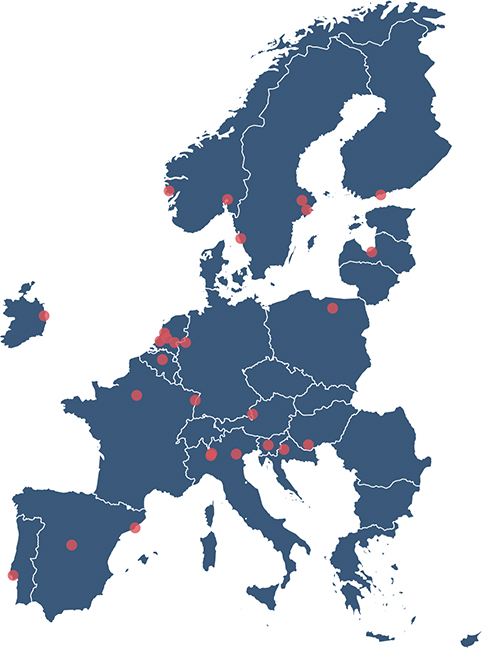
Figure 1. Geographical locations of contributing authors.
Methodological strengths and limitations
This thesis encountered several methodological challenges inherent to research on congenital craniofacial conditions while also demonstrating notable strengths. One key strength was the use of systematic reviews and meta-analyses, which synthesised decades of research to provide a solid foundation for subsequent studies. Nevertheless, publication bias (non-reporting bias) and inconsistencies in outcome reporting limited the comparability and certainty of some findings. This was particularly evident in the systematic reviews addressing UCLP speech outcomes [7, 8] and the phenotypic characteristics of Miller syndrome [13]. To address these challenges, researchers must also focus on improving the reporting of results in future studies. This thesis contributed to such efforts by introducing a checklist for phenotypic evaluation in Miller syndrome cases and providing an overview of the most commonly reported outcome measures in UCLP studies. These tools can help future researchers determine which data to collect and report, building further on the existing body of evidence for rare conditions.
An important limitation of this thesis was the inability to account for several potential confounders, particularly in the studies on speech outcomes and surgical burden. Factors such as initial cleft width, surgical experience and specific surgical techniques might have influenced some of the findings [16, 17]. However, the lack of consistent reporting of cleft width and surgical techniques, combined with the difficulty of quantifying surgical experience, posed challenges to incorporating these variables into our statistical analyses. Nonetheless, the likelihood that these confounders have substantially changed the conclusions is considered very low, given the consistency of the findings with other (high-quality) studies in the field, including the Scandcleft randomised controlled trial [18].
In contrast, a significant strength of this thesis was the relatively large sample sizes achieved in the UCLP studies compared to typical research in the field. For example, the study on speech outcomes included 285 patients, and the surgical and financial burden study involved 331 patients. These sample sizes are noteworthy in a field where, as revealed by the systematic reviews, study groups have a median sample size of only 30 UCLP patients. The larger cohorts in this thesis enhanced the reliability and robustness of the findings.
Another methodological strength was the involvement of many multidisciplinary experts and patient representatives in both the development of the clinical consensus statement and the registry for facial dysostosis syndromes. Although consensus studies are primarily based on expert opinion, which is considered a lower level of evidence, the methodologies employed included structured voting rounds and strict criteria for consensus. This ensured that the results were grounded in collective expertise. These processes required balancing input from different specialities and bringing everyone together in meetings to move discussions forward. Despite time constraints and the fact that much of the work happened outside regular working hours, there was extensive participation and commitment from the experts involved. This approach illustrates how systematic processes can enhance the reliability and applicability of guidance based on expert opinion, particularly in areas where robust scientific evidence is scarce.
Future directions
Building on the findings of this thesis, several directions for research are proposed to further improve and converge care for congenital craniofacial conditions. For UCLP, future research should continue focusing on surgical treatment, particularly on techniques for soft palate closure. These techniques significantly impact speech outcomes and influence the burden of speech therapy and secondary interventions [16]. However, it remains uncertain how many unique techniques are currently used for soft palate closure, as there is no consensus on when a technique constitutes a distinct approach versus being similar enough to be grouped with others. Hence, many techniques are often referred to as modifications of one another. This lack of clarity also applies to techniques for hard palate closure, lip closure and alveolar closure. To address this, it would be useful to first establish consensus on the classification and terminology of cleft closure techniques. Once a standardised classification is in place, research can then focus on identifying which (type of) techniques yield the best outcomes. Importantly, such research must account for cleft width and surgical skill to ensure that conclusions can be drawn clearly and confidently without unresolved uncertainties.
Another primary focus should be the timing of alveolar closure, which currently exhibits the greatest variability among the primary surgeries performed in the 26 ERN CRANIO centres. While many centres perform secondary alveolar bone grafting at around 8–12 years, others use earlier approaches, such as alveolar bone grafting at 5–6 years or gingivoperiosteoplasty during the first life year. Investigating the optimal techniques and timing could reduce the number of surgeries required for UCLP patients and minimise risks, such as medical anxiety or post-traumatic stress disorder, often associated with repetitive surgical interventions [19–21].
For facial dysostosis syndromes, European efforts should collectively guide research to address the most critical challenges faced by patients. The clinical consensus statement already highlighted several important questions, such as the safest and most effective criteria for decannulation and the best approaches for managing feeding and swallowing difficulties. By focusing on these high-priority topics, the care of individuals with Facial Dysostosis Syndromes (FDS) can be improved efficiently and effectively. The FDS registry will play a key role in these efforts by providing robust and centralised data to support research and clinical decision-making.
At the same time, substantial differences in care for craniofacial conditions remain across Europe, both between and within countries. These disparities are not only caused by variations in treatment protocols but also by differences in healthcare organisation, such as the centralisation of care, the availability of multidisciplinary teams, access to specific expertise (e.g. speech therapists or specialists in managing difficult paediatric airways), diagnostic tools like sleep studies and the availability of funding for healthcare. Progress could be made by concentrating complex procedures and treatments in specialised centres while improving referral pathways to ensure that patients are directed to these centres efficiently, and available financial resources are used most cost-effectively. If distance to specialised centres poses a constraint, innovations such as telemedicine may provide a middle way by enabling remote consultations and reducing the need for patients to travel long distances.
Other technological innovations also hold significant potential to address current challenges in research and care for congenital craniofacial conditions. For example, the global shortage of speech therapists complicates timely treatment and limits research on speech outcomes. Artificial intelligence (AI) could help bridge this gap by automating parts of speech assessment, such as hypernasality classification, making evaluations more objective, reproducible and scalable for large-scale studies. Similarly, the development of low-cost home monitoring systems for sleep studies could improve access to high-quality care, particularly in underserved regions across Europe, by enabling assessments outside specialised centres. Advances in prenatal diagnostics through AI, such as earlier detection of cleft palate, also offer opportunities for timely interventions and better preparation for postnatal treatment. Together, these innovations have the potential to alleviate resource shortages and improve care outcomes for individuals with congenital craniofacial conditions.
Lastly, 3D skeletal modelling presents promising opportunities for analysing craniofacial structures, particularly in conditions where predicting outcomes is challenging. For instance, in facial dysostosis syndromes, multi-level airway obstructions create unique challenges in assessing the efficacy or risks of treatments. Although 2D imaging modalities have been explored for their predictive value, their utility has been limited [22]. In contrast, 3D modelling could provide a more comprehensive approach to airway assessment and support improved clinical decision-making, such as evaluating whether cleft palate closure can be performed safely or whether mandibular distraction would be effective at a particular time. Beyond its potential for predictive analysis, 3D modelling techniques could also be used to objectively evaluate facial changes following reconstructive procedures, offering valuable insights for optimising treatment outcomes across various congenital craniofacial conditions [23].
Conclusion
This thesis contributes to the improvement and convergence of care for congenital craniofacial conditions in Europe by addressing longstanding gaps in evidence, promoting the standardisation of clinical practices and data collection and facilitating accurate diagnosis. Furthermore, it emphasises the importance of systematic methodologies and international collaboration to improve research and outcomes for these rare and complex conditions. The findings provide a foundation for further research and support ongoing efforts towards evidence-based and optimal care across Europe. Ultimately, this thesis represents an important step towards consensus on the treatment of congenital craniofacial conditions.
References
[1] Singh V, Moss T. Psychological impact of visible differences in patients with congenital craniofacial anomalies. Prog Orthod. 2015;16:5. https://doi.org/10.1186/s40510-015-0078-9
[2] Warschausky S, Kay J, Buchman S, et al. Health-related quality of life in children with craniofacial anomalies. Plast Reconstr Surg. 2002;110:409–414. https://doi.org/10.1097/00006534-200208000-00004
[3] Elzen M, Versnel S, Hovius S, et al. Adults with congenital or acquired facial disfigurement: impact of appearance on social functioning. J Craniomaxillofac Surg. 2012;40(8):777–782. https://doi.org/10.1016/j.jcms.2012.02.010
[4] Shaw WC, Semb G, Nelson P, et al. The Eurocleft Project 1996–2000: overview. J Craniomaxillofac Surg. 2001;29(3):131–140. https://doi.org/10.1054/jcms.2001.0217
[5] Towards consensus on the treatment of congenital craniofacial conditions [Internet]. [cited date 30-03-2026] Doctoral thesis, Rotterdam. Available from: https://pure.eur.nl/en/publications/towards-consensus-on-the-treatment-of-congenital-craniofacial-con/
[6] van Roey VL, Mink van der Molen AB, Mathijssen IMJ, et al. Between unity and disparity: current treatment protocols for common orofacial clefts in European Expert Centres. Int J Oral Maxillofac Surg. 2025;54(6):519–528. https://doi.org/10.1016/j.ijom.2024.12.001
[7] van Roey VL, Ombashi S, Pleumeekers MM, et al. Comparison of two surgical protocols for the treatment of unilateral cleft lip and palate: a multidisciplinary systematic review and meta-analysis. Int J Oral Maxillofac Surg. 2024;53(10):803–820. https://doi.org/10.1016/j.ijom.2024.04.003
[8] van Roey VL, Versnel SL, Heliövaara A, et al. Comparison of a third surgical protocol for the treatment of unilateral cleft lip and palate: a multidisciplinary systematic review and meta-analysis. Int J Oral Maxillofac Surg. 2025;54(11):1043–1070. https://doi.org/10.1016/j.ijom.2025.04.008
[9] van Roey VL, Hofman L, van der Goes PAJ, et al. Long-term speech outcomes in unilateral cleft lip and palate: a comparative study of early and delayed hard palate closure. J Craniofac Surg. 2025;36(8):2823–2828. https://doi.org/10.1097/scs.0000000000011975
[10] van Roey VL, Rezaee A, Heemskerk SCM, et al. Differences in the surgical and financial burden of four protocols for unilateral cleft lip and palate. Int J Oral Maxillofac Surg. 2025;54(8): 706–714. https://doi.org/10.1016/j.ijom.2025.03.001
[11] Van Roey VL, Irvine WFE, Åsten PM, et al. Optimal diagnostic and treatment practices for facial dysostosis syndromes: a clinical consensus statement among European experts. J Craniofac Surg. 2024;35(5):1315–1324. https://doi.org/10.1097/scs.0000000000010280
[12] van Roey VL, Ombashi S, Mathijssen IMJ, et al. The development of a European Registry for facial dysostosis syndromes: a Delphi-guided approach. J Craniofac Surg. 2025;36(8): 2712–2716. https://doi.org/10.1097/scs.0000000000011695
[13] van Roey VL, Ombashi S, Kaymaz I, et al. Unveiling the phenotypic spectrum of miller syndrome: a systematic review. J Craniofac Surg. 2025;36(8):e1243–e1247. https://doi.org/10.1097/scs.0000000000011501
[14] Mink van der Molen AB, van Breugel JMM, Janssen NG, et al. Clinical practice guidelines on the treatment of patients with cleft lip, alveolus, and palate: an executive summary. J Clin Med. 2021;10(21):4813. https://doi.org/10.3390/jcm10214813
[15] Geirdal AO, Øverland B, Heimdal K, et al. Association between obstructive sleep apnea and health-related quality of life in individuals affected with Treacher Collins syndrome. Eur Arch Otorhinolaryngol. 2013;270(11):2879–2884. https://doi.org/10.1007/s00405-013-2409-0
[16] Hofman L, van Dongen JA, van Rees RCM, et al. Speech correcting surgery after primary palatoplasty: a systematic literature review and meta-analysis. Clin Oral Investig. 2023;28(1):58. https://doi.org/10.1007/s00784-023-05391-7
[17] Butterworth S, Fitzsimons KJ, Medina J, et al. Investigating the impact of patient-related factors on speech outcomes at 5 years of age in children with a cleft palate. Cleft Palate Craniofac J. 2023;60(12):1578–1590. https://doi.org/10.1177/10556656221110094
[18] Willadsen E, Lohmander A, Persson C, et al. Scandcleft randomised trials of primary surgery for unilateral cleft lip and palate: 5. Speech outcomes in 5-year-olds – consonant proficiency and errors. J Plast Surg Hand Surg. 2017;51(1):38–51. https://doi.org/10.1080/2000656X.2016.1254647
[19] Ben-Ari A, Peri T, Margalit D, et al. Surgical procedures and pediatric medical traumatic stress (PMTS) syndrome: assessment and future directions. J Pediatr Surg. 2018;53(8):1526–1531. https://doi.org/10.1016/j.jpedsurg.2017.10.043
[20] Ben-Ari A, Margalit D, Udassin R, et al. Traumatic stress among school-aged pediatric surgery patients and their parents. Eur J Pediatr Surg. 2019;29(5):437–442. https://doi.org/10.1055/s-0038-1660449
[21] Turgoose DP, Kerr S, De Coppi P, et al. Prevalence of traumatic psychological stress reactions in children and parents following paediatric surgery: a systematic review and meta-analysis. BMJ Paediatr Open. 2021;5(1):e001147. https://doi.org/10.1136/bmjpo-2021-001147
[22] Sorin A, McCarthy JG, Bernstein JM. Predicting decannulation outcomes after distraction osteogenesis for syndromic micrognathia. Laryngoscope. 2004;114(10):1815–1821. https://doi.org/10.1097/00005537-200410000-00026
[23] Ibrahim A, Suttie M, Bulstrode NW, et al. Combined soft and skeletal tissue modelling of normal and dysmorphic midface postnatal development. J Craniomaxillofac Surg. 2016;44(11):1777–1785. https://doi.org/10.1016/j.jcms.2016.08.020