ORIGINAL RESEARCH ARTICLE
Factors associated with anxiety and depression following acute hand trauma: a prospective study of 134 patients
Ozer Ozmut  , Arslan Guvendik , Abdullah Bugra Kaya , Burak Yasar , Hasan Murat Ergani and Ramazan Erkin Unlu
Department of Plastic and Reconstructive Surgery, Ankara Bilkent City Hospital, Ankara, Turkiye
ABSTRACT
Introduction: Acute hand trauma is frequently accompanied by psychological distress; however, the demographic and injury-related factors associated with this response remain poorly understood. This study aimed to identify factors associated with early psychological distress in patients with acute hand trauma.
Methods: We prospectively evaluated 134 adult patients presenting with acute hand trauma. Patients completed the Beck Anxiety Inventory (BAI) and Beck Depression Inventory (BDI), and psychiatric symptoms were additionally assessed by a psychiatrist using the Brief Psychiatric Rating Scale (BPRS). Demographic characteristics, psychiatric history, pain scores, injury characteristics, and structural injuries were recorded. Multivariable linear regression analysis was performed to identify independent factors associated with psychological distress.
Results: Anxiety symptoms were the most common psychological manifestation, affecting 44% of patients. Previous psychiatric history, nerve injury, and work-related injury were independently associated with higher psychological distress scores. Younger age and female sex showed associations in univariable analyses but were not independent predictors after multivariable adjustment.
Conclusion: Early psychological distress following acute hand trauma appears to be influenced primarily by patient-related factors and nerve injury rather than anatomical injury level alone. Early psychological screening should be considered, particularly for patients with a previous psychiatric history or concomitant nerve injury.
KEYWORDS: Hand trauma; psychological distress; anxiety; depression; plastic surgery
Citation: Journal of Plastic Surgery and Hand Surgery 2026; 61: 218–223. DOI: https://doi.org/10.2340/jphs.v61.46667.
Copyright: © 2026 The Author(s). Published by MJS Publishing on behalf of Acta Chirurgica Scandinavica. This is an Open Access article distributed under the terms of the Creative Commons Attribution 4.0 International License (http://creativecommons.org/licenses/by/4.0/), allowing third parties to copy and redistribute the material in any medium or format and to remix, transform, and build upon the material, with the condition of proper attribution to the original work.
Received: 25 June 2026; Accepted: 30 July 2026; Published: 25 August 2026.
CONTACT: Ozer Ozmut ozerozmut@gmail.com Department of Plastic, Reconstructive and Aesthetic Surgery, Ankara Bilkent City Hospital, Universiteler Mahallesi, 1604. Cadde No: 9, 06800 Çankaya, Ankara, Türkiye
Competing interests and funding: The authors have no commercial associations or financial interests to declare, which may pose or create a conflict of interest regarding anything in this article.
None.
Introduction
Hand injuries are among the most common conditions encountered in plastic and hand surgery practice and may result in substantial functional impairment, loss of productivity, and reduced quality of life [1, 2]. Beyond their physical consequences, acute hand injuries may also impose a substantial psychological burden on affected individuals. Concerns about permanent disability, impaired hand function, delayed return to work, and disruption of daily activities may contribute to considerable emotional distress during the acute post-injury period [3]. Previous studies have demonstrated that anxiety, depression, and trauma-related psychological symptoms are frequently observed following hand trauma. Psychological distress has been associated with increased pain perception, delayed recovery, poorer functional outcomes, and reduced patient satisfaction [4].
As a result, the psychological impact of hand injuries has gained increasing attention in recent years. However, most studies have focused on long-term outcomes, chronic pain, or functional recovery, whereas factors associated with psychological distress during the acute phase of injury remain insufficiently investigated [5–7]. Several demographic and clinical factors may influence psychological outcomes after trauma. Younger age, female sex, previous psychiatric disorders, injury severity, and functional impairment have all been suggested as potential contributors. Nevertheless, the relative contribution of patient-related factors and injury-related characteristics remains unclear in patients presenting with acute hand trauma.
Identifying patients at increased risk of early psychological distress may facilitate timely psychological assessment and multidisciplinary management. Such an approach may improve both patient well-being and rehabilitation outcomes [8–10].
Therefore, the aim of this prospective study was to evaluate anxiety and depression symptoms in patients with acute hand trauma and to identify demographic and injury-related factors associated with early psychological distress.
Methods
Study design and participants
This prospective observational study included 134 consecutive adult patients with acute hand trauma who presented to the emergency department and were managed by the Plastic and Reconstructive Surgery Department between November 2021 and January 2023.
Patients underwent initial assessment and management according to the severity and characteristics of their injuries. Surgical exploration and operative intervention were performed whenever clinically indicated. On the first postoperative day or the first day of inpatient follow-up, all participants underwent psychiatric assessment performed by a psychiatrist.
Eligibility criteria included age between 18 and 65 years, presentation with an acute hand injury, and provision of informed consent. Patients with self-inflicted injuries, severe cognitive impairment, active psychotic disorders preventing participation, or inability to complete the assessment tools were excluded.
Psychological assessment
Psychological status was evaluated using the Beck Anxiety Inventory (BAI), Beck Depression Inventory (BDI), and the Brief Psychiatric Rating Scale (BPRS).
The BPRS consists of 18 items assessing psychiatric symptoms on a 7-point Likert scale ranging from 1 (not present) to 7 (extremely severe) [11]. For exploratory analyses, anxiety, depression, and overall psychological distress scores were derived from selected BPRS items. Anxiety was calculated from the BPRS items of anxiety, tension, and somatic concern, while depression comprised depressive mood, guilt feelings, emotional withdrawal, and motor retardation. Psychological distress was defined as the sum of anxiety and depression subscale scores.
Injury assessment
Demographic characteristics, educational status, psychiatric history, injury duration, pain intensity (Visual Analogue Scale, VAS), and injury characteristics were recorded.
The anatomical level of injury was classified into four regions defined by the authors:
- Level 1: Distal fingers
- Level 2: Proximal fingers and distal palm
- Level 3: Proximal palm
- Level 4: Wrist
Additional injury characteristics included injury mechanism (crush or laceration), work-related injury, amputation, tendon injury, nerve injury, dominant hand involvement, and incision length (Figure 2).
Ethical approval
Ethical approval was obtained from the institutional ethics committee (Approval No: E2-24-6461; February 7, 2024). The study was conducted in accordance with the Declaration of Helsinki.
Statistical analysis
Statistical analyses were performed using IBM SPSS Statistics version 26.0 (IBM Corp., Armonk, NY, USA). Categorical variables were presented as numbers and percentages, while continuous variables were reported as mean ± standard deviation or median (interquartile range), as appropriate. The Kolmogorov–Smirnov test was used to assess normality. Comparisons between groups were performed using the Mann–Whitney U test for continuous variables and the chi-square test for categorical variables. Correlations between continuous variables were assessed using Spearman’s correlation coefficient. To identify independent factors associated with psychological outcomes, multivariable regression analyses were performed using psychological distress scores as dependent variables. Variables with clinical relevance or significant associations in univariable analyses were entered into the regression models.
A p-value < 0.05 was considered statistically significant.
Results
Patient characteristics
A total of 134 patients with acute hand trauma were included in the study. The mean age was 37.4 ± 12.6 years (range, 18–62 years). Most participants were male (86.2%, n = 116), and the mean duration of education was 10.2 ± 3.5 years. Additionally, 56.0% (n = 75) of patients were employed, 61.2% (n = 82) were married, 62.1% (n = 72) were smokers, and 12.1% (n = 14) reported alcohol consumption (Table 1).
Injury characteristics and psychological assessment
Among the study population, 69.8% (n = 81) sustained work-related injuries, while 30.2% (n = 53) experienced injuries from other causes. Crush injuries accounted for 50.7% (n = 68) of cases, laceration injuries for 44.8% (n = 60), and other injury mechanisms for 4.5% (n = 6) (Table 2).
Anxiety was the most prevalent psychological symptom, affecting 44.0% of patients, followed by depressive symptoms in 39.0% (Figure 1). The mean Beck Anxiety Score was 6.43 ± 10.9, while the mean Beck Depression Score was 9.51 ± 6.4. The mean BPRS-derived Psychological Distress Score was 1.42 ± 1.1 (Table 2).
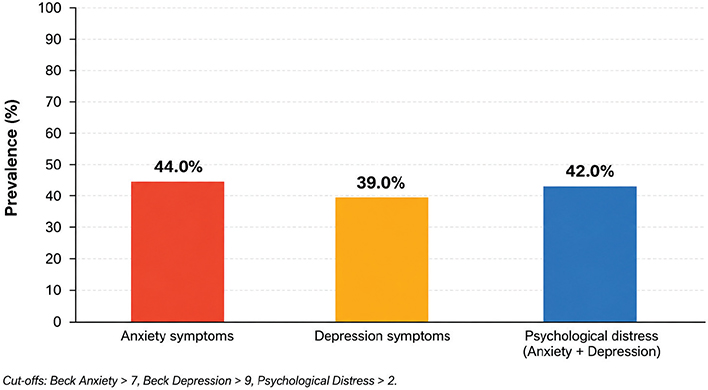
Figure 1. Prevalence of psychological symptoms among patients with acute hand trauma.
Psychological scores according to anatomical ınjury level
The prevalence of elevated psychological scores according to anatomical injury level is presented in Table 3. Beck Depression scores differed significantly across injury levels (p = 0.042), whereas no significant differences were observed for Beck Anxiety scores (p = 0.399) or Psychological Distress scores (p = 0.396) (Table 3) (Figure 2). However, this association disappeared after adjustment in the multivariable regression model.
| Variable | Level 1 (n = 53) | Level 2 (n = 38) | Level 3 (n = 20) | Level 4 (n = 21) | p |
| Beck Anxiety | 14 (26.4) | 9 (23.7) | 7 (35.0) | 9 (42.9) | 0.399 |
| Beck Depression | 15 (28.3) | 9 (23.7) | 11 (55.0) | 10 (47.6) | 0.042** |
| Psychological Distress | 13 (24.5) | 7 (18.4) | 6 (30.0) | 8 (38.1) | 0.396 |
| **Statistically significant, Values are n (%). Pearson chi-square test. Level 0 (n = 2) was excluded. Cut-offs: Beck Anxiety > 7, Beck Depression > 9, Psychological Distress > 2. | |||||
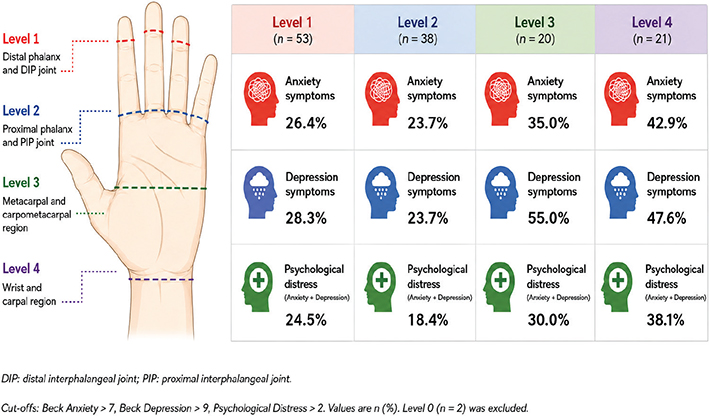
Figure 2. Distribution of psychological symptoms according to anatomical injury level.
Univariable analysis
Female patients exhibited significantly higher anxiety, depression, and psychological distress scores than male patients (all p < 0.05). Patients with a previous psychiatric history had significantly higher anxiety and depression scores than those without a psychiatric history (both p < 0.05). Patients with nerve injuries demonstrated significantly higher Psychological Distress scores compared with those without nerve injury (p = 0.023) (Table 4).
| Gender | Male (n = 116)* | Female (n = 18)* | p | ||
| Beck Anxiety | 4.00 (1.00–8.00) | 7.00 (3.00–16.00) | 0.010** | ||
| Beck Depression | 4.00 (2.00–11.00) | 10.00 (2.00–28.00) | 0.040** | ||
| Psychological Distress | 1.00 (0.50–1.67) | 2.17 (1.00–2.83) | 0.003** | ||
| Previous psychiatric history | No (n = 122)* | Yes (n = 12)* | p | ||
| Beck Anxiety | 4.00 (2.00–8.00) | 11.00 (6.50–15.25) | 0.004** | ||
| Beck Depression | 4.00 (2.00–11.00) | 12.00 (5.00–24.50) | 0.015** | ||
| Psychological Distress | 1.17 (0.50–1.83) | 1.92 (0.83–4.17) | 0.082 | ||
| Nerve ınjury | No (n = 47)* | Yes (n = 87)* | p | ||
| Beck Anxiety | 4.00 (2.00–7.00) | 4.00 (2.00–10.50) | 0.499 | ||
| Beck Depression | 5.00 (1.00–10.50) | 5.00 (2.00–15.00) | 0.268 | ||
| Psychological Distress | 0.83 (0.42–1.67) | 1.33 (0.67–2.17) | 0.023** | ||
| **Statistically significant p < 0.05, *Values are median (Q1–Q3), Mann-Whitney U test. | |||||
Correlation analysis
Correlation analysis demonstrated a significant inverse association between the age and both Beck Anxiety scores (r = −0.204, p = 0.018) and Psychological Distress scores (r = −0.211, p = 0.014). Incision length showed a weak positive correlation with Beck Anxiety scores (r = 0.197, p = 0.022) and Beck Depression scores (r = 0.220, p = 0.011). No significant correlations were observed between the education level, injury duration, and psychological outcome measures (Table 5).
Multivariable regression analysis
Multivariable linear regression analysis identified previous psychiatric history (β = 7.14, 95% confidence interval [CI]: 0.94–13.34, p = 0.024), nerve injury (β = 4.16, 95% CI: 0.54–7.77, p = 0.024), and work-related injury (β = −4.93, 95% CI: −9.32 to −0.54, p = 0.028) as independent predictors of psychological distress. Age, female sex, and anatomical injury level were not independently associated with psychological distress after adjustment for potential confounding factors (Table 6).
| β | 95% CI | P | |||
| Age | −0.12 | −0.26 to 0.01 | 0.073 | ||
| Female sex | 4.24 | −0.48 to 8.95 | 0.078 | ||
| Psychiatric history | 7.14 | 0.94 to 13.34 | 0.024** | ||
| Nerve injury | 4.16 | 0.54 to 7.77 | 0.024** | ||
| Work-related injury | −4.93 | −9.32 to −0.54 | 0.028** | ||
| Level | 0.66 | −0.99 to 2.32 | 0.428 | ||
| CI: confidence interval. Reference categories were male sex, no psychiatric history, no nerve injury, and non-work-related injury. **Statistically significant, p < 0.05. |
|||||
Discussion
The present study investigated demographic and injury-related factors associated with early psychological distress in patients presenting with acute hand trauma. The principal finding of this study was that previous psychiatric history, nerve injury, and work-related injury independently predicted higher levels of psychological distress following acute hand trauma [12, 13].
In addition, female patients demonstrated significantly higher anxiety, depression, and psychological distress scores than male patients, while younger age was associated with higher anxiety and psychological distress in correlation analyses. In contrast, the anatomical injury level was not an independent predictor of psychological distress after adjustment for potential confounding variables [14].
In clinical practice, hand injuries are commonly evaluated according to the extent of tissue damage and functional impairment; however, their psychological impact is frequently overlooked during the acute treatment period [9, 14].
Our findings support the growing evidence that psychological responses following trauma are influenced not only by injury characteristics but also by patient-related factors. Identifying patients at increased psychological risk during the early stages of treatment may facilitate timely psychiatric assessment and multidisciplinary management, potentially improving rehabilitation and functional recovery [15].
Previous psychiatric history was the strongest independent predictor of psychological distress in our cohort. Patients with a pre-existing psychiatric disorder demonstrated significantly higher anxiety and depression scores following acute hand trauma [13]. This finding is clinically plausible, as previous psychiatric illness may reduce resilience to acute stress and increase vulnerability to anxiety and depressive symptoms after traumatic events. Therefore, routine screening for psychiatric history during the initial assessment of hand trauma patients may help identify individuals requiring early psychological support. Similar findings have been reported, suggesting that pre-existing psychological disorders may increase vulnerability following musculoskeletal trauma [16, 17].
Nerve injury was also independently associated with increased psychological distress. Unlike isolated soft-tissue injuries, nerve injuries may produce sensory deficits, functional impairment, prolonged recovery, and uncertainty regarding long-term outcomes [8, 18]. These factors may contribute substantially to emotional distress during the early post-injury period. Our findings suggest that patients with nerve injuries may particularly benefit from closer psychological monitoring in addition to standard surgical management [19, 20]. The negative association observed for work-related injury should be interpreted cautiously and requires confirmation in larger multicenter studies.
Although depressive symptoms appeared more frequent in patients with more proximal injuries in univariable analyses, anatomical injury level was not an independent predictor after multivariable adjustment. This finding suggests that demographic characteristics and specific injury features, rather than anatomical location alone, may play a greater role in determining early psychological responses. Therefore, injury level should not be considered the sole indicator of psychological vulnerability following acute hand trauma [21, 22]. This finding suggests that the apparent association between the injury level and depressive symptoms was largely explained by demographic and injury-related confounding factors.
Several limitations of this study should be acknowledged. First, it was conducted at a single tertiary referral center, which may limit generalizability. Second, psychological assessments were performed during the acute phase following injury; therefore, long-term psychological outcomes could not be evaluated. Third, the cross-sectional assessment precludes conclusions regarding causal relationships. Finally, although the BPRS provided additional information regarding psychiatric symptoms, the primary psychological outcomes were based on standardized self-report measures, and future longitudinal studies are warranted to evaluate the persistence of anxiety and depression after hand trauma [4, 20, 23].
Conclusions
Early psychological distress following acute hand trauma appears to be influenced predominantly by patient-related factors rather than anatomical injury level alone. Previous psychiatric history and nerve injury were the strongest independent predictors of psychological distress. Routine psychological screening should be incorporated into the initial assessment of patients with acute hand trauma, particularly in those with a previous psychiatric history or concomitant nerve injury.
Acknowledgments
None.
Data availability
The datasets used and/or analyzed during the current study are available from the corresponding author upon reasonable request.
Ethical approval
Ethical approval was obtained from the Institutional Ethics Committee of Ankara Bilkent City Hospital (Approval No. E2-24-6461, February 7, 2024).
Informed consent
Written informed consent was obtained from all participants.
Presented at (if applicable): None.
Author contributions
Ozer Ozmut: Conceptualization, Methodology, Formal analysis, Investigation, Writing – original draft.
Arslan Guvendik: Data curation, Investigation.
Abdullah Bugra Kaya: Investigation, Data curation.
Burak Yasar: Methodology, Validation.
Hasan Murat Ergani: Supervision, Validation.
Ramazan Erkin Unlu: Supervision, Project administration, Writing – review & editing.
References
[1] Crichlow RJ, Andres PL, Morrison SM, et al. Depression in orthopaedic trauma patients. Prevalence and severity. J Bone Joint Surg Am. 2006;88(9):1927–1933. https://doi.org/10.2106/00004623-200609000-00004
[2] Ghițan AF, Gheorman V, Gheorman V, et al. Bone injuries in the hand and forearm: prevalence and psychological ramifications. Curr Health Sci J. 2023;49(4):510–516.
[3] Skoff H, Skoff H. The psychological and somatic consequences of digital amputation. Plast Reconstr Surg Glob Open. 2022;10(6):e4387. https://doi.org/10.1097/GOX.0000000000004387
[4] Maddison K, Perry L, Debono D. Psychological sequelae of hand injuries: an integrative review. J Hand Surg EurVol. 2023;48(1): 33–40. https://doi.org/10.1177/17531934221117429
[5] Grunert BK, Smith CJ, Devine CA, et al. Early psychological aspects of severe hand injury. J Hand Surg Br. 1988;13(2):177–180. https://doi.org/10.1016/0266-7681_88_90132-5
[6] Mendelson RL, Burech JG, Polack EP, et al. The psychological impact of traumatic amputations. A team approach: physician, therapist, and psychologist. Hand Clin. 1986;2(3):577–583. https://doi.org/10.1016/S0749-0712(21)00564-3
[7] Johnson RK. Psychologic assessment of patients with industrial hand injuries. Hand Clin. 1993;9(2):221–229. https://doi.org/10.1016/S0749-0712(21)00963-X
[8] Ladds E, Redgrave N, Hotton M, et al. Systematic review: predicting adverse psychological outcomes after hand trauma. J Hand Ther. 2017;30(4):407–419. https://doi.org/10.1016/j.jht.2016.11.006
[9] Richards T, Garvert DW, McDade E, et al. Chronic psychological and functional sequelae after emergent hand surgery. J Hand Surg Am. 2011;36(10):1663–1668. https://doi.org/10.1016/j.jhsa.2011.06.028
[10] Bot AGJ, Bossen JKJ, Mudgal CS, et al. Determinants of disability after fingertip injuries. Psychosomatics. 2014;55(4):372–380. https://doi.org/10.1016/j.psym.2013.08.005
[11] Hafkenscheid A. Psychometric evaluation of a standardized and expanded Brief Psychiatric Rating Scale. Acta Psychiatr Scand. 1991;84(3):294–300. https://doi.org/10.1111/j.1600-0447.1991.tb03147.x
[12] Degen RM, MacDermid JC, Grewal R, et al. Prevalence of symptoms of depression, anxiety, and posttraumatic stress disorder in workers with upper extremity complaints. J Orthop Sports Phys Ther. 2016;46(7):590–595. https://doi.org/10.2519/jospt.2016.6265
[13] Bhutani S, Bhutani J, Chhabra A, et al. Living with amputation: anxiety and depression correlates. J Clin Diagn Res. 2016;10(9):Rc09–Rc12. https://doi.org/10.7860/JCDR/2016/20316.8417
[14] Chen K, Hynes KK, Dirschl D, et al. Depression, anxiety, and post-traumatic stress disorder following upper versus lower extremity fractures. Injury. 2024;55(3):111242. https://doi.org/10.1016/j.injury.2023.111242
[15] Adıyeke L, Aydogmus S, Sabuncuoğlu M, et al. Effects of psychological factors on the clinical outcomes of fifth metacarpal neck fractures and their relation to injury etiology. Ulus Travma Acil Cerrahi Derg. 2019;25(4):403–409. https://doi.org/10.5505/tjtes.2018.93928
[16] Wimbiscus MA, Vinson AA, Lee J, et al. Challenges in management of hand injuries in psychiatric patients. Ann Plast Surg. 2025;95(5): 511–515. https://doi.org/10.1097/SAP.0000000000004503
[17] Ozer K, Gillani S, Williams A, et al. Psychiatric risk factors in pediatric hand fractures. J Pediatr Orthop. 2010;30(4):324–327. https://doi.org/10.1097/BPO.0b013e3181d8fa8c
[18] Gustafsson M, Amilon A, Ahlström G. Trauma-related distress and mood disorders in the early stage of an acute traumatic hand injury. J Hand Surg Br. 2003;28(4):332–338. https://doi.org/10.1016/S0266-7681(03)00138-4
[19] Sönmez A, Kora K, Öztürk N, et al. Injury patterns and psychological traits of patients with self-inflicted wounds produced by punching glass. J Trauma. 2010;69(3):691–693. https://doi.org/10.1097/TA.0b013e3181bbd62e
[20] Galanakos SP, Bot AG, Zoubos AB, et al. Psychological and social consequences after reconstruction of upper extremity trauma: methods of detection and management. J Reconstr Microsurg. 2014;30(3):193–206. https://doi.org/10.1055/s-0033-1361838
[21] Robinson K, Grey I, Broodryk T, et al. Nonsuicidal self-injury in a cross-sectional community survey of New Zealand adults: associations with demographic and psychological characteristics. Aust N Z J Psychiatry. 2025;59(3):270–281. https://doi.org/10.1177/00048674241312797
[22] Kim J, Lyon D, Weaver MT, et al. Demographics, psychological distress, and pain from pressure injury. Nurs Res. 2019;68(5): 339–347. https://doi.org/10.1097/NNR.0000000000000357
[23] Grunert BK, Devine CA, Matloub HS, et al. Psychological adjustment following work-related hand injury: 18-month follow-up. Ann Plast Surg. 1992;29(6):537–542. https://doi.org/10.1097/00000637-199212000-00010