ORIGINAL RESEARCH ARTICLE
Improved adherence to prostate cancer guidelines concomitant with public reporting. Nationwide population-based study
Andri Wilberg Orrasona, Pietro Scilipotia,b, Hans Garmoa, Rolf Gedeborga, Johan Styrkec and Marcus Westerberga
aDepartment of Surgical Sciences, Uppsala University, Uppsala, Sweden; bIRCCS Ospedale San Raffaele, Division of Oncology-Unit of Urology, Milan, Italy; cDepartment of Diagnostics and Intervention, Urology and Andrology, Umeå University, Umeå, Sweden
ABSTRACT
Background: Swedish national guidelines provide evidence-based recommendations for standard of care; however, little is known about adherence to them. The aim of this study was to assess adherence to management guidelines for prostate cancer (PCa).
Materials and methods: Data in the National Prostate Cancer Register (NPCR), that includes 98% of all incident PCa cases in Sweden, were used to analyse adherence to national PCa guidelines for men diagnosed between 2010 and 2023. A selection of quality indicators displayed on the public web page of NPCR were assessed.
Results: Active surveillance in men with low-risk PCa and an estimated life expectancy >10 years increased from 44% in 2010 to 88% in 2023. Radical treatment for men with localised high-risk PCa and life expectancy >10 years increased from 60% in 2010 to 86% in 2023 and for men with locally advanced PCa and life expectancy >5 years from 37% in 2010 to 64% in 2023. The proportion of radical prostatectomies for low- or intermediate-risk PCa performed with nerve-sparing technique increased from 61% in 2015 to 87% in 2023. Use of adjuvant androgen deprivation therapy after radiotherapy for men with high-risk or locally advanced PCa increased five-fold from 14% in 2010 to 73% in 2022.
Conclusion: Adherence to recommendations in national guidelines improved in Sweden between 2010 and 2023. Public, open reporting of NPCR data on adherence to guidelines down to department level is likely to have contributed to these improvements.
KEYWORDS: Prostate cancer; adherence to guidelines; trend analysis; treatment
Citation: Scandinavian Journal of Urology 2025, VOL. 60, 50–58. https://doi.org/10.2340/sju.v60.43107.
Copyright: © 2025 The Author(s). Published by MJS Publishing on behalf of Acta Chirurgica Scandinavica. This is an Open Access article distributed under the terms of the Creative Commons Attribution 4.0 International License (http://creativecommons.org/licenses/by/4.0/), allowing third parties to copy and redistribute the material in any medium or format and to remix, transform, and build upon the material, with the condition of proper attribution to the original work.
Received: 14 November 2024; Accepted: 3 February 2025; Published: 27 February 2025
CONTACT: Andri Wilberg Orrason andri.wilberg@uu.se Department of Surgical Sciences, Uppsala University Hospital, SE-75185, Uppsala, Sweden
Supplemental data for this article can be accessed online at https://doi.org/10.2340/sju.v60.43107
Competing interests and funding: The authors report no conflicts of interest.
This project was supported by The Swedish Research Council (2022-00544) Swedish Cancer Society [22 2051], Region Uppsala, and Uppsala University. The sponsors had no involvement with the planning, execution or completion of the study.
Background
Clinical guidelines provide recommendations for evidence-based health care with the aim to improve quality of care [1]. The first Swedish national guidelines for prostate cancer (PCa) care were published in 2014, and have been updated multiple times [2–4].
To achieve high standard and equal quality of care, it is important to continuously monitor and evaluate adherence to guidelines. For this purpose, the steering group of the National Prostate Cancer Register (NPCR) of Sweden selected 20 variables in NPCR as quality indicators in 2014 [5]. Of these, 10 indicators were selected among variables on activities performed in urological departments and 10 variables for oncological departments. These quality indicators were selected to mirror different aspects of PCa care. The level of adherence is measured with defined target levels for low, intermediate and high adherence, and displayed by use of a dashboard panel (Figure 1). The result for each individual hospital is reported back within 24 h of registration in NPCR on a secured online platform that can be accessed only by staff at each department [7]. For the purpose of benchmarking, the report displays results from other hospitals in the same health care region as well as the national average. Performance of previous years can also be visualised and compared to the current year. Surgeon identity is blinded in the NPCR data, where name is substituted with a code. Each department has the code key for their surgeons; therefore, individual-level feedback is possible.

Figure 1. Reporting on adherence to each urological department in Sweden based on data from National Prostate Cancer Register of Sweden at a secured server.
Adherence levels are categorised as high, intermediate, or low, and include data from specific department, from the healthcare region and the entire nation, and previous years [6].
MRI: Magnetic Resonance Imaging; RP: Radical Prostatectomy; PROM: Patient-reported outcome measures.
Data on the results for these indicators down to department level are also posted and updated twice yearly at RATTEN, a public website where data are displayed in an interactive online reporting system in Swedish and in English [5, 8] (Figure 2).
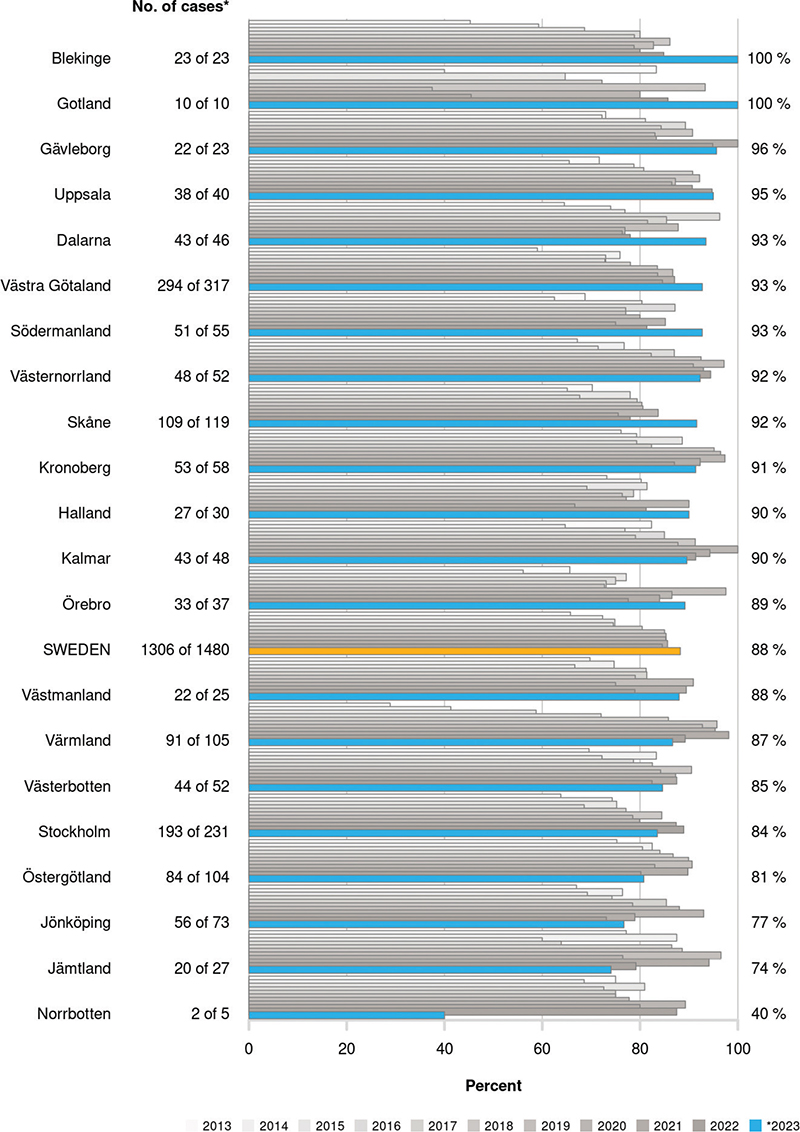
Figure 2. Report on the proportion of men with low-risk prostate cancer managed by active surveillance as presented on RATTEN, a public interactive online reporting system.
Results are displayed for each year from 2013 to 2023 across all 21 regions, along with the national average [9].
The aim of this study was to assess temporal trends in adherence to a selection of quality indicators that have been reported by NPCR between 2010 and 2023.
Material and methods
The aim of NPCR of Sweden is to ensure quality of care for men with PCa and to assess adherence to national guidelines for PCa [3, 4]. The completeness of the NPCR is high, including 98% of all incident PCa cases as compared with the Cancer Register, to which reporting is mandated by law [10]. The NPCR records information on cancer characteristics, diagnosis, work-up, and primary treatment of men with PCa. In Prostate Cancer Data Base of Sweden (PCaBaSe) RAPID, information in NPCR has been enriched by individual level record linkages to other health care registers including The Prescribed Drug Register, The Patient Register, The Cause of Death Register, The Emigration Register, and The longitudinal integrated database for health insurance and labour market studies (LISA), a socioeconomic database.
Study population
All men with PCa registered in the NPCR between 2010 and 2023 were included for analysis. Risk category at diagnosis was defined according to a modification of the National Comprehensive Cancer Network (NCCN) categorisation [11]. On the online reporting system RATTEN, the indicators can be stratified by patient age. In this study, we use life expectancy as a metric to better align with established guideline recommendations since it is biological age and not chronological age that should be considered when selecting treatment. Life expectancy was estimated based on age, and two recently created comorbidity indices — the Drug Comorbidity Index (DCI) based on filled prescriptions a year prior to diagnosis, and the Multi-dimensional diagnosis-based comorbidity index (MDCI), based on detailed data on diagnoses in The Patient Register [12–15]. Public Swedish health care is provided by six health care regions that are divided into 21 regions.
Quality indicators
Quality indicators were selected among variables registered in NPCR to assess different aspects of PCa care including quality of work-up and treatment. These variables included the proportion of men with low-risk PCa and a life expectancy of more than 10 years who received active surveillance, the proportion of men with high-risk PCa and a life expectancy of more than 10 years who received radical treatment, and the proportion of men with locally advanced PCa and a life expectancy of more than 5 years who received radical treatment. The use of magnetic resonance imaging (MRI) to define the target for primary radiotherapy was investigated as well as the use of multidisciplinary conference for treatment planning in men with high-risk or locally advanced PCa. Furthermore, the proportion of nerve-sparing prostatectomies in men with low- or intermediate-risk PCa who underwent radical prostatectomy, and the proportion of prostatectomy specimens with negative resection margins following radical prostatectomy in men with pT2 and pT3 tumours was investigated. The proportion of men who received adjuvant androgen deprivation therapy (ADT) after radiotherapy for high-risk or locally advanced PCa was also assessed.
A detailed description, inclusion criteria and evidence basis behind each quality indicator are shown in Supplementary Table 1 and Supplementary Document 1.
Study design and analysis
The proportion of adherence to each quality indicator was assessed separately for each of the six health care regions in Sweden and over time for each consecutive year. Crude temporal trends in binary quality indicators were assessed by computing annual proportions.
Results
A total of 143,772 men were diagnosed with PCa and registered in NPCR in 2010–2023 (Table 1). Median life expectancy was 16 years (Interquartile Range [IQR] (Q1–Q3): 11–20). The largest risk category was intermediate-risk PCa, 35% of men were in that category (n = 50,730). Active surveillance was the most common treatment strategy, accounting for 25% (n = 35,433), while radical prostatectomy represented the most common radical treatment, 21% (n = 29,933).
| Variable | N 143,772 |
% 100 |
| Age at diagnosis (years) | ||
| Median (Q1–Q3) | 70 (64–76) | |
| < 60 | 15,019 | 10 |
| 60–69 | 49,803 | 35 |
| 70–79 | 55,798 | 39 |
| 80+ | 23,152 | 16 |
| Life expectancya (years) | ||
| Median (Q1–Q3) | 16 (11–20) | |
| < 5 | 6,989 | 5 |
| 5–10 | 24,228 | 17 |
| 10–15 | 36,199 | 25 |
| 15+ | 76,356 | 53 |
| Year of diagnosis | ||
| 2010–2014 | 38,029 | 26 |
| 2015–2023 | 105,743 | 74 |
| Health care region | ||
| Central | 30,987 | 22 |
| North | 14,299 | 10 |
| Capital | 29,456 | 20 |
| South | 26,312 | 18 |
| Southeast | 17,071 | 12 |
| West | 25,647 | 18 |
| Risk category | ||
| Low-risk | 33,926 | 23 |
| Intermediate-risk | 50,730 | 35 |
| High-risk | 20,703 | 14 |
| Locally advanced | 10,589 | 7 |
| Regional metastases | 6,095 | 4 |
| Distant metastases | 16,982 | 12 |
| Unknown | 4,747 | 3 |
| Primary treatment | ||
| Active surveillance | 35,433 | 25 |
| Watchful waiting or unknown | 8,834 | 6 |
| Radical prostatectomy | 29,933 | 21 |
| Intended radical prostatectomyb | 5,051 | 4 |
| Radical radiotherapy | 23,184 | 16 |
| Intended radical radiotherapyb | 4,811 | 3 |
| Unknown radical treatment | 1,330 | 1 |
| Androgen deprivation therapy | 29,454 | 20 |
| Unknown | 5,454 | 4 |
| aLife expectancy was calculated based on age and comorbidity indices: the Drug Comorbidity Index (DCI) and the Multi-dimensional Diagnosis-based Comorbidity Index (MDCI) instead of the Charlson Comorbidity Index as previously described [12, 13, 16]. bIntended procedures are men who were assigned to the procedure but who did not undergo the procedure. |
||
Active surveillance
The use of active surveillance in men with low-risk PCa with a life expectancy >10 years increased markedly during the study period, from 44% in 2010 to 88% in 2023, with small variations between regions (Figure 3A).
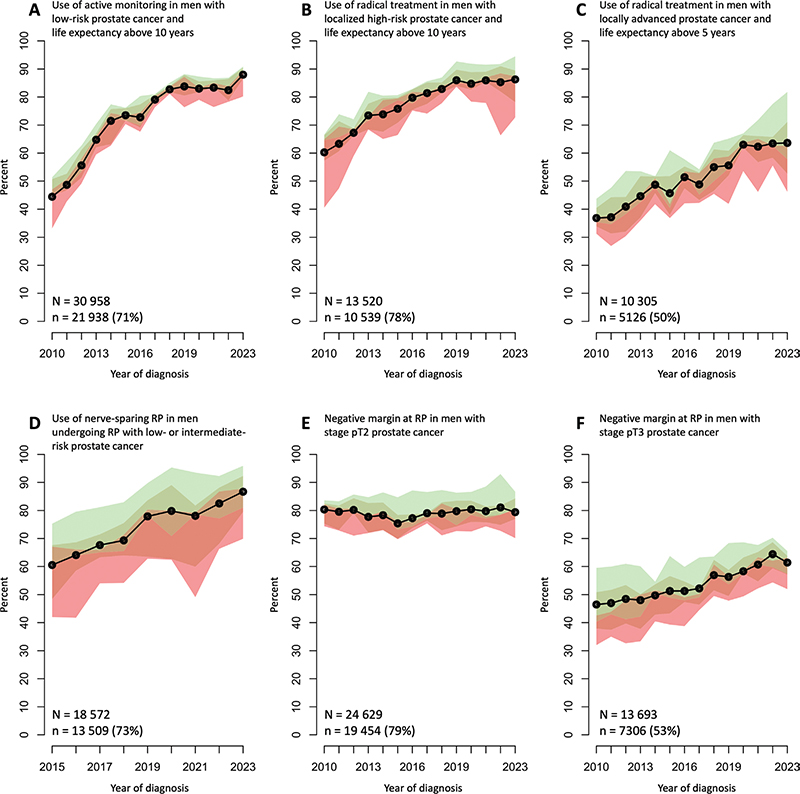
Figure 3. Temporal trends in binary quality indicators registered in urological departments.
Study period from 2010 to 2023 except for nerve sparing resection available from 2015. Data on radical treatment were available until April 2023. The black dotted line represents the national average whereas the different coloured shades represent the six health care regions of Sweden.
N = total number of men, n = treated men.
Radical treatment
The use of radical treatment increased from 60% in 2010 to 86% in 2023 for men with localised high-risk PCa who had a life expectancy of 10 years or more, and from 37% to 64% for men with locally advanced PCa and a life expectancy of 5 years or more (Figures 3B and 3C). There were large differences between health care regions in the proportion of men who received radical treatment for locally advanced PCa, from 46% to 82% in bottom and top health care region.
Nerve-sparing
The use of nerve-sparing resection in men who underwent radical prostatectomy for low or intermediate-risk PCa increased from 61% in 2015 to 87% in 2023, varying from 70% to 96% in 2023 in the healthcare regions with lowest and highest rate (Figure 3D).
Negative resection margins
The proportion of negative resection margins after radical prostatectomy for pT2 cancer in 2023 was 80% and remained constant during the study period with small differences between regions (Figure 3E), whereas the proportion of negative resection margins for pT3 cancer increased from 47% in 2010 to 61% in 2023, with larger differences between health care regions (Figure 3F).
Magnetic Resonance Imaging and multidisciplinary conferences
The use of MRI to define target prior to primary radical radiotherapy increased more than two-fold from 44% in 2010 to 94% in 2023, with large differences between health care regions (Figure 4A). Furthermore, the use of multidisciplinary conference to plan treatment for high-risk or locally advanced PCa increased from 27% to 81% between 2012 and 2023 (Figure 4B).
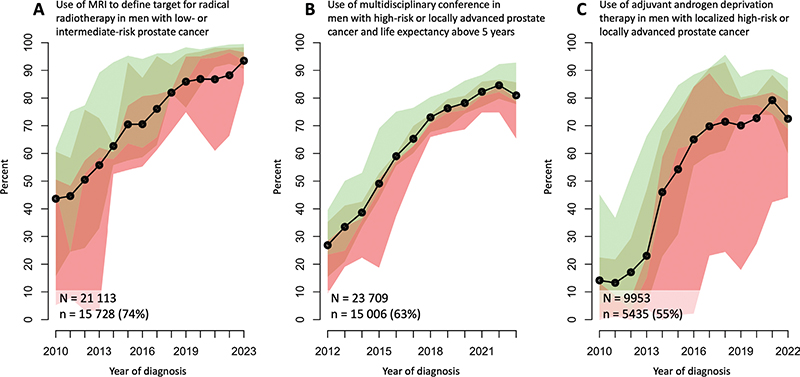
Figure 4. Temporal trends in binary quality indicators registered in oncological departments.
Study period from 2010 to 2023 except for data on use of multidisciplinary conference available from 2012. Data on adjuvant androgen deprivation therapy (ADT) was available until April 2022. The black dotted line represents the national average whereas the different coloured shades represent the six health care regions of Sweden.
N = total number of men, n = treated men.
Adjuvant Androgen Deprivation Therapy
The use of adjuvant ADT after radiotherapy of high-risk or locally advanced PCa increased five-fold, from 14% to 73% between 2010 and 2022 (Figure 4C).
Discussion
Summary of main findings
In this nationwide, population-based register study, adherence to guidelines improved between 2010 and 2023. For most indicators, differences in adherence between health care regions decreased; indicating a more uniform management of PCa.
Strengths and limitations
The NPCR of Sweden has a 98% completeness compared to the Cancer Register, to which reporting is mandated by law. We assessed the adherence to a wide range of guideline recommendations, selected to reflect various aspects of cancer care, in a nationwide population-based cohort. Data quality in the NPCR has previously been shown to be high when compared to re-abstracted data from medical charts [17]. Treatment decisions should be governed by biological age and not chronological age, and guideline recommendations are therefore based on life expectancy and not age. In this study, we were able to assess life expectancy by use of not only age, but also optimised register-based measures of comorbidity [18].
The study has some limitations. Information on some indicators was limited, for example registration of use of multidisciplinary conferences started in 2012 and information on nerve-sparing procedures was recorded from 2015. Of note, for the majority of men registered in the NPCR, there is no follow-up after primary treatment in NPCR, except for a small group of men with advanced PCa registered in Patient-overview PCa [19]. Furthermore, due to the observational nature of the study, a causal relationship between the implementation of an open reporting system and improvements in guideline adherence cannot be inferred.
Interpretation of findings
We assessed the adherence to guideline recommendations for a wide range of quality indicators. Active surveillance was implemented in Sweden between 2006 and 2007 for men diagnosed with low-risk PCa and a life expectancy of 10–15 years or more, aiming to mitigate overtreatment and treatment-related complications [20]. Our findings indicate that the use of active surveillance in this group doubled between 2010 and 2023.
We observed a gradual increase in use of radical treatment in men with high-risk and locally advanced PCa over the past decade, including in older men. Radical treatment has been recommended in guidelines after the publication of the Scandinavian Prostate Cancer Group-7 (SPCG-7) trial in 2009 [21]. Nevertheless, in 2023, only three out of five men with locally advanced PCa and a life expectancy of 5 years or more underwent radical treatment. Although clinical trials rarely include men above age 75 years, both European Association of Urology (EAU) and Swedish guidelines recommend radical treatment for men with high-risk PCa and a life expectancy of 5–10 years or more [4, 5, 21, 22]. Adherence to guideline recommendations among older men was also poor in a recent French prospective multicentre study, in which only half of men aged 70 years or older received treatment recommended by guidelines [23].
The use of nerve-sparing resection in men who underwent radical prostatectomy for low or intermediate-risk PCa has overall increased during the study period, but regional differences persist. Sparing the neurovascular bundle is essential for preserving erectile function, and evidence also suggests that it plays an important role in maintaining urinary continence [24]. However, the benefits of nerve-sparing need to be balanced against the risk of incomplete cancer removal. Our results show a relatively stable rate of negative surgical margins for men with pT2 cancer, despite increased use of nerve-sparing surgery during the study period.
There was a slight increase observed in the proportion of negative resection margins for men with pT3 cancer. This increase could potentially be attributed to increased use of multiparametric MRI, which has been shown to improve the surgical management of high-risk tumours [25]. MRI-based dose planning with image-guided radiotherapy has been recommended in guidelines since 2016 as standard of care [26]. We observed increased adherence to this recommendation in all health care regions. Similarly, the use of adjuvant ADT for men treated with radiotherapy for high-risk or locally advanced PCa increased substantially in line with recommendations in national guidelines since 2014 [4], albeit with some differences between regions.
The large differences in adherence between health care regions observed for most variables are a cause of concern and highlight the need of benchmarking between health care providers
Importance of evaluating adherence to guideline recommendations
Clinical guidelines provide evidence-based recommendations for best standard of care and are intended to promote standardised, clinically appropriate, and cost-effective care while also preventing overtreatment and use of potentially harmful practices [27].
However, surprisingly little is known about the uptake and adherence to guidelines for PCa care. To date, only a few studies have investigated adherence to PCa guidelines for a few specific variables, using databases that do not offer the same population coverage as provided by the NPCR (e.g., SEER–Medicare database) [28, 29]. In other areas for example cardiology, several studies have investigated adherence to guideline-recommendations on cardiac arrest, rehabilitation after myocardial infarction, and medical treatment for heart failure [30–32]. Furthermore, the Swedish Total Hip Replacement Register, has enabled ongoing monitoring of implant performance and surgical techniques [33]. By providing real-time feedback to healthcare providers, it has contributed to a reduction in revision rates and improved the long-term survival of hip replacements.
The initial step toward improving adherence to guidelines is to assess adherence and openly report these measures [34]. Effective implementation of guidelines then relies on the requirements of health care authorities on physicians as well as healthcare professionals’ willingness to learn from these reports and adapt patient care to evidence-based knowledge. Awareness of being observed leads to changes in behaviour, known as the Hawthorne effect [35]. Future qualitative studies are needed to address physicians’ awareness of guidelines, when and how they use them, and what conflicts that may occur in daily practice related to their use.
The quality indicators in this study are process indicators, i.e. they measure delivery. However, for a comprehensive quality assessment, structural indicators (resources and capacity) and outcome indicators are also important. For benchmarking purposes, process indicators are the most suitable and enable meaningful comparisons across institutions and regions [36].
As guidelines evolve mirroring new evidence for best practice, the NPCR steering group updates the selection of quality indicators in order to assess newly added recommendations and to stop reporting data for indicators on recommendations for which adherence has become high.
Conclusion
Adherence to Swedish national PCa guidelines improved between 2010 and 2023 in Sweden according to quality indicators in the NPCR. Public, open reporting of NPCR data on adherence to guidelines, down to department level, is likely to have contributed to the improvement.
Acknowledgements
This project was made possible by the continuous work of the National Prostate Cancer Register of Sweden (NPCR) steering group: Elin Axén, Johan Styrke, Andreas Josefsson, Camilla Thellenberg, Hampus Nugin, Ingrida Verbiené, Stefan Carlsson, Anna Kristiansen, Mats Andén, Kimia Kohestani, Jon Kindblom, Thomas Jiborn, Olof Ståhl, Hans Joelsson, Gert Malmberg, Olof Akre, Eva Johansson, Magnus Törnblom, Fredrik Jäderling, Marie Hjälm-Eriksson, Lotta Renström Koskela, Jonas Hugosson, Ola Bratt, Erik Thimansson, Johan Stranne, Elin Trägårdh, Viktoria Gaspar, Fredrik Sandin, Petrus Stenson, Lena Pettersson, Mia Brus, Gustaf Hedström, Anna Hedström, Maria Moutran, Nina Hageman, and Maria Nyberg. We also would like to thank Professor Mats Lambert for reading over the manuscript and giving helpful advice.
Disclaimer
Rolf Gedeborg is also employed by the Medical Products Agency (MPA) in Sweden. The MPA is a Swedish Government Agency. The views expressed in this article may not represent the views of the MPA.
References
- [1] EAU Guidelines. Presented at the EAU Annual Congress; Milan; 2023. ISBN 978-94-92671-19-6
- [2] National Board of Health and Welfare. National Swedish guidelines on prostate cancer [Internet]. Available from: https://cancercentrum.se/samverkan/cancerdiagnoser/prostata/vardprogram/ [cited 15.12.2024]
- [3] Stattin P. How to improve cancer care by use of guidelines and quality registers. Scand J Urol. 2024;59:190–192. https://doi.org/10.2340/sju.v59.42272
- [4] Stranne J. 2023/2024 update of the national prostate cancer guidelines in Sweden. Scand J Urol. 2024;59:210–211. https://doi.org/10.2340/sju.v59.42656
- [5] Stattin P, Sandin F, Loeb S, et al. Public online reporting from a nationwide population-based clinical prostate cancer register. BJU Int. 2018;122:8–10. https://doi.org/10.1111/bju.14213
- [6] The National Prostate Cancer Register. Koll på läget [Internet]. Available from: https://npcr.se [cited 15.12.2024]
- [7] Stattin P, Sandin F, Sandbäck T, et al. Dashboard report on performance on select quality indicators to cancer care providers. Scand J Urol. 2015;50:1–8. https://doi.org/10.3109/21681805.2015.1063083
- [8] The National Prostate Cancer Register of Sweden. Data register for diagnosis and treatment of prostate cancer [Internet]. Available from: www.npcr.se [cited 15.12.2024]
- [9] National Prostate Cancer Register of Sweden. RATTEN – online reporting system [Internet]. Available from: https://statistik.incanet.se/npcr/ [cited 15.12.2024]
- [10] Tomic K, Berglund A, Robinson D, et al. Capture rate and representativity of The National Prostate Cancer Register of Sweden. Acta Oncol (Madr). 2015;54:158–163. https://doi.org/10.3109/0284186X.2014.939299
- [11] Mohler J, Bahnson RR, Boston B, et al. NCCN clinical practice guidelines in oncology: prostate cancer. J Natl Compr Canc Netw. 2010;8:162–200. https://doi.org/10.6004/jnccn.2010.0012
- [12] Van Hemelrijck M, Ventimiglia E, Robinson D, et al. Population-based estimates of age and comorbidity specific life expectancy: a first application in Swedish males. BMC Med Inform Decis Mak. 2022;22:35. https://doi.org/10.1186/s12911-022-01766-0
- [13] Westerberg M, Irenaeus S, Garmo H, et al. Development and validation of a multi-dimensional diagnosis-based comorbidity index that improves prediction of death in men with prostate cancer: nationwide, population-based register study. PLoS One. 2024;19:e0296804. https://doi.org/10.1371/journal.pone.0296804
- [14] Westerberg M, Garmo H, Robinson D, et al. Target trial emulation using new comorbidity indices provided risk estimates comparable to a randomized trial. J Clin Epidemiol. 2024;174:111504. https://doi.org/10.1016/j.jclinepi.2024.111504
- [15] Gedeborg R, Sund M, Lambe M, et al. An aggregated comorbidity measure based on history of filled drug prescriptions: development and evaluation in two separate cohorts. Epidemiology. 2021;32: 607–615. https://doi.org/10.1097/EDE.0000000000001358
- [16] Gedeborg R, Garmo H, Robinson D, et al. Prescription-based prediction of baseline mortality risk among older men. PLoS One. 2020;15:1–16. https://doi.org/10.1371/journal.pone.0241439
- [17] Tomic K, Sandin F, Wigertz A, et al. Evaluation of data quality in the National Prostate Cancer Register of Sweden. Eur J Cancer. 2015;51:101–111. https://doi.org/10.1016/j.ejca.2014.10.025
- [18] Tanaka T, Suda K, Uyama I. ASO author reflections: chronological or biological age – which is more important for making clinical decisions in geriatric patients? Ann Surg Oncol. 2019;26:810–811. https://doi.org/10.1245/s10434-019-07994-5
- [19] Franck Lissbrant I, Hjälm Eriksson M, Lambe M, et al. Set-up and preliminary results from the patient-overview prostate cancer. Longitudinal registration of treatment of advanced prostate cancer in the National Prostate Cancer Register of Sweden. Scand J Urol. 2020;54:227–234. https://doi.org/10.1080/21681805.2020.1756402
- [20] Hamdy FC, Donovan JL, Lane JA, et al. Fifteen-year outcomes after monitoring, surgery, or radiotherapy for prostate cancer. N Engl J Med. 2023;388:1547–1558. https://doi.org/10.1056/NEJMoa2214122
- [21] Widmark A, Klepp O, Solberg A, et al. Endocrine treatment, with or without radiotherapy, in locally advanced prostate cancer (SPCG-7/SFUO-3): an open randomised phase III trial. Lancet. 2009;373: 301–308. https://doi.org/10.1016/S0140-6736(08)61815-2
- [22] Mason MD, Parulekar WR, Sydes MR, et al. Final report of the intergroup randomized study of combined androgen-deprivation therapy plus radiotherapy versus androgen-deprivation therapy alone in locally advanced prostate cancer. J Clin Oncol. 2015;33:2143–2150. https://doi.org/10.1200/JCO.2014.57.7510
- [23] González Serrano A, Tapia CM, de la Taille A, et al. Adherence to treatment guidelines and associated survival in older patients with prostate cancer: a prospective multicentre cohort study. Cancers (Basel). 2021;13:4694. https://doi.org/10.3390/cancers13184694
- [24] Steineck G, Bjartell A, Hugosson J, et al. Degree of preservation of the neurovascular bundles during radical prostatectomy and urinary continence 1 year after surgery. Eur Urol. 2015;67:559–568. https://doi.org/10.1016/j.eururo.2014.10.011
- [25] Baack Kukreja J, Bathala TK, Reichard CA, et al. Impact of preoperative prostate magnetic resonance imaging on the surgical management of high-risk prostate cancer. Prostate Cancer Prostatic Dis. 2020;23:172–178. https://doi.org/10.1038/s41391-019-0171-0
- [26] Bratt O, Carlsson S, Fransson P, et al. The Swedish national guidelines on prostate cancer, part 1: early detection, diagnostics, staging, patient support and primary management of non-metastatic disease. Scand J Urol. 2022;56:265–273. https://doi.org/10.1080/21681805.2022.2094462
- [27] Grimshaw JM, Russell IT. Effect of clinical guidelines on medical practice: a systematic review of rigorous evaluations. Lancet. 1993;342: 1317–1322. https://doi.org/10.1016/0140-6736(93)92244-N
- [28] Gómez-Veiga F, Rodríguez-Antolín A, Miñana B, et al. Diagnosis and treatment for clinically localized prostate cancer. Adherence to the European Association of Urology clinical guidelines in a nationwide population-based study – GESCAP group. Actas Urol Esp. 2017;41:359–367. https://doi.org/10.1016/j.acuro.2016.10.009
- [29] Dell’Oglio P, Abou-Haidar H, Leyh-Bannurah S-R, et al. Assessment of the rate of adherence to international guidelines for androgen deprivation therapy with external-beam radiation therapy: a population-based study. Eur Urol. 2016;70:429–435. https://doi.org/10.1016/j.eururo.2016.02.057
- [30] Hessulf F, Herlitz J, Rawshani A, et al. Adherence to guidelines is associated with improved survival following in-hospital cardiac arrest. Resuscitation. 2020;155:13–21. https://doi.org/10.1016/j.resuscitation.2020.07.009
- [31] Ferrannini G, Biber ME, Abdi S, et al. The management of patients with heart failure in Sweden: a survey conducted among physicians in Sweden. Eur Heart J. 2023;44:ehad655.974. https://doi.org/10.1093/eurheartj/ehad655.974
- [32] Ögmundsdottir Michelsen H, Sjölin I, Schlyter M, et al. Cardiac rehabilitation after acute myocardial infarction in Sweden – evaluation of programme characteristics and adherence to European guidelines: the Perfect Cardiac Rehabilitation (Perfect-CR) study. Eur J Prev Cardiol. 2020;27:18–27. https://doi.org/10.1177/2047487319865729
- [33] Herberts P, Malchau H. Long-term registration has improved the quality of hip replacement: a review of the Swedish THR Register comparing 160,000 cases. Acta Orthop Scand. 2000;71:111–121. https://doi.org/10.1080/000164700317413067
- [34] MacLennan S, Duncan E, Skolarus TA, et al. Improving guideline adherence in urology. Eur Urol Focus. 2022;8:1545–1552. https://doi.org/10.1016/j.euf.2021.10.007
- [35] Demetriou C, Hu L, Smith TO, Hing CB. Hawthorne effect on surgical studies. ANZ J Surg. 2019;89:1567–1576. https://doi.org/10.1111/ans.15475
- [36] Brausi M, Hoskin P, Andritsch E, et al. ECCO essential requirements for quality cancer care: prostate cancer. Crit Rev Oncol Hematol. 2020;148:102861. https://doi.org/10.1016/j.critrevonc.2019.102861