ORIGINAL RESEARCH ARTICLE
Long-term effect of treatment for non-muscle invasive bladder cancer on Quality of life: a cross-sectional study
Rikke Vilsbøll Millinga,b , Ninna Kjær Nielsena,b, Charlotte Graugaard-Jensena,b, Peter Christensenb,c, Helle Pappotd and Jørgen Bjerggaard Jensena,b
aDepartment of Urology, Aarhus University Hospital, Aarhus, Denmark; bDepartment of Clinical Medicine, Aarhus University, Aarhus, Denmark; cDepartment of Surgery, Aarhus University Hospital, Aarhus, Denmark; dDepartment of Oncology, Rigshospitalet, Copenhagen, Denmark
ABSTRACT
Background and objective: Approximately 75% of bladder cancer patients are diagnosed with non-muscle invasive bladder cancer (NMIBC). Complications from treatment, burden the patients and may affect their Quality of Life (QoL). Although accounting for most bladder cancer patients, only 25% of QoL research is conducted in NMIBC patients. The aim is to describe the incidence of complications and to investigate their long-term impact on QoL.
Methods: This is a cross-sectional study using register data combined with a questionnaire, measuring urological, sexual, gastrointestinal, and psychological complications during treatment. The NMIBC patients diagnosed in Denmark from 2015 to 2020 with the ability to receive digital mail were invited to participate along with 1:6 age- and gender-matched controls. The survey mainly consisted of the European Organisation for Research and Treatment of Cancer’s (EORTC) EORTC-QLQ-C30 and the NMIBC specific EORTC-QLQ-NMIBC24.
Results: A total of 2262 (43%) NMIBC-patients and their 4092 (36%) matched controls participated. Mean time since last Transurethral Resection of Bladder Tumour was 5.8 years (SD: 2.2). Both cases and controls scored equally on the functional items and symptom items of the EORTC-QLQ-C30. The scoring by NMIBC-patients of the EORTC-QLQ-NMIBC24 were mild, indicating no symptomatology. No difference in register-based diagnoses was identified, except for higher incidences of infections related to the urinary tract identified in NMIBC patients.
Conclusions: We found that NMIBC patients have higher incidences of urological diagnoses compared to controls, but not in sexual or gastrointestinal diagnoses. No difference in long-term impact of complications on QoL between NMIBC patients and controls were identified.
KEYWORDS: Bladder cancer; complications; quality of life
Citation: scandinavian journal of urology 2025, VOL. 60, 141–147. https://doi.org/10.2340/sju.v60.44187.
Copyright: © 2025 The Author(s). Published by MJS Publishing on behalf of Acta Chirurgica Scandinavica. This is an Open Access article distributed under the terms of the Creative Commons Attribution 4.0 International License (http://creativecommons.org/licenses/by/4.0/), allowing third parties to copy and redistribute the material in any medium or format and to remix, transform, and build upon the material, with the condition of proper attribution to the original work.
Received: 30 July 2024; Accepted: 16 June 2025; Published: 27 July 2025
CONTACT: Rikke Vilsbøll Milling rimill@rm.dk Palle Juul-Jensens Blvd. 99, 8200 Aarhus, Denmark
Supplemental data for this article can be accessed online at https://doi.org/10.2340/sju.v60.44187
Competing interests and funding: The authors declare no conflicts of interest. The study was supported by the Danish Cancer Society, Denmark, Grant number: R192-A11536-B3131.
Introduction
Bladder cancer is a common disease, often referred to as the 10th most common cancer in the world. Approximately 75% of bladder cancer patients present with non-muscle invasive bladder cancer (NMIBC) [1], defined as tumour restricted to the mucosa invading no deeper than the lamina propria [2].
The diagnosis and treatment of NMIBC are achieved by performing a Transurethral Resection of the Bladder Tumour (TURBT). In cases of low risk NMIBC, TURBT is generally considered sufficient. However, for recurring, intermediate, and high risk NMIBC, TURBT is often supplemented with adjuvant instillation therapy in the form of Mitomycin C (MMC) or Bacille Calmette-Guerin (BCG) [2, 3]. Well-known early complications after TURBT, follow-up cystoscopies, and instillation therapy applied in the management of NMIBC are bleeding, pain, urine retention, cystitis, and anxiety, due to fear of recurrence [4, 5].
These complications, whether occurring individually or cumulatively, burden the patients and affect their Quality of Life (QoL) [6]. QoL can be measured using several different validated instruments. In NMIBC research, the most commonly applied questionnaires are the generic questionnaires from the European Organisation for Research and Treatment of Cancer (EORTC) EORTC-QLQ-C30 and its NMIBC-specific supplementary module, EORTC-QLQ-NMIBC24 [7, 8]. Although NMIBC patients account for the majority of bladder cancer diagnoses, only around 25 % of QoL research is conducted in NMIBC patients [9].
Complication rates following the abovementioned treatments are frequently described in the literature. However, only very few studies include Patient Reported Outcome Measures (PROM) when reporting on the incidences, and they often strictly describe complications or symptoms arising from the bladder [5]. Furthermore, very limited research has been conducted investigating the correlation between complications caused by treatments and their impact on QoL [10].
Hence, the aim of this study is to describe the proportion of complications and to investigate their long-term impact on the patients QoL, by comparing NMIBC patients to age- and gender-matched controls.
Methods
Population
The study design was a cross-sectional register study, combined with PROM-data from a questionnaire survey. The study population was identified from the Danish National Patient Registry (DNPR) [11]. Data on all NMIBC patients diagnosed from 2015 to 2020 and still alive at the date of cohort generation (August 17th, 2022) were included. After identifying all NMIBC patients, age- and gender-matched controls were identified in a 1:6 ratio. From DNPR and the Central Person Registry (CPR), data on age, comorbidities, and peri- and post-operative complications were obtained. Data on treatment type was obtained using International Classification of Disease (ICD) 10 codes from the DNPR. From the Cancer Registry, data on TNM-stage were obtained.
Prior to generating the cohort, the presence of ICD10 codes for Alzheimer’s or dementia registered on DNPR served as the only exclusion criteria for both cases and controls.
An index date was defined for all cases, as being the date of their bladder cancer diagnosis. All matched controls were given the same index date as their matching case. Any ICD10 codes were only included in this study, if they occurred after the index date, ensuring discrepancy between comorbidities and complications to treatment.
The study adheres to the General Data Protection Regulations and was reported to the Danish Data Protection Agency (Central Denmark Region, record number: 1-16-02-394-21). In accordance with the Danish legislation, no separate ethical approval was required.
Questionnaires
The survey included the generic EORTC-QLQ-C30 QoL questionnaire combined with the bladder cancer specific EORTC-QLQ-NMIBC24 for cases with NMIBC. The scoring of EORTC spans from 0 to 100. A high score on a symptom scale indicates high symptomatology, and a high score on a functional scale indicates good QoL [7, 8]. In addition, five topics from the National Cancer Institutes (NCI) PRO Common Terminology Criteria for Adverse Events (PRO-CTCAE) item library were selected; Concentration, Memory, Anxiety, Discouraged, Sad, including questions from A to C within each topic [12]. PRO-CTCAE are scored from 0 to 4, where a low score indicates no symptomatology. To investigate urinary symptoms, ICIQ-MLUTS and ICIQ-FLUTS was chosen [13]. On The International Consultation on Incontinence Questionnaires (ICIQ) questionnaires, a low score indicates no symptomatology. Sexual health was investigated using EORTC-SHQ22 [14] and the International Index of Erectile Function (IIEF5), where the scoring sum represents categories spanning from no erectile dysfunction (ED) to severe ED [15, 16]. In addition to the symptom scales on the EORTC questionnaires, bowel function was elaborated on using the Bristol stool chart [17].
All of the above symptom-related questionnaires refer to a predefined time frame, typically covering the past 1–6 months. This allows us to capture symptoms that reflect the period around the time of questionnaire completion, enabling a focus on the examination of late effects. Following the section of urological, sexual, and gastrointestinal questions, participants were asked to evaluate the impact of their urological, sexual, and gastrointestinal conditions on their QoL. The anchor used a 4-point scale; ‘Not at all’, ‘A little’, ‘Some’, ‘A lot’.
A pilot study with five NMIBC patients was conducted prior to distribution of the questionnaire. They all completed the questionnaire and were afterwards interviewed following a semi-structured approach (Supplementary Table 1).
The questionnaires were managed and distributed using SurveyXact. Invitations were sent to those receiving digital mail from authorities through the Danish digital mailbox system (E-boks). Along with a study invitation letter, the survey was distributed electronically on September 12th, 2023. In case of no response, reminders were sent after 14 days. Fourteen days after the reminders were sent, the option to respond to the questionnaire was closed. Written informed consent was provided upon answering the questionnaire.
Comorbidity and complications
For cases, comorbidities used to calculate age adjusted Charlson Comorbidity Index (CCI) were defined as any ICD10 code registered prior to the first date of diagnosis. The date of diagnosis served as an index date and was thus applied for all matching controls. The CCI was calculated using the original score, adapted to the ICD10 coding [18]. In this article, long-term complications were defined as any ICD10 code registered after the index date.
Statistical analysis
All statistical analyses were performed using R version 4.2.2 [19].
Missing data on EORTC-questionnaires have been omitted according to guidelines [20]. On additional questionnaires, missing data are presented when relevant for the conclusions. Missing items for multi-item analysis has been omitted, thus omitting the multi-item scoring.
Mean and standard deviation is presented for data following normal distribution and for time periods. Non-normally distributed data are presented with median and quartiles (Q1–Q3). Data from DNPR are presented as frequencies and percentages.
When testing for correlations, Wilcoxon signed-rank test and Spearman correlations has been used.
Results
Out of 6719 identified patients with NMIBC, 5249 (78%) were invited of which 2262(43%) patients participated. Out of their 13,572 matched controls, 11,341 (84%) were invited of which 4092 (36%) participated (Figure 1). Median age was 75 (IQR: 69, 80) for cases and 74 (IQR: 69, 79) for controls. Non-responders had a median age for cases and controls, respectively, of 75 (IQR: 67, 81) and 75 (IQR: 67, 81). Age adjusted CCI for responders were 4 (IQR: 3,5) for cases and 4 (IQR: 3, 4) for controls. Age adjusted CCI for both non-responding cases and non-responding controls were 4 (IQR: 3, 5).
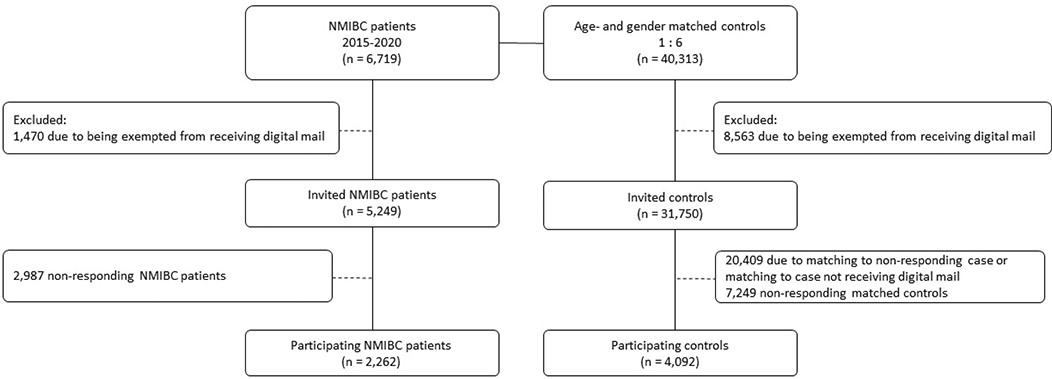
Figure 1. Flowchart of the inclusion process
The two groups were equal in BMI but differed regarding tobacco history (p < 0.001). A total of 219 (10%) cases and 307 (8%) controls were registered with other pelvic organ cancers. Additional characteristics are listed in Table 1.
The semi-structured interview conducted prior to distribution did not lead to any changes to the questionnaire, except for technical adjustments to how height and weight were entered. The scoring of the functional items of EORTC-QLQ-C30 is listed in Table 2. There were no observed differences between the groups, with both groups scoring high indicating good QoL.
A total of 1185 (52%) of cases and 571 (14%) of controls were registered with at least one urological ICD10-code in the DNPR (p < 0.001). Data from the DNPR, the scoring of EORTC-QLQ-NMIBC24 and ICIQ-M/FLUTS, and the self-evaluated impact on QoL are listed in Table 3.
A total of 27 (1%) cases and 45 (1%) controls were registered with at least one ICD10-code of sexual dysfunction in the DNPR (p = 0.99). Controls were more often sexually active compared to cases (49% vs 42%). No differences were seen in reasons for sexual inactivity. The scoring of the multi-item sexual satisfaction on EORTC-SHQ22 showed a higher score, and thus higher symptomatology, for cases compared to controls (p < 0.001). The scoring of the multi-items and IIEF5, data from DNPR, and the self-evaluated impact on QoL are listed in Table 3.
A total of 97 (4%) cases and 116 (3%) controls were registered with at least one gastrointestinal ICD10-code in the DNPR (p = 0.33). The scoring of the gastrointestinal questions on EORTC-QLQ-C30 were similar in the two groups. The scoring is low, indicating a low degree of symptomatology. Scoring of the multi-item on abdominal bloating and flatulence for cases, were low indicating low symptomatic burden. These data, along with data from the Bristol stool chart, DNPR, and the self-evaluated impact on QoL, are listed in Table 4.
| Characteristic | Case N = 2,262 |
Control N = 4,092 |
| EORTC-QLQ-C30 | ||
| Nausea and vomiting | 0 (0, 0) | 0 (0, 0) |
| Appetite loss | 0 (0, 0) | 0 (0, 0) |
| Constipation | 0 (0, 33.3) | 0 (0, 33.3) |
| Diarrhoea | 0 (0, 33.3) | 0 (0, 33.3) |
| EORTC-QLQ-NMIBC24 | ||
| Abdominal bloating and flatulence* | 33.3 (16.7, 33.3) | - |
| Bristol stool chart score | 4 (3, 4) | 4 (3, 4) |
| Data from DNPR | ||
| Nausea and vomiting | 13 (<1%) | 19 (<1%) |
| Appetite loss | <5 (<1%) | <5 (<1%) |
| Constipation | 61 (3%) | 61 (1%) |
| Diarrhoea | 11 (<1%) | 25 (<1%) |
| Impact of gastrointestinal conditions on QoL | ||
| Not at all | 1430 (63%) | 2845 (70%) |
| A little | 509 (23%) | 710 (17%) |
| Some | 129 (6%) | 175 (4%) |
| A lot | 34 (1%) | 34 (<1%) |
| Missing | 160 (7%) | 328 (8%) |
| *Multi-item. Median (Q1, Q3), N (%) EORTC: European Organisation for Research and Treatment of Cancer, DNPR: Danish National Patient Registry; QoL: Quality of Life. |
||
A total of 25 (1%) cases and 43 (1%) controls were registered with at least one psychiatric ICD10-code in the DNPR (p = 0.031). The score was low and similar for both groups on the symptom scales fatigue and insomnia on EORTC-QLQ-C30, indicating low symptomatology. Data on the selected PRO-CTCAE scales were scored low in both groups, again indicating mild symptomatology (Supplementary Table 2).
Analysis of the EORTC-QLQ-C30 Global Health Scale and symptom specific items revealed a strength of very weak to moderate correlation. However, one strong correlation was identified between fatigue and the Global Health Scale on the EORTC-QLQ-C30 (Supplementary Table 3).
Discussion
In this study, no clinically relevant differences in QoL were observed between NMIBC patients and controls. The high scores on EORTC-QLQ-C30 have also been reported in other studies, where QoL was measured in patients during instillation therapy, and no changes in QoL were found over time [21]. Similarly, another study, using the Functional Assessment of Cancer Therapy for Bladder Cancer patients (FACT-BL) to measure QoL, found QoL to be stable between baseline and one-year follow up [22]. One of the largest prospective studies on the subject, describes that QoL is not affected within NMIBC patients during the first four years, but that the scores are worse compared to normative data [23]. The scoring identified by Beeren et al. at 4-year follow up is similar to that of our study, when considering the discrepancy in reporting mean and standard deviation versus median and IQR. In this study, we did not identify differences in QoL between NMIBC patients and controls. This can possibly be explained by the almost 2 year longer time since last TURBT in this study, equalling the differences, or it could be due to the impaired sensitivity of the questionnaire to detect small differences in QoL [24].
The urinary symptoms and intravesical treatment issues measured on EORTC-QLQ-NMIBC24 were generally mild. This is in line with previous findings of Beeren et al. at 4-year follow up [23]. Measuring lower urinary tract symptoms on ICIQ-questionnaires, the finding of the present score revealed lower scores compared to the findings of Deacon et al., who utilised the questionnaires 14 days post TURBT [5]. This could indicate that the symptoms may improve over time, equalising the difference between NMIBC-patients and the general population. A significant difference in the amount of DNPR registered ICD10 codes between NMIBC patients and controls were identified (p < 001). The nature of the more frequently registered complications were infections, which can be attributed to the repeated instrumentation of the urinary tract [25]. The burden of the complications is mainly reflected in the self-evaluated impact of urological conditions on QoL, were NMIBC patients evaluated a significantly greater impact than controls (p < 0.001).
Only a few studies have elaborated on sexual function using topic specific questionnaires in addition to the sexual questions on EORTC-QLQ-NMIBC24. Similar to this study, Krajewski et al. applied the IIEF-5 to investigate the impact of TURBT on sexual function with emphasis on male erection. They found an increase in amount of patients with severe ED 14 days post TURBT [4]. Bolat et al. also applied IIEF-5, but their results only present the overall mean score, making it difficult to compare findings [26]. Kowalkowski et al. and Van der Aa et al. both examine sexual health using an earlier version of EORTC-QLQ-NMIBC24, the EORTC-QLQ-BLS24 [27, 28]. Median age in both studies revealed a younger study group than in this study (age 64–69), which can explain the higher proportion of sexually active NMIBC-patients, reported to be 50%–60%. Van der Aa et al. reported that around half of sexually active NMIBC-patients experienced ED or problems with vaginal dryness [28], which is comparable to the findings of this study. However, comparing the responses to the questionnaire and the data from DNPR between the groups, no true difference was seen between NMIBC-patients and healthy controls. Thus, the findings indicating sexual dysfunction might be a result of age and cannot be explained by the disease itself nor its treatment.
Bowel function for NMIBC-patients has mainly been described using the bowel specific symptom scales on EORTC-QLQ-C30 and the abdominal bloating and flatulence item on EORTC-QLQ-NMIBC24. In this study, the scoring of the questionnaires was generally mild, indicating no or only mild symptomatology. These findings are similar to that of other studies, measuring at 1.5 years [29] and 4 years [23] post treatment. This study identified no difference between responses to the questionnaire and DNPR data, which could indicate that bowel function of NMIBC-patients is equal to that of the general population. Interestingly, the NMIBC-patients self-evaluated a higher impact of gastrointestinal conditions on QoL than controls. This discrepancy can either be explained by the sensitivity of the questionnaire, not accurately measuring the true difference between the groups, or it can be explained by confirmation bias, where NMIBC-patients are likely to experience a correlation between gastrointestinal and urogenital symptoms, although no such is evident from the data. Lastly, the sensitivity of the anchor applied is questionable, as the anchors were designed for this specific purpose, and might be too sensitive in measuring a difference greater than expected.
Psychological side effects to treatment of NMIBC has been studies by Krajewski et al. [4], using the Hospital Anxiety and Depression scale (HADS), showing that TURBT, catheterisation, and complications all contribute to worse scoring of the questionnaire. However, in this study, the scoring of the psychological symptom scales on EORTC-QLQ-C30 and NCI PRO-CTCAE were generally mild, indicating no symptoms. The same tendency has been found in previous studies [29]. Interestingly, Beeren et al. [23] demonstrated a decline over time from baseline to 4 years follow up on future worries, and thus the mild score can be explained by the timing of the questionnaire in this study. The scoring of the symptom scale ‘fatigue’ in this study is mild and comparable to other studies [23, 29]. However, fatigue was the only symptom correlating strongly to impairment on overall QoL in this study. Interestingly, this symptom has been found to be scored lower among NMIBC-patients adhering to lifestyle-changes regarding physical activity [30] and could thus potentially be improved using low-cost approaches.
The strengths of this study are its ability to provide a combination of both registry data and PROM. Furthermore, the study is strengthened by its ability to compare NMIBC patient to age- and gender-matched controls and the ability to do so in large numbers.
However, the study also has limitations. First of all, the cross-sectional design of the study makes it difficult to correlate complications occurring during treatment to the long-term QoL-data from the questionnaires. Hence, the timing of the questionnaire might have benefited from a smaller timeframe and less follow up time. The observed gastrointestinal, sexual dysfunction, and psychiatric outcomes may reflect broader health changes rather than being solely attributable to NMIBC or its treatment. While confounding factors cannot be entirely excluded, our matched control design helps mitigate this risk by providing a comparative baseline.
The limited sample sizes within the ICD-10 subgroups may reduce the statistical power to draw definitive conclusions. This analysis should be interpreted as exploratory, and findings from these smaller subgroups should be viewed with caution. Furthermore, bias might have influenced the results, as we have no data on reasons for participation. However, data on non-responders show a tendency towards similar populations in regard to age and comorbidity, minimising this risk. Therefore, a limitation of this study is that it does not account for patients who died before being invited to participate, as their QoL data could not be assessed. However, given the relatively small number of deaths among NMIBC patients and the study’s focus on those still alive at the time of recruitment, we do not anticipate this factor significantly influencing the overall results.
Another potential limitation of our study is the possibility of detection bias. NMIBC patients undergo regular follow-up at specialised urological clinics, which may increase the likelihood of identifying urological conditions compared to the control group and could partly explain the lower incidence of urological diagnoses in the control population.
Conclusion
The study suggests that NMIBC patients may have higher incidences of urological diagnoses based on register data compared to controls, although no difference were observed in the incidence of sexual- or gastrointestinal register-based diagnoses. In addition, there were no difference in QoL between NMIBC patients and controls. Patient-reported outcome measures indicated mild long-term symptoms for NMIBC-patients, which appeared similar to those reported by the controls.
References
- [1] Jubber I, Ong S, Bukavina L, et al. Epidemiology of bladder cancer in 2023: a systematic review of risk factors. Eur Urol. 2023; 84(2): 176–190. https://doi.org/10.1016/j.eururo.2023.03.029
- [2] Babjuk M, Burger M, Capoun O, et al. European Association of Urology guidelines on nNon-muscle-invasive bladder cancer (Ta, T1, and Carcinoma in Situ). Eur Urol. 2022; 81(1): 75–94. https://doi.org/10.1016/j.eururo.2021.08.010
- [3] DaBlaCa D. National clinical guidelines for treating bladder cancer in Denmark 2023 [Internet]. 2024. Available from: https://www.dmcg.dk/Kliniske-retningslinjer/kliniske-retningslinjer-opdelt-paa-dmcg/cancer-i-urinvejene/blaerecancer/ [cited June 2024]
- [4] Krajewski W, Halska U, Poletajew S, et al. Influence of transurethral resection of bladder cancer on sexual function, anxiety, and depression. Adv Exp Med Biol. 2018; 1116: 37–50. https://doi.org/10.1007/5584_2018_264
- [5] Deacon NN, Nielsen NK, Jensen JB. Patient-reported outcomes after laser ablation for bladder tumours compared to transurethral resection—a prospective study. Cancers. 2024; 16(9): 1630. https://doi.org/10.3390/cancers16091630
- [6] Jung A, Nielsen ME, Crandell JL, et al. Quality of life in non-muscle-invasive bladder cancer survivors: a systematic review. Cancer Nurs. 2019; 42(3): E21–e33. https://doi.org/10.1097/NCC.0000000000000606
- [7] Aaronson NK, Ahmedzai S, Bergman B, et al. The European Organization for Research and Treatment of Cancer QLQ-C30: a quality-of-life instrument for use in international clinical trials in oncology. J Natl Cancer Instit. 1993; 85(5): 365–376. https://doi.org/10.1093/jnci/85.5.365
- [8] Blazeby JM, Hall E, Aaronson NK, et al. Validation and reliability testing of the EORTC QLQ-NMIBC24 questionnaire module to assess patient-reported outcomes in non-muscle-invasive bladder cancer. Eur Urol. 2014; 66(6): 1148–1156. https://doi.org/10.1016/j.eururo.2014.02.034
- [9] Rammant E, Fox L, Beyer K, et al. The current use of the EORTC QLQ-NMIBC24 and QLQ-BLM30 questionnaires for the assessment of health-related quality of life in bladder cancer patients: a systematic review. Qual Life Res. 2023; 32(8): 2127–135. https://doi.org/10.1007/s11136-022-03335-4
- [10] Wei L, Li Q, Liang H, et al. The quality of life in patients during intravesical treatment and correlation with local symptoms. J Chemother. 2014; 26(3): 165–168. https://doi.org/10.1179/1973947813Y.0000000126
- [11] Schmidt M, Schmidt SAJ, Sandegaard JL, et al. The Danish National Patient Registry: a review of content, data quality, and research potential. Clin Epidemiol. 2015; 2015: 449–490. https://doi.org/10.2147/CLEP.S91125
- [12] Gilbert A, Piccinin C, Velikova G, et al. Linking the European Organisation for Research and Treatment of Cancer item library to the common terminology criteria for adverse events. J Clin Oncol. 2022; 40(32): 3770–3780. https://doi.org/10.1200/JCO.21.02017
- [13] Abrams P, Avery K, Gardener N, et al. The international consultation on incontinence modular questionnaire: www.iciq.net. J Urol. 2006;175(3 Pt 1):1063–1066; discussion 1066. https://doi.org/10.1016/S0022-5347(05)00348-4
- [14] Greimel E, Nagele E, Lanceley A, et al. Psychometric validation of the European Organisation for Research and Treatment of Cancer–Quality of Life Questionnaire Sexual Health (EORTC QLQ-SH22). Eur J Cancer. 2021; 154: 235–245. https://doi.org/10.1016/j.ejca.2021.06.003
- [15] Neijenhuijs KI, Holtmaat K, Aaronson NK, et al. The International Index of Erectile Function (IIEF) – a systematic review of measurement properties. J Sex Med. 2019; 16(7): 1078–1091. https://doi.org/10.1016/j.jsxm.2019.04.010
- [16] Rosen RC, Riley A, Wagner G, et al. The international index of erectile function (IIEF): a multidimensional scale for assessment of erectile dysfunction. Urology. 1997; 49(6): 822–830. https://doi.org/10.1016/S0090-4295(97)00238-0
- [17] Blake MR, Raker JM, Whelan K. Validity and reliability of the Bristol Stool Form Scale in healthy adults and patients with diarrhoea‐predominant irritable bowel syndrome. Aliment Pharmacol Therap. 2016; 44(7): 693–703. https://doi.org/10.1111/apt.13746
- [18] Charlson ME, Carrozzino D, Guidi J, et al. Charlson Comorbidity Index: a critical review of clinimetric properties. Psychother Psychosom. 2022; 91(1): 8–35. https://doi.org/10.1159/000521288
- [19] Team RDC. R: A language and environment for statistical computing. Vienna: R Foundation for Statistical Computing; 2022.
- [20] Fayers PM AN, Bjordal K, Groenvold M, et al. The EORTC QLQ-C30 scoring manual. 3rd ed. European Organisation for Research and Treatment of Cancer: Brussels, Belgium;2001.
- [21] Van Straten C, Caris C, Grimm MO, et al. Quality of life in patients with high-grade non-muscle-invasive bladder cancer undergoing standard versus reduced frequency of Bacillus Calmette-Guérin instillations: the EAU-RF NIMBUS trial. Eur Urol Open Sci. 2023; 56: 15–24. https://doi.org/10.1016/j.euros.2023.08.004
- [22] González-Padilla DA, González-Díaz A, Guerrero-Ramos F, et al. Quality of life and adverse events in patients with nonmuscle invasive bladder cancer receiving adjuvant treatment with BCG, MMC, or chemohyperthermia. Urol Oncol. 2021; 39(1): 76.e9–76.e14. https://doi.org/10.1016/j.urolonc.2020.07.003
- [23] Beeren I, Klerks NE, Aben KK, et al. Health-related quality of life during the first 4 years after non-muscle-invasive bladder cancer diagnosis: results of a large multicentre prospective cohort. Eur Urol Oncol. 2023; 7(4): 829–837. https://doi.org/10.1016/j.euo.2023.11.007
- [24] Giesinger JM, Loth FLC, Aaronson NK, et al. Thresholds for clinical importance were established to improve interpretation of the EORTC QLQ-C30 in clinical practice and research. J Clin Epidemiol. 2020; 118: 1–8. https://doi.org/10.1016/j.jclinepi.2019.10.003
- [25] Gregg JR, McCormick B, Wang L, et al. Short term complications from transurethral resection of bladder tumor. Can J Urol. 2016;23(2):8198–8203.
- [26] Bolat D, Çelik S, Aydın ME, et al. Assessment of the quality of life and sexual functions of patients followed-up for non-muscle invasive bladder cancer: preliminary results of the prospective-descriptive study. Turk J Urol. 2018; 44(5): 393–398. https://doi.org/10.5152/tud.2018.30040
- [27] Kowalkowski MA, Chandrashekar A, Amiel GE, et al. Examining sexual dysfunction in non-muscle-invasive bladder cancer: results of cross-sectional mixed-methods research. Sex Med. 2014; 2(3): 141–151. https://doi.org/10.1002/sm2.24
- [28] Van Der Aa MNM, Bekker MD, Van Der Kwast TH, et al. Sexual function of patients under surveillance for bladder cancer. BJU Int. 2009; 104(1): 35–40. https://doi.org/10.1111/j.1464-410X.2008.08333.x
- [29] Jung A, Nielsen ME, Crandell JL, et al. Health‐related quality of life among non‐muscle‐invasive bladder cancer survivors: a population‐based study. BJU Int. 2020; 125(1): 38–48. https://doi.org/10.1111/bju.14888
- [30] Vidra N, Beeren I, Van Zutphen M, et al. Longitudinal associations of adherence to lifestyle recommendations and health-related quality of life in patients with non-muscle invasive bladder cancer. Int J Cancer. 2023; 152(10): 2032–2042. https://doi.org/10.1002/ijc.34418