ORIGINAL RESEARCH ARTICLE
Safety and efficacy in Sclerotherapy of testicular hydro/spermatocele with 25 versus 50 mL Ethanol 99.5%; a randomised controlled phase II study
Sarah Velander  , Karl-Johan Lundström and Johan Styrke
Department of Diagnostics and Intervention, Umeå University, Umeå, Sweden
ABSTRACT
Objective: To investigate the dose-dependent safety and efficacy of using Ethanol 99.5% as a sclerosing agent when treating hydro- and spermatoceles.
Materials and methods: This study (EUDRA-CT 2020-004630-38) was conducted as an open randomised multicentre study where symptomatic hydro- or spermatocele patients were randomised to sclerotherapy with 25- or 50-mL Ethanol 99.5%. The procedure was carried out at four Swedish outpatient clinics. An 8 F pigtail catheter was inserted after local anaesthetics of the skin, the fluid was drained and the randomised dose of Ethanol was instilled. After 30 min, the Ethanol was evacuated. Absorption was measured before and after instillation with a breathalyser and with a blood alcohol test before evacuation. Patients were followed-up by phone on days 1, 2, 3, 4, 30 and 90 after the procedure to capture any complications.
Results: A total of 64 patients were included in this study. None had a significant absorption of alcohol (≥ 0.2‰). The rate of complications was 18%. The number of serious complications needing intervention was 5%. The overall success rate, defined as light or no remaining discomfort, of the treatment regardless of dose was 79%. There was no difference between the different regimens with regards to complications and the success rate, but this study is underpowered in regard to those analysis.
Conclusions: No systemic absorption of Ethanol 99.5% occurred regardless of dose, when used as a sclerosing agent for hydro- and spermatoceles with a 79% cure rate. The efficacy and risks of complications are comparable to other sclerosants.
KEYWORDS: Sclerotherapy; ethanol; hydrocele; spermatocele
Citation: Scandinavian Journal of Urology 2025, VOL. 60, 180–185. https://doi.org/10.2340/sju.v60.44500.
Copyright: © 2025 The Author(s). Published by MJS Publishing on behalf of Acta Chirurgica Scandinavica. This is an Open Access article distributed under the terms of the Creative Commons Attribution 4.0 International License (http://creativecommons.org/licenses/by/4.0/), allowing third parties to copy and redistribute the material in any medium or format and to remix, transform, and build upon the material, with the condition of proper attribution to the original work.
Received: 10 June 2025; Accepted: 24 July 2025; Published: 3 September 2025
CONTACT: Sarah Velander sarah.velander@umu.se Department of Diagnostics and Intervention, Umeå Universitet, 901 85 Umeå, Sweden
Supplemental data for this article can be accessed online at https://doi.org/10.2340/sju.v60.44500
Competing interests and funding: This project was supported by Region Jämtland Härjedalen and Syskonen Perssons donationsfond.
The authors report no conflict of interest.
Introduction
Hydro- and spermatoceles are common diseases worldwide. In Sweden, it affects 100/100,000 men per year [1]. It mostly affects elderly men with a peak incidence between 65 and 84 years [1].
Hydroceles consist of fluid around the testicle between the parietal and visceral layer of the tunica vaginalis. Spermatoceles are formed from an obstructed and dilated efferent duct of the epididymis [2]. Although benign diseases, the size of the scrotum can cause discomfort and therefore require treatment. Symptoms are the only treatment indication since all treatment options are associated with complications such as infections and bleeding [3–6].
There are different methods of treatment. Drainage alone has a low cure rate [7]. Drainage in combination with different sclerosing agents has been used with varying efficacy [8–11] ranging from just over 50% to upward of 96% cure rate. Surgery has generally higher frequency of cure, but with the disadvantage of a higher number of complications, up to 20%–30% [4, 5, 12, 13].
Two major issues regarding the treatment of hydroceles worldwide are the limited access to surgery and the limited access to more expensive sclerosing agents. Therefore, a globally accessible, safe and effective outpatient treatment of hydro- and spermatoceles is of great importance.
Ethanol has been used as a sclerosing agent in treating other cysts [14, 15] and has, in a few studies, also been used in treatment of hydroceles [11, 16]. However, there have been no studies regarding safety relating to the potential of absorption when injecting Ethanol into the scrotum.
The aim of this study is to investigate the safety and efficacy of Ethanol 99.5% as a sclerosing agent. As Ethanol is not an established sclerosing agent in hydro- or spermatoceles, this is conducted as a Phase 2 study using different doses of Ethanol 99.5% (25 mL vs. 50 mL) to investigate if there are dose-dependent absorption or complications.
Material and methods
Trial design
An open label, multicentre randomised controlled trial was used to compare two regimens of Ethanol 99.5% (25 mL vs. 50 mL) regarding safety and efficacy. As Ethanol does not have approval for this indication, this study is conducted as a Phase 2 trial. The Swedish Medical Products agency requested that dose-dependent safety was evaluated, and therefore, patients were randomised between two doses of Ethanol. The higher dose of 50 mL corresponds to 40 g of Ethanol, which, in case of total absorption, would be equivalent to a 70 kg man drinking 420 mL of wine.
Reporting was conducted according to the consort checklist for randomised trials.
Assuming that 5% in the 25 mL group would have a breathalyser test exceeding 0.2 permille, and that this would increase to 25% in the 50 mL group, a sample size of 100 patients would be sufficient to detect this difference with an 80% power. As it is unknown to what extent ethanol will absorb systematically, a difference of 20% was deemed clinically significant. To account for loss to follow-up, a total sample size of 120 patients was planned. Interim analyses were planned after 60 patients.
Definitions
To assess symptoms, we used a modified version of the Inguinal Hernia Pain questionnaire [17] the Hydrocele Inconvenience Questionnaire (HIQ), with a 7-point ordinal scale. ≥3 points were considered as significant symptoms (Table 2).
Significant alcohol absorption in this study was set to 0.2 ‰ or 5.3 mmol/L in blood plasma since this is the limit for driving in Sweden, and higher levels of absorption could lead to legal implications.
Patients
All patients with a hydro- or spermatocele attending the urology outpatient clinic at four Swedish healthcare facilities (Borlänge, Nässjö, Östersund and Sundsvall) were screened for participation between 2021 and 2023.
Inclusion criteria: Men ≥ 40 years old with a symptomatic hydro- or spermatocele diagnosed by ultrasound or clinical examination. The symptoms should be rated by the patients at least as 3/7 (‘cannot be ignored’) on the HIQ scale.
Exclusion criteria: Paternity wish, multisepted hydro- or spermatocele, mental disability, inability to suspend warfarin or direct oral anticoagulants (DOACs). Treatment with immunostimulatory drugs was added as exclusion criteria by significant amendment on 11 October 2022.
Outcome measures
The primary outcome was to evaluate if significant alcohol absorption occurred using Ethanol as a sclerosing agent. An increase of Ethanol concentration of more than 0.2‰ by breathalyser and/or 5.3 mmol/L at S-Ethanol blood analysis was considered significant absorption. As secondary outcomes, pain at instillation [with grading using Numeric Rating scale (NRS) 0–10], complications within 30 days from treatment using the Clavien Dindo classification [18] and treatment effect at 90 days, defined as patient-reported outcome according to HIQ (Table 2), were evaluated.
Treatment procedure
After inclusion, patients first had a breathalyser test. The affected side of the scrotum was prepared with chlorhexidine, and local anaesthetics was injected in the scrotal skin. A small incision was made with a scalpel, and an 8 F pigtail catheter was inserted into the scrotum. The drained fluid volume was measured, and its colour was noted (pale or yellow corresponding to spermatocele or hydrocele). Randomisation was conducted through a web-based computerised randomisation program provided by Lagerros IT AB© (Stockholm, Sweden) and done in blocks of 4. Enrolment and intervention were conducted by the treating urologist. Depending on randomisation, either 25 or 50 mL Ethanol 99.5% was installed via the pigtail catheter and left for 30 min. At the end of this waiting period, patients took another breathalyser test and a blood alcohol test if available. Pain was assessed immediately after the instillation and at the end of treatment after 30 min, using the NRS scale. After 30 min, the Ethanol was drained, and the pigtail catheter removed.
Follow-up
Patients were followed-up by phone interviews on days 1–4 following treatment to assess the pain level and screen for complications. Another phone interview was conducted after 30 days to assess complications after treatment and a last phone interview after 90 days to assess symptoms according to the HIQ scale. All phone interviews were conducted by the researchers who are urologists. Retreatment and/or physical follow-up was arranged if requested by the patients. No mandatory physical examination was required for symptom-free patients as this is the standard of care.
Ethics
This study was approved by the Swedish Ethical Review Authority and the Swedish Medical Product Agency (EudraCT-nr 2020-004630-38).
Statistics
Difference between groups was analysed using Fisher’s exact test. Continuous variables were analysed using student’s t-test. Nonparametric outcomes such as NRS and HIQ were calculated using Mann–Whitney U test. SPSS 28.0.1.1 was used for the analysis.
Results
A total of 143 patients were screened for inclusion between 21 June 2021 and 31 May 2023. Inclusion criteria were met by 71 (50%) patients; in six patients, it was not possible to complete the procedure (not possible to apply the pig tail catheter), and in one patient, the computerised randomisation system was malfunctioned, and, thus, randomisation was not possible (Figure 1). Thus, a total of 64 patient were included and randomised. The mean age of the included patients was 66 years, and mean cele volume was 302 mL (Table 1). One patient was lost to long-term follow-up.
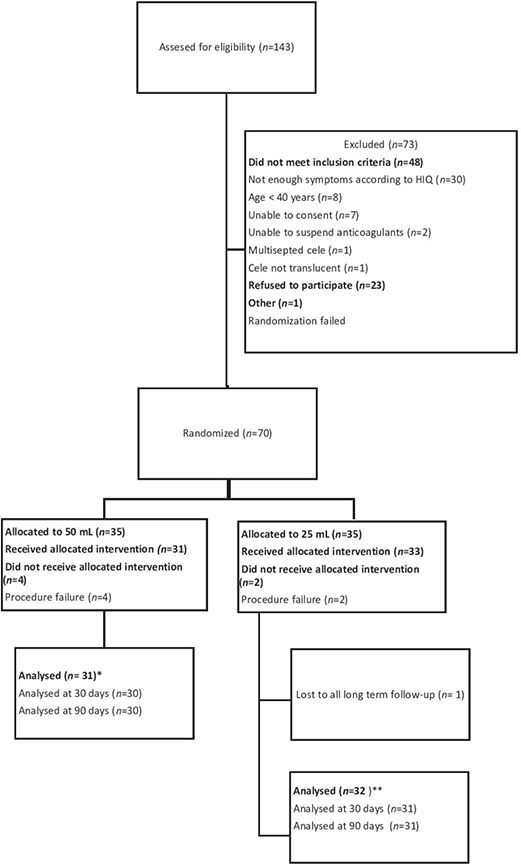
*In the 50mL group 1 patient did not answer at 30-day follow-up but at 90 day follow up and 1 patient answered at 30 day follow up but not at 90 day follow up.
**In the 25mL group 1 patient did not answer at 30-day follow-up but at 90 day follow up and 1 patient answered at 30 day follow up but not at 90 day follow up.
There were no cases of significant alcohol absorption in either treatment regimens (Table 3). Breathalyser tests were recorded for all patients. Additionally, blood analysis was performed for 43 (67%) patients, verifying that no significant absorption occurred. This study was closed after interim analysis, showing no absorption in either group as this was the primary outcome.
| All n (%) | 25 mL | 50 mL | p | |
| HIQ* > 2 | 13 (21) | 6 (18) | 7 (23) | 0.76 |
| Recurrence according to patient | 24 (39) | 12 (36) | 12 (39) | 1.00 |
| Retreatment | 11 (18) | 5 (15) | 6 (18) | 0.75 |
| Median HIQ* after treatment | 1,77 | 1,68 | 1,87 | 0.16 |
| Complications all | 11 (18) | 5 (15) | 6 (18) | 0.75 |
| Clavien 3 | 3 (5) | 1 (3) | 2 (6) | 0.61 |
| Absorption > 0.2‰ | 0 | 0 | 0 | 1.00 |
| *HIQ: Hydrocele Inconvenience Score 1 no discomfort, HIQ 2 light discomfort that can easily be ignored, HIQ 3 discomfort that cannot be ignored but does not interfere with daily activities, HIQ 4 discomfort that cannot be ignored and that interferes with daily activities, HIQ 5 discomfort that cannot be ignored and that interferes with most activities, HIQ 6 discomfort that cannot be ignored and leads to confinement to bed, HIQ 7 discomfort that cannot be ignored and requires urgent medical attention. | ||||
Pain during the procedure varied amongst patients ranging from NRS 0 to 10. There was no significant difference in pain experience between the treatment arms directly at treatment (p 0.64). Mean pain in the 25 mL group was 3.84 (CI 2.97–4.71), and in the 50 mL group, it is 5.16 (CI 4.06–6.26). If pain occurred, it rapidly declined over the next few days (see Figure 2).
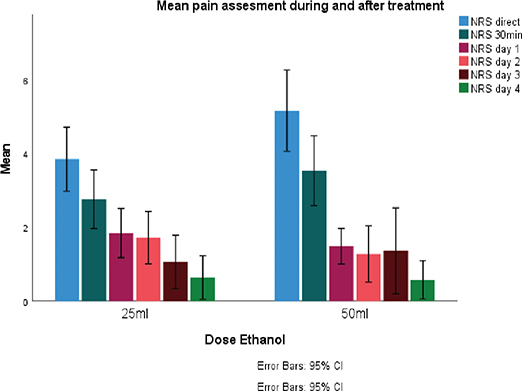
Figure 2. Numeric rating score during and after treatment.
Mean pain during and after treatment in the treatment arms: 25 or 50 mL Ethanol sclerotherapy for hydro/spermatocele.
Seventy-nine percent of all patients had a low symptom score after treatment (HIQ), which is a successful treatment according to our definition (Table 3). This is in accordance with the number of patients requesting retreatment (18%). There was a discrepancy between patient-reported outcome in relation to symptom scoring and the need for retreatment; although they reported recurrence, they did not have discomfort (HIQ > 2) or the need for retreatment.
There were, in total, 11 reported complications by 10 (16%) patients. Minor complications included: bleeding or swelling (n = 2), foreskin problems (swelling or phimosis) (n = 2), pain (n = 2) with one of these patients also having haematocele as a complication, epididymitis in the contralateral testicle and wound infection (not requiring antibiotics). Three of the complications required interventions (Clavien 3), and two patients needed aspiration of haematoceles. Due to severe swelling, surgery was conducted for one patient, who had immunostimulating medication (Ipilimumab) as treatment for another disease. No Clavien grade 4 or 5 was reported.
There was no significant difference in treatment effect regardless of evaluation method in relation to the type of cele (Table 4, supplementary) (Figure 3).
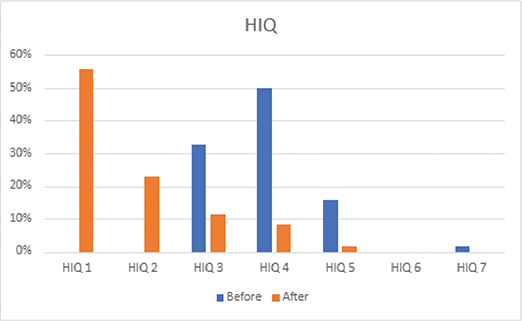
Figure 3. Hydrocele Inconvenience Score before and after treatment. Symptom scoring before and after treatment in the treatment arms: 25 or 50 mL Ethanol sclerotherapy for hydro/spermatocele.
Discussion
In this randomised phase 2 trial, no dose of Ethanol sclerotherapy led to alcohol absorption. Both treatments were effective with a success rate of 79% with few serious complications. The strength of this study is that it is a randomised controlled trial with thorough follow-up regarding both complications and symptoms, thereby generating high level evidence of the safety and efficacy of sclerotherapy with Ethanol. The standardised ordinal symptom scoring scale used before and after treatment provides clinically meaningful outcome measurements from a patients’ perspective. There were no differences regarding outcome in the treatment arms with 25 or 50 mL Ethanol. However, the trial was underpowered to detect such differences as the main aim was to investigate whether Ethanol instilled in the scrotum led to systemic absorption, and this study was closed after interim analyses when it was concluded not to be the case. The limitation of this study is that no mandatory physical examination was conducted after treatment if the patient did not have discomfort or complications. However, treatment should not be recommended to asymptomatic patients in any case, even if a recurrence of fluid should be detected. In five cases, we had to exclude patients after inclusion do the inability to puncture the cele with the pig tail catheter, and one patient had too much pain and anxiety to complete the procedure. However, the fact that these patients could not be included was not likely to affect the results of the study. About half of the screened patients was not included in the study; a majority do to the fact they had little or no discomfort and another 23 patients did not want to particpate. Another limitation of this study is the open design that both patients and physicians knew the dose that was administered and could influence the patients judgement of future bother.
The efficacy results are in accordance with similar studies using Ethanol as a sclerosing agent [11, 16]. Shan et al conducted a study of 69 patients with a success rate of 76% in hydroceles and 71% in spermatoceles with similar age and size of the hydro/spermatoceles; success being defined as no recurrence (not a defined outcome) [11]. Low et al included 114 patients and had an overall success rate of 69% after 6 weeks, with success being defined as complete to minimal residual collection along with patient satisfaction [16]. Both in our study and in previous studies, spermatoceles and hydroceles seem to be equally treatable with sclerotherapy [8, 16].
In the current study, 79% of patients had no or little discomfort after 3 months. To quantify the severity of symptoms, a standardised interview form (HIQ) was used pre- and post-treatment for all patients to rate their discomfort. To the best of the author’s knowledge, this is the only study to use a patient-reported ‘discomfort score’ to decide if treatment is indicated in the first place [7–11, 16, 19, 20]. It is our belief that only patients with real discomfort from their cele should be treated. As seen in Figure 1, many patients were excluded from the trial because of little to no discomfort from the cele; many of these patients only needed reassurance that this was a benign condition and did not necessarily want treatment.
All patients who at 90-day follow-up and reported recurrence, complications or the need for retreatment were offered a physical follow-up, but it was not mandatory. The study design aimed to mimic the normal policy at the clinics, where patients were informed to get in contact after 3 months if they suspected recurrence. Recurrence according to patients was 39%, but only 18% underwent retreatment after being seen at a follow-up appointment. This is in concordance with the study by Low et al in which some patients who were offered retreatment did not show up, indicating that residual fluid after treatment is not mandatory to retreat from a patient perspective [16]. Another possible explanation is that patient-reported recurrence in some cases could be post-procedure swelling that reduces over time. The follow-up period ended at 90 days, and it cannot be ruled out that later recurrences can appear. However, in a study by Stattin et al, it did seem that results at 3 months predicted long-term outcome [9], and that too early evaluation seemed to overestimate the number of recurrences because of normal post-treatment swelling. The risk of misinterpretation of treatment result with too early evaluations has also been noticed in other studies, with some patients having a decreasing scrotal swelling for up to 2 years [10, 21].
In this study, a pigtail catheter was used for effective drainage of the cele fluid and the instilled Ethanol. It cannot be ruled out that the pigtail catheter itself contributes to better result by enabling a complete drainage of the cyst fluid and/or by starting a local inflammation. The main reason for its use is to drain the Ethanol after treatment and to prevent displacement of the cannula used in most sclerosing studies to secure that Ethanol is injected into the cele and not subcutaneously, thereby minimising the risk of skin necrosis, a rare complication in previous studies with Ethanol [16]. Previous studies by Shan et al and Low et al did not evacuate the instilled Ethanol. Whether this is beneficial or not is unclear. In Sweden, due to an alcohol limit in traffic of < 0.2‰, healthcare-induced elevation of Ethanol in the body of a patient is medico-legally problematic. Therefore, we could not leave Ethanol as later absorption could not be excluded. When using Ethanol as a sclerosing agent in hepatic cysts, all patients absorbed alcohol, and the absorption was linear to the dose [14]. Therefore, we chose doses in this study with the assumption that if all Ethanol was absorbed it would not lead to alcohol poisoning. As a further safety measure, patients were instructed not to drive home after the procedure. This was the main reason given by the patients who were unwilling to participate in the study.
The 18% complication rate in this study was consistent with other sclerotherapy studies [7, 9]. Although not a direct comparison, complications seem lower than when using 4 mL polidocanol (31%) [8], which is the standard of care in Sweden. Most complications were mild. Only three patients had complications categorised as Clavien 3, thus requiring intervention. No serious complications, Clavien 4–5, were observed. The only patient who needed surgery for complications after the procedure was at the time treated with Ipilimumab (an anti-tumour agent that increases T-effector cells), which led to an amendment of the study protocol, and immunostimulating treatment became an exclusion criterion. We recommend that patients with immunostimulating agents should not be treated with sclerotherapy.
Treatment with Ethanol seems to cause significant pain in a fairly large proportion of the patients. There was a tendency towards more pain directly at treatment in 50 mL group, but the groups are too small to draw conclusions, and it is hard to say what difference in pain is clinically significant. NRS is a validated way to evaluate pain [22]. Pain is a subjective experience, and it is concluded that NRS ≤3 is an acceptable level of pain, but if the rating is higher, there is a need for pain relief [23]. There are few studies that evaluate pain in direct accordance with treatment. In a study by Jahnson et al. [8] using polidocanol, 15% of patients had pain or discomfort as a complication, and the time point when this pain occurred was, however, not described. Stattin et al. [9] retrospectively evaluated the pain after sclerotherapy with sodium tetradecyl sulphate with the majority (75%) with no or little pain [0–2 on a Visual Analoge Scale (VAS)] and a median pain of 1.8. Dahlin et al [20] compared pain when treating with polidocanol or tetracycline; pain was experienced immediately by 1 patient in the polidocanol group (of 23), and tetracycline produced moderate or high pain in 14 (of 22 treated) patients. In the present study, no use of analgesics other than local anaesthetic to the skin was used. In the previous studies on Ethanol [11, 16], local anaesthetics were injected into the tunica vaginalis prior to injection of alcohol. We can conclude that the injections can be somewhat painful, and to make the treatment more appealing, some form of pain relief is warranted.
This randomised phase 2 trial can conclude that Ethanol is a safe sclerosing agent in the treatment of hydro- and spermatoceles. Although underpowered to determine which is the optimal dose, it seems that Ethanol has a better frequency of cure that Aethoxysklerol [8] commonly used. Furthermore, most complications were mild, and there were significantly fewer serious complications than in studies of primary surgery [5, 12].
Ethanol is easy to manufacture and also cheap to produce, and the sclerotherapy procedure is relatively easy and a time-efficient procedure performed in outpatient clinical settings. Further studies are warranted to conclude the optimal dose and to compare head-to-head against other sclerosants, and also regarding long-term follow-up.
Conclusions
The use of Ethanol 99.5% is a safe treatment with no cases of systemic absorption and a success rate of 79%. The risk of complications is approximately the same as when using other sclerosants, but pain is more common.
References
- [1] Lundström KJ, Söderström L, Jernow H, et al. Epidemiology of hydrocele and spermatocele; incidence, treatment and complications. Scand J Urol. 2019;53(2–3):134–138. https://doi.org/10.1080/21681805.2019.1600582
- [2] Itoh M, Li XQ, Miyamoto K, et al. Degeneration of the seminiferous epithelium with ageing is a cause of spermatoceles? Int J Androl. 1999;22(2):91–96. https://doi.org/10.1046/j.1365-2605.1999.00152.x
- [3] Shakiba B, Heidari K, Jamali A, et al. Aspiration and sclerotherapy versus hydrocoelectomy for treating hydrocoeles. Cochrane Database Syst Rev. 2014;11:CD009735. https://doi.org/10.1002/14651858.CD009735.pub2
- [4] Hicks N, Gupta S. Complications and risk factors in elective benign scrotal surgery. Scand J Urol. 2016;50(6):468–471. https://doi.org/10.1080/21681805.2016.1204622
- [5] Swartz MA, Morgan TM, Krieger JN. Complications of scrotal surgery for benign conditions. Urology. 2007;69(4):616–619. https://doi.org/10.1016/j.urology.2007.01.004
- [6] Mäki-Lohiluoma L, Kilpeläinen TP, Järvinen P, et al. Risk of complications after hydrocele surgery: a retrospective multicenter study in Helsinki Metropolitan Area. Eur Urol Open Sci. 2022;43:22–27. https://doi.org/10.1016/j.euros.2022.06.008
- [7] Lund L, Kloster A, Cao T. The long-term efficacy of hydrocele treatment with aspiration and sclerotherapy with polidocanol compared to placebo: a prospective, double-blind, randomized study. J Urol. 2014;191(5):1347–1350. https://doi.org/10.1016/j.juro.2013.11.025
- [8] Jahnson S, Sandblom D, Holmäng S. A randomized trial comparing 2 doses of polidocanol sclerotherapy for hydrocele or spermatocele. J Urol. 2011;186(4):1319–1323. https://doi.org/10.1016/j.juro.2011.06.005
- [9] Stattin P, Karlberg L, Damber JE. Long-term outcome of patients treated for hydrocele with the sclerosant agent sodium tetradecyl sulphate. Scand J Urol Nephrol. 1996;30(2):109–113. https://doi.org/10.3109/00365599609180899
- [10] Francis JJ, Levine LA. Aspiration and sclerotherapy: a nonsurgical treatment option for hydroceles. J Urol. 2013;189(5):1725–1729. https://doi.org/10.1016/j.juro.2012.11.008
- [11] Shan CJ, Lucon AM, Pagani R, et al. Sclerotherapy of hydroceles and spermatoceles with alcohol: results and effects on the semen analysis. Int Braz J Urol Off J Braz Soc Urol. 2011;37(3):307–312; discussion 312–333. https://doi.org/10.1590/S1677-55382011000300003
- [12] Keller AK, Howard MM, Jensen JB. Complications after scrotal surgery – still a major issue? Scand J Urol. 2021;55(5):404–407. https://doi.org/10.1080/21681805.2021.1884131
- [13] Kiddoo DA, Wollin TA, Mador DR. A population based assessment of complications following outpatient hydrocelectomy and spermatocelectomy. J Urol. 2004;171(2 Pt 1):746–748. https://doi.org/10.1097/01.ju.0000103636.61790.43
- [14] Kairaluoma MI, Leinonen A, Ståhlberg M, et al. Percutaneous aspiration and alcohol sclerotherapy for symptomatic hepatic cysts. An alternative to surgical intervention. Ann Surg. 1989;210(2):208–215. https://doi.org/10.1097/00000658-198908000-00012
- [15] Yonguc T, Sen V, Aydogdu O, et al. The comparison of percutaneous ethanol and polidocanol sclerotherapy in the management of simple renal cysts. Int Urol Nephrol. 2015;47(4):603–607. https://doi.org/10.1007/s11255-015-0953-9
- [16] Low LS, Nair SM, Davies AJW, et al. Aspiration and sclerotherapy of hydroceles and spermatoceles/epididymal cysts with 100% alcohol. ANZ J Surg. 2020;90(1–2):57–61. https://doi.org/10.1111/ans.15467
- [17] Fränneby U, Gunnarsson U, Andersson M, et al. Validation of an Inguinal Pain Questionnaire for assessment of chronic pain after groin hernia repair. Br J Surg. 2008;95(4):488–493. https://doi.org/10.1002/bjs.6014
- [18] Dindo D, Demartines N, Clavien PA. Classification of surgical complications: a new proposal with evaluation in a cohort of 6336 patients and results of a survey. Ann Surg. 2004;240(2):205–213. https://doi.org/10.1097/01.sla.0000133083.54934.ae
- [19] Agrawal MS, Yadav H, Upadhyay A, et al. Sclerotherapy for hydrocele revisited: a prospective randomised study. Indian J Surg. 2009;71(1):23–28. https://doi.org/10.1007/s12262-009-0006-7
- [20] Daehlin L, Tønder B, Kapstad L. Comparison of polidocanol and tetracycline in the sclerotherapy of testicular hydrocele and epididymal cyst. Br J Urol. 1997;80(3):468–471. https://doi.org/10.1046/j.1464-410X.1997.00358.x
- [21] Shan CJ, Lucon AM, Arap S. Comparative study of sclerotherapy with phenol and surgical treatment for hydrocele. J Urol. 2003;169(3):1056–1059. https://doi.org/10.1097/01.ju.0000052680.03705.40
- [22] Karcioglu O, Topacoglu H, Dikme O, et al. A systematic review of the pain scales in adults: which to use? Am J Emerg Med. 2018;36(4):707–714. https://doi.org/10.1016/j.ajem.2018.01.008
- [23] Gerbershagen HJ, Rothaug J, Kalkman CJ, et al. Determination of moderate-to-severe postoperative pain on the numeric rating scale: a cut-off point analysis applying four different methods. Br J Anaesth. 2011;107(4):619–626. https://doi.org/10.1093/bja/aer195