ORIGINAL RESEARCH ARTICLE
Early intradetrusor injection of Onabotulinumtoxin A in patients with subacute spinal cord injury: The SCIBOT study
Ole Jacob Nilsena,b  , Thomas Glottc , Henriette Veiby Holma , Célia Duarte Cruzd and Lars Friche
aDepartment of Urology, Oslo University Hospital, Oslo, Norway; bInstitute of Clinical Medicine, Faculty of Medicine, University of Oslo, Oslo, Norway; cSunnaas Rehabilitation Hospital, Spinal Unit, Nesodden, Norway; dDepartment of Biomedicine, Experimental Biology Unit, Faculty of Medicine of the University of Porto, Porto, Portugal; eSection of Reconstructive and Oncologic Plastic Surgery, Department of Cancer Surgery, Oslo University Hospital Radiumhospitalet, Oslo, Norway
ABSTRACT
Objectives: The aim of this study was to examine if early intradetrusor injections of onabotulinumtoxin A (BTX) permanently prevent the development of neurogenic detrusor overactivity (NDO) in patients with spinal cord injury (SCI).
Materials and methods: Double-blinded randomised controlled trial. Patients with a sensorimotor complete subacute traumatic suprasacral SCI received intradetrusor injection of BTX or placebo at baseline (within 12 weeks after injury) and 3 months later. Urodynamic and clinical evaluation was performed at baseline, at 3 months, at 12 months and at long-term follow-up after >24 months. The primary endpoint was occurrence of NDO with contractions above 40 cmH2O. The secondary endpoints included comparisons of urodynamic parameters, as well as clean intermittent catheterisation (CIC) frequency, occurrence of urinary incontinence, and quality of life (QOL) evaluated by questionnaires.
Results: Nine patients were included, with four in the placebo group and five patients in the BTX group. Two patients in the placebo group but none in the BTX group developed NDO with contractions above 40 cmH2O. Regarding the secondary outcome variables, there were lower maximum detrusor pressure, less frequent CIC, less incontinence, and better QOL in the BTX group at >24 months follow up. Although there was a trend toward better outcome measures, none of the differences were statistically significant. No adverse events were related to BTX in either group.
Conclusion: Intradetrusor injection of BTX in patients with SCI during the subacute phase seems to be safe and may be beneficial, but further studies are needed.
KEYWORDS: Spinal cord injury; neurogenic lower urinary tract dysfunction; onabotulinumtoxin A; spinal shock phase; patient reported outcome measures
Citation: Scandinavian Journal of Urology 2026, VOL. 61, 188–194. https://doi.org/10.2340/sju.v61.46428.
Copyright: © 2026 The Author(s). Published by MJS Publishing on behalf of Acta Chirurgica Scandinavica. This is an Open Access article distributed under the terms of the Creative Commons Attribution 4.0 International License (http://creativecommons.org/licenses/by/4.0/), allowing third parties to copy and redistribute the material in any medium or format and to remix, transform, and build upon the material, with the condition of proper attribution to the original work.
Received: 10 April 2026; Accepted: 15 June 2026; Published: 7 July 2026
CONTACT: Ole Jacob Nilsen ojnilsen@ous-hf.no Department of Urology, Oslo University Hospital, Pb 4950, 0424 Oslo, Norway
Supplemental data for this article can be accessed online at https://doi.org/10.2340/sju.v61.46428
Introduction
Spinal cord injury (SCI) is associated with a high risk of complications and increased mortality. In 2013, the World Health Organization estimated that between 250,000 and 500,000 people yearly sustain SCI [1].
More than 80% of patients with SCI develop some degree of lower urinary tract dysfunction (LUTD) [2], that is, neurogenic lower urinary tract dysfunction (NLUTD). In patients with complete suprasacral SCI, the neural tracts between the pons and cortex and the sacral micturition centre are disrupted. Loss of descending input to the spinal cord results in impaired coordination of bladder and urethral functions, leading to neurogenic detrusor overactivity (NDO) and detrusor sphincter dyssynergia (DSD). This constitutes a severe clinical condition that may lead to bladder diverticula, stone formation, lower and upper urinary tract infections (UTI), vesicoureteral reflux, hydronephrosis, and ultimately renal failure. Long-standing elevated detrusor pressures are generally considered a risk factor for developing complications [3–5].
NLUTD is associated with reduced quality of life (QoL) and increased mortality. Urinary problems are considered by SCI patients to be a burden even greater than reduced mobility [6].
Development of NDO is thought to be mediated by afferent C- fibres, which become hyperactive and establish new synaptic connections in the sacral spinal cord [7]. In a study of 10 patients with neurologically confirmed complete spinal cord lesions, early sacral neuromodulation (SNM) was found to prevent detrusor overactivity, urinary incontinence and ensure normal bladder capacity. The authors speculated that early neuromodulation could have silenced C-fibres from an early stage of disease progression onwards, preventing NLUTD [8]. This is supported by pre-clinical studies showing that the inactivation of C-fibres at the time of spinal insult was able to maintain bladder capacity in complete SCI rats [8, 9].
Intradetrusor injection of onabotulinumtoxin A (BTX) is an established treatment for NDO, with a significant clinical benefit and few side effects [10]. BTX reduces bladder dysfunction by affecting both afferent and efferent innervation [11, 12]. Intradetrusor injection of BTX decreases the expression of sensory neuron receptors in biopsies from SCI patients [13], and reduces nerve growth factor (NGF) in urine and bladder wall of SCI patients [14, 15].
The possible effect of intradetrusor BTX in the early phase after SCI on permanent prevention of development of NDO has not yet been explored in humans. A pre-clinical study demonstrated beneficial effects of early intradetrusor BTX in rats with SCI, with some preservation of bladder morphology [16]. Although bladder function was not assessed, the protective effects of early intervention suggest that it could be used in human patients to prevent post-SCI development of NDO. Thus, in this study we investigated if intradetrusor injection of BTX in the spinal shock phase after subacute traumatic SCI was associated with a lower risk of long-term NDO development compared to placebo.
Materials and methods
Study population
Participants were recruited at the spinal unit at Sunnaas Rehabilitation Hospital and included after having given informed consent. Among the inclusion criteria were patients with SCI above Th11 within 12 weeks of injury, who were expected to be able to perform clean intermittent catheterisation (CIC). Exclusion criteria were, among others, NDO with contractions greater than 40 cmH2O at first visit and treatment due to NDO before inclusion. Inclusion and exclusion criteria are listed in Appendix A. The SCIBOT study (Spinal Cord Injury onaBOTulinumtoxin) was approved by the Regional Committee of Ethics (2012/1151) and The Norwegian Medicines Agency and recorded in Clinical Trials (NCT01698138) and EudraCT (2012-002211-25).
Randomisation procedure
The randomisation was done by the Clinical Trials Unit at Oslo University Hospital, which was also responsible for allocation concealment, unblinding procedures, and providing instructions to the hospital pharmacy responsible for preparing the study medication. Patients were allocated to two groups by block randomisation, with a block size of four. The investigators and participants were blinded to the results of the randomisation and the content of the vials used for injection.
Study schedule
Patient inclusion, baseline urodynamic evaluation, and urine culture were done at the time of rehabilitation as early as possible after the SCI. The participants received the first intradetrusor injection within 3 months after injury and the second 3 months later.
Follow-up (FU) included urodynamic evaluation and registration of clinical parameters such as frequency of CIC, occurrence of incontinence, concomitant medications and complications. Patients were scheduled for FU at 3 and 12 months and all patients were invited for a final long-term FU >24 months after the first treatment. Cystoscopy was done at baseline, 3-month FU and 12-month FU. Telephone interviews to assess symptoms of NDO and complications were done 6 and 9 months after first treatment, while QoL questionnaires were administered at 12-month and >24 months FU. When all patients had completed 12-month FU, the randomisation code was unblinded, patients were informed of which treatment they had received and entered routine FU. The study schedule is described in Figure 1.
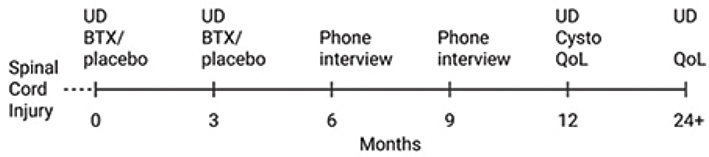
Figure 1. Study schedule, showing events and time after injury for each visit.
UD - urodynamic evaluation, BTX/placebo - injection of study drug, Cysto - cystoscopy, QoL - assessment of quality of life with questionnaires
Urodynamic evaluation
Urodynamic evaluation was performed according to International Continence Society (ICS) guidelines [17]. The primary endpoint was presence of NDO with contractions above 40 cmH2O. Secondary endpoints were maximum detrusor pressure (MDP) and maximum bladder capacity (MBC).
Intervention
The hospital pharmacy reconstituted syringes marked with the patients’ study number and visit number, with either 3 × 10 ml NaCl 0.9% with a total of 300 Allergan Units of Botox® (Abbvie, Chicago, Illinois, ATC-number M03AX01), or 3 × 10 ml NaCl 0.9% as placebo. The study drug was prepared on the day of the intervention and kept in a refrigerator until administration. The contents of the vials containing both active drug and placebo were colourless and odourless.
Intradetrusor injection of the study drug was done via a rigid cystoscope in local anaesthesia. Prior to the cystoscopy, lidocaine gel 2% (Xylocain®, AstraZeneca, Cambridge, United Kingdom) was introduced into the urethra followed by 40 ml lidocaine 20 mg/ml (Xylocain®, AstraZeneca, Cambridge, United Kingdom) instilled in the bladder and left for 20 min. The drug was administered as 30 injections of 1 ml in the detrusor, sparing the trigonum. All patients received one dose of antibiotic prophylaxis. Symptomatic UTI was treated according to urine culture prior to intervention.
Questionnaires
QoL was a secondary endpoint assessed with IPSS-QoL index and SCI QL-23.
The original publication of American Urological Association Symptom Index (AUASI) was later adopted internationally as the International Prostate Symptom Score (IPSS) [18]. The IPSS is validated in Norwegian [19] and includes a QoL index which was used in this study. The IPSS QoL index is used in SCI patients and has showed significant improvement after injection of BTX [20].
SCI QL-23 is a disease specific questionnaire used to evaluate function and mood in SCI patients [21]. The questionnaire is a 23-item questionnaire with three domains, ‘Dysfunction’, ‘Depression’ and ‘Problem’. A higher score indicates a lower QoL.
Patients completed IPSS-QoL index and SCI QL-23 at the 12-month and >24 months FU visits.
Data collection and storage
Data safety and monitoring was ensured by the Clinical Trials Unit at Oslo University Hospital. The data from the >24 months FU was stored in a web-based CRF provided by Viedoc™. Adverse events were recorded according to GCP standards and classified by CTCAE codes.
Statistical methods
Sample size and statistical power were calculated with respect to the primary endpoint of the study. Occurrence of NDO would be expected to occur 12 months after SCI in 74% of patients [22]. Reliable estimates for NDO during cystometry 12 months after injection of BTX 300 U in spinal shock phase are not available. Hence, we estimated the occurrence of NDO in the active treatment group to 10% and the placebo group to 74%. The software package nQuery Advisor 4 (Statistical Solutions, Saugus, MA) was used for statistical power calculations. With a sample size of 10 patients in each experimental group, Fisher’s exact test with a 0.05 one-sided significance level would have 87% power to detect a difference between the two groups with proportions of NDO of 74% in the placebo group and 10% in the treatment group.
The Fisher’s exact test was used to test the null hypothesis that the proportions are equal. The differences between the means of the two treatment groups for the secondary continuous outcomes was estimated with 95% CIs based on the t-distribution. Two-sample T-tests with adjustments for unequal variances was used to test the null hypothesis that the means are equal. The categorical outcome IPSS-QoL was analysed with the score test for effect in a proportional odds model, the Wilcoxon-Mann-Whitney test.
Statistical analyses were done in Stata/SE 16.0 (StataCorp LLC, College Station, TX), except for the score test for effect in the proportional odds model, which was performed in Matlab R2014a (MathWorks Inc.).
A p-value less than 0.05 was considered statistically significant.
Results
Inclusion of patients commenced January 2015 with an expected recruitment period of 2 years. After 3 years of recruitment, only nine patients met the inclusion criteria and were included. It was decided to close the study before all 20 patients had been included due to projected time to complete accrual being 8 years. The study was closed for inclusion of new patients in December 2017. The Consort Flow Diagram is listed in Appendix B.
All included patients had sensorimotor complete injuries with injury level between C7 and Th11, assessed clinically to have suprasacral injuries.
Five patients were randomised to active treatment with BTX and four patients to placebo. Time from injury to treatment was median 64 days (range 25–77 days) in the BTX group and median 54 days (range 26–84 days) in the placebo group. Cystoscopy did not reveal pathology in the lower urinary tract in any patients.
One patient in the placebo group developed NDO with contractions above 40 cmH2O and did not receive the second injection with study drug but was treated with antimuscarinics. This patient was not scheduled for 12-month FU, but for >24 months FU. Another patient in the placebo group was lost to 12-month FU. A third patient in the placebo group did not come to the 12-month FU as scheduled but came for a delayed FU 19 months after the second (final) treatment. The rest of the patients came to 12-month FU, which was 9 to 10 months after the second treatment. Median long-term FU was 3.4 years (range 2.7–5.4 years) in the BTX group and 4.7 years (range 4.3–6 years) in the placebo group.
No patients in the BTX group received additional treatment of NDO, but one patient in the placebo group received antimuscarinic treatment during the study period.
Urodynamic results
No patients in the BTX group developed NDO with contractions above 40 cmH2O during FU. Two patients in the placebo group developed NDO with contractions above 40 cmH2O during 12-month FU. At >24 months FU, one of these patients still had untreated NDO while one had an improved MDP with oral antimuscarinic treatment. A third patient in the placebo group had an MDP of 35 cmH2O at 12-month FU but was later lost to follow-up. These results are shown in Table 1.
| Patient | 0 m | 3 m | 12 m | 24+ m |
| BTX1 | No | No | No | No |
| BTX2 | No | No | No | No |
| BTX3 | No | No | No | No |
| BTX4 | No | No | No | No |
| BTX5 | No | No | No | No |
| PLA1 | No | No | No | No |
| PLA2 | No | No | Yes | Yes |
| PLA3 | No | No | No | |
| PLA4 | No | Yes | No* | |
| Urodynamic studies were conducted at baseline (0 m), at the 3-month follow-up (3 m), 12-month follow-up (12 m), and long-term follow-up (24+ m). Neurogenic detrusor overactivity (NDO) was defined as maximum detrusor pressure (MDP) >40 cmH2O. BTX1-5: Patients 1–5 randomised to treatment with Onabotulinumtoxin A PLA1-4: Patients 1–4 randomised to placebo. *Patient PLA4 was treated with oral antimuscarinics at 24+ months. |
||||
Urodynamic results are shown in Figure 2. Contractions with amplitudes below 40 cmH2O were observed in both groups. There were no statistically significant differences in MDP or MBC between the groups at any time.
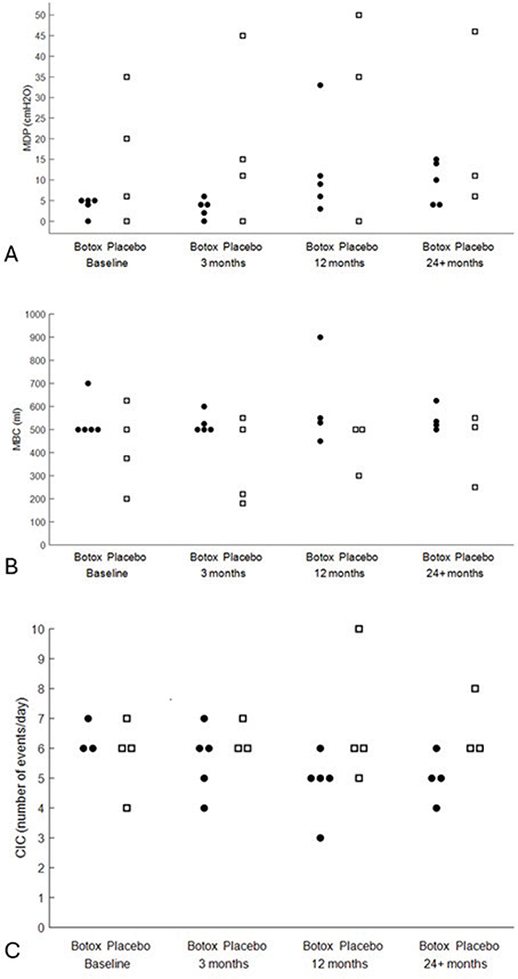
Figure 2. Cystometry and bladder management at follow-up.
A. Maximal detrusor pressure (MDP) in filling phase at baseline, at 3 months, 12 months and 24+ months for patients with spinal cord injury treated with intradetrusor injection of BTX (n = 5) and placebo (n = 4). The differences were not statistically significant.
B. Maximal bladder capacity (MBC) during filling phase at baseline, at 3 months, 12 months and 24+ months for patients with spinal cord injury treated with intradetrusor injection of BTX (n = 5) and placebo (n = 4). The differences were not statistically significant.
C. Clean intermittent catheterisation (CIC) frequency at baseline, at 3 months, 12 months and 24+ months for patients with spinal cord injury treated with intradetrusor injection of BTX (n = 5) and placebo (n = 4). The differences were not statistically significant.
No differences between the groups were observed in area under the curve (AUC) or compliance.
At >24 months FU, all patients were emptying the bladder with CIC. The frequency of CIC is shown in Figure 2. There was a tendency towards less frequent CIC in the BTX group, but it was not statistically significant. One patient in the placebo group reported incontinence at FU visits. None of the patients in the BTX group had incontinence at FU visits but some reported that incontinence had occurred in relation to UTIs between visits.
QoL questionnaires
The patients in the BTX group reported better results on SCI QL-23 in the ‘Problem’ domain at 12-month FU, when compared with the placebo group, but at >24 months FU, there were no differences (Figure 3). In the IPSS QoL index, the BTX group reported better results than the placebo group at 12-month FU, but at >24 months FU there was no difference (Table 2).
| 0 | 2 | 3 | 5 | Sum | ||
| Botox | 1 (20%) | 4 (80%) | 0 | 0 | 5 (100%) | |
| Placebo | 0 | 0 | 2 (67%) | 1 (33%) | 3 (100%) | |
| A. Distribution of the IPSS QoL question at long-term follow up. P = 0.017 for the null hypothesis of no difference in IPSS QoL between the two groups. | ||||||
| 0 | 1 | 2 | 3 | 5 | Sum | |
| Botox | 1 (20%) | 2 (40%) | 1 (20%) | 1 (20%) | 0 | 5 (100%) |
| Placebo | 0 | 1 (33%) | 1 (33%) | 0 | 1 (33%) | 3 (100%) |
| B. Distribution of the IPSS QoL question score at long-term follow up. No significant difference in IPSS-QoL between the two treatment groups. | ||||||
| IPSS: International Prostate Symptom Score. *The IPSS QoL question asks: ‘If you were to spend the rest of your life with your urinary condition just the way it is now, how would you feel about that?’ O indicates ‘delighted’ and 6 indicates ‘terrible’. |
||||||
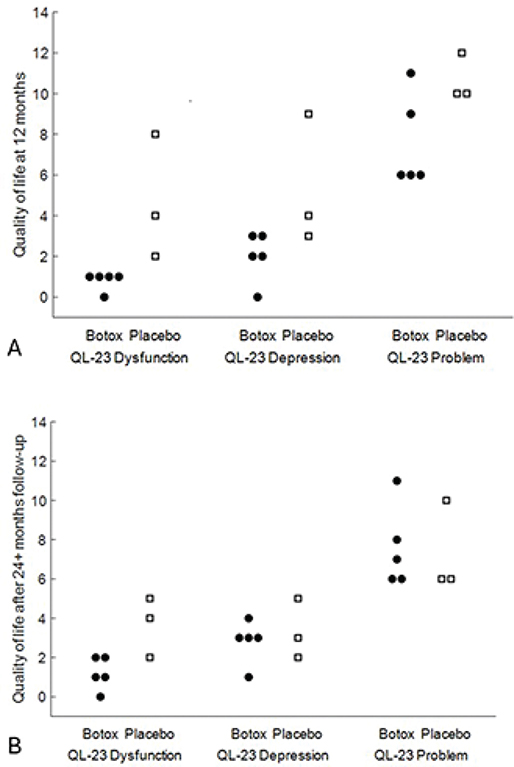
Figure 3. SCI QL-23 scores at 12-month and long-term follow-up.
A. SCI QL-23 scores at 12 months in patients with spinal cord injury treated with intradetrusor injection of BTX (n = 5) and placebo (n = 4). Only the difference in the “Problem” domain is significant (p = 0.047).
B. SCI QL-23 scores at 24+ months follow up in patients with spinal cord injury treated with intradetrusor injection of BTX (n = 5) and placebo (n = 4). There were no statistically significant differences.
Adverse events
In total, 41 adverse events, including UTIs were registered: 20 in the treatment group and 21 in the placebo group. No adverse events were related to BTX. Adverse events are listed in Table 3.
Discussion
None of the five patients treated with BTX needed any additional treatment of NDO, while half of the patients in the placebo group developed NDO during FU with need of treatment. As expected, urodynamic observations were consistent with the known positive effects on bladder function, as BTX treatment resulted in improvement in MBC and MDP, albeit without statistically significant differences between the groups (Figure 2). Our observations indicate that early BTX, but not placebo, may have a long-term effect on development of NDO in the early phase after SCI, which is maintained even more than 2 years after last treatment with BTX.
While there is a clear tendency for improved bladder function after BTX, at the end of our study, all patients emptied their bladder with CIC. However, the number of catheterisations per day was lower in the BTX group at 12-month and >24 months FU, without reaching statistical significance (Figure 2). Frequency of CIC depends on several factors, including fluid intake, avoiding incontinence with large volumes, and availability. In Norway, catheters are readily available free of charge. Usually, a bladder volume less than 400 ml is recommended. We found a low frequency of incontinence in all patients. However, one patient in the placebo group was on antimuscarinic medication at >24 months FU, which may influence these results.
There were few adverse events, mostly UTIs, with no difference between the groups. Although the number of patients is low, treatment in the early phase appears to be safe and well-tolerated. Patients in the BTX group reported incontinence as a symptom of UTI. BTX may not completely block NDO in the presence of inflammation during UTI. One could speculate that infection triggers NDO by activation of C-fibres, while there was an effect of BTX on Aꝺ fibres [23]. To differentiate UTI from NDO in patients with SCI, we suggest future studies should consider performing urodynamic investigation when patients have sterile urine.
Detrusor contractions with lower amplitude were also observed in the BTX group (Figure 2). Upper urinary tract deterioration is multifactorial in origin, but several studies have demonstrated an association with elevated detrusor pressure during cystometry, while a universal threshold has not been established [3–5]. The duration of contractions during the filling phase may also be important [24, 25]. Contractions above 40 cmH2O was chosen as endpoint in this study to distinguish between the patients with severe NDO and patients with lower amplitude contractions.
The effect of early intradetrusor injection of BTX on the occurrence of NDO has not been previously studied in humans. Although our study lacks statistically significant findings, all relevant parameters were favourable for the BTX group. The results appear promising and should be further explored as a novel treatment for SCI patients.
Other studies have suggested a benefit of early intervention after SCI to prevent NDO development. In 2010, a clinical study investigated the effects of early SNM after SCI [23]. The patients in the treatment arm did not develop NDO, whereas the control group of untreated patients had lower bladder capacity, higher MDP and more frequent CIC. The authors suggested that the mechanism of action might be blockade of nerve plasticity, keeping C-fibres silent and thus avoiding NDO emergence. Our study explores the same hypothesis, but with the use of BTX. If effective, BTX treatment would be less expensive, easier to perform and may be administered outside highly specialised centres.
The dose given in this study was 300 U, while standard dose in patients with established NDO is 200 U. The 300 U dose was chosen as it was deemed important to ensure that a high enough dose was given while still using a dose known to be safe.
Early treatment to prevent NDO has been examined in animal studies. In 2019, Oliveira et al. administered resiniferatoxin, a desensitising agonist of TRPV1, to spinal cord injured rats within 9 days after injury. Improvement in MDP was found, possibly by affecting the sensory afferent nerves [8]. In a study comparing administration of saline to early (7 days post injury) versus late (28 days post injury) administration of BTX in SCI rats [26], BTX led to better urodynamic parameters compared to the untreated control group [16]. In total, the findings in animal studies are in accordance with the findings in our study.
A strength of this randomised, double-blinded study is that all patients underwent cystoscopy, which excluded urinary bladder pathologies such as malignancies, other lesions or bladder stones and that repeat urodynamic evaluations were performed as well as patient reported outcome measures.
A significant limitation is that the study was terminated prior to inclusion of the planned number of participants and therefore was underpowered. Furthermore, the time of long-term follow-up varied, with one patient having a delayed 12-month FU and one patient in the placebo group lost to >24 months FU. In addition, at baseline, the BTX group had more favourable MDP and MBC, which may have influenced the outcome. Considering these limitations and the lack of statistically significant findings, the results need to be interpreted accordingly.
One reason for non-inclusion was that patients unable to perform CIC independently were excluded. To improve inclusion in future studies, we suggest that these patients may be included, as some patients in this category will be able to learn CIC later, either by reconstructive hand surgery or by a continent cutaneous enterocystostomy. The study was also part of a project that included bladder biopsies from participants, which excluded patients receiving anticoagulant therapy due to the risk of thromboembolic complications and made logistics around treatment visits more complicated. Our experience is that patients overall were positive to participation, and future studies may improve recruitment if these aspects are ameliorated.
Conclusion
Although the study has several limitations due to lower number of included patients than planned, the study suggests that BTX is a safe treatment of SCI patients in the subacute phase after injury. After >24 months FU, all five patients in the BTX group had favourable lower urinary tract characteristics and were not in need of additional treatment for NDO. Further studies should reconsider recruitment limitations and study endpoints.
Acknowledgements
This work was supported by charitable grants from The Sunnaas Foundation and The Norwegian Urological Association. None of the funding bodies was involved in the study design, data collection, data analysis, manuscript preparation or decision to publish. The authors are also grateful to Trygve Talseth for contributions to the concept and initiation of the study.
References
[1] Bickenbach J, Biering-Sørensen F, Knott J, et al. A global picture of spinal cord injury. In: J Bickenbach, editor. International perspectives on spinal cord injury. Geneva, Switzerland World Health Organization; 2013. Chap 2, p. 14.
[2] Anderson CE, Birkhäuser V, Jordan X, et al. Urological management at discharge from acute spinal cord injury rehabilitation: a descriptive analysis from a population-based prospective cohort. Eur Urol Open Sci. 2022;38:1–9. https://doi.org/10.1016/j.euros.2022.01.005
[3] Galloway NT, Mekras JA, Helms M, et al. An objective score to predict upper tract deterioration in myelodysplasia. J Urol. 1991; 145(3):535–537.
[4] McGuire EJ, Woodside JR, Borden TA, et al. Prognostic value of urodynamic testing in myelodysplastic patients. J Urol. 1981; 126(2):205–209.
[5] Tarcan T, Sekerci CA, Akbal C, et al. Is 40 cm H2O detrusor leak point pressure cut-off reliable for upper urinary tract protection in children with myelodysplasia? Neurourol Urodyn. 2017;36(3):759–763. https://doi.org/10.1002/nau.23017
[6] Anderson KD. Targeting recovery: priorities of the spinal cord-injured population. J Neurotrauma. 2004;21(10):1371–1383.
[7] de Groat WC, Yoshimura N. Plasticity in reflex pathways to the lower urinary tract following spinal cord injury. Exp Neurol. 2012;235(1): 123–132. https://doi.org/10.1016/j.expneurol.2011.05.003
[8] Oliveira R, Coelho A, Franquinho F, et al. Effects of early intravesical administration of resiniferatoxin to spinal cord-injured rats in neurogenic detrusor overactivity. Neurourol Urodyn. 2019;38(6):1540–1550. https://doi.org/10.1002/nau.24032
[9] Thomas C, Kim JH, Torimoto K, et al. Early capsaicin intervention for neurogenic bladder in a rat model of spinal cord injury. Biomed Res. 2007;28(5):255–259. https://doi.org/10.2220/biomedres.28.255
[10] Cruz F, Herschorn S, Aliotta P, et al. Efficacy and safety of onabotulinumtoxinA in patients with urinary incontinence due to neurogenic detrusor overactivity: a randomised, double-blind, placebo-controlled trial. Eur Urol. 2011;60(4):742–750. https://doi.org/10.1016/j.eururo.2011.07.002
[11] Ikeda Y, Zabbarova IV, Birder LA, et al. Botulinum neurotoxin serotype A suppresses neurotransmitter release from afferent as well as efferent nerves in the urinary bladder. Research Support, Non-U.S. Gov’t. Eur Urol. 2012;62(6):1157–1164.
[12] Coelho A, Dinis P, Pinto R, et al. Distribution of the high-affinity binding site and intracellular target of botulinum toxin type A in the human bladder. Eur Urol. 2010;57(5):884–890. https://doi.org/10.1016/j.eururo.2009.12.022
[13] Apostolidis A, Popat R, Yiangou Y, et al. Decreased sensory receptors P2X3 and TRPV1 in suburothelial nerve fibers following intradetrusor injections of botulinum toxin for human detrusor overactivity. J Urol. 2005;174(3):977–982; discussion 982–983.
[14] Liu HT, Chancellor MB, Kuo HC. Urinary nerve growth factor levels are elevated in patients with detrusor overactivity and decreased in responders to detrusor botulinum toxin-A injection. Eur Urol. 2009;56(4):700–706. https://doi.org/10.1016/j.eururo.2008.04.037
[15] Giannantoni A, Di Stasi SM, Nardicchi V, et al. Botulinum-A toxin injections into the detrusor muscle decrease nerve growth factor bladder tissue levels in patients with neurogenic detrusor overactivity. J Urol. 2006;175(6):2341–2344. https://doi.org/10.1016/s0022-5347(06)00258-8
[16] Bushnell JY, Cates LN, Hyde JE, et al. Early detrusor application of botulinum toxin A results in reduced bladder hypertrophy and fibrosis after spinal cord injury in a rodent model. Toxins (Basel). 2022;14(11):777. https://doi.org/10.3390/toxins14110777
[17] Rosier P, Schaefer W, Lose G, et al. International Continence Society Good Urodynamic Practices and Terms 2016: urodynamics, uroflowmetry, cystometry, and pressure-flow study. Neurourol Urodyn. 2017;36(5):1243–1260. https://doi.org/10.1002/nau.23124
[18] Barry MJ, Fowler FJ, Jr, O’Leary MP, et al. The American Urological Association symptom index for benign prostatic hyperplasia. The Measurement Committee of the American Urological Association. J Urol. 1992;148(5):1549–1557; discussion 1564. https://doi.org/10.1016/s0022-5347(17)36966-5
[19] Badia X, Garcia-Losa M, Dal-Re R. Ten-language translation and harmonization of the International Prostate Symptom Score: developing a methodology for multinational clinical trials. Comparative Study Research Support, Non-U.S. Gov’t. Eur Urol. 1997;31(2):129–140.
[20] Best KL, Ethans K, Craven BC, et al. Identifying and classifying quality of life tools for neurogenic bladder function after spinal cord injury: a systematic review. J Spinal Cord Med. 2017;40(5):505–529. https://doi.org/10.1080/10790268.2016.1226700
[21] Lundqvist C, Siosteen A, Sullivan L, et al. Spinal cord injuries: a shortened measure of function and mood. Clinical Trial Research Support, Non-U.S. Gov’t. Spinal Cord. 1997;35(1):17–21.
[22] Weld KJ, Dmochowski RR. Association of level of injury and bladder behavior in patients with post-traumatic spinal cord injury. Urology. 2000;55(4):490–494.
[23] Sievert KD, Amend B, Gakis G, et al. Early sacral neuromodulation prevents urinary incontinence after complete spinal cord injury. Ann Neurol. 2010;67(1):74–84. https://doi.org/10.1002/ana.21814
[24] Elmelund M, Klarskov N, Bagi P, et al. Renal deterioration after spinal cord injury is associated with length of detrusor contractions during cystometry – a study with a median of 41 years follow-up. Neurourol Urodyn. 2017;36(6):1607–1615. https://doi.org/10.1002/nau.23163
[25] Farrelly E, Lindbo L, Seiger A. The Stockholm Spinal Cord Uro Study: 3. Urodynamic characteristics in a regional prevalence group of persons with spinal cord injury and indications for improved follow-up. Scand J Urol. 2021;55(5):412–418. https://doi.org/10.1080/21681805.2021.1954994
[26] Temeltas G, Tikiz C, Dagci T, et al. The effects of botulinum-A toxin on bladder function and histology in spinal cord injured rats: is there any difference between early and late application? J Urol. 2005;174(6):2393–2396. https://doi.org/10.1097/01.ju.0000180410.78774.b5