ORIGINAL RESEARCH ARTICLE
The influence of secondary resection using NeuroSAFE-technique on sexual function in unilateral nerve-sparing robot-assisted laparoscopic prostatectomies
Mirjam Naomi Mohra†, Annemarie Uhliga†, Hannah Maria Ploegerb, Oliver Hahna, Lutz Trojana and Mathias Reicherta
aDepartment of Urology, University Medical Center Goettingen, Goettingen, Germany; bDepartment of Pediatrics, University Hospital Bonn, Bonn, Germany
ABSTRACT
Objective: To demonstrate the surgical influence of secondary resection on sexual function in finally unilateral nerve-sparing robot-assisted laparoscopic prostatectomies (RALPs) performed with the ‘neurovascular structure-adjacent frozen-section examination’ (NeuroSAFE) technique by prospectively collecting EPIC-26-questionnaires.
Material & methods: Sexual function status measured by the sexual-symptom-score (SexSS) in the EPIC-26-questionnaires was collected preoperatively and 12 months after RALP from 378 patients between 09/2019 and 04/2021. Cohorts of interest were defined as those patients undergoing unilateral nerve-sparing by secondary resection of the other neurovascular bundle (NVB), and as those patients undergoing primarily planned and successful unilateral nerve-sparing (unilateral nerve-sparing without secondary resection) in ≤cT2 prostate cancer. NeuroSAFE frozen section technique was performed in all nerve-sparing RALPs, and in case of cancer-positive surgical margins, the complete NVB was resected.
Results: In 109 RALPs with unilateral nerve-sparing (48 primarily vs. 61 by secondary resection), analyses showed a significant difference in postoperative SexSS for ‘unilateral nerve-sparing by secondary resection’ compared with ‘unilateral nerve-sparing without secondary resection’ (43 [interquartile range (IQR): 14;50] vs. 26 [IQR: 22;62], P = 0.04). In multivariable analyses, the preoperative SexSS was predictive for postoperative erectile dysfunction (OR = 0.96, 95% confidence interval: 0.93–0.98, P < 0.001). Oncological safety was not compromised by secondary resection (prostate-specific antigen after 12 months 0.01 ng/mL vs. 0.01 ng/mL [P = 0.3] for unilateral nerve-sparing by secondary resection vs. unilateral nerve-sparing without secondary resection).
Conclusion: The results of this study suggest that nerve-sparing attempts applying the NeuroSAFE-technique should be generously performed since a unilateral complete secondary resection leading to a unilateral nerve-sparing RALP did not seem to have a negative influence on sexual function and did not seem to compromise oncological safety compared with primarily performed and successful unilateral nerve-sparing RALP.
KEYWORDS: Sexual function outcome; nerve-sparing; secondary resection; surgical approach; NeuroSAFE-technique; prostate cancer; robot-assisted laparoscopic prostatectomy; EPIC-26
Citation: Scandinavian Journal of Urology 2023, VOL. 58, 60–67. https://doi.org/10.2340/sju.v58.6234.
Copyright: © 2023 The Author(s). Published by MJS Publishing on behalf of Acta Chirurgica Scandinavica. This is an Open Access article distributed under the terms of the Creative Commons Attribution-NonCommercial 4.0 International License (https://creativecommons.org/licenses/by-nc/4.0/), allowing third parties to copy and redistribute the material in any medium or format and to remix, transform, and build upon the material for non-commercial purposes, provided proper attribution to the original work.
Received: 14 December 2022; Accepted: 05 July 2023; Published: 28 August 2023
CONTACT Mirjam Naomi Mohr mirjamnaomi.mohr@med.uni-goettingen.de University Medical Center Goettingen Department of Urology, Robert-Koch-Str. 40, 37075 Goettingen, Germany
†These authors contributed equally
Competing interests and funding: The authors report no conflicts of interest.
Introduction
Since first being mentioned by Walsh and Mostwin in 1984, nerve-sparing radical prostatectomy (RP) has proven to be effective in the recovery of erectile function (EF) after surgery [1]. An important development in the operative procedures of RP is the ‘neurovascular structure-adjacent frozen-section examination’ (NeuroSAFE) technique, which supports the preservation of a neurovascular bundle (NVB) if the intraoperative surgical margin is negative [2]. It showed a better sexual function outcome compared with nerve-sparing robot-assisted laparoscopic prostatectomies (RALPs) without NeuroSAFE, regardless of bi- or uni-lateral performed nerve-sparing [3]. By introducing this procedure, the rate of positive surgical margins in the final histopathological reports could be significantly decreased (15% vs. 22%, P < 0.001 over all stages) [4, 5]. The justification for this procedure could also be verified for RALP [6]. Nevertheless, Dinneen et al. showed in their systematic review that all studies presented are retrospective and differ greatly with a poor level of bias [7].
Currently, the effect of nerve-sparing RALPs on EF is best reported by patient-reported outcome measures (PROMs), such as the ‘Expanded Prostate Cancer Index Composite Short Form’ (EPIC-26) [3, 8]. PROMs enable a comparison of outcomes between different treatments, therefore providing valid information for treatment decisions [9].
We want to adopt the results of previous studies regarding urinary continence status, claiming that the surgical technique rather than the sole preservation of the NVB leads to an improvement of the sexual functional status. The aim is to demonstrate the surgical influence of secondary resection on sexual function in finally unilateral nerve-sparing RALPs performed with the NeuroSAFE-technique, when bilateral nerve-sparing was planned, by prospectively collecting EPIC-26-questionnaires.
Material and methods
This is a prospective, single centre, observational study of patients undergoing RALP in the Department of Urology at the University Medical Center Goettingen (UMG) between 09/2019 and 04/2021. The institutional review board of the UMG approved this study.
Data collection
This study represents an amendment to the multicentre Prostate Cancer Outcome (PCO) study, approved by the ethics committee of the UMG (Eth-40/3/19Ü). The Prostate Cancer Centre of the UMG, certified by the German Cancer Society [10], began participation in the ongoing prospective, population-based PCO study (DRKS00010774) [11], which is approved by the local ethics committee of the Medical Association of Berlin (Eth-12/16).
Patient cohort
Localised prostate cancer detected by biopsy was the indication for RALP. All patients were staged according to current guidelines (German S3 Guidelines, EAU Guidelines, respectively) [12, 13].
Exclusion criteria for this study were locally advanced carcinomas undergoing a multimodal therapeutic concept as well as the inability of patients to answer a questionnaire or the diagnosis of a neurological disorder.
Sexual function outcomes of planned and successful unilateral nerve-sparing procedures were compared with the unilateral nerve-sparing procedures resulting out of a secondary resection of the other NVB in planned bilateral nerve-sparing procedures, measured by EPIC-26.
Surgical technique
All RALPs were performed by one of three surgeons using the DaVinci SI system. All surgeons had an experience of at least 450 RALPs, each. The surgical techniques, for example, preservation and reconstruction of the pelvic floor, were standardised (e.g. Rocco Stitch, etc.) [14]. Preservation of the NVB was performed whenever the oncological option with respect to the guidelines and the intraoperative findings were given and the patient asked for it. Organ limited disease (≤cT2) was judged by digital rectal examination, although the limitations of this medical examination are well known. Nerve-sparing was done using the intra-fascial nerve-sparing approach as described by Budäus et al. for the open approach [15]. For oncological safety, we performed a frozen section (NeuroSAFE-technique) in every nerve-sparing RALP. If a cancer-positive area of the margin was detected, the corresponding bundle was fully resected. If the carcinoma penetrated the whole bundle and was found on the outer side, it was marked as a R1-resection.
Nerve-sparing was assigned categorically into ‘no nerve-sparing’, ‘unilateral nerve-sparing without secondary resection’, ‘unilateral nerve-sparing by secondary resection’ and ‘bilateral nerve-sparing’.
A transurethral catheter was placed in all patients after surgery and remained for 5–7 days. Figure 1 describes the surgical approach and usage of NeuroSAFE in all performed RALPs.
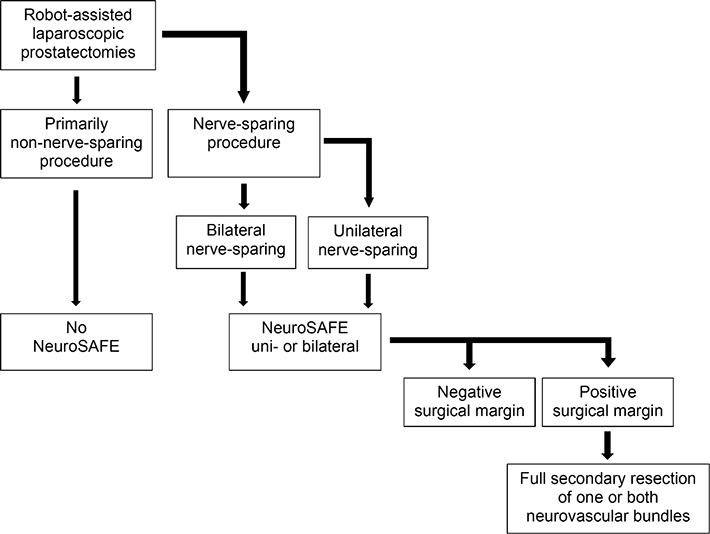
Figure 1. Flow diagram of all robot-assisted laparoscopic prostatectomies performed, depending on nerve-sparing (uni- or bi-lateral) and no nerve-sparing.
Measures
Within the PCO study, patients were asked to answer the questions of the fifth version of the EPIC-26 just before and 12 months after undergoing RALP.
The EPIC-26 questionnaire consists of five domains, each having a point range from 0 to 100, with less points indicating lower function. Pad usage was dichotomised into 0 pads vs. ≥ 1 pad per day (EPIC-26, item 3). Erectile dysfunction (ED) was defined by the frequency of erections (EPIC-26, item 10, Cut off for definition of ED: ≤ ‘I had an erection LESS THAN HALF the time I wanted one’). Strong Botherness of ED was defined as ≥ ‘moderate problem’ (EPIC-26, item 12). Scoring of the answers given by the patients were calculated according to standardised scoring instructions [16].
Outcomes
Primary endpoint of this study was post-RALP sexual-symptom-score (SexSS) of EPIC-26, secondary outcome was pad-usage, botherness because of ED and PSA-level 12 months post-RALP.
Statistical analyses
Categorical variables were described with absolute number and corresponding percentage; continuous variables using mean with standard deviation (SD), and median with range. Statistical comparisons of categorical variables between groups were performed using the Chi square test. Continuous variables were compared using Welsh´s Test or the Wilcoxon rank-sum test based on the underlying distribution evaluated by the Shapiro–Wilk test [17]. Comparisons of pre- and post-operative EPIC-26-Scores were performed using the Wilcoxon signed-rank test. Dichotomous outcomes were evaluated using univariate and multivariable logistic regression models. Variables were considered for inclusion in the multivariable model based on their literature‑based relevance as potential confounders and based on statistical significance (P < 0.1) from univariate logistic regression analyses and retained in the final multivariable model if P < 0.05. The final multivariable logistic regression model was assessed for goodness of fit (calibration) with the Hosmer–Lemeshow test [18] and for discrimination with the area under the curve statistic. All statistical analyses were performed with R version 4.2.1 (R Core Development Team, Vienna, Austria) and RStudio version 2022.07.1 (RStudio Inc., Boston, MA). Statistical tests with P < 0.05 were considered significant. All P-values are two-sided.
Results
Patients
For statistical evaluation 378 patients were considered. Figure 2 shows the surgical approaches in terms of nerve-sparing and possibly indicated secondary resection.
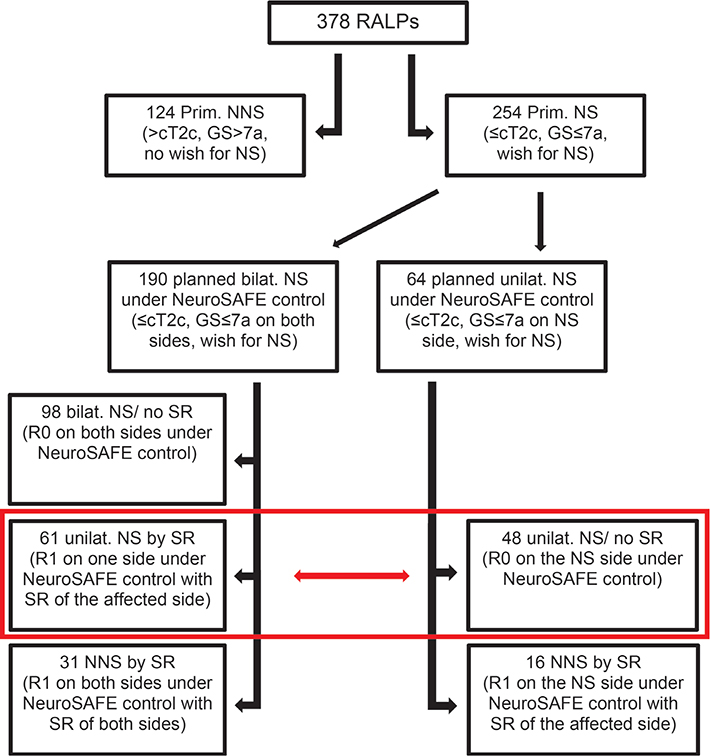
Figure 2. Flow diagram of the distribution of patients in regard to their surgical approach in terms of nerve-sparing.
RALP: robot-assisted laparoscopic prostatectomy; prim.: primarily; NNS: no nerve-sparing; NS: nerve-sparing; GS: Gleason Score; bilat.: bilateral; unilat.: unilateral; SR: secondary resection.
Out of 378 RALPs, 124 (33%) had a planned non-nerve-sparing procedure (primarily non-nerve-sparing). A total of 254 (67%) patients had a planned unilateral (n = 64) or bilateral (n = 190) nerve-sparing procedure (primarily nerve-sparing).
Out of the planned bilateral nerve-sparing procedures 98 patients had no secondary resection and ended up with bilateral nerve-sparing. A total of 92 patients needed a secondary resection of one (n = 61) or both (n = 31) NVB, with 61 patients receiving a unilateral nerve-sparing at the end (unilateral nerve-sparing by secondary resection).
A total of 16 out of 64 patients with planned unilateral nerve-sparing ended up without nerve-sparing due to a secondary resection of the NVB (non-nerve-sparing by secondary resection). A total of 48 out of 64 patients had a planned and successful unilateral nerve-sparing and did not need a secondary resection (unilateral nerve-sparing without secondary resection).
Table 1 shows the patient characteristics of unilateral nerve-sparing RALPs in total and comparing those without and those by secondary resection. Both groups were comparable, since only the T-status differs significantly between the two groups (P = 0.01). All the other parameters such as age, Gleason Score or baseline PSA did not show a significant difference.
Sexual function
Table 2 points out the differences in SexSS, rate of ED, and pad usage in the two groups of interest (unilateral nerve-sparing without/by secondary resection).
Patients with unilateral nerve-sparing by secondary resection had a better median postoperative SexSS (26 vs. 43, P = 0.04). These patients were also less likely to require pad usage (72% vs. 44%, P = 0.01) after 12 months (Table 3).
In regard to ‘ED’ and ‘Botherness because of ED’ there was no significant difference between both groups (33% vs. 43% [P = 0.33] and 20% vs. 19% [P = 0.76]).
The multivariable analysis for postoperative ED showed that a better preoperative SexSS seems to be predictive of a lower risk of postoperative ED (Table 3).
Oncological outcome
Definite positive surgical margins in the final histopathological report were found in 15% overall, with no difference between ‘unilateral nerve-sparing without secondary resection’ (13%) and ‘unilateral nerve-sparing by secondary resection’ (17%) (P = 0.59) (Table 2). Positive margins in the final histopathological examination were exclusively found exterior of the intraoperative frozen section part of the glands´ surface.
The median PSA-levels after 12 months between both groups were comparable and showed no significant difference (unilateral nerve-sparing without secondary resection: PSA = 0.01 ng/mL, interquartile range [IQR]: 0.01;0.04 vs. unilateral nerve-sparing by secondary resection: PSA = 0.01 ng/mL, IQR: 0.01;0.03, P = 0.3). In total numbers, three patients (5%) of the ‘unilateral nerve-sparing by secondary resection’ group and one patient (2%) of the ‘unilateral nerve-sparing without secondary resection’ cohort suffered a biochemical recurrence.
Discussion
The results of this study suggest that a full secondary resection of one NVB in planned bilateral nerve-sparing RALPs did not seem to have a negative influence on sexual function and did not seem to compromise oncological safety compared with primarily performed and successful unilateral nerve-sparing RALPs.
Secondary resection of a NVB because of a positive surgical margin during NeuroSAFE, resulting in a unilateral nerve-sparing, showed a significantly better sexual function status post-surgery compared with planned and successful unilateral nerve-sparing. Interestingly, we saw a difference in significance between using the SexSS and the definition of ED, where ED was represented equally in both groups (see Table 2).
EPIC-26 is a short form of the established EPIC questionnaire introduced in 2008 [19], which is recommended by the Huland and Graefen research group [20] and guarantees a better follow-up [9, 21]. Concerning sexual function status, EPIC-26 seems to have a more descriptive validity for not sexually active men compared with other instruments [8], especially with the ambiguous and interindividual assessment of ED [22].
Despite advances in nerve-sparing surgery and postoperative care, the overall outcome on EF after RP has not improved in recent years [23]. There are several crucial insights in the history of nerve-sparing RP highlighting the complexities of the surgery, as shown by the first description of the surgical technique by Walsh and Mostwin in 1984 [1]. Intra-fascial nerve-sparing showed the best results in regard to postoperative EF [24], was also considered a feasible technique for RALP [25] and does not seem to curtail oncologic safety [26]. A recent review including 20 studies demonstrated that intra-fascial nerve-sparing improved the rate of early recovery of urinary continence and EF and enhanced the potency rate after 12 months with an OR of 2.44 (95% confidence interval [CI]: 1.35–4.42, P = 0.003) compared with inter-fascial nerve-sparing [24]. In this study, we standardly performed intra-fascial nerve-sparing.
Schlomm et al. firstly described the NeuroSAFE-technique, and their results suggest an increased nerve-sparing frequency and lower rate of positive surgical margins [4], confirmed by several studies [5]. This was transferred to robot-assisted surgery by Beyer et al. in 2014 [6]. Sighinolfi et al. concluded in their review that most recent evidence is moving towards NeuroSAFE or similar techniques to perform frozen sections [27]. Fossa et al. reported that NeuroSAFE-performed nerve-sparing RPs decrease the rates of postoperative ED and urinary incontinence, compared with non-NeuroSAFE-performed nerve-sparing RPs [3]. NeuroSAFE shows a high specificity and high sensitivity regarding final section specimens throughout published studies thus far. Schlomm et al. report a specificity of 94% and sensitivity of 99% [4] whereas Mirmilstein et al. report a specificity of 97% and a sensitivity of 90% [28]. It is also noteworthy that in the NeuroSAFE PROOF feasibility trial no positive surgical margin was missed in the intraoperative frozen section and was subsequently found in final section [29].
Currently, there is no standardised way to perform a secondary resection of a NVB due to positive surgical margins. Resection of only the affected part of the NVB seems to be difficult because of the inaccuracy of identifying the correct location of affected soft tissue [30]. Therefore, in our clinic, a positive surgical margin, regardless of size, results in a full dissection of the entire NVB on the affected side, including the rectolateral half of the Denonvilliers fascia, to guarantee the highest oncological benefit. This technique is considered by several studies [4, 6, 30, 31].
Our results showed that no cancerous tissue went undetected during our NeuroSAFE-procedures, confirmed by the final sections. These results support the NeuroSAFE PROOF study [29].
Nevertheless, our population had a definite positive surgical margin rate in the final section of 15% overall for unilateral nerve-sparing RALPs, 13% (n = 6) for patients without secondary resection, and 17% (n = 10) for patients with unilateral nerve-sparing by secondary resection (P = 0.59).
Since a 12-month follow-up is a short period of time to evaluate median PSA levels to distinguish between the two groups regarding a biochemical recurrence, it would not be feasible to state that our results showed no difference between both groups. However, in total numbers we saw a low percentage of biochemical recurrences (three patients [5%] of the ‘unilateral nerve-sparing with secondary resection’ group and one patient [2%] of the ‘unilateral nerve-sparing without secondary resection’). These results agree with previously published studies, which showed a benefit of the NeuroSAFE nerve-sparing technique on the rate of biochemical recurrence free survival [5].
In conclusion, it seems that a NeuroSAFE nerve-sparing RP with a full secondary resection of one NVB, leading to a unilateral nerve-sparing RP, does not impede the degree of oncological safety.
Salonia et al. stated that a key point to achieving a satisfying outcome regarding sexual function after RP is ‘choosing the right patient at the right time for the right surgery’ [22]. They postulated that validated questionnaires with defined cut-offs, including the preoperative EF status, should be routinely used [22]. Patients’ understanding of the actual postoperative EF conditions seemed to enhance post-RP satisfaction.
In our overall patient population, we considered the preoperative status in combination with sufficient patient education about the postoperative course, leading to a relatively low level of postoperative botherness about their EF (19–20%), although the postoperative SexSS difference between both groups is 17 points, which is higher than the minimally important threshold for the sexual domain of EPIC-26 [32]. Thereby our results agreed with Salonia et al., as they postulated that appropriate pre- and post-operative counselling is significant for improving the rehabilitation of sexual function [33].
Fossa et al. reached a SexSS of 57 (4–96) and 65% of their patients with unilateral nerve-sparing were considered ‘potent’ [3]. In comparison, we had an overall postoperative SexSS of 32 (0–100) and 39% potent men after unilateral nerve-sparing. One possible reason for the relevant difference in results could be found in the usage of erectile aids, which are used in only 40% of our cases (vs. 83% of all cases in the study by Fossa et al. [3]). Another reason could be the fact that we performed a full resection of the entire NVB, while Fossa et al. do not describe in how many men a secondary resection was necessary and how it was performed.
Basal et al. showed that the better the preoperative EF was (evaluated by sexual health inventory for men [SHIM]), the shorter the postoperative recovery period would be (SHIM 9–16: 15.44 months, SHIM 17–21: 12.31 months, SHIM 22–25: 8.73 months, P < 0.05) [34]. In our results, the preoperative SexSS did not differ significantly for both investigated groups. This highlighted the postoperative significant difference between both groups.
In the multivariable analyses the preoperative SexSS was a predictive variable to determine the postoperative SexSS (95% CI: 0.95–0.98, P < 0.001).
Our results should encourage surgeons to perform nerve-sparing RALPs using NeuroSAFE since we saw better results in SexSS and pad usage after 12 months without compromising the oncological benefit, even if a secondary resection was necessary.
Our presented results agree with Michl et al., who postulated in their 2016 published study that not the preservation of the NVB itself but the surgical approach can lead to a better long-term continence status [35].
Limitations and strengths of this study
The main limitation of this study is its population size and monocentric character. Although patient characteristics did not seem to differ significantly between both investigated groups (Table 1), a selection bias because of oncological characterisation of the patients cannot be eliminated. A selection bias because of social and/or psychological issues is negligible since the indication for preservation of neurovascular tissue was equal in both examined groups.
Furthermore, nerve-sparing-approaches were only performed in ≤cT2 of the ipsilateral half of the gland, although the indication for nerve-sparing is becoming wider under intraoperative frozen section guidance and it could find its place in locally advanced prostate cancer. Better preoperative characterisation of the gland could have been reached by using magnetic resonance imaging.
Due to the full secondary resection of the NVB following the detection of a positive surgical margin, we presumed that all neurovascular tissue was removed. Nonetheless, a slight chance remains that small amount of neurovascular tissue were missed and might influence the presented results.
Finally, long-term oncological follow-up over 12 months is needed to confirm oncological safety and success.
To our knowledge this is the first study to evaluate the impact of a full secondary resection of one NVB on post-treatment potency after NeuroSAFE-assisted bilateral nerve-sparing RP by using pre- and post-operative EPIC-26-questionnaires.
The pre- and post-operative determination of sexual function status supports the value of our results and represents the actual standard.
Since all of our RALPs were under NeuroSAFE-control, the focus can be laid on the secondary resection on its own without being influenced by other circumstances, like surgical techniques.
These issues justify this study with its observational character, despite its small population size.
Nevertheless, studies with bigger population sizes and multicentric approaches on this highly important issue are needed.
Conclusion
The results of this study suggest that nerve-sparing attempts with NeuroSAFE-control should be performed generously since a unilateral complete secondary resection leading to a unilateral nerve-sparing robot-assisted laparoscopic prostatectomy did not seem to have a negative influence on sexual function and did not seem to compromise oncological safety compared with primarily performed and successful unilateral nerve-sparing RALPs.
Data availability statement
The data that support the findings of this study are available from the corresponding author upon reasonable request.
References
- [1] Walsh PC, Mostwin JL. Radical prostatectomy and cystoprostatectomy with preservation of potency. Results using a new nerve-sparing technique. Br J Urol. 1984;56(6):694–7. https://doi.org/10.1111/j.1464-410X.1984.tb06149.x
- [2] Eichelberg C, Erbersdobler A, Haese A, et al. Frozen section for the management of intraoperatively detected palpable tumor lesions during nerve-sparing scheduled radical prostatectomy. Eur Urol. 2006;49(6):1011–6; discussion 1016–8. https://doi.org/10.1016/j.eururo.2006.02.035
- [3] Fosså SD, Beyer B, Dahl AA, et al. Improved patient-reported functional outcomes after nerve-sparing radical prostatectomy by using NeuroSAFE technique. Scand J Urol. 2019;53(6):385–91. https://doi.org/10.1080/21681805.2019.1693625
- [4] Schlomm T, Tennstedt P, Huxhold C, et al. Neurovascular structure-adjacent frozen-section examination (NeuroSAFE) increases nerve-sparing frequency and reduces positive surgical margins in open and robot-assisted laparoscopic radical prostatectomy: experience after 11,069 consecutive patients. Eur Urol. 2012;62(2):333–40. https://doi.org/10.1016/j.eururo.2012.04.057
- [5] van der Slot MA, den Bakker MA, Tan TSC, et al. NeuroSAFE in radical prostatectomy increases the rate of nerve-sparing surgery without affecting oncological outcome. BJU Int. 2022;130(5):628–36. https://doi.org/10.1111/bju.15771
- [6] Beyer B, Schlomm T, Tennstedt P, et al. A feasible and time-efficient adaptation of NeuroSAFE for da Vinci robot-assisted radical prostatectomy. Eur Urol. 2014;66(1):138–44. https://doi.org/10.1016/j.eururo.2013.12.014
- [7] Dinneen EP, Van Der Slot M, Adasonla K, et al. Intraoperative frozen section for margin evaluation during radical prostatectomy: a systematic review. Eur Urol Focus. 2020;15;6(4):664–673. https://doi.org/10.1016/j.euf.2019.11.009
- [8] Hedgepeth RC, Labo J, Zhang L, et al. Expanded prostate cancer index composite versus incontinence symptom index and sexual health inventory for men to measure functional outcomes after prostatectomy. J Urol. 2009;182(1):221–228. https://doi.org/10.1016/j.juro.2009.02.155
- [9] Martin NE, Massey L, Stowell C, et al. Defining a standard set of patient-centered outcomes for men with localized prostate cancer. Eur Urol. 2015;67(3):460–7. https://doi.org/10.1016/j.eururo.2014.08.075
- [10] Kowalski C, Ferencz J, Albers P, et al. Quality assessment in prostate cancer centers certified by the German Cancer Society. World J Urol. 2016;34(5):655–72. https://doi.org/10.1007/s00345-015-1688-z
- [11] Kowalski C, Hein R, Carl G, et al. A multicenter paper-based and web-based system for collecting patient-reported outcome measures in patients undergoing local treatment for prostate cancer: First experiences. J Patient Rep Outcomes. 2020;13;4(1):56. https://doi.org/10.1186/s41687-020-00224-7
- [12] Mottet N, Cornford P, van den Bergh RCN, et al. EAU guidelines prostate cancer. In: Edn. Presented at the EAU Annual Congress Milan 2021. Arnhem: EAU Guidelines Office; 2021. Available from: http://uroweb.org/guidelines/compilations-of-all-guidelines/ [cited 13 August 2021].
- [13] Leitlinienprogramm Onkologie (Deutsche Krebsgesellschaft, Deutsche Krebshilfe, AWMF): S3-Leitlinie Prostatakarzinom, Langversion 6.0, 2021. Available from: http://www.leitlinienprogramm-onkologie.de/leitlinien/prostatakarzinom/ [cited 13 August 2021].
- [14] Rocco F, Gadda F, Acquati P, et al. Personal research: reconstruction of the urethral striated sphincter. Archivio italiano di urologia, andrologia: organo ufficiale (di) Societa italiana di ecografia urologica e nefrologica. 2001;73:127–37.
- [15] Budäus L, Isbarn H, Schlomm T, et al. Current technique of open intrafascial nerve-sparing retropubic prostatectomy. Eur Urol. 2011;60(2): 320–9. https://doi.org/10.1016/j.eururo.2009.05.044
- [16] Sanda MG, Wei JT, Litwin MS. Scoring instructions for the expanded prostate cancer index composite short form (EPIC-26). Ann Arbor, MI: The University of Michigan; 2002.
- [17] Shapiro SS, Wilk MB. An analysis of variance test for normality (complete samples). Biometrika. 1965;52(3/4):591–611. https://doi.org/10.2307/2333709
- [18] Hosmer Jr DW, Lemeshow S. Applied logistic regression. 2nd ed. New York, NY: John Wiley & Sons Inc.
- [19] Sanda MG, Dunn RL, Michalski J, et al. Quality of life and satisfaction with outcome among prostate-cancer survivors. N Engl J Med. 2008;20;358(12):1250–61. https://doi.org/10.1056/NEJMoa074311
- [20] Reichert M, Strauß A, Voß JW, et al. Surgical approach affecting long-term urinary continence status after robot-assisted laparoscopic prostatectomy prospectively evaluated using self-reported functional status (Expanded Prostate Cancer Index Composite, EPIC-26). Current Urol. 2022;10–1097. https://doi.org/10.1097/CU9.0000000000000190
- [21] Holm HV, Fosså SD, Hedlund H, et al. How should continence and incontinence after radical prostatectomy be evaluated? A prospective study of patient ratings and changes with time. J Urol. 2014;192(4):1155–61. https://doi.org/10.1016/j.juro.2014.03.113
- [22] Salonia A, Burnett AL, Graefen M, et al. Prevention and management of postprostatectomy sexual dysfunctions. Part 1: choosing the right patient at the right time for the right surgery. Eur Urol. 2012;62(2):261–72. https://doi.org/10.1016/j.eururo.2012.04.046
- [23] Capogrosso P, Vertosick EA, Benfante NE, et al. Are we improving erectile function recovery after radical prostatectomy? Analysis of patients treated over the last decade. Eur Urol. 2019;75(2):221–8. https://doi.org/10.1016/j.eururo.2018.08.039
- [24] Wang X, Wu Y, Guo J, et al. Intrafascial nerve-sparing radical prostatectomy improves patients’ postoperative continence recovery and erectile function: a pooled analysis based on available literatures. Medicine (Baltimore). 2018;97(29):e11297. https://doi.org/10.1097/MD.0000000000011297
- [25] Savera AT, Kaul S, Badani K, et al. Robotic radical prostatectomy with the “Veil of Aphrodite” technique: histologic evidence of enhanced nerve sparing. Eur Urol. 2006;49(6):1065–74. https://doi.org/10.1016/j.eururo.2006.02.050
- [26] Wang X, Wu Y, Guo J, et al. Oncological safety of intrafascial nerve-sparing radical prostatectomy compared with conventional process: a pooled review and meta-regression analysis based on available studies. BMC Urol. 201927;19(1):41. https://doi.org/10.1186/s12894-019-0476-2
- [27] Sighinolfi MC, Eissa A, Spandri V, et al. Positive surgical margin during radical prostatectomy: overview of sampling methods for frozen sections and techniques for the secondary resection of the neurovascular bundles. BJU Int. 2020;125(5):656–63. https://doi.org/10.1111/bju.15024
- [28] Mirmilstein G, Rai BP, Gbolahan O, et al. The neurovascular structure-adjacent frozen-section examination (NeuroSAFE) approach to nerve sparing in robot-assisted laparoscopic radical prostatectomy in a British setting – a prospective observational comparative study. BJU Int. 2018;121(6):854–62. https://doi.org/10.1111/bju.14078
- [29] Dinneen E, Haider A, Grierson J, et al. NeuroSAFE frozen section during robot-assisted radical prostatectomy: peri-operative and histopathological outcomes from the NeuroSAFE PROOF feasibility randomized controlled trial. BJU Int. 2021;127(6):676–86. https://doi.org/10.1111/bju.15256
- [30] Preisser F, Theissen L, Wild P, et al. Implementation of intraoperative frozen section during radical prostatectomy: short-term results from a German Tertiary-care Center. Eur Urol Focus. 2021;7(1):95–101. https://doi.org/10.1016/j.euf.2019.03.007
- [31] von Bodman C, Brock M, Roghmann F, et al. Intraoperative frozen section of the prostate decreases positive margin rate while ensuring nerve sparing procedure during radical prostatectomy. J Urol. 2013;190(2):515–20. https://doi.org/10.1016/j.juro.2013.02.011
- [32] Skolarus TA, Dunn RL, Sanda MG, et al. Minimally important difference for the Expanded Prostate Cancer Index Composite Short Form. Urology 2015;85(1):101–5. https://doi.org/10.1016/j.urology.2014.08.044
- [33] Salonia A, Burnett AL, Graefen M, et al. Prevention and management of postprostatectomy sexual dysfunctions part 2: recovery and preservation of erectile function, sexual desire, and orgasmic function. Eur Urol. 2012;62(2):273–86. https://doi.org/10.1016/j.eururo.2012.04.047
- [34] Basal S, Wambi C, Acikel C, et al. Optimal strategy for penile rehabilitation after robot-assisted radical prostatectomy based on preoperative erectile function. BJU Int. 2013;111(4):658–65. https://doi.org/10.1111/j.1464-410X.2012.11487.x
- [35] Michl U, Tennstedt P, Felmeier L, et al. Nerve-sparing surgery technique, not the preservation of the neruvascular bundles, leads to improved long-term continence rates after radical prostatectomy. Eur Urol. 2016;69:583–9. https://doi.org/10.1016/j.eururo.2015.07.037