Original Research Article
Salvage radiotherapy after radical prostatectomy: functional outcomes in the LAPPRO trial after 8-year follow-up
Stefan Carlssona,b* , David Bockc*, Anna Lantza,b,d, Eva Angenetec,e, Katarina Koss Modigf,g, Jonas Hugossonf,g, Anders Bjartellh,i, Gunnar Steineckj, Peter Wiklunda,b,k and Eva Haglindc,e
aDepartment of Molecular Medicine and Surgery, Karolinska Institutet, Stockholm, Sweden; bDepartment of Pelvic Cancer, Karolinska University Hospital, Stockholm, Sweden; cDepartment of Surgery, Institute of Clinical Sciences, Sahlgrenska Academy, University of Gothenburg, Scandinavian Surgical Outcomes Research Group, Gothenburg, Sweden; dDivision of Biostatistics, IMM, Karolinska Institutet, Stockholm, Sweden; eDepartment of Surgery, Region Västra Götaland, Sahlgrenska University Hospital/Östra, Gothenburg, Sweden; fDepartment of Urology, Institute of Clinical Sciences, Sahlgrenska Academy, University of Gothenburg, Gothenburg, Sweden; gDepartment of Urology, Region Västra Götaland, Sahlgrenska University Hospital, Gothenburg, Sweden; hDepartment of Urology, Skåne University Hospital, Malmö, Sweden; iDepartment of Translational Medicine, Division of Urological Cancers, Lund University, Lund, Sweden; jDepartment of Oncology, Sahlgrenska Academy at the University of Gothenburg, Gothenburg, Sweden; kDepartment of Urology, Icahn School of Medicine at Mount Sinai Health System, New York, NY, USA
ABSTRACT
Objective: Radical prostatectomy reduces mortality among patients with localized prostate cancer, however up to 35% of patients will experience biochemical recurrence, often treated with salvage radiotherapy. The objective of the study was to investigate long-term effects of salvage radiotherapy.
Methods: A prospective, controlled, non-randomized trial at 14 Swedish center’s including 4,003 patients scheduled for radical prostatectomy 2008–2011. A target trial emulation approach was used to identify eligible patients that was treated with salvage radiotherapy. The control group received no salvage radiotherapy. Outcomes were assessed by patient questionnaires on ordinal scales and statistical group comparisons were made using ordered logit regression with adjustment for baseline outcome and confounding factors. The primary endpoints were bowel, urinary and sexual function and bothering due to dysfunction at 8 years.
Results: Eleven percent (330/3,139) of the analyzed study population received salvage radiotherapy. Fecal leakage, leakage of mucus and hematochezia were more common after receiving salvage radiotherapy compared with the control group; 4.5% versus 2.6% odds ratio (95% confidence interval [CI]): (1.90 [1.38; 2.62]), 6.8% versus 1.5% 4.14 (2.98; 5.76) and 8.6% versus 1.2% 4.14 (2.98; 5.76), respectively. Urinary incontinence, erectile dysfunction and hematuria were more common after receiving salvage radiotherapy, 34% versus 23% 2.23 (2.65; 3.00), 65% versus 57% 1.65 (1.18; 2.29) and 16% versus 1.6% 11.17 (5.68; 21.99), respectively.
Conclusion: Salvage radiotherapy was associated with increased risk for fecal leakage, hematochezia, urinary incontinence and hematuria. Our results emphasize the importance of selecting patients for salvage radiotherapy to avoid overtreatment and to give high quality pre-treatment information to ensure patients’ preparedness for late side-effects.
KEYWORDS: Prostate cancer; radical prostatectomy; radiotherapy; trial emulation: bowel function
Citation: Scandinavian Journal of Urology 2023, VOL. 58, 11–19. https://doi.org/10.2340/sju.v58.7318.
Copyright: © 2023 The Author(s). Published by MJS Publishing on behalf of Acta Chirurgica Scandinavica. This is an Open Access article distributed under the terms of the Creative Commons Attribution-NonCommercial 4.0 International License (https://creativecommons.org/licenses/by-nc/4.0/), allowing third parties to copy and redistribute the material in any medium or format and to remix, transform, and build upon the material for non-commercial purposes, provided proper attribution to the original work.
Received: 13 September 2022; Accepted: 27 February 2023; Published: May 11, 2023
*Equally contributed.
CONTACT Stefan Carlsson Stefan.carlsson@ki.se Department of Molecular Medicine and Surgery (MMK). Karolinska universitetssjukhuset, 171 76 Stockholm, Sweden
Introduction
Prostate cancer is one of the most common malignancies worldwide and the fifth leading cause of death [1]. Organ confined prostate cancer is potentially curable by radical prostatectomy, however up to 35% of patients will suffer from recurrence, manifested initially as a rising serum prostate-specific antigen (PSA) called biochemical recurrence [2–4]. The European guidelines state that early salvage radiotherapy provides a possibility of cure for patients with biochemical recurrence after radical prostatectomy [5]. Salvage radiotherapy achieves biochemical control in approximately half of the patients and is reported to improve overall survival [6, 7]. The potential benefit of salvage radiotherapy must however be balanced against the possible detrimental effect on functional outcomes [8]. There is a lack of high-level evidence regarding late side-effects after salvage radiotherapy such as urine, bowel and sexual impairment. Published studies within the field have reported conflicting results [8–13].
The Laparoscopic Prostatectomy Robot Open (LAPPRO) trial is a prospective, controlled, non-randomized trial where robot assisted laparoscopic prostatectomy was compared with open retropubic prostatectomy. The primary aim was to compare urinary incontinence 12 months postoperatively [14]. The cohort has been followed for 8 years so far and recently the 8-year results were published showing no difference regarding urinary incontinence between surgical techniques but erectile dysfunction and prostate cancer-specific mortality was significantly lower in the robot group [15].
In the current analysis we investigated the long-term effects of salvage radiotherapy on functional outcomes as well as distress caused by functional impairments 8 years after radical prostatectomy in the LAPPRO cohort.
Materials and methods
Overview
LAPPRO is a multicenter trial that included patients from 14 Swedish urological centers [16]. Patients included between September 1, 2008 and November 7, 2011, were under 75 years of age, had non-metastasized prostate cancer, tumor stage <T4, PSA <20 ng/mL, and gave informed consent. The LAPPRO study was approved by the Regional ethical review board in Gothenburg (Dnr 277-07) and registered in the Current Controlled Trials database (ISRCTN06393679).
In this prospective study the definition of salvage radiotherapy used was: radiotherapy given later than 12 months following surgery for a detectable PSA level, after initial postoperatively undetectable PSA. The trial protocol did not include any recommendation of when/how salvage radiotherapy should be given, but this was expected to be in accordance with national guidelines and the absolute majority used modern technology with improvements in the delivery of Salvage Radiotherpy (SRT) by what is called intensity-modulated RT (IMRT), and the rotation arc method designated volumetric modulated arc therapy (VMAT).
Data collection
Clinical data were collected by health care personnel using clinical report forms (CRFs) preoperatively and at 3, 12, and 24 months postoperatively. Patient-reported outcomes including functional outcomes were collected using validated questionnaires at the same times as for CRFs and also at 6 and 8 years postoperatively. The questionnaires in LAPPRO were created from themes identified during interviews with patients with prostate cancer. The resulting questions were thereafter expert- and face-validated before the questionnaires were finalized. The validation process has been described in detail [16]. The questionnaires were mailed to the patients and returned to a third party. Data from the National Prostate Cancer Register (NPCR) regarding radiotherapy at any time following prostatectomy was retrieved, including dose and time for radiation.
Study design
The current analysis was performed according to a target trial emulation framework [17] where the target trial aimed at estimating the causal effect (intention to treat) of salvage radiotherapy after radical prostatectomy on functional outcome and quality of life 8 years after surgery in the target population. The target population was characterized at surgery as: under 75 years of age, non-metastasized prostate cancer, tumor stage <T4, PSA <20 ng/mL. Eligibility criteria at time zero were undetectable PSA within 6–12 weeks of radical prostatectomy, no radiotherapy within 12 months after surgery. Patients receiving radiotherapy between 6 and 8 years after surgery were excluded based on the short time of exposure until 8-year follow-up.
Patients were assigned to a group (Radiotherapy or Control) according to an incident exposure approach, where patients having received salvage radiotherapy between the time of completing the 12 months questionnaire (baseline) and 5 years later (between 1 and 6 years after surgery, that is 2 years before the 8-year follow-up) were assigned to the Radiotherapy group. This analysis was designed to emulate a hypothetical target trial of two groups; the SRT versus no-SRT. The control group (no-SRT) consisted of patients that from baseline (1 year after surgery, when most of the side-effects from surgery such as incontinence would not improve more) and until 8 years postoperatively did not receive any SRT. The intervention group (SRT) consisted of patients who after baseline (for this study), that is 12 months after prostatectomy received SRT at any time until 6 years after surgery. The collection of data at baseline as well as all follow-ups were the same in both groups.
Information on radiotherapy was collected from the National Prostate Cancer Register, the CRFs and the questionnaires. Patients not having received radiotherapy between 1 and 8 years follow-up were assigned to the control group.
Outcome measures
Patient-reported outcomes including functional outcomes such as bowel, urinary and erectile function, the distress of functional impairment, and physical health, were collected using a validated questionnaires at 1 and 8 years after surgery (Table S1). All questions were assessed both at 12 month baseline and 8-year follow-up, apart from the four questions ‘How often do you open your bowels?’, ‘Have you noticed mucus from the anus during the last month?’, ‘Open your bowels again within one hour’ and ‘Distress due to impaired bowel function’, which were only measured after 8 years.
Statistical analyses
A statistical analyses plan was defined before access to data. To estimate the causal effect of salvage radiotherapy, identified confounding variables (age at surgery, pathological tumor stage, Gleason score on biopsy, surgical technique, that is robot-assisted laparoscopic prostatectomy or open retropubic radical prostatectomy, preoperative smoking status, preoperative PSA and prostate weight of specimen) were adjusted for. The effect of salvage radiotherapy on functional outcomes was estimated using an ordered logit regression model [18] for ordinal outcomes with baseline level (12 month questionnaire) included as covariate (where applicable). The variables identified as confounders were also included as covariates for adjustment. Continuous variables (age, PSA and prostate weight) were standardized before analysis. Results were presented as odds ratio, OR, (intervention vs. control), 95% confidence intervals. Missing data in the adjustment variables were imputed using 10 predictive mean matching imputations [19] and were subsequently pooled using Rubin´s rule [20]. Missing values in outcomes were not imputed. The primary analysis was adjusted analyses with imputations whereas adjusted complete case analysis and unadjusted analysis were supportive. The analysis was made without dichotomization, but to aid the reader in the interpretation of the results, the prevalence of dichotomized outcomes was reported. Since the cut-offs for the dichotomizations are arbitrary and induce loss of information, they should be interpreted with caution and the odds ratios and the bar plots should provide the basis for conclusions. Two sensitivity analyses were performed; firstly, an analysis where patients receiving hormone therapy before or during follow-up were excluded from and secondly, where an alternative group assignment was used based on a time window of 1 year after surgery and 3 years before 8-year follow-up. The R software was used for these analyses, with the packages mice [21] for multiple imputations and ordinal [22] for the parameter estimation.
Results
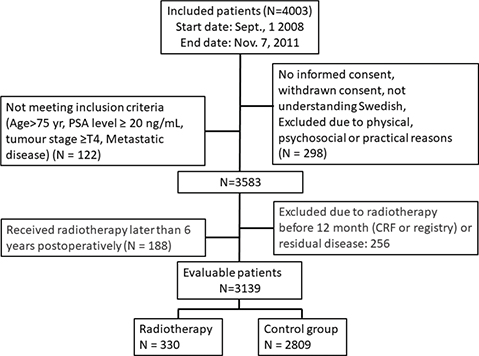
The LAPPRO trial enrolled a total of 4,003 patients between 2008 and 2011, and 3,583 fulfilled the criteria to be included in the main study. A total of 3,139 patients fulfilled the criteria at baseline for the current trial emulation, where 330 out of 3,139 patients received salvage radiotherapy (Figure 1). Median (minimum; maximum) time from prostatectomy to initiation of radiotherapy was 28 (12; 74) months. Between the 12 months baseline and 8-year follow-up 4.2% and 21% of the patients in the radiotherapy group received chemotherapy and hormone therapy, respectively. In the control group 1% and 3.6% received chemotherapy and hormone therapy, respectively.
Patient demographics
Patient, tumor, and surgical characteristics for the patients assigned to the two groups are presented in Table 1. Patients in the salvage radiotherapy group had more advanced disease as defined by tumor stage preoperatively, Gleason score and D’Amico risk group. Bowel, urinary and erectile function and physical health at 12 months baseline are presented in Figures S1–S3 in the Supplement. Functional outcomes at baseline, that is 12 months after surgery were similar between groups. The questionnaire response rate at 8 years after surgery was 75%.
| Characteristic | Overall, N = 3,5831 | Not included, N = 4441 | Radiotherapy, N = 3301 | Control, N = 2,8091 |
| Preoperative patient characteristics | ||||
| Age at surgery | 63 (59, 67) | 63 (59, 66) | 64 (60, 67) | 63 (58, 67) |
| University education | 1,195 / 3,136 (38%) | 125 / 371 (34%) | 122 / 299 (41%) | 948 / 2,466 (38%) |
| Missing | 447 | 73 | 31 | 343 |
| In a relationship | 2,859 / 3,134 (91%) | 343 / 371 (92%) | 281 / 300 (94%) | 2,235 / 2,463 (91%) |
| Missing | 449 | 73 | 30 | 346 |
| Residence | ||||
| Abroad | 14 / 3,133 (0.4%) | 0 / 371 (0%) | 3 / 300 (1.0%) | 11 / 2,462 (0.4%) |
| Rural | 453 / 3,133 (14%) | 57 / 371 (15%) | 45 / 300 (15%) | 351 / 2,462 (14%) |
| Urban | 2,666 / 3,133 (85%) | 314 / 371 (85%) | 252 / 300 (84%) | 2,100 / 2,462 (85%) |
| Missing | 450 | 73 | 30 | 347 |
| Smoking status | ||||
| Current | 300 / 3,130 (9.6%) | 44 / 372 (12%) | 22 / 298 (7.4%) | 234 / 2,460 (9.5%) |
| Former | 1,571 / 3,130 (50%) | 174 / 372 (47%) | 157 / 298 (53%) | 1,240 / 2,460 (50%) |
| Never | 1,259 / 3,130 (40%) | 154 / 372 (41%) | 119 / 298 (40%) | 986 / 2,460 (40%) |
| Missing | 453 | 72 | 32 | 349 |
| Body mass index, kg/m2 | 26 (24, 28) | 26 (24, 28) | 26 (24, 28) | 26 (24, 28) |
| Missing | 429 | 70 | 29 | 330 |
| Cardiovascular disease | 1,091 / 3,120 (35%) | 139 / 370 (38%) | 109 / 298 (37%) | 843 / 2,452 (34%) |
| Missing | 463 | 74 | 32 | 357 |
| Diabetes | 198 / 3,126 (6.3%) | 22 / 371 (5.9%) | 14 / 298 (4.7%) | 162 / 2,457 (6.6%) |
| Missing | 457 | 73 | 32 | 352 |
| COPD | 78 / 3,122 (2.5%) | 9 / 372 (2.4%) | 9 / 297 (3.0%) | 60 / 2,453 (2.4%) |
| Missing | 461 | 72 | 33 | 356 |
| Clinical T stage | ||||
| T1 | 2,116 / 3,478 (61%) | 224 / 432 (52%) | 164 / 315 (52%) | 1,728 / 2,731 (63%) |
| T2 | 1,256 / 3,478 (36%) | 186 / 432 (43%) | 134 / 315 (43%) | 936 / 2,731 (34%) |
| T3 | 106 / 3,478 (3.0%) | 22 / 432 (5.1%) | 17 / 315 (5.4%) | 67 / 2,731 (2.5%) |
| Missing | 105 | 12 | 15 | 78 |
| Gleason score on biopsy | ||||
| ISUP grade 1 | 1,814 / 3,551 (51%) | 187 / 437 (43%) | 116 / 325 (36%) | 1,511 / 2,789 (54%) |
| ISUP grade 3 | 1,534 / 3,551 (43%) | 210 / 437 (48%) | 181 / 325 (56%) | 1,143 / 2,789 (41%) |
| ISUP grade >3 | 203 / 3,551 (5.7%) | 40 / 437 (9.2%) | 28 / 325 (8.6%) | 135 / 2,789 (4.8%) |
| Missing | 32 | 7 | 5 | 20 |
| Preoperative prostate-specific antigen, ng/mL | 6 (4, 9) | 7 (5, 10) | 7 (5, 9) | 6 (4, 9) |
| Missing | 28 | 4 | 4 | 20 |
| DAmico riskgroup | ||||
| Low | 1,031 / 3,519 (29%) | 91 / 435 (21%) | 64 / 321 (20%) | 876 / 2,763 (32%) |
| Medium | 2,191 / 3,519 (62%) | 286 / 435 (66%) | 214 / 321 (67%) | 1,691 / 2,763 (61%) |
| High | 297 / 3,519 (8.4%) | 58 / 435 (13%) | 43 / 321 (13%) | 196 / 2,763 (7.1%) |
| Missing | 64 | 9 | 9 | 46 |
| Postoperative characteristics | ||||
| Pathological T stage | ||||
| T2 | 2,542 / 3,496 (73%) | 255 / 429 (59%) | 175 / 321 (55%) | 2,112 / 2,746 (77%) |
| T3 | 940 / 3,496 (27%) | 172 / 429 (40%) | 145 / 321 (45%) | 623 / 2,746 (23%) |
| T4 | 14 / 3,496 (0.4%) | 2 / 429 (0.5%) | 1 / 321 (0.3%) | 11 / 2,746 (0.4%) |
| Missing | 87 | 15 | 9 | 63 |
| Gleason score for specimen | ||||
| ISUP grade 1 | 1,282 / 3,522 (36%) | 121 / 435 (28%) | 49 / 324 (15%) | 1,112 / 2,763 (40%) |
| ISUP grade 3 | 2,012 / 3,522 (57%) | 263 / 435 (60%) | 237 / 324 (73%) | 1,512 / 2,763 (55%) |
| ISUP grade >3 | 228 / 3,522 (6.5%) | 51 / 435 (12%) | 38 / 324 (12%) | 139 / 2,763 (5.0%) |
| Missing | 61 | 9 | 6 | 46 |
| Prostate weight, g | 43 (35, 53) | 41 (34, 52) | 42 (33, 52) | 43 (35, 54) |
| Missing | 59 | 6 | 7 | 46 |
| Surgical technique | ||||
| Open Radical Prostatectomy | 885 / 3,583 (25%) | 135 / 444 (30%) | 77 / 330 (23%) | 673 / 2,809 (24%) |
| Robot-assisted Radical Prostatectomy | 2,698 / 3,583 (75%) | 309 / 444 (70%) | 253 / 330 (77%) | 2,136 / 2,809 (76%) |
| 12 month baseline patient characteristics | ||||
| Hormone therapy | 81 / 3,402 (2.4%) | 26 / 406 (6.4%) | 4 / 312 (1.3%) | 51 / 2,684 (1.9%) |
| Missing | 181 | 38 | 18 | 125 |
| Chemotherapy | 11 / 3,386 (0.3%) | 3 / 401 (0.7%) | 2 / 311 (0.6%) | 6 / 2,674 (0.2%) |
| Missing | 197 | 43 | 19 | 135 |
| Other therapies | 6 / 3,249 (0.2%) | 1 / 362 (0.3%) | 1 / 296 (0.3%) | 4 / 2,591 (0.2%) |
| Missing | 334 | 82 | 34 | 218 |
| High blood pressure | 418 / 3,274 (13%) | 48 / 393 (12%) | 45 / 320 (14%) | 325 / 2,561 (13%) |
| Missing | 309 | 51 | 10 | 248 |
| Myocardial infarction | 21 / 3,264 (0.6%) | 2 / 391 (0.5%) | 3 / 318 (0.9%) | 16 / 2,555 (0.6%) |
| Missing | 319 | 53 | 12 | 254 |
| Other cardiovascular conditions | 130 / 3,274 (4.0%) | 9 / 393 (2.3%) | 15 / 320 (4.7%) | 106 / 2,561 (4.1%) |
| Missing | 309 | 51 | 10 | 248 |
| Deep vein thrombosis | 31 / 3,270 (0.9%) | 6 / 393 (1.5%) | 1 / 321 (0.3%) | 24 / 2,556 (0.9%) |
| Missing | 313 | 51 | 9 | 253 |
| Stroke or hemmorhage in brain | 6 / 3,271 (0.2%) | 0 / 392 (0%) | 0 / 321 (0%) | 6 / 2,558 (0.2%) |
| Missing | 312 | 52 | 9 | 251 |
| Number of changes of pad, diaper or other sanitary protection during 24 h | ||||
| Don´t use pads | 2,179 / 3,331 (65%) | 270 / 404 (67%) | 204 / 326 (63%) | 1,705 / 2,601 (66%) |
| <1 pads | 388 / 3,331 (12%) | 43 / 404 (11%) | 49 / 326 (15%) | 296 / 2,601 (11%) |
| 1 pads | 456 / 3,331 (14%) | 56 / 404 (14%) | 49 / 326 (15%) | 351 / 2,601 (13%) |
| >1 pads | 308 / 3,331 (9.2%) | 35 / 404 (8.7%) | 24 / 326 (7.4%) | 249 / 2,601 (9.6%) |
| Missing | 252 | 40 | 4 | 208 |
| When erections with sexual stimulation how often was your erection hard enough for penetration | ||||
| Not applicable | 1,256 / 3,342 (38%) | 150 / 406 (37%) | 127 / 326 (39%) | 979 / 2,610 (38%) |
| Never fully stiff | 1,076 / 3,342 (32%) | 142 / 406 (35%) | 101 / 326 (31%) | 833 / 2,610 (32%) |
| Less than 50% | 361 / 3,342 (11%) | 47 / 406 (12%) | 40 / 326 (12%) | 274 / 2,610 (10%) |
| More than 50% | 382 / 3,342 (11%) | 36 / 406 (8.9%) | 31 / 326 (9.5%) | 315 / 2,610 (12%) |
| Always | 267 / 3,342 (8.0%) | 31 / 406 (7.6%) | 27 / 326 (8.3%) | 209 / 2,610 (8.0%) |
| Missing | 241 | 38 | 4 | 199 |
| Urge to open your bowels | ||||
| No, never | 2,657 / 3,337 (80%) | 288 / 404 (71%) | 271 / 326 (83%) | 2,098 / 2,607 (80%) |
| <1/week | 420 / 3,337 (13%) | 58 / 404 (14%) | 34 / 326 (10%) | 328 / 2,607 (13%) |
| >1/week | 260 / 3,337 (7.8%) | 58 / 404 (14%) | 21 / 326 (6.4%) | 181 / 2,607 (6.9%) |
| Missing | 246 | 40 | 4 | 202 |
| 1Median (IQR); n / N (%). | ||||
External salvage radiation therapy
The salvage radiation therapy was delivered as 2 Gray (Gy) per fraction 35 times, resulting in a total dose of 70 Gy in the majority 72% (239/330) of the patients. One patient each received 50 Gy, 54 Gy, and two received 78 Gy, respectively mainly with 3D-conformal radiotherapy of the prostate bed according to the Swedish National Guidelines of Prostate cancer. Information on dosing regimen was missing for 91 patients. Information about patient-specific dose distributions and alignment of target volumes was not available.
Bowel function
Fecal leakage was more common after radiotherapy as found in answers to question about ‘accidentally leaked liquid stool’ with 4.5% in Radiotherapy group versus 2.6% in Control group, ‘accidentally leaked liquid stool’ once a week or daily, Odds ratio (95% CI): 1.90 [1.38; 2.62]), ‘mucus from anus’, 6.8% versus 1.5% (4.14 [2.98; 5.76]), ‘leakage of feces in clothes’, 5.6% versus 2.4%, (2.18 [1.18; 4.04]), respectively in Radiotherapy and Control groups (Figures 2, 3A and 3B and Tables S2 and S3 in the Supplement). Bleeding from the anus was more common after salvage radiotherapy, 8.6% versus 1.2% in control (3.21 [2.32; 4.44]) as was flatulence, 25% versus 14% (1.82 [1.40; 2.37]), whereas distress due to bowel symptoms did not differ, 7.8% versus 6% (1.27 [0.90; 1.80]). Defecation urgency was more common in the group given salvage radiotherapy as reported in answers to questions about need ‘to rush to the toilet’, 14% versus 5% (3.22 [2.46; 4.21]), ‘open your bowels again within 1 hour’, 17% versus 9.4% (1.53 [1.18; 1.98]). There was no statistically significant difference in ‘how often do your open your bowels’, 3% versus 2.5% (1.23 [0.92; 1.64]).
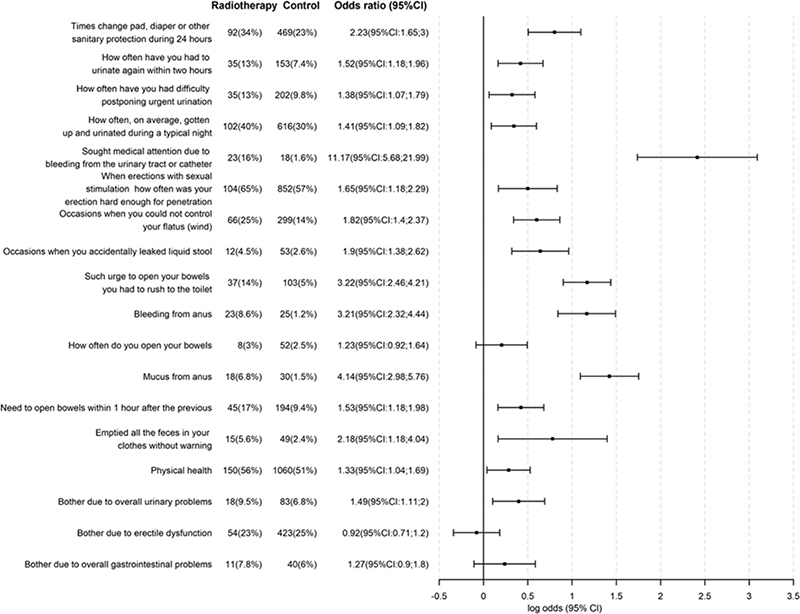
Figure 2. Patient-reported outcomes for the group who received salvage radiotherapy and the control group (without salvage radiotherapy) 8 years postoperatively and odds ratio.
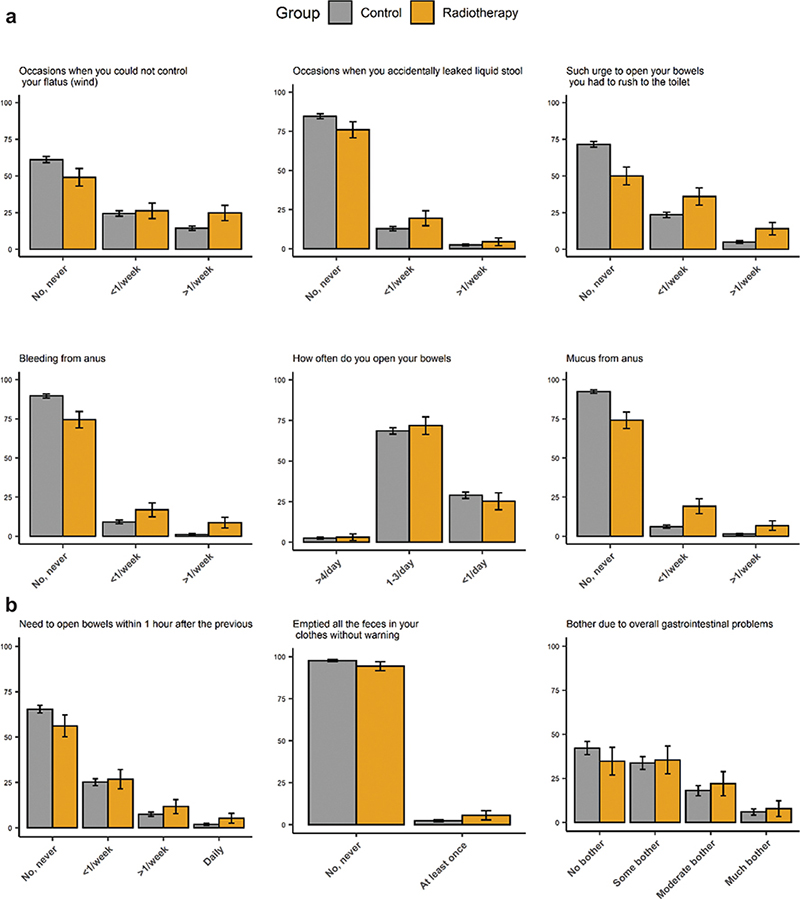
Figure 3. (A, B) Patient-reported outcomes from the bowel for the group who received salvage radiotherapy and the control group (without salvage radiotherapy) 8 years postoperatively (%).
Urinary function
Eight years after radical prostatectomy we found urinary bleeding (hematuria) (16% vs. 1.6% (11.17 [5.68; 21.99]), urinary incontinence (change of sanitary protection), 34% versus 23% (2.23 [1.65; 3.00]) and urgency (need to urinate within 2 h), 13% versus 7.4% (1.52 [1.18; 1.96]) were significantly more common after salvage radiotherapy versus no radiotherapy (‘control’). Distress from urinary symptoms was more common after radical prostatectomy and salvage radiotherapy than after prostatectomy alone, 9.5% versus 6.8% (1.49 [1.11; 2.00]), (Figure 2 and Figure S4 in the Supplement).
Erectile function
Erectile dysfunction was more common in patients who had undergone salvage radiotherapy, 65% versus 57%, (1.65 [1.18; 2.29]). No difference between groups regarding distress due to the sexual function could be demonstrated, 23% versus 25% (0.92 [0.71; 1.20]), (Figure 2 and Figure S5 in the Supplement).
The sensitivity analysis where patients receiving hormone therapy before or during follow-up were excluded showed similar results as the main analysis but group differences were in general attenuated and estimated with greater uncertainty rendering several comparisons non-significant (Figure S6). The sensitivity analysis with group assignment based on a window of 1 year after surgery to 3 years before follow-up gave similar results numerically and no change in conclusions.
Discussion
In this prospective multicenter controlled study we found that initiating salvage radiotherapy as treatment of biochemical recurrence after a radical prostatectomy caused more fecal leakage, hematochezia, urinary incontinence and hematuria measured 2–5 years after salvage radiotherapy in comparison with the control group (without radiotherapy).
Intestinal health after salvage radiotherapy
We found that fecal leakage was almost twice as common after salvage radiotherapy compared with those who did not receive radiotherapy (4.5% vs. 2.6%). Prevalence of similar magnitude was reported 10 to 13 years after salvage radiation in a cohort of 181 participants (5%) [23] and in a single-center study with up to 10-year follow-up [13], and interestingly only 3% after 1–3 years follow-up. A large single center study (n = 985 patients) found 9% with fecal leakage in the salvage radiation group with an average follow-up of 4 years (2–14 years) and that fecal leakage and urgency were the most bothersome symptoms [24]. The ‘fecal-leakage syndrome’ (emptying all the feces in the clothes without warning) after pelvic radiation therapy has been found to increase over time [25]. In our control group, radical prostatectomy but no radiotherapy, 2.4% reported fecal leakage more than once a week, similar to what was found (3%) in a Swedish reference population [26]. Another study of 113 patients having salvage radiotherapy compared with 1,312 patients that underwent radical prostatectomy alone found ‘increased bowel irritative symptoms’ using patient reported data and 5-year follow-up [27].
Other ways to measure ‘intestinal health’ are common, such as ‘gastrointestinal toxicity’. A randomized, multicenter trial of 1,005 patients comparing immediate postoperative radiotherapy, later salvage radiation treatment or wait and see until biochemical or clinical relapse, found no difference in ‘grade 2 or higher’ ‘gastrointestinal toxicity’ (2.5% [1.1–3.9] vs. 1.9% [0.7–3.2]; p = 0.47) between groups after 10 years [6]. A randomized trial (n = 388 patients with pT3N0 prostate cancer) compared watchful waiting and conformal adjuvant radiotherapy with 60 Gy and after 10 years they found hardly any grade 2 or higher toxicity [7]. Apicella et al. found <1% ‘grade 3’ rectal toxicity and no ‘grade 4’ toxicity in a study of postoperative radiotherapy (66 Gy) with 2 years follow-up [28], whereas salvage radiotherapy (70 Gy) combined with short-term neoadjuvant hormonal therapy in a study of 184 patients resulted in 23% ‘grade 1’, 9% ‘grade 2 plus 3’ and 5% ‘grade 4’ toxicity after 4-year follow-up [29]. It is, however important to know that a ‘grade 2’ gastrointestinal toxicity as defined by Radiation Therapy Oncology Group/European Organization for Research and Treatment of Cancer (RTOG/EORTC) and by the authors above considered as ‘mild’, constituted diarrhea with bowel movements more than five times daily as well as excessive rectal mucus discharge and intermittent bleeding. When evaluating side-effects, the means for measurement are of utmost importance. Most publications about side-effects after radiation are based upon doctor-reported toxicity, which may report such symptoms with lower sensitivity than if reported by patients [30, 31]. Our patient-reported data support the current evidence that salvage radiotherapy is associated with significant risk for late bowel dysfunction and worse urinary dysfunction. Thus, before initiating radiotherapy a baseline patient report on intestinal and urinary health is important, to improve patient selection to avoid treating patients at risk for significant side-effects. It is possible that improved work-up of patients with recurrent disease, such as Prostate-Specific Membrane Antigen Positron Emission Tomography (PSMA-PET) currently under investigation in ongoing trials could add information for better patient selection and hopefully help minimizing the group of patients with the combination of no oncological benefit and worse functional outcome as a result of salvage radiotherapy.
Incontinence and erectile dysfunction after salvage radiotherapy
Salvage radiotherapy resulted in significantly increased risk for incontinence and erectile dysfunction. The increase (34% vs. 23%) in urinary incontinence after salvage radiation was of similar magnitude to what was found by others 10–13 years after salvage radiotherapy where 31% of the patients had moderate/severe problems from leaking urine compared with 19% before the radiation treatment [23].
Bleeding from the urinary tract (hematuria) as a late side-effect of salvage radiotherapy has previously been evaluated in a few studies [12, 13, 23, 32]. It was reported by one fifth of our patients after salvage radiotherapy compared with 5% as found in the multicenter randomized Timing of radiotherapy after radical prostatectomy (RADICALS-RT) trial comparing adjuvant with salvage radiation after 4.9 years [33]. That we found four times as many patients with hematuria could probably be explained by a higher sensitivity in patent reported data compared with clinically reported data in combination with longer follow-up time.
Erectile dysfunction (erection hard enough for penetration less than 50% of times) was somewhat more frequent after salvage radiotherapy (65% vs. 57%) which is a larger difference than in a single center Swedish study, which concluded no indication of deterioration of sexual function after salvage radiotherapy [13]. However, the use of antiandrogen (Bicalutamide) in the salvage radiation arm was almost six times as common as in the control arm (21% vs. 3.6%), which most probably did affect the erectile dysfunction result. Also, a relatively small proportion of men retained good erectile ability after radical prostatectomy. Only 16% of selected patients with low risk cancer operated with bilateral nerve-sparing surgery had preserved potency (defined as International Index of Erectile Function (IIEF) score > 21) 1 year after surgery [34]. This can be interpreted as a ceiling effect where no further deterioration due to radiotherapy was possible.
We found that distress from urinary symptoms was not only more common after salvage radiotherapy compared with radical prostatectomy alone but also that distress from bowel dysfunction was not more common after radiotherapy, which is in contrast to findings of others [24]. The reason for this could be that in our questionnaire, as was the case in Braide et al., patients answered one question about distress from all bowel symptoms, while Alsadius asked questions about distress from each of the bowel symptoms separately [24]. The questions on symptoms largely correspond to the five syndromes of bowel dysfunction after pelvic radiation described earlier [25], namely frequency of emptying, leakage of feces, leakage of gas, discharge of mucus and bleeding from the rectum. These are also close to symptoms described after treatment of rectal cancer by low anterior resection and for some also neoadjuvant (chemo) radiotherapy, in that situation called ‘low anterior resection syndrome, LARS’ and evaluated by an instrument ‘LARS score’ [35]. Neoadjuvant radiotherapy was one of two important risk factors for the development of ‘major LARS’ [36].
Strengths and limitations
The strengths of this study include the prospective design, the collection of patients’ reports by a third party as opposed to the responsible urology department. Reporting side-effects after radiation therapy is rarely based upon patient reported outcomes but often upon doctor-reported toxicity [6, 7]. Further strengths were the high response rate for the questionnaires and the multicenter approach, which increased external validity of the results. The target trial emulation approach with a clearly defined starting point of the trial at 12 months after radical prostatectomy, with baseline levels and incident exposure approach to group assignment, enabled us to limit selection bias [17], however it cannot fully mimic a randomized controlled trial but rather a pragmatic open-label study. The main limitation is that the current aim was not the primary aim of the LAPPRO trial. The analyses did not include effects of radiotherapy given before 12 months after surgery, which could represent a strength in that adverse effects of surgery were stable at baseline. This could mean that difference between salvage and control groups in our analyses were limited. Even after adjustment residual confounding could remain. The limited data of the details regarding the radiation given is a limitation, however it is reasonable to assume that almost all of patients were treated according to guideline recommendations.
Conclusion
Salvage radiotherapy was associated with significant morbidity in terms of fecal leakage, hematochezia, urinary incontinence and hematuria, however salvage radiotherapy is the only available potentially curative treatment of biochemical recurrence after a radical prostatectomy. The results emphasize the importance of pre-treatment assessment of intestinal and urinary health as well as patient information to ensure patients’ preparedness for quality of life lowering side-effects of this potentially curative adjuvant treatment. The process should aim for balancing the net benefit between oncological effect and functional outcomes. Ongoing and future randomized studies evaluating optimized diagnostic methods before initiating salvage radiotherapy, for example PSMA-PET, might add knowledge for improved patient selection.
ORCID
Stefan Carlsson https://orcid.org/0000-0002-8489-5029
David Bock https://orcid.org/0000-0001-9111-9602
Anna Lantz https://orcid.org/0000-0002-5335-8028
Eva Angenete https://orcid.org/0000-0001-9966-4904
Katarina Koss Modig https://orcid.org/0000-0002-6396-0645
Jonas Hugosson https://orcid.org/0000-0002-2324-2817
Anders Bjartell https://orcid.org/0000-0002-5761-3786
Gunnar Steineck https://orcid.org/0000-0002-0787-3969
Peter Wiklund https://orcid.org/0000-0001-6497-4697
Eva Haglind https://orcid.org/0000-0002-1147-5605
References
- [1] Rawla P. Epidemiology of Prostate Cancer. World J Oncol. 2019;10:63–89.
- [2] Freedland SJ, Humphreys EB, Mangold LA, Eisenberger M, Dorey FJ, Walsh PC, et al. Risk of prostate cancer-specific mortality following biochemical recurrence after radical prostatectomy. JAMA. 2005;294:433-9.
- [3] Kilpeläinen T, Järvinen P, Tikkinen KAO. Randomized Trials Show a Consistent Benefit of Radical Prostatectomy on Mortality Outcomes. J Urol. 2019;202:1106-8.
- [4] Han M, Partin AW, Zahurak M, Piantadosi S, Epstein JI, Walsh PC. Biochemical (prostate specific antigen) recurrence probability following radical prostatectomy for clinically localized prostate cancer. J Urol. 2003;169:517-23.
- [5] Boorjian SA, Karnes RJ, Crispen PL, Rangel LJ, Bergstralh EJ, Blute ML. Radiation therapy after radical prostatectomy: impact on metastasis and survival. J Urol. 2009;182:2708-14.
- [6] Bolla M, van Poppel H, Collette L, van Cangh P, Vekemans K, Da Pozzo L, et al. Postoperative radiotherapy after radical prostatectomy: a randomised controlled trial (EORTC trial 22911). Lancet. 2005;366:572-8.
- [7] Wiegel T, Bartkowiak D, Bottke D, Bronner C, Steiner U, Siegmann A, et al. Adjuvant radiotherapy versus wait-and-see after radical prostatectomy: 10-year follow-up of the ARO 96-02/AUO AP 09/95 trial. Eur Urol. 2014;66:243-50.
- [8] Zaffuto E, Gandaglia G, Fossati N, Dell’Oglio P, Moschini M, Cucchiara V, et al. Early Postoperative Radiotherapy is Associated with Worse Functional Outcomes in Patients with Prostate Cancer. J Urol. 2017;197:669–75.
- [9] Hegarty SE, Hyslop T, Dicker AP, Showalter TN. Radiation therapy after radical prostatectomy for prostate cancer: evaluation of complications and influence of radiation timing on outcomes in a large, population-based cohort. PLoS One. 2015;10:e0118430.
- [10] Ajib K, Zanaty M, Alnazari M, Rajih E, Hueber PA, Mansour M, et al. Functional and oncological outcomes of salvage external beam radiotherapy following robot-assisted radical prostatectomy in a Canadian cohort. Can Urol Assoc J. 2018;12:45–9.
- [11] Raziee H, Berlin A. Gaps between Evidence and Practice in Postoperative Radiotherapy for Prostate Cancer: Focus on Toxicities and the Effects on Health-Related Quality of Life. Front Oncol. 2016;6:70.
- [12] Choo R, Pearse M, Danjoux C, Gardner S, Morton G, Szumacher E, et al. Analysis of gastrointestinal and genitourinary morbidity of postoperative radiotherapy for pathologic T3 disease or positive surgical margins after radical prostatectomy using national cancer institute expanded common toxicity criteria. Int J Radiat Oncol Biol Phys. 2008;72:989–95.
- [13] Braide K, Kindblom J, Lindencrona U, Mansson M, Hugosson J. A comparison of side-effects and quality-of-life in patients operated on for prostate cancer with and without salvage radiation therapy. Scand J Urol. 2020;54:393–400.
- [14] Haglind E, Carlsson S, Stranne J, Wallerstedt A, Wilderang U, Thorsteinsdottir T, et al. Urinary Incontinence and Erectile Dysfunction After Robotic Versus Open Radical Prostatectomy: A Prospective, Controlled, Nonrandomised Trial. Eur Urol. 2015;68:216–25.
- [15] Lantz A, Bock D, Akre O, Angenete E, Bjartell A, Carlsson S, et al. Functional and Oncological Outcomes After Open Versus Robot-assisted Laparoscopic Radical Prostatectomy for Localised Prostate Cancer: 8-Year Follow-up. Eur Urol 2021;80:650–60.
- [16] Thorsteinsdottir T, Stranne J, Carlsson S, Anderberg B, Bjorholt I, Damber JE, et al. LAPPRO: a prospective multicentre comparative study of robot-assisted laparoscopic and retropubic radical prostatectomy for prostate cancer. Scand J Urol Nephrol. 2011;45:102–12.
- [17] Hernan MA, Alonso A, Logan R, Grodstein F, Michels KB, Willett WC, et al. Observational studies analyzed like randomized experiments: an application to postmenopausal hormone therapy and coronary heart disease. Epidemiology. 2008;19:766–79.
- [18] McCullagh P. Regression models for ordinal data. J R Statist Soc B. 1980;42:109–42.
- [19] Little RJA. Missing-Data Adjustments in Large Surveys. Journal of Business & Economic Statistics. 1988;6:287–96.
- [20] Marshall A, Altman DG, Holder RL, Royston P. Combining estimates of interest in prognostic modelling studies after multiple imputation: current practice and guidelines. BMC Med Res Methodol. 2009;9:57.
- [21] van Buuren S, Groothuis-Oudshoorn K. mice: Multivariate Imputation by Chained Equations in R. Journal of Statistical Software. 2011;45:1–67.
- [22] Christensen RHB. Ordinal-Regression Models for Ordinal Data. R package version 2019.12–10 ed2019.
- [23] Leufgens F, Berneking V, Vogeli TA, Kirschner-Hermanns R, Eble MJ, Pinkawa M. Quality of Life Changes >10 Years After Postoperative Radiation Therapy After Radical Prostatectomy for Prostate Cancer. Int J Radiat Oncol Biol Phys. 2019;105:382–8.
- [24] Alsadius D, Olsson C, Pettersson N, Tucker SL, Wilderang U, Steineck G. Patient-reported gastrointestinal symptoms among long-term survivors after radiation therapy for prostate cancer. Radiother Oncol. 2014;112:237–43.
- [25] Steineck G, Skokic V, Sjoberg F, Bull C, Alevronta E, Dunberger G, et al. Identifying radiation-induced survivorship syndromes affecting bowel health in a cohort of gynecological cancer survivors. PLoS One. 2017;12:e0171461.
- [26] Bock D, Angenete E, Gonzales E, Heath J, Haglind E. Assessing health, quality of life and urogenital function in a sample of the Swedish general population: a cross-sectional study. BMJ Open. 2018;8:e021974.
- [27] Huelster HL, Laviana AA, Joyce DD, Huang LC, Zhao Z, Koyama T, et al. Radiotherapy after radical prostatectomy: Effect of timing of postprostatectomy radiation on functional outcomes. Urol Oncol. 2020;38:930 e23–e32.
- [28] Apicella G, Beldi D, Marchioro G, Torrente S, Tunesi S, Magnani C, et al. Postoperative radiotherapy in prostate cancer: Analysis of prognostic factors in a series of 282 patients. Rep Pract Oncol Radiother. 2015;20:113–22.
- [29] Cortes-Gonzalez JR, Castellanos E, Sandberg K, Eriksson MH, Wiklund P, Carlsson S, et al. Early salvage radiation therapy combined with short-term hormonal therapy in recurrent prostate cancer after radical prostatectomy: single-institution 4-year data on outcome, toxicity, health-related quality of life and co-morbidities from 184 consecutive patients treated with 70 Gy. Int J Oncol. 2013;42:109–17.
- [30] Bock D, Angenete E, Bjartell A, Hugosson J, Steineck G, Walming S, et al. Agreement between patient reported outcomes and clinical reports after radical prostatectomy - a prospective longitudinal study. BMC Urol. 2019;19:35.
- [31] Gravis G, Marino P, Joly F, Oudard S, Priou F, Esterni B, et al. Patients’ self-assessment versus investigators’ evaluation in a phase III trial in non-castrate metastatic prostate cancer (GETUG-AFU 15). Eur J Cancer. 2014;50:953–62.
- [32] JJarosek SL, Virnig BA, Chu H, Elliott SP. Propensity-weighted long-term risk of urinary adverse events after prostate cancer surgery, radiation, or both. Eur Urol. 2015;67:273–80.
- [33] Parker CC, Clarke NW, Cook AD, Kynaston HG, Petersen PM, Catton C, et al. Timing of radiotherapy after radical prostatectomy (RADICALS-RT): a randomised, controlled phase 3 trial. Lancet. 2020;396:1413–21.
- [34] Carlsson S, Jaderling F, Wallerstedt A, Nyberg T, Stranne J, Thorsteinsdottir T, et al. Oncological and functional outcomes 1 year after radical prostatectomy for very-low-risk prostate cancer: results from the prospective LAPPRO trial. BJU Int. 2016;118:205–12.
- [35] Emmertsen KJ, Laurberg S. Low anterior resection syndrome score: development and validation of a symptom-based scoring system for bowel dysfunction after low anterior resection for rectal cancer. Ann Surg. 2012;255:922–8.
- [36] Bregendahl S, Emmertsen KJ, Lous J, Laurberg S. Bowel dysfunction after low anterior resection with and without neoadjuvant therapy for rectal cancer: a population-based cross-sectional study. Colorectal Dis. 2013;15:1130–9.