Review Article
Current evidence for moderate and ultra-hypofractionated radiation therapy in prostate cancer: a summary of the results from phase 3 randomised trials
Oscar Lillebya , Peter Meidahl Petersenb, Gedske Daugaardb and Katharina Anne Perellb
aDepartment of Oncology, Section 5073, Rigshospitalet, Blegdamsvej 9 2100, Copenhagen Ø, Denmark; bDepartment of Oncology, Copenhagen University Hospital, Copenhagen, Denmark
Problem: A low α/β ratio for prostate cancer (PCa) compared to surrounding normal tissue theoretically implies therapeutical advantages with hypofractionated treatment. Data from large randomised control trials (RCTs) comparing moderate hypofractionated (MHRT, 2.4–3.4 Gray/fraction (Gy/fx)) and ultra-hypofractionated (UHRT, >5 Gy/fx) with conventionally fractionated radiation therapy (CFRT, 1.8–2 Gy/fx) and the possible clinical implications have been reviewed.
Materials and method: We searched PubMed, Cochrane and Scopus for RCT comparing MHRT/UHRT with CFRT treatment of locally and/or locally advanced (N0M0) PCa. We found six RCTs, which compared different radiation therapy regimes. Tumour control and acute and late toxicities are reported.
Results: MHRT was non-inferior to CFRT for intermediate-risk PCa, non-inferior for low-risk PCa and not superior in terms of tumour control for high-risk PCa. Acute toxicity rates were increased compared to CFRT, especially an increase in acute gastrointestinal adverse effects was seen. Late toxicity related to MHRT seems to be comparable. UHRT was non-inferior in terms of tumour control in one RCT, with increased acute toxicity, but with comparable late toxicity. One trial, however, indicated increased late toxicity rates with UHRT.
Discussion and conclusion: MHRT delivers similar therapeutic outcomes compared to CFRT in terms of tumour control and late toxicity for intermediate-risk PCa patients. Slightly more acute transient toxicity could be tolerated in favour of a shorter treatment course. UHRT should be regarded as an optional treatment for patients with low- and intermediate-risk disease applied at experienced centres in concordance with international and national guidelines.
KEYWORDS: Prostate cancer; moderate hypofractionated; ultrahypofractionated; radiation therapy
Citation: Scandinavian Journal of Urology 2023, VOL. 58, 21–27. https://doi.org/10.2340/sju.v58.7719.
Copyright: © 2023 The Author(s). Published by MJS Publishing on behalf of Acta Chirurgica Scandinavica. This is an Open Access article distributed under the terms of the Creative Commons Attribution-NonCommercial 4.0 International License (https://creativecommons.org/licenses/by-nc/4.0/), allowing third parties to copy and redistribute the material in any medium or format and to remix, transform, and build upon the material for non-commercial purposes, provided proper attribution to the original work.
Received: 5 August 2022; Accepted: 27 March 2023; Published: 20 June 2023
*Equally contributed.
CONTACT Oscar Lilleby lillebyoscar@gmail.com The University of Copenhagen, Faculty of Health and Medical Sciences, Blegdamsvej 3B 2200 Copenhagen, Denmark
Competing interests and funding: The authors report no conflict of interest.
Background
The incidence of prostate cancer (PCa) in Scandinavia was 166/100.000 in 2019 [1]. The majority of patients had localised disease. Treatment options for localised PCa consisting of radiation therapy, surgery or active surveillance have shown equal outcomes [2]. Radiation therapy with curative intent is the standard treatment for locally advanced PCa where the addition of radiation therapy to androgen deprivation therapy (ADT) has shown improved overall survival [3, 4]. Data comparing the different treatment options for locally advanced PCa are sparse, though the SPCG15 study is currently randomising between radiation therapy and surgery as treatment for locally advanced PCa (NCT02102477).
Radical prostatectomies were done in 26% (n = 1,117) of all diagnosed patients in 2020 in Denmark and half as many received radiation therapy as primary treatment. The numbers are similar for Norway. Almost an equal number of patients received either radiation therapy or surgery in Sweden [5–7].
Conventionally fractionated external beam radiation therapy (CFRT) consists of daily 2.0 Gray (Gy) doses given 37–39 times over a period of 7–9 weeks. The long overall treatment time with many hospital visits poses a challenge for CFRT because of the burden to patients and to the healthcare system.
The linear-quadratic model describes the relationship between cell survival and radiation dose, and the α/β ratio is the dose where cell killing due to the linear and quadratic components is equal. Considerable evidence supports the assumption that PCa has a relatively low α/β ratio between 1.5 and 3.1 Gy [8–10]. Therefore, increasing ‘dose per fraction’ with an overall lower total dose and fewer fractions should in theory result in a relatively greater tumour control with the same effects on normal tissues or similar tumour control with less effects on the normal tissues [10]. Moderate hypofractionated external beam radiation therapy (MHRT) consists of 2.4–3.4 Gy per fraction over 20–30 treatments [11, 12]. Ultra hypofractionated external beam radiation therapy (UHRT) is defined as delivering >5 Gy per fraction, though a clear definition lacks [13].
As excellent reviews and meta-analysis are available in this field [14, 15], the purpose of this article is to give a brief update of primary curative treatment of PCa using moderate or ultra-hypofrationated radiation therapy in comparison with conventionally fractionated radiation therapy with regards to tumour control and acute and late toxicities.
Methods
We searched PubMed (n = 79), Cochrane (n = 47) and Scopus (n = 167) for randomised control trials (RCTs) comparing MHRT and UHRT with CFRT. The inclusion criteria were as follows: a minimum follow-up period of 5 years; studies with at least 300 patients; studies that treated patients with external beam radiation only; locally or locally advanced (N0M0) PCa. Data for tumour control and acute and late toxicities were collected from the studies. Search terms included the following, which is performed on 27.11.22: ‘((((prostatic neoplasm[MeSH Terms]) AND (radiotherapy[MeSH Terms])) AND (hypofractionated)) AND (Randomized Controlled Trial[Filter])) AND (English[Filter])’, see Figure 1. Figure 1 illustrates the PubMed search and selection. With Cochrane and Scopus searches, no additional articles were found.
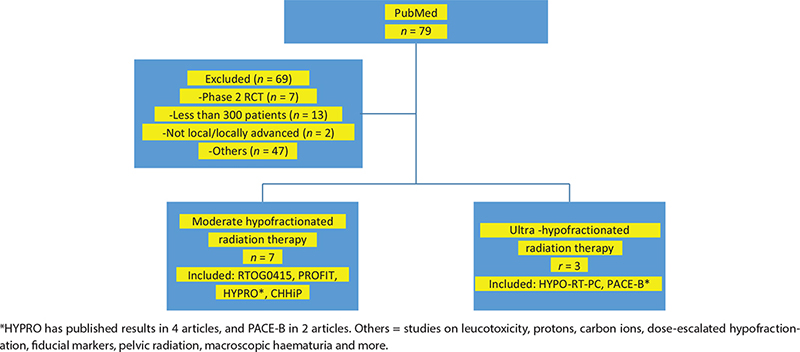
Figure 1. Exclusion and inclusion of studies on hypofractionated radiation therapy.
Results
An overview of the results regarding MHRT is shown in Tables 1 and 2. Three studies (RTOG 0415 [16], CHHiP [17] and PROFIT [18]) investigated MHRT compared with CFRT, with relapse-free survival as primary endpoint with a non-inferiority design. One study, HYPRO [19, 20], investigated MHRT compared with CFRT with similar primary outcome, but a different study design. This trial was designed such that 10% better relapse-free survival was needed for MHRT compared with CFRT to conclude superiority, combined with a non-inferiority approach with respect to toxicity [21, 22]. MHRT was non-inferior to CFRT in the previously mentioned studies, except for CHHiPs 57 Gy arm [17]. A statistically significant increase in acute gastrointestinal (GI) toxicity was observed in the arm receiving hypofractionated radiation therapy in CHHiP, PROFIT and HYPRO. Acute genitourinary (GU) toxicity rates were similar in both treatment arms for CHHiP, PROFIT and RTOG 0415. Late toxicity rates were similar for CHHiP and PROFIT but statistically significantly increased for MHRT in RTOG 0415. MHRT was not superior to CFRT in the HYPRO study. Regarding acute and late toxicity rates in the HYPRO trial, MHRT did not confirm non-inferiority compared with CFRT [21, 22].
| Reference | Number of patients | Endpoint | Risk group | T-stage/PSA/Gleason score (GS) | Total dose (Gy)/number of fractions/total treatment time (weeks) | RT method | ADT |
| RTOG 0415 [16] | 550 542 |
5 years | 100% L | T1–T2 PSA < 10 ng/mL GS ≤ 6 |
70/28/5.6 73.8/41/8.2 |
3D-CRT in 21% and IMRT in 79% of patients | None |
| CHHiP [17] | 1,077 | 5 years | 15% L | T1–T3 | 57/19/3.8 | IMRT and IGRT in 30% of patients | 97% |
| 1,074 | 73% I | PSA < 40 ng/mL | 60/20/4 | ||||
| 1,065 | 12% H | GS ≤ 8 | 74/37/7.4 | ||||
| HYPRO [19–22] | 407 397 |
7 years | 26% I 74% H |
T1–T4 PSA < 60 ng/mL GS ≤ 10 |
64.4/19/6.5 78/39/8 |
IMRT in 95% and IGRT in 94% of patients | 67% |
| PROFIT [18] | 608 598 |
5 years | 100% I | T1–T2 PSA ≤ 20 ng/mL GS ≤ 7 |
60/20/4 78/39/8 |
3D-CRT allowed. IMRT encouraged. IGRT demanded. |
5% |
| RT: radiation therapy; IMRT: intensity-modulated radiotherapy; 3D-CRT: 3D conformal radiotherapy; L: low risk; I: intermediate risk; H: high risk; IGRT: image-guided-radiation-therapy; ADT: androgen deprivation therapy. HYPRO risk group is according to Chism et al. [42], and the rest is NCCN. | |||||||
| Reference | MHRT vs. CFRT | Early RTOG≥2 GI (%) | Early RTOG≥2 GU (%) | Late RTOG≥2 GI (%) | Late RTOG≥2 GU (%) | Endpoint (relapse-free, biochemical or clinical, survival) (%) |
| RTOG 0415 [16] | MHRT CFRT |
11 10 |
27 27 |
22 14 |
30 23 |
86 85 |
| CHHiP [17] | MHRT (57Gy) MHRT (60Gy) CFRT |
38 38 25 |
46 49 46 |
11 12 14 |
7 12 9 |
86 91 88 |
| HYPRO [19–22] | MHRT CFRT |
42 31 |
61 58 |
22 18 |
41 39 |
72 68 |
| PROFIT [18] | MHRT CFRT |
17 11 |
31 31 |
9 14 |
22 22 |
85 85 |
| RTOG: radiation therapy oncology group; CFRT: conventionally fractionated radiation therapy; MHRT: moderate hypofractionated radiation therapy; Gy: Gray. All percentages are cumulative, early toxicity within 90–120 days and late toxicity at study endpoint. | ||||||
An overview of the results regarding UHRT can be seen in Tables 3 and 4. We found two RCTs investigating UHRT compared with CFRT, HYPO-RT-PC [23] and PACE-B [24, 25]. UHRT was non-inferior to CFRT in HYPO-RT-PC [23]. Except for an increased GU toxicity occurring with UHRT at 1-year follow-up, no difference in late toxicity rates between UHRT and CFRT was found in the HYPO-RT-PC study. Follow-up for PACE-B is still short, and survival data have not been published. PACE-B found no statistically significant difference in acute GU/GI toxicity rates between the treatment regimes [24]. Late GU toxicity after 2 years for UHRT was significantly increased [25].
| Reference | Number of patients | Endpoint | Risk group | T-stage/PSA/Gleason score (GS) | Total dose (Gy)/number of fractions/total treatment time (weeks) | RT method | ADT |
| HYPO-RT-PC [23] | 602 598 |
5 years | D’Amico 89% I 11% H |
T1–T3 PSA 10–20 ng/mL GS≥7 |
78/39/8 42.7/7/2.5 |
3D-CRT 80%, VMAT/IMRT 20%, IGRT 100% |
None |
| PACE-B [24,25] | 441 433 |
Ongoing | NCCN 8% L 92% I |
T1–T2 PSA < 20 ng/mL GS < 8 (excluding 4 + 3) |
78/39/8 or 62/20/4 36.25/5/1.2 |
IMRT 11%, Cyberknife 20%, VMAT 67%, others 3% |
None |
| RT: radiation therapy; NCCN: National Comprehensive Cancer Network; VMAT: volumetric-modulated arc therapy; IMRT: intensity-modulated radiation therapy; IGRT: image-guided-radiation-therapy; ADT: androgen deprivation therapy; 3D-CRT: 3D-conformal radiation therapy; L: low risk; I: intermediate risk; H: high risk. | |||||||
| Reference | UHRT vs. CFRT (MHRT) | Early RTOG≥2 GI (%) | Early RTOG≥2 GU (%) | Late RTOG≥2 GI (%) | Late RTOG≥2 GU (%) | Endpoint (relapse-free, biochemical or clinical, survival) (%) |
| HYPO-RT-PC [23] | UHRT CFRT |
8a 6a |
28b 23b |
10b 10b |
18b 17b |
84 84 |
| PACE-B [24, 25] | UHRT (SBRT) CFRT or MHRT |
10b 12b |
23b 27b |
8b 8b |
18b 11b |
n/a n/a |
| n/a: not-available; RTOG: radiation therapy oncology group; a: frequency; b: cumulative; SBRT: stereotactic body radiotherapy; CFRT: conventionally fractionated radiation therapy; MHRT: moderate hypofractionated radiation therapy; UHRT: ultra hypofractionated radiation therapy; GU: genitourinary toxicity; GI: gastrointestinal toxicity; early toxicity for HYPO-RT-PC at treatment end, early toxicity for PACE-B within 12 weeks and late toxicity at study endpoint for HYPO-RT-PC. | ||||||
The prevalence of overall patient reported bowel, urinary and sexual bother at 5-years was similar between the schedules in CHHiP. There was some evidence for less sexual bother in the MHRT schedules compared with the CFRT regime [26]. Patient reported bowel and urinary bother was increased with MHRT in the acute phase in the HYPRO study [27]. The rates dropped considerably after 3 months, and no pattern of more persisting complaints with MHRT compared to CFRT after the acute period was seen. The investigated quality of life for patients in the RTOG 0415 study showed that MHRT was non-inferior to CFRT in patient reported outcome on bowel, bladder and sexual bother [28]. Patient-reported outcomes were not significantly different for UHRT in HYPO-RT-PC or PACE-B [25, 29].
Discussion
Curative radiation therapy is a cornerstone treatment for localised and locally advanced PCa. Shorter treatment would be more convenient for patients and save costs, but new schedules have to control efficacy and toxicity. One of the early pioneering studies for MHRT vs. CFRT, the Lukka trial [30], showed no differences in meaningful clinical outcomes. However, this trial used a rather low total radiation dose, which is considered non-curative with contemporary radiation standards.
The non-inferiority studies have investigated if hypofractionated radiation therapy could maintain equal tumour control and toxicity rates compared to conventionally fractionated radiation therapy. Only the HYPRO study used a superiority design for tumour control and a non-inferiority design for toxicity rates.
Results from the CHHiP and PROFIT studies have led to a paradigm shift in the treatment of intermediate PCa and constitute the evidence for international guidelines recommending MHRT for intermediate-risk PCa. Nevertheless, many issues remain uncertain, for instance, the lack of data regarding long-term follow-up beyond 10 years for late toxicities, the lack of observed superiority for MHRT despite of a low α/β, ADT necessity and to whom UHRT should be recommended.
The fact that MHRT did not show superiority in the HYPRO-study may be explained by a time factor. Treatment time for patients receiving MHRT in HYPRO was 6.5 weeks compared with 3.8–4 weeks in CHHiP. This time factor could be of importance, but it is not regarded in the basic form of the linear quadratic model [31]. Other possible explanations might include an overestimation of the α/β ratio in the linear quadratic model or unknown factors in tumour biology, i.e. tumour heterogenicity that may affect radiosensitivity. The suggestion that biochemical control maxes out at 80 Gy EQD2 might be an alternative explanation [32]. Further analysis disputes this [33]. The observed inferiority in the CHHiPs 57 Gy group may be explained by the fact that the α/β ratio is greater than the anticipated 1.5 Gy. Giving a total of 57 Gy in 3 Gy fractions is therefore probably not sufficient for obtaining tumour control. However, men aged ≥ 75 years tumour control was attained with the 57 Gy hypofractionated treatment. There is a potential advantage in the 57 Gy schedule, with less toxicity without compromised treatment efficacy, for men ≥ 75 years [34].
ADT blocks the increase in androgen receptors in tumour tissue after radiation [35]. However, the impact of ADT on the α/β ratio remains unknown [36]. Ninety seven percent of the patients in CHHiP received ADT compared with 5% of the patients in PROFIT, which likely accounts for the observed difference in biochemical control at 5-years (91% vs. 85%) [37]. A similar increase (13%) in 5-year PSA-control with 6 months ADT has been detected in the EORTC 22991 study, which investigated the use of adjuvant ADT to radiation therapy [38]. The combination of ADT with CFRT has previously shown a decrease in positive post-treatment biopsies compared to ADT only treatment (66% vs. 22%) [39]. The RCT PACE-C currently investigates UHRT and MHRT with or without ADT (NCT01584258). A meta-analysis, cohort study concludes that substantial evidence of safety and efficacy for UHRT exists [15, 40].
An increase in acute GI toxicity was observed with MHRT compared with conventionally fractionated radiation therapy in the CHHiP and PROFIT studies. Only 30% of the patients in CHHiP received image-guided radiation therapy (IGRT), which may explain the relative larger toxicity observed here compared with PROFIT where treatment was delivered with daily image guidance [37]. Image-guided radiation therapy may improve toxicity rates [41]. The relatively larger delivered biological radiation dose may account for the relatively higher adverse toxicity rates observed in HYPRO compared with CHHiP and PROFIT (see Table 5). Differences in toxicity rates might also be due to differences in CTV-PTV margins and differences in dose-volume constraints applied.
| Reference | Total dose (Gy)/number of fractions/total treatment time (weeks) | EQD2 α/β = 1.5 Gy PCa | EQD2 α/β = 3.0 Gy Late normal tissue reaction |
| RTOG 0415 [16] | 70/28/5.6 | 80 Gy | 77 Gy |
| CHHiP [17] | 57/19/3.8 60/20/4 |
73 Gy 77 Gy |
68 Gy 72 Gy |
| HYPRO [19–22] | 64.6/19/16.5 | 91 Gy | 83 Gy |
| PROFIT [18] | 60/20/4 | 77 Gy | 72 Gy |
| HYPO-RT-PC [23] | 42.7/7/2.5 | 93 Gy | 78 Gy |
| PACE-B [24, 25] | 36.25/5/1.2 | 91 Gy | 74 Gy |
| EQD2: equivalent total dose in 2 Gy fractions with no correction for overall treatment time; PCa: prostate cancer; EQD2 = D × ([d + (α/β)] / [2 + (α/β)]). | |||
An increase in late toxicity rates for MHRT was observed in RTOG 0415. This may be expected as Dearnaley points out that EQD2 was higher for the patients receiving MHRT [37] (see Table 5). No difference in late toxicities was observed in CHHiP. However, a significant increase in late GI toxicity was observed with CFRT compared with MHRT in PROFIT. The observed inferiority in HYPRO for toxicity with MHRT may again be explained by EQD2 (83 Gy), and the fact that baseline toxicity rates were high in the HYPRO study [42]. Furthermore, age and the use of ADT were correlated and associated with greater late genitourinary toxicity rates in HYPRO [21].
An obvious disadvantage with MHRT is the increased occurrence of acute toxicities, especially GI side-effects. Therefore, the use of MHRT requires thorough consideration. Nevertheless, MHRT does not show an increase in late toxicity rates. Substantial evidence of long-term follow-up data of 8 years is available supporting the safety of MHRT [43], though, as mentioned by Koontz et al. in a systematic review, a 10-year follow-up is lacking [44]. However, it is likely that most severe late toxicities occur within the first 2 years [45]. According to guidelines [12], the use of MHRT external beam radiation therapy as treatment for PCa should only be performed with IGRT and IMRT. Radiation therapy requires conformality [46, 47], especially with higher doses per fraction as with MHRT and UHRT, because of the increased risk of damage to normal tissue in each fraction.
Toxicity related to radiation therapy can be measured according to guidelines from the ‘Radiation Therapy Oncology Group’ (RTOG). The observed decrease in acute grade 2 or worse RTOG GU toxicity in PACE-B compared to the HYPO-RT-PC study may be due to the highly conformal radiation technique used in PACE-B. Another possible reason might be that the EQD2, without time correction, is lower in PACE-B than in HYPO-RT-PC. Furthermore, differences in risk groups may account for differences in acute toxicity rates between HYPO-RT-PC and PACE-B. In PACE-B, late GU toxicity after 2 years for UHRT was significantly increased. The authors themselves conclude that with the 2 years follow-up, SBRT was associated with a higher rate of late GU toxicities [25]. To avoid increased late GU side effects, technical approaches may be explored to reduce the genitourinary tract dose without narrowing the therapeutic window [48].
Should MHRT and UHRT be recommend to all PCa patients? MHRT might not be recommended for high-risk patient based on the 74% high-risk patients included in HYPRO. Even though this trial failed to show superiority regarding failure-free survival, this was in fact better for MHRT compared with CFRT, both at 5 and 7 years. In addition, their subgroup analysis showed similar results for intermediate-risk and high-risk patients and no significant interaction between risk group and fractionation schedule.
The two RCTs on UHRT included also few high-risk patients to make recommendations. The current European Association of Urology (EAU) guidelines conclude that UHRT should be restricted to prospective clinical trials. On the contrary to EAU, NCCN guidelines state that UHRT could be offered to low, intermediate and high-risk PCa, and the German Society for Radiation Oncology (DEGRO) [13] recommends UHRT to low- and intermediate-risk PCa. In Scandinavia, both the Norwegian and Swedish guidelines commenced to recommend UHRT as an acceptable alternative treatment of patients with intermediate-risk PCa [49, 50]. Patients with low-risk PCa disease, in general, should instead be treated with active surveillance, which implies surgery or radiation therapy in case of progression after scheduled criteria. The ProtecT trial showed no difference in 10-year disease specific mortality in patients with localised PCa treated with either surgery, radiation therapy or active surveillance [2, 51]. Regardless, there might be different reasons for patients opting for a treatment other than active surveillance and here information from the treating physician is undoubtedly important [52, 53]. A shorter radiation schedule would be an attractive option for most patients; hence, if UHRT treatment over 2 weeks, instead of the conventionally 8 weeks, does not give greater toxicity it would undoubtably be more convenient for the patients. Finally, it would save considerable resources for the radiation therapy departments.
In summary, despite substantial evidence generated by RCTs for the efficacy of ultra hypofractionated radiation therapy, no general consensus has been reached in all national or international guidelines for its use in localised or locally advanced PCa [12, 13, 49, 50, 54, 55]. Especially, the EAU guidelines recommend treatment with ultra hypofractionated regimes preferably in trials, given the uncertainty of long-term toxicity.
Conclusion
MHRT has been found to give equivalent therapeutic outcome as CFRT regarding tumour control and late toxicity rates for PCa patients with intermediate-risk disease. MHRT is the standard radiation therapy schedule in low- and intermediate-risk PCa. UHRT has shown non-inferiority in one RCT, an increase in acute toxicity rates in the first conducted RCT. One trial indicated increased late toxicity rates. Awaiting final outcome results for PACE-B, UHRT should be regarded as an optional treatment for patients with low- and intermediate-risk disease applied at experienced centres in concordance with international and national guidelines.
ORCID
Oscar Lilleby https://orcid.org/0000-0002-1731-7720
References
- [1] Larønningen S, Ferlay J, Beydogan H, et al. NORDCAN: Cancer incidence, mortality, prevalence and survival in the Nordic countries [Internet]; 2022 [cited 24-04-2023]. Version 9.2 (23.06.2022). Association of the Nordic Cancer Registries. Cancer Registry of Norway. Available from: https://nordcan.iarc.fr/
- [2] Hamdy FC, Donovan JL, Lane JA, et al. 10-Year outcomes after monitoring, surgery, or radiotherapy for localized prostate cancer. N Engl J Med. 2016 Oct 13;375(15):1415–24. https://doi.org/10.1056/NEJMoa1606220
- [3] Warde P, Mason M, Ding K, et al. Combined androgen deprivation therapy and radiation therapy for locally advanced prostate cancer: a randomised, phase 3 trial. Lancet. 2011 Dec 17;378(9809):2104–11. https://doi.org/10.1016/S0140-6736(11)61095-7
- [4] Widmark A, Klepp O, Solberg A, et al. Endocrine treatment, with or without radiotherapy, in locally advanced prostate cancer (SPCG-7/SFUO-3): an open randomised phase III trial. Lancet. 2009 Jan 24;373(9660):301–8. https://doi.org/10.1016/S0140-6736(08)61815-2
- [5] Årsrapport 2020 med resultater og forbedringstiltak fra Nasjonalt kvalitetsregister for prostatakreft [Internet]; 2021 [cited 24-04-2023]. Oslo: Kreftregisteret. Available from: https://www.kreftregisteret.no/globalassets/publikasjoner-og-rapporter/arsrapporter/publisert-2021/arsrapport-nasjonalt-kvalitetsregister-for-prostatakreft-2020.pdf
- [6] Nationella prostatacancerregistret. The National Prostate Cancer Register of Sweden and Prostate Cancer data Base Sweden 2.0 [internet]. 2023 [cited 2023 Apr 24]. Available from: https://npcr.se/wp-content/uploads/2021/09/20210901_npcr_nationell_rapport_2020.pdf
- [7] Dansk Prostata Cancer Database. Årsrapport 2020. Juli 2021 Regionernes Kliniske Kvalitetsudviklingsprogram [Internet]. 2023. Available from: https://ducg.dk/fileadmin/ingen_mappe_valgt/daproca_aarsrapport_2020_offentlig.pdf
- [8] Wang JZ, Li XA, Yu CX, et al. The low alpha/beta ratio for prostate cancer: what does the clinical outcome of HDR brachytherapy tell us? Int J Radiat Oncol Biol Phys. 2003 Nov 15;57(4):1101–8. https://doi.org/10.1016/S0360-3016(03)00747-8
- [9] Benjamin LC, Tree AC, Dearnaley DP. The role of hypofractionated radiotherapy in prostate cancer. Curr Oncol Rep. 2017 Apr;19(4):30. https://doi.org/10.1007/s11912-017-0584-7
- [10] Brenner DJ, Hall EJ. Fractionation and protraction for radiotherapy of prostate carcinoma. Int J Radiat Oncol Biol Phys. 1999 Mar 15;43(5):1095–101. https://doi.org/10.1016/S0360-3016(98)00438-6
- [11] Morgan SC, Hoffman K, Loblaw DA, et al. Hypofractionated radiation therapy for localized prostate cancer: executive summary of an ASTRO, ASCO and AUA evidence-based guideline. J Urol. 2019 Mar;201(3):528–34. https://doi.org/10.1097/JU.0000000000000071
- [12] Mottet N, Cornford P, van den Bergh RCN, et al. EAU-EANM- ESTRO- ESUR- ISUP - SIOG- Guidelines on Prostate Cancer [Internet]. 2013 [cited 24-04-2023]. Arnhem, the Netherlands: EAU Guidelines Office. Available from: https://d56bochluxqnz.cloudfront.net/documents/full-guideline/EAU-EANM-ESTRO-ESUR-ISUP-SIOG-Guidelines-on-Prostate-Cancer-2023_2023-03-27-131655_pdvy.pdf
- [13] Wolf F, Sedlmayer F, Aebersold D, et al. Ultrahypofractionation of localized prostate cancer: statement from the DEGRO working group prostate cancer. Strahlenther Onkol. 2021 Feb;197(2):89–96. https://doi.org/10.1007/s00066-020-01723-8
- [14] Datta NR, Stutz E, Rogers S, et al. Conventional versus hypofractionated radiation therapy for localized or locally advanced prostate cancer: a systematic review and meta-analysis along with therapeutic implications. Int J Radiat Oncol Biol Phys. 2017 Nov 1;99(3):573–89. https://doi.org/10.1016/j.ijrobp.2017.07.021
- [15] Jackson WC, Silva J, Hartman HE, et al. Stereotactic body radiation therapy for localized prostate cancer: a systematic review and meta-analysis of over 6,000 patients treated on prospective studies. Int J Radiat Oncol Biol Phys. 2019 Jul 15;104(4):778–89. https://doi.org/10.1016/j.ijrobp.2019.03.051
- [16] Lee WR, Dignam JJ, Amin MB, et al. Randomized phase III noninferiority study comparing two radiotherapy fractionation schedules in patients with low-risk prostate cancer. J Clin Oncol. 2016 Jul 10;34(20):2325–32. https://doi.org/10.1200/JCO.2016.67.0448
- [17] Dearnaley D, Syndikus I, Mossop H, et al. Conventional versus hypofractionated high-dose intensity-modulated radiotherapy for prostate cancer: 5-year outcomes of the randomised, non-inferiority, phase 3 CHHiP trial. Lancet Oncol. 2016 Aug;17(8):1047–60. https://doi.org/10.1016/S1470-2045(16)30102-4
- [18] Catton CN, Lukka H, Gu CS, et al. Randomized trial of a hypofractionated radiation regimen for the treatment of localized prostate cancer. J Clin Oncol. 2017 Jun 10;35(17):1884–90. https://doi.org/10.1200/JCO.2016.71.7397
- [19] Incrocci L, Wortel RC, Alemayehu WG, et al. Hypofractionated versus conventionally fractionated radiotherapy for patients with localised prostate cancer (HYPRO): final efficacy results from a randomised, multicentre, open-label, phase 3 trial. Lancet Oncol. 2016 Aug;17(8):1061–9. https://doi.org/10.1016/S1470-2045(16)30070-5
- [20] de Vries KC, Wortel RC, Oomen-de Hoop E, et al. Hyprofractionated versus conventionally fractionated radiation therapy for patients with intermediate- or high-risk, localized, prostate cancer: 7-year outcomes from the randomized, multicenter, open-label, phase 3 HYPRO trial. Int J Radiat Oncol Biol Phys. 2020 Jan 1;106(1):108–15. https://doi.org/10.1016/j.ijrobp.2019.09.007
- [21] Aluwini S, Pos F, Schimmel E, et al. Hypofractionated versus conventionally fractionated radiotherapy for patients with prostate cancer (HYPRO): late toxicity results from a randomised, non-inferiority, phase 3 trial. Lancet Oncol. 2016 Apr;17(4):464–74. https://doi.org/10.1016/S1470-2045(15)00567-7
- [22] Aluwini S, Pos F, Schimmel E, et al. Hypofractionated versus conventionally fractionated radiotherapy for patients with prostate cancer (HYPRO): acute toxicity results from a randomised non-inferiority phase 3 trial. Lancet Oncol. 2015 Mar;16(3):274–83. https://doi.org/10.1016/S1470-2045(14)70482-6
- [23] Widmark A, Gunnlaugsson A, Beckman L, et al. Ultra-hypofractionated versus conventionally fractionated radiotherapy for prostate cancer: 5-year outcomes of the HYPO-RT-PC randomised, non-inferiority, phase 3 trial. Lancet. 2019 Aug 3;394(10196):385–95. https://doi.org/10.1016/S0140-6736(19)31131-6
- [24] Brand DH, Tree AC, Ostler P, et al. Intensity-modulated fractionated radiotherapy versus stereotactic body radiotherapy for prostate cancer (PACE-B): acute toxicity findings from an international, randomised, open-label, phase 3, non-inferiority trial. Lancet Oncol. 2019 Nov;20(11):1531–43. https://doi.org/10.1016/S1470-2045(19)30569-8
- [25] Tree AC, Ostler P, van der Voet H, et al. Intensity-modulated radiotherapy versus stereotactic body radiotherapy for prostate cancer (PACE-B): 2-year toxicity results from an open-label, randomised, phase 3, non-inferiority trial. Lancet Oncol. 2022 Oct;23(10):1308–20. https://doi.org/10.1016/S1470-2045(22)00517-4
- [26] Staffurth JN, Haviland JS, Wilkins A, et al. Impact of hypofractionated radiotherapy on patient-reported outcomes in prostate cancer: results up to 5 yr in the CHHiP trial (CRUK/06/016). Eur Urol Oncol. 2021 Dec;4(6):980–92. https://doi.org/10.1016/j.euo.2021.07.005
- [27] Sinzabakira F, Heemsbergen WD, Pos FJ, et al. Patient-reported outcomes in the acute phase of the randomized hypofractionated irradiation for prostate cancer (HYPRO) trial. Int J Radiat Oncol Biol Phys. 2022 Mar 15;112(4):870–9. https://doi.org/10.1016/j.ijrobp.2021.10.139
- [28] Bruner DW, Pugh SL, Lee WR, Hall WA, Dignam JJ, Low D, et al. Quality of life in patients with low-risk prostate cancer treated with hypofractionated vs conventional radiotherapy: a phase 3 randomized clinical trial. JAMA Oncol. 2019;5(5):664–70. https://doi.org/10.1001/jamaoncol.2018.6752
- [29] Fransson P, Nilsson P, Gunnlaugsson A, et al. Ultra-hypofractionated versus conventionally fractionated radiotherapy for prostate cancer (HYPO-RT-PC): patient-reported quality-of-life outcomes of a randomised, controlled, non-inferiority, phase 3 trial. Lancet Oncol. 2021 Feb;22(2):235–45. https://doi.org/10.1016/S1470-2045(20)30581-7
- [30] Lukka H, Hayter C, Julian JA, et al. Randomized trial comparing two fractionation schedules for patients with localized prostate cancer. J Clin Oncol. 2005 Sep 1;23(25):6132–8. https://doi.org/10.1200/JCO.2005.06.153
- [31] Vogelius IR, Bentzen SM. Meta-analysis of the alpha/beta ratio for prostate cancer in the presence of an overall time factor: bad news, good news, or no news? Int J Radiat Oncol Biol Phys. 2013 Jan 1;85(1):89–94. https://doi.org/10.1016/j.ijrobp.2012.03.004
- [32] Vogelius IR, Bentzen SM. Diminishing returns from ultrahypofractionated radiation therapy for prostate cancer. Int J Radiat Oncol Biol Phys. 2020 Jun 1;107(2):299–304. https://doi.org/10.1016/j.ijrobp.2020.01.010
- [33] Kerkmeijer LGW, Pos FJ, Haustermans K, van der Heide UA. Reply to I. R. Vogelius et al. J Clin Oncol. 2021;39(27):3086–7. https://doi.org/10.1200/JCO.21.00789
- [34] Wilson JM, Dearnaley DP, Syndikus I, et al. The efficacy and safety of conventional and hypofractionated high-dose radiation therapy for prostate cancer in an elderly population: a subgroup analysis of the CHHiP trial. Int J Radiat Oncol Biol Phys. 2018 Apr 1;100(5):1179–89. https://doi.org/10.1016/j.ijrobp.2018.01.016
- [35] Yin Y, Li R, Xu K, et al. Androgen receptor variants mediate DNA repair after prostate cancer irradiation. Cancer Res. 2017 Sep 15;77(18):4745–54. https://doi.org/10.1158/0008-5472.CAN-17-0164
- [36] Boonstra PS, Taylor JM, Smolska-Ciszewska B, et al. Alpha/beta (α/β) ratio for prostate cancer derived from external beam radiotherapy and brachytherapy boost. Br J Radiol. 2016;89(1061):20150957. https://doi.org/10.1259/bjr.20150957
- [37] Dearnaley D, Hall E. Prostate cancer and hypofractionation: reflections on recent randomised phase III clinical trial results. Transl Androl Urol. 2017 Feb;6(1):134–6. https://doi.org/10.21037/tau.2017.01.05
- [38] Bolla M, Maingon P, Carrie C, et al. Short androgen suppression and radiation dose escalation for intermediate- and high-risk localized prostate cancer: results of EORTC trial 22991. J Clin Oncol. 2016 May 20;34(15):1748–56. https://doi.org/10.1200/JCO.2015.64.8055
- [39] Solberg A, Haugen OA, Viset T, et al. Residual prostate cancer in patients treated with endocrine therapy with or without radical radiotherapy: a side study of the SPCG-7 randomized trial. Int J Radiat Oncol Biol Phys. 2011 May 1;80(1):55–61. https://doi.org/10.1016/j.ijrobp.2010.01.072
- [40] Kishan AU, Dang A, Katz AJ, et al. Long-term outcomes of stereotactic body radiotherapy for low-risk and intermediate-risk prostate cancer. JAMA Netw Open. 2019 Feb 1;2(2):e188006. https://doi.org/10.1001/jamanetworkopen.2018.8006
- [41] Murray J, Griffin C, Gulliford S, et al. A randomised assessment of image guided radiotherapy within a phase 3 trial of conventional or hypofractionated high dose intensity modulated radiotherapy for prostate cancer. Radiother Oncol. 2020 Jan;142:62–71. https://doi.org/10.1016/j.radonc.2019.10.017
- [42] Chism DB, Hanlon AL, Horwitz EM, et al. A comparison of the single and double factor high-risk models for risk assignment of prostate cancer treated with 3D conformal radiotherapy. Int J Radiat Oncol Biol Phys. 2004 Jun 1;59(2):380–5. https://doi.org/10.1016/j.ijrobp.2003.10.059
- [43] Dearnaley DP, Griffin C, Syndikus I, et al. Eight-year outcomes of a phase III randomized trial of conventional versus hypofractionated high-dose intensity modulated radiotherapy for prostate cancer (CRUK/06/016): update from the CHHiP trial. J Clin Oncol. 2020;38(6_Suppl):325. https://doi.org/10.1200/JCO.2020.38.6_suppl.325
- [44] Koontz BF, Bossi A, Cozzarini C, et al. A systematic review of hypofractionation for primary management of prostate cancer. Eur Urol. 2015 Oct;68(4):683–91. https://doi.org/10.1016/j.eururo.2014.08.009
- [45] Stensvold A, Dahl AA, Brennhovd B, et al. Methods for prospective studies of adverse effects as applied to prostate cancer patients treated with surgery or radiotherapy without hormones. Prostate. 2012 May 1;72(6):668–76. https://doi.org/10.1002/pros.21470
- [46] Sveistrup J, af Rosenschöld PM, Deasy JO, et al. Improvement in toxicity in high risk prostate cancer patients treated with image-guided intensity-modulated radiotherapy compared to 3D conformal radiotherapy without daily image guidance. Radiat Oncol. 2014 Feb 4;9:44. https://doi.org/10.1186/1748-717X-9-44
- [47] Wortel RC, Incrocci L, Pos FJ, et al. Late side effects after image guided intensity modulated radiation therapy compared to 3D-conformal radiation therapy for prostate cancer: results from 2 prospective cohorts. Int J Radiat Oncol Biol Phys. 2016 Jun 1;95(2):680–9. https://doi.org/10.1016/j.ijrobp.2016.01.031
- [48] Brand DH, Brüningk SC, Wilkins A, et al. Genitourinary α/β ratios in the CHHiP trial the fraction size sensitivity of late genitourinary toxicity: analysis of alpha/beta (α/β) ratios in the CHHiP trial. Int J Radiat Oncol Biol Phys. 2023;115(2):327–36. https://doi.org/10.1016/j.ijrobp.2022.08.030
- [49] Helsedirektoratet. Om Helsedirektoratets normerende produkter [Internet]. 2023 [cited 24-04-2023]. Oslo: Helsedirektoratet. Available from: https://www.helsedirektoratet.no/retningslinjer/prostatakreft-handlingsprogram
- [50] Kunskapsbanken [Internet]; 2022 [cited 24-04-2023]. National prostate cancer guidelines (In Swedish). Version 7.0. The Confederation of Regional Cancer Centres (RCC). Available from: https://kunskapsbanken.cancercentrum.se/globalassets/cancerdiagnoser/prostatacancer/vardprogram/nvp-prostatacancer.pdf
- [51] Hamdy FC, Donovan JL, Lane JA, et al. Active monitoring, radical prostatectomy and radical radiotherapy in PSA-detected clinically localised prostate cancer: the ProtecT three-arm RCT. Health Technol Assess. 2020 Aug;24(37):1–176. https://doi.org/10.3310/hta24370
- [52] Teramoto S, Ota T, Itaya N, et al. [Survey of factors underlying treatment choice for patients with localized prostate cancer (radical prostatectomy vs extrabeam radiotherapy)]. Nihon Hinyokika Gakkai Zasshi. 2006 Nov;97(7):823–9. https://doi.org/10.5980/jpnjurol1989.97.823
- [53] Shaverdian N, Verruttipong D, Wang PC, et al. Exploring value from the patient’s perspective between modern radiation therapy modalities for localized prostate cancer. Int J Radiat Oncol Biol Phys. 2017 Mar 1;97(3):516–25. https://doi.org/10.1016/j.ijrobp.2016.11.007
- [54] National Comprehensive Cancer Network [Internet]. 2023 [cited 24-04-2023]. Prostate Cancer (Version 1.2023). Available from: https://www.nccn.org/guidelines/guidelines-detail?category=1&id=1459
- [55] Danske Multidiciplinære Cancer Grupper [Internet]. 2023 [cited 24-04-2023]. Klassifikation og stadieinddeling af prostatacancer (Version 2.2). Available from: https://www.dmcg.dk/siteassets/kliniske-retningslinjer---skabeloner-og-vejledninger/kliniske-retningslinjer-opdelt-pa-dmcg/daproca/daproca_klassifikation-og-stadieinddeling_v.2.2_admgodk_16032023.pdf