SHORT COMMUNICATION
Use of Social Media by the Public Regarding Skin Health: Effects on Dermatological Awareness and Preventive Behaviours
Fortunato CASSALIA1, Christian CIOLFI1, Filippo SCOLARO1, Andrea DANESE2, Anna LUNARDON1, Francesca CAROPPO1,3 and Anna BELLONI FORTINA3
1Dermatology Unit, Department of Medicine (DIMED), University of Padua, Padua, 2Section of Dermatology and Venereology, Department of Medicine, University of Verona, Verona and 3Pediatric Dermatology Regional Center, Department of Women’s and Children’s Health (SDB), University of Padua, Padua, Italy. *E-mail: anna.bellonifortina@unipd.it
Citation: Acta Derm Venereol 2023: 103: adv15341. DOI: https://doi.org/10.2340/actadv.v103.15341.
Copyright: © Published by Medical Journals Sweden, on behalf of the Society for Publication of Acta Dermato-Venereologica. This is an Open Access article distributed under the terms of the Creative Commons Attribution-NonCommercial 4.0 International License (https://creativecommons.org/licenses/by-nc/4.0/)
Accepted: Oct 25, 2023; Published: Dec 13, 2023
Competing interests and funding: The authors have no conflicts of interest to declare.
INTRODUCTION
Social media are digital platforms that enable content sharing and real-time interactions, and are now part of daily life among 59.9% of the global population (1). Such platforms are used in many industries, including healthcare. Dermatological information is increasingly disseminated to the public via these networks, providing take-home messages, encouraging awareness of the need for preventive measures, and promoting professional consultation (2, 3). This study used a web-based survey to investigate how the general population uses social media to acquire dermatological information, and examines the influence of these platforms on dermatological awareness and preventive behaviours.
MATERIALS, METHODS AND RESULTS
A web-based survey was conducted using a 13-question online form via Google Forms (Google LLC, Mountain View, CA, USA); the survey was conducted in Italian language with a mixture of multiple-choice and open-ended questions.
From February 2023 to March 2023 participants were recruited from the general population through dermatology-focused social media groups via Instagram (Meta Platforms, Menlo Park, CA, USA), Facebook (Meta Platforms, Menlo Park, CA, USA), and WhatsApp (Meta Platforms, Menlo Park, CA, USA). Following survey completion, participants were asked to invite acquaintances to take part in the study. Participation in the survey was voluntary and anonymous. Informed consent was obtained through the online survey platform before participants could access the survey questions. The survey questions are listed in Table I. In addition, a free-text section was included at the end of the questionnaire allowing participants to share insights or questions. We analysed the obtained data using Microsoft Excel 16.29 version.
Among 881 respondents, 860 provided informed consent prior to participation; 8 subjects were minors and were thus excluded. The final sample for the present study included 852 participants (96.7% of 881 respondents). Participants ranged in age from 19 to 64 years (mean age of 29.67 years). Women comprised 79.34% of participants (n = 676) and men 20.66% (n = 176) (Fig. 1). Most participants (n = 842/852, 98.71%) resided in Italy, evenly distributed among northern and southern Italian regions. Approximately one-third (n = 287, 33.69%) reported dermatological problems. Of the participants, 92.84% (n = 791/852) considered it useful to disseminate dermatological health-related content for preventive purposes through social media. Enrolled patients declared that the social media they used the most was Instagram (n = 664/852, 77.94%), followed by Facebook (n = 84/852, 9.86%), TikTok (ByteDance, Beijing, China) (n = 46/852, 5.40%) and others (n = 33/852, 3.87%).
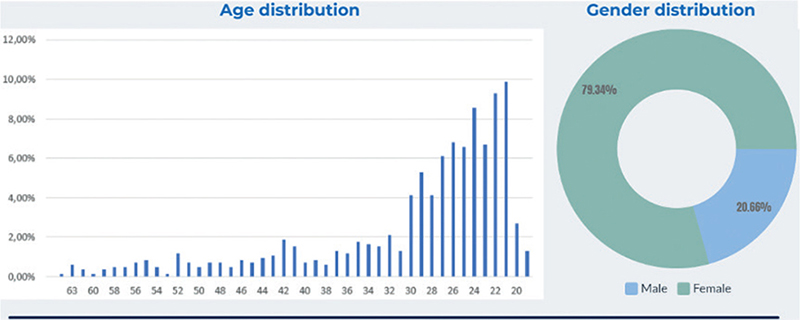
Fig. 1. Distribution of age and sex in the study group (N = 852).
Instagram was considered to be the richest in content related to skin disease prevention (69.72% n. 594/852), followed by Facebook (7.04% % n = 60/852), YouTube (6.57% % n. 56/852) and TikTok (5.87% % n = 50/852) (Fig. 2).
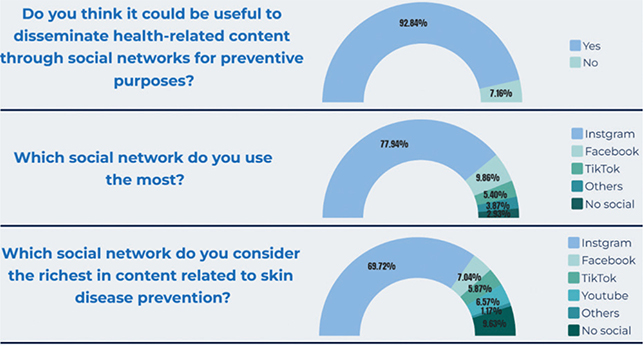
Fig. 2. Graphs of responses to survey questions 6, 7 and 8.
Of the participants, 13.38% (n = 114/852) declared they had undergone a dermatological examination after being exposed to dermatologic prevention content on social media; among this subgroup, 25 subjects (n = 25/114, 21.93%) declared they had been diagnosed with a dermatological condition; in particular, 2 of these (n = 2/114, 1.65%; 8% of new dermatological diagnosis) specified they had received a diagnosis of skin cancer (Fig. 3). Moreover, 13.73% of subjects (n = 117/852) declared they were going to undergo a dermatologic examination after being exposed to prevention content on social platforms. 77.93% of the study group (n = 664/852) became aware of the survey through social media, mainly Instagram (82.98%, n = 551/664), WhatsApp (10.84%, n = 72/664) and Facebook (5.12%, n = 34/664).
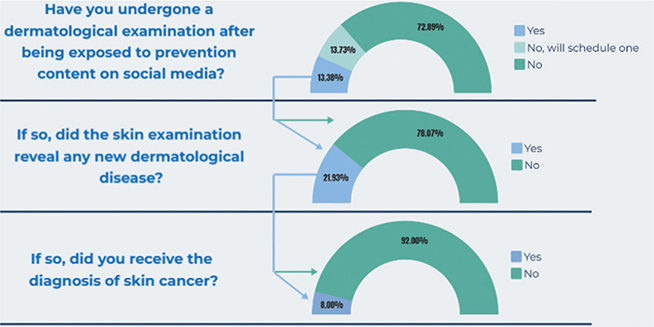
Fig. 3. Graphs of responses to survey questions 9, 10 and 11.
DISCUSSION
Social media have become a significant way of networking, sharing information, and following trends and news. This technological revolution has inevitably impacted the dissemination of healthcare knowledge, especially in dermatology, a field that is focused on visual content. Social media have proven to be effective communication tools that increase public awareness of health issues, including dermatological concerns. This includes promoting both primary preventive measures, such as sun protection and skin cancer awareness, and secondary preventive measures, such as dermatological screening (3–8).
Of the participants, 79.34% (n = 676/852) were female, suggesting that women may be more sensitive to the issue of physical health, although no clear data are available about the prevalence of women and men among users of the social media platforms. It is notable that exposure to social network content on prevention prompted a high number of participants (n = 114/852, 13.38%) to seek dermatological consultation, with a substantial proportion of these (21.93%, n = 25/114) receiving a new diagnosis, including the detection of skin cancer (1.65%, n = 2/114).
These findings highlight the potential of social media as educational tools. Dermatologists can join these platforms to share trusted resources, raise awareness of skin disease, and promote healthy skincare practices. Visual content, especially images depicting dermatological conditions, help to raise patients’ awareness of the importance of treating skin conditions. Social media might also prove useful among young people in preventing behaviours that could increase cancer risk, such as excessive exposure to ultraviolet (UV) light and tanning (9–11). However, young adults are the main users of Instagram (1), which has been shown to be the most used social network to find dermatological information and, therefore, further data regarding the optimum way to reach all age groups is required. Collaborative efforts among dermatological journals, professional associations, scientific societies, and social media might prove useful in improving the availability and dissemination of reliable public health knowledge.
This study has significant limitations, such as the small sample size and the non-systematic method of participant selection. Furthermore, the lack of a live interviewer means that participants were not able to ask for clarifications regarding any of the questions, thus leading to potentially biased, partial, or non-representative responses. Nevertheless, the results of this study may prompt further and more in-depth research on the subject.
ACKNOWLEDGEMENTS
The patients in this study provided written informed consent for the publication of their case details.
Data are available from the corresponding author upon reasonable request.
REFERENCES
- DataReportal. 2023. Global social media statistics. Overview of social media use. [accessed 2023 May 1]. Available from: https://datareportal.com/social-media-users.
- Patel RR, Hill MK, Smith MK, Seeker P, Dellavalle RP. An updated assessment of social media usage by dermatology journals and organizations. Dermatol Online J 2018; 24:13030/qt3jr646v0.
- Cooper BR, Concilla A, Albrecht JM, Bhukhan A, Laughter MR, Anderson JB, et al. Social media as a medium for dermatologic education. Curr Dermatol Rep 2022; 11: 103–109.
- Barrutia L, Vega-Gutiérrez J, Santamarina-Albertos A. Benefits, drawbacks, and challenges of social media use in dermatology: a systematic review. J Dermatolog Treat 2022; 33: 2738–2757.
- De La Garza H, Maymone MBC, Vashi NA. Impact of social media on skin cancer prevention. Int J Environ Res Public Health 2021; 18: 5002.
- Jhawar N, Lipoff JB. Variable potential for social media platforms in raising skin cancer awareness. Dermatol Online J 2019; 25: 13030/qt2t78m4x1.
- Geist R, Militello M, Albrecht JM, Presley CL, Anderson JB, Laughter M, et al. Social media and clinical research in dermatology. Curr Dermatol Rep 2021; 10: 105–111.
- DeBord LC, Patel V, Braun TL, Dao H Jr. Social media in dermatology: clinical relevance, academic value, and trends across platforms. J Dermatolog Treat 2019; 30: 511–518.
- Yakupu A, Aimaier R, Yuan B, Chen B, Cheng J, Zhao Y, et al. The burden of skin and subcutaneous diseases: findings from the global burden of disease study 2019. Front Public Health 2023; 11: 1145513.
- Arnold M, Singh D, Laversanne M, Vignat J, Vaccarella S, Meheus F, et al. Global burden of cutaneous melanoma in 2020 and projections to 2040. JAMA Dermatol 2022; 158: 495–503.
- Hu W, Fang L, Ni R, Zhang H, Pan G. Changing trends in the disease burden of non-melanoma skin cancer globally from 1990 to 2019 and its predicted level in 25 years. BMC Cancer 2022; 22: 836.