REVIEW ARTICLE
Effects of COVID-19 Pandemic on the Diagnosis of Melanoma and Keratinocyte Carcinomas: a Systematic Review and Meta-analysis
Pablo DÍAZ-CALVILLO1,2, Daniel MUÑOZ-BARBA1,2, Clara UREÑA-PANIEGO1,2, Lara Valeska MAUL3, Sara CERMINARA3, Lisa KOSTNER3, Antonio MARTÍNEZ LÓPEZ1,2,* and Salvador ARIAS-SANTIAGO1,2,4
1Department of Dermatology, Virgen de las Nieves University Hospital, 2Instituto de Investigación Biosanitaria ibs.GRANADA, Granada, Spain, 3Department of Dermatology, University Hospital of Basel, Basel, Switzerland, 4Department of Dermatology, University of Granada, Granada, Spain
Since December 2019, the COVID-19 pandemic has profoundly affected healthcare. The real effects of the COVID-19 pandemic on skin cancer are still unclear, more than 3 years later. This study aims to summarise the pandemic’s impact on skin cancer diagnosis and outcome. A systematic review and meta-analysis was conducted, selecting studies comparing skin cancer diagnosis and prognosis post-pandemic with pre-pandemic data. A total of 27 papers were reviewed including 102,263 melanomas and 271,483 keratinocyte carcinomas. During the initial pandemic months (January–July 2020), melanoma surgeries dropped by 29.7% and keratinocyte carcinomas surgeries by 50.8%. Early pandemic tumours exhibited greater thickness and stage. In a long-term period beyond the initial months, melanoma surgeries decreased by 9.3%, keratinocyte carcinomas by 16.6%. No significant differences were observed in the Breslow thickness of melanomas after the start of the pandemic (mean difference 0.06, 95% confidence interval –0.46, 0.58). Melanomas operated on post-pandemic onset had an increased risk of ulceration (odds ratio 1.35, 95% confidence interval 1.22–1.50). Keratinocyte carcinomas showed increased thickness and worsened stage post-pandemic. However, studies included were mostly retrospective and cross-sectional, reporting diverse data. This review indicates that the pandemic likely caused delays in skin cancer diagnosis and treatment, potentially impacting patient outcomes.
Key words: melanoma; squamous cell carcinoma; basal cell carcinoma; COVID-19.
SIGNIFICANCE
The COVID-19 pandemic has disrupted global healthcare since December 2019, with uncertain long-term effects on skin cancer. Our study reviewing 27 research papers and over 373,000 skin cancer cases found that from January to June 2020, melanoma surgeries decreased by 29.7%, and keratinocyte carcinomas surgeries by 50.8%. Tumours operated on during the pandemic’s early months had increased thickness and stage. Even beyond this phase, melanoma surgeries remained down by 9.3%, and keratinocyte carcinomas by 16.6%. The study suggests that the pandemic likely led to delays in skin cancer diagnosis and treatment, potentially affecting patient outcomes.
Citation: Acta Derm Venereol 2024; 104: adv19460. DOI https://doi.org/10.2340/actadv.v104.19460.
Copyright: © Published by Medical Journals Sweden, on behalf of the Society for Publication of Acta Dermato-Venereologica. This is an Open Access article distributed under the terms of the Creative Commons Attribution-NonCommercial 4.0 International License (https://creativecommons.org/licenses/by-nc/4.0/)
Submitted: Sep 18, 2023; Accepted: Feb 22, 2024; Published: Mar 14, 2024
Corr: Antonio Martínez-López, Avenida de Madrid 15, ES-18014, Granada, Spain. E-mail: antoniomartinezlopez@aol.com
Competing interests and funding: The authors have no conflicts of interest to declare.
INTRODUCTION
In December 2019, severe acute respiratory syndrome coronavirus type-2 (SARS-CoV-2) emerged in Wuhan, China. This virus has spread globally and has produced over 770 million COVID-19 cases and 6.9 million deaths worldwide (1). In the most affected countries, governments imposed general confinements and COVID-19 forced lifestyle changes (2). These measures also affected healthcare systems, necessitating adaptations to maintain patient care, with a noticeable neglect of other diseases like skin cancer (3). Moreover, patients stopped consulting, primarily due to fear of infection (4).
Skin cancers are the most frequent tumours in humans, with an increasing incidence (5). Delays in diagnosis mean worse tumour stages, causing poorer survival rates and the need for more complex procedures, such as surgical flaps or grafts and adjuvant therapies (6, 7).
The true impact of the COVID-19 pandemic on skin cancer, over 3 years after its onset, remains unclear. Knowing these data could help to develop strategies to maintain early diagnosis in future confinements, potentially involving initiatives like teledermatology, improved triaging, or educational campaigns.
The aim of this study is to summarise the COVID-19 pandemic’s impact on skin cancer diagnosis and outcome.
METHODS
Design
A systematic review and meta-analysis were performed following the Preferred Reporting Items for Systematic Reviews and Meta-Analyses checklist (8) (Table SII). The study protocol was registered on PROSPERO (www.crd.york.ac.uk/PROSPERO/display_record.asp?ID=CRD42022369656).
Data sources and search strategy
Data were obtained from the following databases: MEDLINE, Embase, Scopus, Web of Science, and Cochrane Library.
We used the following search terms: (melanoma OR squamous cell carcinoma OR basal cell carcinoma) AND COVID-19, using the filters: “Humans” and “Adults”.
For full search strategy for each database, see Appendix S1.
As our search strategy used index, some pertinent articles might not be included due to the indexing delay. To mitigate this, we supplemented the searches with manual screening. In addition, a supplementary search was carried out to lessen the possibility of publication bias by manually searching the reference lists of the articles that were selected for the review.
Inclusion and exclusion criteria
Inclusion: original article of clinical trial, cohort study, case-control study, or cross-sectional study, assessing changes in skin cancer diagnosis and prognosis after the pandemic and comparing with the pre-pandemic period, published in peer-reviewed journals and written in English or Spanish.
Exclusion: reviews, guidelines, protocols, letters, conference abstracts, unpublished studies, case reports, and case series.
The selection of articles was carried out by PDC, DMB, and CUP. Discrepancies were resolved by consensus among all authors.
Documentary quality
To assess risk of bias, we used the National Institutes of Health quality assessment tool (9). This contains 14 questions and, for each article, 1 point was assigned for each present item (if not applicable, not scored), categorised as good (> 9 criteria), fair (5–9), or poor (< 5) (Table SI).
Data extraction
Duplicate records were refined using EndNote X9 (Clarivate Analytics, London, UK). The articles were classified according to the variables: first author, year of publication, country, design, quality of the study, number of participants, skin cancer type studied, and the periods focused on for outcomes. We then stratified the data according to skin cancer type. For melanoma studies, we collected: pre-pandemic study period, pandemic study period, number of days in each period, number of tumours, age, sex, Breslow thickness, mitotic index, T-value (from the TNM), and staging according to the American Joint Committee on Cancer, eighth edition (10). In articles studying keratinocyte carcinomas (KC) we collected: pre-pandemic study period, pandemic study period, number of days in each period, type of tumour studied, number of tumours, age, sex, invasion depth, and T-value (10). Data of interest that were not included in the articles were calculated based on the data reported in each paper.
Studies were stratified according to whether they assessed the short-term effects of the pandemic (focusing on the months of first confinements: March–July 2020) or the long-term ones (beyond the months of first confinements or assessing the period of confinement in addition to later periods). From the studies that compared various periods before the pandemic, we obtained the average for the different variables. The studies were ordered according to the number of days studied.
Statistical analysis
Meta-analyses were performed if 3 or more articles had available data. Thus, the long-term effect of the COVID-19 pandemic on Breslow thickness and ulceration were estimated. In studies involving several pandemic periods, the data were combined into a single period. We used weighted data from the studies, which were then presented in forest plots along with their 95% confidence intervals. The heterogeneity among the studies was evaluated using the Cochrane Q statistic and I2 measure. We observed high heterogeneity for Breslow thickness and used a random effects model to calculate the outcome. In contrast, we detected low heterogeneity for ulceration and used a fixed effects model to calculate the odds ratio. To assess publication bias we used funnel plots (Figs S1–S2). Sensitivity analyses were performed by excluding studies with a high risk of bias to assess significantly changes in the heterogeneity. The data analysis was conducted using Review Manager version 5.4 (Cochrane Collaboration, 2020).
RESULTS
We identified 1,032 papers across databases (Fig. 1). After removing duplicate entries, 740 papers remained. Following screening, 658 were excluded: 328 were unrelated to skin cancer, 91 lacked a pre-pandemic control group, 231 were not original articles from clinical trial, cohort, case-control, or cross-sectional studies, 6 were not in English or Spanish, and 2 were inaccessible. Another 55 were excluded because they did not investigate changes in diagnosis or prognosis after the pandemic. Ultimately, 27 papers were included (Table I; 11–37).
| Study number | First author | Year of publication | Country | Study design | Quality | Participants | Tumour studied | Outcomes focused |
| 1 | Troesch (11) | 2023 | Switzerland, Germany, Austria, Italy | Cross-sectional | Fair | 7865 | Melanoma | Long term |
| 2 | Aabed (12) | 2022 | Romania | Cohort | Fair | 301 | Melanoma | Long term |
| 3 | Davis (13) | 2022 | United States | Cohort | Fair | 688 | Melanoma | Long term |
| 4 | Hurley (14) | 2022 | Ireland | Cross-sectional | Fair | 589 | Melanoma | Long term |
| 5 | Jeremic (15) | 2022 | Serbia | Cross-sectional | Fair | 393 | Melanoma | Long term |
| 6 | Kleeman (16) | 2022 | Germany | Cross-sectional | Fair | 242,985 | Melanoma, KC | Long term |
| 7 | Kostner (17) | 2022 | Switzerland | Cohort | Fair | NR | Melanoma | Short term |
| 8 | Lamm (18) | 2022 | United States | Cross-sectional | Fair | 112 | Melanoma | Long term |
| 9 | Martínez-López (19) | 2022 | Spain | Cohort | Fair | 130 | Melanoma | Long term |
| 10 | Sangers (20) | 2022 | Netherlands | Cohort | Fair | 89,266 | Melanoma, KC | Short term, long term |
| 11 | Shahid (21) | 2022 | United Kingdom | Cross-sectional | Fair | 174 | KC | Long term |
| 12 | Silvia (22) | 2022 | Italy | Cross-sectional | Fair | 214 | KC | Long term |
| 13 | Slotman (23) | 2022 | Netherlands | Cross-sectional | Fair | 49,040 | KC | Short term |
| 14 | Ungureanu (24) | 2022 | Romania | Cohort | Fair | 616 | Melanoma | Long term |
| 15 | Anichini (25) | 2021 | Italy | Cross-sectional | Poor | 5,542 | Melanoma | Short term |
| 16 | Asai (26) | 2021 | Canada | Cohort | Fair | 6,185 | Melanoma, KC | Short term, long term |
| 17 | Berry (27) | 2021 | Australia | Cross-sectional | Poor | NR | Melanoma | Long term |
| 18 | Cocuz (28) | 2021 | Romania | Cross-sectional | Fair | 246 | Melanoma, KC | Long term |
| 19 | Ferrara (29) | 2021 | Italy | Cross-sectional | Poor | 4,158 | Melanoma, KC | Short term |
| 20 | Filoni (30) | 2021 | Italy | Cohort | Poor | 130 | Melanoma | Short term |
| 21 | Gualdi (31) | 2021 | Italy | Cohort | Fair | 532 | Melanoma | Short term |
| 22 | Guven (32) | 2021 | Turkey | Cross-sectional | Fair | 25 | Melanoma | Long term |
| 23 | Hamel (33) | 2021 | United States | Cross-sectional | Poor | 594 | KC | Short term |
| 24 | Hoellwerth (34) | 2021 | Austria | Cross-sectional | Fair | 1,365 | Melanoma | Short term, long term |
| 25 | Seretis (35) | 2021 | Greece | Cross-sectional | Fair | 131 | Melanoma, KC | Long term |
| 26 | Tejera-Vaquerizo (36) | 2021 | Spain | Cohort | Fair | 1,758 | Melanoma, KC | Short term |
| 27 | Valenti (37) | 2021 | Italy | Case-control | Fair | 1,146 | Melanoma, KC | Long term |
| KC: keratinocyte carcinoma. | ||||||||
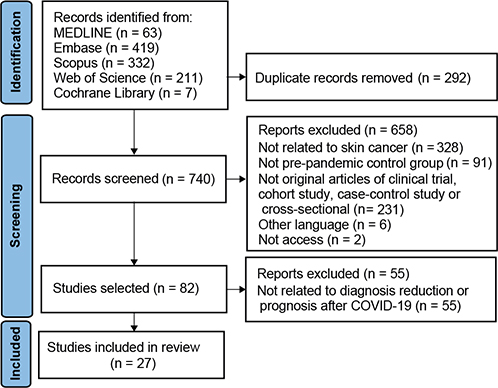
Fig. 1. Flow diagram of studies included in the review.
Concerning study design, 16 cross-sectional studies, 10 cohort studies, and 1 case-control study were included. Using the National Institutes of Health quality assessment tool, 5 studies had “poor” quality and 22 “fair” quality. The majority of studies (n = 23) were conducted in Europe, with Italy contributing the most (n = 7). Four studies were from North America and 1 was from Australia. In total, 373,746 tumours were included: 102,263 melanomas and 271,483 KC. Fifteen studies focused on melanoma, 4 on KC, and 8 included both types. Concerning outcomes, 8 studies focused on short-term outcomes, 16 on long-term outcomes, and 3 on both. Six studies included more than 2 study periods (20, 23, 27, 29, 31). Four studies had different durations for the pre-pandemic and pandemic groups (15, 17, 18, 20). The pandemic time of study varied from 28 days (34) to 731 days (12), and the pre-pandemic period from 28 days (34) to 1,141 days (15).
Short-term effects of COVID-19 on melanoma
Ten studies assessed the short-term effects of the pandemic on melanoma (Table II; 17, 20, 25, 26, 29–31, 34, 36), encompassing 17,962 melanomas. Considering the 7 papers that studied the same number of days before and after the pandemic (25, 26, 29–31, 34, 36), 4,411 melanomas were treated before and 3,100 after the pandemic, a reduction of 29.7%.
| First author | Hoellwerth (34) | Asai (26) | Ferrara (29) | Sangers (20) | |||||
| Study period | Pre-pandemic | Pandemic | Pre-pandemic | Pandemic | Pre-pandemic | Pandemic | Pre-pandemic | Pandemic | |
| Dates of study period | 16/03/2018–13/04/2018 | 16/03/2019–13/04/2019 | 16/03/2020–13/04/2020 | 11/03/2019–21/04/2019 | 09/03/2020–19/04/2020 | 11/03/2019–19/05/2019 + 12/03/2018–20/05/2018 | 09/03/2020–17/05/2020 | 01/01/2019–11/03/2020 | 12/03/2020–31/05/2020 |
| Number of days in the study period | 28 | 28 | 28 | 41 | 41 | 69 | 69 | 436 | 80 |
| Number of melanomas | 32 | 43 | 18 | 323 | 96 | 181 | 92 | 9,377 | 1037 |
| Age, years, mean (SD) | 60a | 63a | 62a | 64.54 (15.91) | 65.44 (15.12) | NR | NR | 62.8 (15.0) | 61.5 (16.0) |
| Sex, % males/% females | 56.3/43.7 | 41.9/58.1 | 55.6/44.4 | 52.9/46.1 | 59.4/40.6 | NR | NR | 50.2/49.8 | 47.7/52.3 |
| Breslow index, mm, mean (SD) | 0.69* | 0.58* | 0.76* | NR | NR | NR | NR | 1.5 (0.02) | 1.66 (0.067) |
| Ulceration, % | 0.00 | 6.98 | 18.00 | NR | NR | NR | NR | NR | NR |
| Mitotic index, mean (SD) | NR | NR | NR | NR | NR | NR | NR | NR | NR |
| Tis, % | NR | NR | NR | NR | NR | NR | NR | NR | NR |
| T1, % | NR | NR | NR | NR | NR | NR | NR | 58.6 | 52.3 |
| T2, % | NR | NR | NR | NR | NR | NR | NR | 17.8 | 18.9 |
| T3, % | NR | NR | NR | NR | NR | NR | NR | 11.0 | 13.2 |
| T4, % | NR | NR | NR | NR | NR | NR | NR | 7.3 | 9.1 |
| Stage 0, % | NR | NR | NR | NR | NR | NR | NR | NR | NR |
| Stage I, % | NR | NR | NR | NR | NR | NR | NR | NR | NR |
| Stage II, % | NR | NR | NR | NR | NR | NR | NR | NR | NR |
| Stage III, % | NR | NR | NR | NR | NR | NR | NR | NR | NR |
| Stage IV, % | NR | NR | NR | NR | NR | NR | NR | NR | NR |
| First author | Filoni (31) | Anichini (25) | Tejera-Vaquerizo (36) | Gualdi (31) | Kostner (17) | |||||
| Study period | Pre-pandemic | Pandemic | Pre-pandemic | Pandemic | Pre-pandemic | Pandemic | Pre-pandemic | Pandemic | Pre-pandemic | Pandemic |
| Dates of study period | 23/02/2019–21/05/2019 | 23/02/2020–21/05/2020 | 01/02/2019–30/04/2019 | 01/02/2020–30/04/2020 | 14/03/2019–13/06/2019 | 14/03/2020–13/06/2020 | 01/05/2017–31/07/2017 + 01/05/2018–31/07/2018 + 01/05/2019–31/07/2019 | 01/05/2020–31/07/2020 | 01/02/2019–15/03/2020 | 16/03/2020–22/06/2020 |
| Number of days in the study period | 87 | 88 | 89 | 90 | 91 | 91 | 93 | 93 | 409 | 98 |
| Number of melanomas | 66 | 64 | 3,156 | 2,386 | 352 | 207 | 295 | 237 | NR | NR |
| Age, years, mean (SD) | NR | NR | NR | NR | 64.0 (16.4) | 62.9 (16.7) | NR | NR | NR | NR |
| Sex, % males/% females | NR | NR | NR | NR | 44.3/55.7 | 57.5/42.5 | NR | NR | NR | NR |
| Breslow index, mm, mean (SD) | NR | NR | NR | NR | NR | NR | NR | NR | 1.2 (0.6–2.6) | 1.4 (0.7–3.0) |
| Ulceration, % | NR | NR | NR | NR | 13.9 | 20 | NR | NR | NR | NR |
| Mitotic index, mean (SD) | NR | NR | NR | NR | NR | NR | NR | NR | NR | NR |
| Tis, % | NR | NR | NR | NR | 34.9 | 29.0 | NR | NR | NR | NR |
| T1, % | NR | NR | NR | NR | 31 | 26.6 | NR | NR | NR | NR |
| T2, % | NR | NR | NR | NR | 12.2 | 14.5 | NR | NR | NR | NR |
| T3, % | NR | NR | NR | NR | 11.6 | 11.6 | NR | NR | NR | NR |
| T4, % | NR | NR | NR | NR | 10.2 | 18.4 | NR | NR | NR | NR |
| Stage 0, % | NR | NR | NR | NR | 34.9 | 20.9 | NR | NR | NR | NR |
| Stage I, % | NR | NR | NR | NR | 39.7 | 36.7 | NR | NR | NR | NR |
| Stage II, % | NR | NR | NR | NR | 18.2 | 24.6 | NR | NR | NR | NR |
| Stage III, % | NR | NR | NR | NR | 5.7 | 8.2 | NR | NR | NR | NR |
| Stage IV, % | NR | NR | NR | NR | 1.7 | 1.4 | NR | NR | NR | NR |
| SD: standard deviation; NR: not reported; amedian (range). | ||||||||||
All 3 studies assessing Breslow thickness reported an increase after the pandemic (17, 20, 34). Two studies evaluated ulceration, revealing an increase in the percentage of ulcerated melanomas after the pandemic (34, 36).
Sangers et al. (20) and Tejera-Vaquerizo et al. (36) assessed the effects on TNM. In both studies T1 melanomas decreased, while T2, T3, and T4 melanomas increased. In situ melanomas were only assessed by Tejera-Vaquerizo et al. (36), observing a reduction after the pandemic.
Long-term effects of COVID-19 pandemic on melanoma
The long-term effects of COVID-19 pandemic on melanoma were studied in 18 papers (Table III; 11–20, 24, 26–28, 32, 34, 35, 37), involving 95,974 melanomas. Among studies that include the same number of days in periods studied before and after the pandemic (11–14, 16, 17, 19, 24, 26–28, 30, 32, 34, 35, 37), 40,305 patients underwent surgery before the pandemic and 36,541 afterwards, a decrease of 9.3%. The number of interventions declined in all of these studies, except for 3 of them (14, 35, 37). In the study with the longest time period studied (12), the drop was from 163 to 138, while the study with the shortest time period studied (35) had a higher number of melanomas operated on after the pandemic, from 22 to 25.
| First author | Seretis (35) | Berry (27) | Lamm (18) | Hurley (14) | ||||
| Study period | Pre-pandemic | Pandemic | Pre-pandemic | Pandemic | Pre-pandemic | Pandemic | Pre-pandemic | Pandemic |
| Dates of study period | 20/05/2019–20/09/2019 | 20/05/2020–20/09/2020 | 01/04/2017–31/08/2017, 01/04/2018–31/08/2018, 01/04/2019–31/08/2019 | 01/04/2020–31/08/2020 | 01/05/2019–30/04/2020 | 01/05/2020–30/09/2021 | 01/03/2019–31/12/2019 | 01/03/2020–31/12/2020 |
| Number of days in the study period | 123 | 123 | 153 | 153 | 366 | 153 | 306 | 306 |
| Number of melanomas | 22 | 25 | NR | NR, 48% less than pre-pandemic period | 51 | 61 | 277 | 312 |
| Age, years, mean (SD) | 66.23 (13.97) | 63.64 (18.19) | NR | NR | 61.3 (2.09) | 63.0 (1.98) | 68.5 (25–96)a | 63.1 (24–91)a |
| Sex, % males/ % females | 81.8/18.2 | 44.0/56.0 | NR | NR | 62.7/37.3 | 52.5/47.5 | 49.5/50.5 | 46.8/53.2 |
| Breslow index, mm, mean (SD) | 6.88 (2.10)b | 1.31 (0.59)c | 2.06 | 2.70 | NR | NR | 3.11 (3.65) | 2.60 (3.16) |
| Ulceration, % | NR | NR | NR | NR | NR | NR | 22.7 | 29.9 |
| Mitotic index, mean (SD) | NR | NR | NR | NR | NR | NR | 1.60 (3.95) | 2.29 (4.98) |
| Tis, % | 37.5d | 1.1e | 18.3 | 7.5 | 9.8 | 4.9 | NR | NR |
| T1, % | 12.5d | 55.6e | NR | NR | 43.1 | 26.2 | NR | NR |
| T2, % | 0.0d | 22.2e | NR | NR | 29.4 | 34.4 | NR | NR |
| T3, % | 0.0d | 11.1e | NR | NR | 9.8 | 19.7 | NR | NR |
| T4, % | 50.0d | 0.0e | NR | NR | 7.8 | 14.8 | NR | NR |
| Stage 0, % | NR | NR | NR | NR | 9.8 | 3.2 | NR | NR |
| Stage I, % | NR | NR | NR | NR | 41.2 | 27.9 | NR | NR |
| Stage II, % | NR | NR | NR | NR | 15.7 | 8.2 | NR | NR |
| Stage III, % | NR | NR | NR | NR | 2 | 11.5 | NR | NR |
| Stage IV, % | NR | NR | NR | NR | 3.8 | 0.0 | 5.78 | 3.21 |
| First author | Cocuz (28) | Kleeman (16) | Jeremic (15) | Kostner (18) | ||||
| Study period | Pre-pandemic | Pandemic | Pre-pandemic | Pandemic | Pre-pandemic | Pandemic | Pre-pandemic | Pandemic |
| Dates of study period | 01/04/2019–29/02/2020 | 01/04/2020–28/02/2021 | 18/03/2019–17/03/2020 | 18/03/2020–17/03/2021 | 01/01/2017–14/03/2020 | 15/03/2020–31/03/2022 | 01/02/2019–16/03/2020 | 17/03/2020–30/04/2021 |
| Number of days in the study period | 335 | 334 | 366 | 365 | 1169 | 381 | 410 | 410 |
| Number of melanomas | 40 | 10 | 31,910 | 29,822 | 339 | 54 | 655 | 585 |
| Age, years, mean (SD) | NR | NR | NR | NR | 64.5 (15.8) | 65.7 (15.3) | 63.9 (15.3) | 64.2 (15.2) |
| Sex, % males/ % females | NR | NR | NR | NR | 55.8/44.2 | 55.6/44.4 | 60.6/39.4 | 58.8/41.2 |
| Breslow index, mm, mean (SD) | 2.06 | 2.70 | NR | NR | 1.80 (0.65–4.30)a | 3.00 (1.50–5.30)a | 2.23 (3.14) | 2.23 (3.26) |
| Ulceration, % | NR | NR | NR | NR | 33.7 | 44.2 | 21.2 | 20.6 |
| Mitotic index, mean (SD) | NR | NR | NR | NR | 2 (0–5)a | 5 (1–12)a | NR | NR |
| Tis, % | NR | NR | 9.80 | 7.94 | NR | NR | NR | NR |
| T1, % | NR | NR | NR | NR | NR | NR | NR | NR |
| T2, % | NR | NR | NR | NR | NR | NR | NR | NR |
| T3, % | NR | NR | NR | NR | NR | NR | NR | NR |
| T4, % | NR | NR | NR | NR | NR | NR | NR | NR |
| Stage 0, % | NR | NR | NR | NR | 16.8 | 20.4 | NR | NR |
| Stage I, % | NR | NR | NR | NR | 30.4 | 14.8 | 54.7 | 58.2 |
| Stage II, % | NR | NR | NR | NR | 15.0 | 11.1 | 22.0 | 18.8 |
| Stage III, % | NR | NR | NR | NR | 15.0 | 24.1 | 17.4 | 20.4 |
| Stage IV, % | NR | NR | NR | NR | 22.7 | 29.6 | 5.8 | 2.6 |
| First author | Sangers (20) | Valenti (37) | Davis (13) | Asai (26) | ||||
| Study period | Pre-pandemic | Pandemic (post-first lockdown) | Pre-pandemic | Pandemic | Pre-pandemic | Pandemic | Pre-pandemic | Pandemic |
| Dates of study period | 01/01/2019–11/03/2020 | 01/06/2020–13/10/2020 | 18/05/2019–18/11/2019 | 18/05/2020–18/11/2020 | 01/08/2019–31/03/2020 | 01/05/2020–31/12/2020 | 7/01/2019–29/09/2019 | 6/01/2020–27/09/2020 |
| Number of days in the study period | 436 | 135 | 184 | 184 | 244 | 245 | 265 | 265 |
| Number of melanomas | 9,377 | 3,532 | 224 | 237 | 375 | 313 | 1,399 | 804 |
| Age, years, mean (SD) | 62.8 (15.0) | 63.1 (15.0) | 64.3 | 65.4 | 65.7 | 67 | NR | NR |
| Sex, % males/ % females | 50.2/49.8 | 48.9/51.1 | NR | NR | NR | NR | NR | NR |
| Breslow index, mm, mean (SD) | 1.50 (0.02) | 1.48 (0.03) | NR | NR | NR | NR | NR | NR |
| Ulceration, % | NR | NR | NR | NR | NR | NR | NR | NR |
| Mitotic index, mean (SD) | NR | NR | NR | NR | NR | NR | NR | NR |
| Tis, % | NR | NR | NR | NR | 17.9 | 15.3 | NR | NR |
| T1, % | 58.6 | 58.1 | NR | NR | 55.8 | 42. 8 | NR | NR |
| T2, % | 17.8 | 18.0 | NR | NR | 16.5 | 16.3 | NR | NR |
| T3, % | 11.0 | 11.4 | NR | NR | 7.2 | 9. 6 | NR | NR |
| T4, % | 7.3 | 5.9 | NR | NR | 0.3 | 1.6 | NR | NR |
| Stage 0, % | NR | NR | NR | NR | NR | NR | NR | NR |
| Stage I, % | NR | NR | NR | NR | NR | NR | NR | NR |
| Stage II, % | NR | NR | NR | NR | NR | NR | NR | NR |
| Stage III, % | NR | NR | NR | NR | NR | NR | NR | NR |
| Stage IV, % | NR | NR | NR | NR | NR | NR | NR | NR |
| First author | Guven (32) | Martínez-López (19) | Ungureanu (24) | ||||||
| Study period | Prepandemic | Pandemic | Pre-pandemic | Pandemic | Pre-pandemic | Pandemic | |||
| Dates of study period | 01/03/2019–31/12/2019 | 01/03/2020–31/12/2020 | 15/03/2019–14/03/2020 | 15/03/2020–14/03/2021 | 01/03/2019–29/02/2020 | 01/03/2020–28/02/2021 | |||
| Number of days in the study period | 306 | 306 | 366 | 365 | 366 | 365 | |||
| Number of melanomas | 15 | 10 | 77 | 53 | 341 | 275 | |||
| Age, years, mean (SD) | NR | NR | 63.31 (1.88) | 65.02 (2.27) | 59 | 63 | |||
| Sex, % males/ % females | NR | NR | 44.2/55.8 | 43.4/56.6 | 48.1/51.9 | 50.2/49.8 | |||
| Breslow index, mm, mean (SD) | NR | NR | 1.08 (0.28) | 2.65 (0.34) | 1.37 (0.5–3.5)a | 2.20 (0.70–5.11)a | |||
| Ulceration, % | NR | NR | 11.7 | 22.6 | 32.8 | 40.7 | |||
| Mitotic index, mean (SD) | NR | NR | 1.40 (0.56) | 3.58 (0.69) | 3 (1–7)a | 4 (1–10)a | |||
| Tis, % | NR | NR | NR | NR | 17.3 | 14.2 | |||
| T1, % | NR | NR | NR | NR | 32.8 | 25.9 | |||
| T2, % | NR | NR | NR | NR | 13.5 | 12.8 | |||
| T3, % | NR | NR | NR | NR | 17.6 | 15.2 | |||
| T4, % | NR | NR | NR | NR | 18.4 | 30.2 | |||
| Stage 0, % | NR | NR | 39.0 | 17.0 | NR | NR | |||
| Stage I, % | 6.7 | 10.0 | 37.7 | 37.7 | NR | NR | |||
| Stage II, % | 26.7 | 10.0 | 11.7 | 22.6 | NR | NR | |||
| Stage III, % | 33.3 | 40.0 | 10.4 | 20.8 | NR | NR | |||
| Stage IV, % | 33.3 | 40.0 | 1.3 | 1.9 | NR | NR | |||
| First author | Hoellwerth (35) | Troesch (11) | Aabed (12) | ||||||
| Study period | Pre-pandemic | Pre-pandemic | Pandemic | Pandemic (second lockdown) | Pandemic (post-second lockdown) | Pre-pandemic | Pandemic | Pre-pandemic | Pandemic |
| Dates of study period | 2018 | 2019 | 2020 | 14/10/2020–27/04/2021 | 28/04/2021–22/07/2021 | 01/09/2018–16/03/2020f | 17/03/2020f –31/08/2021 | 01/01/2018–31/12/2019 | 01/01/2020–31/12/2022 |
| Number of days in the study period | 365 | 365 | 366 | 225 | 146 | 563 | 549 | 730 | 731 |
| Number of melanomas | 428 | 505 | 432 | 4,049 | 2,439 | 4,340 | 3,525 | 163 | 138 |
| Age, years, mean (SD) | 61 | 60 | 63 | 64.2 (15.0) | 63.5 (15.0) | 62.3 (16.2) | 63.4 (15.6) | 58.1 (16.3) | 58.8 (15.9) |
| Sex, % males/ % females | 53.3/46.7 | 51.5/48.5 | 54.0/46.0 | 50.6/49.4 | 46.4/53.6 | 53.0/47.0 | 53.0/47.0 | 53.4/46.6 | 50.7/49.3 |
| Breslow index, mm, mean (SD) | 0.65 | 0.6 | 0.7 | 1.51 (0.04) | 1.59 (0.05) | 1.02 (1.91) | 1.25 (2.51) | 1.1 (0.4) | 1.8 (0.5) |
| Ulceration, % | 4.91 | 4.36 | 8.33 | NR | NR | 10.0 | 13.0 | 17.2 | 24.6 |
| Mitotic index, mean (SD) | NR | NR | NR | NR | NR | NR | NR | NR | NR |
| Tis, % | NR | NR | NR | NR | NR | NR | NR | 3.7 | 2.2 |
| T1, % | NR | NR | NR | 59.0 | 58.2 | NR | NR | 19.0 | 9.4 |
| T2, % | NR | NR | NR | 16.0 | 18.7 | NR | NR | 30.1 | 20.3 |
| T3, % | NR | NR | NR | 10.3 | 9.2 | NR | NR | 44.2 | 56.5 |
| T4, % | NR | NR | NR | 7.6 | 8.0 | NR | NR | 3.1 | 11.6 |
| Stage 0, % | NR | NR | NR | NR | NR | 38.0 | 35.0 | 3.7 | 2.2 |
| Stage I, % | NR | NR | NR | NR | NR | 34.0 | 33.0 | 12.3 | 6.5 |
| Stage II, % | NR | NR | NR | NR | NR | 13.0 | 13.0 | 25.8 | 11.6 |
| Stage III, % | NR | NR | NR | NR | NR | 8.0 | 10.0 | 55.2 | 68.1 |
| Stage IV, % | NR | NR | NR | NR | NR | 6.0 | 8.0 | 3.1 | 11.6 |
| SD: standard deviation; NR: not reported; amedian (range); b5 patients analysed; c8 patients analysed; d8 patients analysed; e9 patients analysed; fdifferent dates for the end of the pre-pandemic period, and therefore the start of the pandemic period, depending on the first confirmed case in each country included in the study. | |||||||||
Nine studies evaluated the effects of the pandemic on Breslow thickness (11, 12, 14, 15, 19, 20, 24, 27, 34, 35). In most, Breslow thickness worsened, notably in Martínez-López et al. (19) (1.08 to 2.65) and Jeremic et al. (15) (1.80 to 3.00). Seretis et al. (35), Hurley et al. (14), and in the first post-confinement period of Sangers et al. (20), reported lower Breslow thickness after the pandemic. A meta-analysis of 6 studies found no significant differences between pre-pandemic and pandemic periods, with a mean difference of 0.06 (95% CI, –0.46, 0.58) (Fig. 2). Sensitivity analyses demonstrated that excluding studies with a high risk of bias reduced heterogeneity, suggesting that study quality may influence observed heterogeneity. However, excluding studies with small sample sizes did not significantly impact heterogeneity.
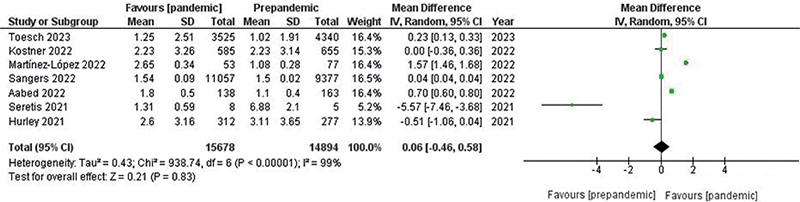
Fig. 2. Forest plot of Breslow thickness differences in papers studying long-term changes in melanoma.
Regarding ulceration, 8 studies assessed it (11, 12, 14, 15, 17, 19, 24, 34). All showed an increase in ulcerated melanomas, particularly in Martínez-López et al. (19) (11.7 to 22.6) and Jeremic et al. (15) (33.7 to 44.2), but with the exception of Kostner et al. (17) (21.2 to 20.6). Meta-analysis revealed a higher risk of ulceration in pandemic melanomas, with an odds ratio of 1.35 (95% CI 1.22–1.50) (Fig. 3). Sensitivity analyses did not show significant affectation of the heterogeneity.
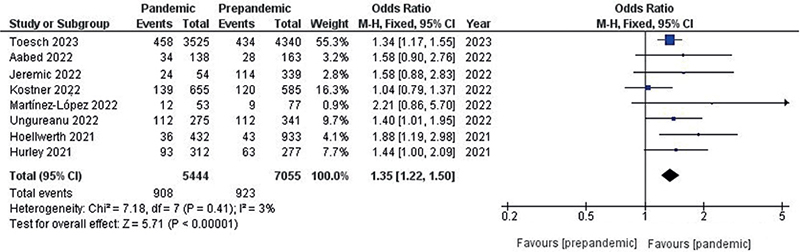
Fig. 3. Forest plot of ulceration in papers studying long-term changes in melanoma.
Six studies evaluated T-value (12, 13, 18, 20, 24, 35). The percentage of in situ and T1 melanomas decreased after the pandemic, except for in situ melanomas in Jeremic et al. (15), and T1 in Seretis et al. (35), Guven et al. (32), and the fourth period of Sangers et al. (20) (which corresponds to the second period of confinement in the Netherlands). T2, T3, and T4 tumours increased in all cases, except for Sangers et al. (20). Regarding tumour staging, the percentage of advanced tumours (stage III and IV) increased. In Hurley et al. (14), the percentage of metastatic melanomas decreased after the pandemic and in Sangers et al. (20) the data varied according to the period studied after the pandemic.
Short-term effects of COVID-19 pandemic on keratinocyte carcinomas
A total of 96,313 tumours were analysed in 6 studies (Table IV; 20, 23, 26, 29, 33, 36). Six studies focused on squamous cell carcinoma (SCC), 2 focus on SCC and basal cell carcinoma (BCC) and 2 studies do not specify the tumour type. Among studies considering the same number of days before and after the pandemic (23, 26, 29, 33, 36), 39,407 tumours underwent surgery before and 19,389 afterwards, indicating a 50.8% reduction.
| First author | Asai (26) | Hamel (34) | Ferrara (29) | |||||
| Study period | Pre-pandemic | Pandemic | Pre-pandemic | Pandemic | Pre-pandemic | Pandemic | ||
| Dates of study period | 11/03/2019–21/04/2019 | 09/03/2020–19/04/2020 | 11/01/2020–10/03/2020 | 11/03/2020–09/05/2020 | 11/03/2019–19/05/2019, 12/03/2018–20/05/2018 | 09/03/2020–17/05/2020 | ||
| Number of days in the study period | 41 | 41 | 59 | 59 | 69 | 69 | ||
| Tumour studied | Not specified | SCC | BCC | SCC | BCC | Not specified | ||
| Number of tumours | 4,731 | 1,035 | 185 | 181 | 149 | 79 | 1,689 | 508 |
| Age, years, mean (SD) | 71.4 (13.6) | 68.9 (13.0) | NR | NR | NR | NR | NR | NR |
| Sex, % males/ % females | 54.75/45.25 | 60.58/39.42 | NR | NR | NR | NR | NR | NR |
| Breslow index, mm, mean (SD) | NR | NR | NR | NR | NR | NR | NR | NR |
| Tis, % | NR | NR | NR | NR | NR | NR | NR | NR |
| T1, % | NR | NR | NR | NR | NR | NR | NR | NR |
| T2, % | NR | NR | NR | NR | NR | NR | NR | NR |
| T3, % | NR | NR | NR | NR | NR | NR | NR | NR |
| T4, % | NR | NR | NR | NR | NR | NR | NR | NR |
| First author | Sangers (20) | Tejera-Vaquerizo (36) | Slotman (23) | |||||
| Study period | Pre-pandemic | Pandemic | Pre-pandemic | Pandemic | Pre-pandemic | Pandemic | ||
| Dates of study period | 1/01/2019–11/03/2020 | 12/03/2020–31/05/2020 | 14/03/2019–13/06/2019 | 14/03/2020–13/06/2020 | 01/03/2017–31/05/2017, 01/03/2018–31/05/2018, 01/03/2019–31/05/2019 | 01/03/2020–31/05/2020 | ||
| Number of days in the study period | 436 | 80 | 91 | 91 | 92 | 92 | ||
| Tumour studied | SCC | SCC | SCC | BCC | SCC | BCC | ||
| Number of tumours | 31,654 | 4,175 | 770 | 429 | 6,017 | 25,834 | 4,272 | 12,917 |
| Age, years, mean (SD) | 76.8 (10.5) | 76.4 (10.2) | 79.8 (10.9) | 79.0 (11.3) | NR | NR | NR | NR |
| Sex, % males/ % females | 57.5/47.5 | 58.6/41.4 | 67.53/33.47 | 63.64/36.36 | NR | NR | NR | NR |
| Breslow index, mm, mean (SD) | 3.09 (2.05) | 3.19 (2.03) | NR | NR | NR | NR | NR | NR |
| Tis, % | NR | NR | NR | NR | NR | NR | NR | NR |
| T1, % | 74.1 | 73.4 | 70.1 | 54.5 | NR | NR | NR | NR |
| T2, % | 5.6 | 5.7 | 11.9 | 14.2 | NR | NR | NR | NR |
| T3, % | 7.3 | 8.6 | 16.7 | 29.6 | NR | NR | NR | NR |
| T4, % | 0.0 | 0.0 | 1.3 | 1.6 | NR | NR | NR | NR |
| SD: standard deviation; NR: Not reported; SCC: squamous cell carcinoma; BCC: basal cell carci-noma. | ||||||||
The invasion depth was only assessed in SCC in Sangers et al. (20). Sangers et al. (20) and Tejera-Vaquerizo et al. (36) considered the T-value, observing a decrease in the percentage of T1 tumours and an increase in the percentage of T2, T3, and T4 tumours after the pandemic.
Long-term effects of COVID-19 pandemic on keratinocyte carcinomas
A total of 247,263 tumours were analysed in 7 studies (Table V; 16, 20–22, 28, 35, 37). Five studies focused on SCC, 1 focused on SCC and BCC and 3 do not specify the tumour type. Among studies considering an equal number of days before and after the pandemic (16, 21–23, 28, 35, 37), 99,570 tumours underwent surgery before and 83,036 after the pandemic, indicating a 16.6% reduction.
| First author | Shahid (21) | Silvia (22) | Seretis (35) | Valenti (38) | ||||
| Study period | Pre-pandemic | Pandemic | Pre-pandemic | Pandemic | Pre-pandemic | Pandemic | Pre-pandemic | Pandemic |
| Dates of study period | 01/10/2019–31/10/2019 | 01/10/2020–31/10/2020 | 01/12/2019–31/01/2020 | 01/12/2020–31/01/2021 | 20/05/2019–20/09/2019 | 20/05/2020–20/09/2020 | 18/05/2019–18/11/2019 | 18/05/2020–18/11/2020 |
| Number of days in the study period | 31 | 31 | 62 | 62 | 123 | 123 | 184 | 184 |
| Tumour studied | SCC | Not specified | SCC | SCC | ||||
| Number of tumours | 74 | 199 | 121 | 93 | 29 | 55 | 461 | 224 |
| Age, years, mean (SD) | 81.4 (9.3) | 81.0 (9.5) | NR | NR | 77.21 (11.58) | 77.82 (10.40) | 64.3 | 65.4 |
| Sex, % males/ % females | 58.73/41.27 | 72.73/27.27 | NR | NR | 72.41/27.59 | 72.73/27.27 | 51.79/48.21 | 56.96/43.03 |
| Breslow index, mm, mean (SD) | NR | NR | NR | NR | NR | NR | ||
| Tis, % | NR | NR | NR | NR | NR | NR | ||
| T1, % | 45.9 | 31.3 | 55.2 | 52.7 | NR | NR | ||
| T2, % | 52.7 | 61.5 | 31.0 | 34.5 | NR | NR | ||
| T3, % | 1.4 | 6.3 | 10.3 | 12.7 | NR | NR | ||
| T4, % | 0.0 | 1.0 | 3.4 | 0.0 | NR | NR |
| First author | Cocuz (28) | |||||||
| Study period | Pre-pandemic | Pandemic | ||||||
| Dates of study period | 01/04/2019–29/02/2020 | 01/04/2020–28/02/2021 | ||||||
| Number of days in the study period | 335 | 81 | 31 | 334 | 28 | 6 | ||
| Tumour studied | SCC | BCC | Basosquamous carcinoma | SCC | BCC | Basosquamous carcinoma | ||
| Number of tumours | 39 | 11 | ||||||
| Age, years, mean (SD) | NR | NR | NR | NR | NR | NR | ||
| Sex, % males/ % females | NR | NR | NR | NR | NR | NR | ||
| Breslow index, mm, mean (SD) | NR | NR | ||||||
| Tis, % | NR | NR | ||||||
| T1, % | NR | NR | ||||||
| T2, % | NR | NR | ||||||
| T3, % | NR | NR | ||||||
| T4, % | NR | NR |
| First author | Kleeman (16) | Sangers (20) | ||||
| Study period | Pre-pandemic | Pandemic | Pre-pandemic | Pandemic (post-first lockdown) | Pandemic (second lockdown) | Pandemic (post-second lockdown) |
| Dates of study period | 18/03/2019–17/03/2020 | 18/03/2020–17/03/2021 | 01/01/2019–11/03/2020 | 01/06/2020–13/10/2020 | 14/10/2020–27/04/2021 | 28/04/2021–22/07/2021 |
| Number of days in the study period | 366 | 365 | 436 | 135 | 225 | 146 |
| Tumour studied | Not specified | Not specified | SCC | SCC | SCC | SCC |
| Number of tumours | 98734 | 82519 | 31654 | 11541 | 14930 | 6532 |
| Age, years, mean (SD) | NR | NR | 76.8 (10.5) | 77.2 (10.2) | 77.2 (10.3) | 77.2 (10.0) |
| Sex, % males/ % females | 58.4/41.2, 53.8/46.2a | 58.9/41.1, 55.3/44.7a | 57.5/42.5 | 56.4/43.6 | 58.2/41.8 | 56.8/43.2 |
| Breslow index, mm, mean (SD) | NR | NR | NR | NR | NR | NR |
| Tis, % | 3.8 | 3.4 | NR | NR | NR | NR |
| T1, % | NR | NR | 74.1 | 73.0 | 74.0 | 73.4 |
| T2, % | NR | NR | 5.6 | 5.6 | 6.2 | 6.2 |
| T3, % | NR | NR | 7.3 | 6.9 | 6.8 | 6.1 |
| T4, % | NR | NR | 0.0 | 0.0 | 0.1 | 0.0 |
| SD: standard deviation; NR: not reported; SCC: squamous cell carcinoma; BCC: basal cell carcinoma; asex reported for invasive tumours and non-invasive tumours. | ||||||
Shahid et al. (21) reported an increase in median invasion depth after the pandemic. Conversely, in Sangers et al. (20), all post-pandemic values across different periods were lower compared with the median invasion depth in pre-pandemic SCC. Kleemann et al. (16) noted a decrease in the percentage of in situ KC, from 3.8% to 3.4%. No other study assessed changes in in situ tumours. T-value was evaluated in 3 studies, with Shahid et al. (21) and Seretis et al. (35) reporting a decrease in T1 SCC and an increase in T2, T3, or T4 tumours after the pandemic. However, in Sangers et al. (20) values were very similar pre-pandemic and in different pandemic periods. Valenti et al. (37) was the only one to assess the high-risk status of SCC, observing an increase from 1.1% to 5.0% after the pandemic.
DISCUSSION
In the short term, skin tumour diagnoses notably decreased, especially during widespread lockdowns (38). KC showed more significant reductions than melanomas, likely because healthcare centres prioritised melanoma treatment (39).
Hospital saturation during peak pandemic periods, primarily focused on COVID-19 care, diverted resources from conditions like skin cancer (3). Conversely, patients’ fear of consultation was proposed as a determinant in delayed skin cancer diagnosis. In Tejera-Vaquerizo et al. (36), focusing on the months of general confinement in Spain, fear of SARS-CoV-2 infection was reported as a predictor of SCC diameter in multivariate analysis. Two surveys on changes in melanoma treatment during the pandemic observed a low percentage of alterations, mostly by patient choice. Fear of SARS-CoV-2 and mental health problems, particularly anxiety disease, were reported as the main causes (4).
Other non-cutaneous tumours experienced a reduction in post-pandemic diagnoses, with even breast, colorectal, and prostate cancer screening programmes being affected. This has been linked to poorer prognostic data at diagnosis (40).
Following confinements, various studies reported an increase in skin tumour diagnoses compared with previous years (23, 34). Patients who did not consult during confinement delayed their consultation until after the confinement. However, in the long term, we have observed a decrease in the number of skin tumours diagnosed. A more significant reduction was seen in KC (16.6%), compared with melanomas (9.3%).
During the first pandemic months, we observed poorer invasion depth and staging data. Following recommendations to prioritise surgeries for tumours with poorer prognosis, those with better prognosis were possibly delayed until hospital saturation allowed for interventions. Consequently, there was a relative increase in tumours with higher invasion depth and worse stage. As reported by Tejera-Vaquerizo et al. (36), although the same number of SCC larger than 4 cm were operated on during the 3 months of confinement in Spain as in the 3 months before, these tumours accounted for a higher proportion of the total number of tumours operated on during confinement.
In the long term, we continue to observe worse prognostic data. Tumours with delayed diagnoses during confinement and those with treatment delayed in favour of tumours with a worse prognosis had a longer evolution time. Studies reported a median delay of 21 days from presentation to diagnosis for melanoma and 57 days for SCC (12, 21).
Time of tumour progression is a well-known factor associated with worse prognostic outcomes (41). A delay in melanoma diagnosis is associated with reduced survival rates and an increased demand for more intricate and less cost-effective procedures, including selective sentinel lymph node biopsy, positron emission tomography, or systemic treatment (12, 19, 42). Similarly, KC with an extended evolution time may need more complex surgical techniques with higher complication rates, such as flaps or skin grafts, or even other treatments like adjuvant radiotherapy or systemic therapies, although the impact on survival may not be as pronounced (7).
In papers studying both the short- and long-term effects of the pandemic, Hoellwerth et al. (34) found a 50% reduction in melanoma surgeries during the pandemic in an Austrian hospital and, in the long term, higher Breslow thickness and more ulcerated melanomas. Sangers et al. (20), conversely, noted more aggressive melanomas and SCC during the initial Dutch confinement, but no significant long-term pandemic impact, suggesting that slower-growing tumours’ diagnoses were delayed, but not fast-growing ones. Two nationwide lockdowns were implemented in the Netherlands in 2020 and 2021 and routine care was downscaled. Furthermore, our meta-analysis showed no significant Breslow thickness worsening post-pandemic, unlike ulceration, possibly due to data heterogeneity across selected papers. As Martínez-López et al. (19) observed, ulceration correlates with higher Breslow thickness (43).
Regarding countries’ strategies, lockdowns and restrictions led to a significant reduction in medical activities, including skin cancer screenings (44). Studies from Canada and Italy reported 70% and 50% reduction in melanoma diagnoses during strict lockdown, respectively, emphasizing the correlation between delayed diagnosis and poor prognosis (26, 29). However, other studies from Italy and the Netherlands showed prompt management of severe cases, maintaining continuity in healthcare services (20, 25, 30). Collateral damage from containment measures underscores the need for adaptable healthcare delivery. Therefore, screening and management of skin cancer should persist with appropriate precautions during future pandemics. Notably, teleconsultation became wide-spread during the pandemic, proving useful in keeping patients in consultation and avoiding unnecessary travel. However, there is a risk of under-diagnosis, as total body examinations may be lost. Furthermore, providing health promotion and prevention information through teledermatology is challenging. The impact of teleconsultation on skin cancer prognosis during the pandemic remains unclear and warrants assessment in future research (45).
Strengths
The study contributes significantly to the literature by addressing a timely and relevant topic, investigating the impact of the COVID-19 pandemic on melanoma and KC outcomes. It is the first systematic review to analyse the impact of COVID-19 pandemic on skin cancer beyond melanoma, using real-world data and adding a meta-analysis. Overall, the study fills a gap in our understanding of the impact of the COVID-19 pandemic on skin cancer and provides useful insights for healthcare professionals and policymakers.
Limitations
The COVID-19 pandemic is an ongoing situation and there may not yet be sufficient long-term data available to fully assess its impact on skin cancer outcomes. The studies included in our review were conducted mainly in Europe and North America, limiting generalisations, as no studies from Asia, South America, or Africa were included. Moreover, the varied implementation of pandemic measures across regions hinders comparisons across studies.
Most of the studies we included are retrospective and with a cross-sectional design, impacting their level of evidence. Additionally, none of the studies reached the “good” category in our quality assessment. Experimental studies to determine the real effects of the pandemic on skin cancer would not be possible, and skin cancer outcomes can be influenced by various factors, making it challenging to separate the effects of the pandemic from other variables, such as patient age, tumour stage, and comorbidities. Heterogeneity in variables and in study periods limits comparability across studies. Furthermore, combining BCC and SCC in the analysis might introduce limitations. BCC typically exhibits a slower growth rate, rarely metastasizes and may not have been significantly impacted by the pandemic. Finally, we acknowledge that many studies in the literature were excluded from our review, particularly letters to the editor, which may limit the assessment of methodology and quality of evidence.
In conclusion, our review indicates that the COVID-19 pandemic has had a significant impact on skin cancer outcomes. Despite limitations in the reviewed studies, they provide valuable insights into the effects of the pandemic on skin cancer. The results suggest that the pandemic may have led to delays in skin cancer diagnosis and treatment, which may ultimately affect patient outcomes. However, further research is needed to fully understand the long-term effects of the pandemic on skin cancer outcomes and to identify strategies for mitigating its impact.
ACKNOWLEDGEMENTS
The results of this study are part of the PhD project of Pablo Díaz-Calvillo.
Data sharing is not applicable to this article as no datasets were generated or analysed during the current study.
REFERENCES
- World Health Organization (WHO). Novel Coronavirus (2019-nCoV) situation reports. 2023 [cited 2023 17 Sep]. Available from: www.who.int/emergencies/diseases/novel-coronavirus-2019/situation-reports.
- Ferrante G, Camussi E, Piccinelli C, Senore C, Armaroli P, Ortale A, et al. Did social isolation during the SARS-CoV-2 epidemic have an impact on the lifestyles of citizens? Epidemiol Prev 2020; 44: 353–362.
- Rogers MC, Wallace MM, Wheless L, Dewan AK. Impact of the COVID-19 pandemic on inpatient dermatology consult patterns at a tertiary care hospital: a retrospective cohort study. J Am Acad Dermatol 2021; 84: 156–158.
- Teuscher M, Diehl K, Schaarschmidt ML, Weilandt J, Sasama B, Ohletz J, et al. Effects of the COVID-19 pandemic on care of melanoma patients in Berlin, Germany: the Mela-COVID survey. Eur J Dermatol 2022; 31: 521–529.
- Aggarwal P, Knabel P, Fleischer Jr, AB. United States burden of melanoma and non-melanoma skin cancer from 1990 to 2019. J Am Acad Dermatol 2021; 85: 388–395.
- Garbe C, Keim U, Amaral T, Berking C, Eigentler TK, Flatz L, et al. Prognosis of patients with primary melanoma stage I and II according to American Joint Committee on Cancer Version 8 validated in two independent cohorts: implications for adjuvant treatment. J Clin Oncol 2022; 40: 3741–3749.
- Renzi C, Mastroeni S, Passarelli F, Mannooranparampil TJ, Caggiati A, Potenza C, et al. Factors associated with large cutaneous squamous cell carcinomas. J Am Acad Dermatol 2010; 63: 404–411.
- Page MJ, McKenzie JE, Bossuyt PM, Boutron I, Hoffmann TC, Mulrow CD, et al. The PRISMA 2020 statement: an updated guideline for reporting systematic reviews. BMJ 2021; 372: n71.
- Tools., T.N.I.o.H.S.Q.A. Quality assessment tool for observational cohort and cross-sectional studies. 2020 [cited 2023 1 April]. Available from: https://www.nhlbi.nih.gov/health-topics/study-quality-assessment-tools.
- Amin MB, Greene FL, Edge SB, Compton CC, Gershenwald JE, Brookland RK, et al. The Eighth Edition AJCC Cancer Staging Manual: Continuing to build a bridge from a population-based to a more “personalized” approach to cancer staging. CA Cancer J Clin 2017; 67: 93–99.
- Troesch A, Hoellwerth M, Forchhammer S, Del Regno L, Lodde G, Turko P, et al. The impact of the COVID-19 pandemic on the diagnosis of cutaneous melanomas: a retrospective cohort study from five European skin cancer reference centres. J Eur Acad Dermatol Venereol 2023; 37: 922–931.
- Aabed H, Bloanca V, Crainiceanu Z, Bratosin F, Citu C, Diaconu MM, et al. The impact of SARS-CoV-2 pandemic on patients with malignant melanoma at a Romanian Academic Center: a four-year retrospective analysis. Int J Environ Res Public Health 2022; 19: 8499.
- Davis CH, Ho J, Greco SH, Koshenkov VP, Vidri RJ, Farma JM, et al. COVID-19 is affecting the presentation and treatment of melanoma patients in the northeastern United States. Ann Surg Oncol 2022; 29: 1629–1635.
- Hurley CM, Wrafter L, Dhannoon A, Regan H, Regan PJ. Optimising the management of malignant melanoma during COVID-19. JPRAS Open 2022; 31: 72–75.
- Jeremic J, Sudecki B, Radenovic K, Mihaljevic J, Radosavljevic I, Jovanovic M, et al. Impact of the COVID-19 pandemic on melanoma diagnosis: increased Breslow thickness in primary melanomas: a single center experience. Int J Environ Res Public Health 2022; 19: 16806.
- Kleemann J, Meissner M, Özistanbullu D, Balaban Ü, Old O, Kippenberger S, et al. Impact of the Covid-19 pandemic on melanoma and non-melanoma skin cancer inpatient treatment in Germany: a nationwide analysis. J Eur Acad Dermatol Venereol 2022; 36: 1766–1773.
- Kostner L, Cerminara SE, Pamplona GSP, Maul JT, Dummer R, Ramelyte E, et al. Effects of COVID-19 lockdown on melanoma diagnosis in Switzerland: increased tumor thickness in elderly females and shift towards stage IV melanoma during lockdown. Cancers (Basel) 2022; 14: 2360.
- Lamm R, Lyons W, So W, Willis AI. Advanced-stage melanoma at presentation following the peak of the pandemic: a COVID-19 cancer canary in a coal mine. World J Surg 2022; 46: 1820–1825.
- Martinez-Lopez A, Diaz-Calvillo P, Cuenca-Barrales C, Montero-Vilchez T, Sanchez-Diaz M, Buendia-Eisman A, et al. Impact of the COVID-19 pandemic on the diagnosis and prognosis of melanoma. J Clin Med 2022; 11: 4181.
- Sangers TE, Wakkee M, Kramer-Noels EC, Nijsten T, Louwman MWJ, Jaspars EH, et al. Limited impact of COVID-19-related diagnostic delay on cutaneous melanoma and squamous cell carcinoma tumour characteristics: a nationwide pathology registry analysis. Br J Dermatol 2022; 187: 196–202.
- Shahid S, Gao J, Corriero AC, Roszpopa J, Miranda BH. A study of the effects of delayed patient presentation on cutaneous SCC progression. J Plast Reconstr Aesthet Surg 2022; 75: 722–729.
- Silvia C, Denis C, Mario C, Luigi V, Federico T, Marcello C. Impact of COVID-19 pandemic on non-melanoma skin cancer’s tumor burden and care: a multi-center study based in northern Italy. J Plast Reconstr Aesthet Surg 2022; 75: 3616–3621.
- Slotman E, Schreuder K, Nijsten TEC, Wakkee M, Hollestein L, Mooyaart A, et al. The impact of the COVID-19 pandemic on keratinocyte carcinoma in the Netherlands: trends in diagnoses and magnitude of diagnostic delays. J Eur Acad Dermatol Venereol 2022; 36: 680–687.
- Ungureanu L, Apostu AP, Vesa SC, Caseriu AE, Fratila S, Iancu G, et al. Impact of the COVID-19 pandemic on melanoma diagnosis in Romania: data from two university centers. Int J Environ Res Public Health 2022; 19: 15129.
- Anichini A, Asero S, Bersanelli M, Caracò C, De Giorgi V, Di Giacomo AM, et al. The effect of COVID-19 emergency in the management of melanoma in Italy. Dermatol Reports 2021; 13: 8972.
- Asai Y, Nguyen P, Hanna TP. Impact of the COVID-19 pandemic on skin cancer diagnosis: a population-based study. PLoS One 2021; 16: e0248492.
- Berry W, Tan K, Haydon A, Shackleton M, Mar VJ. Reduced melanoma referrals during COVID-19 lockdown. Aust J Gen Pract 2021; 50.
- Cocuz IG, Cocuz ME, Niculescu R, Șincu MC, Tinca AC, Sabău AH, et al. The impact of and adaptations due to the COVID-19 pandemic on the histopathological diagnosis of skin pathologies, including non-melanocyte and melanoma skin cancers: a single-center study in Romania. Medicina (Kaunas) 2021; 57: 533.
- Ferrara G, De Vincentiis L, Ambrosini-Spaltro A, Barbareschi M, Bertolini V, Contato E, et al. Cancer diagnostic delay in northern and central Italy during the 2020 lockdown due to the coronavirus disease 2019 pandemic. Am J Clin Pathol 2021; 155: 64–68.
- Filoni A, Del Fiore P, Cappellesso R, Dall’Olmo L, Salimian N, Spina R, et al. Management of melanoma patients during COVID-19 pandemic in an Italian skin unit. Dermatol Ther 2021; 34: e14908.
- Gualdi G, Porreca A, Amoruso GF, Atzori L, Calzavara-Pinton P, De Tursi M, et al. The effect of the COVID-19 lockdown on melanoma diagnosis in Italy. Clin Dermatol 2021; 39: 911–919.
- Guven DC, Sahin TK, Yildirim HC, Cesmeci E, Incesu FGG, Tahillioglu Y, et al. Newly diagnosed cancer and the COVID-19 pandemic: tumour stage migration and higher early mortality. BMJ Support Palliat Care 2021 Oct 28 (Online ahead of print).
- Hamel R, Pollard B, Council ML. Impact of COVID-19 on dermatologic surgery: experience of a Midwestern academic practice. Arch Dermatol Res 2023; 315: 85–87.
- Hoellwerth M, Kaiser A, Emberger M, Brandlmaier M, Laimer M, Egger A, et al. COVID-19-induced reduction in primary melanoma diagnoses: experience from a dermatopathology referral center. J Clin Med 2021; 10: 4059.
- Seretis K, Boptsi E, Boptsi A, Lykoudis EG. The impact of treatment delay on skin cancer in COVID-19 era: a case-control study. World J Surg Oncol 2021; 19: 350.
- Tejera-Vaquerizo A, Paradela S, Toll A, Santos-Juanes J, Jaka A, López A, et al. Effects of COVID-19 lockdown on tumour burden of melanoma and cutaneous squamous cell carcinoma. Acta Derm Venereol 2021; 101: adv00525.
- Valenti M, Pavia G, Gargiulo L, Facheris P, Nucca O, Mancini L, et al. Impact of delay in follow-up due to COVID-19 pandemic on skin cancer progression: a real-life experience from an Italian hub hospital. Int J Dermatol 2021; 60: 860–863.
- Dergiades T, Milas C, Mossialos E, Panagiotidis T. Effectiveness of government policies in response to the first COVID-19 outbreak. PLOS Glob Public Health 2022; 2: e0000242.
- Baumann BC, MacArthur KM, Brewer JD, Mendenhall WM, Barker CA, Etzkorn JR, et al. Management of primary skin cancer during a pandemic: multidisciplinary recommendations. Cancer 2020; 126: 3900–3906.
- Chen RC, Haynes K, Du S, Barron J, Katz AJ. Association of cancer screening deficit in the United States with the COVID-19 Pandemic. JAMA Oncol 2021; 7: 878–884.
- Renzi C, Mastroeni S, Mannooranparampil TJ, Passarelli F, Caggiati A, Potenza C, et al. Delay in diagnosis and treatment of squamous cell carcinoma of the skin. Acta Derm Venereol 2010; 90: 595–601.
- Toma AO, Prodan M, Reddyreddy AR, Seclaman E, Crainiceanu Z, Bloanca V, et al. The epidemiology of malignant melanoma during the first two years of the COVID-19 pandemic: a systematic review. Int J Environ Res Public Health 2022; 20: 305.
- Li X, Li Z, Yi X, Gao X, Yang Z, Huang X, et al. A population-based cohort study for presence of ulceration among cutaneous malignant melanoma subgroups of patients. Front Oncol 2022; 12: 929600.
- Moynihan R, Sanders S, Michaleff ZA, Scott AM, Clark J, To EJ, et al. Impact of COVID-19 pandemic on utilisation of healthcare services: a systematic review. BMJ Open 2021; 1: e045343.
- Pasquali P, Romero-Aguilera G, Moreno-Ramirez D. Teledermatology before, during, and after the COVID-19 pandemic. Actas Dermosifiliogr (Engl Ed) 2021; 112: 324–329.