REVIEW ARTICLE
Safety of Interleukin Inhibitors in Psoriatic Patients with Latent Tuberculosis Infection Without Chemoprophylaxis: A Systematic Review
Jiaying LI1,2, Xin XIANG1,2, Zhaoyang WANG1,2, Chaoyang MIAO1,2, Yunliu CHEN1,2, and Zigang XU1,2*
1Department of Dermatology, Beijing Children’s Hospital, Capital Medical University, National Center for Children’s Health, Beijing, and 2Key Laboratory of Major Diseases in Children, Ministry of Education, Beijing, China
Current guidelines recommend psoriatic patients with latent tuberculosis infection undergo chemoprophylaxis prior to initiating any biologic. However, clinical studies indicate that interleukin (IL) inhibitors may not increase the risk of tuberculosis reactivation. This review evaluates the safety in psoriatic patients with latent tuberculosis infection using IL inhibitors without chemoprophylaxis. PubMed and EMBASE were searched up to 1 November 2024 in accordance with PRISMA. Fifteen studies, including one safety analysis of a clinical trial, 2 case series, and 12 retrospective studies were analysed. The included studies reported a total of 837 cases: 179 patients were treated with secukinumab, 69 with ixekizumab, 8 with brodalumab, 539 with risankizumab, 22 with guselkumab, and 20 with tildrakizumab. Psoriatic patients with latent tuberculosis infection using an IL-12/23 inhibitor without chemoprophylaxis were not found in this review. Three of the 837 cases exhibited reactivation of tuberculosis. The reactivation rate is 0.78% among psoriatic patients with latent tuberculosis infection using IL-17 inhibitors, and 0.17% among those using IL-23 inhibitors. Our analysis shows that IL-17 and IL-23 inhibitors do not increase the risk of tuberculosis activation in psoriatic patients with latent tuberculosis infection. The impact of IL-12/23 inhibitors on tuberculosis reactivation among psoriatic patients with latent tuberculosis infection remains uncertain and requires further investigation.
SIGNIFICANCE
Based on systematic retrieval, our analysis shows that the risk of tuberculosis reactivation is not increased in psoriatic patients using interleukin-17 or interleukin-23 inhibitors without chemoprophylaxis whereas use of the interleukin-12/23 inhibitor remains unclear. These results indicate that it is relatively safe for psoriatic patients to use interleukin-17 or interleukin-23 inhibitors with latent tuberculosis infection if chemoprophylaxis cannot be well tolerated.
Key words: psoriasis; biologics; latent tuberculosis; infection; safety.
Citation: Acta Derm Venereol 2025; 105: adv42081. DOI: https://doi.org/10.2340/actadv.v105.42081.
Copyright: © 2025 The Author(s). Published by MJS Publishing, on behalf of the Society for Publication of Acta Dermato-Venereologica. This is an Open Access article distributed under the terms of the Creative Commons Attribution-NonCommercial 4.0 International License (https://creativecommons.org/licenses/by-nc/4.0/).
Submitted: Sep 29, 2024. Accepted after revision: Feb 3, 2025. Published: Mar 3, 2025.
Corr: Zigang Xu, No.56 Nanlishi Road, Xicheng District, Beijing China. E-mail: zigangxupek@163.com
Competing interests and funding: The authors have no conflicts of interest to declare.
INTRODUCTION
Psoriasis is a chronic, inflammatory, systemic condition affecting approximately 0.5% to 11.3% of adults and 0% to 1.37% of children (1). Immune dysregulation is a key factor in the pathogenesis of psoriasis. As understanding of the mechanisms underlying psoriasis advanced, biologic agents targeting inflammatory cytokines have been developed, significantly enhancing the efficacy of psoriasis treatment. Tumour necrosis factor (TNF) inhibitors were the first biologics to be used in psoriasis, paving the way for subsequent biologic therapies. Following the introduction of TNF inhibitors, agents targeting interleukins (ILs) have been developed.
IL-17 inhibitors include secukinumab, ixekizumab, brodalumab, and bimekizumab. Secukinumab and ixekizumab specifically target IL-17A, while brodalumab antagonizes the IL-17A receptor. Bimekizumab, in contrast, acts on both IL-17A and IL-17F. Risankizumab, tildrakizumab, and guselkumab act on IL-23 by binding to the p19 subunit. Ustekinumab is a dual-target antibody that targets both IL-12 and IL-23. Clinical studies have demonstrated that biologics act quickly and provide substantial improvement in skin lesions, leading to their widespread use.
Latent tuberculosis infection (LTBI) is a clinical condition characterized by the presence of Mycobacterium tuberculosis (MTB) within the host without the manifestation of active tuberculosis (TB) disease. Due to the low bacterial load, both microbiological and radiological examinations are unable to detect it. Despite the absence of symptoms, LTBI poses a risk of progressing to active TB and serving as a source of new infection. Currently, the primary diagnostic methods for LTBI are the tuberculin skin test (TST) and interferon gamma release assays (IGRA). A positive result from either test necessitates further evaluation to rule out active TB.
By blocking mediators of innate or adaptive immunity, biologics therapy might theoretically increase the risk of infectious diseases. TNF inhibitors, the first biologics used for treating psoriasis, have been shown in multiple studies to elevate the risk of LTBI reactivation or new TB (2, 3). In contrast, research has found that IL-17 inhibitors and IL-23 inhibitors do not significantly increase the risk of TB activation in individuals with LTBI (4, 5).
Currently, it is recommended to perform TB screening before initiating any biologic therapy. If LTBI is detected, chemoprophylaxis should be started prior to commencing biologic treatment. However, anti-TB drugs have potential side effects, and some patients may not tolerate them well. Therefore, it is necessary to reassess the benefits of chemoprophylaxis in psoriatic patients with LTBI who are being treated with ILs inhibitors.
METHODS
This review was not registered. It was performed in accordance with PRISMA guidelines.
Search strategy
A literature search of PubMed and EMBASE using the keywords “secukinumab OR ixekizumab OR brodalumab OR bimekizumab OR guselkumab OR risankizumab OR tildrakizumab OR ustekinumab AND psoriasis OR psoriatic arthritis AND latent tuberculosis OR tuberculosis” from inception to 1 November 2024 was performed (shown in Fig. 1). The titles and abstracts of the retrieved articles were read by 2 independent researchers. For relevant articles, the full texts were read independently. In the case of inconsistent opinions, a third researcher was consulted for solution. Additional potentially relevant articles were sought by reviewing the references. There was no restriction on publication language. The complete search strategy is shown in Appendix S1.
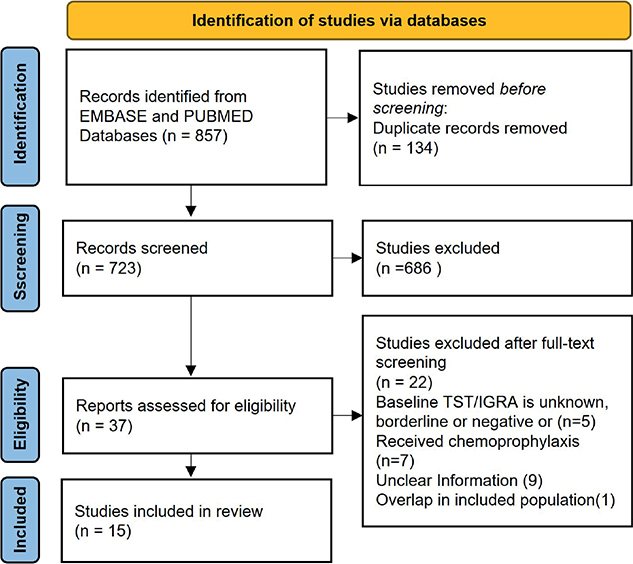
Fig. 1. PRISMA flow diagram of selection of publications included in this review
Eligibility criteria
This article assesses the safety of using IL inhibitors in psoriatic patients with LTBI. Articles including the following populations were included: those who (1) were diagnosed with psoriasis or psoriatic arthritis; (2) tested IGRA or/and TST positive before the treatment of ILs inhibitors; (3) received IL-17 inhibitor or IL-23 inhibitor or IL-12/23 inhibitor; (4) have been followed up. Articles were excluded if patients had active TB or received chemoprophylaxis (including incomplete courses).
Data extraction
Information on the study design, first author, publication year, follow-up term, age, gender, LTBI criteria, ILs inhibitors used, and whether TB was activated in psoriatic patients with LTBI were extracted. If the original data were unclear, we contacted the corresponding author via email to request further details.
RESULTS
Our search yielded 117 articles from PubMed and 740 articles from EMBASE. After removing duplicates, 723 articles remained. Following an independent screening of 723 articles by 2 reviewers, 37 studies were assessed for eligibility. Twenty-two studies were excluded for different reasons: baseline TST/IGRA is unknown, borderline or negative (n = 5), received chemoprophylaxis (n = 7), unclear information (n = 9), overlap in included population (1). Therefore, there are 15 studies included in total (shown in Fig. 1). Of these, 1 was a safety analysis of randomized controlled trial, 2 were case series, 12 were retrospective studies. The 15 included studies reported a total of 837 cases. Details of the 15 studies are listed in Table I.
Interleukin-17 inhibitors
A total of 256 psoriasis patients with LTBI who were treated with IL-17 inhibitors without receiving chemoprophylaxis were included in the analysis. Eleven studies reported on patients using secukinumab, totalling 179 patients, with 1 case of TB reactivation (details shown in Table II). Five studies covered patients using ixekizumab, with 69 patients in total, and 1 case of TB reactivation (details presented in Table II). Three studies involved patients using brodalumab, with 8 patients in total, and no cases of TB reactivation were observed. Data on patients using bimekizumab were not found in our search. The overall rate of psoriatic patients with LTBI who developed active TB while using IL-17 inhibitors is 0.78%. Of the 2 cases of TB reactivation, 1 patient developed intestinal TB after 14 months of treatment with ixekizumab (4). Information was missing for another case involving secukinumab, so the timing of TB reactivation could not be determined (15).
Interleukin-23 inhibitors
A total of 581 psoriatic patients with LTBI using IL-23 inhibitors without receiving chemoprophylaxis were included in the review. Three studies included patients using guselkumab, with 22 patients in total; 1 case of TB reactivation occurred during the 24-week follow-up (details presented in Table II). Six studies involved patients using risankizumab, with 539 patients in total. Three studies covered patients using tildrakizumab, with 20 patients in total. No cases of TB reactivation were reported among patients using risankizumab or tildrakizumab. In summary, among psoriatic patients with LTBI who did not receive chemoprophylaxis while using IL-23 inhibitors, the rate of TB reactivation was 0.17%.
Interleukin-12/23 inhibitors
We did not find any psoriasis patients with LTBI using IL-12/23 inhibitor who did not receive chemoprophylaxis.
DISCUSSION
LTBI is a global concern. Although LTBI itself is non-infectious, it carries a risk of reactivation. Statistics indicate that approximately one-quarter of the global population has been infected with MTB, with 5% to 10% progressing to active TB (20). The advent of biologic agents has revolutionized the treatment of psoriasis. While these agents are generally safer and have fewer side effects compared with traditional disease-modifying antirheumatic drugs (DMARDs), they might pose an increased risk of infections due to their impact on immune system inflammatory mediators. Nonetheless, this risk appears to be closely related to the specific biologic agent used. The World Health Organization (WHO) has provided guidelines on the management of LTBI, recommending treatment for patients receiving TNF inhibitors with a strong recommendation level (21). However, IL inhibitors are not listed among high-risk groups. In the past 20 years, there has been a surge in IL inhibitors for the treatment of psoriasis, showing dramatic efficacy. However, some patients exhibit inadequate responses to multiple IL inhibitors, necessitating a switch between different biologic therapies (22, 23). Many patients receiving IL inhibitors may have been previously treated with TNF inhibitors and received preventive treatment when LTBI status was identified. In such cases, further testing or treatment for LTBI is typically unnecessary. Screening for LTBI remains essential before initiating biologic treatment for psoriatic disease in biologic-naive or systemic treatment-naive patients, but the decision as to which biologic to start may depend on individual factors that might increase the potential toxicity of preventive treatment. We believe that a better understanding of psoriatic patients with concurrent LTBI who are treated with different biologics can provide more effective guidance for clinical practice. Furthermore, it is important to consider the possibility of de novo TB infection in patients receiving IL inhibitors or TNF inhibitors, regardless of their prior LTBI status or even preventive treatment. This underscores the critical need for epidemiologic surveillance, particularly in regions with a high prevalence of TB or among patients with an elevated risk of exposure due to occupational or environmental factors. Such measures are essential to ensure early detection and management of TB in vulnerable populations.
Th1 cells play a crucial role in controlling TB infection through the secretion of Th1 cytokines, such as IFN-γ, IL-12, and TNF. TNFα is particularly important for the formation and maintenance of granulomas, which explains the increased risk of TB associated with TNF inhibitors. The role of IL-17 and IL-23 in controlling TB infection is more contentious compared with TNF. Research indicates that IL-17A may exacerbate chronic TB infection by amplifying pathological harm and bacterial burden (24). Conversely, another study found IL-17A is essential for early granuloma formation during MTB infection (25). A human microgranuloma model-based in vitro study revealed that inhibiting IL-17A exerts minimal impact on MTB reactivation, in comparison with the potent effects observed with TNF inhibition (26). In terms of clinical implications, aggregated data from clinical trials of secukinumab and ixekizumab reported no cases of TB reactivation among psoriasis patients with LTBI who received chemoprophylaxis (27, 28). This observation provides reassurance regarding the safety of IL-17-targeted therapies in such populations. Turning to IL-23, its role in orchestrating the production of IL-17 and IL-22 is a pivotal mechanism for upregulating CXCL13, a key factor in the early immune response to TB (29). However, a mouse model study challenges this narrative by demonstrating that the absence of IL-23 does not affect the progression of primary MTB infection as long as Th1 cytokines are present (30). Furthermore, pooled analyses of risankizumab, guselkumab, and tildrakizumab, all directed against IL-23, also identified no cases of TB activation in psoriasis patients with LTBI (31–33). These findings collectively enhance the growing body of evidence supporting the safe administration of IL-23 targeted therapies in individuals at risk of TB reactivation.
Ustekinumab, as a dual-target inhibitor of IL-12 and IL-23, may potentially increase the risk of TB infection, given that IL-12 is crucial for Th1 development and subsequent IFN-γ production (30). Notably, individuals with congenital immunodeficiencies tied to disruptions in the IL-12/23-IFN-γ axis have been observed to have a higher risk of TB infection (34). A safety analysis of ustekinumab showed no cases of TB reactivation among patients who started INH chemoprophylaxis either with or before the first dose of the study agent (35). However, cases of TB reactivation among psoriasis patients with LTBI who used ustekinumab have been reported irrespective of their chemoprophylaxis status (36–39). These findings highlight the need for careful monitoring of psoriatic patients with LTBI who are receiving ustekinumab.
Most international guidelines continue to recommend chemoprophylaxis for all patients with LTBI, regardless of the biologic agent used, although current evidence indicates that IL-17 and IL-23 inhibitors pose a low risk of TB reactivation. However, a recently published expert consensus suggests that these concepts need to be updated (40). Consequently, the benefits and risks of treating LTBI require re-evaluation. The most commonly used preventive medications are isoniazid and rifampin. While these drugs are effective in preventing the progression of LTBI to active TB, it is crucial to acknowledge their potential adverse effects. Isoniazid, for instance, has been known to elicit side effects such skin rashes, liver toxicity, and peripheral neuropathy. Similarly, rifampin may give rise to flu-like symptoms, immune-mediated thrombocytopenia, and liver damage.
Limitation
This study has several limitations. First, some patients included in the analysis were part of the research, leading to missing information on basic demographic data such as sex and age. Second, variability in the duration of biologic agent use and follow-up periods across studies resulted in the lack of a standardized outcome measure.
Conclusion
Overall, although specific guidelines are lacking, we consider the use of IL-17 and IL-23 inhibitors in psoriasis patients with LTBI to be relatively safe if chemoprophylaxis cannot be well tolerated, while the IL-12/23 inhibitor remains elusive. However, caution is needed before using ustekinumab in psoriatic patients with coexisting LTBI without prior anti-tuberculosis treatment. In the future, large studies are needed to evaluate the safety of IL inhibitors in the LTBI population.
ACKNOWLEDGEMENTS
Funding sources: The study was funded by the National Key R&D Program of China (2023YFC2508101) and Beijing Hospitals Authority’s Ascent Plan (DFL20241201).
IRB approval status: The authors have nothing to disclose and complied with ethics guidelines. This article is based on previously conducted studies and does not contain any new studies with human participants or animals.
Data availability statement: The data that support the findings of this study are available from the corresponding author upon reasonable request.
REFERENCES
- Michalek IM, Loring B, John SM. A systematic review of worldwide epidemiology of psoriasis. J Eur Acad Dermatol Venereol 2017; 31: 205–212. https://doi.org/10.1111/jdv.13854
- Zhang Z, Fan W, Yang G, Xu Z, Wang J, Cheng Q, et al. Risk of tuberculosis in patients treated with TNF-α antagonists: a systematic review and meta-analysis of randomised controlled trials. BMJ Open 2017; 7: e012567. https://doi.org/10.1136/bmjopen-2016-012567
- Souto A, Maneiro JR, Salgado E, Carmona L, Gomez-Reino JJ. Risk of tuberculosis in patients with chronic immune-mediated inflammatory diseases treated with biologics and tofacitinib: a systematic review and meta-analysis of randomized controlled trials and long-term extension studies. Rheumatology (Oxford) 2014; 53: 1872–1885. https://doi.org/10.1093/rheumatology/keu172
- Torres T, Chiricozzi A, Puig L, Lé AM, Marzano AV, Dapavo P, et al. Treatment of psoriasis patients with latent tuberculosis using IL-17 and IL-23 inhibitors: a retrospective, multinational, multicentre study. Am J Clin Dermatol 2024; 25: 333–342. https://doi.org/10.1007/s40257-024-00845-4
- Kaushik SB, Lebwohl MG. Psoriasis: which therapy for which patient: focus on special populations and chronic infections. J Am Acad Dermatol 2019; 80: 43–53. https://doi.org/10.1016/j.jaad.2018.06.056
- Ribero S, Licciardello M, Quaglino P, Dapavo P. Efficacy and safety of secukinumab in patients with plaque psoriasis and latent tuberculosis. Case Rep Dermatol 2019; 11: 23–28. https://doi.org/10.1159/000501989
- Shu D, Zhang Z, Zhou EY, Ma X, Zhao Y. Is chemoprophylaxis necessary for all latent tuberculosis infection patients receiving IL-17 inhibitors? A cohort study. Dermatol Ther 2020; 33: e14512. https://doi.org/10.1111/dth.14512
- Machado Á, Abreu M, Torres T. Safety of secukinumab in psoriasis patients with latent tuberculosis infection. Eur J Dermatol 2020; 30: 740–741. https://doi.org/10.1684/ejd.2020.3909
- Megna M, Patruno C, Bongiorno MR, Gambardella A, Guarneri C, Foti C, et al. Lack of reactivation of tuberculosis in patients with psoriasis treated with secukinumab in a real-world setting of latent tuberculosis infection. J Dermatolog Treat 2022; 33: 2629–2633. https://doi.org/10.1080/09546634.2022.2062280
- Mastorino L, Dapavo P, Trunfio M, Avallone G, Rubatto M, Calcagno A, et al. Risk of reactivation of latent tuberculosis in psoriasis patients on biologic therapies: a retrospective cohort from a tertiary care centre in northern Italy. Acta Derm Venereol 2022; 102: adv00821. https://doi.org/10.2340/actadv.v102.1982
- Xiao Y, Mi W, Wang J, Wen D, Wang Y, Gu Y, et al. A propensity score-matched study on the changes of TB status and TB-IGRA values in patients with psoriasis with latent TB receiving secukinumab. Dermatol Ther (Heidelb) 2023; 13: 2387–2401. https://doi.org/10.1007/s13555-023-00998-w
- Yuan L, Li Y, Lin J, Lin X, Yang B, Man MQ, et al. Safety of biologics for psoriatic patients with latent tuberculosis. Clin Cosmet Investig Dermatol 2023; 16: 2333–2336. https://doi.org/10.2147/CCID.S426253
- Manzanares N, Vilarrasa E, López A, Alonso ML, Velasco M, Riera J, et al. No tuberculosis reactivations in psoriasis patients initiating new generation biologics despite untreated latent tuberculosis infection: multicenter case series of 35 patients. J Eur Acad Dermatol Venereol 2024; 38: e26–e28. https://doi.org/10.1111/jdv.19406
- He CX, Wu C, Zhang L, Jin HZ. Interleukin-17A inhibitors in patients with psoriasis and tuberculosis infection: a 2-year prospective study on safety without preventive treatment. Dermatol Ther (Heidelb) 2024; 14: 893–906. https://doi.org/10.1007/s13555-024-01130-2
- Raimondo A, Amerio P, Balato A, Cusano F, Fargnoli M, Guarneri C, et al. Risankizumab efficacy and safety in psoriatic patients with latent tuberculosis infection: a multicentric real-world study. J Eur Acad Dermatol Venereol 2024 Sep 13 [online ahead of print]. https://doi.org/10.1111/jdv.20341
- Ibba L, Gargiulo L, Vignoli CA, Fiorillo G, Valenti M, Costanzo A, et al. Safety of anti-IL-23 drugs in patients with moderate-to-severe plaque psoriasis and previous tuberculosis infection: a monocentric retrospective study. J Dermatolog Treat 2023; 34: 2241585. https://doi.org/10.1080/09546634.2023.2241585
- Zhao Z, Mu Z, Zhao Y, Zhang J, Cai L. Efficacy, drug survival, safety and metabolic parameters of ixekizumab in patients with moderate-to-severe psoriasis in China: a two-year real-world study. Int Immunopharmacol 2024; 143: 113474. https://doi.org/10.1016/j.intimp.2024.113474
- Galluzzo M, D’Adamio S, Silvaggio D, Lombardo P, Bianchi L, Talamonti M. In which patients the best efficacy of secukinumab? Update of a real-life analysis after 136 weeks of treatment with secukinumab in moderate-to-severe plaque psoriasis. Expert Opin Biol Ther 2020; 20: 173–182. https://doi.org/10.1080/14712598.2020.1708897
- Gordon KB, Blauvelt A, Bachelez H, Coates LC, Van den Bosch FE, Kaplan B, et al. Long-term safety of risankizumab in patients with psoriatic disease: a comprehensive analysis from clinical trials. Dermatol Ther (Heidelb) 2024; 14: 2523–2538. https://doi.org/10.1007/s13555-024-01238-5
- World Health Organization; 2021. Licence: CC BY-NC-SA 3.0 IGO; Geneva: 2021. Global tuberculosis report 2021. Available from https://www.who.int/publications/i/item/9789240037021
- WHO consolidated guidelines on tuberculosis. Module 1: prevention – tuberculosis preventive treatment, 2nd ed. Geneva: World Health Organization; 2024.
- Mastorino L, Roccuzzo G, Dapavo P, Siliquini N, Avallone G, Rubatto M, et al. Patients with psoriasis resistant to multiple biological therapies: characteristics and definition of a difficult-to-treat population. Br J Dermatol 2022; 187: 263–265. https://doi.org/10.1111/bjd.21048
- Viola R, Mastorino L, Megna M, Damiani G, Gisondi P, Argenziano G, et al. Multi-failure psoriasis patients: characterization of the patients and response to biological therapy in a multicenter Italian cohort. Int J Dermatol 2024; 63: 351–358. https://doi.org/10.1111/ijd.17005
- Lowe DM, Redford PS, Wilkinson RJ, O’Garra A, Martineau AR. Neutrophils in tuberculosis: friend or foe? Trends Immunol 2012; 33: 14–25. https://doi.org/10.1016/j.it.2011.10.003
- Okamoto Yoshida Y, Umemura M, Yahagi A, O’Brien RL, Ikuta K, Kishihara K, et al. Essential role of IL-17A in the formation of a mycobacterial infection-induced granuloma in the lung. J Immunol 2010; 184: 4414–4422. https://doi.org/10.4049/jimmunol.0903332
- Kammüller M, Tsai TF, Griffiths CE, Kapoor N, Kolattukudy PE, Brees D, et al. Inhibition of IL-17A by secukinumab shows no evidence of increased Mycobacterium tuberculosis infections. Clin Transl Immunol 2017; 6: e152. https://doi.org/10.1038/cti.2017.34
- Elewski BE, Baddley JW, Deodhar AA, Magrey M, Rich PA, Soriano ER, et al. Association of secukinumab treatment with tuberculosis reactivation in patients with psoriasis, psoriatic arthritis, or ankylosing spondylitis. JAMA Dermatol 2021; 157: 43–51. https://doi.org/10.1001/jamadermatol.2020.3257
- Papp KA, Bachelez H, Blauvelt A, Winthrop KL, Romiti R, Ohtsuki M, et al. Infections from seven clinical trials of ixekizumab, an anti-interleukin-17A monoclonal antibody, in patients with moderate-to-severe psoriasis. Br J Dermatol 2017; 177: 1537–1551. https://doi.org/10.1111/bjd.15723
- Ardain A, Domingo-Gonzalez R, Das S, Kazer SW, Howard NC, Singh A, et al. Group 3 innate lymphoid cells mediate early protective immunity against tuberculosis. Nature 2019; 570: 528–532. https://doi.org/10.1038/s41586-019-1276-2
- Khader SA, Pearl JE, Sakamoto K, Gilmartin L, Bell GK, Jelley-Gibbs DM, et al. IL-23 compensates for the absence of IL-12p70 and is essential for the IL-17 response during tuberculosis but is dispensable for protection and antigen-specific IFN-gamma responses if IL-12p70 is available. J Immunol 2005; 175: 788–795. https://doi.org/10.4049/jimmunol.175.2.788
- Huang YW, Tsai TF. A drug safety evaluation of risankizumab for psoriasis. Expert Opin Drug Saf 2020; 19: 395–402. https://doi.org/10.1080/14740338.2020.1736034
- Wechter T, Cline A, Feldman SR. Targeting p19 as a treatment option for psoriasis: an evidence-based review of guselkumab. Ther Clin Risk Manag 2018; 14: 1489–1497. https://doi.org/10.2147/TCRM.S177127
- Blauvelt A, Reich K, Papp KA, Kimball AB, Gooderham M, Tyring SK, et al. Safety of tildrakizumab for moderate-to-severe plaque psoriasis: pooled analysis of three randomized controlled trials. Br J Dermatol 2018; 179: 615–622. https://doi.org/10.1111/bjd.16724
- Filipe-Santos O, Bustamante J, Chapgier A, Vogt G, de Beaucoudrey L, Feinberg J, et al. Inborn errors of IL-12/23- and IFN-gamma-mediated immunity: molecular, cellular, and clinical features. Semin Immunol 2006; 18: 347–361. https://doi.org/10.1016/j.smim.2006.07.010
- Tsai TF, Ho V, Song M, Szapary P, Kato T, Wasfi Y, et al. The safety of ustekinumab treatment in patients with moderate-to-severe psoriasis and latent tuberculosis infection. Br J Dermatol 2012; 167: 1145–1152. https://doi.org/10.1111/j.1365-2133.2012.11142.x
- Reactivation of latent tuberculosis on ustekinumab treatment for psoriasis: a case of tuberculosis peritonitis. Br J Dermatol 2016; 175: Suppl 1.
- Tsai TF, Chiu HY, Song M, Chan D. A case of latent tuberculosis reactivation in a patient treated with ustekinumab without concomitant isoniazid chemoprophylaxis in the PEARL trial. Br J Dermatol 2013; 168: 444–446. https://doi.org/10.1111/j.1365-2133.2012.11162.x
- Errichetti E, Piccirillo A. Latent tuberculosis reactivation in a patient with erythrodermic psoriasis under treatment with ustekinumab and a low dose steroid, despite isoniazid chemoprophylaxis. Eur J Dermatol 2014; 24: 508–509. https://doi.org/10.1684/ejd.2014.2386
- Koo T, Baek G, Jue MS. Risk of tuberculosis infection and serial changes in interferon-gamma release assays in elderly patients with psoriasis receiving biologic therapy. J Dermatol 2022; 49: 887–894. https://doi.org/10.1111/1346-8138.16471
- Torres T, Brembilla NC, Langley RG, Warren RB, Thaçi D, Kolios AGA, et al. Treatment of psoriasis with biologic and non-biologic targeted therapies in patients with latent tuberculosis infection or at risk for tuberculosis disease progression: recommendations from a SPIN-FRT expert consensus. J Eur Acad Dermatol Venereol 2025; 39: 52–69. https://doi.org/10.1111/jdv.20287