ORIGINAL REPORT
Definition of the Concept of Super-responders in Atopic Dermatitis: A Spanish Delphi Consensus
Juan-Manuel LIÑÁN-BARROSO1, Juan-Carlos HERNÁNDEZ-RODRÍGUEZ1  , Ricardo RUIZ-VILLAVERDE2 , Manuel Galán GUTIÉRREZ3 , Francisco NAVARRO-TRIVIÑO2, Javier Domínguez CRUZ1, José-Carlos ARMARIO-HITA4 and Jose-Juan PEREYRA-RODRIGUEZ1,5
1Department of Dermatology, Virgen del Rocío University Hospital, Seville, 2Department of Dermatology, Clínico San Cecilio University Hospital, Granada, 3Department of Dermatology, Reina Sofía University Hospital, Córdoba, 4Department of Dermatology, Puerto Real University Hospital, Puerto Real, Cádiz, and 5Department of Medicine, School of Medicine, University of Sevilla, Seville, Spain
A consensus study of experts was conducted to establish a definition of the concept of super-responders (SR) in atopic dermatitis (AD). The study employed a Delphi methodology based on 2 rounds to define the concept of SR in AD, exploring the opinions of expert dermatologists in AD from across Spain regarding a series of statements developed after a systematic review. Consensus was predefined as an agreement of ≥ 80% among all respondents. In the first round, 4 statements reached consensus. In the second round, 2 additional statements reached consensus. To illustrate these definitions, a set of practical cases was provided, and the level of agreement among experts was evaluated. According to the agreed statements, time is important when defining the achievable response as SR. The concept of SR should associate a rapid response (before week 16), include both symptom variables, such as the Eczema Area and Severity Index and Investigators Global Assessment (IGA) and patient-reported outcomes, including pruritus or the Patient-Oriented Eczema Measure. This concept should be associated with complete or nearly complete clearance of lesions (IGA 0–1), and with sustained responses over time (at week 52). Mild flares (IGA ≤ 2) may occur without varying according to the patient’s age.
SIGNIFICANCE
A group of Spanish expert dermatologists developed a consensus on the definition of “super-responders” in atopic dermatitis. Super-responders are patients who experience a rapid improvement in symptoms before week 16, with nearly complete clearance of lesions by week 52. This improvement is measured using both clinical outcomes and patient-reported outcomes. Mild flares may still occur but do not alter the overall response. This study clarifies how to identify patients who respond exceptionally well to atopic dermatitis treatments, providing a clear framework for healthcare providers to use in clinical practice.
Key words: atopic dermatitis; biological agents; Delphi consensus; Janus kinase inhibitors.
Citation: Acta Derm Venereol 2025; 105: adv42240. DOI: https://doi.org/10.2340/actadv.v105.42240.
Copyright: © 2025 The Author(s). Published by MJS Publishing, on behalf of the Society for Publication of Acta Dermato-Venereologica. This is an Open Access article distributed under the terms of the Creative Commons Attribution-NonCommercial 4.0 International License (https://creativecommons.org/licenses/by-nc/4.0/).
Submitted: Oct 12, 2024. Accepted after revision: Feb 11, 2025. Published: Mar 6, 2025.
Corr: Juan-Carlos Hernández-Rodríguez. Dermatology Department, Virgen del Rocío University Hospital, Avda. Manuel Siurot s/n, ES-41013, Seville, Spain. E-mail: j.carlos.her.rod@gmail.com
Competing interests and funding: JJP-R has received honoraria for research from Novartis, Abbvie, Galderma, Leo-Pharma, Lilly, and Sanofi, and for lecturing and other financial benefit from Abbvie, Almirall, Galderma, Janssen, Gebro-Pharma, Leo-Pharma Novartis, Lilly, Novartis, Pfizer, Sanofi, and UCB. RR-V declares that he has received funding for attendance at meetings and conferences, and speaker fees, and funding for participating in research from Sanofi, Abbvie, Lilly, Novartis, Galderma, Pfizer, UCB Pharma, and Janssen. JCA-H declares that he has received funding for attendance at meetings and conferences, speaker fees, and funding for participating in research from Sanofi, Abbvie, Lilly, Novartis, Galderma, Pfizer, UCB Pharma, and Janssen. JML-B declares that he has received funding for attendance at meetings and conferences from Sanofi, Abbvie, Lilly, Novartis, UCB Pharma, and Janssen. JCH-R declares that he has received funding for attendance at meetings and conferences from Sanofi, Abbvie, Leo-Pharma, Novartis, Pfizer, UCB Pharma, and Janssen.
This research has not received any specific support from public sector agencies, the commercial sector, or non-profit entities.
INTRODUCTION
A topic dermatitis (AD) is an immune-mediated dermatosis characterized by pruritus, eczematous lesions, and a chronic relapsing course, affecting both paediatric and adult populations (1). While various conventional immunosuppressive treatments exist with varying response rates, to date, those demonstrating the highest levels of efficacy include anti-interleukins such as dupilumab or tralokinumab, as well as Janus kinase (JAK) inhibitors like upadacitinib, abrocitinib, or baricitinib (2).
Within the current landscape of increasingly precise molecular-targeted therapeutics, the concept of “superresponders” (SR) has emerged in clinical practice, referring to patients exhibiting early and substantial reductions in disease burden. This concept has begun to be discussed in other dermatological conditions, such as psoriasis, where it has been defined as SR. In psoriasis, these individuals experience rapid and exceptional improvement with the initial biological treatment, achieving Psoriasis Area Severity Index (PASI) 100 by the 16th week and maintaining it until the 28th week, although there is lack of consensus in the definition of SR (3).
A precise definition of SR in AD and the variables it encompasses remains elusive. The group led by Ariëns et al. was the first to use the term SR in AD to describe a significant improvement in clinician-reported outcomes (ClinROS) such as the Eczema Area and Severity Index (EASI), and patient-reported outcomes (PROs) including the Peak Pruritus Numerical Rating Scale (PP-NRS) and the Dermatology Life Quality Index (DLQI). This first definition was based on a prospective multicentre registry in the Netherlands that achieved EASI 75, PP-NRS of 4 points, and DLQI of 4 at week 16 with dupilumab (4). However, not all studies refer to the concept of SR to denote rapid and marked responses in both ClinROS and PROs; instead, various studies use the term clinically meaningful response (CMR) (5–7) or, more recently, minimal disease activity (MDA) (8).
The objective of this study is to delineate the concept of SR in DA through a consensus of experts utilizing the qualitative Delphi technique.
MATERIALS AND METHODS
This consensus study employed a 2-round Delphi-type consensus survey to establish clear definition and criteria for identifying SR in AD. The Delphi method, a structured process designed to systematically gather expert opinions, served as the foundation for this endeavour (9). The methodological recommendations of the ACCORD reporting guidelines were followed (10).
A scientific committee was established, consisting of 7 experts from different university hospitals across Spain, all highly experienced in treating patients with moderate-to-severe AD. These committee members, who are acknowledged leaders in the field, collectively manage a significant number of moderate-to-severe AD cases, averaging about 150 patients annually in their respective areas. The committee’s responsibilities included making decisions, formulating Delphi statements based on the outcomes of a systematic review, and incorporating insights from expert meetings held by the Spanish Group for Research on Contact Dermatitis and Cutaneous Immuno-Allergy, in Spanish, Grupo Español para la Investigación de la Dermatitis de Contacto e Inmuno-Alergia Cutánea (GEIDAC). They also refined these statements before the second round.
In January 2024, a systematic search was conducted of PubMed and Scopus, following the search strategy: (“super-responder*” OR “superresponder*”) AND (“atopic dermatitis” OR “atopic eczema”). Clinical practice guidelines, meta-analyses, systematic reviews, randomized clinical trials, and observational studies were designs considered for our consensus. Only publications in English or Spanish were selected and no time filter was employed. A flow diagram of the databases and registry search performed for the literature review is summarized in Fig. 1.
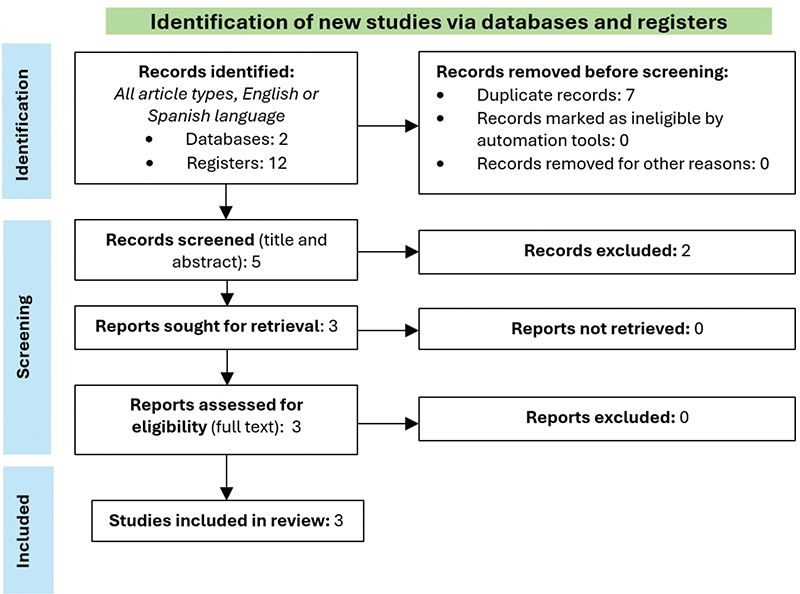
Fig. 1. Preferred Reporting Items of Systematic Reviews and Meta-Analyses (PRISMA) 2021 flow diagram of the databases and registry search performed for the systematic literature review.
In a systematic search, 10 publications were identified, of which 4 were duplicates. The titles and abstracts of 6 studies were evaluated, 2 references being selected for full review and 4 being discarded. The complete texts of the selected articles were reviewed, and the information was synthesized. Bibliographic references from the selected articles, cross-references in the search, and bibliography provided by the scientific committee were also reviewed. Based on the articles and the expert contributions from the scientific committee, the draft was revised, resulting in 8 statements to be included in the Delphi-type questionnaire and 4 practical cases.
A panel of 60 participants was selected from a representative series of hospitals and geographical areas. Panellists had to meet the following criteria: (i) specialists in dermatology, (ii) experienced in the management of patients with AD; (iii) members of scientific society working groups; (iv) seeing a minimum of 10 patients with AD per month.
Invitations to participate were sent via email, providing potential respondents with comprehensive details regarding the study’s objectives, methodology, and anticipated time commitment. The consensus process was conducted using the Delphi 2-round methodology. Employing a Likert scale ranging from 1 to 5, participants indicated in each round their level of agreement with each statement (1: strongly disagree, 2: moderately disagree, 3: neither agree nor disagree, 4: moderately agree, 5: strongly agree). Additionally, each statement had a free-text space to provide comments. Consensus was pre-defined as ≥ 80% of all respondents rating their agreement as 4 or 5, and unanimous consensus was defined as 100% agreement (all voting 5). After the first round, the results and comments of the panellists were analysed, the relevant modifications were made to the statements, and these were submitted to the second round. Statements that reached consensus in the first round were not submitted to the second round. In addition to the statements regarding the Delphi consensus definition, the same form included 4 scenarios with examples of patients with different severity score options based on the improvement obtained after starting treatment with biological therapy or JAK inhibitors. Participants had to indicate whether they agreed, disagreed, or neither agreed nor disagreed. These scenarios were also modified and resubmitted in the second round.
Data collection was conducted using an online survey. To safeguard anonymity and uphold confidentiality, participant responses were anonymized, and data were securely stored in accordance with institutional protocols. The panellists responded voluntarily without financial compensation.
RESULTS
Sixty invited panellists participated in the first round and 58 took part in the second round (96.67% participation). The first round took place between 12 February and 8 March and the second round between 4 April and 30 April, with 2 reminders each. In the first round, 8 Delphi statements were evaluated and 4 reached consensus, none of them unanimous. Four other statements were reviewed and resubmitted in the second round. To improve clarity and facilitate the consensus, 1 of the statements was divided into 2 statements. In the second round, 2 statements achieved consensus (1 of them unanimous) and 5 were discrepant. The flow of the 2 Delphi rounds, panel of scenarios, and its results (% of agreement and round) are shown in Fig. 2 and Table I. The results of the consensus on the set of practical cases are presented in Tables II and III.
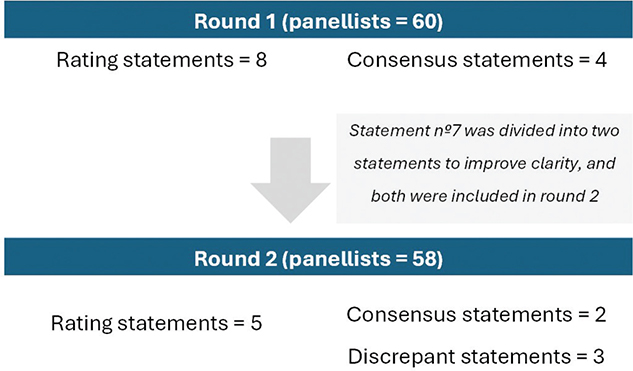
Fig. 2. Flowchart of 2 rounds of the Delphi consensus.
DISCUSSION
This 2-round Delphi-based study aimed to accurately define the concept of SR in AD, gathering opinions from dermatologists across Spain on various statements derived from a systematic review. Additionally, to illustrate these definitions, a series of examples were provided, and the level of agreement among experts was assessed.
Consensus statements emphasized the importance of time in defining SR, associating the concept with a rapid response (before week 16), including both symptom variables (EASI or IGA) and patient-reported outcomes (PROs) such as pruritus and the Patient-Oriented Eczema Measure (POEM). SR should be linked to a complete or almost complete clearance of lesions (IGA 0–1), should sustain responses over time (at week 52), despite occasional mild flares (IGA ≤ 2), and should not vary with the patient’s age. The percentage of agreement or disagreement was insufficient to determine whether the concept of an SR should vary depending on the drug used (biologics, JAK inhibitors) or whether short-term flare-ups may occur during sustained responses over time. Consensus was also not reached on whether the concept of SR is applicable to patients with moderate/severe atopic dermatitis but not to those with mild forms.
Ruiz-Villaverde et al. (11) were the first to compile various definitions of SR and compare them with psoriasis, noting that few publications currently describe SR in terms of early and substantial disease burden reduction. They observed that the response evaluation period is typically 20 to 24 weeks in psoriasis studies, whereas in AD it is around 16 weeks. Additionally, the use of PROs is crucial in AD, unlike in psoriasis, where DLQI and pruritus measurement are less commonly used. The current goal in psoriasis is often PASI 0, whereas EASI 0 is considered too ambitious for AD due to its nature and less experience with biological therapies (11). In our study, consensus was reached that the concept of SR should be associated with complete or almost complete clearance and sustained responses over time, although mild flares may occur (IGA ≤ 2). In fact, in the first-round statement regarding complete response (IGA 0), there was a high percentage of disagreement. However, when it was clarified in the second round that the clearance of lesions must be almost complete (IGA 0–1), agreement reached consensus. Despite the fact that time interval to define a sustained response over time is not specified in the statements in Table I, in Table III the panellists reached agreement that patients with clinically significant responses, with an EASI score of 1.3 (starting from an EASI 16) at week 8 and maintaining this response at week 52, should be considered as SR. Canonica et al. (5), have defined a clinically meaningful response (CMR) as EASI 50, PP-NRS 3, and DLQI 4 at week 16, and Silverberg et al. (6) described the optimal target as achieving EASI ≤ 7, PP-NRS ≤ 4, or DLQI ≤ 5 at 6 months and 1 year. In Spain, Alegre-Bailo et al. (12) conducted an observational, prospective study involving patients with AD who began treatment with tralokinumab, defining SR as those achieving EASI 75 at week 4 and/or EASI 90 at week 8. Nine patients participated, with 5 (55.6%) meeting the criteria for SR.
These initial definitions apply to patients undergoing biological therapy. However, more ambitious targets are observed in recent studies with the advent of JAK inhibitors. Reich et al. presented a randomized phase 3 head-to-head trial of abrocitinib vs dupilumab in patients with moderate-to-severe AD at the 2023 Annual European Academy of Dermatology and Venereology (EADV) Congress. They defined super-response as achieving EASI 90, PP-NRS 0/1, and DLQI 0/1 at any study visit. They found that patients treated with abrocitinib were more likely to achieve a super-response earlier than those treated with dupilumab. Additionally, the time to achieve super-response was significantly shorter among women and those without prior cyclosporine treatment. Baseline disease characteristics (EASI, BSA, IGA, PP-NRS, and DLQI) were not linked to the time to achieve super-response (13). Another of the first studies to compare head-to-head a JAK inhibitor – upadacitinib – vs a biologic – dupilumab – is the clinical trial Level-Up where upadacitinib demonstrated superiority over dupilumab in achieving the primary objective EASI90 and WP-NRS 0/1 at week 16 in patients with moderate to severe AD. Additionally, this study showed significant differences in favour of upadacitinib in patients who achieved WP-NRS at weeks 2, 4, and 16; EASI 90 at week 4, EASI 75 at week 2, and EASI 100 at week 16 (14, 15), making it the first study in AD to consider EASI 100 as an objective.
Furthermore, at the 2024 Annual Meeting of the American Academy of Dermatology (San Diego), a new concept called minimal disease activity (MDA) in patients treated with upadacitinib was introduced. This concept includes ClinRO measures (EASI 90 or EASI ≤ 3, SCORAD 75 or SCORAD ≤ 10, IGA 0/1, and BSA ≤ 2%) and at least 1 PRO (PP-NRS ≤ 1, POEM ≤ 2, NRS sleep ≤ 1, HADS-A < 8, HADS-D < 8, NRS pain ≤ 1, and DLQI 0/1) (8). In our setting, a new study indicates that more than 40% of patients with moderate-to-severe AD treated with upadacitinib achieve MDA. It also suggests that the presence of asthma and higher pruritus scores are markers of poorer response (16).
Although there was agreement on the statement exploring whether the concept of an SR varies depending on the drug used (biologics, JAK inhibitors), in terms of response time (76.47%), it was not sufficient to reach consensus.
In the practical examples (Tables II and III) we observed that, for the panellists, an SR is a patient who achieves a good objective response (IGA 1, EASI 1.3), regardless of whether they were on treatment with JAK inhibitors or biological drugs, at week 8, especially if accompanied by improvement in PROMs (POEM, PP-NRS), and maintained this response at week 52. However, even if similar clinical results are achieved after week 16, these patients are not considered SR.
However, despite the terms CMR and MDA, we consider that they refer more to optimal targets to be achieved in studies rather than defining the concept of an SR. We regard the SR concept more as a phenotype of clinical response to biological therapy and iJAKs, which, in addition to a rapid clinical response and improvement in PROMs, should be associated with sustained response beyond week 52. This consideration is due to the nature of AD, where flares can occur despite optimal management, and achieving EASI 0 and total absence of pruritus are not yet realistic goals. The authors believe that, to improve the understanding of super-responders to these new therapies, definitions and criteria should be unified, both in clinical practice and in the research field.
The importance of defining the concept of SR lies in its utility for identifying patient characteristics that can predict an optimal response to treatment. This is particularly relevant for high-cost therapies, where predicting a positive outcome is crucial in healthcare systems with limited resources. Additionally, establishing this concept aids in the development of clinical practice guidelines that help outline patient profiles most likely to benefit from these treatments, thereby optimizing resource allocation and treatment efficiency.
This study represents a preliminary systematic approach to defining SR in DA, derived from the consensus of Spanish experts, with inherent limitations concerning the level of scientific evidence. Additionally, this represents a limitation, as it is constrained to the Spanish sociocultural context and public healthcare system. Therefore, to further refine and expand upon this definition, an international Delphi study would be required.
So far, no biomarkers have been linked to an earlier or better clinical response to dupilumab. However, it has been demonstrated that dupilumab results in a significant and sustained reduction in blood levels of total IgE and allergen-specific IgE to aeroallergens at week 52 (17). As a limitation, our Delphi study did not include any statements related to laboratory biomarkers associated with the concept of SR. In our study, we did not enquire whether men and women should have the same degree of improvement to be considered SR, nor was this suggested by any panellist. However, some studies have found differences in response according to sex (13). Additionally, our study did not address whether having received previous treatments should be a determining factor in defining the concept of SR. Another limitation of this study is the lack of statements related to specific locations, such as the face, neck, or genitalia, as patients with involvement in these areas often do not achieve significant improvement in PROs due to the impact on quality of life associated with these sites (18, 19).
In AD there is a lack of consensus on defining responders. According to the statements that reached consensus in our 2-round Delphi consensus study, time is important when defining the achievable response as SR. The concept of SR should be associated with a rapid response (week 8 or, at least, before week 16), including both symptom variables (EASI or IGA) and PROs (pruritus, POEM), andbe associated with complete or nearly complete clearance of lesions (IGA 0–1), and with sustained responses over time (at week 52). Mild flares (IGA ≤ 2) may occur without varying according to the patient’s age. Moreover, although consensus ≥ 80% was not reached, our results suggest that panellists consider an SR a patient who achieve this endpoints, regardless of biological treatment or JAK inhibitors.
ACKNOWLEDGEMENTS
The authors are grateful to the 60 panellists who participated in the Delphi to express their degree of agreement with the statements. Among them, the following have explicitly expressed in writing their acceptance to be acknowledged here: Esther Roé Crespo, Susana Córdoba Guijarro, Marta Elosua-González, Fátima Tous Romero, José Bernabeu Wittel, Jose-Manuel Carrascosa, Minia Campos-Domínguez, Pedro Herranz, Jose María Sánchez Motilla, Pablo Coto Segura, José Manuel Azaña Defez, Bibiana Pérez García, Marta C. García Bustinduy, Pedro Mercader-García, Mónica Munera Campos, Ana M Gimenez Arnau, Francisco Javier Ortiz de Frutos, Gemma Melé-Ninot, María Teresa Monserrat-García, Violeta Zaragoza Ninet, Laia Curto Barredo, Gloria Garnacho Saucedo, Gaston Roustan, Ignasi Figuras-Nart, Raúl de Lucas Laguna, Daniel González Vilas, Isabel Betlloch Mas, Araceli Sánchez Gilo, Yolanda Gilaberte Calzada, María Elena Gatica Ortega, Ricardo Suárez Fernández, Enrique Gómez de la Fuente, Leopoldo Borrego, Tatiana Sanz Sanchez, Pablo Chicharro, Pablo de la Cueva Dobao, Francisco Javier del Boz González, Francisco Javier Miquel Miquel, Jorge Alonso Suárez Pérez, and Rosa Izu.
REFERENCES
- Weidinger S, Beck LA, Bieber T, Kabashima K, Irvine AD. Atopic dermatitis. Nat Rev Dis Primer 2018; 4: 1. https://doi.org/10.1038/s41572-018-0001-z
- Sesi J, Feldman SR. Comparative efficacy of systemic treatments for atopic dermatitis in adults. Expert Rev Clin Immunol 2024; 20: 313–320. https://doi.org/10.1080/1744666X.2023.2291038
- Mastorino L, Susca S, Cariti C, Verrone A, Stroppiana E, Ortoncelli M, et al. “Superresponders” at biologic treatment for psoriasis: a comparative study among IL17 and IL23 inhibitors. Exp Dermatol 2023; 32: 2187–2188. https://doi.org/10.1111/exd.14731
- Ariëns LFM, van der Schaft J, Bakker DS, Balak D, Romeijn MLE, Kouwenhoven T, et al. Dupilumab is very effective in a large cohort of difficult-to-treat adult atopic dermatitis patients: first clinical and biomarker results from the BioDay registry. Allergy 2020; 75: 116–126. https://doi.org/10.1111/all.14080
- Canonica GW, Bourdin A, Peters AT, Desrosiers M, Bachert C, Weidinger S, et al. Dupilumab demonstrates rapid onset of response across three type 2 inflammatory diseases. J Allergy Clin Immunol Pract 2022; 10: 1515–1526. https://doi.org/10.1016/j.jaip.2022.02.026
- Silverberg JI, Simpson EL, Boguniewicz M, De Bruin-Weller MS, Foley P, Kataoka Y, et al. Dupilumab provides rapid and sustained clinically meaningful responses in adults with moderate-to-severe atopic dermatitis. Acta Derm Venereol 2021; 101: adv00585. https://doi.org/10.2340/actadv.v101.307
- Paller AS, Bansal A, Simpson EL, Boguniewicz M, Blauvelt A, Siegfried EC, et al. Clinically meaningful responses to dupilumab in adolescents with uncontrolled moderate-to-severe atopic dermatitis: post-hoc analyses from a randomized clinical trial. Am J Clin Dermatol 2020; 21: 119–131. https://doi.org/10.1007/s40257-019-00478-y
- Silverberg JI, Gooderham MJ, Katoh N, Aoki V, Pink AE, Binamer Y, et al. 53959 Treatment with upadacitinib increases the achievement of minimal disease activity among patients with moderate-to-severe atopic dermatitis: results from phase 3 studies (Measure Up 1 and Measure Up 2). J Am Acad Dermatol 2024: 91; AB94. https://doi.org/10.1016/j.jaad.2024.07.379
- Hasson F, Keeney S, McKenna H. Research guidelines for the Delphi survey technique. J Adv Nurs 2000; 32: 1008–1015. https://doi.org/10.1046/j.1365-2648.2000.t01-1-01567.x
- Gattrell WT, Logullo P, van Zuuren EJ, Price A, Hughes EL, Blazey P, et al. ACCORD (ACcurate COnsensus Reporting Document): a reporting guideline for consensus methods in biomedicine developed via a modified Delphi. PLOS Med 2024; 21: e1004326. https://doi.org/10.1371/journal.pmed.1004326
- Ruiz-Villaverde R, Domínguez-Cruz J, Navarro-Triviño FJ, Galán-Gutiérrez M, Armario-Hita JC, Pereyra-Rodriguez JJ. Atopic dermatitis: background, objectives and future perspectives (superresponders). Life 2022; 12:1192. https://doi.org/10.3390/life12081192
- Alegre-Bailo A, Sánchez-Gilo A, Román Mendoza NM, Mateos-Rico JJ, Vicente-Martín FJ. Tralokinumab treatment in atopic dermatitis: depicting super-responders. J Dermatol 2023; 50: 1650–1652. https://doi.org/10.1111/1346-8138.17009
- Reich K, Armstrong AW, Eyrich K, Hong CH, Gooderman M, Blauvelt A, et al. Achievement of super-response over time in patients with moderate-to-severe atopic dermatitis treated with abrocitinib versus dupilumab: a post-hoc analysis of head-to-head phase 3 JADE DARE study. European Academy of Dermatology and Venereology Congress 2023, Oct 11–14. Berlin, Germany. Abstract No 1167.
- Blauvelt A, Teixeira HD, Simpson EL, Costanzo A, De Bruin-Weller M, Barbarot S, et al. Efficacy and safety of upadacitinib vs dupilumab in adults with moderate-to-severe atopic dermatitis: a randomized clinical trial. JAMA Dermatol 2021; 157: 1047–1055. https://doi.org/10.1001/jamadermatol.2021.3023
- Silverberg JI, Bunick C, Hong HC-h, Mendes-Basto P, Stein Gold L, Costanzo A, et al. Efficacy and safety of upadacitinib vs dupilumab in adults and adolescents with moderate-to-severe atopic dermatitis: results of an open-label, efficacy assessor-blinded head-to-head phase 3b/4 study (Level Up). Br J Dermatol 2024; 191: ljae266.107. https://doi.org/10.1093/bjd/ljae266.107
- Montero-Vilchez T, Montero-Vilchez C, Garrido-Colmenero C, Sanabria de la Torre R, Arias-Santiago S. Minimal disease activity in patients with atopic dermatitis treated with upadacitinib: a prospective observational study. EADV Symposium 2024, May 16–18. St. Julian’s, Malta. Abstract No. 898.
- Limão R, Brás R, Pedro E, Silva SL, Lopes A. Dupilumab in patients with atopic dermatitis: assessing treatment response, clinical features, and potential biomarkers in real-life. Eur Ann Allergy Clin Immunol 2024, Apr 9. [Online ahead of print]. https://doi.org/10.23822/EurAnnACI.1764-1489.341
- Fougerousse AC, Alexandre M, Darrigade AS, Merhand S, Marquié A, Hamza M, et al. Impact of atopic dermatitis on adult women’s lives: a survey of 1,009 French women. Acta Derm Venereol 2024; 104: adv10321. https://doi.org/10.2340/actadv.v104.10321
- Silverberg JI, Simpson B, Abuabara K, Guttman-Yassky E, Calimlim B, Wegzyn C, et al. Prevalence and burden of atopic dermatitis involving the head, neck, face, and hand: a cross sectional study from the TARGET-DERM AD cohort. J Am Acad Dermatol 2023; 89: 519–528. https://doi.org/10.1016/j.jaad.2023.04.052