ORIGINAL REPORT
Real-world Cost per Responder Among Different Classes of Biologics for the Treatment of Psoriasis
Linda T. H. GODDING1, Marieke M. B. SEYGER1, Albert DUVETORP2–4, Marisol E. OTERO1, Paul M. OSSENKOPPELE5, Annet M. OOSTVEEN6, M. Birgitte VISCH7, Ella A. M. VAN DER VOORT8, John E. M. KÖRVER9, Lizelotte J. M. T. WEPPNER-PARREN10, Maartje A. M. BERENDS11, W. Peter ARNOLD12, Sharon R. P. DODEMONT13, Astrid L. A. KUIJPERS14, Johannes M. MOMMERS15, Femke M. HOMAN5, Antoni H. GOSTYNSKI16,17, Berit VELSTRA18, Marloes M. KLEINPENNING19, Martijn B. A. VAN DOORN20, Romy R. M. C. KEIJSERS21, Else N. KOP22, Inge M. HAECK23, Judith H. J. HENDRICKSEN-ROELOFZEN24, Douwe VELLINGA25, Elke M. G. J. DE JONG1 and Juul M. P. A. VAN DEN REEK1
1Department of Dermatology, Radboud University Medical Centre, Nijmegen, The Netherlands, 2Leo Foundation Skin Immunology Research Center, Department of Immunology and Microbiology, University of Copenhagen, Copenhagen, Denmark, 3Department of Clinical Sciences Malmö, Lund University, Lund, Sweden, 4Department of Dermatology Malmö, Skåne University Hospital, Region Skåne, Malmö, Sweden, 5Department of Dermatology, Ziekenhuisgroep Twente, Almelo/Hengelo, The Netherlands, 6Department of Dermatology, Gelre Ziekenhuizen, Apeldoorn/Zutphen, The Netherlands, 7Department of Dermatology, Ziekenhuis Rijnstate, Arnhem, The Netherlands, 8Department of Dermatology/dermaTeam Research, Bravis, Bergen op Zoom, The Netherlands, 9Department of Dermatology, Amphia Ziekenhuis, Breda, The Netherlands, 10Department of Dermatology, Jeroen Bosch Ziekenhuis, ’s-Hertogenbosch, The Netherlands, 11Department of Dermatology, Slingeland Ziekenhuis, Doetinchem, The Netherlands, 12Department of Dermatology, Ziekenhuis Gelderse Vallei, Ede, The Netherlands, 13Department of Dermatology, Catharina Ziekenhuis, Eindhoven, The Netherlands, 14Department of Dermatology, Máxima MC, Eindhoven, The Netherlands, 15Department of Dermatology, Anna Ziekenhuis, Geldrop, The Netherlands, 16Department of Dermatology, Maastricht University Medical Centre, Maastricht, The Netherlands, 17GROW, Research Institute for Oncology and Reproduction, Maastricht University, Maastricht, The Netherlands, 18Department of Dermatology, St Antonius Ziekenhuis, Nieuwegein, The Netherlands, 19Department of Dermatology, Canisius Wilhelmina Ziekenhuis, Nijmegen, The Netherlands, 20Department of Dermatology, Erasmus MC, Rotterdam, The Netherlands, 21Department of Dermatology, Zuyderland Medisch Centrum, Sittard-Geleen/Heerlen, The Netherlands, 22Department of Dermatology, Bernhoven, Uden, The Netherlands, 23Department of Dermatology, Utrecht Medisch Centrum, Utrecht, The Netherlands, 24Department of Dermatology, Streekziekenhuis Koningin Beatrix, Winterswijk, The Netherlands, and 25Department of Dermatology, Alrijne Hospital, Leiderdorp, The Netherlands
Although biologics have revolutionized psoriasis treat-ment, they pose a significant burden on the healthcare budget. With the wide range of biologics available and the increasing number of biosimilars, insights into the real-world cost per responder (CPR) are required. Therefore, this study aims to evaluate the real-world CPR of adalimumab, ustekinumab, IL17- and IL23-inhibitors, incorporating both relative (Psoriasis Area and Severity Index; PASI75/90/100) and absolute (PASI ≤ 3/ ≤ 1) responder definitions and real-world dose adjustments. Tildrakizumab and bimekizumab were excluded due to limited data. Using Dutch list prices and discounts on adalimumab’s and ustekinumab’s originator prices because of biosimilar availability, adalimumab showed the lowest 1-year CPR across all responder definitions. Among biologics without biosimilar availability, the lowest CPRs were seen for brodalumab and guselkumab. Overall, the cost-per-PASI ≤ 3-responder was, across all biologics, more homogeneous than the CPR based on relative PASIs. Similar patterns were seen when using Swedish prices, which are, in contrast to Dutch prices, transparent. The relevance of using real-world data, specifically with the use of absolute PASIs instead of relative PASIs, is shown in this study. Additionally, as price fluctuations have the biggest impact on cost-effectiveness, price transparency is essential to effectively guide physicians in selecting a cost-effective treatment strategy.
SIGNIFICANCE
While biologics have revolutionized the treatment of psoriasis, their costs pose a significant burden on healthcare budgets. Currently, most studies in the field of cost-effectiveness rely on trial efficacy data, whereas studies utilizing real-world effectiveness data remain limited. In addition, while dose adjustments are common in daily practice care, little is known about first-year dosing regimens and their impact on the cost per responder. Data from the prospective, multicentre, real-world BioCAPTURE registry provide the opportunity to assess the cost per responder with effectiveness from daily practice and to evaluate the impact of first-year dosing patterns on annual costs.
Key words: biologics; cost-effectiveness; cost per responder; observational studies; psoriasis; real-world evidence.
Citation: Acta Derm Venereol 2025; 105: adv42767. DOI: https://doi.org/10.2340/actadv.v105.42767.
Copyright: © 2025 The Author(s). Published by MJS Publishing, on behalf of the Society for Publication of Acta Dermato-Venereologica. This is an Open Access article distributed under the terms of the Creative Commons Attribution-NonCommercial 4.0 International License (https://creativecommons.org/licenses/by-nc/4.0/).
Submitted: Dec 19, 2024. Accepted after revision: May 19, 2025. Published: Jun 18, 2025.
Corr: Linda T. H. Godding, Department of Dermatology, Radboud University Medical Centre (Radboudumc), Geert Grooteplein Zuid 10, Mailbox 9101, NL-6500 HB Nijmegen, The Netherlands. E-mail: linda.godding@radboudumc.nl
Competing interests and funding: MMBS received grants from/was involved in clinical trials with AbbVie, Amgen, Celgene, Eli Lilly, Janssen, LEO Pharma, and Pfizer. She served as a consultant for AbbVie, Eli Lilly, Janssen, Leo Pharma, Novartis, Pfizer, and UCB; fees were paid directly to the Department of Dermatology, Radboud University Medical Centre (Radboudumc), Nijmegen, The Netherlands. AD has participated on the advisory boards of Eli Lilly and Almirall, participated in educational events sponsored by or has received direct honoraria from AbbVie, UCB, Boehringer Ingelheim, Janssen, Ung med Psoriasis, and participated in research collaborations initiated by LEO Pharma and Celgene. A. Duvetorp’s postdoc within the BRIDGE translational excellence programme is funded by the Novo Nordisk Foundation. EMGJdJ has received research grants for the independent research fund of the Department of Dermatology, Radboud University Medical Centre (Radboudumc), Nijmegen, The Netherlands, from AbbVie, BMS, Janssen Pharmaceutica, Leo Pharma, Novartis, and UCB for research on psoriasis and has acted as a consultant and/or paid speaker for and/or participated in research sponsored by companies that manufacture drugs used for the treatment of psoriasis or eczema, including AbbVie, Amgen, Almirall, Boehringer Ingelheim, BMS, Celgene, Galapagos, Janssen Pharmaceutica, LEO Pharma, Eli Lilly, Novartis, Sanofi, and UCB. All funding is not personal, but goes directly to the Department of Dermatology, Radboud University Medical Centre (Radboudumc), Nijmegen, the Netherlands. JMPAvdR has carried out clinical trials for AbbVie, Celgene, Almirall, and Janssen and has received speaking fees/attended advisory boards from AbbVie, Janssen, BMS, Almirall, LEO Pharma, Novartis, UCB, and Eli Lilly and reimbursement for attending or chairing a symposium for Janssen, Pfizer Celgene, and AbbVie. All funding is not personal, but goes to the independent research fund of the Department of Dermatology, Radboud University Medical Centre (Radboudumc), Nijmegen, The Netherlands. MEO has acted as consultant for Eli Lilly. WPA carried out clinical trials for LEO Pharma, received speaking fees from AbbVie and reimbursement for attending symposia of Janssen, Pfizer, AbbVie, and UCB Pharma. SRPD has attended advisory boards for AbbVie, LEO Pharma, Janssen, and Novartis. FMH has attended advisory boards and/or was paid speaker for AbbVie and LEO Pharma. AHG is an advisory board member for AbbVie, Eli Lilly, Janssen, LEO Pharma, Pfizer, Regeneron, UCB, and Sanofi. He also has shares in AbbVie, Janssen, GSK, Sanofi, UCB, and Pfizer and is a speaker for Sanofi, AbbVie, and UCB. MBAvD is or recently was a speaker and/or adviser for and/or has received research funding from Novartis, AbbVie, Almirall, LEO Pharma, Sanofi, Janssen, UCB, and BMS, outside the submitted work. RRMCK has acted as a paid charman for Janssen Immunology. IMHaeck is a consultant, advisory board member and/or speaker for Sanofi Genzyme and Regeneron Pharmaceuticals, Pfizer, LEO Pharma, AbbVie, -Janssen, and Eli Lilly. LTHG, PMO, AMO, MBV, EAMvdV, JEMK, LJMTW-P, MAMB, ALAK, JMM, BV, MMK, ENK, JHJH-R and DV have no conflicts of interest to declare.
INTRODUCTION
Biologics have revolutionized the treatment of psoriasis due to their high efficacy. Yet, their high costs pose significant pressure on national healthcare budgets. Particularly in the context of managing a chronic disease such as psoriasis, insights into the cost per responder (CPR), a metric used in health economics to calculate the costs associated with achieving a predefined therapeutic response, are crucial to make cost-effective clinical decisions.
Several studies have assessed the cost-effectiveness of biologics for psoriasis using efficacy data from randomized controlled trials (RCTs) (1, 2). However, cost-effectiveness studies based on real-world effectiveness data, particularly for newer-generation biologics, remain limited (3–5). Studies based on real-world data arguably better reflect routine clinical practice, increasing the external validity of study findings. RCTs often adhere to strict inclusion and exclusion criteria, whereas real-world patients present, for example, a broader range of comorbidities (6, 7). Moreover, therapy compliance is high in RCTs due to strict monitoring, whereas real-world adherence rates tend to be lower, potentially affecting the drug effectiveness (8). Additionally, unlike the strict dosing regimens of RCTs, dose adjustments occur frequently in real-world settings, including dose reductions, escalations, and drug holidays (9). On top of that, RCTs mainly focus on a relative reduction in Psoriasis Area and Severity Index (PASI) scores, a measure heavily influenced by the baseline value. In daily practice, patients often initiate a biologic with lower baseline PASIs, e.g., when switching treatment due to side effects or due to a partial response considered insufficient. Consequently, relative PASI scores (e.g., PASI75) seem to be less optimal in real-world settings, while – at the same time – absolute PASI scores, equal or less than a given bound (e.g., PASI ≤ 1), can be excellent (10, 11). Therefore, this study aims to evaluate the real-world 1-year CPR of various biologics for the treatment of psoriasis, taking into account dose adjustments and both relative and absolute PASI responder definitions. The biologics examined include adalimumab, the most prescribed biologic among the TNFα-inhibitors, the IL12/23-inhibitor ustekinumab, and the more recently introduced IL17- and IL23-inhibitors secukinumab, ixekizumab, brodalumab, guselkumab, and risankizumab.
MATERIALS AND METHODS
Data were obtained from the Dutch prospective, multicentre Continuous Assessment of Psoriasis Treatment Use Registry with Biologics (BioCAPTURE, www.biocapture.nl), including 4 academic and 19 non-academic hospitals at the time of data extraction on 14 May 2024. All patients provided written informed consent before inclusion in BioCAPTURE. According to confirmation from the local Central Committee on Research Involving Human Subjects, ethical approval was not required for this non-interventional study.
The cost per responder model
A CPR model was provided by LEO Pharma, allowing for calculation of the CPR at various timepoints (e.g., week 12 and week 52). The CPR was obtained by calculating the cost per patient divided by the proportion of responders, which was defined by the achievement of specific PASI scores. Initially, the model was built for calculation of the CPR based on relative PASI scores. However, for the purpose of this study, the model was modified by the first author to also enable the calculation of the CPR based on absolute PASI score thresholds. Dose adjustments were taken into account in the model using dose adjustment factors (further specified in the section “Dose adjustments”).
Key model inputs
Clinical data. Comprehensively, treatment episodes (TEs) with the TNFα-inhibitor adalimumab, the IL12/23-inhibitor ustekinumab, IL17-inhibitors, and IL23-inhibitors, a minimum treatment duration of 12 weeks, and an available baseline PASI were included. Additionally, a PASI at week 12 or week 52, or ineffectiveness as reason for discontinuation in the first year of treatment were essential in order to be included in one of the CPR analyses. Consequently, each CPR analysis included subgroups drawn from all TEs that met the inclusion criteria. If a patient had multiple eligible TEs with the same biologic, only the first TE registered in BioCAPTURE was included. TEs were defined as a period of uninterrupted biological treatment, with gaps < 90 days permitted. Biologics for which < 20 TEs were available were excluded.
Dose adjustments. Dose adjustments during the first-year maintenance phase, applied for any reason, were taken into account in this study. First, the actual average dose administered during a TE was divided by the standard, labelled dose outlined in the Summary of Product Characteristics. This ratio was used to determine whether TEs had a lower maintenance dose (ratio < 0.95), standard maintenance dose (ratio 0.95–1.05), or higher maintenance dose (ratio > 1.05) compared with the labelled dose. Dose adjustment factors were calculated as the average of the ratios within a group of interest. These were included in the CPR analyses to correct for dose adjustments (see Tables SIIIA–SIIID).
Response rates and responder definitions. PASI scores were used as a measure of effectiveness. In daily practice, scheduling outpatient clinic visits at exact timepoints is not feasible. Consequently, linear interpolation was used to estimate the PASI scores at the required specified timepoints (weeks 12 and 52). Two known PASIs measured in a maximum range of 120 days from the specified timepoint were used for estimation. The following responder definitions were used in all CPR analyses: PASI75, PASI90, PASI100, PASI ≤ 3, and PASI ≤ 1.
Price input. Dutch prices were extracted on G-Standaard – Z-Index (excl. VAT; https://www.z-index.nl/g-standaard). Discounts were included for biologics with (upcoming) biosimilar availability. For adalimumab, a reported discount of 80% on the originator price was included (12). For ustekinumab, approximate discounts of 40%, 60%, and 80% on the originator price were included (13). Swedish list prices were extracted from the Dental and Pharmaceutical Benefits Agency (www.tlv.se/in-english/prices-in-our-database.html). Sweden reflects a system with price transparency and a tender system for off-patent drugs, meaning that a monthly price competition results in the cheapest drug achiev-ing product-of-the-month status. For ustekinumab, 2 price scenarios were considered: (i) a scenario with flat prices, with equal prices for the dosages 45 mg and 90 mg, resulting in dose adjustment factors based solely on changes in dosing intervals, and (ii) a scenario with non-flat prices, with dose adjustment factors based on both changes in dosages and dosing intervals. All pricing data were extracted in October 2024.
Statistical analysis
Baseline patient and treatment characteristics, response rates, and dose adjustment factors were analysed using SPSS version 29.0 (IBM Corp, Armonk, NY, USA). Patient and treatment characteristics were displayed in descriptive analyses including mean ± standard deviation (SD) or median with interquartile range (IQR). The CPR analyses were performed using the CPR-model build in Microsoft Excel (Microsoft Corp, Redmond, WA, USA).
In the primary analysis, the CPR at week 52 was calculated for each biologic based on all responder definitions (PASI75/90/100/ ≤ 3/ ≤ 1) using Dutch list prices together with reported or approximate discounts on adalimumab’s and ustekinumab’s originator prices. The primary analysis was repeated using Swedish list prices and the price of the biosimilar with product-of-the-month status; discounts in the case of biosimilar availability were not used as this is not common in Sweden. Additionally, the previous analyses were conducted including non-responder imputation (NRI), assuming that patients who discontinued their TE due to ineffectiveness would not have achieved a PASI75/90/100/ ≤ 1/ ≤ 3 at week 52. Further sensitivity analyses using Dutch list prices and their corresponding figures are provided in Figs S3–S5. One of these analyses examined the CPR at week 52 based on all responder definitions by classifying TEs into 2 groups: (i) initiated in patients with 0–1 prior biologic use and (ii) in those with ≥ 2 prior biologic uses. This classification was made to mitigate the highly skewed distribution of biologic naive and non-naive patients, particularly concerning the more recently introduced IL17- and IL23-inhibitors. Lastly, the CPR at week 12 based on all responder definitions was calculated, in general and stratified by number of prior biologics.
RESULTS
Patient and treatment characteristics
The total sample consisted of 886 patients with 1,169 TEs (Tables SI and SII). TEs with tildrakizumab and bimekizumab were excluded due to limited data (TEs < 20). The subgroup with an available PASI at week 52, used in the primary CPR analysis, consisted of 525 patients with 606 TEs (Tables I and II). In this subgroup, a smaller proportion of patients were biologic naive, and more TEs originated from academic hospitals compared with the total sample. In both groups, the proportion of biologic naive patients varied substantially across biologics. Be aware that the remaining patients and TEs (without a PASI at week 52) were used in other analyses, e.g., with NRI and at week 12.
| Age at start TE, years, mean ± SD | 49.3 ± 13.5 |
| Disease duration until start first TE, years, median [IQR]a | 20.2 [17.8] |
| Sex, male, n (%)a | 340 (64.8) |
| Family history of psoriasis, yes, n (%)a | 317 (60.4) |
| PsA confirmed by rheumatologist, yes, n (%)a | 136 (25.9) |
| BMI, kg/m2, median [IQR]a | 27.9 [7.1] |
| Baseline PASI, median [IQR] | |
| Overall | 9.4 [8.3] |
| Biologic naive patients (n = 214) | 10.0 [8.3] |
| Biologic non-naive patients (n = 311) | 8.7 [8.4] |
| Biologic naive, yes, n (%) | 214 (40.8) |
| Number of previously used unique biologics, n (%) | |
| 0 | 214 (40.8) |
| 1 | 179 (34.1) |
| 2 | 65 (12.4) |
| 3+ | 67 (12.8) |
| aMissing values: disease duration until start first TE 22; sex 4; family history of psoriasis 38; psoriatic arthritis (PsA) 53; body mass index (BMI) 169. IQR: interquartile range; SD: standard deviation; TE: treatment episode. |
|
| TNFα-inhibitor | IL12/23-inhibitor | IL23-inhibitors | IL17-inhibitors | ||||
| ADA n = 212 TEs 1078.6 PY | UST n = 208 TEs 1064.3 PY | GUS n = 39 Tes 118.7 PY | RIS n = 37 Tes 77.1 PY | SEC n = 46 Tes 149.9 PY | IXE n = 49 Tes 159.9 PY | BRO n = 15 Tes 43.8 PY | |
| Age at start TE, years, mean ± SD | 48.4 ± 13.5 | 49.4 ± 13.6 | 49.2 ± 12.9 | 55.6 ± 12.9 | 51.3 ± 11.6 | 52.2 ± 13.2 | 54.9 ± 12.7 |
| Disease duration until start TE, yearsa, median [IQR] | 22.7 [19.7] | 21.8 [15.6] | 23.1 [11.5] | 28.7 [21.6] | 26.3 [18.7] | 25.9 [14.3] | 24.7 [11.5] |
| Sex, male, n (%)a | 140 (66.0) | 137 (65.9) | 22 (56.4) | 26 (70.3) | 28 (60.9) | 29 (59.2) | 10 (66.7) |
| Academic hospital, n (%) | 168 (79.2) | 146 (70.2) | 20 (51.3) | 33 (89.2) | 33 (71.7) | 38 (77.6) | 13 (86.7) |
| Baseline BMI, kg/m2, median [IQR]a | 27.9 [6.7] | 27.3 [7.4] | 27.8 [10.2] | 28.9 [6.1] | 27.7 [4.5] | 29.4 [4.8] | 27.5 [7.8] |
| Family history of psoriasis, yes, n (%)a | 127 (59.9) | 141 (67.8) | 18 (46.2) | 25 (67.6) | 26 (56.5) | 26 (53.1) | 9 (60.0) |
| PsA confirmed by rheumatologist, yes, n (%)a | 56 (26.4) | 58 (27.9) | 9 (23.1) | 9 (24.3) | 15 (32.6) | 19 (38.8) | 3 (20.0) |
| Baseline PASI, median [IQR] | 10.2 [7.8] | 9.4 [10.1] | 7.0 [8.4] | 7.5 [8.6] | 7.7 [6.3] | 5.8 [4.3] | 5.6 [5.9] |
| Biologic naive, yes, n (%) | 110 (51.9) | 82 (39.4) | 2 (5.1) | 9 (24.3) | 3 (6.5) | 7 (14.3) | 1 (6.7) |
| Number of previously used unique biologics, n (%) | |||||||
| 0 | 110 (51.9) | 82 (39.4) | 2 (5.1) | 9 (24.3) | 3 (6.5) | 7 (14.3) | 1 (6.7) |
| 1 | 82 (38.7) | 59 (28.4) | 10 (25.6) | 10 (27.0) | 13 (28.3) | 13 (26.5) | 6 (40.0) |
| 2 | 13 (6.1) | 54 (26.0) | 9 (23.1) | 4 (10.8) | 8 (17.4) | 6 (12.2) | 3 (20.0) |
| 3+ | 7 (3.3) | 13 (6.3) | 18 (46.2) | 14 (37.8) | 22 (47.8) | 23 (46.9) | 5 (33.3) |
| aMissing values for ADA, UST, GUS, RIS, SEC, IXE, and BRO respectively: disease duration until start treatment episode (TE) 6, 10, 4, 0, 1, 1, 0; sex 3, 0, 0, 0, 1, 0, 0; body mass index (BMI) 50, 58, 15, 13, 17, 14, 2; Family history of psoriasis 10, 11, 6, 3, 2, 4, 2; psoriatic arthritis (PsA) 24, 11, 8, 4, 7, 3, 2. ADA: adalimumab; BRO: brodalumab; GUS: guselkumab; IXE: ixekizumab; IQR: interquartile range; PY: patient years; RIS: risankizumab; SD: standard deviation; SEC: secukinumab; UST: ustekinumab. |
|||||||
Dose adjustments
Dose adjustments were relatively common during the first year, with notable differences across the biologics (Fig. 1). Dose adjustments were least common among TEs with guselkumab, with an equal occurrence of 2.7% for both reductions and escalations. In contrast, dose adjustments were most common among TEs with ustekinumab, with escalation primarily seen in patients with a baseline weight of < 100 kg (25.5%) and reductions primarily seen in patients with a baseline weight of ≥ 100 kg (26.7%).
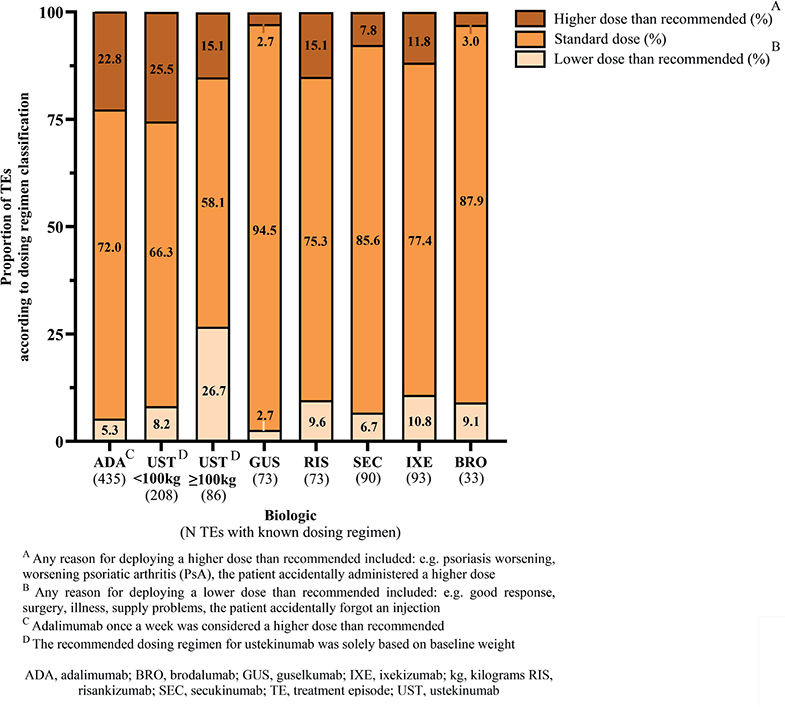
Fig. 1. Dosing regimen during first-year maintenance phase: total sample.
Cost per responder at week 52: Dutch list prices
Comparing the CPR of all biologics, a discount of 80% on adalimumab’s originator price resulted in the lowest CPR across all responder definitions (Fig. 2). Among the biologics without biosimilar availability, brodalumab showed the lowest cost-per-PASI90-, - ≤ 1-, and - ≤ 3-responder, while guselkumab showed the lowest cost-per-PASI75- and -100-responder. Secukinumab showed high CPR values.
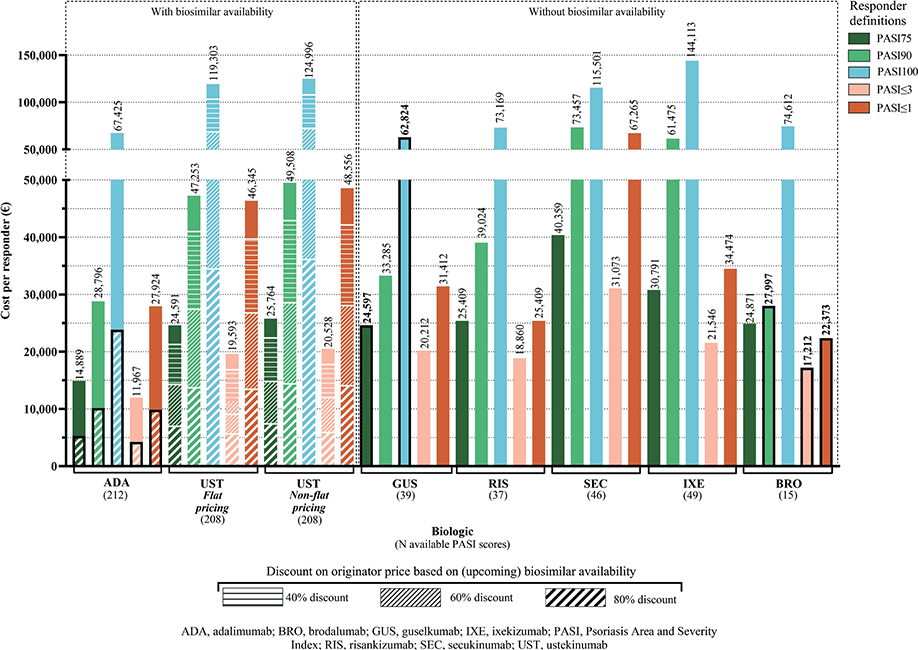
Fig. 2. Cost-per-PASI75/90/100/ ≤ 3/ ≤ 1-responder at week 52 based on Dutch list prices and discounts.
Overall, the cost-per-PASI ≤ 1-responder was significantly lower than the cost-per-PASI100-responder. Moreover, while guselkumab and ixekizumab showed, respectively, the lowest and the highest cost-per--PASI100-responder, the difference between the cost-per-PASI ≤ 1-responder of those biologics was relatively small. Notably, differences in the cost-per-PASI ≤ 3--responder were, across the biologics, modest compared with differences in CPR based on other responder definitions. Note that, especially for brodalumab, caution must be applied when interpreting the results due to the low number of available PASI scores.
Cost per responder at week 52: Swedish list prices
With Swedish list prices, the adalimumab biosimilar Hukyndra showed the lowest CPR based on all responder definitions. Note that the results were even lower than an 80% discount on the Dutch adalimumab’s originator price (Fig. 3). The CPR of the ustekinumab biosimilar Pyzchiva and the original ustekinumab biologic were, due to similar pricing, mostly comparable to ustekinumab’s CPR results with a 60% discount on the Dutch originator price. Among biologics without biosimilar availability, brodalumab showed the lowest cost-per-PASI75, -90-, - ≤ 1-, and - ≤ 3-responder and guselkumab showed the lowest cost-per-PASI100-responder.
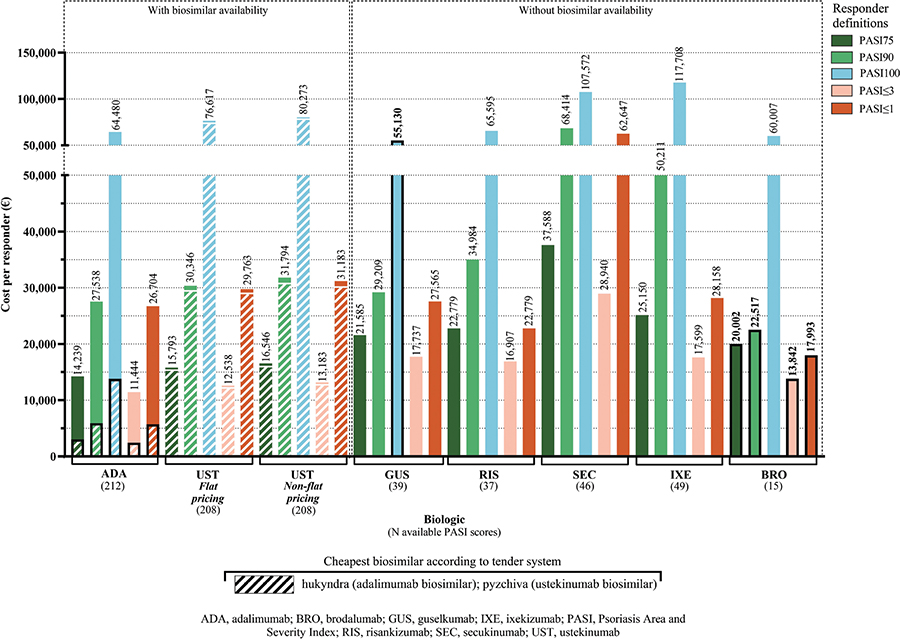
Fig. 3. Cost-per-PASI75/90/100/ ≤ 3/ ≤ 1 responder at week 52 based on Swedish list prices.
Cost per responder at week 52 with non-responder imputation: Dutch and Swedish list prices
The CPR of risankizumab was the least affected by the NRI, reflecting a relatively small discontinuation rate due to ineffectiveness (Figs S1 and S2). In contrast, the CPR of secukinumab was the most affected, reflecting a relatively high discontinuation rate due to ineffectiveness. In contrast to the primary analysis, risankizumab now showed the lowest cost-per-PASI75- and -100-responder among the biologics without biosimilars. With Swedish list prices, only brodalumab showed the lowest CPR across all responder definitions among the biologics without biosimilars.
Sensitivity analyses
Sensitivity analyses at week 52 with a breakdown on prior biologic use showed that the CPR was -higher when the biologic was initiated in patients with ≥ 2 prior biologics compared with biologics initiated in patients with 0–1 prior biologic, but this was not seen at week 12 (see Figs S3, S5). Differences in the cost-per-PASI ≤ 3--responder across the biologics were relatively small at week 12 (Fig. S4). Due to the small sample sizes, expanding these analyses as data accumulate would further strengthen conclusions.
DISCUSSION
This study on the cost per responder (CPR) of biologics for psoriasis in real-world practice demonstrated that adalimumab consistently showed the lowest CPR with both Dutch and Swedish list prices, mainly due to substantial price reductions driven by biosimilar availability. Considering solely biologics without biosimilar availability, brodalumab and guselkumab yielded the lowest CPR based on different responder definitions. However, incorporating non-responder imputation (NRI) slightly changed the findings across biologics without biosimilars. Using Dutch list prices, the lowest CPR were seen for brodalumab and risankizumab across different responder definitions. By using Swedish list prices, brodalumab consistently showed the lowest CPR.
While the substantial price reductions driven by biosimilar availability play the most significant role in lowering the CPR, our findings show that the newer-generation biologics brodalumab, guselkumab, and risankizumab already demonstrate promising results in terms of CPR. In line with this, a previous RCT-based study (14), which used a similar CPR model with list prices from France and Germany, identified brodalumab, guselkumab, and risankizumab as having the lowest 1-year cost-per-PASI100-responder. Additionally, a recent study by Egilman et al. (15) showed that, across various healthcare settings, brodalumab and risankizumab consistently remained on or near the efficiency frontier when evaluated based on 1-year PASI90 responses in RCTs. This indicated that brodalumab and risankizumab often show an optimal balance between cost and efficacy, where no other biologic provided better efficacy for a lower cost. Although the findings of the present study are based on a 1-year period, targeting the CPR is also crucial for the long-term economic impact, as psoriasis is a chronic disease that requires lifelong treatment.
In the study by Egilman et al. (15), ixekizumab also often appeared on the efficiency frontier based on different pricing data. However, ixekizumab did not exhibit the lowest CPR across all our analyses, possibly attributed to differences in patient characteristics and the source of effectiveness data. Nonetheless, the findings for ixekizumab in the present study were comparable to brodalumab, guselkumab, and risankizumab when the CPR was based on a PASI ≤ 3. As an illustration, ixekizumab had a cost-per-PASI90-responder more than twice as high as brodalumab (€61,475 vs €27,997), while the difference in cost-per-PASI ≤ 3-responder values was substantially smaller (€21,546 vs €17,212). Overall, we observed that the CPR based on a PASI ≤ 3 were more homogeneous across the biologics than the CPR based on relative PASI scores. This reflects the gap between the use of relative and absolute responder definitions, also shown in previous real-world studies (16–20), further supporting the growing body of experts who favour the use of absolute PASI scores as a measure of effectiveness and as treatment targets in daily practice (21–24).
It is furthermore important to recognize that the list prices for adalimumab and ustekinumab used in this study have already been subject to significant price reductions due to the presence of biosimilars, whereas this does not yet apply to the IL17- and IL23-inhibitors. Knowing that biosimilars significantly impact prices provides promising future perspectives to achieve lower absolute PASI scores at prices comparable to some currently available conventional systemic treatments (25, 26). As price fluctuations will continue to have the greatest impact on the CPR and are expected to occur more frequently with the introduction of additional biosimilars, price transparency is of major importance.
A new and important aspect of this study, due to its major influence on costs, was the incorporation of real-world dose adjustments. While a relatively large proportion of TEs had changes to their dosing regimen, its impact on the 1-year CPR was minimal. This aligns with the study by Nyholm et al. (14), in which dose adjustments based on previous real-world studies (27, 28) barely influenced the 1-year CPR. However, studies have shown that the occurrence of dose adjustments can vary during the treatment period (9, 27), and that dose escalations seem more common in the long term than in the short term (29). Moreover, dose reductions appear to be effective for a substantial proportion of patients on older biologics (30), and efforts are being made to investigate this for newer-generation biologics (31). Considering the prolonged use of biologics and the ongoing developments in dose reduction strategies, future research is required to assess the long-term impact of dose adjustments on the CPR.
Strength and limitations
A major strength of this study is the use of real-world, prospectively collected data from both academically and non-academically treated patients within BioCAPTURE, enabling a representative assessment of treatment effectiveness alongside dosing regimens. While registry data are vulnerable to data entry errors (32, 33), all data within BioCAPTURE are verified at source by the study team. Moreover, follow-up data on PASI scores is frequently incomplete across all biologics, with the effect being relatively more pronounced for newer-generation biologics as fewer TEs are available. Additionally, real-world data are generally prone to selection bias, which may have influenced the CPR estimates. Nonetheless, efforts were made to enhance the robustness of the results by incorporating both relative and absolute PASI responder definitions and NRI.
Some other limitations beyond the source data should also be considered. First, the subgroup with a PASI score at week 52 was not totally representative of the total sample, with more patients being biologic non-naive and treated in an academic hospital. Therefore, this might comprise a more difficult-to-treat group, potentially affecting the response rates. Second, in the Netherlands, hospitals can negotiate drug prices individually with insurance companies, but these prices are not publicly disclosed and can vary between hospitals. As these price variations are minimal for newer biologics without biosimilar availability, the primary driver of variability in CPR across biologics remains the presence of biosimilars. To ensure the robustness of our results, we also performed an analysis using Swedish list prices, which are transparent and not influenced by individual negotiations. Given that CPR estimates with Dutch and Swedish prices were broadly similar, it is expected that Dutch individual price negotiations would not -substantially affect the CPR estimates. It is also important to note that the CPR estimates of the present study may not be directly generalizable across all healthcare systems. However, conducting the analyses using Swedish prices (reflecting the national-level negotiations) and Dutch prices (reflecting decentralized negotiations) provides a reasonable basis for approximating CPR outcomes in other national contexts. Additionally, comparisons with tildrakizumab and bimekizumab were not possible due to limited data availability. Finally, while the present study focused on 1-year CPR, the chronic nature of psoriasis highlights the need for longer-term evaluations.
Conclusion
Adalimumab showed the lowest CPR across different responder definitions, highly driven by the presence of biosimilars. Among biologics without biosimilars, brodalumab, guselkumab, and risankizumab demonstrated low CPR values. The relevance of using real-world data, specifically with the use of absolute PASIs instead of relative PASIs and incorporation of dose adjustments, is shown in this study. Additionally, as price fluctuations still have the biggest impact on the CPR, price transparency is required in order to guide physicians in choosing a cost-effective treatment approach.
ACKNOWLEDGEMENTS
IRB approval status: Ethical approval was not necessary due to the non-interventional nature of the study; however, written informed consent was obtained from every patient before inclusion in BioCAPTURE.
REFERENCES
- McCoy T, Natarelli N, Pan A, Shakhbazova A, Sivamani RK, Chambers CJ. Systematic review and estimated cost-efficacy of biologics compared with narrowband ultraviolet B light for the treatment of moderate to severe psoriasis and atopic dermatitis. Int J Dermatol 2023; 62: 986–999. https://doi.org/10.1111/ijd.16677
- Blauvelt A, Burge R, Malatestinic W, Brnabic A, Guo J, -Janardhanan M, et al. Cost per cumulative clinical benefit of biologic therapies for patients with plaque psoriasis: a systematic review. J Manag Care Spec Pharm 2021; 27: 84–94. https://doi.org/10.18553/jmcp.2021.27.1.084
- Saisyo A, Yamaguchi M, Kashibe K, Ishida H, Hirano Y, Oka T, et al. Pharmacoeconomic study of biologics for psoriasis treatment based on real-world drug survival. Dermatol Ther 2022; 35: e15375. https://doi.org/10.1111/dth.15375
- Zagni E, Bianchi L, Fabbrocini G, Corrao S, Offidani A, Stingeni L, et al. A real-world economic analysis of biologic therapies for moderate-to-severe plaque psoriasis in Italy: results of the CANOVA observational longitudinal study. BMC Health Serv Res 2021; 21: 924. https://doi.org/10.1186/s12913-021-06866-7
- AlRuthia Y, Alfakhri AH, Alharbi I, Alghamdi FA, Alanazi MA, Alrabiah AA, et al. Comparative effectiveness and cost evaluation of Risankizumab and Adalimumab in the management of psoriasis: a real-world study in Saudi Arabia. Cost Eff Resour Alloc 2023; 21: 95. https://doi.org/10.1186/s12962-023-00504-1
- Mason KJ, Barker J, Smith CH, Hampton PJ, Lunt M, -McElhone K, et al. Comparison of drug discontinuation, effectiveness, and safety between clinical trial eligible and ineligible patients in BADBIR. JAMA Dermatol 2018; 154: 581–588. https://doi.org/10.1001/jamadermatol.2018.0183
- Ingrasciotta Y, Spini A, L’Abbate L, Fiore ES, Carollo M, Ientile V, et al. Comparing clinical trial population representativeness to real-world users of 17 biologics approved for immune-mediated inflammatory diseases: aAn external validity analysis of 66,639 biologic users from the Italian VALORE project. Pharmacol Res 2024; 200: 107074. https://doi.org/10.1016/j.phrs.2024.107074
- Piragine E, Petri D, Martelli A, Janowska A, Dini V, -Romanelli M, et al. Adherence and persistence to biological drugs for -psoriasis: systematic review with meta-analysis. J Clin Med 2022; 11: 1506. https://doi.org/10.3390/jcm11061506
- Gambardella A, Licata G, Sohrt A. Dose adjustment of biologic treatments for moderate-to-severe plaque psoriasis in the real world: a systematic review. Dermatol Ther (Heidelb) 2021; 11: 1141–1156. https://doi.org/10.1007/s13555-021-00559-z
- Zweegers J, Roosenboom B, van de Kerkhof PC, van den Reek JM, Otero ME, Atalay S, et al. Frequency and predictors of a high clinical response in patients with psoriasis on biological therapy in daily practice: results from the prospective, multicenter BioCAPTURE cohort. Br J Dermatol 2017; 176: 786–793. https://doi.org/10.1111/bjd.14888
- Del Alcazar Viladomiu E, Lamas Domenech N, Salleras Redonnet M. Absolute versus relative psoriasis area and severity index in clinical practice. Actas Dermosifiliogr (Engl Ed) 2019; 110: 606–610. https://doi.org/10.1016/j.adengl.2018.03.021
- Moorkens E, Godman B, Huys I, Hoxha I, Malaj A, Keuerleber S, et al. The expiry of Humira((R)) market exclusivity and the entry of adalimumab biosimilars in Europe: an overview of pricing and national policy measures. Front Pharmacol 2020; 11: 591134. https://doi.org/10.3389/fphar.2020.591134
- van der Graaff M. CFH-rapport 09/16 ustekinumab (-Stelara®). College voor zorgverzekeringen, 2009.
- Nyholm N, Schnack H, Dano A, Skowron F. Cost per responder of biologic drugs used in the treatment of moderate-to-severe plaque psoriasis in France and Germany. Curr Med Res Opin 2023; 39: 833–842. https://doi.org/10.1080/03007995.2023.2214046
- Egilman AC, Kesselheim AS, Avorn J, Raymakers AJN, Rome BN. Use of efficiency frontiers to align prices and clinical benefits of biologic therapies for plaque psoriasis. JAMA Dermatol 2024; 160: 409–416. https://doi.org/10.1001/jamadermatol.2023.6236
- Van Muijen ME, Thomas SE, Groenewoud HMM, Otero ME, Ossenkoppele PM, Njoo MD, et al. Direct comparison of real-world effectiveness of biologics for psoriasis using absolute and relative Psoriasis Area and Severity Index scores in a prospective multicentre cohort. Acta Derm Venereol 2022; 102: adv00712. https://doi.org/10.2340/actadv.v102.206
- Graier T, Weger W, Jonak C, Sator P, Zikeli C, Prillinger K, et al. Real-world effectiveness of anti-interleukin-23 -antibodies in chronic plaque-type psoriasis of patients from the Austrian Psoriasis Registry (PsoRA). Sci Rep 2022; 12: 15078. https://doi.org/10.1038/s41598-022-18790-9
- Gerdes S, Hoffmann M, Asadullah K, Korge B, Mortazawi D, Kruger N, et al. Effectiveness, safety and quality-of-life effects of guselkumab and ustekinumab in patients with psoriasis: Week 104 results from the non-interventional, prospective, German multicentre PERSIST study. J Eur Acad Dermatol Venereol 2023; 39: 38–49. https://doi.org/10.1111/jdv.19296
- Gargiulo L, Ibba L, Malagoli P, Angileri RG, Bardazzi F, -Bernardini N, et al. Real-life effectiveness and safety of -guselkumab in patients with psoriasis who have an inadequate response to ustekinumab: A 104-week multicenter retrospective study – IL PSO (ITALIAN LANDSCAPE -PSORIASIS). J Eur Acad Dermatol Venereol 2023; 37: 1017–1027. https://doi.org/10.1111/jdv.18913
- Rompoti N, Vergou T, Stefanaki I, Vavouli C, Koumprentziotis IA, Panagakis P, et al. Real-world effectiveness and drug survival of guselkumab over a period of 3 years in moderate-to-severe plaque psoriasis, including difficult-to-treat areas. Int J Dermatol 2024; 63: e255–e258. https://doi.org/10.1111/ijd.17400
- Mahil SK, Wilson N, Dand N, Reynolds NJ, Griffiths CEM, Emsley R, et al. Psoriasis treat to target: defining outcomes in psoriasis using data from a real-world, population-based -cohort study (the British Association of Dermatologists Biologics and Immunomodulators Register, BADBIR). Br J Dermatol 2020; 182: 1158–1166. https://doi.org/10.1111/bjd.18333
- Carretero G, Puig L, Carrascosa JM, Ferrandiz L, Ruiz-Villaverde R, de la Cueva P, et al. Redefining the therapeutic objective in psoriatic patients candidates for biological therapy. J Dermatolog Treat 2018; 29: 334–346. https://doi.org/10.1080/09546634.2017.1395794
- Amatore F, Villani AP, Tauber M, Viguier M, Guillot B, Psoriasis Research Group of the French Society of D. French guidelines on the use of systemic treatments for moderate-to-severe psoriasis in adults. J Eur Acad Dermatol Venereol 2019; 33: 464–483. https://doi.org/10.1111/jdv.15340
- Gisondi P, Talamonti M, Chiricozzi A, Piaserico S, Amerio P, Balato A, et al. Treat-to-target approach for the management of patients with moderate-to-severe plaque psoriasis: consensus recommendations. Dermatol Ther (Heidelb) 2021; 11: 235–252. https://doi.org/10.1007/s13555-020-00475-8
- Kuster D, Nast A, Gerdes S, Weberschock T, Wozel G, -Gutknecht M, et al. Cost-effectiveness of systemic treatments for moderate-to-severe psoriasis in the German health care setting. Arch Dermatol Res 2016; 308: 249–261. https://doi.org/10.1007/s00403-016-1634-y
- Mortato E, Baratta S, Rubino L, De Caro AP, Loconsole F. Cost analysis in the management of moderate-to-severe psoriasis: comparison between conventional and biological systemic therapies. Dermatol Rep 2024; 16: 9755. https://doi.org/10.4081/dr.2023.9755
- Egeberg A, Freilich J, Stelmaszuk MN, Kongerslev R, Apol E, Hansen JB, et al. Real-world dose adjustments of biologic treatments in psoriasis and their economic impact: a Swedish national population study. Clin Exp Dermatol 2022; 47: 1968–1975. https://doi.org/10.1111/ced.15288
- Torres T, Puig L, Vender R, Yeung J, Carrascosa JM, -Piaserico S, et al. Drug survival of interleukin (IL)‑17 and IL‑23 inhibitors for the treatment of psoriasis: a retrospective multi‑country, multicentric cohort study. Am J Clin Dermatol 2022; 23: 891–904. https://doi.org/10.1007/s40257-022-00722-y
- Zweegers J, Groenewoud JMM, van den Reek J, Otero ME, van de Kerkhof PCM, Driessen RJB, et al. Comparison of the 1- and 5-year effectiveness of adalimumab, etanercept and ustekinumab in patients with psoriasis in daily clinical practice: results from the prospective BioCAPTURE registry. Br J Dermatol 2017; 176: 1001–1009. https://doi.org/10.1111/bjd.15023
- Michielsens CAJ, van Muijen ME, Verhoef LM, van den Reek J, de Jong E. Dose tapering of biologics in patients with psoriasis: a scoping review. Drugs 2021; 81: 349–366. https://doi.org/10.1007/s40265-020-01448-z
- van der Schoot LS, van den Reek J, Grine L, Schots L, Kievit W, Lambert JLW, et al. Dose reduction of the new generation biologics (IL-17 and IL-23 inhibitors) in psoriasis: study protocol for an international, pragmatic, multicenter, randomized, controlled, non-inferiority study – the BeNeBio study. Trials 2021; 22: 707. https://doi.org/10.1186/s13063-021-05681-z
- Bowrin K, Briere JB, Levy P, Millier A, Clay E, Toumi M. Cost-effectiveness analyses using real-world data: an overview of the literature. J Med Econ 2019; 22: 545–553. https://doi.org/10.1080/13696998.2019.1588737
- Zisis K, Pavi E, Geitona M, Athanasakis K. Real-world data: a comprehensive literature review on the barriers, challenges, and opportunities associated with their inclusion in the health technology assessment process. J Pharm Pharm Sci 2024; 27: 12302. https://doi.org/10.3389/jpps.2024.12302