ORIGINAL REPORT
The Impact of Clustered Care on Itch Severity and Sleep Quality in Patients with Atopic Dermatitis via an Online Platform
Ruimin WANG, Cuimin REN, Yanling LI, Bingshen GUO, Xiaoguang ZHANG, Ling WANG, Liqian LUO and Yuying ZHANG
Department of Dermatology, the Second Hospital of Hebei Medical University, Shijiazhuang, Hebei, China
This study investigated the efficacy of clustered care delivered via an online platform for adult atopic dermatitis patients. Ninety-eight atopic dermatitis patients from the Second Hospital of Hebei Medical University (May 2022–May 2024) were randomly assigned to a study group (online clustered care) or a control group (routine care), with 49 in each. Outcomes, including itch severity (Visual Analogue Scale), atopic dermatitis severity (SCORAD), sleep quality (Pittsburgh Sleep Quality Index), and quality of life (Dermatology Life Quality Index), were assessed at baseline and 3 months post-intervention. After 3 ≈months, the study group showed significantly lower itch severity (p < 0.001), improved skin lesions, lesion area, and subjective symptoms (all p < 0.001), better sleep quality (p = 0.030), and enhanced quality of life (p < 0.001) compared with the control group. Clustered care through an online platform significantly reduces itch severity and improves sleep quality and overall disease management in atopic dermatitis patients, offering a promising clinical approach.
SIGNIFICANCE
Atopic dermatitis significantly impairs quality of life due to chronic itch and sleep disturbance. Standard care often falls short in providing continuous, comprehensive support. This study demonstrates that a structured, multi-component nursing intervention (clustered care) delivered through an accessible online platform can lead to substantial improvements in itch severity, disease scores, sleep quality, and life quality for adult AD patients. These findings highlight the potential of telehealth-based clustered care models to enhance patient self-management and outcomes in chronic dermatological conditions, offering a scalable and patient-centred approach that can complement traditional clinic-based care, particularly for geographically dispersed populations or those with limited access to specialist services.
Key words: clustered care; online platform; atopic dermatitis; itch severity; sleep quality.
Citation: Acta Derm Venereol 2025; 105: adv43525. DOI: https://doi.org/10.2340/actadv.v105.43525.
Copyright: © 2025 The Author(s). Published by MJS Publishing, on behalf of the Society for Publication of Acta Dermato-Venereologica. This is an Open Access article distributed under the terms of the Creative Commons Attribution-NonCommercial 4.0 International License (https://creativecommons.org/licenses/by-nc/4.0/).
Submitted: Apr 1, 2025. Accepted after revision: Jun 5, 2025. Published: Aug 5, 2025.
Corr: Cuimin Ren, Department of Dermatology, the Second Hospital of Hebei Medical University, NO 215 Heping West Road, Shijiazhuang Hebei, 050000, China. E-mail: 343111368@qq.com
INTRODUCTION
A topic dermatitis (AD) is a common chronic, relapsing inflammatory skin disease characterized by severe itching, eczema-like lesions, and dry skin (1, 2). The lifetime prevalence of AD exceeds 20% globally, with a continuous increase in incidence rates, particularly in developing countries. In recent years, the prevalence of AD has also been on the rise in China (3). AD significantly impacts the health and quality of life of patients and their families, with 1% to 3% of adults affected worldwide (4). The primary symptoms of AD include itching, redness, erosion, and dryness of the skin, often accompanied by inflammation, crusting, vesicles, and ulcers. These symptoms can occur in cycles, severely affecting patients’ quality of life and leading to sleep disturbances and psychological issues.
Currently, there is no definitive cure for AD; however, effective management strategies can alleviate symptoms and enhance quality of life. Conventional treatment options include topical medications and oral antihistamines, but some patients may experience inadequate responses or side effects from these treatments (5, 6). Therefore, it is essential to implement effective nursing interventions alongside medical treatment to improve patient outcomes. Among the various factors influencing AD, allergic triggers are significant contributors. Environmental factors, which are often challenging to control, complicate the management of AD, making it difficult to avoid known allergens (7).
Clustered care, also known as care bundles, involves a set of evidence-based practices that, when implemented collectively and reliably, have been shown to improve patient outcomes (8). This approach moves away from relying on single interventions towards a more holistic strategy. Nursing care for AD patients is often complex due to the unclear aetiology of the disease, and single nursing measures may not be effective. The introduction of clustered care presents a new approach to nursing for AD patients. Delivering clustered care via an online platform offers several potential advantages over standard nursing support (e.g., education leaflets), including continuous and personalized patient support, real-time monitoring and feedback, enhanced patient engagement through interactive tools, and greater accessibility to comprehensive management strategies irrespective of geographical limitations. This study aims to establish a specialized team that, after receiving targeted training, will provide long-term management of AD patients through an online platform, thereby alleviating clinical symptoms, reducing itch severity, improving sleep quality, and enhancing overall quality of life. While clustered care has been widely applied in various clinical settings (8, 9), research on its application in adult AD patients through online platforms remains limited. This study focuses on an adult population, recognizing that while AD affects all ages, specific interventions tailored to adults are crucial. This study seeks to investigate the effects of clustered care via an online platform on itch severity and sleep quality in patients with atopic dermatitis.
MATERIALS AND METHODS
General data analysis
A total of 100 patients with atopic dermatitis who were diagnosed and treated in the Second Hospital of Hebei Medical University from May 2022 to May 2024 were selected as the research subjects. The sample size was determined based on patient availability during the study period and resource constraints; a formal a priori power analysis was not conducted. The target enrolment was 100 patients, and recruitment ceased once this number was reached within the study timeframe and available resources. Among them, 2 patients with poor compliance (defined as failure to consistently engage with the online platform interventions or attend scheduled follow-ups) were excluded, and the remaining 98 patients were included in the study. They were divided into a study group and a control group, with 49 patients in each group, using the random number table method. The study protocol complied with the relevant requirements of the Declaration of Helsinki, as outlined by the World Medical Association.
Inclusion criteria:
- Age between 20 and 70 years. The lower age limit of 20 years was chosen over 18 years to ensure a study population of adults who are typically more settled beyond the transitional phase of late adolescence, potentially leading to more consistent engagement with the online platform and study requirements, and to align with common delineations of young adulthood in similar research focusing on chronic condition self-management. This age range was chosen to focus on the adult AD population, minimizing confounding factors related to paediatric- or geriatric-specific care needs, and ensuring participants could independently engage with the online platform.
- Clinically diagnosed with AD, confirmed by the Williams’ diagnostic criteria [4].
- First-time diagnosis, with no systemic or topical treatment in the last month.
- Informed consent provided by the patient.
Exclusion criteria:
- Poor compliance from the patient or their family.
- Comorbidity with other diseases, such as psoriasis or other skin diseases, or severe psychiatric disorders (e.g., schizophrenia, severe depression diagnosed by a psychiatrist), significant cognitive impairment that would preclude informed consent or active participation in the study interventions, or acute, severe mental disturbances (e.g., profound grief or acute situational crisis impacting ability to participate) in the patient or their family that would interfere with study participation.
- Pregnant or breastfeeding women.
- Major internal diseases such as heart, liver, lung, or kidney conditions.
- Chronic diseases, such as diabetes, or a history of cancer.
- Participation in other clinical studies.
Methods
Control group. Conventional care included providing patients with information on the disease during outpatient treatment, advising daily skin cleaning, and recommending appropriate antipruritic medications if the itching was severe. Patients were instructed to trim their nails regularly, change clothes frequently to prevent scratching, and follow medication regimens as prescribed, ensuring adherence and attending regular follow-up visits. This represented the standard care provided at the outpatient clinic.
Study group. The study group received clustered care through an online platform. A specialized team was formed to deliver this intervention:
- Team composition:
- 1 Head Nurse of the Dermatology Department (responsible for work coordination).
- 1 Clinical Nurse Specialist in Dermatology (with more than 5 years of experience in skin disease nursing, serving as the clinical guide).
- 4 Nurses (responsible for clinical care and disease management guidance).
- 2 Dermatology Attending Physicians (responsible for disease monitoring).
The members of the nursing team participated in and successfully completed a 1-month training programme on AD, which ended with an exam. Only those who passed the exam were included in the clustered care team for the online platform.
- 2. Data collection and intervention development: The nursing team collected patients’ clinical data and assessed their conditions. Based on these assessments, individualized clustered care interventions were developed for each patient.
- 3. Clustered care intervention via online platform:
- Adding patients to the platform: Patients were invited to join a WeChat group and follow the official WeChat public account, where care-related content was shared. Nursing staff provided educational materials on AD via the official account 3 times a week.
- WeChat group notifications: Group notifications were set to inform patients about basic care measures for AD:
- Skin care: (a) Cleansing: Patients were advised to use lukewarm water (32–37°C) and a mild, non-irritating, weakly acidic bathing product. Baths should be limited to 3 times per week, with each bath lasting 5–10 min to avoid excessive skin barrier disruption. (b) Moisturizing: This was a key step. After bathing, patients were instructed to apply moisturizing emollients (e.g., petroleum jelly) while the skin was still slightly damp. Moisturization should be performed at least twice a day, especially on dry areas. (c) Environmental management: Patients were instructed to keep room temperature between 20°C and 24°C and relative humidity between 40% and60%, using air conditioning or humidifiers if necessary. (d) Avoiding allergens: Regular cleaning of bedding and household items was encouraged, and use of air purifiers and vacuum cleaners to reduce allergens (e.g., dust mites). Patients were advised not to place flowers indoors to avoid pollen exposure. (e) Dietary care: Patients were advised to identify and avoid food allergens through testing (e.g., milk, eggs, seafood) and consume foods rich in nutrients generally supportive of skin health, such as those containing vitamins A, C, E, and zinc (e.g., carrots, oranges, nuts) (10).
- Symptom management: (a) Itch control: Patients were instructed to avoid scratching, using tapping or cold compresses (with cold towels or ice packs for 10–15 min) to relieve itching. (b) Lesion management: For skin lesions with broken skin or exudates, patients were taught to clean and disinfect the affected area to prevent infection. A saline solution was used for cleaning, followed by application of antibiotic ointment as prescribed.
- Health education: Nurses provided comprehensive education on AD’s causes, symptoms, treatment, and precautions to patients and their families, aiming to increase disease awareness and reduce anxiety. Emotional support was provided to help patients cope with the frustration caused by itching and visible skin changes. Support activities included organizing patient group discussions and promoting mutual encouragement.
- Online meetings: Every week, the clinical nurse specialist hosted online meetings via WeChat, where patients could ask questions, and clinical specialists would provide answers. Patients who had made improvements were invited to share tips and daily care practices.
- Telephone follow-up: Weekly phone follow-up (lasting 20 min per session) was conducted with each patient for 3 months.
This intervention model aimed to provide continuous support, reinforce disease management practices, and improve outcomes for AD patients through comprehensive and tailored care via an online platform.
Observational indicators
The severity of pruritus, atopic dermatitis (AD) score, sleep quality, and quality of life were compared between the 2 groups before intervention (1 h prior) and 3 months after intervention.
- Pruritus severity score: Pruritus severity was evaluated using the Visual Analoueg Scale (VAS) (11), a 10-cm line where 0 indicates no pruritus and 10 indicates the worst imaginable pruritus. A lower score indicated less pruritus severity.
- Atopic dermatitis score: The severity of AD was assessed using the Scoring Atopic Dermatitis (SCORAD) (12) scale, both 1 hour prior to intervention and 3 months after intervention. The SCORAD scale evaluates 3 aspects: lesion severity, lesion area, and subjective symptoms. A detailed description of the SCORAD components (lesion severity items, area calculation, and subjective symptoms) is available in the cited reference (12). Briefly, lesion severity includes 6 items scored 0–3. Lesion area is based on the rule of nines. Subjective symptoms include pruritus and sleep disturbance, each assessed on a 0–10 VAS. The subjective pruritus component of SCORAD was assessed on a 0–10 VAS, similar to the standalone pruritus VAS, but was combined with a sleep disturbance VAS for the total subjective symptom score within SCORAD. Higher scores indicate more severe lesion area, lesion severity, and subjective symptoms. The Cronbach’s alpha coefficient was 0.804.
- Sleep quality: Sleep quality was assessed using the Pittsburgh Sleep Quality Index (PSQI) (13), both 1 h prior to intervention and 3 months after intervention. The PSQI is a self-rated questionnaire assessing sleep quality over the last month through 7 components, each scored 0–3 (13). The PSQI provides a comprehensive assessment of multiple sleep dimensions, distinct from the single sleep disturbance item within the SCORAD. A higher total score indicates worse sleep quality. The Cronbach’s alpha coefficient was 0.824.
- Quality of life: Quality of life was evaluated using the Dermatology Life Quality Index (DLQI) (14), both 1 h prior to intervention and 3 months after intervention. The DLQI comprises 10 questions concerning skin symptoms, daily activities, and emotional well-being over the past week, with a total score range of 0–30 (14). A higher score indicates a lower quality of life. The Cronbach’s alpha coefficient was 0.812.
Statistical analysis
Data were processed using SPSS 21.0 statistical software (IBM Corp, Armonk, NY, USA). For normally distributed data, results are presented as mean ± standard deviation, and intergroup comparisons were performed using independent samples t-test or one-way ANOVA. For non-normally distributed data, results are presented as median (interquartile range) ( M [P25, P75]), and intergroup comparisons were performed using the Mann–Whitney test or Kruskal-Wallis test. Categorical data were expressed as counts (percentages) (n [%]) and analysed using the χ2 test or Fisher’s exact test. All p-values were calculated by two-tailed tests, and the significance level was set at 0.05. The p-values marked in the tables are exact values, with p < 0.001 indicating stronger significance.
RESULTS
Comparison of general data between the 2 groups
The comparison of gender, age, smoking, alcohol consumption, and body mass index (BMI) between the study and control groups showed no significant differences (p > 0.05), as shown in Table I.
Comparison of pruritus severity, atopic dermatitis scores, sleep quality, and quality of life between the 2 groups
At 1 h before the intervention, there were no significant differences in pruritus severity scores, SCORAD scores (lesion severity, lesion area, subjective symptoms, total score), PSQI scores, or DLQI scores between the study and control groups (p > 0.05 for all). However, 3 months after the intervention, the study group showed significantly lower pruritus severity scores (p < 0.001), significantly lower SCORAD scores for lesion severity, lesion area, subjective symptoms, and total score (p < 0.001 for all), and significantly lower PSQI scores (p = 0.030) compared with the control group. Furthermore, 3 months after the intervention, the study group showed significantly lower DLQI scores compared with the control group (p < 0.001), indicating a better quality of life. These results are detailed in Table II and illustrated in Figs 1–4.
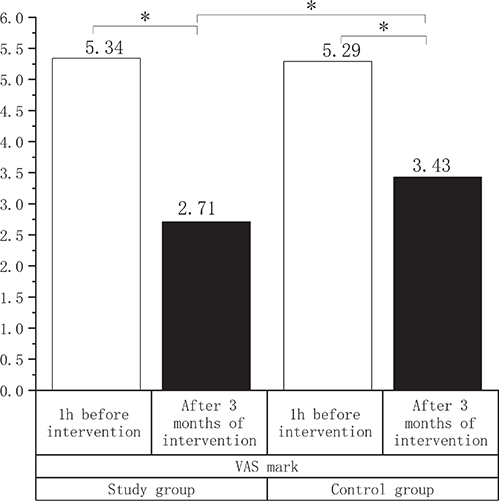
Fig. 1. Comparison of pruritus severity scores between the study and control groups (*p < 0.001).
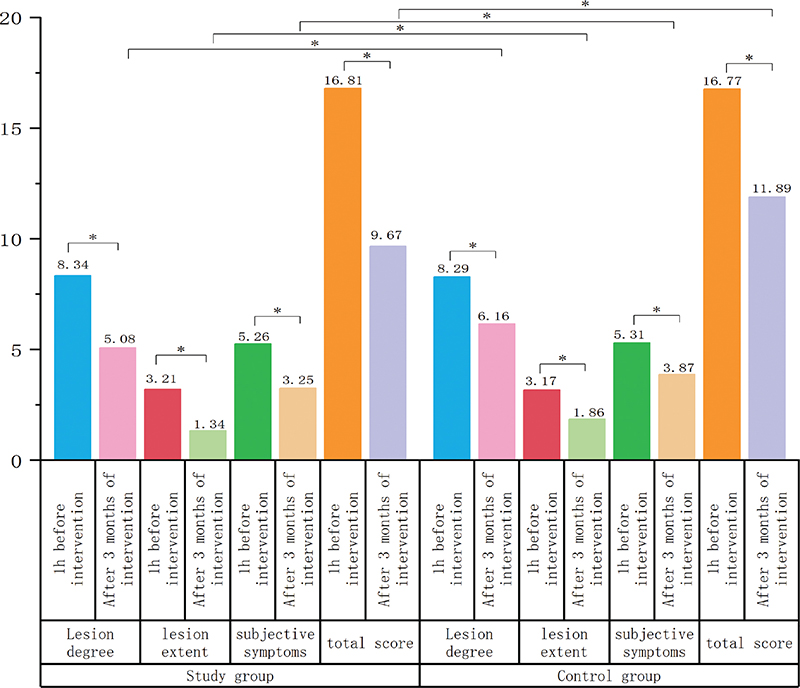
Fig. 2. Comparison of atopic dermatitis scores between the study and control groups (*p < 0.001).
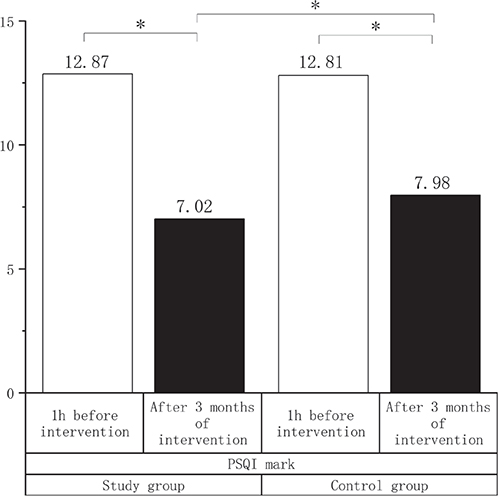
Fig. 3. Comparison of sleep quality between the study and control groups (*p < 0.001).
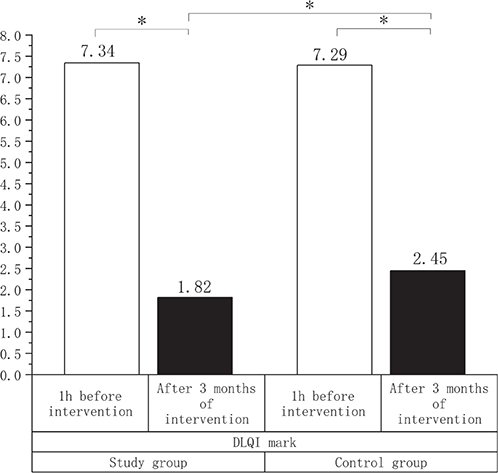
Fig. 4. Comparison of quality of life between the study and control groups (*p < 0.001).
DISCUSSION
Atopic dermatitis (AD) presents a significant burden due to its chronic nature, severe itching, and impact on quality of life, often leading to sleep disturbances and psychological distress (1, 15). The compromised skin barrier increases susceptibility to infections, underscoring the need for effective, long-term management strategies beyond standard medical treatment. Nursing interventions are crucial in this context.
Our study implemented a clustered nursing care model via an online platform, designed to offer personalized and comprehensive support for AD patients. This approach aimed to improve self-management, monitor skin conditions, and standardize care practices. Previous research has indicated that structured nursing interventions can alleviate AD symptoms and improve patient outcomes (16, 17). The focus of our intervention was particularly on reducing itching and sleep disturbances, which are highly prevalent and burdensome in AD. Among these, scratching, as a consequence of itching, can exacerbate the skin condition, and appropriate topical formulations should be selected to control symptoms as quickly as possible.
The results of this study show that, 3 months after the intervention, the itching severity score in the study group was lower than that in the control group (p < 0.05), suggesting that clustered nursing care via an online platform effectively reduces itching in patients with AD. This may be due to the fact that the clustered nursing care, implemented through the online platform, guided patients in managing their environment, avoiding allergens, and ensuring adequate nutritional intake based on general skin health principles (10), which in turn enhances immune function and improves the severity of itching.
Medela et al. (18) argued that the SCORAD (Scoring Atopic Dermatitis) score is an objective and rapid tool for assessing the severity of AD. Liu et al. (19) also found that effective nursing interventions could reduce SCORAD scores in AD patients. In this study, 3 months after the intervention, the study group showed significantly lower scores for lesion severity, lesion area, and subjective symptoms compared with the control group (p < 0.05). This suggests that clustered nursing care via the online platform can effectively reduce the severity of skin lesions, lesion area, and subjective symptom scores, as well as lower SCORAD scores, thereby alleviating the severity of the condition in patients with AD. This could be attributed to the fact that the online clustered care model provided skin care, such as the use of appropriate moisturizers to repair the skin barrier, reduce moisture loss, and alleviate symptoms of dryness and itching, thereby preventing exacerbation due to scratching. Environmental management, including temperature and humidity control, may have helped minimize the impact of environmental factors on the skin and reduced the frequency and severity of flare-ups. Additionally, health education for patients and their families may have helped them better understand the disease and the key aspects of daily care, improving adherence to treatment and care, ultimately controlling the progression of the disease more effectively.
Itching and other symptoms caused by AD can directly affect patients’ sleep, and, in severe cases, lead to sleep disorders, which in turn impact their quality of life (20). Rolinck-Werninghaus et al. (20) indicated that effective nursing interventions could reduce the severity of itching in AD patients and improve sleep quality. Wu (21) found that effective nursing interventions could significantly improve sleep conditions in AD patients. The results of this study show that, 3 months after the intervention, the sleep quality score (PSQI) in the study group was lower than that in the control group (p < 0.05), suggesting that clustered nursing care through an online platform can effectively reduce PSQI scores and improve sleep quality in AD patients. The observed improvement in sleep quality among the study group may be attributed to the multifaceted interventions delivered through the online clustered care model. First, patients were guided to engage in relaxation techniques, such as listening to calming music before bedtime, which has been shown to reduce pre-sleep anxiety and enhance physical and mental relaxation, thereby facilitating deeper sleep (22). Additionally, environmental modifications, such as maintaining a quiet sleep environment, were emphasized to create optimal conditions for uninterrupted rest (23). Furthermore, the structured itch management protocols implemented in this study likely contributed to reduced nocturnal scratching behaviours. By employing cold compresses, topical treatments, and patient education on avoiding triggers, the severity of pruritus was effectively controlled, minimizing sleep disruptions (17, 20). Concurrently, prompt lesion care – including wound cleansing and application of prescribed ointments – accelerated skin healing and alleviated pain, further reducing sleep disturbances (24). These combined strategies not only improved sleep continuity but also enhanced overall sleep quality, aligning with findings from prior studies demonstrating that integrated nursing interventions significantly benefit patients with chronic dermatological conditions affecting sleep (22, 23).
Kim and Choi (22) found that effective nursing interventions can significantly improve the quality of life in patients with AD. Barbarot et al. (25) also noted that effective nursing interventions could enhance the quality of life and alleviate the severity of the condition in AD patients. van Os-Medendorp et al. (24) suggested that nursing care guided by healthcare providers could effectively improve the quality of life in AD patients. Rolinck-Werninghaus et al. (20) further pointed out that effective nursing interventions could reduce itching and improve sleep quality in these patients. In this study, the results show that, 3 months after the intervention, the quality of life score (DLQI) in the study group was lower than that in the control group (p < 0.05), indicating that clustered nursing care through the online platform can effectively improve the quality of life in AD patients. This improvement may be due to the fact that clustered nursing care emphasizes evidence-based practices, where personalized skin care plans are developed based on the patient’s specific condition. These plans include proper skin cleansing methods, appropriate moisturizing measures, and timely management of skin issues, thus improving the effectiveness of skin care. Patients receive more comprehensive care, their condition is better controlled, and their comfort level increases, which ultimately leads to an improvement in their quality of life.
In conclusion, clustered nursing care delivered via an online platform effectively reduces itch severity, improves AD severity (including lesion severity, lesion area, and subjective symptoms, leading to lower SCORAD scores), and enhances both sleep quality (lower PSQI scores) and quality of life (lower DLQI scores) in adult patients with AD. This approach appears beneficial for overall disease management. However, this study has limitations, including a relatively small sample size from a single hospital, the absence of an a priori power calculation, and potential bias due to the self-administered nature of some aspects of the online care. Furthermore, the study did not conduct a formal analysis of the additional workload for healthcare workers or the costs associated with implementing and maintaining the online clustered care model, which are important considerations for broader feasibility and scalability. Additionally, while this study focused on adults, the potential benefits for paediatric populations warrant separate investigation. The specific components of the clustered care model contributing most to the observed effects also require further exploration. Future research should involve multi-centre, large-sample studies with centralized patient management and rigorous designs to further validate these findings.
ACKNOWLEDGEMENT
Funding: This study was supported by Hebei Medical Science Research Project (20230667).
The authors have no conflocts of interest to declare.
REFERENCES
- Schuler CF, Billi AC, Maverakis E, Tsoi LC, Gudjonsson JE. Novel insights into atopic dermatitis. J. Allergy Clin Immunol 2023; 151: 1145–1154. https://doi.org/10.1016/j.jaci.2022.10.023
- Ramírez-Marín HA, Silverberg JI. Differences between pediatric and adult atopic dermatitis. Pediatr Dermatol 2022; 39: 345–353. https://doi.org/10.1111/pde.14971
- Gatmaitan JG, Lee JH. Challenges and future trends in atopic dermatitis. Int J Mol Sci 2023; 24: 11380. https://doi.org/10.3390/ijms241411380
- Torres T, Ferreira EO, Gonçalo M, Mendes-Bastos P, Selores M, Filipe P. Update on atopic dermatitis. Acta Med Port 2019; 32: 606–613. https://doi.org/10.20344/amp.11963
- Napolitano M, Fabbrocini G, Martora F, Genco L, Noto M, Patruno C. Children atopic dermatitis: diagnosis, mimics, overlaps, and therapeutic implication. Dermatol Ther 2022; 35: e15901. https://doi.org/10.1111/dth.15901
- Clebak KT, Helm L, Uppal P, Davis CR, Helm MF. Atopic dermatitis. Primary Care 2023; 50: 191–203. https://doi.org/10.1016/j.pop.2022.12.004
- Kim J, Ahn K. Atopic dermatitis endotypes: knowledge for personalized medicine. Curr Opin Allergy Clin Immunol 2022; 22: 153–159. https://doi.org/10.1097/ACI.0000000000000820
- Lavallée JF, Gray TA, Dumville J, Russell W, Cullum N. The effects of care bundles on patient outcomes: a systematic review and meta-analysis. Implement Sci 2017; 12: 142. https://doi.org/10.1186/s13012-017-0670-0
- Nielsen GA, President V, Bradke P, Coleman E. Institute for Healthcare Improvement How-to Guide: Improving transitions from the hospital to post-acute care settings to reduce avoidable rehospitalizations, 2011, Boston, USA.
- Park K. Role of micronutrients in skin health and function. Biomol Ther (Seoul) 2015; 23: 207–217. https://doi.org/10.4062/biomolther.2015.003
- Shafshak TS, Elnemr R. The visual analogue scale versus numerical rating scale in measuring pain severity and predicting disability in low back pain. J Clin Rheumatol 2021; 27: 282–285. https://doi.org/10.1097/RHU.0000000000001320
- Hübenthal M, Dai C, Brown SJ, Heinrich L, Kind B, Harder I, et al. Mapping SCORing of Atopic Dermatitis (SCORAD) and objective SCORAD to the Eczema Area and Severity Index to facilitate large-scale meta-analyses of molecular data. Br J Dermatol 2024; 191: 637–639. https://doi.org/10.1093/bjd/ljae232
- Omachi TA. Measures of sleep in rheumatologic diseases: Epworth Sleepiness Scale (ESS), Functional Outcome of Sleep Questionnaire (FOSQ), Insomnia Severity Index (ISI), and Pittsburgh Sleep Quality Index (PSQI). Arthritis Care Res (Hoboken) 2011; 63 Suppl 11: S287–296. https://doi.org/10.1002/acr.20544
- de Ruiter CC, Rustemeyer T. Biologics can significantly improve Dermatology Life Quality Index (DLQI) in psoriatic patients: a systematic review. Psoriasis (Auckl) 2022; 12: 99–112. https://doi.org/10.2147/PTT.S356568
- Chen Y, Peng C, Zhu L, Wang J, Cao Q, Chen X, et al. Atopic dermatitis and psoriasis: similarities and differences in metabolism and microbiome. Clin Rev Allergy Immunol 2024; 66: 294–315. https://doi.org/10.1007/s12016-024-08995-3
- Yu ZQ, Zong XN, Guo YX. The impact of a family-centered health education model on symptoms and quality of life in children with atopic dermatitis. Gen Pract Nurs 2022; 20: 2014–2016.
- Zhang X, Wang X, Zhao X, Zhang Y. A structured skin care protocol for preventing and treating incontinence-associated dermatitis in critically ill patients. Adv Skin Wound Care 2022; 35: 335–342. https://doi.org/10.1097/01.ASW.0000828972.70137.8a
- Medela A, Mac Carthy T, Aguilar Robles SA, Chiesa-Estomba CM, Grimalt R. Automatic SCOring of Atopic Dermatitis using deep learning: a pilot study. JID Innov 2022; 2: 100107. https://doi.org/10.1016/j.xjidi.2022.100107
- Liu HY, Fang BQ, Li XH. The impact of positive empathy feedback combined with behavioral intervention on children with atopic dermatitis. Chinese and Foreign Med Res 2022; 20: 108–111.
- Rolinck-Werninghaus C, Trentmann M, Reich A, Lehmann C, Staab D. Improved management of childhood atopic dermatitis after individually tailored nurse consultations: a pilot study. Pediatr Allergy Immunol 2015; 26: 805–810. https://doi.org/10.1111/pai.12338
- Wu SM. The impact of targeted nursing based on atopic dermatitis scores on infants with atopic dermatitis. Gen Pract Nurs 2022; 20: 2962–2965.
- Kim B, Choi S. Nursing interventions for children with atopic dermatitis and their families: a scoping review. MCN American J Matern Child Nurs 2023; 48: 312–319. https://doi.org/10.1097/NMC.0000000000000959
- Barbarot S, Aubert H. Effectiveness of a nurse-led one-to-one education programme in addition to standard care in children with atopic dermatitis: a multicentre randomized control trial. Br J Dermatol 2024; 191: 177–186. https://doi.org/10.1093/bjd/ljae111
- van Os-Medendorp H, Deprez E, Maes N, Ryan S, Jackson K, Winders T, et al. The role of the nurse in the care and management of patients with atopic dermatitis. BMC Nurs 2020; 19: 102. https://doi.org/10.1186/s12912-020-00494-y
- Barbarot S, Aubert H, Vibet MA, Leray M, Foureau A, Elan F, et al. Effectiveness of a nurse-led one-to-one education programme in addition to standard care in children with atopic dermatitis: a multicentre randomized control trial. Br J Dermatol 2024; 191: 177–186. https://doi.org/10.1093/bjd/ljae111