REVIEW ARTICLE
Systemic Comorbidities in Central Centrifugal Cicatricial Alopecia: A Systematic Review and Meta-analysis
Juan Luis SANZ-CABANILLAS1,2† , Francisco José GÓMEZ-GARCÍA1,2†, Benjamin UNGAR3, Elena Beatriz SANZ-CABANILLAS2, Jesús GAY-MIMBRERA1, Beatriz ISLA-TEJERA1,4, Antonio José VÉLEZ GARCÍA-NIETO1,2, Emma GUTTMAN-YASSKY3 and Juan RUANO1,2*†
1Inflammatory Immune-Mediated Chronic Skin Diseases Laboratory, IMIBIC/University of Córdoba, 14004 Córdoba, Spain, 2Department of Dermatology, Reina Sofía University Hospital, 14004 Córdoba, Spain, 3Department of Dermatology, Icahn School of Medicine at Mount Sinai, New York, NY, United States, and 4Department of Pharmacy, Reina Sofía University Hospital, 14004 Córdoba, Spain
†These authors contributed equally to this work.
Corr: Juan Ruano, Inflammatory Immune-Mediated Chronic Skin Diseases Laboratory, IMIBIC Department of Dermatology, Reina Sofía University Hospital, Menendez Pidal Ave., 14004 Córdoba, Spain. *Email: juanruanoruiz@mac.com
Key words: Central centrifugal cicatricial alopecia; Scarring alopecia; Comorbidity; Cardiometabolic diseases; Gynecologic conditions; Systematic Review.
Citation: Acta Derm Venereol 2026; 106: adv-2026-0456. DOI: https://doi.org/10.2340/actadv.v106.adv-2026-0456.
Copyright: 2026 ©Author(s). Published by MJS Publishing, on behalf of the Society for Publication of Acta Dermato-Venereologica. This is an Open Access article distributed under the terms of the Creative Commons Attribution-NonCommercial 4.0 International License (https://creativecommons.org/licenses/by-nc/4.0/).
Submitted: Mar 2, 2026. Accepted after revision: Jul 7, 2026.
Published: Aug 4, 2026.
Competing interests and funding: The authors have no conflicts of interest to declare.
CRD420250656067
All data analysed in this study are derived from previously published studies and are available within the cited articles and their supplementary materials. Extracted datasets and analytical code are available from the corresponding author upon reasonable request. No new individual-level data were generated.
Not required. This study used only previously published aggregate data; therefore, ethical approval was not required.
This study is a systematic review and meta-analysis based exclusively on previously published aggregate data. No new studies involving human participants or animals were performed. Therefore, ethical approval and informed consent were not required. The study protocol was prospectively registered in PROSPERO (CRD420250656067).
Central centrifugal cicatricial alopecia (CCCA) is the most common scarring alopecia among women of African descent and has been increasingly associated with systemic comorbidities, particularly cardiometabolic and fibroproliferative conditions. We conducted a PRISMA 2020–compliant systematic review and random-effects meta-analysis, prospectively registered in PROSPERO (CRD420250656067), to quantify pooled prevalence estimates and case–control associations for comorbidities in CCCA. MEDLINE and Embase were searched through 18 June 2025 for observational studies reporting comorbidities in CCCA. Twenty-three studies, comprising 9,103 patients with CCCA, were eligible. Hypertension (51.9%, 95% CI 33.8–69.6), dyslipidemia (58.4%, 95% CI 29.0–82.8), obesity (37.1%, 95% CI 10.8–74.2) and uterine leiomyomas (28.0%, 95% CI 8.0–64.0) were frequently reported, with substantial heterogeneity across studies. In case–control analyses, CCCA was significantly associated with dyslipidaemia (OR 4.46, 95% CI 1.09–18.25), uterine leiomyomas (OR 2.25, 95% CI 1.10–4.58) and anxiety disorders (OR 3.27, 95% CI 1.22–8.79), whereas hypertension, obesity and thyroid disease were not consistently associated. Most included studies were retrospective and predominantly U.S.-based, contributing to methodological heterogeneity. These findings suggest that CCCA may be accompanied by a substantial burden of medically recorded systemic comorbidities and support holistic, individualized clinical assessment.
SIGNIFICANCE
Central centrifugal cicatricial alopecia is often viewed as a scalp-limited disorder causing permanent hair loss, mainly in women of African descent. This study shows that many affected patients also have other health conditions, particularly high blood pressure, diabetes, abnormal blood lipids, uterine fibroids and anxiety. Some of these conditions appear more common than in people without CCCA. Recognizing these links may help clinicians look beyond the scalp and identify important health risks earlier. A broader, more holistic approach to patient care could therefore improve overall health outcomes in this population.
INTRODUCTION
Central centrifugal cicatricial alopecia (CCCA) is a primary lymphocytic cicatricial alopecia and the most common cause of permanent hair loss among women of African descent (1, 2, 3). Although historically described in middle-aged women, CCCA may present at younger ages and is frequently underdiagnosed in its early stages, when irreversible follicular damage may already be established (4, 5). Clinically, it is characterized by progressive centrifugal hair loss originating at the vertex, often accompanied by inflammatory symptoms such as pruritus or scalp tenderness (6).
Pathogenetically, CCCA shares features with other primary lymphocytic cicatricial alopecias, including immune-mediated damage to the hair follicle bulge region and subsequent fibroproliferative remodeling (7, 8). Earlier models emphasized the role of traumatic hair practices (9), but accumulating evidence supports a multifactorial process involving genetic susceptibility, immune dysregulation and aberrant fibrotic pathways (10, 11, 12, 13, 14, 15, 16). Recent molecular studies further suggest that CCCA may display a distinct profile characterized by altered lipid metabolism and mitochondrial stress responses (17, 18, 19, 20, 21). These findings reinforce the concept that CCCA is not solely a localized scarring disorder but may reflect broader biological perturbations.
In parallel, observational studies have increasingly reported associations between CCCA and systemic comorbidities, particularly cardiometabolic conditions, uterine leiomyomas and psychiatric disorders. Such findings raise the possibility that CCCA extends beyond the scalp and may be linked to systemic health factors. However, current evidence remains fragmented, largely retrospective and methodologically heterogeneous, with variable definitions of comorbidities and inconsistent reporting of effect estimates. As a result, the true prevalence and magnitude of these associations remain uncertain.
A quantitative synthesis of available data is therefore needed to clarify the systemic comorbidity profile of CCCA. The aim of this systematic review and meta-analysis was to estimate pooled prevalence rates of reported comorbidities in patients with CCCA and to quantify the strength of association between CCCA and selected conditions using case–control data. By providing a comprehensive evaluation of the available evidence, this study seeks to inform clinical assessment strategies and guide future research into the systemic implications of CCCA.
MATERIALS AND METHODS
Study design and protocol registration
This systematic review and meta-analysis was conducted in accordance with the PRISMA 2020 statement and Joanna Briggs Institute (JBI) methodological guidance for systematic reviews of observational studies. The protocol was prospectively registered in PROSPERO (CRD420250656067). Study objectives, eligibility criteria and analytical methods were predefined a priori. The completed PRISMA 2020 checklist is provided as Supplementary Material (Table S10).
Eligibility criteria
We included observational studies (case–control, cross-sectional, cohort studies and case series) evaluating the prevalence of, or associations between, central centrifugal cicatricial alopecia (CCCA) and at least one comorbidity. Case–control studies, together with cross-sectional studies and case series reporting descriptive prevalence data, were eligible for prevalence analyses. For association analyses, studies had to include a control group with extractable data or reported odds ratios (ORs) with confidence intervals. Studies were required to include patients with a clinical, trichoscopic and/or histopathological diagnosis of CCCA. There were no restrictions regarding age, sex, ethnicity, or geographic location. Original reports published as full-text articles, research letters, brief reports or conference abstracts were eligible when they reported original data, clearly defined CCCA cases and extractable numerical comorbidity data. Exclusion criteria included studies focusing on nonscarring alopecias or scarring alopecias without separately reported CCCA data; studies with insufficient data to estimate prevalence or associations; case reports, narrative reviews, systematic reviews; and studies with overlapping populations, in which case the most comprehensive dataset was retained.
Information sources and study selection
MEDLINE (PubMed) and Embase were searched from inception to 18 June 2025 without language restrictions. Additional studies were identified through reference screening. Full search strategies are detailed in Table S1. Two reviewers independently screened titles, abstracts and full texts. Disagreements were resolved by consensus.
Data extraction and quality assessment
Data extracted included study design, country, diagnostic criteria, sample size, comorbidity definitions and effect estimates. Adjusted ORs were preferentially extracted; when unavailable, ORs were calculated from raw 2×2 data. Methodological quality was assessed using the JBI Critical Appraisal Checklists for prevalence and case–control studies. Studies were not excluded solely on the basis of quality score.
Outcomes
Primary outcomes were pooled prevalence estimates of comorbidities in CCCA and pooled ORs comparing comorbidity frequency in CCCA vs controls. Only comorbidities reported by at least two independent studies were meta-analyzed.
Statistical analysis
Random-effects meta-analyses were conducted for prevalence and association outcomes. Prevalence estimates were logit-transformed to stabilize variances. ORs were analysed on the logarithmic scale. Between-study heterogeneity was quantified using the I² statistic, and between-study variance (τ²) was estimated using restricted maximum likelihood (REML).
Analyses were performed using R (version 4.4.3) with the metafor and meta packages. Forest plots and visualizations were generated using meta, metafor and ggplot2. Statistical procedures followed previously established meta-analytic methodology.
RESULTS
Study selection and characteristics
The literature search identified 5,295 records through database searches and 9 through citation tracking. After removal of duplicates and screening, 23 observational studies published between 2010 and 2025 met the inclusion criteria (Figs S1, S2). These studies were included in both qualitative synthesis and quantitative meta-analyses (Table S2). Excluded studies and reasons for exclusion are referenced in Supplementary Material (Table S3).
Most studies were retrospective, predominantly case–control in design, while cross-sectional studies and case series contributed mainly to prevalence analyses. The studies included 9,103 patients with CCCA and 735,941 controls. The evidence base was geographically concentrated in the United States (22/23 studies), reflecting both disease burden and the availability of large electronic health record (EHR) datasets (Fig. S3). Sample sizes varied widely, from small single-centre clinic cohorts to large multi-institutional databases, introducing substantial variability in study power and precision. Characteristics of included studies are provided in Supplementary Material (Table S4).
Comorbidity assessment most frequently focused on cardiometabolic conditions, followed by gynaecologic, endocrine, autoimmune and inflammatory disorders. Considerable heterogeneity was observed in comorbidity definitions, ascertainment methods and matching strategies (Tables S5, S6 and Fig. S4).
Methodological quality of included studies
Methodological quality, assessed using the Joanna Briggs Institute (JBI) Critical Appraisal Checklists, was overall moderate (Table S7). Case–control studies generally applied clear case definitions and comparator groups and adjusted for key confounders such as age and sex, although adjustment for race/ethnicity was inconsistently reported. Prevalence studies frequently lacked detailed sampling descriptions and standardized comorbidity definitions. No study was excluded based on quality assessment.
Prevalence of comorbidities
Hypertension was the most frequently reported outcome (k=9), with a pooled prevalence of 51.9% (95% CI 33.8–69.6), accompanied by substantial heterogeneity (I²=93.9%) (Fig. 1; Table I). This high prevalence suggests that more than half of patients with CCCA in the analysed cohorts carried a diagnosis of hypertension. Diabetes mellitus, dyslipidaemia and obesity also demonstrated moderate to high pooled prevalence estimates, although confidence intervals were wide and heterogeneity remained considerable, reflecting differences in study populations and ascertainment methods (Table S8).

Fig. 1. Prevalence of selected comorbidities in patients with central centrifugal cicatricial alopecia (CCCA).
Forest plots showing pooled prevalence estimates and 95% confidence intervals (CIs) for selected cardiometabolic, endocrine and gynaecologic comorbidities reported in at least 2 independent studies of patients with central centrifugal cicatricial alopecia (CCCA). Pooled estimates were calculated using random-effects meta-analyses with logit transformation and restricted maximum likelihood (REML) estimation to account for between-study heterogeneity. Squares represent study-specific prevalence estimates, with square size proportional to study weight; horizontal lines indicate 95% CIs; diamonds denote pooled prevalence estimates.
Abbreviations: CCCA, central centrifugal cicatricial alopecia; CI, confidence interval.
Table I. Pooled prevalence of selected comorbidities in patients with central centrifugal cicatricial alopecia (CCCA)
Thyroid disease showed a prevalence of 5% (95% CI 1.0–18.0) across 5 studies, again with substantial between-study heterogeneity (I²=96.8%). Uterine leiomyomas (k=6) demonstrated a notable pooled prevalence among women with CCCA (Fig. 1; Table I), although estimates varied considerably across studies and reflected clinically recognized or recorded leiomyomas rather than systematic gynaecologic screening.
Autoimmune diseases, including systemic lupus erythematosus and vitiligo, were less frequently reported and showed lower pooled prevalence estimates. Estimates were generally imprecise and accompanied by substantial heterogeneity, limiting firm conclusions regarding their overall burden in CCCA (Table S8).
Anxiety and vitamin D deficiency demonstrated moderate pooled prevalence estimates (Table S8), although heterogeneity was high. Other psychiatric and nutritional conditions were supported by too few studies for reliable quantitative synthesis.
Heterogeneity and sensitivity analyses
Between-study heterogeneity was substantial across most prevalence outcomes, consistent with variability in study design, case definitions and population characteristics. Prespecified sensitivity analyses excluding smaller studies did not materially alter the direction of pooled estimates. Formal leave-one-out analyses were frequently not computable due to model nonconvergence after study omission; therefore, robustness was assessed qualitatively. Outcomes reported in 5 or more studies – including hypertension, thyroid disease, seborrheic dermatitis and uterine leiomyomas – were considered qualitatively stable. Outcomes supported by fewer studies were interpreted cautiously.
Association between CCCA and comorbidities
Hypertension showed a nonsignificant but directionally positive association with CCCA (OR 1.54, 95% CI 0.88–2.69; k=6), with substantial heterogeneity (I²=90.1%). Dyslipidaemia was associated in pooled analysis with CCCA (OR 4.46, 95% CI 1.09–18.25; k=3), although heterogeneity was very high and confidence intervals were wide (Table II). In contrast, obesity (OR 0.98, 95% CI 0.77–1.26; k=3) and thyroid disease (OR 1.12, 95% CI 0.75–1.67; k=3) showed no evidence of association (Fig. 2) .
Table II. Summary of association meta-analyses between central centrifugal cicatricial alopecia (CCCA) and selected comorbidities
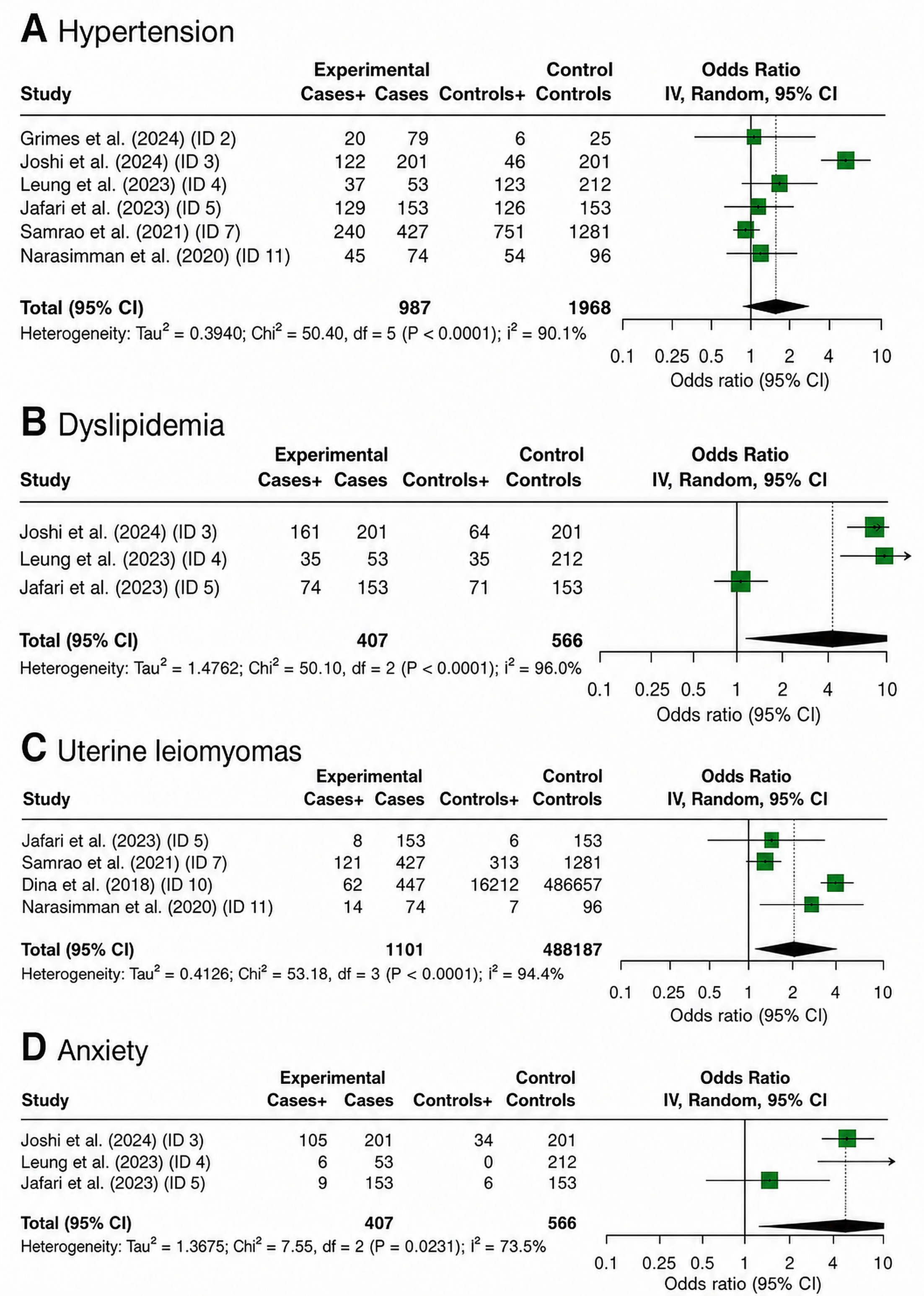
Fig. 2. Association between selected comorbidities and central centrifugal cicatricial alopecia (CCCA).
Forest plots showing pooled odds ratios (ORs) and 95% confidence intervals (CIs) for selected comorbidities in patients with central centrifugal cicatricial alopecia (CCCA) compared with control populations. Associations were estimated using random-effects meta-analyses on the logarithmic scale with restricted maximum likelihood (REML) estimation.
Panel A shows the association with hypertension; Panel B with dyslipidemia; Panel C with uterine leiomyomas; and Panel D with anxiety. Squares represent study-specific ORs, with square size proportional to study weight; horizontal lines indicate 95% CIs; diamonds denote pooled effect estimates. Between-study heterogeneity was assessed using the I² statistic and Cochran Q test and is reported within each panel.
Abbreviations: CCCA, central centrifugal cicatricial alopecia; OR, odds ratio; CI, confidence interval; I², proportion of total variability due to between-study heterogeneity.
CCCA was associated in pooled analysis with uterine leiomyomas (OR 2.25, 95% CI 1.10–4.58; k=4), but heterogeneity was substantial and methods of leiomyoma ascertainment were not standardized. Hirsutism showed a nonsignificant trend toward increased odds, but estimates were imprecise. Anxiety disorders were significantly associated with CCCA (OR 3.27, 95% CI 1.22–8.79; k=3), whereas depression alone was not significantly associated. Systemic lupus erythematosus showed a modest, nonsignificant association (OR 1.53, 95% CI 0.90–2.58; k=4).
Bacterial infections showed a borderline, nonsignificant association with CCCA (I²=0%). Fungal infections demonstrated no association. These outcomes were supported by only 2 studies each. Allergic rhinitis demonstrated a highly uncertain positive signal, with wide confidence intervals reflecting limited study count and small sample sizes. Asthma showed a similar direction of effect but did not reach statistical significance.
No significant associations were observed for carcinomas, Sjögren syndrome, type 1 diabetes mellitus, vitiligo, type 2 diabetes mellitus, seborrheic dermatitis, acne or atopic dermatitis. Most of these analyses were limited by sparse data (Table S9).
Robustness assessment
Given the limited number of contributing studies for most outcomes, robustness was assessed qualitatively by integrating effect magnitude, confidence interval width, heterogeneity and study count. Associations with uterine leiomyomas, dyslipidaemia and anxiety were considered suggestive but limited by high heterogeneity and variable ascertainment. Most other associations were classified as inconclusive.
DISCUSSION
This systematic review and meta-analysis provides a quantitative synthesis of reported comorbidities in patients with CCCA. By integrating prevalence estimates with case–control data, our findings suggest that medically recognized CCCA is frequently accompanied by systemic comorbidities.
Across studies, CCCA was accompanied by a substantial burden of cardiometabolic, gynaecologic, endocrine and psychiatric comorbidities. Prior individual observational studies have described metabolic, endocrine, oncologic and vitamin D–related conditions in CCCA cohorts (22, 23, 24, 25, 26, 27, 28), and our pooled analyses now quantify these observations. High prevalence rates of hypertension, dyslipidaemia, obesity, diabetes mellitus and uterine leiomyomas were observed.
Association meta-analyses helped distinguish between common background conditions and those that may be overrepresented in CCCA. Dyslipidaemia, uterine leiomyomas and anxiety-related disorders were associated with CCCA in pooled analyses, whereas associations with hypertension, diabetes, obesity, thyroid disease and several inflammatory dermatoses showed less consistent associations.
The relationship between CCCA and dyslipidaemia is biologically plausible and clinically relevant, although the current evidence remains inconclusive. In the study by Leung et al. (22), hyperlipidaemia was more prevalent among patients with CCCA (66% vs 17%). Jafari et al. (29) compared patients with CCCA against controls with nonscarring alopecia and found no significant differences (48.4% vs 46.4%). In contrast, Joshi et al. (30), using the All of Us database, reported a positive association, with hyperlipidaemia present in 80.1% of patients with CCCA vs 31.8% of controls (OR 8.62).
Molecular studies provide support for a potential link between CCCA and lipid dysregulation. Aguh et al. (16) reported decreased expression of genes involved in lipid metabolism, cholesterol homeostasis, apolipoprotein function, lipase activity and metabolic signaling. Gadre et al. (19) also identified alterations in proteins implicated in metabolic processes, steroid biosynthesis, fatty acid metabolism and PPAR and AMPK signaling. PPAR regulates glucose and lipid metabolism in adipose tissue, sebaceous glands and keratinocytes; therefore, its dysregulation could promote proinflammatory lipid accumulation, immune-cell recruitment and fibrosis (31). Nevertheless, CCCA may primarily involve localized lipid dysregulation within the hair follicle and pilosebaceous unit, which would not necessarily manifest as measurable systemic hyperlipidaemia.
The association between CCCA and leiomyomas should be interpreted with caution. In Dina et al. (32), among 487,104 Black women, leiomyomas were reported in 13.9% of patients with CCCA compared with 3.3% of women without CCCA (OR 4.68). However, the lack of significant differences in myomectomy rates or in age-stratified analyses suggests that this association may not reflect a more severe disease. Samrao et al. (33) found no increased frequency of leiomyomas or other fibroproliferative disorders among patients with CCCA compared with controls (28.3% vs 24.4%). Jafari et al. (29), compared patients with CCCA and controls with nonscarring alopecia and observed a higher frequency of hormone-related diagnoses in the CCCA group (11.1% vs 4.6%), although this difference was not statistically significant. Narasimman et al. (34) reported a significant association between CCCA and prior pregnancy; however, although leiomyomas were more frequent among patients with CCCA than among controls (18.9% vs 7.3%), this difference also did not reach statistical significance. The authors suggested that the association with prior pregnancy may point to a hormonal contribution, noting that leiomyomas depend on oestrogen-progesterone signalling and CCCA predominantly affects women.
Differences in disease ascertainment may partly explain the heterogeneity across studies. Dina et al. relied on medical records from a large hospital system, capturing documented diagnoses or histories of leiomyoma and myomectomy; Samrao et al. used ICD codes and chart reviews; and Jafari et al. and Narasimman et al. performed chart reviews. These methodological differences are relevant because leiomyomas are highly prevalent, particularly among Black women. With ultrasound-based screening, the cumulative incidence by age 50 reaches 80% in Black women (35), and 45% of premenopausal Black women report a personal history of leiomyomas, a proportion higher than the 28% observed in our analysis. Accordingly, studies relying solely on clinical documentation may underestimate asymptomatic or previously undiagnosed leiomyomas.
At the molecular level, lesional scalp tissue from patients with CCCA has shown increased expression of genes involved in fibroproliferative pathways, including PDGF, COL I, COL III, MMP1, MMP2, MMP7 and MMP9, supporting a role for extracellular matrix remodelling and persistent fibrosis in CCCA (16). However, more recent data argue against a direct causal link between leiomyomas and CCCA. Among patients with CCCA with and without a history of leiomyomas, only 8 genes were differentially expressed, and none of the previously implicated fibroproliferative genes were among the overexpressed transcripts (36).
The available evidence suggests a possible trend toward a higher frequency of leiomyomas among patients with CCCA. However, this observation may reflect shared fibroproliferative susceptibility, hormonal influences, high baseline prevalence, genetic predisposition, selection bias or a combination of these factors. Whether CCCA and leiomyomas share a common pathogenic pathway remains unresolved. Clinically, it may be reasonable to ask patients with CCCA about symptoms suggestive of leiomyomas, including heavy menstrual bleeding, pelvic pain, fatigue, infertility and prior myomectomy or hysterectomy, with referral to gynaecology when appropriate.
Current evidence suggests that CCCA may be associated with psychological burden, particularly anxiety-related and depressive symptoms; however, the magnitude of this association appears to vary according to study design, comparator group and method of outcome assessment (22, 29, 30, 37). Causality and temporality remain unclear, and reported associations may be shaped by irreversible hair loss, healthcare utilization, undercoding and barriers to care. Clinically, it may be reasonable to ask patients with CCCA about psychological symptoms, particularly anxiety and depressive symptoms, with referral for psychosocial or mental health support when clinically indicated.
The clinical implications are particularly important given that CCCA disproportionately affects Black women – a population with well-documented higher baseline prevalence of cardiometabolic risk factors and structural barriers to healthcare access (38). While causality cannot be established from observational data, our findings support a holistic and individualized clinical assessment. Dermatologists may consider documenting cardiometabolic risk factors, reviewing relevant gynaecologic history and asking about psychological symptoms, with coordination or referral to primary care physicians, gynaecologists, endocrinologists, cardiologists or mental health professionals when clinically indicated. Future prospective studies should evaluate whether optimization of lifestyle factors, metabolic control and cardiovascular risk management can influence disease trajectory, symptom burden or therapeutic response in CCCA.
Limitations
Several limitations merit consideration. Healthcare-contact bias may have influenced estimates in either direction. Patients with systemic comorbidities may have more frequent healthcare encounters, increasing the likelihood that both CCCA and comorbidities are diagnosed and recorded. Conversely, several comparator groups were also medically ascertained, including patients with nonscarring alopecia or other cicatricial alopecias. Such controls may themselves have increased healthcare utilization or comorbidity burden, potentially attenuating between-group differences and leading to underestimation of some associations. Most included studies were retrospective and observational, often based on electronic health record data, with variable comorbidity definitions and substantial heterogeneity. Matching and adjustment strategies differed across case–control studies, and not all accounted explicitly for race or ethnicity, potentially influencing association estimates. Additionally, several outcomes were supported by a limited number of studies, and most cohorts were U.S.-based, limiting generalizability.
Conclusions
In conclusion, medically recognized CCCA is accompanied by frequently reported systemic comorbidities, with recurrent signals in cardiometabolic, gynaecologic and psychiatric domains. These findings support a broader clinical perspective on CCCA but do not establish causality. Prospective, multicentre studies with standardized diagnostic criteria, systematic comorbidity assessment and appropriate adjustment for healthcare utilization and demographic factors are needed to clarify whether these associations reflect shared pathogenic pathways, background population risk or patterns of medical ascertainment.
ACKNOWLEDGEMENTS
This work was supported by the Instituto de Salud Carlos III (ISCIII), Spain, under grant PI23/01590 (awarded to J.R.), co-financed by the European Union. The funding bodies had no role in the design of the study, data collection, analysis, interpretation, or preparation of the manuscript.
This article forms part of the PhD thesis of Juan Luis Sanz-Cabanillas within the Official Doctoral Programme in Biomedicine at the University of Córdoba, Spain.
We thank the authors of the primary studies included in this systematic review for their contributions to the field.
REFERENCES
- Olsen EA, Bergfeld WF, Cotsarelis G, Price VH, Shapiro J, Sinclair R, et al. Summary of North American Hair Research Society (NAHRS)-sponsored workshop on cicatricial alopecia, Duke University Medical Center, February 10 and 11, 2001. J Am Acad Dermatol 2003; 48: 103–110. https://doi.org/10.1067/mjd.2003.68
- Ogunleye TA, McMichael A, Olsen EA. Central centrifugal cicatricial alopecia: what has been achieved, current clues for future research. Dermatol Clin 2014; 32: 173–181. https://doi.org/10.1016/j.det.2013.12.005
- Gathers RC, Lim HW. Central centrifugal cicatricial alopecia: past, present, and future. J Am Acad Dermatol 2009; 60: 660–668. https://doi.org/10.1016/j.jaad.2008.09.066
- Harries MJ, Trueb RM, Tosti A, Messenger AG, Chaudhry I, Whiting DA, et al. How not to get scar(r)ed: pointers to the correct diagnosis in patients with suspected primary cicatricial alopecia. Br J Dermatol 2009; 160: 482–501. https://doi.org/10.1111/j.1365-2133.2008.09008.x
- Jackson TK, Sow Y, Ayoade KO, Seykora JT, Taylor SC, Ogunleye T. Central centrifugal cicatricial alopecia in males. J Am Acad Dermatol 2023; 89: 1136–1140. https://doi.org/10.1016/j.jaad.2023.07.1011
- Olsen EA, Callender V, McMichael A, Sperling L, Anstrom KJ, Shapiro J, et al. Central hair loss in African American women: incidence and potential risk factors. J Am Acad Dermatol 2011; 64: 245–252. https://doi.org/10.1016/j.jaad.2009.11.693
- Mobini N, Tam S, Kamino H. Possible role of the bulge region in the pathogenesis of inflammatory scarring alopecia: lichen planopilaris as the prototype. J Cutan Pathol 2005; 32: 675–679. https://doi.org/10.1111/j.0303-6987.2005.00399.x
- Cotsarelis G. Epithelial stem cells: a folliculocentric view. J Invest Dermatol 2006; 126: 1459–1468. https://doi.org/10.1038/sj.jid.5700376
- Onamusi T, Larrondo J, McMichael AJ. Clinical factors and hair care practices influencing outcomes in central centrifugal cicatricial alopecia. Arch Dermatol Res 2023; 315: 2375–2381. https://doi.org/10.1007/s00403-023-02630-5
- Dlova NC, Jordaan FH, Sarig O, Sprecher E. Autosomal dominant inheritance of central centrifugal cicatricial alopecia in black South Africans. J Am Acad Dermatol 2014; 70: 679–682. https://doi.org/10.1016/j.jaad.2013.11.035
- Malki L, Sarig O, Romano MT, Méchin MC, Peled A, Pavlovsky M, et al. Variant PADI3 in central centrifugal cicatricial alopecia. N Engl J Med 2019; 380: 833–841. https://doi.org/10.1056/NEJMoa1816614
- Keller-Rosenthal N, Sarig O, Giladi M, Malovitski K, Rubinstein R, Haitin Y, et al. Pathogenic variants affecting peptidyl arginine deiminase 3 and its major substrates underlie central centrifugal cicatricial alopecia. J Invest Dermatol 2026; 146: 1596–1604. https://doi.org/10.1016/j.jid.2025.10.609
- Smith SDB, Woddor N, Cassarino DS, Chen W, Clemetson N, Nava VE. Central centrifugal cicatricial alopecia associated with PDL1 loss and increased expression of caspase 3: a case series. Am J Dermatopathol 2023; 45: 418–422. https://doi.org/10.1097/DAD.0000000000002428
- Gadre A, Dyson T, Lai J, Aguh C. Increased IL-1β in stratum corneum as a marker of inflammation among central centrifugal cicatricial alopecia patients with pruritus: an observational study. JAAD Int 2023; 13: 195–197. https://doi.org/10.1016/j.jdin.2023.09.005
- Roche FC, Hedberg ML, Fischer AS, Ray A, Dentchev T, Rice X, et al. Activation of STAT3 in lymphocytes associated with central centrifugal cicatricial alopecia. J Am Acad Dermatol 2023; 89: 1245–1246. https://doi.org/10.1016/j.jaad.2023.01.045
- Aguh C, Dina Y, Talbot CC Jr, Garza L. Fibroproliferative genes are preferentially expressed in central centrifugal cicatricial alopecia. J Am Acad Dermatol 2018; 79: 904–912. https://doi.org/10.1016/j.jaad.2018.05.1257
- Rivera-Ruiz I, Ungar B, Dávila-Flores V, Gay-Mimbrera J, Gómez-Arias PJ, Juan-Cencerrado M, et al. Unravelling the transcriptomic landscape of primary lymphocytic scarring alopecias: systematic review and meta-analysis. Front Immunol 2025; 16: 1651019. https://doi.org/10.3389/fimmu.2025.1651019
- Sundberg JP, Taylor D, Lorch G, Miller J, Silva KA, Sundberg BA, et al. Primary follicular dystrophy with scarring dermatitis in C57BL/6 mouse substrains resembles central centrifugal cicatricial alopecia in humans. Vet Pathol 2011; 48: 513–524. https://doi.org/10.1177/0300985810379431
- Gadre A, Dyson T, Jedrych J, Anhalt G, Byrd AS, Aguh C. Proteomic profiling of central centrifugal cicatricial alopecia reveals role of humoral immune response pathway and metabolic dysregulation. JID Innov 2024; 4: 100263. https://doi.org/10.1016/j.xjidi.2024.100263
- Roche FC, Fischer AS, Williams D, Ogunleye T, Seykora JT, Taylor SC. Central centrifugal cicatricial alopecia: histologic progression correlates with advancing age. J Am Acad Dermatol 2022; 86: 178–179. https://doi.org/10.1016/j.jaad.2021.01.028
- Subash J, Alexander T, Beamer V, McMichael A. A proposed mechanism for central centrifugal cicatricial alopecia. Exp Dermatol 2020; 29: 190–195. https://doi.org/10.1111/exd.13664
- Leung B, Lindley L, Reisch J, Glass DA II, Ayoade K. Comorbidities in patients with central centrifugal cicatricial alopecia: a retrospective chart review of 53 patients. J Am Acad Dermatol 2023; 88: 461–463. https://doi.org/10.1016/j.jaad.2022.06.013
- Roche FC, Harris J, Ogunleye T, Taylor SC. Association of type 2 diabetes with central centrifugal cicatricial alopecia: A follow-up study. J Am Acad Dermatol 2022; 86: 661–662. https://doi.org/10.1016/j.jaad.2021.02.036
- Brown-Korsah JB, Roche FC, Taylor SC. Association of breast and colorectal cancer in patients with central centrifugal cicatricial alopecia: a retrospective, cross-sectional pilot study. J Am Acad Dermatol 2021; 84: 859–860. https://doi.org/10.1016/j.jaad.2020.10.044
- Collins MS, Ali S, Wiss IP, Senna MM. Increased risk of vitamin D deficiency and insufficiency in Black patients with central centrifugal cicatricial alopecia. J Am Acad Dermatol 2022; 87: 689–691. https://doi.org/10.1016/j.jaad.2022.02.018
- Hagigeorges D, Manatis-Lornell A, Marks DH, Okhovat JP, Senna MM. Patients with central centrifugal cicatricial alopecia: identifying gynecologic comorbidities. J Am Acad Dermatol 2019; 81: AB101. https://doi.org/10.1016/j.jaad.2019.06.389
- Ayandibu G, Bergfeld W. Retrospective cohort study to assess the prevalence of different factors of metabolic syndrome in central centrifugal cicatricial alopecia patients. J Am Acad Dermatol 2018; 79: AB246. https://doi.org/10.1016/j.jaad.2018.05.979
- Ali S, Collins M, Taylor SC, Kelley K, Stratton E, Senna M. Type 2 diabetes mellitus and central centrifugal cicatricial alopecia severity. J Am Acad Dermatol 2022; 87: 1418–1419. https://doi.org/10.1016/j.jaad.2022.08.031
- Jafari AJ, Brown C, Echuri H, Murina AT. Lack of association between comorbidities and central centrifugal cicatricial alopecia: a retrospective cohort study of 153 patients. J Am Acad Dermatol 2023; 88: e101–e103. https://doi.org/10.1016/j.jaad.2022.09.056
- Joshi TP, Duruewuru A, Garcia D, Mireles N, Truong P, Cockerell CJ. Comorbidities in patients with central centrifugal cicatricial alopecia: a case-control study. Int J Dermatol 2024; 63: e37–e39. https://doi.org/10.1111/ijd.16932
- Bao A, Bordone LA, Aguh C. A review of metabolic dysregulation in lymphocytic cicatricial alopecia: exploring the connections and therapeutic implications. J Invest Dermatol 2025; 145: 2153–2161. https://doi.org/10.1016/j.jid.2025.01.036
- Dina Y, Okoye GA, Aguh C. Association of uterine leiomyomas with central centrifugal cicatricial alopecia. JAMA Dermatol 2018; 154: 213–214. https://doi.org/10.1001/jamadermatol.2017.5163
- Samrao A, Lyon L, Mirmirani P. Evaluating the association of central centrifugal cicatricial alopecia (CCCA) and fibroproliferative disorders. Dermatol Online J 2021; 27: 27. https://doi.org/10.5070/D327854688
- Narasimman M, De Bedout V, Castillo DE, Miteva MI. Increased association between previous pregnancies and use of chemical relaxers in 74 women with central centrifugal cicatricial alopecia. Int J Trichology 2020; 12: 176–181. https://doi.org/10.4103/ijt.ijt_37_20
- Baird DD, Dunson DB, Hill MC, Cousins D, Schectman JM. High cumulative incidence of uterine leiomyoma in black and white women: ultrasound evidence. Am J Obstet Gynecol 2003; 188: 100–107. https://doi.org/10.1067/mob.2003.99
- Jamerson TA, Talbot CC Jr, Dina Y, Aguh C. Presence of uterine leiomyomas has no significant impact on gene expression profile in the scalp of patients with central centrifugal cicatricial alopecia. JID Innov 2022; 2: 100060. https://doi.org/10.1016/j.xjidi.2021.100060
- McKenzie SA, Roche FC, Onyekaba G, Williams DM, Ogunleye TA, Taylor SC. Comorbid anxiety and depression among black women with central centrifugal cicatricial alopecia: a retrospective study. J Dermatol 2021; 48: e19. https://doi.org/10.1111/1346-8138.15595
- Kershaw KN, Osypuk TL, Do DP, De Chavez PJ, Diez Roux AV. Neighborhood-level racial/ethnic residential segregation and incident cardiovascular disease: the multi-ethnic study of atherosclerosis. Circulation 2015; 131: 141–148. https://doi.org/10.1161/CIRCULATIONAHA.114.011345