ORIGINAL REPORT
Patients with Psoriatic Arthritis Have Increased Dental Comorbidities: A Nationwide Population-based Cohort Study in Korea
Seokjin KONG1† , Ko Eun KIM2†, Eun-Jung KWAK3, Han-Na KIM2, Anna KIM2, Jiehyun JEON2, Chan Mi PARK4*† and Yoo Sang BAEK2*†
1Department of Biomedical Informatics, Korea University College of Medicine, Seoul, Republic of Korea, 2Department of Dermatology, Guro Hospital, Korea University College of Medicine, Seoul, Republic of Korea, 3National Dental Care Center for Person with Special Needs, Seoul National University Dental Hospital, Seoul, Republic of Korea, and 4Biomedical Research Institute, Korea University Guro Hospital, Seoul, Republic of Korea
†These authors contributed equally to this work.
Corr: Chan Mi Park, Biomedical Research Institute, Korea University Guro Hospital, 148 Gurodong-ro, Guro-gu, Seoul, Republic of Korea 08308 and Yoo Sang Baek, Department of Dermatology, Guro Hospital, Korea University College of Medicine, 148 Gurodong-ro, Guro-gu, Seoul, Republic of Korea 08308. *Emails: chanmipark@korea.ac.kr; baekyoosang@gmail.com
Key words: Arthritis, Psoriatic; Dental Caries; Periapical Diseases; Periodontal Diseases; Periodontitis; Psoriasis.
Citation: Acta Derm Venereol 2026; 106: adv-2025-0270. DOI: https://doi.org/10.2340/actadv.v106.adv-2025-0270.
Copyright: 2026 ©Author(s). Published by MJS Publishing, on behalf of the Society for Publication of Acta Dermato-Venereologica. This is an Open Access article distributed under the terms of the Creative Commons Attribution-NonCommercial 4.0 International License (https://creativecommons.org/licenses/by-nc/4.0/).
Submitted: Dec 16, 2025. Accepted after revision: Jul 14, 2026.
Published: Aug 4, 2026.
Competing interests and funding: The authors have no conflicts of interest to declare.
This work was supported by the National Research Foundation of Korea (NRF) grant funded by the Korea government (MSIT) (No. RS-2023-00211146), the Korea University Guro Hospital (O2616951), and a Korea University grant (K2606881).
The data underlying this article were provided by National Health Insurance Sharing Service (NHISS) under licence for the current study. Restrictions apply to the availability of these sets of data and so are not publicly available. The data will be shared on request to the corresponding author with permission of NHISS.
The study protocol was approved by the Institutional Review Board of Korea University Guro Hospital (2023GR0145), which also waived the need for informed consent due to the population-level nature of the study. Additionally, the National Health Information Data Request Review Committee approved the protocol and authorized the use of NHIS data for research purposes (NHIS-2024-12-1-042). The study was carried out in accordance with the principles outlined in the Declaration of Helsinki.
Psoriatic arthritis is increasingly recognized as a systemic inflammatory disease with multiple comorbidities, yet the full spectrum of dental complications associated with psoriatic arthritis has not been clearly defined. This nationwide population-based cohort study evaluated whether patients with psoriatic arthritis are at elevated risk of diverse dental diseases. Using a nationwide population-based health insurance database, we identified 40,920 newly diagnosed psoriatic arthritis cases and 204,468 age- and sex-matched controls. Dental outcomes included dental caries, pulp and periapical disease, periodontal disease, gingival changes and tooth loss. Cox proportional hazards models were used to estimate adjusted hazard ratios (aHRs). PsA patients exhibited significantly increased risks of dental caries (aHR 1.342), pulp and periapical disease (aHR 1.633) and periodontal disease (aHR 1.268). Subtype analyses revealed elevated risks for acute and chronic gingivitis, aggressive and chronic periodontitis, periodontosis and unspecified periodontal disease. These findings highlight the need for comprehensive oral health surveillance in patients with psoriatic arthritis.
SIGNIFICANCE
Psoriatic arthritis is a chronic inflammatory condition that affects not only the joints and skin but also broader aspects of systemic health. In this study, patients with psoriatic arthritis were found to have a higher burden of dental conditions, including dental caries, pulp and periapical disease and periodontal disorders. These findings suggest that sustained systemic inflammation may adversely influence oral health. Our results underscore the clinical relevance of oral health assessment in patients with psoriatic arthritis.
INTRODUCTION
Psoriatic arthritis (PsA) is a complex inflammatory musculoskeletal condition characterized by joint inflammation, entheseal involvement and spinal manifestations, and represents one of the most clinically significant systemic complications associated with psoriasis (1, 2). It develops in up to 30% of patients with psoriasis and typically appears 7–10 years following the initial psoriatic skin lesions (1, 3, 4). Although previously regarded as relatively benign, PsA is now known to follow a destructive and progressive course, leading to substantial morbidity and impaired quality of life (4, 5). The disease also shares multiple systemic associations with psoriasis, including uveitis, inflammatory bowel disease, cardiovascular complications, hepatic steatosis and metabolic syndrome (2, 4).
Recent research has identified dental disease, particularly chronic periodontitis, as an emerging comorbidity in psoriasis (6, 7). Meta-analyses have concluded that individuals with psoriasis may be at increased risk of developing periodontitis and tend to exhibit poorer periodontal health (8, 9). Given the close relationship between psoriasis and PsA, it is reasonable to predict a higher prevalence of dental problems among patients with PsA. In fact, a few studies have reported a higher incidence of periodontitis among patients with PsA compared to the control group (10, 11, 12, 13). However, in comparison to psoriasis, there is a limited amount of research investigating the relationship between PsA and periodontitis. Furthermore, no comprehensive studies have investigated the full spectrum of potential oral health complications beyond periodontitis in PsA patients.
The present study aimed to investigate the association between PsA and various dental comorbidities including periodontitis. To maximize data comprehensiveness for PsA patients, we analysed a large population-based cohort data from Korea. Furthermore, we conducted a specialized subgroup analysis to ascertain whether early introduction of biologics or JAK inhibitors had any impact on the development of dental complications.
MATERIALS AND METHODS
Study population
This study was a retrospective nationwide population-based cohort analysis utilizing administrative health records from Korean National Health Insurance Service (NHIS), which delivers healthcare coverage for nearly the entire population of Korea (14). This NHIS registry maintains longitudinal healthcare information encompassing patient demographics (age, gender, socioeconomic status), healthcare utilization data (clinical data according to the International Classification of Diseases, 10th revision [ICD-10] and insurance claims) and health screening results from the National Health Screening Program (15, 16). For research purposes, investigators can obtain access to a de-identified and customized dataset upon approval from the NHIS and the authors declare no conflict of interest with NHIS.
The PsA cohort included individuals aged 18 years or older with incident of PsA, defined as having at least 2 recorded visits to a medical institution with a diagnosis of PsA (ICD-10 codes: L40.5, M07.0-M07.3, M09.0) or who were enrolled in the Rare and Intractable Disease (RID) registration programme (code V237) for PsA between 1 January 2010, and 31 December 2020. This definition aimed to capture the largest possible number of new cases of PsA. We implemented a one-year lookback period to exclude patients with pre-existing oral health conditions prior to PsA onset. Control participants were randomly selected from the general population using 1 : 5 matching by age and sex, with exclusion of any individuals diagnosed with PsA or psoriasis.
Data collection and interpretation
To assess baseline health status, the health screening results closest to the date of PsA diagnosis were used. Information collected included participants’ height, weight, body mass index (BMI), smoking status and alcohol consumption patterns. Comorbid hypertension or diabetes were defined by relevant ICD-10 diagnoses accompanied by medication prescriptions within the preceding year.
Oral health outcomes were tracked through claims data extracted until December 2022 or participant death, whichever occurred first. Target conditions included: dental caries (ICD-10 code K02), pulp and periapical conditions (K04), periodontal disease (K05), gingival changes such as recession (K06.0), gingival hypertrophy (K06.1) and tooth loss (K08.0, K08.1). For periodontal disease, we performed detailed analysis using specific diagnostic subcodes (K05.0-K05.6).
Subgroup analysis
For subgroup analysis, patients with PsA were further categorized based on whether they received a prescription for biologics or JAK inhibitors within 1 year of diagnosis, to assess whether early initiation of these therapies influenced the risk of dental comorbidities. The list of biologics included infliximab, etanercept, adalimumab, abatacept, ustekinumab, golimumab, secukinumab, ixekizumab and guselkumab, along with the JAK inhibitor tofacitinib, all of which were approved for the treatment of PsA in Korea prior to December 2022.
Sensitivity analysis
To minimize potential misclassification of the diagnosis, we conducted a sensitivity analysis using a stricter diagnostic criterion, defining PsA as having at least 3 recorded visits to a medical institution with a corresponding diagnosis.
Statistical analysis
We compared the baseline characteristics of the study groups using Student t-test for continuous variables and Pearson χ2 test for categorical variables. Incidence rates of dental comorbidities were calculated by dividing the number of incident events by the total person-time at risk and expressed per 1,000 person-years. The cumulative incidence of each dental comorbidity was estimated using the Kaplan-Meier method and compared between the PsA and control cohorts using the log-rank test. To evaluate the risk of developing dental comorbidities in the PsA and control cohorts, we used Cox proportional hazards models to calculate hazard ratios (HRs) with 95% confidence intervals (CIs). The models were adjusted for potential confounders, including income level (quartiles), healthcare utilization (hospitalization and mean number of outpatient clinic visits), smoking status (never, past, current, missing data), BMI (<18.5, 18.5–22.9, 23.0–24.9, ≥25.0, missing data), alcohol consumption (hazardous drinking, not), diabetes and hypertension. Hazardous drinking was defined using Korean guidelines: weekly consumption >112 g (men<65 years), >56 g (men≥65 years), >56 g (women<65 years), or >28 g (women≥65 years), or single-session consumption >40 g (men) or >32 g (women) (17). A subgroup analysis was conducted to compare the incidence of dental comorbidities according to early initiation of a biologic agent or JAK inhibitor within 1 year of PsA diagnosis. Statistical significance was defined as a 2-sided p-value less than 0.05. Statistical analysis was performed with SAS (version 9.4; SAS Institute Inc., Cary, NC, USA) and R (version 4.3.0; R Core Team, Vienna, Austria).
Ethics
The study protocol was approved by the Institutional Review Board of Korea University Guro Hospital (2023GR0145), which also waived the need for informed consent due to the population-level nature of the study. Additionally, the National Health Information Data Request Review Committee approved the protocol and authorized the use of NHIS data for research purposes (NHIS-2024-12-1-042). The study was carried out in accordance with the principles outlined in the Declaration of Helsinki.
RESULTS
Study population and baseline characteristics
A total of 71,666 individuals initially fulfilled the inclusion criteria for the PsA group, including 6,145 patients enrolled under RID registration programme. Subsequently, 30,746 individuals who had received a diagnosis for a dental condition within the year preceding their PsA diagnosis or had missing data were excluded, resulting in a final cohort of 40,920 patients with newly diagnosed PsA, alongside a control group of 204,468 individuals matched by age and sex (Fig. 1).

Fig. 1. Study flowchart. A total of 71,666 individuals met the initial inclusion criteria for the psoriatic arthritis group, including 6,145 registered under the RID program. After excluding 30,746 individuals with any dental diagnosis in the year preceding psoriatic arthritis onset or missing data, 40,920 newly diagnosed patients were included. Age- and sex-matched controls (n=204,468) were selected for comparison.
Table I summarizes the baseline characteristics of the study participants. In the PsA cohort, the average age was 57.09 years, with women comprising the majority (63.29%, n=25,897). Compared with the control group, individuals with PsA were more frequently characterized by lower income levels, higher healthcare utilization, and a higher prevalence of diabetes and hypertension. Although statistically significant differences were also observed between the 2 groups in BMI, smoking status and alcohol consumption patterns, these findings should be interpreted with caution given the substantial proportion of missing data.
Table I. Baseline characteristics of the psoriatic arthritis and control cohorts
| Psoriatic arthritis cohort (n=40,920) | Control cohort (n=204,468) | p-value | |
|---|---|---|---|
| Mean age±SD, years | 57.09±16.10 | 57.08±16.10 | - |
| Sex, female, n (%) | 25,897 (63.29) | 129,420 (63.30) | - |
| Insurance type, n (%) Non-medical aid Medical aid |
37,939 (92.72) 2,981 (7.28) |
195,309 (95.52) 9,159 (4.48) |
<0.0001 |
| Income level, N (%) 1st quartile, lowest 2nd quartile 3rd quartile 4th quartile, highest Missing data |
10,807 (26.41) 7,735 (18.90) 9,348 (22.84) 12,222 (29.87) 808 (1.97) |
47,897 (23.43) 38,664 (18.91) 47,522 (23.24) 65,852 (32.21) 4,533 (2.22) |
<0.0001 |
| Healthcare utilization Hospital admission, n (%) Mean number of outpatient clinic visits±SD |
8,859 (21.65) 30.41±31.80 |
29,606 (14.48) 16.52±22.65 |
<0.0001 <0.0001 |
| Body mass index, n (%) <18.5 kg/m2 18.5–22.9 kg/m2 23–24.9 kg/m2 ≥25 kg/m2 Missing data |
570 (1.39) 8,125 (19.86) 6,141 (15.01) 9,502 (23.22) 16,582 (40.52) |
3,347 (1.64) 39,980 (19.55) 27,319 (13.36) 40,166 (19.64) 93,656 (45.80) |
<0.0001 |
| Smoking, n (%) Never Past Current Missing data |
17,329 (42.35) 3,057 (7.47) 3,849 (9.41) 16,685 (40.77) |
79,747 (39.00) 12,949 (6.33) 17,478 (8.55) 94,294 (46.12) |
<0.0001 |
| Alcohol consumption, n (%) Hazardous Not Missing data |
4,912 (12.00) 18,642 (45.56) 17,366 (42.44) |
22,219 (10.87) 83,102 (40.64) 99,147 (48.49) |
<0.0001 |
| Diabetes, n (%) | 5,319 (13.00) | 21,688 (10.61) | <0.0001 |
| Hypertension, n (%) | 14,808 (36.19) | 62,119 (30.38) | <0.0001 |
|
SD: standard deviation. |
|||
Dental comorbidities in the PsA cohort
In the PsA cohort, the incidence rates per 1,000 person-years were 0.71 for dental caries, 1.23 for pulp and periapical conditions, 8.05 for periodontal disease, 0.04 for gingival changes and 0.13 for tooth loss (Table II). Comparatively, the corresponding rates in the control cohort were 0.43 for dental caries, 0.63 for pulp and periapical conditions, 5.12 for periodontal disease, 0.02 for gingival changes, and 0.11 for tooth loss.
Table II. Incidence rates of dental comorbidities (per 1,000 person-years) in the psoriatic arthritis and control cohorts
| Psoriatic arthritis cohort (n=40,920) | Control cohort (n=204,468) | |||||
|---|---|---|---|---|---|---|
| Events | Follow-up duration (person-year) | Incidence rate (per 1,000 person-years) | Events | Follow-up duration (person-year) | Incidence rate (per 1,000 person-years) | |
| Dental caries | 215 | 304,440 | 0.71 | 672 | 1,570,747 | 0.43 |
| Pulp and periapical disease | 373 | 303,773 | 1.23 | 984 | 1,569,987 | 0.63 |
| Periodontal disease | 2,361 | 293,209 | 8.05 | 7,848 | 1,533,185 | 5.12 |
| Acute gingivitis | 755 | 302,018 | 2.50 | 2,538 | 1,562,285 | 1.62 |
| Chronic gingivitis | 210 | 304,596 | 0.69 | 588 | 1,572,305 | 0.37 |
| Aggressive periodontitis | 788 | 301,933 | 2.61 | 2,432 | 1,563,392 | 1.56 |
| Chronic periodontitis | 646 | 301,991 | 2.14 | 2,187 | 1,562,153 | 1.40 |
| Periodontosis | 63 | 305,464 | 0.21 | 173 | 1,574,405 | 0.11 |
| Other periodontal diseases | 78 | 305,334 | 0.26 | 288 | 1,573,639 | 0.18 |
| Periodontal disease, unspecified | 164 | 304,944 | 0.54 | 510 | 1,572,872 | 0.32 |
| Gingival change | 11 | 305,715 | 0.04 | 24 | 1,575,182 | 0.02 |
| Tooth loss | 40 | 305,600 | 0.13 | 174 | 1,574,348 | 0.11 |
After adjusting for multiple confounding factors, participants with PsA demonstrated significantly higher adjusted hazard ratios (aHRs) for dental caries (aHR: 1.342; 95% CI:1.146–1.571), pulp and periapical conditions (aHR: 1.633; 95% CI: 1.445–1.846) and periodontal disease (aHR: 1.268; 95% CI: 1.209–1.329) compared with the control group (Table III). Kaplan–Meier analysis further indicated a progressive increase in the risk of these oral health conditions correlating with longer PsA duration (Fig. 2). However, the risk of gingival changes or tooth loss did not show a statistically significant rise in the PsA group, regardless of adjustment for cofactors.
Table III. Crude and adjusted hazard ratios for dental comorbidities in the psoriatic arthritis cohort compared to control cohort
| Crude, HR (95% CI) | Model 1, HR (95% CI) | Model 2, HR (95% CI) | |
|---|---|---|---|
| Dental caries | 1.627 (1.395–1.897)* | 1.599 (1.371–1.865)* | 1.342 (1.146–1.571)* |
| Pulp and periapical disease | 1.942 (1.724–2.188)* | 1.911 (1.696–2.154)* | 1.633 (1.445–1.846)* |
| Periodontal disease, total | 1.561 (1.491–1.635)* | 1.529 (1.460–1.601)* | 1.268 (1.209–1.329)* |
| Acute gingivitis | 1.534 (1.414–1.664)* | 1.500 (1.383–1.628)* | 1.247 (1.147–1.356)* |
| Chronic gingivitis | 1.837 (1.569–2.151)* | 1.790 (1.529–2.096)* | 1.477 (1.256–1.736)* |
| Aggressive periodontitis | 1.673 (1.544–1.813)* | 1.642 (1.515–1.779)* | 1.328 (1.223–1.442)* |
| Chronic periodontitis | 1.508 (1.382–1.647)* | 1.479 (1.354–1.614)* | 1.244 (1.137–1.361)* |
| Periodontosis | 1.881 (1.409–2.510)* | 1.828 (1.369–2.440)* | 1.448 (1.076–1.947)* |
| Other periodontal diseases | 1.377 (1.072–1.768)* | 1.349 (1.050–1.733)* | 1.109 (0.858–1.433) |
| Periodontal disease, unspecified | 1.664 (1.395–1.984)* | 1.629 (1.366–1.943)* | 1.299 (1.085–1.556)* |
| Gingival change | 2.345 (1.149–4.789)* | 2.203 (1.077–4.504)* | 1.765 (0.847–3.681) |
| Tooth loss | 1.183 (0.839–1.669) | 1.177 (0.834–1.661) | 0.981 (0.690–1.394) |
|
Model 1: adjusted with smoking, diabetes. Model 2: adjusted with smoking, diabetes, income level, obesity, heavy alcohol intake, hypertension, hospital admission, number of outpatient clinic visits. *Statistically significant (p<0.05) CI: confidence interval; HR: hazard ratio. |
|||
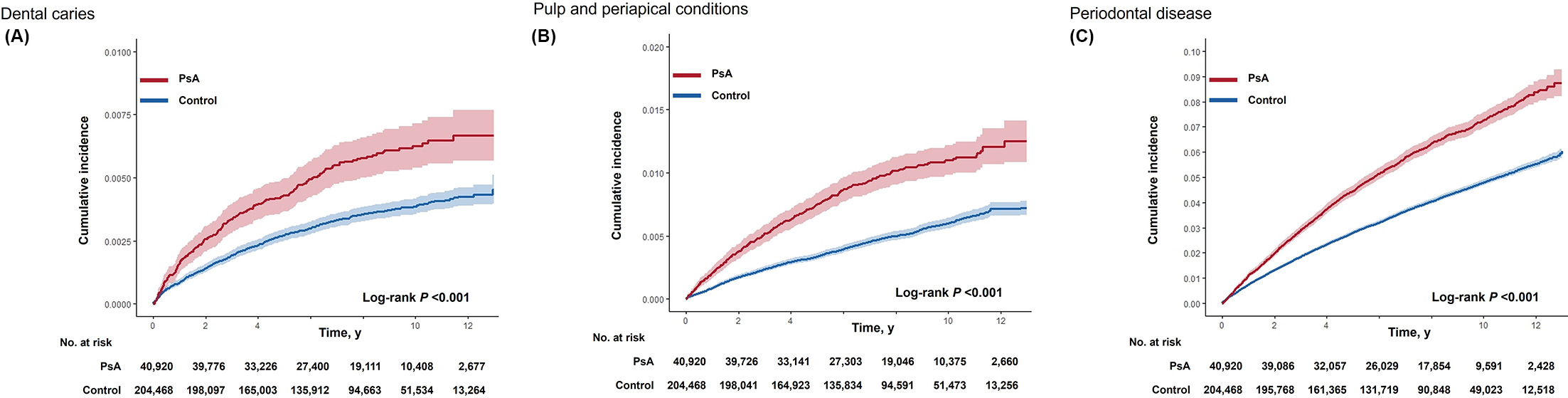
Fig. 2. Kaplan–Meier curves illustrating the incidence of dental comorbidities.
Kaplan–Meier curves illustrating the incidence of dental caries (A), pulp and periapical disease (B), and periodontal disease (C) in patients with psoriatic arthritis (red line) compared to controls (blue line). The risk of these dental comorbidities increases with the duration of psoriatic arthritis.
When analysing specific periodontal conditions, the PsA cohort showed significantly elevated risks: acute gingivitis (aHR: 1.247; 95% CI: 1.147–1.356), chronic gingivitis (aHR: 1.477; 95% CI: 1.256–1.736), aggressive periodontitis (aHR: 1.328; 95% CI: 1.223–1.442), chronic periodontitis (aHR: 1.244; 95% CI: 1.137–1.361), periodontosis (aHR: 1.448; 95% CI: 1.076–1.947) and unspecified periodontal disease (aHR: 1.299; 95% CI: 1.085–1.556). In contrast, periodontal disease coded as K05.5 (other periodontal diseases) did not demonstrate a significant increase in risk.
Subgroup analysis: dental comorbidities in the PsA cohort with early introduction of biologics or JAK inhibitor
Among the 40,920 patients with PsA, 13,665 died or experienced dental events within the first year of diagnosis. Consequently, 27,255 patients were eligible for subgroup analysis. Within these patients, only 819 patients received biologics or JAK inhibitor at least once in the first year of their diagnosis (Fig. 1). In general, these patients exhibited a lower incidence rate of multiple dental comorbidities compared to those without early introduction of biologics or a JAK inhibitor (Table SI). However, due to the limited number of dental events, Cox proportional hazards models could not be employed to calculate hazard ratios.
Sensitivity analysis
With stricter diagnostic criteria, 28,496 patients with newly diagnosed PsA and 142,381 age- and sex-matched controls were identified. In general, the incidence rates and adjusted hazard ratios for dental comorbidities in this PsA cohort were consistent with those observed in the main analysis (Tables SII and SIII).
DISCUSSION
Previous research has demonstrated that individuals diagnosed with psoriatic disease (psoriasis and/or PsA) exhibit an increased prevalence of dental problems, particularly periodontitis, compared to the general population (7, 8, 10, 11, 12, 13, 18, 19, 20, 21, 22, 23, 24, 25, 26). However, only a limited number of studies have explicitly identified PsA patients within their study cohorts and reported outcomes for this subgroup separately (10, 11, 12, 13). Therefore, there is a scarcity of evidence regarding the specific correlation between PsA and dental comorbidities.
The few investigations that have explored this relationship have indicated that patients with PsA demonstrate a higher incidence of periodontitis (10, 11, 12, 13). Furthermore, a retrospective study revealed that patients with PsA have a higher risk of periodontitis compared to those with psoriasis alone (12). Importantly, some studies have reported a significant association between periodontitis and PsA, whereas no such association was observed in patients with psoriasis alone (10, 13), suggesting that joint involvement may be a key driver of periodontal complications. These findings provide a rationale for investigating dental comorbidities specifically in patients with PsA.
In the present study, patients with PsA demonstrated significantly elevated incidence rates of dental caries, pulp and periapical disease and periodontal disease compared to controls. These findings align with our group’s previously published observations in patients with psoriasis (7), though the current investigation revealed comparatively higher hazard ratios. This disparity may be attributed to several factors. First, PsA typically manifests several years following psoriasis onset, thereby exposing patients to prolonged disease duration and heightened cumulative risk of associated comorbidities (1, 10, 13). Second, as discussed above, the presence of arthritis itself may confer additional risk for periodontal complications beyond that associated with psoriasis alone.
Dental caries represents a pathological process characterized by the demineralization and destruction of hard dental tissues, mediated by acidic metabolites generated through bacterial fermentation of dietary carbohydrates (27). Pulp and periapical disease encompasses various conditions affecting the inner tissues of the teeth, ranging from pulpitis to apical periodontitis or periapical abscess (28). Previous studies have provided evidence that patients with psoriasis may be at increased risk of developing dental caries or pulp and periapical disease, suggesting a similar possibility in individuals with PsA (7, 21). Periodontal disease refers to a spectrum of inflammatory disorders targeting the gingiva, alveolar bone and periodontal ligaments, typically initiating as gingivitis and potentially progressing to periodontitis (29, 30). As previously noted, numerous studies have indicated that individuals with psoriatic disease are at an increased risk of developing periodontal disease, particularly periodontitis (6, 8, 10, 11, 12, 13). Our findings corroborate these observations, with the majority of periodontal disease subtypes showing elevated prevalence in the PsA cohort, except for K05.5 (other periodontal diseases), which is a nonspecific diagnostic code.
While the precise pathogenesis and mechanisms underlying the relationship between increased dental comorbidities and PsA remain unclear, several possible explanations exist. First, patients with psoriatic disease are known to exhibit suboptimal oral hygiene practices, as evidenced by less frequent daily tooth brushing and/or flossing (22, 31, 32, 33). Some studies have also suggested that they consume higher amounts of sugar or sugary products (18, 34). These behavioural factors may collectively contribute to increased susceptibility to dental pathology, particularly dental caries and pulp-periapical disease. Second, patients with PsA have been demonstrated to have lower stimulated salivary secretion rates, which may compromise the natural protective mechanisms against cariogenic processes (35). Recent clinical study showed that patients with inflammatory dermatologic and rheumatologic disorders exhibit significantly higher rates of dry mouth, periodontal attachment loss, reduced tooth-brushing frequency and tooth loss compared with healthy controls (36). These behavioural and salivary factors may collectively contribute to the heightened dental morbidity observed in PsA patients. Finally, this may be attributed to shared immunopathologic mechanisms between PsA and certain dental conditions, particularly periodontitis (6, 11). PsA is characterized by elevated levels of pro-inflammatory cytokines, such as interleukin-17 (IL-17) and tumour necrosis factor-α (TNF-α), which contribute to chronic systemic inflammation, bone resorption and pathological bone formation (1, 6). These systemic inflammatory milieu in PsA may predispose the patients to periodontal disease development, which similarly involves inflammatory processes and progressive destruction of alveolar bone and supporting periodontal structures (6, 7, 29). Each of these factors, whether independently or synergistically, may account for the elevated dental morbidities observed in individuals with PsA.
Although a statistical comparison was not feasible, patients with PsA who received early treatment with biologics and JAK inhibitors appeared to have a relatively lower incidence of dental comorbidities compared to those who did not. This finding is consistent with a previous study showing that patients with psoriasis treated with biologic therapy exhibited significantly lower dental treatment requirements compared to those managed with topical agents (19). However, due to the statistical limitations of the current analysis, further investigations are warranted.
This study has several limitations. First, it relies on administrative claims data, which may be subject to diagnostic inaccuracy or misclassification, despite the application of sensitivity analysis. Diagnostic codes utilized for reimbursement purposes may not consistently reflect true clinical conditions, as they may be applied liberally to facilitate examinations or prescription authorization. At the same time, the true incidence of dental comorbidities may be underestimated, as the database does not capture non-reimbursed visits. Second, substantial residual confounding likely persists, as claims databases lack detailed information on dental hygiene behaviours, dietary habits, stress levels and other socioeconomic determinants beyond basic income categories and healthcare utilization. Smoking and alcohol consumption data were incomplete for some individuals. Additionally, clinical parameters such as PsA severity, inflammatory burden or adherence to therapy were unavailable. Finally, detection bias remains a possibility, as patients with PsA may have more frequent healthcare interactions, increasing the likelihood of dental diagnoses; conversely, variability in dental care–seeking behaviour may also contribute to underdetection in both groups. To address this issue, we adjusted for baseline healthcare utilization as a potential confounding factor, and the observed associations remained consistent. Nevertheless, this study benefits from a large, nationally representative cohort and a focused evaluation of dental outcomes in PsA.
Patients with PsA are known to experience lower oral-health–related quality of life compared with healthy individuals (10, 33, 36). However, oral health assessment remains infrequently incorporated into routine dermatologic or rheumatologic care (18, 37). This gap may stem from insufficient awareness of dental comorbidities or a lack of integration between dental and medical care pathways. Our study highlights that patients with PsA face substantially increased risks of multiple dental conditions, underscoring the importance of improving clinical recognition and promoting routine dental evaluation in this population. Integrating oral health assessment into standard PsA management and fostering collaboration across dermatology, rheumatology and dental specialties may facilitate earlier detection, improved symptom control and potentially a reduction in cumulative inflammatory burden.
REFERENCES
- Scher JU, Ogdie A, Merola JF, Ritchlin C. Preventing psoriatic arthritis: focusing on patients with psoriasis at increased risk of transition. Nat Rev Rheumatol 2019; 15: 153–166. https://doi.org/10.1038/s41584-019-0175-0
- FitzGerald O, Ogdie A, Chandran V, Coates LC, Kavanaugh A, Tillett W, et al. Psoriatic arthritis. Nat Rev Dis Primers 2021; 7: 59. https://doi.org/10.1038/s41572-021-00293-y
- Haroon M, Kirby B, FitzGerald O. High prevalence of psoriatic arthritis in patients with severe psoriasis with suboptimal performance of screening questionnaires. Ann Rheum Dis 2013; 72: 736–740. https://doi.org/10.1136/annrheumdis-2012-201706
- Ritchlin CT, Colbert RA, Gladman DD. Psoriatic arthritis. N Engl J Med 2017; 376: 957–970. https://doi.org/10.1056/NEJMra1505557
- Coates LC, Helliwell PS. Psoriatic arthritis: state of the art review. Clin Med 2017; 17: 65–70. https://doi.org/10.7861/clinmedicine.17-1-65
- Dalmády S, Kemény L, Antal M, Gyulai R. Periodontitis: a newly identified comorbidity in psoriasis and psoriatic arthritis. Expert Rev Clin Immunol 2020; 16: 101–108. https://doi.org/10.1080/1744666X.2019.1700113
- Kwak EJ, Choi YJ, Kim HN, Kim KE, Jeon J, Baek YS. Increased dental comorbidities in patients with psoriasis: a nationwide population-based cohort study in Korea. Clin Exp Dermatol 2023; 48: 1347–1353. https://doi.org/10.1093/ced/llad286
- Nijakowski K, Gruszczyński D, Kolasińska J, Kopała D, Surdacka A. Periodontal disease in patients with psoriasis: a systematic review. Int J Environ Res Public Health 2022; 19: 11302. https://doi.org/10.3390/ijerph191811302
- Qiao P, Shi Q, Zhang R, E L, Wang P, Wang J, et al. Psoriasis patients suffer from worse periodontal status—a meta-analysis. Front Med 2019; 6: 212. https://doi.org/10.3389/fmed.2019.00212
- Costa AA, Cota LOM, Esteves Lima RP, Oliveira AMSD, Cortelli SC, Cortelli JR, et al. The association between periodontitis and the impact of oral health on the quality of life of individuals with psoriasis and psoriatic arthritis. PLoS One 2024; 19: e0301158. https://doi.org/10.1371/journal.pone.0301158
- Mishra S, Johnson L, Agrawal S, Rajput S. Assessment of periodontal status in patients with psoriatic arthritis: a retrospective, case-control study. J Clin Exp Dent 2021; 13: e776–e783. https://doi.org/10.4317/jced.58125
- Egeberg A, Mallbris L, Gislason G, Hansen PR, Mrowietz U. Risk of periodontitis in patients with psoriasis and psoriatic arthritis. J Eur Acad Dermatol Venereol 2017; 31: 288–293. https://doi.org/10.1111/jdv.13814
- Su NY, Huang JY, Hu CJ, Yu HC, Chang YC. Increased risk of periodontitis in patients with psoriatic disease: a nationwide population-based retrospective cohort study. PeerJ 2017; 5: e4064. https://doi.org/10.7717/peerj.4064
- Kim HK, Song SO, Noh J, Jeong IK, Lee BW. Data configuration and publication trends for the Korean National Health Insurance and Health Insurance Review & Assessment Database. Diabetes Metab J 2020; 44: 671–678. https://doi.org/10.4093/dmj.2020.0207
- Shin DW, Cho B, Guallar E. Korean National Health Insurance Database. JAMA Intern Med 2016; 176: 138. https://doi.org/10.1001/jamainternmed.2015.7110
- Cheol Seong S, Kim YY, Khang YH, Heon Park J, Kang HJ, Lee H, et al. Data resource profile: the National Health Information Database of the National Health Insurance Service in South Korea. Int J Epidemiol 2017; 46: 799–800. https://doi.org/10.1093/ije/dyw253
- Lee S, Kim JS, Jung JG, Oh MK, Chung TH, Kim J. Korean alcohol guidelines for moderate drinking based on facial flushing. Korean J Fam Med 2019; 40: 204–211. https://doi.org/10.4082/kjfm.19.0059
- Polineni S, Gopinath H, Ramani JR, Yadav S, Aravindakshan R, Yerragudi N, et al. The association of psoriasis and psoriatic arthritis with periodontitis: a hospital-based case-control study. IJDVL 2024; 90: 291–295. https://doi.org/10.25259/IJDVL_331_2022
- Olejnik M, Adamski Z, Osmola-Mankowska A, Nijakowski K, Dorocka-Bobkowska B. Oral health status and dental treatment needs of psoriatic patients with different therapy regimes. Aust Dent J 2021; 66 Suppl 1: S42–S47. https://doi.org/10.1111/adj.12847
- Costa AA, Cota LOM, Mendes VS, Oliveira AMSD, Cyrino RM, Costa FO. Periodontitis and the impact of oral health on the quality of life of psoriatic individuals: a case-control study. Clin Oral Investig 2021; 25: 2827–2836. https://doi.org/10.1007/s00784-020-03600-1
- Barros FC de, Sampaio JN, Figueredo CM da S, Carneiro S, Fischer RG. Higher prevalence of periodontitis and decayed, missing and filled teeth in patients with psoriasis. Eur J Dent 2020; 14: 366–370. https://doi.org/10.1055/s-0040-1713465
- Sharma A, Raman A, Pradeep AR. Association of chronic periodontitis and psoriasis: periodontal status with severity of psoriasis. Oral Dis 2015; 21: 314–319. https://doi.org/10.1111/odi.12271
- Skudutyte-Rysstad R, Slevolden EM, Hansen BF, Sandvik L, Preus HR. Association between moderate to severe psoriasis and periodontitis in a Scandinavian population. BMC Oral Health 2014; 14: 139. https://doi.org/10.1186/1472-6831-14-139
- Ganzetti G, Campanati A, Santarelli A, Pozzi V, Molinelli E, Minnetti I, et al. Involvement of the oral cavity in psoriasis: results of a clinical study. Br J Dermatol 2015; 172: 282–285. https://doi.org/10.1111/bjd.13201
- Antal M, Braunitzer G, Mattheos N, Gyulai R, Nagy K. Smoking as a permissive factor of periodontal disease in psoriasis. PLoS One 2014; 9: e92333. https://doi.org/10.1371/journal.pone.0092333
- Lazaridou E, Tsikrikoni A, Fotiadou C, Kyrmanidou E, Vakirlis E, Giannopoulou C, et al. Association of chronic plaque psoriasis and severe periodontitis: a hospital based case-control study. J Eur Acad Dermatol Venereol 2013; 27: 967–972. https://doi.org/10.1111/j.1468-3083.2012.04615.x
- Selwitz RH, Ismail AI, Pitts NB. Dental caries. Lancet 2007; 369: 51–59. https://doi.org/10.1016/S0140-6736(07)60031-2
- Zero DT, Zandona AF, Vail MM, Spolnik KJ. Dental caries and pulpal disease. Dent Clin North Am 2011; 55: 29–46. https://doi.org/10.1016/j.cden.2010.08.010
- Kinane DF, Stathopoulou PG, Papapanou PN. Periodontal diseases. Nat Rev Dis Primers 2017; 3: 17038. https://doi.org/10.1038/nrdp.2017.38
- Baek YS, Kwak EJ, Kim YC, Kim KE, Song HJ, Jeon J. Periodontal disease does not increase the risk of subsequent psoriasis. Sci Rep 2023; 13: 5942. https://doi.org/10.1038/s41598-023-32907-8
- Woeste S, Graetz C, Gerdes S, Mrowietz U. Oral health in patients with psoriasis—a prospective study. J Invest Dermatol 2019; 139: 1237–1244. https://doi.org/10.1016/j.jid.2018.12.014
- Sarac G, Kapicioglu Y, Cayli S, Altas A, Yologlu S. Is the periodontal status a risk factor for the development of psoriasis? Niger J Clin Pract 2017; 20: 474–478. https://doi.org/10.4103/1119-3077.204371
- Mishra S, Johnson L, Kaushal L, Upadhyay P. Impact of periodontitis on oral health-related quality of life of patients with psoriatic arthritis. Spec Care Dentist 2024; 44: 893–902. https://doi.org/10.1111/scd.12938
- Yamashita H, Morita T, Ito M, Okazaki S, Koto M, Ichikawa Y, et al. Dietary habits in Japanese patients with psoriasis and psoriatic arthritis: low intake of meat in psoriasis and high intake of vitamin A in psoriatic arthritis. J Dermatol 2019; 46: 759–769. https://doi.org/10.1111/1346-8138.15032
- Fadel HT, Flytström I, Calander AM, Bergbrant IM, Heijl L, Birkhed D. Profiles of dental caries and periodontal disease in individuals with or without psoriasis. J Periodontol 2013; 84: 477–485. https://doi.org/10.1902/jop.2012.120119
- Schmalz G, Patschan D, Schmickler J, Bethke N, Scherzinger E, Müller GA, et al. Oral health-related quality of life in different rheumatic diseases. Oral Dis 2020; 26: 1783–1792. https://doi.org/10.1111/odi.13464
- Ehrenthal JC, Woeste S, Mrowietz U, Gerdes S, Graetz C. Profiles of psychosocial variables and dental status in patients with psoriasis. J Eur Acad Dermatol Venereol 2020; 34: e586–e587. https://doi.org/10.1111/jdv.16452