ORIGINAL ARTICLE
Safe to save blood in ovarian cancer surgery – time to change transfusion habits
Anna Norbecka,b, Jesper Bengtssonc, Susanne Malanderb,d, Mihaela Aspa,b and Päivi Kannistoa,b
aDepartment of Obstetrics and Gynecology, Skåne University Hospital, Lund University, Lund, Sweden; bDepartment of Clinical Science, Skåne University Hospital, Lund University, Lund, Sweden; cClinical Immunology and Transfusion Medicine, Laboratory Medicine, Office for Medical Services, Region Skåne, Lund, Sweden; dDepartment of Oncology, Skåne University Hospital, Lund University, Lund, Sweden
ABSTRACT
Background: Patients with advanced ovarian cancer (AOC) undergoing surgery are often subjected to red blood cell (RBC) transfusions. Both anemia and RBC transfusion are associated with increased morbidity. The aim was to evaluate patient recovery after the implementation of patient blood management (PBM) strategies.
Methods: This retrospective cohort study included 354 patients with AOC undergoing surgery at Skane University Hospital Lund, Sweden, between January 2016 and December 2021. The gradual implementation of PBM strategies included restrictive RBC transfusion, tranexamic acid as standard medication before laparotomies and intravenous iron administered to patients with iron deficiency. Severe complications were defined as Clavien-Dindo (CD) grade ≥ 3a. Logistic and linear regression analyses were used to evaluate the differences between three consecutive periods.
Results: After the implementation of new strategies, 52% of the patients had at least one transfusion compared to 83% at baseline (p < 0.001). There was no difference in the rate of severe complications (CD ≥ 3a) between the groups, adjusted odds ratio 0.55 (95% CI 0.26–1.17). The mean difference in hemoglobin before chemotherapy was -1.32 g/L (95% CI -3.04 to -0.22) when adjusted for blood loss and days from surgery to chemotherapy. The length of stay (LOS) decreased from 8.5 days to 7.5 days (p 0.002).
Interpretation: The number of patients transfused were reduced by 31%. Despite a slight increase in anemia rate, severe complications (CD ≥ 3a) remained stable. The LOS was reduced, and chemotherapy was given without delay, indicating that PBM is feasible and without causing major severe effects on short-term recovery.
KEYWORDS: Ovarian cancer; patient blood management; red blood cell transfusion; intravenous iron; hemoglobin level
Citation: ACTA ONCOLOGICA 2024, VOL. 63, 728–735. https://doi.org/10.2340/1651-226X.2024.40435.
Copyright: © 2024 The Author(s). Published by MJS Publishing on behalf of Acta Oncologica. This is an Open Access article distributed under the terms of the Creative Commons Attribution 4.0 International License (http://creativecommons.org/licenses/by/4.0/), allowing third parties to copy and redistribute the material in any medium or format and to remix, transform, and build upon the material, with the condition of proper attribution to the original work.
Received: 27 March 2024; Accepted: 30 August 2024; Published: 25 September 2024
CONTACT Anna Norbeck anna.norbeck@med.lu.se Department of Obstetrics and Gynecology, Skåne University Hospital, Lund University, Lund, Sweden; Department of Clinical Science, Skåne University Hospital, Lund University, Lund, Sweden
Competing interests and funding: Research grants for this study were obtained from Pharmacosmos; they were not involved in the planning of the study, the conduct of the study or the interpretation of the data.
This work was supported by research grants from Pharmacosmos and Region Skåne.
Introduction
Ovarian cancer is the eighth most common cancer in women worldwide and the most lethal gynecological malignancy [1]. Most ovarian cancer patients are diagnosed at an advanced stage and have a poor prognosis [2]. Complete cytoreduction of the tumor is highly important in advanced ovarian cancer (AOC) [3]. Surgery is therefore often extensive, enhancing intraoperative blood loss and consequently resulting in postoperative anemia [4, 5]. Perioperative red blood cell (RBC) transfusions are common in patients with AOC, with a transfusion rate of 40–77% [6, 7].
RBC transfusions have an immunosuppressive effect, and perioperative transfusions have been shown to be associated with an increased risk of cancer recurrence, morbidity and mortality [8–10]. Studies have shown reduced overall survival in patients with AOC receiving RBC transfusions compared with patients not receiving transfusions [9, 10]. In patients with AOC, perioperative transfusion is also associated with a prolonged length of stay (LOS) and increased morbidity but does not decrease overall survival or impact quality of life [6, 11]. Patient blood management (PBM) is a patient-centered approach for improving patient outcomes by preserving and managing patients’ own blood. PBM strategies have been implemented in many surgical settings and include detecting and treating preoperative anemia, minimizing blood loss and optimizing the patient’s physiological reserve [12].
Administration of tranexamic acid (TXA) reduces perioperative blood loss and the transfusion rate in patients undergoing elective abdominal and pelvic cancer surgery [13]. This is also true for patients with AOC undergoing cytoreductive surgery, and TXA does not increase the risk for postoperative complications. To optimize hemostasis, TXA is safe for patients and can be administered immediately before surgery [4, 5]. For these two reasons, the European Society of Gynecological Oncology guidelines recommend TXA peri-operatively and the correction of anemia [14].
Anemia is defined as hemoglobin (Hb) < 120 g/L for nonpregnant women and Hb < 130 g/L for men according to the World Health Organization [15]. To reduce RBC transfusion, it is recommended to treat anemia before surgery if Hb < 130 g/L, especially if the patient is undergoing major surgery and has an expected blood loss >500 mL [16].
Preoperative anemia is common among patients with advanced gynecological cancer, and a recent study showed that 42% of patients with AOC were anemic before surgery [17]. Iron deficiency anemia (IDA) is the most common cause of preoperative anemia in patients undergoing gynecological surgery [18]. Iron deficiency can be absolute with depleted iron reserves or functional with normal iron stores, but caused by cancer-induced inflammation and iron sequestration [19]. Patients receiving neoadjuvant chemotherapy have a greater rate of anemia prior to surgery and also a greater risk of preoperative transfusions [20]. In addition, preoperative anemia is associated with an increased risk of morbidity, such as increased risk for thromboembolic and infectious complications. Patients with anemia are also more likely to receive RBC transfusions [17]. Perioperative RBC transfusion does not seem to reduce the increased risk of morbidity [21].
Administration of intravenous iron perioperatively has been shown to reduce the need for RBC transfusion among patients undergoing major abdominal surgery [22]. A consensus statement by Shander et al. recommends screening for preoperative anemia and treating both pre- and postoperative IDA with intravenous iron [23]. Enhanced recovery after surgery society also recommends intravenous iron for treating anemia preoperatively in patients with gynecological cancer [24].
To our knowledge, there are no studies on the implementation of PBM strategies in patients with AOC undergoing surgery.
The primary aim of this study was to evaluate if RBC transfusions could be reduced after the gradual implementation of new PBM clinical routines and if it would affect the complication rate for the postoperative recovery of AOC patients. The secondary aim was to evaluate whether the Hb level before chemotherapy could be maintained when RBC transfusions were reduced.
Materials and methods
This was a retrospective cohort study that included all patients with AOC, International Federation of Gynecology and Obstetrics (FIGO) stage III and IV, who underwent surgery, between January 1, 2016, and December 31, 2021, at the Department of Gynecology at Skane University Hospital Lund Sweden, a regional tertiary center for all gynecological malignancies. Patients with epithelial AOC, including fallopian tube and primary peritoneal cancer, who underwent surgery, either primary or interval debulking, were included. Patients who did not meet the criteria for having AOC and who had undergone debulking surgery were excluded. Thus, patients who underwent open-close surgery were excluded.
Inclusion criteria:
Advanced ovarian cancer
Primary or interval debulking surgery
Exclusion criteria:
Ovarian cancer FIGO stage I and II
Diagnoses other than ovarian cancer
Open-close cases
Patient data were collected from the electronic medical records of Region Skane, Melior (Melior.220-9.3.0.400–20210909.3, Cerner Corporation, Kansas City, USA) and Orbit (EVRY Healthcare System AB, Kristianstad, Sweden).
The data retrieved as continuous variables were age, body mass index (BMI), estimated blood loss, operating time, Hb level before surgery and before the start of chemotherapy, peri- and postoperative RBC transfusions, LOS and days from surgery to the start of chemotherapy. The categorical variables included histological diagnosis, FIGO stage, primary or interval debulking surgery (IDS), residual tumor, perioperative administration of TXA, administration of intravenous iron (ferric derisomaltose), surgical complexity score according to Aletti, the American Society of Anesthesiologists physical status classification system [25], the Eastern Cooperative Oncology Group (ECOG) performance status and postoperative complications at 30 days. Complications were classified according to the Clavien-Dindo (CD) classification [26]. If the patient had more than one complication, the most severe complication was registered. For the statistical analyses, the complications were grouped into two groups: no or minor complications (CD 0–2) and severe complications (CD 3–5). The surgical complexity score according to Aletti divided surgical procedures by complexity into three groups: low (3 or less), intermediate (4–7) or high (8 or more). Anemia was defined as a Hb level <120 g/L.
At the Department of Gynecology Skane University Hospital Lund, the following procedures were used to implement PBM clinical routines for patients with gynecological malignancies undergoing laparotomies: intravenous TXA 1,000 mg could be administered by a gynecologist’s order from 2016. It was introduced as a standard medication administered before major laparotomies in 2018. Screening for IDA before major surgery and the administration of intravenous iron to anemic patients with iron deficiency were implemented at the end of 2019. Patients with Hb <130 g/L and expected blood loss >500 mL with iron deficiency were also administered intravenous iron. Iron deficiency was defined as a TSAT < 0.20 or ferritin < 30mg/L. According to weight, patients were administered either a single dose of 1,000 mg or 1,500 mg of intravenous ferric derisomaltose (Monofer, Pharmacosmos, Denmark). During this period, guidelines for more restrictive RBC transfusions were gradually implemented, recommending a threshold for RBCs of Hb <70 g/L and for patients with comorbidities <80 g/L. RBCs and intravenous iron were administered by intravenous infusion before or after surgery according to the gynecologist’s decision to improve recovery. Intravenous iron was administered from 3 weeks to 1 day before surgery and during the postoperative period while the patient was in the hospital. RBC transfusions occurred either perioperatively or postoperatively while the patient was still in the hospital. Administration of intraoperative RBC transfusion was decided together by the surgeon and anesthesiologist. During this change of recommendation, RBC transfusion and intravenous iron administration were chosen by the senior consultant responsible for the patient.
Statistical methods
For the statistical calculations, the study population was divided into three consecutive periods: year 2016–2017 (reference group), 2018–2019 and 2020–2021. For descriptive statistics, the chi-square test was used to compare categorical variables. One-way ANOVA test was used to compare means for continuous variables. As a nonparametric test, the Kruskal–Wallis test was used to compare median values among the three groups. Logistic regression was used to compare the CD grade among the three groups, unadjusted and adjusted for age, ECOG score, Aletti score and operating time. Linear regression was used to compare Hb levels before chemotherapy among the three groups, unadjusted and adjusted for estimated blood loss and number of days between surgery and chemotherapy. The data were analyzed using the statistical software IBM SPSS Statistics (Version 28.0. Armonk, NY: IBM Corp Data).
Results
A total of 622 patients were identified, and 268 patients who did not meet the inclusion criteria were excluded. Thus, a total of 354 patients were included in the study, as shown in Figure 1. The patient characteristics are presented in Table 1. No differences were found in patient characteristics among the three groups, with a median age of 68–69 years and a preoperative Hb level between 120 and 123 g/L. The gradual implementation of new PBM clinical guidelines, including the administration of TXA and intravenous iron and the percentage of patients receiving RBC transfusions, is shown in Figure 2.
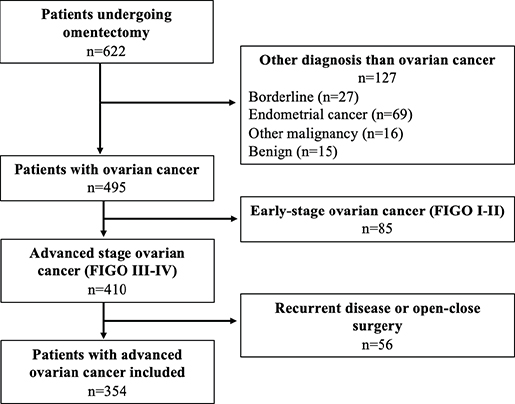
Figure 1. Flow chart of the study population.
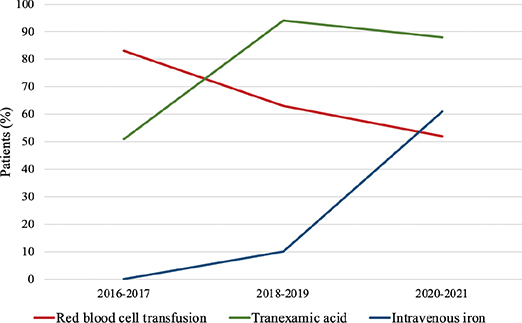
Figure 2. Gradual implementation of patient blood management clinical routines, including restrictive red blood cell transfusion, administration of tranexamic acid and administration of intravenous iron.
After the implementation of PBM clinical routines, the percentage of transfused patients decreased from 83 to 52%, p < 0.001, as shown in Table 2. There was a significant decrease in the number of units per patient between the reference group and the 2020–2021 group (p < 0.001), as shown in Figure 3. The median length of hospital stay decreased from 8 to 7 days between the reference group and the 2018–2019 group (p < 0.001). There was no significant difference in the LOS between the 2018–2019 group and the 2020–2021 group. The operating time was reduced from a mean of 348 minutes to 214 minutes between the reference group and the 2020–2021 group. The estimated blood loss was also significantly reduced during this time period, as shown in Table 2.
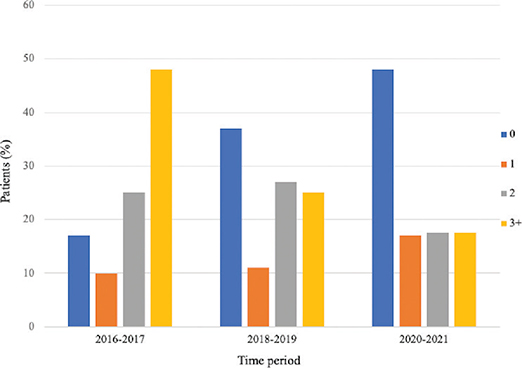
Figure 3. Percentage of patients transfused with units of red blood cells in the three consecutive periods.
As shown in Table 3, in an unadjusted logistic regression model, the odds for CD ≥ 3 decreased during the time period of the study, with odds ratio (OR) 0.44 (95% CI 0.21–0.90) when comparing the 2018–2019 group with the reference group and OR 0.55 (95% CI 0.23–0.85) when comparing the 2020–2021 group with the reference group. In the adjusted model, it was no longer significant.
| Year group | Unadjusted OR (95% CI) | P | Adjusted OR (95% CI)* | P |
| 2016–2017 | Reference | Reference | Reference | Reference |
| 2018–2019 | 0.44 (0.21–0.90) | 0.019 | 0.61 (0.28–1.32) | 0.246 |
| 2020–2021 | 0.55 (0.23–0.85) | 0.019 | 0.55 (0.26–1.17) | 0.246 |
| *Covariates: Age, The Eastern Cooperative Oncology Group (ECOG) performance status, surgical complexity score according to Aletti and operating time. OR: Odds ratio. | ||||
The mean Hb level before chemotherapy was 118.9 g/L (95% CI 117.0–120.8) in the reference group, 119.0 (95% CI 117.0–121.2) in the 2018–2019 group and 115.2 g/L (95% CI 113.4–117.0) in the 2020–2021 group (p 0.005). According to the adjusted linear regression model, there was a significant decrease in the Hb value from the reference group to 2020–2021, as shown in Table 4.
| Year group | Unadjusted | Adjusted* | ||||
| Coefficient | 95% CI | P | Coefficient | 95% CI | P | |
| 2016–2017 | Reference | Reference | ||||
| 2018–2019 | 0.18 | -2.66 to 3.03 | 0.90 | -0.10 | -3.06 to 2.86 | 0.95 |
| 2020–2021 | -1.83 | -3.15 to -0.52 | 0.007 | -1.32 | -3.04 to -0.22 | 0.024 |
| 2018–2019 | Reference | Reference | ||||
| 2020–2021 | -3.75 | -6.64 to -1.06 | 0.007 | -2.61 | -5.43 to 0.22 | 0.07 |
| *Adjusted for days from surgery to the start of chemotherapy and estimated blood loss. | ||||||
Discussion
Almost 50% of the patients were diagnosed with anemia before surgical intervention, which is comparable to the results reported by Foley et al. Patients with AOC have an increased risk of anemia at diagnosis compared with patients undergoing surgery for other gynecological malignancies and with those undergoing benign gynecological abdominal surgery [17].
After the implementation of PBM clinical routines, including TXA administration, restrictive strategies for RBC transfusion and intravenous iron administration to patients with IDA, the percentage of patients who did not receive RBC transfusion increased from 17 to 48%. The largest change was observed when TXA was introduced routinely, and the operating time decreased from 343 to 230 minutes. The Lymphadenectomy in Ovarian Neoplasm (LION) study randomized patients who achieved macroscopic radicality between systematic lymphadenectomy and the control. No survival benefits but heavy comorbidities were found when systematic lymphadenectomy was performed, indicating that this procedure could be omitted [27]. As a consequence of these results, the operating time in our study was shorter during the two later periods. RBC transfusions continued to decrease over the study period, and no negative effects, such as an increased number of complications or longer hospital stays, were observed. These transfusion rates are in line with what has been previously reported [6, 7]. This study included patients with AOC only, which might explain why the transfusion rate is higher both before and after the PBM strategies were implemented, compared with studies that also included patients with early-stage ovarian cancer [28]. Others have shown that patients receiving RBC transfusions often have a longer operating time and greater blood loss and are older than nontransfused patients [29]. However, in this study, no differences in median age between our three consecutive periods were found. Patients receiving perioperative RBC transfusions decreased from 61 to 34%, which could be a result of both shorter operating time and more restrictive strategies for RBC transfusions.
As shown in Table 2, the number of units transfused per patient also decreased. The greatest reduction (48 to 17%) was observed in the group of patients who received three or more units of RBCs. Transfusions with only one unit of RBC increased from 10 to 17%. A recent systematic review showed that perioperative RBC transfusion in patients undergoing elective major abdominal surgery was associated with an increased risk of postoperative mortality and morbidity, such as infectious complications [29]. In our study, severe complications seemed to decrease when RBC transfusions were reduced. However, the difference was not statistically significant when adjusted for operating time. Severe complications (CD ≥ 3a) were observed in 12–25% of patients, which is comparable to what has previously been reported [30]. During the study period, a sharp reduction in the number of patients transfused with more than one unit was observed. This indicates that physicians, as a clinical routine, likely accepted one unit strategy at a time, which is an important component of PBM implementation. After receiving only one allogenic transfusion, the patient is exposed to fewer foreign antigens and is likely to have a lower risk for adverse reactions. Despite the stable rate of severe complications, a decrease in the recovery time to chemotherapy of 8 days occurred simultaneously with the decrease in the number of RBC transfusions. This is important because severe complications are associated with delay in chemotherapy, which in turn affects patient survival [30]. The slightly lower Hb level at the start of chemotherapy did not seem to have any major clinical effect, probably because intravenous iron therapy was introduced and might have supported patient recovery. The effect of transfusion on complications and mortality is still unclear. A study by Hunsicker et al. [6] did not show an increased risk of cancer recurrence or mortality after transfusion [7]. Similar results were shown by Prescott et al., who reported that surgical site infections were more common in patients who were transfused.
The Hb level before chemotherapy decreased by 1.32 g/L, which is a small difference and is likely not clinically significant. According to the adjusted linear regression model, as shown in Tables 3 and 4, there was no significant difference between the reference group and the second group or between the second group and the last group in which all new clinical routines were implemented. Studies in colorectal cancer patients suggest that a single dose of intravenous iron may only partly elevate Hb, not normalize it, and may only temporarily fill the iron stores, which may explain why Hb is not normalized [31, 32]. Sustained iron repletion through monitoring of iron status and repeated intravenous iron treatment to achieve iron repletion has been shown to improve clinical and/or QoL outcomes in, for example, heart failure [33].
Similarly, during the last period, more than 60% of patients received iron intravenously, the majority before or few days after surgery. The median time from surgery to chemotherapy decreased from 33 days to 24.5 days toward the third period, which might have been too short for intravenous iron to increase the Hb level [23, 34]. A consensus statement by Shander et al. recommended screening for anemia at least 4 weeks before surgery for full effect, but screening shortly before surgery could also be valuable for the treatment of anemic patients with intravenous iron [23]. Treatment of anemia even 1 day before surgery has been shown to reduce RBC transfusions among patients with preoperative anemia [35]. However, no surgical studies have yet evaluated the impact of sustaining iron repletion throughout the entire patient treatment pathway. Almost all previous surgical studies have given a single dose of intravenous iron, as in this study. Recent publications on the dynamics of Hb and iron parameters after intravenous iron treatment in patients with colorectal cancer with IDA suggest that repeat treatment may be needed, as a substantial proportion of the patients relapse to IDA 4–8 weeks after treatment [31, 32]. This may also be relevant for patients with gynecological cancer, not least if they undergo repeat surgery and chemotherapy.
Patients who underwent IDS were more likely to be anemic both at the time of diagnosis and before surgery than patients who underwent primary debulking surgery (PDS) in a study by O’Shea et al. [20]. As shown in Table 2, there was a tendency toward lower Hb before chemotherapy in patients who underwent IDS when the number of perioperative transfusions decreased, although this difference was not statistically significant.
The median LOS decreased from 8.5 days to 7.5 days with reduced RBC transfusions. However, during the 6-year study period, the operating time decreased significantly, the estimated blood loss decreased and there were fewer severe complications, which all could have impacted the shorter LOS. The fact that RBC transfusion has been shown to be associated with longer hospital stays in patients who underwent ovarian cancer surgery is in line with the present study [11].
By implementing PBM as a clinical routine, including administering TXA before surgery, estimated blood loss was significantly reduced. It has previously been shown that single-dose TXA administered before surgery reduces blood loss and the transfusion rate in patients with AOC [4]. Similar results were shown by Yang et al., who used a higher dose of TXA [5]. In our study, 1,000 mg of TXA was used for all patients regardless of weight.
Strengths and limitations
The strength of this study is that all patients included, during a six-year time period, had a primary diagnosis of AOC and underwent either PDS or IDS. Another strength is that all surgeries were conducted by experienced gynecological oncologists at a regional tertiary center for gynecological malignancies. This retrospective study has several limitations. Hb values were missing for patients who did not receive chemotherapy after surgery, and Hb values were also missing for some patients who did receive postoperative chemotherapy, for a total of 28 patients. The retrospective nature of the study leaves us ignorant of whether the patient had any symptoms of anemia after surgery, and we did not investigate whether the patients had any adverse transfusion reactions. Since we have described a structural change over a longer period of time, the individual gynecologist’s management has varied in time and per patient, even though PBM clinical routines were implemented. Confounders such as different surgical techniques might have affected the results. This study was not designed to analyze functional outcomes or fatigue, which could be the subject of further studies.
Conclusion
In conclusion, it is safe to reduce RBC transfusions peri- and postoperatively in patients with AOC undergoing PDS or IDS. Despite a slight increase in the rate of anemia after the implementation of PBM clinical routines, severe complications (CD ≥ 3a) remained stable during the study period. The LOS was reduced, and chemotherapy was given without delay, indicating that implementing PBM strategies is feasible and has no major severe effects on short-term recovery or postoperative chemotherapy. Both the implementation of new guidelines and the cessation of old habits are time-consuming but unavoidable. Further prospective studies evaluating the effect of PBM interventions in patients with AOC are needed. There is also a need to investigate the potential differences between PBM interventions in patients undergoing PDS and those undergoing IDS and the role of intravenous iron in impacting patient recovery.
Author contributions
AN: Methodology, investigation, formal analysis, writing original draft and review and editing. JB: Investigation, writing – review and editing. SM: writing – review and editing. MA: Investigation, writing – review and editing. PK: Conceptualization, methodology, investigation, formal analysis, writing – review and editing. All authors revised and reviewed the manuscript critically and gave final approval of the submitted version.
Data availability statement
The data that support the findings of this study are available upon request from the corresponding author.
Ethics declaration
The study was approved by the Swedish Ethical Review Authority (Dnr 2021-04223). All patient data were handled according to the World Medical Association’s Declaration of Helsinki 2013 and in compliance with Swedish national law.
References
[1] Sung H, Ferlay J, Siegel RL, et al. Global cancer statistics 2020: GLOBOCAN estimates of incidence and mortality worldwide for 36 cancers in 185 countries. CA Cancer J Clin. 2021;71(3):209–49. https://doi.org/10.3322/caac.21660
[2] Torre LA, Trabert B, DeSantis CE, et al. Ovarian cancer statistics, 2018. CA Cancer J Clin. 2018;68(4):284–96. https://doi.org/10.3322/caac.21456
[3] du Bois A, Reuss A, Pujade-Lauraine E, et al. Role of surgical outcome as prognostic factor in advanced epithelial ovarian cancer: a combined exploratory analysis of 3 prospectively randomized phase 3 multicenter trials: by the Arbeitsgemeinschaft Gynaekologische Onkologie Studiengruppe Ovarialkarzinom (AGO-OVAR) and the Groupe d’Investigateurs Nationaux Pour les Etudes des Cancers de l’Ovaire (GINECO). Cancer. 2009;115(6):1234–44. https://doi.org/10.1002/cncr.24149
[4] Lundin ES, Johansson T, Zachrisson H, et al. Single-dose tranexamic acid in advanced ovarian cancer surgery reduces blood loss and transfusions: double-blind placebo-controlled randomized multicenter study. Acta Obstet Gynecol Scand. 2014;93(4):335–44. https://doi.org/10.1111/aogs.12333
[5] Yang X, Chai M, Xia L, et al. Intraoperative use of tranexamic acid to reduce blood loss during cytoreductive surgery for advanced ovarian cancer: a randomized controlled clinical trial. Acta Obstet Gynecol Scand. 2023;102(7):950–9. https://doi.org/10.1111/aogs.14567
[6] Prescott LS, Vergote I, Sun CC, et al. Transfusion use and effect on progression-free, overall survival, and quality of life in upfront treatment of advanced epithelial ovarian cancer: evaluation of the European Organization for Research and Treatment EORTC-55971 cohort. Int J Gynecol Cancer. 2023;33(1):1–9. https://doi.org/10.1136/ijgc-2022-003947
[7] Hunsicker O, Gericke S, Graw JA, et al. Transfusion of red blood cells does not impact progression-free and overall survival after surgery for ovarian cancer. Transfusion. 2019;59(12):3589–600. https://doi.org/10.1111/trf.15552
[8] Cata JP, Wang H, Gottumukkala V, et al. Inflammatory response, immunosuppression, and cancer recurrence after perioperative blood transfusions. Br J Anaesth. 2013;110(5):690–701. https://doi.org/10.1093/bja/aet068
[9] Prescott LS, Aloia TA, Brown AJ, et al. Perioperative blood transfusion in gynecologic oncology surgery: analysis of the National Surgical Quality Improvement Program Database. Gynecol Oncol. 2015;136(1):65–70. https://doi.org/10.1016/j.ygyno.2014.11.009
[10] Connor JP, O’Shea A, McCool K, et al. Peri-operative allogeneic blood transfusion is associated with poor overall survival in advanced epithelial ovarian cancer; potential impact of patient blood management on cancer outcomes. Gynecol Oncol. 2018;151(2):294–8. https://doi.org/10.1016/j.ygyno.2018.08.040
[11] Zhang H, Wu X, Xu Z, et al. Impact of perioperative red blood cell transfusion on postoperative recovery and long-term outcome in patients undergoing surgery for ovarian cancer: a propensity score-matched analysis. Gynecol Oncol. 2020;156(2):439–45. https://doi.org/10.1016/j.ygyno.2019.12.006
[12] Shander A, Hardy JF, Ozawa S, et al. A global definition of patient blood management. Anesth Analg. 2022;135(3):476–88. https://doi.org/10.1213/ANE.0000000000005873
[13] Fowler H, Law J, Tham SM, et al. Impact on blood loss and transfusion rates following administration of tranexamic acid in major oncological abdominal and pelvic surgery: a systematic review and meta-analysis. J Surg Oncol. 2022;126(3):609–21. https://doi.org/10.1002/jso.26900
[14] Fotopoulou C, Planchamp F, Aytulu T, et al. European Society of Gynaecological Oncology guidelines for the peri-operative management of advanced ovarian cancer patients undergoing debulking surgery. Int J Gynecol Cancer. 2021;31(9):1199–206. https://doi.org/10.1136/ijgc-2021-002951
[15] Haemoglobin concentrations for the diagnosis of anaemia and assessment of severity [Internet]. WHO/NMH/NHD/MNM/11.1. Available from: https://iris.who.int/bitstream/handle/10665/85839/WHO_NMH_NHD_MNM_11.1_eng.pdf [Cited date: 11 March 2024]
[16] Munoz M, Acheson AG, Auerbach M, et al. International consensus statement on the peri-operative management of anaemia and iron deficiency. Anaesthesia. 2017;72(2):233–47. https://doi.org/10.1111/anae.13773
[17] Foley OW, Vega B, Roque D, et al. Characterization of pre-operative anemia in patients undergoing surgery by a gynecologic oncologist and association with post-operative complications. Int J Gynecol Cancer. 2023;33(11):1778–85. https://doi.org/10.1136/ijgc-2023-004539
[18] Munoz M, Laso-Morales MJ, Gomez-Ramirez S, et al. Pre-operative haemoglobin levels and iron status in a large multicentre cohort of patients undergoing major elective surgery. Anaesthesia. 2017;72(7):826–34. https://doi.org/10.1111/anae.13840
[19] Ludwig H, Muldur E, Endler G, et al. Prevalence of iron deficiency across different tumors and its association with poor performance status, disease status and anemia. Ann Oncol. 2013;24(7):1886–92. https://doi.org/10.1093/annonc/mdt118
[20] O’Shea A, McCool K, Harrison R, et al. Neoadjuvant chemotherapy is associated with more anemia and perioperative blood transfusions than primary debulking surgery in women with advanced stage ovarian cancer. Gynecol Oncol. 2018;150(1):19–22. https://doi.org/10.1016/j.ygyno.2018.05.014
[21] Richards T, Musallam KM, Nassif J, et al. Impact of preoperative anaemia and blood transfusion on postoperative outcomes in gynaecological surgery. PLoS One. 2015;10(7):e0130861. https://doi.org/10.1371/journal.pone.0130861
[22] Froessler B, Palm P, Weber I, et al. The important role for intravenous iron in perioperative patient blood management in major abdominal surgery: a randomized controlled trial. Ann Surg. 2016;264(1):41–6. https://doi.org/10.1097/SLA.0000000000001646
[23] Shander A, Corwin HL, Meier J, et al. Recommendations from the international consensus conference on anemia management in surgical patients (ICCAMS). Ann Surg. 2023;277(4):581–90. https://doi.org/10.1097/SLA.0000000000005721
[24] Nelson G, Altman AD, Nick A, et al. Guidelines for pre- and intra-operative care in gynecologic/oncology surgery: Enhanced Recovery After Surgery (ERAS(R)) Society recommendations – part I. Gynecol Oncol. 2016;140(2):313–22. https://doi.org/10.1016/j.ygyno.2015.11.015
[25] Doyle DJ, Hendrix JM, Garmon EH. American society of anesthesiologists classification. Treasure Island, FL: StatPearls; 2023.
[26] Dindo D, Demartines N, Clavien PA. Classification of surgical complications: a new proposal with evaluation in a cohort of 6336 patients and results of a survey. Ann Surg. 2004;240(2):205–13. https://doi.org/10.1097/01.sla.0000133083.54934.ae
[27] Harter P, Sehouli J, Lorusso D, et al. A randomized trial of lymphadenectomy in patients with advanced ovarian neoplasms. N Engl J Med. 2019;380(9):822–32. https://doi.org/10.1056/NEJMoa1808424
[28] Wallace SK, Halverson JW, Jankowski CJ, et al. Optimizing blood transfusion practices through bundled intervention implementation in patients with gynecologic cancer undergoing laparotomy. Obstet Gynecol. 2018;131(5):891–8. https://doi.org/10.1097/AOG.0000000000002463
[29] Morris FJD, Fung YL, Craswell A, et al. Outcomes following perioperative red blood cell transfusion in patients undergoing elective major abdominal surgery: a systematic review and meta-analysis. Br J Anaesth. 2023;131(6):1002–13. https://doi.org/10.1016/j.bja.2023.08.032
[30] Kengsakul M, Nieuwenhuyzen-de Boer GM, Udomkarnjananun S, et al. Factors predicting 30-day grade IIIa-V Clavien-Dindo classification complications and delayed chemotherapy initiation after cytoreductive surgery for advanced-stage ovarian cancer: a prospective cohort study. Cancers (Basel). 2022;14(17):4181. https://doi.org/10.3390/cancers14174181
[31] Bojesen RD, Eriksen JR, Vogelsang RP, et al. The dynamic effects of preoperative intravenous iron in anaemic patients undergoing surgery for colorectal cancer. Colorectal Dis. 2021;23(10):2550–8. https://doi.org/10.1111/codi.15789
[32] Dickson EA, Ng O, Keeler BD, et al. The ICaRAS randomised controlled trial: intravenous iron to treat anaemia in people with advanced cancer – feasibility of recruitment, intervention and delivery. Palliat Med. 2023;37(3):372–83. https://doi.org/10.1177/02692163221145604
[33] Kalra PR, Cleland JGF, Petrie MC, et al. Intravenous ferric derisomaltose in patients with heart failure and iron deficiency in the UK (IRONMAN): an investigator-initiated, prospective, randomised, open-label, blinded-endpoint trial. Lancet. 2022;400(10369):2199–209. https://doi.org/10.1016/S0140-6736(22)02083-9
[34] Neef V, Baumgarten P, Noone S, et al. The impact of timing of intravenous iron supplementation on preoperative haemoglobin in patients scheduled for major surgery. Blood Transfus. 2022;20(3):188–97.
[35] Spahn DR, Schoenrath F, Spahn GH, et al. Effect of ultra-short-term treatment of patients with iron deficiency or anaemia undergoing cardiac surgery: a prospective randomised trial. Lancet. 2019;393(10187):2201–12. https://doi.org/10.1016/S0140-6736(18)32555-8