REVIEW ARTICLE
Heart failure in long-term survivors of childhood cancer – a systematic review and meta-analysis of population-based studies
Tove Berga,b , Jens Böhmerb,c,d, Bright I. Nwarue, Kristjan Karasonc,f,g and Marianne Jarfelth,i
aDepartment of Pediatric Medicine, The Queen Silvia Children’s Hospital, Sahlgrenska University Hospital, Gothenburg, Sweden; bDepartment of Pediatrics, Institute of Clinical Sciences, Sahlgrenska Academy, University of Gothenburg, Gothenburg, Sweden; cDepartment of Cardiology, Sahlgrenska University Hospital, Gothenburg, Sweden; dDepartment of Pediatrics, Frankfurt Hoechst Clinic, Frankfurt am Main, Germany; eKrefting Research Centre, Institute of Medicine, University of Gothenburg, Gothenburg, Sweden; fTransplant Institute, Sahlgrenska University Hospital, Gothenburg, Sweden; gInstitute of Medicine, Sahlgrenska Academy, University of Gothenburg, Gothenburg, Sweden; hThe Long-Term Follow Up Clinic for Childhood Cancer Survivors, Department of Oncology, Sahlgrenska University Hospital, Gothenburg, Sweden; iDepartment of Oncology, Institute of Clinical Sciences, Sahlgrenska Academy, University of Gothenburg, Gothenburg, Sweden
ABSTRACT
Background and purpose: Heart failure is a well-recognised and serious non-malignant late complication among childhood cancer survivors. The primary aim of conducting this systematic review was to identify, critically appraise and synthesise population-based studies reporting on the incidence and/or prevalence of heart failure in 5-year survivors of childhood cancer (age < 18 years).
Methods: We conducted this systematic review in accordance with the PRISMA (Preferred Reporting Items for Systematic Reviews and Meta-Analysis) guidelines. The protocol was registered in the International Prospective Register of Systematic Reviews (PROSPERO) in April 2021 (registration number: CRD42021247622) and published in June 2022. We searched databases Medline, Embase, Scopus, CINAHL, CAB International, AMED, Global Health, Psycinfo, Web of science and Google Scholar from their inception date until March 14, 2023. Screening, data extraction and quality assessment were conducted independently by two reviewers. The Effective Public Healthcare Practice Project tool was used for quality assessment.
Results: Following a comprehensive review of the 3,883 records, only four were found to be eligible for inclusion. The overall quality of the studies was evaluated as strong in two studies and moderate in the remaining two studies. A subsequent meta-analysis of three comparable studies yielded a cumulative incidence of 0.99% (95% confidence interval [CI] 0.57–1.42) over an extended period of 5.0–72.5 years (I-squared = 94.4%, p < 0.001).
Interpretation: Existing population-based studies reporting on heart failure in 5-year childhood cancer survivors are few and heterogeneous. Future population-based studies comparing heart failure incidence in childhood cancer survivors with the general population would be of significant value.
KEYWORDS: Childhood cancer; survivors; heart failure; systematic review; metaanalysis
Citation: ACTA ONCOLOGICA 2025, VOL. 64, 917–926. https://doi.org/10.2340/1651-226X.2025.43654.
Copyright: © 2025 The Author(s). Published by MJS Publishing on behalf of Acta Oncologica. This is an Open Access article distributed under the terms of the Creative Commons Attribution 4.0 International License (http://creativecommons.org/licenses/by/4.0/).
Received: 17 April 2025; Accepted: 27 June 2025; Published: 23 July 2025
CONTACT: Tove Berg tove.berg@gu.se Institute of Clinical Sciences, University of Gothenburg, Box 426, 405 30 Göteborg, Sweden
Supplemental data for this article can be accessed online at https://doi.org/10.2340/1651-226X.2025.43654
Competing interests and funding: The authors declare they have no conflicts of interest.
Introduction
The survival rate after childhood cancer has improved significantly, with current figures exceeding 80% 5 years from diagnosis [1, 2], leading to a growing population of childhood cancer survivors (CCS). This development can be attributed to advancements in cancer treatment, risk stratification and supportive care [1]. However, it is concerning that approximately 40% of CCS continue to experience severe complications during long-term follow-up [3, 4]. The most prevalent non-malignant complications include cardiovascular diseases, particularly chemotherapy-induced cardiotoxicity, which can manifest as a range of conditions from asymptomatic left ventricular (LV) dysfunction to severe heart failure (HF) [5–8]. HF is a clinical syndrome where cardiac abnormalities give rise to noticeable symptoms and signs [9, 10, 11]. The clinical consequences of HF are serious, including impaired quality of life, frequent hospitalisations and increased risk of mortality [12].
Anthracyclines have been instrumental in elevating survival rates in paediatric cancer patients. However, it has been established that higher cumulative doses of these drugs are associated with an increased risk of cardiotoxicity [6, 13–17], with no established safe dose yet identified [15]. Notably, the addition of other types of chemotherapy agents to anthracyclines has the potential to enhance its cardiotoxicity [18]. Furthermore, the combination of anthracyclines with chest radiation has been identified as a significant risk factor for myocardial injury [13, 16, 19, 20]. In addition to chemotherapy-induced cardiotoxicity, the primary cancer itself and its associated treatment can both influence the biological mechanisms of ageing and increase the risk of developing cardiovascular risk factors [21]. Identification and management of modifiable risk factors such as hypertension, diabetes mellitus and dyslipidemia are crucial to delay cardiac dysfunction [22, 23]. In 2023, the International Late Effects of Childhood Cancer Guideline Harmonization Group (IGHG) published updated recommendations for cardiomyopathy surveillance in survivors [16]. The European Society of Cardiology (ESC) Guidelines on cardio-oncology (2022) also recommend screening for cardiovascular risk factors and suggest that regular echocardiographic surveillance should be considered after moderate and high-risk cardiotoxic treatments [24]. The incidence and prevalence of HF in the general population vary both globally and within Europe [12], in part due to differences in cardiovascular risk factors [25].
The term population based refers to studies that encompass the totality of cases of a particular disease within a specific region, which is of essential value when investigating the incidence and prevalence of a condition [26]. The strength of this design is that it reduces the risk of selection bias arising from subjective recruitment of participants [27]. In addition, such a design enables the generalisation of findings and can reveal the distribution and determinants of a disease in the population at large [28]. Consequently, the present systematic review has been narrowed to encompass exclusively population-based studies.
The primary aim of this systematic review was to identify, critically appraise and synthesise existing population-based studies reporting on the incidence of HF in 5-year survivors of childhood cancer. The secondary objectives of the study included identifying risk factors for delayed cardiotoxicity and exploring the potential relationship between cancer treatment across different eras and the development of late cardiac insufficiency.
Methods
We developed a protocol in accordance with the recommendation of the Preferred Reporting Items for Systematic Reviews and Meta-Analysis (PRISMA-P) [29] and used the model of Participants, Interventions, Comparators, and Outcomes (PICO) to formulate the research questions [30].
Eligibility criteria
We included population-based studies that reported the incidence of HF in patients, treated for any type of cancer before the age of 18 years, who had survived for a minimum of 5 years after their diagnosis. A study was considered population based if the patients included were representative of all cases of CCS occurring within a specified geographical area. Studies that did not meet the criteria for a population-based design, including randomised controlled trials, case series and case reports, were excluded. A diagnosis of HF was considered valid if given by a health care provider and recorded in a medical file, registry or database. Cases of self-reported HF were regarded credible if diagnosed by a physician or confirmed by medical records.
Information sources and literature search strategy
We conducted this systematic review and meta-analysis in accordance with the PRISMA guidelines and the MOOSE standards (Meta-Analysis of Observational Studies in Epidemiology) [31, 32]. A literature search was performed in Medline, Embase, Scopus, CINAHL, CAB International, AMED, Global Health, PsycINFO, Web of Science and Google Scholar from their inception date until May 17, 2021, with an updated search on March 14, 2023. All keywords, including MeSH terms, related to neoplasm, anthracyclines (and other types of treatment), child, heart failure and epidemiology/survivors were collected and used for the literature search, without restrictions based on language or publication status. The reference lists of retrieved papers were also screened. In articles lacking essential information, we reached out to the authors and asked if missing data could be retrieved. Our full search strategy is provided in Supplementary Material.
Study selection and data extraction
Assessment of titles and abstracts of all retrieved articles, followed by full-text screening for potentially eligible papers, were performed independently by two reviewers (TB and JB). Any disagreement during the screening process was resolved by a discussion involving a third reviewer (MJ or KK). Methodological issues were resolved by BN, a statistician highly experienced in conducting systematic reviews. A standardised data extraction form was developed and tested as a pilot to make necessary adjustments before full data extraction was performed.
Quality assessment
Two reviewers (TB and JB) used the Effective Public Healthcare Practice Project (EPHPP) [33] tool to score the quality and risk of bias in studies identified for the review. To receive an EPHPP score, the study is rated across six different domains: selection bias, study design, confounders, blinding, data collection methods and withdrawals and dropouts. Given that a number of studies in our systematic review lacked a control group and blinding was not feasible, we opted not to evaluate confounders and blinding, resulting in the quality being assessed across four domains. Taking this into account, the quality was classified as strong if there were no weak ratings in the four domains, moderate if there was one weak rating and weak if there were two or more weak ratings.
Analysis/data synthesis
The meta-analysis was conducted using Stata statistical software version 15. For studies sufficiently homogenous with respect to their designs, populations, methods, interventions/exposures, outcomes and assessments, we implemented the random-effects meta-analysis using the method of DerSimonian and Laird in calculating the weights. We combined results from different studies by merging data on the cumulative incidence of HF. The cumulative incidence was calculated for the entire cohort and reported at the median follow-up time for studies that provided the total number of cases of HF at the end of the follow-up period. In the absence of data on the total number of cases of HF, the cumulative incidence at the longest follow-up time was employed as a substitute. When studies with overlapping data were identified, only one was included in the meta-analysis. The I-squared statistic was used to evaluate potential heterogeneity between studies. The small number and heterogeneity of papers included prevented us from exploring the influence of risk factors and treatment eras on incident HF as initially planned [30].
Results
Literature search and screening process
As outlined in our PRISMA flow diagram (Figure 1), the literature search identified 4,384 records, of which 3,883 papers remained after removal of duplicates. Following title and/or abstract screening, 3,767 records were excluded. After full-text screening of the remaining 116 papers, 112 reports were found to be ineligible based on the inclusion criteria. The remaining four papers, consisted of three published articles [34–36] and one research letter [37], all of which are included in the review.
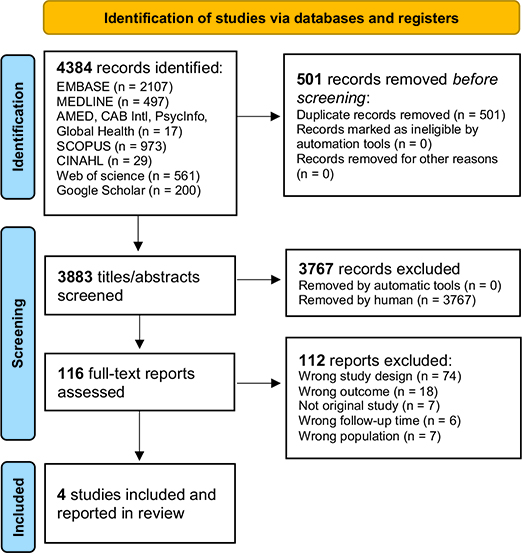
Figure 1. PRISMA flow diagram for selection of population-based studies reporting the incidence and/or prevalence of HF in 5-year CCS.
Adapted to: Page MJ, McKenzie JE et al. The PRISMA 2020 statement: an updated guideline for reporting systematic reviews. BMJ. 2021.
Study characteristics
Table 1 outlines the characteristics of the four studies included in the systematic review, covering study design, study population, inclusion criteria, age at cancer diagnosis, gender, cancer types, treatment era, definition of HF and age at follow-up. One study was conducted in the Netherlands [34], one in Canada [37] and one in Switzerland [36]. The remaining study was the PanCare Childhood and Adolescent Cancer Survivor Care and Follow-Up Studies (PanCareSurFup) cohort, which included eight sub-cohorts from seven European countries including France, Hungary, Italy (two sub-cohorts), the Netherlands, Slovenia, Switzerland and the United Kingdom [35]. However, the data from the French sub-cohort and the hospital-based sub-cohort from Italy were not considered population based and thus excluded from our systematic review. In total, the studies assessed in our analysis reported 45,111 CCSs diagnosed between 1940 and 2014. Nevertheless, there was a notable degree of overlap between the Dutch and Swiss cohorts studied by Feijen, Hau and the PanCareSurFup cohort studied by De Baat et al. [34–36]. All four studies included in this systematic review were cohort studies [34–37]. While two studies included a control group [36, 37], only one compared the outcome with matched individuals from the general population [37]. Three studies recruited survivors of all cancer types [34, 35, 37], while the remaining enrolled survivors of acute lymphoblastic leukaemia (ALL) [36]. Within the Swiss sub-cohort reported by De Baat et al., it is possible that a few individuals were older than the specified age limit of 18 years, given that the study included cancer patients up to 20 years old [35].
| Reference, country; study design | Source(s) of study population and size | Inclusion criteria | Study population age at cancer diagnosis (years) | Male gender in study population N (%) | Cancer diagnoses | Treatment era | Data collection of HF outcome | Study population age at follow-up (years) | Cumulative incidence of HF (95% CI) or prevalence N (%)a of HF at years from diagnosisb | Risk factors of HF | Overall quality | |
| Cases (n) | Controls (n) | |||||||||||
| Feijen et al. 2019, The Netherlands; Nationwide cohort study | DCOG–LATER cohort (5,845) | No control group | 5-year cancer survivors < 18 years, 1970–2001, included in the DCOG–LATER cohort | Median 5.5 (IQR, 2.8–10.5) | 3,257 (55.7) | All cancer diagnoses | 1970 – 2001 | Collected from questionnaire, primary physician questionnaire and medical records. Graded according to the CTCAE | Median 27.3 (range 5.1–65.2) | Study population: 0.4% (0.2–0.5) at 10 years, 1.3% (1.0–1.7) at 20 years 3.0% (2.3–3.6) at 30 years, 4.4% (3.4–5.5) at 40 years, 1.98% (1.66–2.37) at a median of 19.9 years (range 5.0–50.4) |
Treatment with mitoxantrone, cyclopho sphamide, anthracyclines, or RT involving the heart increased the risk for HF | Strong |
| Khanna et al. 2019, Canada; Population-based matched cohort study | The provincial paediatric cancer registry, POGONIS (7,289) | Cancer-free matched individuals from the general population (36,205) | 5-year cancer survivors < 18 years, 1987–2010, treated in a paediatric centre in Ontario | Median 7.0 (range, 0 –17.9) | Not reported | All cancer diagnoses | 1987–2010 | Identified using established algorithms based on combinations of hospital admission and physician billing codes | Median 24 (range 5–47) | Study population: 1.1% (0.8–1.4) at 15 years 1.8% (1.4–2.3) at 20 years Matched controls: 0.1% (0.1–0.2) at 15 years 0.2% (0.1–0.2) at 20 years HR 9.7 (6.8–14.0) |
Childhood relapse/subsequent cancer, exposure to ≥250 mg/m2 of doxorubicin equivalent anthracycline chemotherapy, diabetes and hypertension were statistically significant predictors of HF | Moderate |
| De Baat et al., 2022, Hungary, Italy, The Netherlands, Slovenia, Switzerland, United Kingdom; Seven Nationwide/population-based cohorts | Hungary: Hospital data, clinical trials, nationwide cancer registry (3,680), Italy: CCRP (1,514), The Netherlands: DCCSS LATER (5,185), Slovenia: Nationwide Slovenian cancer Registry follow-up clinic (1,147), Switzerland: Nationwide SCCR (3,176), United Kingdom: Nationwide cancer Registration (16,764), Total: (31,466) |
No control group for HF outcome | 5-year cancer survivors diagnosed: Hungary: <18 years, 1971–2001 Italy: <18 years, 1967–2005 The Netherlands: <18 years, 1964–2001 Slovenia: <16 years, 1961–2002 Switzerland: <20 years, 1964–2002 United Kingdom: <15 years, 1940–1991 |
Median (IQR) Hungary: 6.0 (3–11) Italy: 11.0 (4–17) The Netherlands: 6.0 (3–11) Slovenia: 8.0 (3–13) Switzerland: 6.0 (3–12) United Kingdom: 6.0 (3–10) |
Hungary: 2060 (56) Italy: 779 (51) The Netherlands: 2885 (56) Slovenia: 642 (56) Switzerland: 1766 (56) United Kingdom: 9139 (55) |
All Cancer diagnoses, Hungary including benign CNS tumours. Switzerland including LCH |
Hungary: 1971–2001 Italy: 1967–2005 The Netherlands: 1964–2001 Slovenia: 1961–2002 Switzerland: 1964–2002 United Kingdom: 1940–1991 |
Identified using multiple strategies, for example, linkage to population-based databases and patient-based questionnaires. Symptomatic HF graded according to the CTCAE | Median (IQR) Hungary: 24 (18–30) Italy: 25 (19–32) The Netherlands: 28 (21–35) Slovenia: 30 (22–38) Switzerland: 22 (17–28) United Kingdom: 35 (27–44) |
Study population: Hungary: 0.54% (0.35–0.84), range 5–35 years Italy: 1.45% (0.96–2.19), range 5–43 years The Netherlands: 97 (1.88), range 5–48 years Slovenia: 0.35% (0.14–0.89), range 5–52 years Switzerland: 0.25% (0.13–0.5), range 5–43 years UK: 0.79% (0.67–0.94), range 5–72 years Total cohort: 284 (0.9) Median follow-up time 23.0 years for total PanCareSurFup-cohort |
Case‑control study including 500 cases and 500 controls: A mean heart RT dose of 5 to <15 Gy increased the risk for HF. The risk of HF increased with the total cumulative anthracycline dose, there was no significantly increased risk of HF after treatment with a total anthracycline dose <100 mg/m2 |
Strong |
| Hau et al. 2019, Switzerland; Population-based cohort study | SCCR cohort (511) | Siblings of participating patients (1,299) | 5-year survivors of ALL, diagnosed before age 16 years, 1976 – 2005 who were >16 years and alive at the time of the survey | 0–4 (N = 244) 5–9 (N = 155) >10 (N = 112) |
258 (50) | ALL | 1976–2005 | Self-reported, questionnaire, participants were asked whether a physician had ever told them that they had HF | 16–20 (N = 135) 21–30 (N = 251) 31–40 (N = 107) >41 (N = 18) |
Study population: 12 (2.35) Siblings: 1 (0.08) OR 13.9 (1.8–107.4) range 5–36 years, median follow-up time not reported |
Not reported for HF specifically | Moderate |
| DCOG–LATER: Dutch Childhood Oncology Group – Long-Term Effects After Childhood Cancer; DCCSS LATER: Dutch Childhood Oncology Group Long-term effects registry; CCRP: Childhood Cancer Registry of Piedmont; SCCR: Swiss Childhood Cancer Registry; POGONIS: Pediatric Oncology Group of Ontario Networked Information System; CNS: Central Nervous System; LCH: Langerhans Cell Histiocytosis; HF: heart failure; CI: confidence interval; IQR: interquartile range. aThe prevalence N (%) is reported in bold text in instances where the cumulative incidence was not presented or calculated. bThe differences between study population and controls are presented in HR or OR (95% CI). |
||||||||||||
Quality assessment
Table 1 displays the overall quality assessed by the EPHPP tool, with Table 2 showing the ratings of the specific components. In terms of the overall quality, two studies were rated as strong and two as moderate. The quality assessment of the study by De Baat et al. considered the ratings of all six sub-cohorts from the participating European countries [35].
| Reference | Selection bias | Study design | Data collection methods | Withdrawals and dropouts | Blinding* | Confounders* | Overall quality |
| Feijen et al. 2019 | Strong | Moderate | Strong | Strong | Moderate | Not applicable | Strong |
| Khanna et al. 2019 | Moderate | Moderate | Strong | Weak | Moderate | Weak | Moderate |
| De Baat et al. 2022 | Strong | Moderate | Moderate | Moderate | Moderate | Not applicable | Strong |
| Hau et al. 2019 | Moderate | Moderate | Weak | Moderate | Moderate | Strong | Moderate |
| Overall quality rating according to the EPHPP tool; STRONG (no WEAK ratings in individual domains), MODERATE (one WEAK rating), WEAK (two or more WEAK ratings). *Not included in overall quality assessment. |
|||||||
Data collection and outcome of HF in included studies
Data collection and validation of HF varied between studies (Table 1). Table 1 furthermore presents the reported cumulative incidence or prevalence of HF presented at years from follow-up (median follow-up time and range of follow-up time) when available in each study. Two studies collected information on the diagnosis of HF by questionnaire [34, 36]. In one of these studies, the diagnosis was validated against medical records and overt HF was considered to be present if it was graded 3–5 according to the Common Terminology Criteria for Adverse Events (CTCAE) [9, 34]. One of the studies identified HF cases using algorithms derived from hospital admission and physician billing codes [37]. Another identified potential cases by a linking information from population-based databases and administrating patient-based questionnaires, with HF diagnosed if the clinical state aligned with grade 3–5 based on CTCAE [35].
Feijen and co-workers identified 116 cases of HF among 5,845 CCS during a median follow-up of 19.9 years, resulting in a cumulative incidence of 1.98% [34]. Khanna et al. studied 7,289 CCS and found that the cumulative incidence of HF was 1.1% after 15 years and 1.8% after 20 years from the survivor’s last paediatric cancer diagnosis. The corresponding rates for the cancer-free general population were 0.1% and 0.2%, resulting in an adjusted hazard ratio of 9.7 [37]. The PanCareSurFup study by De Baat and colleagues conducted in seven European countries calculated the overall cumulative incidence of HF (CTCAE grade 3–5) with attained age as the time scale. As shown in Table 1 and Figure 2, we used the reported data on new cases and cohort sizes from each country to estimate the cumulative incidence of HF for the six sub-cohorts separately. The ranges of follow-up time were calculated from the reported inclusion, based on years of diagnosis and the end-date of the study. The total study population was followed for a median of 23 years, but specific follow-up times for individual sub-cohorts were not provided [35]. Among 5-year survivors of ALL, Hau et al. identified 12 cases of HF (2.35%) and only one case among their siblings (0.08%), resulting in a weighted odds ratio of 13.9 (1.8–107.4) [36]. The median follow-up time was not reported.
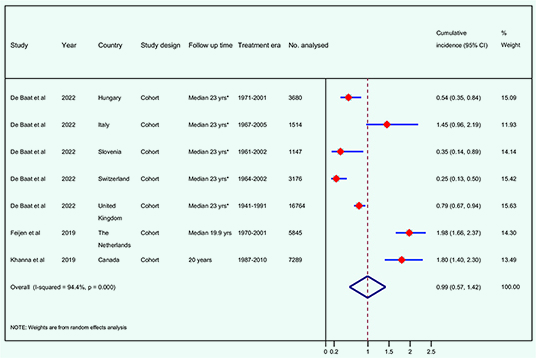
Figure 2. Meta-analysis. Cumulative incidence of heart failure in long-term childhood cancer survivors 5.0–72.5 years of follow-up after childhood cancer diagnosis.
* The median follow-up time for the entire PanCareSurFup cohort is reported, as the median follow-up time for each individual cohort was unavailable. The range of follow-up periods for each sub-cohort is presented in Table 1.
Meta-analysis of the cumulative incidence of HF
Three studies [34, 35, 37] on incident HF in long-term CCS were considered sufficiently homogenous to be included in the meta-analysis. The sub-populations in the study by De Baat et al. were treated as individual cohorts (Figure 2) with the exception of the Dutch sub-group, which was omitted due to an overlap with Feijen et al.’s cohort. We calculated the cumulative incidence at the end of the follow-up period for the studies by Feijen et al. and De Baat et al. Khanna et al. did not report the total number of HF cases, preventing the calculation of the cumulative incidence at the end of the follow-up period. Therefore, we relied on the cumulative incidence reported at 20 years from diagnosis, the longest follow-up time provided. The overall cumulative incidence of HF in the meta-analysis was 0.99% (95% confidence interval [CI] 0.57–1.42%) over a follow-up period ranging from 5.0 to 72.5 years after childhood cancer diagnosis. The I-squared statistic was 94.4% (p < 0.001) (Figure 2).
Risk factors and treatment eras
The heterogeneity and low number of studies prevented us from analysing the proposed secondary outcomes in our meta-analysis. De Baat et al. performed a case‑control study for assessment of risk factors with 500 randomly selected controls who were matched 1:1 with 500 cases of HF [35]. Hau et al. provided no information on risk factors for HF in particular [36]. All three remaining studies observed a greater likelihood of developing HF after anthracycline treatment, with some reporting an increased risk with higher cumulative dosage [34, 35, 37]. Feijen et al. and De Baat et al. found that exposure of the heart during chest irradiation was a risk factor for HF [34, 35]. Other treatment-related or individual-level risk factors for HF identified are presented for each study in Table 1. Both Feijen et al. and De Baat et al. reported a higher cumulative incidence among CCS treated in more recent eras (1980–2001 and 1980–2008) as compared to earlier periods (1960–1979 and 1970–1979) [34, 35].
Discussion
In this systematic review, we identified four population-based studies reporting on the risk for HF in long-term survivors of childhood cancer. The results from three similar studies were combined in a meta-analysis, revealing an overall cumulative incidence of 0.99% during a follow-up period ranging from 5.0 to 72.5 years. Notably, the I-squared statistic was high, indicating a considerable heterogenicity among the three studies. Still, this may also reflect a variation in the incidence of HF in CCS across different countries, similar to the general population [12].
Since we were unable to conduct a meta-analysis to address our secondary objectives, we derived conclusions from individual studies. All studies confirmed that exposure to higher doses of anthracyclines increased the risk for HF development [6, 16, 34, 35, 37]. Even low doses have been linked to cardiac abnormalities suggesting that no dosage can be considered safe for susceptible individuals [38–41]. Nevertheless, De Baat et al. found no increase in the risk of HF among survivors if the total anthracycline dose was less than 100 mg/m2 [35]. It is worth noting that cyclophosphamide and mitoxantrone are additional therapeutic agents that have been linked to increased HF risk independent of anthracycline exposure [34].
Radiotherapy (RT) with exposure of the heart is another established risk factor, especially in combination with anthracyclines [16, 20], as demonstrated in several of the included studies [34, 36, 37]. De Baat et al. reported that patients who received a mean heart RT dose of 5 to 15 Gy had an increased risk for HF. However, most participants were survivors of leukaemia, and radiation to the heart is likely to be part of total body irradiation, which can also increase the risk for metabolic syndrome [35, 42, 43].
Khanna et al. reported that diabetes and hypertension were predictors of HF in CCS [37]. Also, a study based on CCSS data showed that the presence of cardiovascular risk factors, especially hypertension, significantly increased the risk for HF [22]. These risk factors correspond to those related to HF in the general population [10, 12], but CCSs are likely to be more susceptible [21, 22]. In addition, CCSs have been reported to have higher rates of hypertension than matched controls [44]. Apart from cancer treatment and lifestyle factors, genetic variants have been associated with an increased risk of anthracycline-induced cardiotoxicity [45, 46]. A family history of cardiovascular disease independently increased the risk of both hypertension and HF in CCS exposed to chest-directed radiation and/or anthracycline chemotherapy in a report from SJLIFE [47].
Findings from the studies included in this systematic review showed an increased risk for HF among patients treated in the more recent treatment periods compared to earlier periods [34, 35]. This may be attributed to changes in the treatment regimen over time. To gain better understanding of this trend, it would be interesting to compare changes in HF incidence over time with the that in the general population. This is of particular interest given the increasing incidence of HF in young adults within the general population. This phenomenon could be partly explained by changes in coding practices, but it may also suggest a change in phenotype, with an increasing proportion of HF due to cardiomyopathy [48, 49].
Overall, the risk factors identified in this systematic review were consistent with those reported in previous studies [17, 20, 22, 23]. They are also in line with the updated IGHG and ESC guidelines on cardio-oncology, which incorporate a more comprehensive assessment of HF risk factors [16, 24]. Based on the findings of our systematic review, we consider the current recommendations to be appropriate.
Strengths and limitations
The strength of this study is the well-defined inclusion criteria, structured literature search, screening, and synthesis in accordance with the PRISMA-guidelines. The results presented in this systematic review and meta-analysis only answer the primary question of this study, which concerned the incidence of HF in CCS in population-based studies.
One limitation of our review is that we, somewhat unexpectedly, identified only four studies that met our inclusion criterion. The limited number of eligible studies, along with their methodological heterogeneity, posed challenges for synthesis and hindered our ability to draw robust conclusions regarding the risk of HF in this population. However, as our overarching goal was to include only population-based studies as the most appropriate to estimate incidence of the outcome, expanding the number of studies beyond those that met our predefined inclusion criteria would have deviated from our original aim. Synthesising the results of the studies included in this systematic review was challenging due to differences in study cohorts, presentation of HF outcomes and data collection, which affected the estimation of HF incidence [50]. Hau et al. included only ALL survivors, which makes comparison difficult due to differences in cancer treatment and associated HF risks. Consequently, the study performed by Hau et al. was excluded from the meta-analysis [13, 19, 23]. Although the median follow-up time and age at cancer diagnosis were similar across the studies, the range of these parameters varied. For instance, Feijen and Khanna et al. included survivors from 5 years of age [34, 37], while Hau and De Baat included survivors above the age of 16 [35, 36]. When interpreting the cumulative incidence of HF in CCS, it is imperative to consider the follow-up time and age at follow-up, since the cumulative incidence increases over time, as reported in the included studies [34, 35, 37].
Certain high-quality studies on incident HF in CCS were excluded due to a non-population-based design, such as the North American Childhood Cancer Survivor Study (CCSS) [7, 22, 51], the St. Jude Lifetime Cohort Study (SJLIFE) [52, 53] and the German Cardiac and Vascular late Sequelae in long-term Survivors of childhood cancer (CVSS) study [54]. However, research based on CCSS data have reported a variation of HF rates, due to variations in different sub-cohorts or endpoints, similar to the papers included in this systematic review [7, 17, 22, 51]. Three population-based studies reporting cases of HF requiring hospitalisation were excluded since failing to account for outpatients would probably lead to underestimation of the true incidence [55–57]. Furthermore, one of these studies did not differentiate between 5-year survivors and those who had a shorter lifespan from cancer diagnosis [56]. Another study from Canada on survivors of ALL and acute myeloblastic leukaemia (AML) was excluded for this same reason [58]. A recent survey covering the entire Swedish population found that individuals under 25 years who were diagnosed with cancer between 1958 and 2021 had a 1.66 increased likelihood of experiencing HF or cardiomyopathy as compared to a matched control group from the general population. However, information on 5-year survivors was not provided [59]. A systematic review published in January 2024 on late mortality among CCS indicated that the risk of late mortality may differ significantly between world regions. However, the reasons for these regional differences remain unclear [60].
Conclusions
The major findings of this systematic review are the low number of population-based studies of HF in 5-year CCS and a non-homogenous structure of both cohort definitions and HF outcome measures. This makes it challenging to obtain a comprehensive understanding of the frequency of HF in long-term CCS in general but also in various sub-populations. Therefore, future population-based studies comparing HF incidence in CCS with the general population would be of significant value. The acquisition of such epidemiological knowledge allowing for the estimation of distributions and prevalence rates and to assess risk factors over time is likely to be of value when generating future treatment protocols and organising cardiac surveillance programmes for CCS.
Acknowledgments
We would like to thank The Swedish Childhood Cancer Foundation and The Swedish Heart and Lung Foundation [grant number SP2017-0009] for funding this work. However, the systematic review was developed without any involvement from the funders.
Data availability statement
All data generated and analysed during the course of this study are included in this publication (along with its supplementary material).
Ethics declarations and trial registry information
All research reported in this systematic review has been conducted in an ethical and responsible manner. The protocol was registered in the International Prospective Register of Systematic Reviews (PROSPERO) in April 2021 (registration number: CRD42021247622) and published in the medical journal Systematic Reviews in June 2022 [30].
Authors contribution
This study was conceived by TB, MJ and JB. TB wrote the first draft of the manuscript, and all authors contributed to the final version. TB and JB independently performed the study screening, data extraction and quality assessment. MJ and KK provided field expertise and arbitrated in cases of disagreements or uncertainties. BN, an experienced epidemiologist, conducted the literature search, contributed knowledge of systematic reviews and performed the meta-analysis.
References
[1] Gatta G, Botta L, Rossi S, Aareleid T, Bielska-Lasota M, Clavel J, et al. Childhood cancer survival in Europe 1999–2007: results of EUROCARE-5 – a population-based study. Lancet Oncol. 2014;15:35–47. https://doi.org/10.1016/s1470-2045(13)70548-5
[2] Howlader N, Noone A, Krapcho M, Miller D, Bishop K, Kosary CL, et al. SEER cancer statistics review, 1975–2014. Bethesda, MD: National Cancer Institute. [cited 2025 Apr 1] Available from: https://seer.cancer.gov/csr/1975_2014/, based on November 2016 SEER data submission, posted to the SEER web site, April 2017.
[3] Oeffinger KC, Mertens AC, Sklar CA, Kawashima T, Hudson MM, Meadows AT, et al. Chronic health conditions in adult survivors of childhood cancer. N Engl J Med. 2006;355:1572–82. https://doi.org/10.1056/nejmsa060185
[4] Armstrong GT, Kawashima T, Leisenring W, Stratton K, Stovall M, Hudson MM, et al. Aging and risk of severe, disabling, life-threatening, and fatal events in the childhood cancer survivor study. J Clin Oncol. 2014;32(12):1218–27. https://doi.org/10.1200/jco.2013.51.1055
[5] Mertens AC, Liu Q, Neglia JP, Wasilewski K, Leisenring W, Armstrong GT, et al. Cause-specific late mortality among 5-year survivors of childhood cancer: the Childhood Cancer Survivor Study. J Natl Cancer Inst. 2008;100:1368–79. https://doi.org/10.1093/jnci/djn310
[6] Armenian SH, Hudson MM, Mulder RL, Chen MH, Constine LS, Dwyer M, et al. Recommendations for cardiomyopathy surveillance for survivors of childhood cancer: a report from the International Late Effects of Childhood Cancer Guideline Harmonization Group. Lancet Oncol. 2015;16:e123–36. https://doi.org/10.1016/S1470-2045(14)70409-7
[7] Mulrooney DA, Yeazel MW, Kawashima T, Mertens AC, Mitby P, Stovall M, et al. Cardiac outcomes in a cohort of adult survivors of childhood and adolescent cancer: retrospective analysis of the childhood cancer survivor study cohort. BMJ (Online). 2009;339:34. https://doi.org/10.1136/bmj.b4606
[8] Scholz‐Kreisel P, Spix C, Blettner M, Eckerle S, Faber J, Wild P, et al. Prevalence of cardiovascular late sequelae in long‐term survivors of childhood cancer: a systematic review and meta‐analysis. Pediatr Blood Cancer. 2017;64(7):e26428. https://doi.org/10.1002/pbc.26428
[9] Basch E, Reeve BB, Mitchell SA, Clauser SB, Minasian LM, Dueck AC, et al. Development of the National Cancer Institute’s patient-reported outcomes version of the common terminology criteria for adverse events (PRO-CTCAE). J Natl Cancer Inst. 2014;106:dju244. https://doi.org/10.1093/jnci/dju244
[10] Heidenreich PA, Bozkurt B, Aguilar D, Allen LA, Byun JJ, Colvin MM, et al. 2022 AHA/ACC/HFSA guideline for the management of heart failure: a report of the American College of Cardiology/American Heart Association Joint Committee on Clinical Practice Guidelines. Circulation. 2022;145:e895–1032. https://doi.org/10.1016/j.jacc.2021.12.012
[11] Dolgin M. Association NYH, Fox AC, Gorlin R, Levin RI, New York Heart Association. Criteria Committee. Nomenclature and criteria for diagnosis of diseases of the heart and great vessels. 9th ed. Boston, MA: Lippincott Williams and Wilkins; 1994.
[12] Savarese G, Becher PM, Lund LH, Seferovic P, Rosano GM, Coats AJ. Global burden of heart failure: a comprehensive and updated review of epidemiology. Cardiovasc Res. 2022;118:3272–87. https://doi.org/10.1093/cvr/cvac013
[13] Van Der Pal HJ, Van Dalen EC, Van Delden E, Van Dijk IW, Kok WE, Geskus RB, et al. High risk of symptomatic cardiac events in childhood cancer survivors. J Clin Oncol. 2012;30:1429–37. https://doi.org/10.1200/jco.2010.33.4730
[14] Kremer LCM, Van Dalen EC, Offringa M, Voute PA. Frequency and risk factors of anthracycline-induced clinical heart failure in children: a systematic review. Ann Oncol. 2002;13:503–12. https://doi.org/10.1093/annonc/mdf118
[15] Volkova M, Russell R. Anthracycline cardiotoxicity: prevalence, pathogenesis and treatment. Curr Cardiol Rev. 2011;7:214–20. https://doi.org/10.2174/157340311799960645
[16] Ehrhardt MJ, Leerink JM, Mulder RL, et al. Systematic review and updated recommendations for cardiomyopathy surveillance for survivors of childhood, adolescent, and young adult cancer from the International Late Effects of Childhood Cancer Guideline Harmonization Group. Lancet Oncol. 2023;24(3):e108–e120. https://doi.org/10.1016/S1470-2045(23)00012-8
[17] Chow EJ, Chen Y, Kremer LC, Breslow NE, Hudson MM, Armstrong GT, et al. Individual prediction of heart failure among childhood cancer survivors. J Clin Oncol. 2015;33(5):394–402. https://doi.org/10.1200/jco.2014.56.1373
[18] Lipshultz SE, Adams MJ, Colan SD, Constine LS, Herman EH, Hsu DT, et al. Long-term cardiovascular toxicity in children, adolescents, and young adults who receive cancer therapy: pathophysiology, course, monitoring, management, prevention, and research directions: a scientific statement from the American Heart Association. Circulation. 2013;128:1927–95. https://doi.org/10.1161/cir.0b013e3182a88099
[19] Tukenova M, Guibout C, Oberlin O, Doyon F, Mousannif A, Haddy N, et al. Role of cancer treatment in long-term overall and cardiovascular mortality after childhood cancer. J Clin Oncol. 2010;28:1308–15. https://doi.org/10.1200/jco.2008.20.2267
[20] Bates JE, Rancati T, Keshavarz H, Gagliardi G, Aznar MC, Howell RM, et al. Cardiac disease in childhood cancer survivors treated with radiation therapy: a PENTEC comprehensive review. Int J Radiat Oncol Biol Phys. 2024;119(2):522–32. https://doi.org/10.1016/j.ijrobp.2023.03.045
[21] Ness KK, Kirkland JL, Gramatges MM, Wang Z, Kundu M, McCastlain K, et al. Premature physiologic aging as a paradigm for understanding increased risk of adverse health across the lifespan of survivors of childhood cancer. J Clin Oncol. 2018;36(21):2206–15. https://doi.org/10.1200/JCO.2017.76.7467
[22] Armstrong GT, Oeffinger KC, Chen Y, Kawashima T, Yasui Y, Leisenring W, et al. Modifiable risk factors and major cardiac events among adult survivors of childhood cancer. J Clin Oncol. 2013;31:3673–80. https://doi.org/10.1200/JCO.2013.49.3205
[23] Chen Y, Chow EJ, Leisenring WM, Oeffinger KC, Border WL, Meacham LR, et al. Traditional cardiovascular risk factors and individual prediction of cardiovascular events in childhood cancer survivors. J Natl Cancer Inst. 2020;112:DJZ108. https://doi.org/10.1093/JNCI/DJZ108
[24] Lyon AR, López-Fernández T, Couch LS, Asteggiano R, Aznar MC, Bergler-Klein J, et al. 2022 ESC Guidelines on cardio-oncology developed in collaboration with the European Hematology Association (EHA), the European Society for Therapeutic Radiology and Oncology (ESTRO) and the International Cardio-Oncology Society (IC-OS): developed by the task force on cardio-oncology of the European Society of Cardiology (ESC). Eur Heart J. 2022;43(41):4229–361. https://doi.org/10.1093/eurheartj/ehac244
[25] Avagimyan A, Fogacci F, Pogosova N, Kakrurskiy L, Kogan E, Urazova O, et al. Diabetic cardiomyopathy: 2023 update by the International Multidisciplinary Board of Experts. Curr Probl Cardiol. 2023:102052. https://doi.org/10.1016/j.cpcardiol.2023.102052
[26] Rothman KJ, Greenland S, Lash TL. Modern epidemiology (3rd ed.). Philadelphia, PA: Wolters Kluwer Health-Lippincott Williams & Wilkins; 2008.
[27] Sterne JAC HM, McAleenan A, Reeves BC, Higgins JPT. Chapter 25: assessing risk of bias in a non-randomized study. In: Higgins JPT, Thomas J, Chandler J, Cumpston M, Li T, Page MJ, et al., editors. Cochrane handbook for systematic reviews of interventions version 63 (updated February 2022). Cochrane; 2022. [cited 2025 Apr 1] Available from: www.training.cochrane.org/handbook
[28] Szklo M. Population-based cohort studies. Epidemiol Rev. 1998;20(1):81–90. https://doi.org/10.1093/oxfordjournals.epirev.a017974
[29] Shamseer L, Moher D, Clarke M, Ghersi D, Liberati A, Petticrew M, et al. Preferred reporting items for systematic review and meta-analysis protocols (PRISMA-P) 2015: elaboration and explanation. BMJ. 2015;349. https://doi.org/10.1136/bmj.g7647
[30] Berg T, Böhmer J, Nwaru BI, Karason K, Jarfelt M. Heart failure in childhood cancer survivors – a systematic review protocol. Syst Rev. 2022;11:54. https://doi.org/10.1186/s13643-022-01929-0
[31] Stroup DF, Berlin JA, Morton SC, Olkin I, Williamson GD, Rennie D, et al. Meta-analysis of observational studies in epidemiology: a proposal for reporting. JAMA. 2000;283:2008–12. https://doi.org/10.1001/jama.283.15.2008
[32] Page MJ, McKenzie JE, Bossuyt PM, Boutron I, Hoffmann TC, Mulrow CD, et al. The PRISMA 2020 statement: an updated guideline for reporting systematic reviews. Int J Surg. 2021;88:105906. https://doi.org/10.1016/j.ijsu.2021.105906
[33] tool EPHPP. Quality assessment tool for quantitative studies. [cited 2024 Feb 1]. Available from: https://www.ephpp.ca/quality-assessment-tool-for-quantitative-studies/
[34] Feijen E, Font-Gonzalez A, Van der Pal HJH, Kok WEM, Geskus RB, Ronckers CM, et al. Risk and temporal changes of heart failure among 5-year childhood cancer survivors: a DCOG-LATER study. J Am Heart Assoc. 2019;8:e009122. https://doi.org/10.1161/JAHA.118.009122
[35] De Baat EC, Feijen EA, Reulen RC, Allodji RS, Bagnasco F, Bardi E, et al. Risk factors for heart failure among pan-European childhood cancer survivors: a PanCareSurFup and ProCardio cohort and nested case-control study. J Clin Oncol. 2023;41:96–106. https://doi.org/10.1200/JCO.21.02944
[36] Hau EM, Caccia JN, Kasteler R, Spycher B, Suter T, Ammann RA, et al. Cardiovascular disease after childhood acute lymphoblastic leukaemia: a cohort study. Swiss Med Wkly. 2019;149:w20012. https://doi.org/10.4414/smw.2019.20012
[37] Khanna A, Pequeno P, Gupta S, Thavendiranathan P, Lee DS, Abdel-Qadir H, et al. Increased risk of all cardiovascular disease subtypes among childhood cancer survivors: population-based matched cohort study. Circulation. 2019;140:1041–3. https://doi.org/10.1161/CIRCULATIONAHA.119.041403
[38] Jarfelt M, Kujacic V, Holmgren D, Bjarnason R, Lannering B. Exercise echocardiography reveals subclinical cardiac dysfunction in young adult survivors of childhood acute lymphoblastic leukemia. Pediatr Blood Cancer. 2007;49:835–40. https://doi.org/10.1002/pbc.21289
[39] Sadurska E. Current views on anthracycline cardiotoxicity in childhood cancer survivors. Pediatr Cardiol. 2015;36:1112–9. https://doi.org/10.1007/s00246-015-1176-7
[40] Merkx R, Leerink JM, de Baat EC, Feijen EAM, Kok WEM, Mavinkurve-Groothuis AMC, et al. Asymptomatic systolic dysfunction on contemporary echocardiography in anthracycline-treated long-term childhood cancer survivors: a systematic review. J Cancer Surviv. 2022;16(2):338–52. https://doi.org/10.1007/s11764-021-01028-4
[41] Christiansen JR, Kanellopoulos A, Lund MB, Massey R, Dalen H, Kiserud CE, et al. Impaired exercise capacity and left ventricular function in long-term adult survivors of childhood acute lymphoblastic leukemia. Pediatr Blood Cancer. 2015;62:1437–43. https://doi.org/10.1002/pbc.25492
[42] van Waas M, Neggers SJ, Raat H, van Rij CM, Pieters R, van den Heuvel-Eibrink MM. Abdominal radiotherapy: a major determinant of metabolic syndrome in nephroblastoma and neuroblastoma survivors. PLoS One. 2012;7:e52237. https://doi.org/10.1371/journal.pone.0052237
[43] Meacham LR, Chow EJ, Ness KK, Kamdar KY, Chen Y, Yasui Y, et al. Cardiovascular risk factors in adult survivors of pediatric cancer – a report from the childhood cancer survivor study. Cancer Epidemiol Biomarkers Prev. 2010;19:170–81. https://doi.org/10.1158/1055-9965.EPI-09-0555
[44] Lipshultz ER, Chow EJ, Doody DR, Armenian SH, Asselin BL, Baker KS, et al. Cardiometabolic risk in childhood cancer survivors: a report from the Children’s Oncology Group. Cancer Epidemiol Biomarkers Prev. 2022;31:536–42. https://doi.org/10.1158/1055-9965.EPI-21-0360
[45] Wang X, Singh P, Zhou L, Sharafeldin N, Landier W, Hageman L, et al. Genome-wide association study identifies ROBO2 as a novel susceptibility gene for anthracycline-related cardiomyopathy in childhood cancer survivors. J Clin Oncol. 2023;41:1758–69. https://doi.org/10.1200/JCO.22.01527
[46] Armenian SH, Armstrong GT, Aune G, Chow EJ, Ehrhardt MJ, Ky B, et al. Cardiovascular disease in survivors of childhood cancer: insights into epidemiology, pathophysiology, and prevention. J Clin Oncol. 2018;36:2135–44. https://doi.org/10.1200/JCO.2017.76.3920
[47] Goldberg JF, Joshi VM, Towbin JA, Ness KK, Chi X, Santucci AK, et al. Cardiovascular family history increases risk for late-onset adverse cardiovascular outcomes in childhood cancer survivors: a St. Jude lifetime cohort report. Cancer Epidemiol Biomarkers Prev. 2021;30(1):123–32. https://doi.org/10.1158/1055-9965.epi-20-0809
[48] Barasa A, Schaufelberger M, Lappas G, Swedberg K, Dellborg M, Rosengren A. Heart failure in young adults: 20-year trends in hospitalization, aetiology, and case fatality in Sweden. Eur Heart J. 2014;35:25–32. https://doi.org/10.1093/eurheartj/eht278
[49] Lecoeur E, Domengé O, Fayol A, Jannot A-S, Hulot J-S. Epidemiology of heart failure in young adults: a French nationwide cohort study. Eur Heart J. 2023;44:383–92. https://doi.org/10.1093/eurheartj/ehac651
[50] Roger VL. Epidemiology of heart failure. Circ Res. 2013;113:646–59. https://doi.org/10.1161/circresaha.113.300268
[51] Mulrooney DA, Hyun G, Ness KK, Ehrhardt MJ, Yasui Y, Gibson TM, et al. Major cardiac events for adult survivors of childhood cancer diagnosed between 1970 and 1999: report from the childhood cancer survivor study cohort. BMJ. 2020;368:l6794. https://doi.org/10.1136/bmj.l6794
[52] Mulrooney DA, Armstrong GT, Huang S, Ness KK, Ehrhardt MJ, Joshi VM, et al. Cardiac outcomes in adult survivors of childhood cancer exposed to cardiotoxic therapy: a cross-sectional study. Ann Intern Med. 2016;164:93–101. https://doi.org/10.7326/m15-0424
[53] Hudson MM, Ness KK, Nolan VG, Armstrong GT, Green DM, Morris EB, et al. Prospective medical assessment of adults surviving childhood cancer: study design, cohort characteristics, and feasibility of the St. Jude Lifetime Cohort study. Pediatr Blood Cancer. 2011;56:825–36. https://doi.org/10.1002/pbc.22875
[54] Faber J, Wingerter A, Neu MA, Henninger N, Eckerle S, Munzel T, et al. Burden of cardiovascular risk factors and cardiovascular disease in childhood cancer survivors: data from the German CVSS-study. Eur Heart J. 2018;39(17):1555–62. https://doi.org/10.1093/eurheartj/ehy026
[55] van Laar M, Feltbower RG, Gale CP, Bowen DT, Oliver SE, Glaser A. Cardiovascular sequelae in long-term survivors of young peoples’ cancer: a linked cohort study. Br J Cancer. 2014;110:1338–41. https://doi.org/10.1038/bjc.2014.37
[56] Gudmundsdottir T, Winther JF, de Fine Licht S, Bonnesen TG, Asdahl PH, Tryggvadottir L, et al. Cardiovascular disease in adult life after childhood cancer in Scandinavia: a population-based cohort study of 32,308 one-year survivors. Int J Cancer. 2015;137:1176–86. https://doi.org/10.1002/ijc.29468
[57] Kero A, Järvelä L, Arola M, Malila N, Madanat‐Harjuoja L, Matomäki J, et al. Cardiovascular morbidity in long‐term survivors of early‐onset cancer: a population‐based study. Int J Cancer. 2014;134(3):664–73. https://doi.org/10.1002/ijc.28385
[58] Chellapandian D, Pole JD, Nathan PC, Sung L. Congestive heart failure among children with acute leukemia: a population-based matched cohort study. Leuk Lymphoma. 2019;60:385–94. https://doi.org/10.1080/10428194.2018.1474522
[59] Stenmarker M, Mallios P, Hedayati E, Rodriguez-Wallberg KA, Johnsson A, Alfredsson J, et al. Morbidity and mortality among children, adolescents, and young adults with cancer over six decades: a Swedish population-based cohort study (the Rebuc study). Lancet Reg Health Eur. 2024;42:100925. https://doi.org/10.1016/j.lanepe.2024.100925
[60] Moskalewicz A, Martinez B, Uleryk EM, Pechlivanoglou P, Gupta S, Nathan PC. Late mortality among 5‐year survivors of childhood cancer: a systematic review and meta‐analysis. Cancer. 2024;130(10):1844–1857. https://doi.org/10.1002/cncr.35213