ORIGINAL ARTICLE
How do health literacy and chronic disease influence the diagnostic evaluation of patients with lung cancer symptoms?
Lisa Maria Sele Sætrea  , Kirubakaran Balasubramaniama , Sonja Wehberga , Christian Borbjerg Laursenb,c , Jens Søndergaarda and Dorte Ejg Jarbøla
aResearch Unit of General Practice, Department of Public Health, University of Southern Denmark, Odense, Denmark; bOdense Respiratory Research Unit, Odense University Hospital, Department of Clinical Research, University of Southern Denmark, Odense, Denmark; cDepartment of Respiratory Medicine, Odense University Hospital, Odense, Denmark
ABSTRACT
Background and purpose: Smoking status, health literacy challenges and chronic diseases may influence the diagnostic evaluation of patients presenting with lung cancer symptoms (LCSs) in general practice. This study aimed to (1) analyse associations between smoking status, health literacy, chronic disease and having completed diagnostic imaging amongst patients with LCSs in Danish general practice and (2) investigate how these factors interact in relation to the completion of diagnostic imaging, by examining effect modification and causal mediation.
Patient/material and methods: In 2022, a random sample of 100,000 individuals aged ≥ 20 years from the Danish population was invited to participate in a survey about symptoms and healthcare seeking. This study included individuals aged ≥ 40 years who reported general practitioner (GP) contact with LCSs. Questionnaire data included health literacy, chronic disease and smoking status. Register data included socioeconomics, prescription drugs and diagnostic imaging. Descriptive statistics, multivariable logistic regression and causal mediation models were applied.
Results: Of the 2,252 patients who had contacted their GP with LCSs, 22% had completed diagnostic imaging. Formerly smoking increased odds of diagnostic imaging compared to never smoking, whereas current smoking had no influence. No associations or mediations were demonstrated between health literacy, chronic disease and diagnostic imaging. Effect modification was implied by varying impact of health literacy on diagnostic imaging depending on smoking status, yet the results were limited by power.
Interpretation: Initiatives targeting awareness of the risk of overlooking cancer symptoms amongst high-risk patients presenting in general practice may improve the chance of timely diagnosis of lung cancer.
KEYWORDS: Lung neoplasms; diagnosis; general practice; diagnostic imaging; social inequity
Citation: ACTA ONCOLOGICA 2025, VOL. 64, 1455–1464. https://doi.org/10.2340/1651-226X.2025.44113.
Copyright: © 2025 The Author(s). Published by MJS Publishing on behalf of Acta Oncologica. This is an Open Access article distributed under the terms of the Creative Commons Attribution 4.0 International License (http://creativecommons.org/licenses/by/4.0/).
Received: 10 June 2025; Accepted: 2 October 2025; Published: 23 October 2025
CONTACT: Lisa Maria Sele Sætre lsele@health.sdu.dk Research Unit of General Practice, Department of Public Health, University of Southern Denmark, Odense Denmark
Competing interests and funding: The authors report there are no competing interests to declare.
Supplemental data for this article can be accessed online at https://doi.org/10.2340/1651-226X.2025.44113
Introduction
Despite developments in treatment options and improved survival rates, lung cancer remains the leading cause of cancer-related death worldwide [1]. Screening has been implemented in some countries, but most lung cancer diagnostics must still be symptom based [2]. Recommendations for when general practitioners (GPs) should refer patients with lung cancer symptoms (LCSs) for diagnostic imaging are included in national and international cancer care pathways (CCPs) [3, 4]. Most existing evidence on diagnostic evaluation is based on register data, patients diagnosed with lung cancer and anticipated referral patterns [5, 6]. Consequently, the evidence does not account for the patients who contact general practice with LCSs but are not later diagnosed with lung cancer.
Despite free and universal provision of health services in Denmark, inequity in lung cancer persists [7]. Approximately 80% of all lung cancers are caused by the use of tobacco [8, 9], and smoking is related to 80–90% of inequities in cancer [9]. Due to a higher a priori risk of cancer, patients with a smoking history are expected to be more likely to undergo diagnostic evaluation for lung cancer than patients without a smoking history when presenting LCSs in general practice. However, other factors may modify or mediate the impact of smoking history on diagnostics [6, 10].
Health literacy has been suggested as a dynamic outcome of socioeconomic factors contributing to health inequities [11]. It is defined as the combination of the personal competencies and situational resources needed for people to access, understand, appraise and use information and services to make decisions about health, including the capacity to communicate, assert and act upon these decisions [12]. Health literacy can be evaluated using different methodologies. In this study, we used the Health Literacy Questionnaire (HLQ) [13]. Existing chronic disease, and perhaps particularly respiratory diseases, may influence the interpretation of symptoms and the decision of diagnostic evaluation [14, 15]. Health literacy challenges as well as chronic disease have been associated with current smoking [16, 17], less healthcare seeking [18] and cancer outcomes such as prolonged time from symptom recognition to diagnosis, lower screening participation, non-adherence to treatment and higher mortality [19].
In this study, we hypothesised that health literacy challenges and chronic disease reduce the probability of completing diagnostic imaging for patients presenting with LCSs in general practice. Moreover, we hypothesised that health literacy and chronic disease may mediate the likelihood of individuals with different smoking history completing diagnostic evaluation. Therefore, this population-based study aimed to (1) analyse associations between smoking status, health literacy, chronic disease and having completed diagnostic imaging amongst patients with LCSs in Danish general practice and (2) investigate how these factors interact in relation to the completion of diagnostic imaging, by examining effect modification and causal mediation.
Patients/material and methods
Study sampling and logistics
This study is based on the Danish Symptom Cohort II (DaSC II) study. A total of 100,000 individuals aged ≥ 20 years were randomly selected through the Danish Civil Registration System (CRS) and invited to participate in a survey about symptoms and healthcare-seeking behaviour. In the CRS, all individuals living in Denmark are provided with a unique identification number (CRS number), which is assigned to all Danish citizens upon birth or immigration. Invitations were sent to a digital mailbox linked to the CRS number. Reminders were sent to non-respondents after 7 and 14 days. Data were collected from May to July 2022. The study sampling and logistics have been described in detail elsewhere [20].
Setting
More than 98% of all Danish citizens are listed with a general practice. GPs serve as gatekeepers to both out- and inpatient hospital contacts, private practising specialists and other healthcare providers, including CCPs [21]. The Danish lung CCP includes specific and non-specific symptoms, which should lead to suspicion of lung cancer amongst individuals who are 40 years or older with a relevant history of tobacco use and prompt the GP to refer the patient for diagnostic imaging in terms of computed tomography of the thorax (CT thorax) [4]. Nevertheless, chest X-ray (CXR) is also commonly used as the first choice of imaging.
Questionnaire development and data
The development of the DaSC II questionnaire followed the COnsensus-based Standards for the selection of health Measurement Instruments [22]. The questionnaire was pilot tested twice and field tested amongst 499 randomly selected individuals from the general population. Overall, the questionnaire showed good comprehensibility and content validity. The conceptual framework and development have been described elsewhere [20].
In the present study, we included data on contact to general practice with five specific LCSs (prolonged coughing [> 4 weeks], dyspnoea, haemoptysis, prolonged hoarseness [> 4 weeks], changes in a familiar cough) experienced within the 4 weeks preceding data collection [4].
Health literacy was assessed using four domains from the HLQ [13], which has been translated into Danish, culturally adapted and validated [23]. The four domains were selected based on the hypothesis that they exert the greatest influence within a primary healthcare setting, to keep the length of the DaSC II questionnaire manageable [16] and the domains reflected the following aspects of health literacy: feeling understood and supported by healthcare providers (‘Understood and supported’, 5 items); having sufficient information to manage my health (‘Sufficient information’, 4 items); having social support for health (‘Social support’, 5 items); and the ability to actively engage with healthcare providers (‘Actively engage’, 5 items) [16]. The domains encompass 18 items covering a range of statements. For the first three domains, the respondents were asked on a four-point Likert scale whether they agreed with each statement (1 = strongly disagree, 2 = disagree, 3 = agree, 4 = strongly agree), and for the last domain, responses were given on a five-point Likert scale from difficult to easy (1 = always difficult, 2 = usually difficult, 3 = sometimes difficult, 4 = usually easy, 5 = always easy) [13].
Having any existing chronic disease was self-reported. The respondents were asked whether they had a pre-existing disease, injury or disability. Individuals who answered ‘don’t know’ were interpreted as having no chronic disease. Smoking status was categorised as never, former and current smoking [24].
Details on the questionnaire data are described in the Supplementary material, Table S1.
Register data
The survey data were linked to register data using the CRS number. Data on sex, age and vital status were obtained from the Danish Health Data Authority. Data on marital status, highest obtained level of education, labour market affiliation and ethnicity were obtained from Statistics Denmark.
To evaluate the presence of chronic respiratory diseases, we utilised data from the Register of Pharmaceutical Sales on prescriptions for medications commonly used in the treatment of asthma and Chronic Obstructive Pulmonary Disease. Patients who had redeemed at least two prescriptions for a relevant drug within the year preceding data collection were classified as having a chronic respiratory disease [25]. The drugs considered included bronchodilators, corticosteroids and leukotriene modifiers.
Data on diagnostic evaluations were obtained from the Danish National Patient Register and included diagnostic imaging in terms of CXR (Codes: UXRC and UXRC00) and CT thorax (Codes: UXCC, UXCC00 and UXCC75).
Details on registers and codings are provided in the Supplementary material, Table S1.
Study population
Individuals who died, emigrated or were exempted from digital mail were considered ineligible. To comply with the Danish lung cancer guideline, individuals < 40 years old were excluded. We applied listwise deletion to missing questionnaire data, whereas missing data on socioeconomic status (< 0.1%) were recoded to the largest group within each variable. Only respondents who had presented at least one LCS to their GP were included in the analyses.
Outcome
Outcome was completion of at least one diagnostic imaging, in terms of either a CXR or a CT thorax. Diagnostic evaluation was assessed 6 months prior to and post-survey data collections in the period from 1st January 2022 to 31st December 2022, Figure 1. To ensure that the imaging conducted within this period was the first in the specific diagnostic course, all patients who had completed diagnostic imaging during a wash out period comprising the 3 months prior to the period of interest (1st October 2021 to 31st December 2021) were coded as not having completed diagnostic imaging, Figure 1. Procedures that had been performed acutely were not included in the outcome, as they are linked to visits to the emergency department [26]. For individuals who had completed more than one imaging, only the first was used.
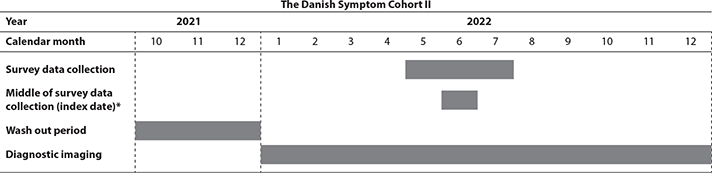
Figure 1. Timeline for data collection.
*Index date: June 1st, 2022.
Covariates
The covariates included the following explanatory variables: sex: male or female; age groups: 40–54, 55–69 or 70 years or older; smoking status: never, former or current; chronic disease: yes or no; chronic respiratory disease: yes and no; health literacy; potential confounders including symptom burden: 1 symptom, 2–3 symptoms or ≥ 3 symptoms; marital status: single/living alone or married/cohabiting; highest obtained level of education: low (< 10 years), middle (10–15 years) or high (≥ 15 years); labour market affiliation: working or out of workforce; and ethnicity: Danish or immigrants/descendants of immigrants.
Statistical analyses
Study population characteristics were calculated by using descriptive statistics. Mean score and standard deviations (SDs) for each of the four HLQ domains were calculated as the sum score within each domain divided by the number of items.
Multivariable logistic regression models were applied to analyse the associations between the explanatory variables and diagnostic imaging. Adjustments were made in two steps. First, in model A, we adjusted for sex, age, smoking status, symptom burden, self-reported chronic disease and chronic respiratory disease. Second, in model B, we additionally adjusted for socioeconomic factors. The models were evaluated with C-statistics estimating Area Under the Curve (AUC) and 95% confidence intervals (CIs).
Effect modification was assessed by repeating the multivariable logistic regression models stratified on smoking status. Whether health literacy or chronic disease acted as a mediator of the effect of smoking status was evaluated in causal mediation models using the mediate function in Stata version 18. We estimated six causal mediation models, with each of the four health literacy aspects (continuous variable), chronic disease (dichotomous variable) and chronic respiratory disease (dichotomous variable) respecitvely, as mediators, completed imaging as outcome (dichotomous variable) and smoking status as explanatory variable (two dichotomous variables: never vs. former and never vs. current), and adjusted for potential confounders, Supplementary Figure S1. The model decomposed the total effect into a direct and indirect effect, expressed as odds ratios (ORs).
Data analyses were conducted using Stata version 18 (StataCorp, USA). All tests used a significance level of p < 0.05.
Reporting followed the STROBE checklist (Supplementary material, Table S2).
Results
Of the 100,000 randomly selected individuals, 7,254 were ineligible for study and 31,415 (34%) responded to the questionnaire. Amongst these, 22,077 were ≥40 years and had completed questionnaire data. A total of 4,974 (22.5%) individuals reported at least one LCS, and of these, 2,252 (45.3%) had contacted their GP, Figure 2. Characteristics of the study population are shown in Table 1.
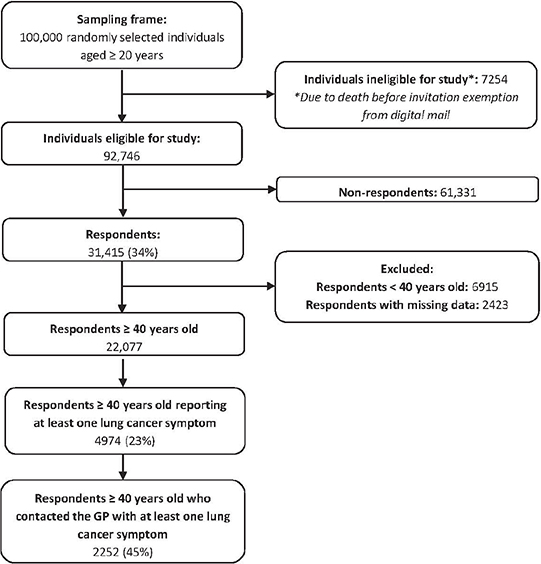
Figure 2. Flowchart of the study population.
Table 2 shows the proportion of patients who had completed diagnostic imaging and associations with each explanatory variable. A total of 490 (21.8%) patients had completed diagnostic imaging. Proportions were highest amongst patients who formerly smoked (248, 24.3%) and in the oldest age group (204, 26.0%).
| n (%) | Crude OR(95% CI) | Model A*:Adjusted OR(95% CI) | Model B*:Adjusted OR(95% CI) | |
| Total imaging | 490 (21.8) | - | - | - |
| Sex | ||||
| Female | 273 (21.7) | 1 | 1 | 1 |
| Male | 217 (22.4) | 1.07 (0.87–1.31) | 1.00 (0.81–1.23) | 0.99 (0.80–1.23) |
| Age groups | ||||
| 40–54 years | 73 (15.4) | 1 | 1 | 1 |
| 55–69 years | 213 (21.4) | 1.50 (1.12–2.01) | 1.46 (1.09–1.96) | 1.33 (0.98–1.81) |
| 70+ years | 204 (26.0) | 1.93 (1.44–2.60) | 1.88 (1.38–2.54) | 1.57 (1.09–2.25) |
| Smoking status | ||||
| Never smoking | 166 (19.0) | 1 | 1 | 1 |
| Former smoking | 248 (24.3) | 1.37 (1.10–1.71) | 1.30 (1.03–1.63) | 1.28 (1.02–1.60) |
| Current smoking | 76 (21.3) | 1.16 (0.85–1.57) | 1.16 (0.85–1.58) | 1.11 (0.81–1.53) |
| Self-reported chronic disease | ||||
| No | 159 (21.3) | 1 | 1 | 1 |
| Yes | 331 (22.0) | 1.04 (0.84–1.28) | 0.94 (0.75–1.17) | 0.92 (0.74–1.15) |
| Chronic respiratory disease | ||||
| No | 314 (21.0) | 1 | 1 | 1 |
| Yes | 176 (23.4) | 1.15 (0.93–1.42) | 1.02 (0.82–1.28) | 1.00 (0.80–1.26) |
| Health literacy | Mean score (SD) | |||
| Understood and supported** | 2.93 (0.67) | 1.09 (0.94–1.27) | 1.07 (0.91–1.24) | 1.07 (0.92–1.25) |
| Sufficient information** | 2.88 (0.58) | 0.99 (0.84–1.17) | 0.98 (0.82–1.16) | 1.00 (0.84–1.19) |
| Social support** | 2.99 (0.60) | 1.09 (0.92–1.29) | 1.10 (0.93–1.31) | 1.12 (0.94–1.33) |
| Actively engage** | 3.66 (0.90) | 1.08 (0.96–1.20) | 1.06 (0.95–1.19) | 1.08 (0.96–1.20) |
| OR: odds ratio; CI: confidence interval. Model A: Adjusted for sex, age, smoking status, symptom burden, self-reported chronic disease, chronic respiratory disease and health literacy*. Model B: Adjusted for sex, age, smoking status, symptom burden, self-reported chronic disease, chronic respiratory disease and health literacy*, marital status, educational level, labour market affiliation and ethnicity. *The regression models for the four health literacy aspects were not adjusted for the remaining aspects due to intercorrelation. **OR per one unit increase in domain score for the health literacy aspect. |
||||
Former smoking was associated with higher odds of having completed imaging (OR 1.28, 95% CI 1.02–1.60), whereas the odds for patients who currently smoked were similar to patients who never smoked, Table 2. No associations were found between health literacy, chronic diseases and having completed diagnostic imaging, Table 2. The estimates in models A (AUC 0.59, 95% CI: 0.56–0.61) and B (AUC 0.60, 95% CI: 0.57–0.63) were similar, and AUC for both models is higher than for the crude model (AUC 0.51, 95% CI: 0.48–0.54).
Table 3 shows the analyses of the association analyses stratified on smoking status. Half of those who completed diagnostic imaging had a former smoking history (248, 50.6%), whereas only 15.5% (n = 76) had a current smoking history. Amongst patients who currently smoked, self-reported chronic disease reduced the odds diagnostic imaging (OR 0.53, 95% CI 0.29–0.97) compared to patients without a chronic disease who currently smoked. For patients with a chronic respiratory disease, the tendency was opposite (OR 1.34, 95% CI 0.74–2.41).
For patients who either never or currently smoked, a higher health literacy score seemed to increase the odds of having completed diagnostic imaging, although not statistically significant, except regarding the ability to actively engage with healthcare providers amongst patients without a smoking history (OR 1.25, 95% 1.03–1.52). For patients who formerly smoked, the tendencies were the opposite, Table 3.
| Total imaging | Never smoking | Former smoking | Current smoking | ||||
| n | n (%) | Adjusted OR*(95% CI) | n (%) | Adjusted OR*(95% CI) | n (%) | Adjusted OR* (95% CI) | |
| Total | 490 | 166 (33.9) | 248 (50.6) | 76 (15.5) | |||
| Sex | |||||||
| Female | 273 | 114 (23.3) | 1 | 119 (24.3) | 1 | 40 (8.2) | 1 |
| Male | 217 | 52 (10.6) | 0.80 (0.55–1.16) | 129 (26.3) | 1.05 (0.77–1.43) | 36 (7.3) | 1.35 (0.79–2.31) |
| Age groups | |||||||
| 40–54 years | 73 | 32 (6.5) | 1 | 26 (5.3) | 1 | 15 (3.1) | 1 |
| 55–69 years | 213 | 71 (14.5) | 1.21 (0.75–1.96) | 101 (20.6) | 1.52 (0.93–2.50) | 41 (8.4) | 1.31 (0.65–2.64) |
| 70+ years | 204 | 63 (12.9) | 1.25 (0.68–2.32) | 121 (24.7) | 2.02 (1.15–3.55) | 20 (4.1) | 1.44 (0.61–3.40) |
| Self-reported chronic disease | |||||||
| No | 159 | 55 (11.2) | 1 | 75 (15.3) | 1 | 29 (5.9) | 1 |
| Yes | 331 | 111 (22.7) | 1.11 (0.76–1.62) | 173 (35.3) | 0.97 (0.70–1.35) | 47 (9.6) | 0.53 (0.29–0.97) |
| Chronic respiratory disease | |||||||
| No | 314 | 131 (41.7) | 1 | 143 (45.4) | 1 | 40 (12.7) | |
| Yes | 176 | 35 (19.9) | 0.67 (0.44–1.02) | 105 (59.7) | 1.13 (0.83–1.55) | 36 (20.5) | 1.34 (0.74–2.41) |
| Health literacy | Mean score | Mean score (SD) | Mean score (SD) | Mean score (SD) | |||
| Understood and supported** | 2.93 | 3.00 (0.65) | 1.27 (0.98–1.64) | 2.90 (0.66) | 0.91 (0.73–1.15) | 2.88 (0.70) | 1.16 (0.78–1.73) |
| Sufficient information** | 2.88 | 2.98 (0.60) | 1.21 (0.90–1.61) | 2.84 (0.54) | 0.80 (0.62–1.05) | 2.82 (0.65) | 1.24 (0.80–1.94) |
| Social support** | 2.99 | 3.08 (0.63) | 1.28 (0.95–1.71) | 2.96 (0.56) | 1.01 (0.77–1.31) | 2.87 (0.64) | 1.08 (0.70–1.69) |
| Actively engage** | 3.66 | 3.77 (0.88) | 1.25 (1.03–1.52) | 3.60 (0.88) | 0.95 (0.80–1.11) | 3.63 (0.99) | 1.23 (0.93–1.62) |
| *Adjusted for sex, age, smoking status, symptom burden, chronic disease, chronic respiratory disease and health literacy*, marital status, educational level, labour market affiliation and ethnicity. The regression models for the four health literacy aspects were not adjusted for the remaining aspects due to intercorrelation. **OR per one unit increase in domain score for the health literacy aspect. |
|||||||
Table 4 presents the results of the causal mediation models. The indirect effect was negligible in all the models; thus, the natural direct effects and total effects were alike.
| Former smoking vs. never smoking | Current smoking vs. never smoking | |||
| OR* (95% CI) | OR* (95% CI) | |||
| Health literacy | Understood and supported** | NIE | 1.00 (1.00–1.01) | 1.00 (0.98–1.01) |
| NDE | 1.27 (1.02–1.59) | 1.13 (0.83–1.53) | ||
| TE | 1.28 (1.02–1.59) | 1.12 (0.82–1.53) | ||
| Sufficient information** | NIE | 0.99 (1.00–1.00) | 1.00 (0.98–1.03) | |
| NDE | 1.27 (1.02–1.59) | 1.13 (0.83–1.53) | ||
| TE | 1.27 (1.02–1.59) | 1.13 (0.83–1.53) | ||
| Social support** | NIE | 1.00 (0.99–1.01) | 0.99 (0.96–1.01) | |
| NDE | 1.28 (1.02–1.59) | 1.14 (0.84–1.54) | ||
| TE | 1.27 (1.02–1.59) | 1.12 (0.82–1.52) | ||
| Actively engage** | NIE | 1.00 (0.99–1.01) | 0.99 (0.96–1.01) | |
| NDE | 1.27 (1.02–1.59) | 1.13 (0.83–1.53) | ||
| TE | 1.27 (1.02–1.59) | 1.12 (0.82–1.52) | ||
| Chronic disease | NIE | 1.00 (0.98–1.01) | 1.00 (0.99–1.01) | |
| NDE | 1.27 (1.02–1.58) | 1.12 (0.82–1.52) | ||
| TE | 1.27 (1.02–1.58) | 1.12 (0.83–1.53) | ||
| Chronic respiratory disease | NIE | 1.00 (0.97–1.03) | 1.00 (0.97–1.03) | |
| NDE | 1.27 (1.02–1.58) | 1.12 (0.82–1.52) | ||
| TE | 1.27 (1.02–1.58) | 1.12 (0.82–1.52) | ||
| *Adjusted for sex, age, symptom burden, chronic disease, chronic respiratory disease, health literacy, marital status, educational level, labour market affiliation and ethnicity. The regression models for the four health literacy aspects were not adjusted for the remaining aspects due to intercorrelation. **OR per one unit increase in domain score for the health literacy aspect. |
||||
Discussion and conclusion
Main findings
Approximately one out of five (22%) of the patients who had presented LCSs in general practice had completed diagnostic imaging. The proportion of diagnostic imaging was higher amongst patients with older age and those who formerly smoked. Individuals who currently smoked had similar likelihood of completing diagnostic imaging, whilst having formerly smoked increased the odds of diagnostic imaging compared to never smoking. This study did not demonstrate associations between any aspects of health literacy, existing chronic disease and completion of diagnostic imaging. Some effect modification was implied as the associations between health literacy and diagnostic imaging appear to vary by smoking status. However, the interactions lacked statistical significance. The relation between smoking history and diagnostic imaging was not mediated by any of the health literacy aspects or chronic disease.
Discussion of results and comparison with other literature
Overall, the present study could not demonstrate disparities in diagnostic imaging with regard to health literacy and chronic disease. However, it highlights that patients who currently smoke, a group considered at high risk, are not more likely to complete diagnostic imaging. This contrasts with our hypotheses and is notable in light of the social inequities in the risk, incidence and mortality of lung cancer [9]. The results could imply that GPs evaluate their patients equally, regardless of health literacy and chronic disease. Nevertheless, differentiation of patients is necessary in relation to varying a priori risks of having a serious disease and the appropriate use of health resources. The results could also indicate that the decision of referral does not rely on the patients’ health literacy. This is supported by Banks et al., who found low patient involvement in the decision of referral for diagnostic evaluation of lung cancer in general practice [27], and by low awareness of health literacy in primary care [28]. Notably, being able to actively engage with healthcare providers tended to increase the odds of diagnostic imaging amongst patients without a former smoking history, perhaps due to higher capability of advocating for being examined.
The stratified analyses implied that patients who currently smoked and had a chronic disease were less likely to undergo diagnostic imaging, whereas the opposite was the case for patients with a chronic respiratory disease. However, these findings may be inflicted by type I error and should be interpreted with caution. The findings partly contrast with studies, suggesting that chronic disease and smoking status do not predict referral [6, 10], whereas they support that the combination of chronic disease and current smoking may represent a bias in the clinical decision-making [6, 15]. This could indicate that by increasing the awareness of referrals of high-risk patients amongst GPs, timely diagnosis of lung cancer may be enhanced.
The present study found no clear influence of health literacy on diagnostic evaluation. This was surprising, given that individuals with health literacy challenges may find it overwhelming to comply with the demands of the CCPs [29, 30]. GPs often have extensive knowledge about their patients’ life circumstances and prerequisites, including their ability to interact with the healthcare system. Thus, as coordinators in the diagnostic pathway, the GPs can ensure safety-netting and coherence to support the diagnostic evaluation of all patients presenting with relevant symptoms regardless of their health literacy [28, 31].
Strengths and limitations
The population-based design combining both survey and register data is considered a strength because it allows the analysis of individual factors such as symptoms, health literacy and smoking status. Furthermore, this study enabled the analysis of patients who presented symptoms in general practice but were not referred for diagnostic evaluation or diagnosed with lung cancer, which adds new perspectives to existing evidence.
This study includes some methodological issues. Although the sample size was large and random, the response rate was lower than desired. In addition, we restricted the study population of interest to patients who had presented LCSs in general practice, compromising power and external validity. Both healthcare-seeking behaviour [16, 18] and participation in surveys have been associated with stronger health literacy [32]. Consequently, some degree of selection bias is likely, and the level of health literacy observed in the study population is probably overestimated compared to patients in general practice. This selection bias may cause an underestimation of the effect of health literacy in the present study and a risk of a type II error. Furthermore, selection bias may challenge the generalisability of the findings, and it is possible that referral patterns for patients presenting with LCSs in general practice are less equitable than suggested by our results.
Self-reported smoking status may be compromised by social desirability bias [33]. To mitigate the risk of misclassification, participants were assured of anonymity, and the survey was administered online. However, the absence of data on pack-years represents a limitation of the study, as such information could have provided additional nuances to the analysis. Any chronic disease was assessed self-reported [34], whereas chronic respiratory disease was register based. We hypothesised that respiratory diseases might influence diagnostic imaging to a higher degree than chronic diseases in general. However, findings for both measures of chronic disease were similar.
To comply with the assumption of no unadjusted confounding in the causal mediation model, we adjusted for available confounders under the assumption that the direct and indirect effects are created by unrelated and distinct mechanisms [35]. However, other factors, such as stigmatisation, concern, previous cancer and familial lung cancer, or GP-related factors, such as experience or gut feeling, may also influence the suspicion of cancer and the decision to refer and constitute potential residual confounding. Furthermore, both the stratified results and mediation analyses results should be considered with care due to multiple testing and risk of random findings.
The chosen period for diagnostic imaging could be a moot point. The link between the GP contact reported in the questionnaire and the imaging extracted from the registers is not certain. The broad time span and the overlap between the periods of diagnostic imaging and data collection may introduce a risk of reverse causation. For example, a negative imaging result may influence subsequent symptom reporting. Moreover, as health literacy may have been strengthened during the diagnostic process, the health literacy levels reported by individuals who underwent diagnostic imaging could be inflated. This, in turn, might result in an overestimation of the associations between health literacy strengths and diagnostic imaging. However, since the study did not identify such associations, the impact of this temporal overlap is probably inconsiderable. The broad time span was chosen to ensure the inclusion of all possible relevant imaging, considering that some of the symptoms may have been prolonged, and some patients may have had several GP contacts before referral [36]. Conversely, the exclusion of imaging performed acutely may cause a minor underestimation of diagnostic imaging, as some of the patients may have had severe symptoms, thus prompting the GP to admit the patient immediately. Furthermore, having completed diagnostic imaging in an acute setting may have reduced the likelihood of being referred for further imaging subsequently. However, including patients who completed acute imaging would cause an overestimation of diagnostic imaging, since a high proportion of patients who enter the Danish emergency departments complete a CXR [37]. Other patients may have completed diagnostic imaging prior to the study period. However, the durability for imaging is limited [38]. Therefore, we considered it reasonable to anticipate that relevant diagnostic imaging in relation to the symptoms reported in the survey had been completed within the study period.
Implications
Initiatives targeting the increased awareness of the risk of overlooking cancer symptoms amongst high-risk patients presenting in general practice may improve timely diagnosis of lung cancer amongst, for instance, patients with chronic diseases. These patients are often monitored in general practice, which provides GPs with an ongoing impression of the disease, persistence and evolvement in symptoms, enabling them to guide the patients and act on changes in symptom presentation.
The present study was unable to determine why patients with a current smoking history do not seem to be more likely to undergo diagnostic imaging when presenting with LCSs in general practice than individuals with no smoking history. Therefore, studies examining consultations in general practice from both patient and GP perspectives may help elucidate decision-making processes.
Healthcare resources are not unlimited; therefore, differentiation and wise use of diagnostic imaging are recommended. Referral of all patients who present with LCSs in general practice for diagnostic imaging is neither cost-effective nor relevant, and few patients will ultimately be diagnosed with cancer [39]. Thus, stratification is preferable in terms of allocating resources to those who need them most and avoiding unnecessary examination with risk of incidental non-specific findings [40].
Conclusion
Amongst patients who presented symptoms of lung cancer in general practice, diagnostic imaging was completed predominantly by patients who formerly smoked, whereas considerably fewer patients who currently smoked had completed diagnostic imaging. This study could not demonstrate associations between health literacy and diagnostic imaging, and health literacy did not mediate the associations between smoking status and diagnostic imaging. Some interaction was indicated by existing chronic disease lowering the likelihood of patients with a current smoking history completing diagnostic imaging, whereas health literacy strengths seemed to increase the likelihood of completing diagnostic imaging amongst patients who either currently or never smoked.
Acknowledgements
We thank Maria Storsveen, MSc, for statistical support and guidance.
The project received financial support from The Danish Cancer Society (Grant no: R321-A14518), Danish Cancer Research Foundation (Grant no: DKF-2021-34-(678)), Region of Southern Denmark (Grant no: 20/14778), Lilly and Herbert Hansen’s Foundation (Grant no: 223), Holm’s memorial grant (Grant no: 21074), Aase and Einer Danielsen’s Foundation (Grant no: 21-10-0175), the Health Foundation (Grant no: 21-B-0164) and the Foundation of General Practice (Grant no: A4202). None of the funding sources was involved in the study or in the approval of the manuscript, and this study was not supported with any funding from agencies in the public, commercial or not-for-profit sectors.
Data availability statement
The datasets generated and analysed in the current study are not publicly available and cannot be shared due to the data protection regulations of the Danish Data Protection Agency. Access to the data is strictly limited to the researchers who have obtained permission for data processing. This permission was given to the Research Unit of General Practice, Department of Public Health, University of Southern Denmark. Further inquiries can be made to the PI Dorte Jarbøl, email: DJarbol@health.sdu.dk.
Ethics declarations & trial registry information
The invitees were informed that participation was voluntary and had the opportunity to decline if they did not wish to participate. The invitation letter provided thorough information about the purpose and content of the questionnaire and explained that by answering the survey participants consented to the use of their data for research purposes in accordance with Section 10 of the Danish Data Legislation. This project was approved by the Research Ethics Committee at the University of Southern Denmark (Case no. 21/29156) and by the Danish Data Protection Agency (j.no. 2011-41-6651) through the Research and Innovation Organisation (RIO), University of Southern Denmark (Project number 10.104).
Author contributions
LS, KB, DJ, SW and JS participated in the design of the study and collected the survey data. LS performed the statistical analyses and wrote the first version of the paper. All authors have contributed to the interpretation of data and the further development of the paper. All authors have read and approved the final paper.
References
[1] Deshpand R, Chandra M, Rauthan A. Evolving trends in lung cancer: epidemiology, diagnosis, and management. Indian J Cancer. 2022;59(Supplement):S90–S105. https://doi.org/10.4103/ijc.IJC_52_21
[2] Hoffman RM, Atallah RP, Struble RD, Badgett RG. Lung cancer screening with low-dose CT: a meta-analysis. J Gen Intern Med. 2020;35(10):3015–25. https://doi.org/10.1007/s11606-020-05951-7
[3] NICE guidelines. Lung cancer: diagnosis and management. Report No.: 978-1-4731-3307-5. London, UK. National Institute for Health and Care Excellence (NICE); 2019.
[4] Danish Health Authority. Pakkeforløb for lungekræft (Cancer Package for Lung Cancer). Report No.: 978-87-7014-022-5. Cophenhagen, Denmark. Danish Health Authority; 2018.
[5] Rankin NM, York S, Stone E, Barnes D, McGregor D, Lai M, et al. Pathways to lung cancer diagnosis: a qualitative study of patients and general practitioners about diagnostic and pretreatment intervals. Ann Am Thorac Soc. 2017;14(5):742–53. https://doi.org/10.1513/AnnalsATS.201610-817OC
[6] Mitchinson L, von Wagner C, Blyth A, Shah H, Rafiq M, Merriel SWD, et al. Clinical decision-making on lung cancer investigations in primary care: a vignette study. BMJ Open. 2024;14(8):e082495. https://doi.org/10.1136/bmjopen-2023-082495
[7] Ammitzbøll G, Graudal Levinsen AK, Kristina Kjær T, Ejlebæk Ebbestad F, Allerslev Horsbøl T, Saltbæk L, et al. Socioeconomic inequality in cancer in the Nordic countries. A systematic review. Acta Oncol. 2022;61(11):1317–31. https://doi.org/10.1080/0284186X.2022.2143278
[8] Barta JA, Powell CA, Wisnivesky JP. Global epidemiology of lung cancer. Ann Glob Health. 2019;85(1):1–16. https://doi.org/10.5334/aogh.2419
[9] Redondo-Sánchez D, Petrova D, Rodríguez-Barranco M, Fernández-Navarro P, Jiménez-Moleón JJ, Sánchez MJ. Socio-economic inequalities in lung cancer outcomes: an overview of systematic reviews. Cancers. 2022;14(2):398. https://doi.org/10.3390/cancers14020398
[10] Sheringham J, Sequeira R, Myles J, Hamilton W, McDonnell J, Offman J, et al. Variations in GPs’ decisions to investigate suspected lung cancer: a factorial experiment using multimedia vignettes. BMJ Qual Saf. 2017;26(6):449–59. https://doi.org/10.1136/bmjqs-2016-005679
[11] Nutbeam D, Lloyd JE. Understanding and responding to health literacy as a social determinant of health. Annu Rev Public Health. 2021;42:159–73. https://doi.org/10.1146/annurev-publhealth-090419-102529
[12] Brach C, Keller D, Hernandez LM, Baur C, Parker R, Dreyer B, et al. Ten attributes of health literate health care organizations. Washington, DC: National Academy of Medicine; 2012.
[13] Osborne RH, Batterham RW, Elsworth GR, Hawkins M, Buchbinder R. The grounded psychometric development and initial validation of the Health Literacy Questionnaire (HLQ). BMC Public Health. 2013;13:658. https://doi.org/10.1186/1471-2458-13-658
[14] Dima S, Chen KH, Wang KJ, Wang KM, Teng NC. Effect of comorbidity on lung cancer diagnosis timing and mortality: a nationwide population-based cohort study in Taiwan. Biomed Res Int. 2018;2018:1252897. https://doi.org/10.1155/2018/1252897
[15] Bate L, Hutchinson A, Underhill J, Maskrey N. How clinical decisions are made. Br J Clin Pharmacol. 2012;74(4):614–20. https://doi.org/10.1111/j.1365-2125.2012.04366.x
[16] Sætre LMS, Jarbøl DE, Raasthøj IP, Seldorf SA, Rasmussen S, Balasubramaniam K. Examining health literacy in the Danish general population: a cross-sectional study on the associations between individual factors and healthcare-seeking behaviour. Eur J Public Health. 2024;34(6):1125–1133. https://doi.org/10.1093/eurpub/ckae150
[17] Aaby A, Friis K, Christensen B, Rowlands G, Maindal HT. Health literacy is associated with health behaviour and self-reported health: a large population-based study in individuals with cardiovascular disease. Eur J Prev Cardiol. 2017;24(17):1880–8. https://doi.org/10.1177/2047487317729538
[18] Sele Sætre LM, Balasubramaniam K, Aaby A, Rasmussen S, Søndergaard J, Jarbøl DE. Health literacy and healthcare seeking with lung cancer symptoms among individuals with different smoking statuses: a population-based study. 2024;2024(1):7919967. https://doi.org/10.1155/2024/7919967
[19] Samoil D, Kim J, Fox C, Papadakos JK. The importance of health literacy on clinical cancer outcomes: a scoping review. Ann Cancer Epidemiol. 2021;5:3 http://dx.doi.org/10.21037/ace-20-30.
[20] Sætre LMS, Raasthøj I, Lauridsen GB, Balasubramaniam K, Haastrup P, Rasmussen S, et al. Revisiting the symptom iceberg based on the Danish symptom cohort – symptom experiences and healthcare-seeking behaviour in the general Danish population in 2022. Heliyon. 2024;10(10):e31090. https://doi.org/10.1016/j.heliyon.2024.e31090
[21] Pedersen KM, Andersen JS, Søndergaard J. General practice and primary health care in Denmark. J Am Board Fam Med. 2012;25 Suppl 1:S34–8. https://doi.org/10.3122/jabfm.2012.02.110216
[22] Mokkink LB, Terwee CB, Patrick DL, Alonso J, Stratford PW, Knol DL, et al. The COSMIN study reached international consensus on taxonomy, terminology, and definitions of measurement properties for health-related patient-reported outcomes. J Clin Epidemiol. 2010;63(7):737–45. https://doi.org/10.1016/j.jclinepi.2010.02.006
[23] Maindal HT, Kayser L, Norgaard O, Bo A, Elsworth GR, Osborne RH. Cultural adaptation and validation of the Health Literacy Questionnaire (HLQ): robust nine-dimension Danish language confirmatory factor model. Springerplus. 2016;5(1):1232. https://doi.org/10.1186/s40064-016-2887-9
[24] National Health Interview Survey. Smoking status recodes. Center for Disease Control and Prevention. [Cited date: October 2024 ] Available from: https://archive.cdc.gov/www_cdc_gov/nchs/nhis/tobacco/tobacco_recodes.htm
[25] Danish Health Data Authority. Register for selected chronic and severe mental disorders (RUKS). 2024 [Cited date: August 2025]. Available from: https://www.esundhed.dk/Emner/Operationer-og-diagnoser/Udvalgte-kroniske-sygdomme-og-svaere-psykiske-lidelser
[26] Danish Health Authority. Registration in the National Danish Health Register. Copenhagen: The Danish Health Authority; 2019.
[27] Banks J, Walter FM, Hall N, Mills K, Hamilton W, Turner KM. Decision making and referral from primary care for possible lung and colorectal cancer: a qualitative study of patients’ experiences. Br J Gen Pract. 2014;64(629):e775–82. https://doi.org/10.3399/bjgp14X682849
[28] Hedelund Lausen L, Smith SK, Cai A, Meiser B, Yanes T, Ahmad R, et al. How is health literacy addressed in primary care? Strategies that general practitioners use to support patients. J Commun Healthc. 2018;11(4):278–87. https://doi.org/10.1080/17538068.2018.1531477
[29] Papadakos JK, Hasan SM, Barnsley J, Berta W, Fazelzad R, Papadakos CJ, et al. Health literacy and cancer self-management behaviors: a scoping review. Cancer. 2018;124(21):4202–10. https://doi.org/10.1002/cncr.31733
[30] Andersen, R. S., Offersen, S. M. H., & Merrild, C. H. (2023). Noisy bodies and cancer diagnostics in Denmark: exploring the social life of medical semiotics. In L. Bennett, L. Manderson, & B. Spagnoletti (Eds.), Cancer and the Politics of Care: Inequalities and interventions in global perspective (pp. 190-209). UCL Press.
[31] Friedemann Smith C, Lunn H, Wong G, Nicholson BD. Optimising GPs’ communication of advice to facilitate patients’ self-care and prompt follow-up when the diagnosis is uncertain: a realist review of ‘safety-netting’ in primary care. BMJ Qual Saf. 2022;31(7):541–54. https://doi.org/10.1136/bmjqs-2021-014529
[32] Kripalani S, Goggins K, Couey C, Yeh VM, Donato KM, Schnelle JF, et al. Disparities in research participation by level of health literacy. Mayo Clin Proc. 2021;96(2):314–21. https://doi.org/10.1016/j.mayocp.2020.06.058
[33] Krumpal I. Determinants of social desirability bias in sensitive surveys: a literature review. Qual Quan. 2013;47(4):2025–47. https://doi.org/10.1007/s11135-011-9640-9
[34] Huntley AL, Johnson R, Purdy S, Valderas JM, Salisbury C. Measures of multimorbidity and morbidity burden for use in primary care and community settings: a systematic review and guide. Ann Fam Med. 2012;10(2):134–41. https://doi.org/10.1370/afm.1363
[35] Lange T, Hansen KW, Sørensen R, Galatius S. Applied mediation analyses: a review and tutorial. Epidemiol Health. 2017;39:e2017035. https://doi.org/10.4178/epih.e2017035
[36] Guldbrandt LM, Møller H, Jakobsen E, Vedsted P. General practice consultations, diagnostic investigations, and prescriptions in the year preceding a lung cancer diagnosis. Cancer Med. 2017;6(1):79–88. https://doi.org/10.1002/cam4.965
[37] Bendixen SH, Ovesen SH, Jessen MK, Weile J. Chest X-ray positioning in suspected infection in the emergency department: patient characteristics and outcome associations. Dansk Tidsskrift Akutmedicin. 2025;8(1):5–15. https://doi.org/10.7146/akut.v8i1.141735
[38] Lykkegaard J, Olsen JK, Wehberg S, Jarbøl DE. The durability of previous examinations for cancer: Danish nationwide cohort study. Scand J Prim Health Care. 2024;42(2):246–53. https://doi.org/10.1080/02813432.2024.2305942
[39] Smith L, Sansom N, Hemphill S, Bradley SH, Shinkins B, Wheatstone P, et al. Trends and variation in urgent referrals for suspected cancer 2009/2010–2019/2020. Br J Gen Pract. 2022;72(714):34–7. https://doi.org/10.3399/bjgp22X718217%J
[40] Frumer M AR, Vedsted P, Offersen SMH. ‘In the Meantime’: ordinary life in continuous medical testing for lung cancer. Med Anthropol Theory. 2021;8(2):1–26. https://doi.org/10.17157/mat.8.2.5085