REVIEW ARTICLE
The effects of upper versus lower extremity resistance training in patients with breast cancer: a systematic review
Hacer Oncu  , Ceyhun Topcuoglu, Ebru Calik , Melda Saglam and Naciye Vardar Yagli
Department of Cardiorespiratory Physiotherapy and Rehabilitation, Faculty of Physical Therapy and Rehabilitation, Hacettepe University, Ankara, Turkey
ABSTRACT
Purpose: The aim of this systematic review was to analyze the effects of upper, lower and upper-lower extremity combined resistance training (RT) in breast cancer survivors.
Methods: A systematic literature search was performed using ClinicalTrials.gov, Cochrane Library, PubMed, Scopus, EBSCO, and Web of Science databases. Randomized controlled trials published between 1970 and April 30, 2025 comparing upper extremity RT, lower extremity RT and combined upper and lower extremity RT; comparing upper extremity RT and/or lower extremity RT in the experimental group and no RT in the control group or the sham group in the control group were examined.
Results: We included 16 studies with 1,207 participants. Upper extremity RT training programs reduce shoulder pain, arm disability and improve upper limb muscle strength. Lower extremity RT training programs improve maximum strength, level of physical activity (PA), 6-minute walking test (6MWT) distance, muscle fatigue indicators and maximal voluntary isometric contraction values. Combined upper-lower extremity RT trainings enhance 6MWT distance, muscular strength, walking speed, body image, and reaction time.
Interpretation: Upper, lower, and combined upper-lower extremity RT programs can be beneficial rehabilitation therapies for breast cancer survivors. As the effects of the type of RT are different from each other, the specific needs of each patient should be considered while designing the ideal RT in breast cancer survivors.
KEYWORDS: Breast cancer; resistance training; upper extremity; lower extremity; quality of life; muscle strength; exercise capacity; adverse effect
Citation: ACTA ONCOLOGICA 2025, VOL. 64, 1565–1576. https://doi.org/10.2340/1651-226X.2025.44387.
Copyright: © 2025 The Author(s). Published by MJS Publishing on behalf of Acta Oncologica. This is an Open Access article distributed under the terms of the Creative Commons Attribution 4.0 International License (http://creativecommons.org/licenses/by/4.0/).
Received: 14 July 2025; Accepted: 16 October 2025; Published: 19 November 2025
CONTACT: Hacer Oncu haceroncu1997@gmail.com Department of Cardiorespiratory Physiotherapy and Rehabilitation, Faculty of Physical Therapy and Rehabilitation, Hacettepe University, 06100 Ankara, Türkiye
Competing interests and funding: The authors declare that they have no competing interests.
Introduction
Breast cancer has replaced lung cancer as the most commonly diagnosed cancer worldwide, now accounting for 1 in 8 cancer diagnoses and 2.3 million new cases in both sexes [1, 2]. Almost 85–90% of breast cancer cases occur sporadically due to environmental and age-related causes and 10–15% are inherited, especially from mutations in the BRCA1 and BRCA2 genes [3]. Increased survival rates after advances in treatments have led to more complications related to breast cancer and its treatments [4, 5]. The most common complications related to breast cancer are pain in the upper extremities, limitation in joint movements, functional limitation, decreased exercise capacity, breast cancer-related lymphedema (BCRL), fatigue, stiffness, risk of infection, loss of sensation; and these complications may occur in the short or long term. These adverse effects also lead to a decrease in quality of life and functional capacity [6]. Exercise and physical activity (PA) have been shown to reduce the risks of breast cancer development, mortality and recurrence [7, 8]. In addition to the positive effects of exercise on physical, psychological, cognitive, and social well-being, studies have comprehensively demonstrated its role in preventing many chronic diseases and improving quality of life and functional recovery [9]. Breast cancer survivors may sometimes avoid exercising due to physical symptoms and psychological barriers and they prefer pain-free activities such as walking [10]. However, evidence indicates that this assumption is incorrect [11, 12]. It has also been reported to be effective in reducing adverse effects such as loss of joint mobility and muscle strength, pain, fatigue, anxiety and depression associated with breast cancer and its treatments [13–15]. Exercise training studies mostly consist of aerobic training (AT) or resistance training (RT) combined with AT in breast cancer. RT modality used as a stand-alone intervention is less frequently implemented than other types of training [11]. In fact, it has been found that RT improves muscle strength, range of motion (ROM), quality of life, functional level and reduces negative effects of disease and treatments such as depression and fatigue [16]. A systematic review on RT in breast cancer reported that RT is typically performed twice a week on strength training machines, using a load between 50 and 80% of one-repetition maximum (1RM), in 60-min sessions, with two or three sets of 8 to 12 repetitions for each muscle group worked [17]. RT is among the interventions that should be included in rehabilitation programs for patients with breast cancer accompanying BCRL. RT increases lymphatic drainage, thereby reducing the risk of lymphedema development, and also helps in reducing the volume of the affected limb besides improving muscle strength [17]. These concerns emphasise the need for a clearer understanding of the optimal exercise prescription particularly the intensity, duration and frequency of RT for preventing occurrence and progression of BCRL [18]. Existing studies in the literature suggest that RT progressing from low to high intensity increases lymphatic drainage, thus helping to reduce lymphoedema [18]. Studies have shown that high-intensity RT is more effective than low-intensity RT in reducing lymphedema and increasing muscle strength. Breast cancer patients with lower tolerance to high intensity exercise can maximise the benefit in managing lymphedema by appropriately increasing the frequency and duration of exercise for at least 12 weeks to ensure the positive effects [18]. However, there is still no consensus on the effectiveness of different RT methods and the optimal training mode for RT on BCRL in patients with breast cancer [19].
The number of studies comparing the effectiveness of different RT modalities in individuals with breast cancer is insufficient. Examining the effects of RT applied to different limbs in individuals with breast cancer and performing the most effective type of resistance exercises could contribute to reducing disease-related activity limitations, healthcare costs, and mortality. As a result, the aim of this systematic review was to compare the effects of upper limb, lower limb and combined upper-lower limb RT on muscle strength, quality of life, exercise capacity, and BCRL considered as an adverse effect in breast cancer. These findings may provide guidance for implementing most appropriate rehabilitation programs without any adverse events in individuals with breast cancer. In this way, different types of RT can be added to the rehabilitation programs of patients with breast cancer, meeting rehabilitation needs of patients.
Materials and methods
We conducted this systematic review according to the Cochrane guidelines [20] and reported it according to the Preferred Reporting Items for Systematic Reviews and Meta-Analyses (PRISMA) 2020 Checklist (Figure 1) [21].
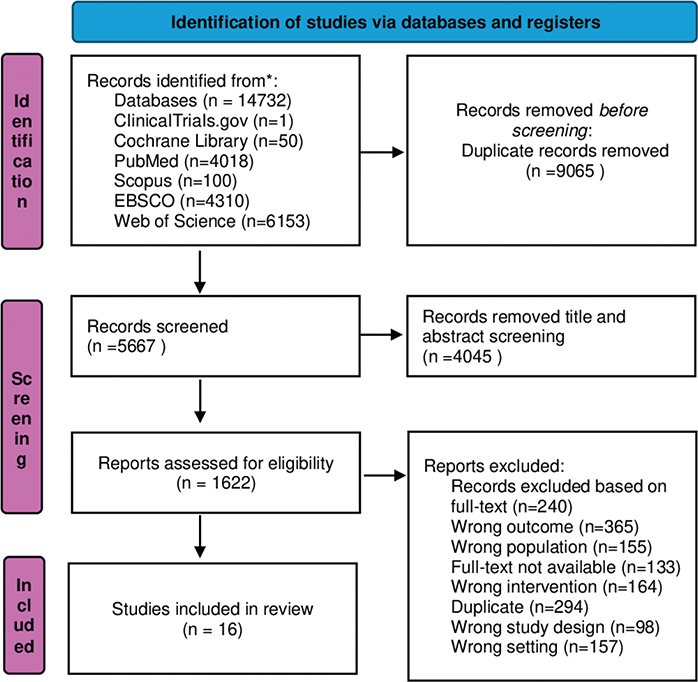
Figure 1. Preferred Reporting Items for Systematic Reviews and Meta-Analyses flowchart. Study identification and process for selection of studies included in the review [47].
Search strategy
The PICO model (Population, Intervention, Control and Outcome) was used in the selection of the articles. The study population included patients with breast cancer. Randomized controlled studies comparing upper extremity RT, lower extremity RT and combined upper and lower extremity RT; comparing upper extremity RT and/or lower extremity RT in the experimental group, and no RT in the control group or the sham group were examined. ClinicalTrials.gov, Cochrane Library, PubMed, Scopus, EBSCO, and Web of Science databases were used. Study titles and abstracts were independently reviewed for relevance by two authors (CT and HO) to identify studies that met inclusion and exclusion criteria, study design, sample characteristics, intervention programs, and the effects of exercise. When a disagreement arose, all authors negotiated until a consensus was reached. If only the abstract were available or data were missing, the authors of the publication were contacted. Two reviewers independently extracted data from the full text of the included studies and recorded details about study design, interventions, patients, and outcome measures in a standard predefined Microsoft Excel spreadsheet. When outcome data were collected at different time points in studies, data collected immediately after the completion of the intervention were included in the analyses.
Inclusion and exclusion criteria
We included randomised controlled trials (RCTs) in this systematic review. Non-randomised trials, prospective and retrospective cohort studies, cross-sectional studies, case–control studies, systematic reviews, case reports, letters, editorials, qualitative studies, conference abstracts, posters, and protocols were excluded. Preprints were not included, but verified if the corresponding articles had already been published. We included randomized controlled trials comparing upper extremity RT and/or lower extremity RT in the experimental group, no RT in the control group, or sham group; comparing upper extremity RT, lower extremity RT, or combined upper and lower extremity RT in the experimental group, no RT in the control group, or sham group. We included RT with elastic bands, elastic tube or elastic balls, free weights, and weight machines. Use of other training modalities (such as aerobic exercises, balance exercises) in combination with RT were excluded. Studies that only had abstracts (from conferences, study groups, etc.) and studies with recommendations without detailed interventions and no further details were excluded. There were no restrictions in terms of language, country, race, or gender.
Selection and data extraction
Search results were imported into a reference management program (Endnote 20.2 (Bld 15.709), Clarivate Analytics). Based on inclusion and exclusion criteria, two reviewers independently screened all records by title and abstract. Subsequently, two reviewers independently reviewed the full text of all potentially relevant records, using the same selection criteria. Data were extracted by one reviewer (HO) and checked by two other reviewers (CT, MS) using standardised data extraction forms in Covidence and Microsoft Excel (Version 2202). Any queries or disagreements in either of the steps above were resolved through discussion or, if necessary, by consulting another reviewer. The following data items were extracted: title, authors, publication year, journal, publication status, country, timeframe of patient recruitment, study design, population characteristics (i.e. inclusion and exclusion criteria, setting, sample size, age, sex, follow-up time since breast cancer, breast cancer stage, applied breast cancer treatment), rehabilitation therapy, comparator(s), primary and secondary endpoints, and the main results. Data were sought for the following outcome measures: shoulder pain, arm disability, the thickness of the subcutaneous tissue, muscle strength (isotonic, isometric and isokinetic), body composition, BCRL, pain and the sensation of heaviness in the affected limb during activities of daily living (ADLs), quality of life, shoulder ROM, level of PA, 6-minute walking test (6MWT) distance, circulating inflammatory markers, walking speed (4m Walk), and muscular endurance (sit-up and plank test).
Quality assessment
The Physiotherapy Evidence Database (PEDro) scale was used to assess the methodological quality of randomized controlled trials [22]. The PEDro scale consists of 11 methodological items. The first item is not scored and overall assesment is expressed over a total of 10 points. While scores below 4 are expressed as ‘poor’, scores between 4 and 5 are expressed as ‘moderate’, scores between 6 and 8 are expressed as ‘good’, and scores between 9 and 10 are expressed as ‘perfect’ [23]. The two authors independently scored the publications and disagreements were resolved by negotiating with a third party [24, 25].
Risk of bias assessment
The Cochrane risk-of-bias tool was used to assess the risk of bias in the following studies included studies. This study assessed attrition bias, reporting bias, other bias methods. Risk of bias was assessed by two independent authors. In case of disagreement, the authors negotiated with a third party [26].
Protocol registration
We published and prospectively registered the protocol for this systematic review on PROSPERO (CRD42023489534).
Results
Identification of studies
From the database search on 30 April 2025, 15,634 records were identified, of which 12,234 were screened for title and abstract. Of those, 321 references were screened based on full-text, of which 16 unique studies were retained for this review (Figure 1).
Eight studies including upper extremity RT, 3 studies including lower extremity RT and 5 studies including combined upper and lower extremity RT were evaluated. Characteristics of included studies are presented in Table 1.
| Reference | Sample sizeb | Patient population | Measurement, intervention studied |
| Naczk et al. 2022 [27] | 24 women | Survivors with breast cancer who have undergone partial or simple mastectomy | Shoulder muscles strength Body composition BRCL Inertial training 6 weeks, twice a week A warm-up and 4 sets of shoulder flexion, extension, abduction and adduction exercises (16 sets for each arm) for each session. Each set 15 seconds (2 minu breaks between sets) for 12–14 repetitions |
| Kilbreath et al. 2006 [28] | 22 women | Survivors with breast cancer undergoing breast cancer treatment including axilla surgery | Quality of life BCRL Shoulder ROM Shoulder muscle strength 2 sets, 8 to 12 repetitions moderate resistance exercises (Shoulder flexors and abductors and external rotators) Free weights for the weekly supervised sessions A suitable Thera-band® rating for the home program 15 (difficult) target intensity on the Borg Effort Scale |
| Sagen et al. 2009 [31] | 204 women | Survivors with breast cancer who have undergone axillary node dissection | BRCL Pain and sensation of heaviness in the affected limb Moderate RT program 2–3 times a week for 6 months RT (total 45 min) 15 repetitions for each exercise Low resistance (0.5 kg) during the first 2 weeks |
| Bok et al. 2016 [32] | 32 women | Survivors with breast cancer who have BCRL | BRCL Subcutaneous thickness Muscle thickness Progressive resistance exercise (PRE), complex decongestive physiotherapy. Resistance exercises: (1) dumbbell fly, (2) triceps extension, (3) single arm bent-over row, (4) biceps curl, (5) dumbbell side raise and (6) forearm raise using 0.5 kg dumbbells 5 repetitions twice a day and progression by adding 5 more repetitions each week during 8 weeks |
| Kilbreath et al. 2011 [33] | 160 women | Survivors with breast cancer undergoing breast cancer treatment including axilla surgery | Quality of life Shoulder ROM Shoulder strength BCRL Home program of passive stretching, PRT for shoulder muscles. 2 sets, 8 to 12 repetitions of moderate resistance exercises (Shoulder flexors and abductors and external rotators) Free weights for the weekly supervised sessions A suitable Thera-band® rating for the home program |
| Do et al. 2015 [29] | 44 women | Survivors with breast cancer who have BCRL | Shoulder muscular strength DASH BCRL Quality of life Moderate intensity resistance exercise program using an elastic band (theraband) for 8 weeks Intensive complex decongestive physiotherapy for 1 or 2 weeks (depending on severity) The exercise intensity: > 6 on OMNI Scale 3 sets, 10 repetitions of isolated shoulder flexion, isolated shoulder abduction and extension, and internal rotation and external rotation 5 times a week for 8 weeks |
| Aboelnour et al. 2022 [30] | 70 women | Breast cancer patients with unilateral post-mastectomy adhesive capsulitis | Shoulder range of motion Shoulder muscle strength DASH Pain The traditional physical therapy program, Thera-Band exercises for shoulder muscles and scapular stabilization exercises 5 days a week for 60 min during 8 weeks. 2–3 sets of 10–15 repetitions of each exercise for 30 min All patients started the strengthening exercises with the color yellow, progressing to red and then to green Progression was applied when the patient could easily complete 3 sets of 10–15 repetitions |
| Ibrahim et al. 2018 [34] | 59 women | Survivors with young (aged 18–45 years) breast cancer | Shoulder muscle ROM Handgrip strength Pain with shoulder movements Upper limb strengthening, endurance and stretching exercises exercise with an exercise band 2 times a week for 12 weeks 8–10 RM exercise intensity |
| Santagnello et al. 2020 [35] | 20 women | Survivors with breast cancer | Self-reported fatigue Body composition Physical performance Maximum strength Muscle power Resistance exercises (leg extension, leg curl, 45° leg press and calf raise) %80 of 1RM exercise intensity 8–12 repetitions for 12 weeks |
| Martins et al. 2023 [36] | 22 women | Survivors with breast cancer | Self-reported fatigue Sitting time Level of PA Fat percentage Muscle fatigue indicators Maximal voluntary isometric contraction Six-minute walk test Blood sample Muscle strength RT (leg extension, leg curl, 45° leg press, and calf raise) 3 sets of 8–12 repetitions with 80% of 1RM 3 times a week for 12 weeks |
| Cešeiko et al. 2019 [37] | 55 women | Survivors with breast cancer with disease stage I-III | Quality of life Exercise tolerance Muscle strength Fatigue RT (leg extension, leg curl, 45° leg press and calf raise) 80% of 1RM, 8 to 12 repetitions 3 days per week for 12 weeks Week 1: 1 set (4 exercises) of 15–20 repetitions at ~60% of 1RM; Week 2: 2 sets of 12–15 repetitions at ~70% of 1RM; Week 3–12: 3 sets of 8–12 reps at ~80% of 1RM |
| Winters-Stone et al. 2022 [38] | 114 women | Survivors with breast cancer with early-stage, post-treatment, older | Physical function Self-report physical function 6 minute walk test Maximal muscle strength Flexibility or ROM Progressive low-moderate intensity exercise programs: aerobic, resistance or flexibility (active control) training. 12 months of supervised followed by 6 months of unsupervised exercise training 5 upper body and 5 lower body exercises: chair pose, lunges (front, back, side), calf raises, calf raises, single arm rows, chest press, forward/lateral shoulder raises and push-ups. 2–3 sets of each exercise with a maximum of 10–15 RM. Lower extremity exercises were performed with wearing a vest with a weight that was gradually increased or tolerated from 1 to 10% of the participant’s body weight |
| Schmitz et al. 2005 [39] | 85 women | Survivors with breast cancer | Body size Biomarkers Maximal muscle strength Twice-weekly weight training |
| Schmitz et al. 2010 [41] | 154 women | Survivors with breast cancer survivors 1 to 5 years postunilateral breast cancer, with at least 2 lymph nodes removed and without clinical signs of BCRL | BCRL Body fat Dietary intake Self-reported PA Maximal muscle strength Upper body exercises: Seated row, supine dumbbell press, side or front lift, biceps curl and triceps pushdown were performed with dumbbells or machines with variable resistance. Lower body exercises: Leg press, back extension, leg extension and leg curl were performed with resistance machines. 90 min RT twice a week for 13 weeks Three sets, 10 repetitions per set in each session After 13 weeks, participants continued unsupervised exercise twice a week for 1 year. |
| Speck et al. 2010 [40] | 234 women (112 with lymphedema) | Survivors with breast cancer | Body image Upper and lower body strength Quality of life Strength training. Twice a week for 90-min sessions during the first 13 weeks. New weight-bearing exercises with little or no resistance during the first eight sessions. After two sessions, resistance was increased in minimal increments (1/2 pound) for each upper body exercise. Upper body exercises: Seated rows, supine dumbbell press, side or front raises, biceps curls and triceps pushdowns. Lower body exercises: Leg press, back extension, leg extension, and leg curls. Three sets, 10 repetitions per set in each session After 13 weeks, participants continued unsupervised exercise twice a week for up to 1 year. |
| Lee et al. 2022 [42] | 30 women | Survivors with breast cancer | Body composition Muscle strength Muscular endurance Flexibility Reaction time Balance Inflammation Immune cell 12 weeks of high-intensity circuit resistance exercise (leg press, seated row, leg extension, shoulder press, back extension, arm extension, hip adduction and hip abduction exercises) The exercise set consisted of warm-up (walking and stretching, 10 min), main exercise (30 min) and cool-down (stretching, 10 min), each set was followed by a 3-min rest period. Pneumatic exercise equipment 2–3 times a week for 50 min a day for 12 weeks The exercise intensity was progressed as following: 16 repetitions, 3 sets of 1 RM 40% in the first week 12 repetitions, 4 sets of 1 RM 60% in the second week 12 repetitions, 4 sets of 1 RM 60% in the third week 12 repetitions, 4 sets of 1 RM 60% in the third week 8 repetitions, 4 sets of 1 RM 80% in a 1:1 concentric/eccentric ratio |
| 1RM: one-repetition maximum; BCRL: breast cancer-related lymphedema. | |||
Risk of bias
Sixteen articles reported random sequence generation for selection bias [27-42], and nine of them had allocation concealment [27, 28, 30, 31, 33, 34, 39-41]. Only two studies blinded participants and physiotherapists [28, 39], while other studies had performance bias. For detection bias, blinding was reported in the outcome evaluation of eight articles [28, 30, 31, 33, 38-41]. In only one study, all participants completed RT [31], and all data were provided. In the remaining articles, the ‘intention to treat’ analysis was not given, and there was an attrition bias. There was no reporting bias or other bias in any of the studies (Figure 2).
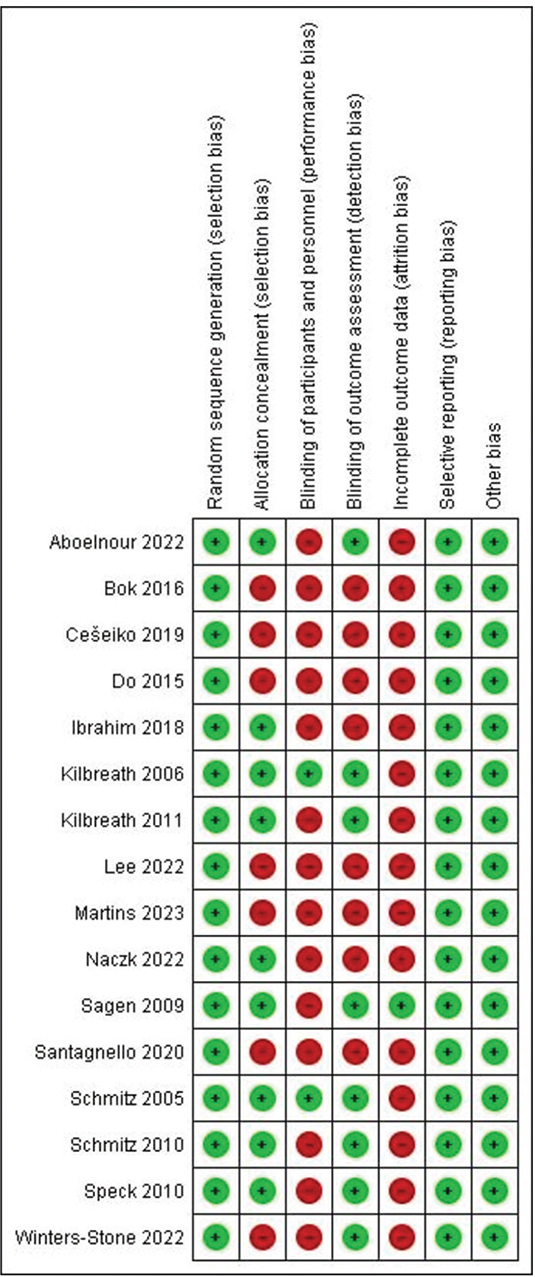
Figure 2. A summary of the risk of bias for the trials included in this systematic review.
Effects of rehabilitation interventions
Figure 3 graphically summarises the results of the included studies.
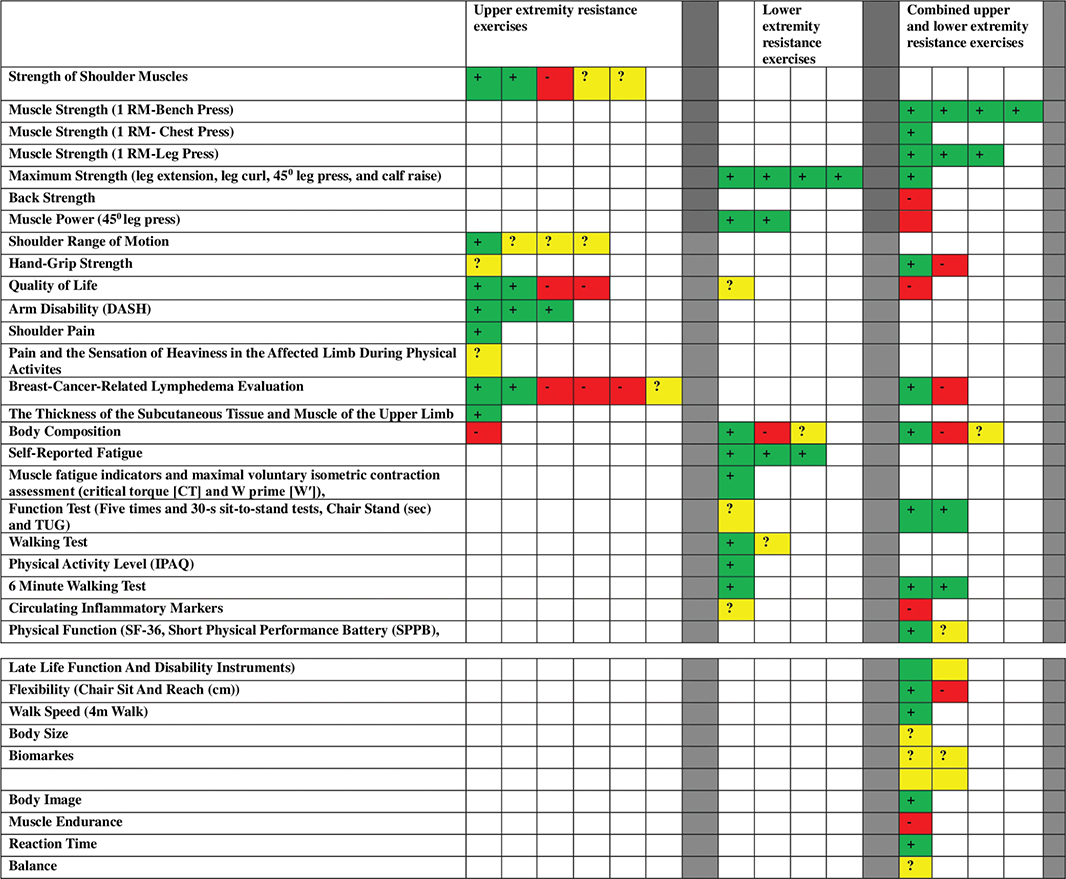
Figure 3. Graphical summary of the results of the included studies.
+ (green) = beneficial results, ? (yellow) = conflicting results, – (red) = no significant improvement.
Quality of studies
Quality assessment was conducted for each study using the PEDro score. The PEDro score of the included studies was between 4 and 9. Quality of one article was perfect, quality of six articles was good, and quality of nine articles was moderate (Table 2).
| The Authors | Eligibility criteria | Random allocation | Concealed allocation | Baseline Comparability | Blinding (participant) | Blinding (therapist) | Blinding (assessor) | Adequate Follow-Up | Intention to Treat Analysis | Between-Group Comparisons | Point Estimates and Variability | Total |
| Upper extremity resistance exercises | ||||||||||||
| Naczk et al. 2022 [27] | Yes | Yes | Yes | Yes | No | No | No | No | No | Yes | Yes | 5 |
| Kilbreath et al. 2006 [28] | Yes | Yes | Yes | Yes | Yes | Yes | Yes | Yes | No | Yes | Yes | 9 |
| Sagen et al. 2009 [31] | No | Yes | Yes | Yes | Yes | No | Yes | No | Yes | Yes | Yes | 7 |
| Bok et al. 2016 [32] | Yes | Yes | No | Yes | No | No | No | No | No | Yes | Yes | 4 |
| Kilbreath et al. 2011 [33] | Yes | Yes | Yes | Yes | No | No | Yes | Yes | No | Yes | Yes | 7 |
| Do et al. 2015 [29] | Yes | Yes | No | Yes | No | No | No | Yes | No | Yes | Yes | 5 |
| Aboelnour et al. 2022 [30] | Yes | Yes | Yes | Yes | No | No | Yes | No | No | Yes | Yes | 6 |
| Ibrahim et al. 2018 [34] | Yes | Yes | Yes | Yes | No | No | No | No | No | Yes | Yes | 5 |
| Lower extremity resistance exercises | ||||||||||||
| Santagnello et al. 2020 [35] | Yes | Yes | No | Yes | No | No | No | No | No | Yes | Yes | 4 |
| Martins et al. 2023 [36] | Yes | Yes | No | Yes | No | No | No | No | No | Yes | Yes | 4 |
| Cešeiko et al. 2019 [37] | Yes | Yes | No | Yes | No | No | No | Yes | No | Yes | Yes | 5 |
| Combined upper and lower extremity resistance exercises | ||||||||||||
| Winters-Stone et al. 2022 [38] | Yes | Yes | No | Yes | No | No | Yes | No | No | Yes | Yes | 5 |
| Schmitz et al. 2005 [39] | Yes | Yes | Yes | Yes | Yes | Yes | Yes | No | No | Yes | Yes | 8 |
| Schmitz et al. 2010 [41] | Yes | Yes | Yes | Yes | No | No | Yes | Yes | No | Yes | Yes | 7 |
| Speck et al. 2010 [40] | Yes | Yes | Yes | Yes | No | No | Yes | No | No | Yes | Yes | 6 |
| Lee et al. 2022 [42] | Yes | Yes | No | Yes | No | No | No | Yes | No | Yes | Yes | 5 |
Upper extremity resistance exercises
Eight RCTs [27-34] have applied upper extremity RT in women after breast cancer. Included studies used inertial training [27]; 3 studies used elastic resistance bands [28-30]; 2 studies used free weights [31, 32]; one study used both free weights and elastic resistance bands [33]; and one study used resistance bands and instructions [34].
Two studies evaluating shoulder muscle strength reported positive results, while one study reported that no results could be obtained and two studies reported conflicting results. One study evaluating shoulder joint ROM reported positive results, while three studies reported conflicting results. One study evaluating handgrip strength has reported conflicting results. While two studies evaluating quality of life reported positive results, two studies reported no results. Three studies evaluating arm disability by the DASH score reported positive results. One study evaluating shoulder pain reported positive results. One study evaluating pain and the sensation of heaviness in the affected limb during physical activities reported conflicting results. Two studies evaluating BCRL reported positive results, three studies reported no significant results, and one study reported conflicting results. One study evaluating the thickness of the subcutaneous tissue and muscle of the upper limb reported positive results. A study evaluating body composition reported that it did not yield any results. No major adverse events were reported in these studies. Only one study reported that delayed onset of muscle soreness (DOMS) occurred in the RT group [27], two participants developed adhesive capsulitis (frozen shoulder) with progressive immobilization during the intervention programs in another study (The restrictions group was told to restrict the activity of the affected limb for 6 months) [31]. The patients were told to avoid heavy or strenuous PA, including aerobic or other types of exercise classes with heavy upper-limb PA or work, and to avoid carrying or lifting groceries or other items weighing more than 3 kg. One patient developed supraspinatus tendinopathy. One of these women probably had a latent frozen shoulder before entering the study [31].
Lower extremity resistance exercises
Three RCTs [35-37] have applied lower extremity RT in women after breast cancer. Included 3 studies used leg extension, leg curl, 45° leg press, and calf raise [35, 36], one study used leg press [37].
Four studies evaluating maximum strength (leg extension, leg curl, 45° leg press, and calf raise) reported positive results. Two studies evaluating muscle power (45° leg press) reported positive results. One study evaluating quality of life has reported conflicting results. One study evaluating body composition reported positive results, while another study reported that no results could be obtained and one study reported conflicting results. Three studies evaluating self-reported fatigue reported positive results. One study evaluating muscle fatigue indicators and the assessment of maximal voluntary isometric contraction (critical torque [CT] and W prime [W’]) reported positive results. One study evaluating functional tests (The five times and 30-s sit-to-stand tests, chair stand (sec) and TUG) has reported conflicting results. One study evaluating the walking test reported positive results, while another study reported conflicting results. One study evaluating physical activity level (IPAQ) reported positive results. One study evaluating 6MWT reported positive results. One study evaluating circulating inflammatory markers has reported conflicting results. No major adverse events were reported in the studies.
Combined upper and lower extremity resistance exercises
Five RCTs [38-42] have applied combined upper and lower extremity RT in women after breast cancer. One of the included studies used resistance exercises consisting of 5 upper body and 5 lower body exercises designed to utilize major muscle groups and employ functional movements (e.g. chair stands, lunges in multiple directions, calf raises, one-arm row, chest press, front/lateral shoulder raise, and push-ups) [38]. Another study used resistance machines and free weights (targeting muscles of the chest, back, shoulders, and arms, as well as the buttocks, hips, and thighs) [39]. Two studies used upper body exercises (seated row, supine dumbbell press, lateral or front raises, bicep curls, and triceps pushdowns) performed with dumbbells or variable resistance machines. Lower body exercises (leg press, back extension, leg extension, and leg curl) were performed with variable resistance machines [40, 41] and one study used high-intensity circuit RT [42].
Four studies reported improvements in maximum muscle strength (1 RM-Bench Press). One study evaluating muscle strength (1 RM- Chest Press) reported positive results. Three studies evaluating muscle strength (1 RM- Leg Press) reported positive results. One study evaluating maximum strength (leg extension, leg curl, 45° leg press, and calf raise) reported positive results. One study evaluating back strength reported no change. One study evaluating muscle power (45° leg press) reported no change. One study evaluating handgrip strength reported positive results, while another reported that no change could be obtained. One study evaluating quality of life reported no change. One study evaluating BCRL reported positive results, while another study reported that no change could be obtained. One study evaluating body composition reported positive results, while another study reported that no change could be obtained, and another study reported conflicting results. Two studies evaluating function tests (Five times and 30-s sit-to-stand tests, Chair Stand (sec), and TUG) reported positive results. Two studies evaluating 6MWT reported positive results. One study evaluating circulating inflammatory markers reported no change. One study evaluating physical function, including SF-36, Short Physical Performance Battery (SPPB), and Late Life Function and Disability Instruments, reported positive results, while one study reported conflicting results. One study evaluating flexibility (Chair Sit and Reach (cm)) reported positive results, while another study reported that no change was observed. One study evaluating walk speed (4m walk) reported positive results. One study evaluating body size reported conflicting results. Two studies evaluating biomarkers reported conflicting results. One study evaluating body image reported positive results. One study evaluating muscle endurance reported that no change was observed. One study evaluating reaction time reported positive results. One study evaluating balance reported conflicting results. Only one participant experienced a study related injury (wrist injury) that prevented continued participation [39].
Discussion
To the best of our knowledge, this is the first systematic review to evaluate and compare the effects of RT performed for the upper extremities alone or for the lower extremities alone or combined upper and lower extremities on the outcome measurements in patients with breast cancer. The main findings of this systematic review indicate that upper extremity RT programs reduce shoulder pain, and arm activity limitation and improve the thickness of subcutaneous tissue and muscle strength of the upper limbs. The effects of upper extremity RT on body composition, pulmonary function, BCRL, pain and the sensation of heaviness in the affected limb during PA, quality of life, hand-grip strength, and shoulder ROM are still unclear. Lower extremity RT programs improve lower body maximum strength, muscle power, level of PA, functional exercise capacity, and decrease muscle fatigue. The effects of lower extremity RT programs on quality of life, body composition, walking and functional capacities, level of PA, and inflammation are still unclear. Upper and lower extremity combined RT improves functional exercise capacity, muscle strength, walking speed, muscular endurance, body image and reaction time. The effects of combined RT on hand-grip strength, quality of life, BCRL, body composition, inflammation, physical function, flexibility biomarkers, balance, muscle strength and back endurance are still unclear.
It is known that approximately 20% of patients with breast cancer develop BCRL due to the treatments applied [43]. As it is known, BCRL is associated with many negative symptoms such as pain, feeling of heaviness, tension, decreased ROM, impaired fine motor skills, restriction in ADLs, and decreased quality of life [43]. Until the early 2000s, patients with breast cancer were advised to avoid vigorous, repetitive upper extremity exercises that could cause the development of lymphedema or increase the existing lymphedema [40]. However, studies have shown that resistance exercises do not cause the formation of lymphedema or increase the existing lymphedema, and they provide many benefits, such as maintaining and regaining the physical function of the affected arm and achieving a healthy body composition [43]. It has been reported that the RT program in patients with breast cancer is safe and will not cause any worsening of lymphedema symptoms or severity when the program and protocol are customized according to the patient, and the changes that may occur during the training are closely monitored [44, 45]. In our study, we observed that only upper extremity RT and combined upper and lower extremity RT had positive effects on BCRL. However, there were contradictory statements in some studies related to this parameter. Therefore, it is necessary to conduct studies of higher quality on this parameter in future research.
Treatment modalities such as chemotherapy, radiotherapy, endocrine therapy and immunotherapy applied during breast cancer treatment cause a decrease in muscle strength and cardiovascular fitness, adverse changes in body composition such as loss of lean mass, increase in fat mass, and decrease in quality of life with cancer-related fatigue, anxiety, depression and pain. In addition, changes in body composition are associated with breast cancer-related mortality and even have critical effects on metabolism, inflammation, and the immune system of skeletal muscle and adipose tissue [46]. Studies have reported that exercise is safe and effective during cancer treatments, reduces recurrence by 40%, reduces body weight and fat mass in the long term, and increases lean mass when combined with dietary intervention. All these changes don’t only affect body composition but also contribute to physical and psychological health. In patients with breast cancer, a structured exercise training program improves muscle strength and cardiovascular fitness, as well as cancer-related fatigue, anxiety, depression and pain, leading to improved quality of life [46]. A 12-week upper and lower extremity combined RT program in patients with breast cancer resulted in a decrease in fat mass, an increase in lean body weight, an increase in muscle strength in both upper and lower extremities, an improvement in quality of life, and an improvement in cardiovascular fitness [46]. In our study, RT targeting the upper extremities alone, lower extremities alone, or both combined resulted in increased muscle strength, improved body composition, and enhanced quality of life. However, the certainty of this evidence is very low due to methodological limitations, inconsistencies across studies, and imprecision arising from small sample sizes. Consequently, it is not possible to determine the most effective type of training based on the available data.
This systematic review demonstrates that RT has a positive effect in breast cancer patients and that the effects caused by the type of RT administered differ. RT can be administered at various stages of breast cancer treatment. Studies have reported that RT does not exacerbate lymphedema symptoms, adverse events related to the musculoskeletal system are rarely seen, it may affect quality of life, and it may positively affect aerobic exercise capacity depending on the RT program administered [18, 45] After RT, it has been reported to positively impact joint ROM and muscle strength, especially in the post-breast cancer surgery period. Any adverse effects were also reported in the studies [19]. However, more studies are needed on how several types of RT will impact muscle strength and ROM.
Strengths and limitations
A key strength of this systematic review is a rigorous methodology, including an extensive search to assess the certainty of evidence, which was not performed in similar reviews [19, 43]. However, this review has some limitations. Since persistent symptoms after breast cancer is a relatively new condition, the majority of the included studies have a short follow-up period, which impacts the certainty of evidence. The limited number of RT studies conducted in individuals with breast cancer has led us to consider studies performed with weight and elastic equipment. In addition, the range of outcomes for the same intervention, as well as intervention heterogeneity, might limit the generalizability of our findings. We could not summarize the results quantitatively. Moreover, this review did not consider the effect of the interventions on some other important symptoms that are commonly reported by these patients, such as general pain or discomfort, impaired upper extremity, joint pain, and fatigue, and with heterogeneity in the number and severity of symptoms experienced [6]. Finally, few studies included in this review reported on the adverse events with the therapies applied. There are reports of back and wrist pain after RT, which may require a reduction or even cessation of the training program. In this context, more research is needed on the place of RT interventions.
Implications for clinical practice and further research
These findings can guide physiotherapists in treating patients with breast cancer. Certainty of evidence of included studies is very low (PEDro score between 4 and 9) due to methodological weaknesses, heterogeneity of outcomes and training parameters, and small sample size. Given the paucity of evidence, high-quality and rigorous studies are needed to confirm our hypotheses. Future studies should preferably have a controlled design and should include a sufficient number of participants. Adverse events of RT programs in breast cancer must be studied further. Furthermore, the evidence is particularly scarce for the following intervention effects: the effects of combined upper and lower limb RT intervention on lymphedema, functional capacity, and body composition.
Conclusions
RT programs may be considered in the rehabilitation program after breast cancer was performed as a stand-alone intervention in the upper extremity, in the lower extremity, or in the combined upper and lower extremities. These exercises improve upper and lower extremity muscle strength and physical function. However, the certainty of the evidence is very low, indicating significant uncertainty about these effects. Further studies should focus on the modification of RT to be applied after breast cancer according to the needs of the patients and should be planned to provide maximum benefit and randomized controlled studies consisting of larger study groups in which stand-alone intervention upper extremity, lower extremity or combined upper and lower extremity resistance exercises are needed. Additionally, future studies are needed to investigate the effects of combined upper and lower extremity exercise training on BCRL, muscle strength, upper extremity functionality, and body composition.
Authors’ contributions
HO was responsible for concept, design, data collection and or processing, data analysis and or interpretation, literature search, writing manuscript.
CT was involved in concept, design, supervision, data collection and or processing, literature search, writing manuscript, critical review.
MS performed data collection and or processing, writing manuscript, critical review.
EC and NVY carried out supervision, writing manuscript, critical review.
Data availability
The data that support the findings of this study are available from the corresponding author, [HO], upon reasonable request
Declarations
Ethics approval and consent to participate
Not applicable
Consent for publication
Not applicable
Consent to participate
Informed consent was obtained from all individual participants included in the study.
References
[1] Arnold M, Morgan E, Rumgay H, Mafra A, Singh D, Laversanne M, et al. Current and future burden of breast cancer: Global statistics for 2020 and 2040. Breast. 2022;66:15–23. https://doi.org/10.1016/j.breast.2022.08.010
[2] Sung H, Ferlay J, Siegel RL, Laversanne M, Soerjomataram I, Jemal A, et al. Global cancer statistics 2020: GLOBOCAN estimates of incidence and mortality worldwide for 36 cancers in 185 countries. CA Cancer J Clin. 2021;71(3):209–49. https://doi.org/10.3322/caac.21660
[3] Peleg Hasson S, Menes T, Sonnenblick A. Comparison of patient susceptibility genes across breast cancer: implications for prognosis and therapeutic outcomes. Pharmgenomics Pers Med. 2020;13:227–38. https://doi.org/10.3322/caac.21660
[4] Hayes SC, Rye S, Battistutta D, DiSipio T, Newman B. Upper-body morbidity following breast cancer treatment is common, may persist longer-term and adversely influences quality of life. Health Qual Life Outcomes. 2010;8:92. https://doi.org/10.1186/1477-7525-8-92
[5] Hidding JT, Beurskens CH, van der Wees PJ, van Laarhoven HW, Nijhuis-van der Sanden MW. Treatment related impairments in arm and shoulder in patients with breast cancer: a systematic review. PLoS One. 2014;9(5):e96748. https://doi.org/10.1371/journal.pone.0096748
[6] Betty Smoot D, Meredith Wampler D, Topp KS. Breast cancer treatments and complications: implications for rehabilitation. Rehabil Oncol. 2009;27(3):16. https://doi.org/10.1097/01893697-200927030-00004
[7] Battaglini CL, Mills RC, Phillips BL, Lee JT, Story CE, Nascimento MG, et al. Twenty-five years of research on the effects of exercise training in breast cancer survivors: a systematic review of the literature. World J Clin Oncol. 2014;5(2):177–90. https://doi.org/10.5306/wjco.v5.i2.177
[8] Baumann FT, Bloch W, Weissen A, Brockhaus M, Beulertz J, Zimmer P, et al. Physical activity in breast cancer patients during medical treatment and in the aftercare – a review. Breast Care (Basel). 2013;8(5):330–4. https://doi.org/10.1159/000356172
[9] Warburton DER, Bredin SSD. Health benefits of physical activity: a strengths-based approach. J Clin Med. 2019;8(12). https://doi.org/10.3390/jcm8122044
[10] Martínez F, Segura Rios C, María Paz O, Acevedo F, Wallbaum B, Sánchez C, et al. Physical exercise in Chilean breast cancer survivors: qualitative study of barriers, facilitators and preferences. Medwave. 2024;24(9):e2963. https://doi.org/10.5867/medwave.2024.09.2963
[11] Ahmed RL, Thomas W, Yee D, Schmitz KH. Randomized controlled trial of weight training and lymphedema in breast cancer survivors. J Clin Oncol. 2006;24(18):2765–72. https://doi.org/10.1200/JCO.2005.03.6749
[12] Paramanandam VS, Roberts D. Weight training is not harmful for women with breast cancer-related lymphoedema: a systematic review. J Physiother. 2014;60(3):136–43. https://doi.org/10.1016/j.jphys.2014.07.001
[13] Mishra SI, Scherer RW, Snyder C, Geigle PM, Berlanstein DR, Topaloglu O. Exercise interventions on health-related quality of life for people with cancer during active treatment. Clin Otolaryngol. 2012;37(5):390–2. https://doi.org/10.1111/coa.12015
[14] Hagstrom AD, Marshall PW, Lonsdale C, Cheema BS, Fiatarone Singh MA, Green S. Resistance training improves fatigue and quality of life in previously sedentary breast cancer survivors: a randomised controlled trial. Eur J Cancer Care (Engl). 2016;25(5):784–94. https://doi.org/10.1111/ecc.12422
[15] Steindorf K, Schmidt ME, Klassen O, Ulrich CM, Oelmann J, Habermann N, et al. Randomized, controlled trial of resistance training in breast cancer patients receiving adjuvant radiotherapy: results on cancer-related fatigue and quality of life. Ann Oncol. 2014;25(11):2237–43. https://doi.org/10.1093/annonc/mdu374
[16] Cheema B, Gaul CA, Lane K, Fiatarone Singh MA. Progressive resistance training in breast cancer: a systematic review of clinical trials. Breast Cancer Res Treat. 2008;109(1):9–26. https://doi.org/10.1007/s10549-007-9638-0
[17] Executive Committee of the International Society of Lymphology. The diagnosis and treatment of peripheral lymphedema: 2020 Consensus Document of the International Society of Lymphology. Lymphology. 2020;53(1):3-19.
[18] Wang L, Liu Y, Zhang W, Wang Y, Zhai Z, Cheng H, et al. Effects of resistance training on breast cancer-related arm lymphedema: a systematic review and dose-response meta-analysis. Support Care Cancer. 2025;33(5):395. https://doi.org/10.1007/s00520-025-09448-z
[19] Montaño-Rojas LS, Romero-Pérez EM, Medina-Pérez C, Reguera-García MM, de PazJA. Resistance Training in Breast Cancer Survivors: A Systematic Review of Exercise Programs. Int J Environ Res Public Health. 2020;17(18).6511. https://doi.org/10.3390/ijerph17186511
[20] Van Tulder M, Furlan A, Bombardier C, Bouter L; Editorial Board of the Cochrane Collaboration Back Review Group. Updated method guidelines for systematic reviews in the cochrane collaboration back review group. Spine. 2003;28(12):1290-1299.
[21] Liberati A, Altman DG, Tetzlaff J, Mulrow C, Gøtzsche PC, Ioannidis JP, et al. The PRISMA statement for reporting systematic reviews and meta-analyses of studies that evaluate healthcare interventions: explanation and elaboration. BMJ. 2009;339:b2700. https://doi.org/10.1136/bmj.b2700
[22] Brosseau L, Laroche C, Sutton A, Guitard P, King J, Poitras S, et al. Une version franco-canadienne de la Physiotherapy Evidence Database (PEDro) Scale: L’Échelle PEDro. Physiother Can. 2015;67(3):232–9. https://doi.org/10.3138/ptc.2014-37F
[23] Teasell RW, Foley NC, Bhogal SK, Speechley MR. An evidence-based review of stroke rehabilitation. Top Stroke Rehabil. 2003;10(1):29–58. https://doi.org/10.1310/8YNA-1YHK-YMHB-XTE1
[24] de Morton NA. The PEDro scale is a valid measure of the methodological quality of clinical trials: a demographic study. Aust J Physiother. 2009;55(2):129–33. https://doi.org/10.1016/S0004-9514(09)70043-1
[25] Cumpston M, Li T, Page MJ, Chandler J, Welch VA, Higgins JP, et al. Updated guidance for trusted systematic reviews: a new edition of the Cochrane handbook for systematic reviews of interventions. Cochrane Database Syst Rev. 2019;10(10):Ed000142. https://doi.org/10.1002/14651858.ED000142
[26] Sterne JA, Savović J, Page MJ, Elbers RG, Blencowe NS, Boutron I, et al. RoB 2: a revised tool for assessing risk of bias in randomised trials. BMJ. 2019;366:l4898. https://doi.org/10.1136/bmj.l4898
[27] Naczk A, Huzarski T, Doś J, Górska-Doś M, Gramza P, Gajewska E, et al. Impact of inertial training on muscle strength and quality of life in breast cancer survivors. Int J Environ Res Public Health. 2022;19(6):3278. https://doi.org/10.3390/ijerph19063278
[28] Kilbreath S, Refshauge K, Beith J, Lee M. Resistance and stretching shoulder exercises early following axillary surgery for breast cancer. Rehabil Oncol. 2006;24(2):9–14. https://doi.org/10.1097/01893697-200624020-00003
[29] Do JH, Kim W, Cho YK, Lee J, Song EJ, Chun YM, et al. Effects of resistance exercises and complex decongestive therapy on arm function and muscular strength in breast cancer related lymphedema. Lymphology. 2015;48(4):184–96.
[30] Aboelnour NH, Kamel FH, Basha MA, Azab AR, Hewidy IM, Ezzat M, et al. Combined effect of graded Thera-Band and scapular stabilization exercises on shoulder adhesive capsulitis post-mastectomy. Support Care Cancer. 2023;31(4):215. https://doi.org/10.1007/s00520-023-07641-6
[31] Sagen Å, Kåresen R, Risberg MA. Physical activity for the affected limb and arm lymphedema after breast cancer surgery. A prospective, randomized controlled trial with two years follow-up. Acta Oncol. 2009;48(8):1102–10. https://doi.org/10.3109/02841860903061683
[32] Bok SK, Jeon Y, Hwang PS. Ultrasonographic evaluation of the effects of progressive resistive exercise in breast cancer-related lymphedema. Lymphat Res Biol. 2016;14(1):18–24. https://doi.org/10.1089/lrb.2015.0021
[33] Kilbreath SL, Refshauge KM, Beith JM, Ward LC, Lee M, Simpson JM, et al. Upper limb progressive resistance training and stretching exercises following surgery for early breast cancer: a randomized controlled trial. Breast Cancer Res Treat. 2012;133(2):667–76. https://doi.org/10.1007/s10549-012-1964-1
[34] Ibrahim M, Muanza T, Smirnow N, Sateren W, Fournier B, Kavan P, et al. A pilot randomized controlled trial on the effects of a progressive exercise program on the range of motion and upper extremity grip strength in young adults with breast cancer. Clin Breast Cancer. 2018;18(1):e55–e64. https://doi.org/10.1016/j.clbc.2017.06.007
[35] Santagnello SB, Martins FM, de Oliveira Junior GN, de Freitas Rodrigues de Sousa J, Nomelini RS, Murta EFC, et al. Improvements in muscle strength, power, and size and self-reported fatigue as mediators of the effect of resistance exercise on physical performance breast cancer survivor women: a randomized controlled trial. Support Care Cancer. 2020;28(12):6075–84. https://doi.org/10.1007/s00520-020-05429-6
[36] Martins FM, Santagnello SB, de Oliveira Junior GN, de Sousa JFR, Michelin MA, Nomelini RS et al. Lower-body resistance training reduces interleukin-1β and transforming growth factor-β1 levels and fatigue and increases physical performance in breast cancer survivors. J Strength Cond Res. 2023;37(2):439–51. https://doi.org/10.1519/JSC.0000000000004270
[37] Cešeiko R, Eglītis J, Srebnijs A, Timofejevs M, Purmalis E, Erts R, et al. The impact of maximal strength training on quality of life among women with breast cancer undergoing treatment. Exp Oncol. 2019;41(2):166–72. https://doi.org/10.32471/exp-oncology.2312-8852.vol-41-no-2.13249
[38] Winters-Stone KM, Torgrimson-Ojerio B, Dieckmann NF, Stoyles S, Mitri Z, Luoh SW. A randomized-controlled trial comparing supervised aerobic training to resistance training followed by unsupervised exercise on physical functioning in older breast cancer survivors. J Geriatr Oncol. 2022;13(2):152–60. https://doi.org/10.1016/j.jgo.2021.08.003
[39] Schmitz KH, Ahmed RL, Hannan PJ, Yee D. Safety and efficacy of weight training in recent breast cancer survivors to alter body composition, insulin, and insulin-like growth factor axis proteins. Cancer Epidemiol Biomarkers Prev. 2005;14(7):1672–80. https://doi.org/10.1158/1055-9965.EPI-04-0736
[40] Speck RM, Gross CR, Hormes JM, Ahmed RL, Lytle LA, Hwang WT, et al. Changes in the body image and relationship scale following a one-year strength training trial for breast cancer survivors with or at risk for lymphedema. Breast Cancer Res Treat. 2010;121(2):421–30. https://doi.org/10.1007/s10549-009-0550-7
[41] Schmitz KH, Ahmed RL, Troxel AB, Cheville A, Lewis-Grant L, Smith R, et al. Weight lifting for women at risk for breast cancer-related lymphedema: a randomized trial. JAMA. 2010;304(24):2699–705. https://doi.org/10.1001/jama.2010.1837
[42] Lee KJ, An KO. Impact of high-intensity circuit resistance exercise on physical fitness, inflammation, and immune cells in female breast cancer survivors: a randomized control trial. Int J Environ Res Public Health. 2022;19(9):5463. https://doi.org/10.3390/ijerph19095463
[43] Hasenoehrl T, Palma S, Ramazanova D, Kölbl H, Dorner TE, Keilani M, et al. Resistance exercise and breast cancer-related lymphedema-a systematic review update and meta-analysis. Support Care Cancer. 2020;28(8):3593–603. https://doi.org/10.1007/s00520-020-05521-x
[44] Keilani M, Hasenoehrl T, Neubauer M, Crevenna R. Resistance exercise and secondary lymphedema in breast cancer survivors – a systematic review. Support Care Cancer. 2016;24(4):1907–16. https://doi.org/10.1007/s00520-015-3068-z
[45] Swinton PA, Schoenfeld BJ, Murphy A. Dose-response modelling of resistance exercise across outcome domains in strength and conditioning: a meta-analysis. Sports Med. 2024;54(6):1579–94. https://doi.org/10.1007/s40279-024-02006-3
[46] Bettariga F, Taaffe DR, Crespo-Garcia C, Clay TD, Galvão DA, Newton RU. Effects of resistance training vs high intensity interval training on body composition, muscle strength, cardiorespiratory fitness, and quality of life in survivors of breast cancer: a randomized trial. Breast Cancer Res Treat. 2025;210(2):261–70. https://doi.org/10.1007/s10549-024-07559-5
[47] Page MJ, McKenzie JE, Bossuyt PM, Boutron I, Hoffmann TC, Mulrow CD, et al. The PRISMA 2020 statement: an updated guideline for reporting systematic reviews. BMJ. 2021;372:n71. https://doi.org/10.1136/bmj.n71