REVIEW ARTICLE
The false-negative rate of sentinel lymph node biopsy and its related factors in early-stage cervical cancer: a systematic review and meta-analysis
Chao Hea, Fei Lia, Min Hea and Jia Lib
aDepartment of Obstetrics and Gynecology, Lequn Branch, The First Hospital of Jilin University, Changchun, Jilin Province, China; bDepartment of Hematology, The First Hospital of Jilin University, Changchun, Jilin Province, China
ABSTRACT
Background and purpose: The objective of this systematic review and meta-analysis was to evaluate the false-negative rate (FNR) of sentinel lymph node biopsy (SLNB) performed in patients with early-stage cervical cancer (ECC), and to study the risk factors affecting FNR.
Material and methods: We searched three databases (Embase, MEDLINE, and Cochrane Central Library) for articles published in the last decade from January 2014 to September 2024. Publications on patients with ECC who underwent SLNB, with information on the FNR of SLNB, were included. The QUADAS-2 tool was used to assess the risk of bias and the clinical applicability of the included studies. The FNR and associated factors were synthesized using random-effects meta-analysis and meta-regression.
Results: A total of 49 eligible studies with a low to moderate risk of bias were included in the final analysis. The overall FNR was 10.9% (95 CI: 6.0–16.7). No significant differences in FNR were found for different reference standards or tumor diameters (< 2 cm vs. ≥ 2 cm). However, different tracers (e.g. methylene blue [MB], carbon nanoparticle [CNP], indocyanine green [ICG], and Technetium-99m [Tc-99m] combined with other tracers) appear to account for the different FNRs. In the meta-regression analysis, we found that the proportion of SLNs located in the obturator area was significantly negatively associated with FNR (coefficient = −0.88, p = 0.04).
Interpretation: The overall FNR of SLNB for ECC was approximately 10.9%. Factors that tended to reduce the FNR included using a low-volume metastatic detection technique, having a tumor diameter of < 2 cm, employing specific tracer regimens, and identifying more than one lymph node in the obturator fossa.
Registration: PROSPERO (CRD42024608411)
KEYWORDS: Sentinel lymph node biopsy; uterine cervical neoplasms; systematic review; meta-analysis
Citation: ACTA ONCOLOGICA 2026, VOL. 65, 213–227. https://doi.org/10.2340/1651-226X.2026.44984.
Copyright: © 2026 The Author(s). Published by MJS Publishing on behalf of Acta Oncologica. This is an Open Access article distributed under the terms of the Creative Commons Attribution 4.0 International License (http://creativecommons.org/licenses/by/4.0/).
Received: 4 November 2025; Accepted: 10 January 2026; Published: 16 March 2026
CONTACT: Jia Li lijia0810@jlu.edu.cn Department of Hematology, The First Hospital of Jilin University, 1 Xinmin Street, Changchun, Jilin Province 130000, China
Supplemental data for this article can be accessed online at https://doi.org/10.2340/1651-226X.2026.44984
Competing interests and funding: The authors declare that they have no conflict of interest.
This study did not receive any funding in any form.
Introduction
First published in 1992, sentinel lymph node biopsy (SLNB) is a procedure for identifying, removing, and analyzing a tumor’s first drainage lymph node [1, 2]. A negative SLNB indicates the possibility of no cancer metastasis in the surrounding lymph node pathways, based on the rationale that an SLN is the first stop in lymph node metastasis. Therefore, complete lymphadenectomy can be avoided, resulting in less surgical morbidity [3, 4].
Cervical cancer (CC) is one of the most common cancers and the leading cause of cancer-related deaths in women, with approximately 604,000 new cases and 342,000 deaths worldwide in 2020 [5]. Lymph node involvement is a significant prognostic factor in patients with early-stage cervical cancer (ECC), although it is present in less than 20% of patients at this stage [6, 7]. Extensive evidence has shown a good prognosis in terms of disease-free survival and overall survival after surgery for ECC [8–11]. SLNB was reported to be an excellent choice for the surgical treatment of ECC with less severe postoperative leg heaviness and fatigue, and a tendency toward a better quality of life when complete lymphadenectomy was avoided [12, 13]. Moreover, lymph node assessment is essential for determining the most appropriate therapeutic strategy for patients with ECC, since pelvic lymph node metastasis may need para-aortic lymphadenectomy and other adjuvant therapies rather than radical surgery [14, 15].
Studies of SLNB in ECC have established the procedure’s feasibility in this condition and have shown excellent detection rates and diagnostic value [16–18]. However, despite the advantages, the rate of missed metastatic lymph nodes remains a concern [19]. In practice, problems related to the false negative rate (FNR) for SLNB, including the significance of ultrastaging for prognosis, the choice of intraoperative tracers, and the validity of the frozen section (FS) diagnosis, remain controversial [19].
Although there are extensive articles examining the FNRs of SLNB for ECC, they are limited to reports of individual FNR rates. Few studies have examined risk factors for FNR in SLNB for ECC. The objective of this systematic review and meta-analysis was to evaluate the FNR of SLNB in patients with ECC at International Federation of Gynecology and Obstetrics (FIGO) stages IA to IIB [20] and to identify risk factors affecting FNR.
Material and methods
This systematic review and meta-analysis followed the PRISMA 2020 statement [21]. The study protocol was registered in PROSPERO (CRD42024608411).
Eligibility criteria
The inclusion criteria for the target articles included 10 or more women diagnosed with IA-IIB ECC according to the FIGO system [22]; study techniques using SLNB; after sentinel lymph node dissection; pelvic lymphadenectomy with or without para-aortic lymphadenectomy; permanent pathological examination was performed after intraoperative examination; and reported outcome metrics including but were not limited to FNRs.
The exclusion criteria were as follows: articles that did not meet the inclusion criteria; secondary lesions; repeat publications or non-original studies (e.g. systematic reviews and meta-analyses) and narrative reviews, abstracts, letters, editorials, and comments. The most recent study was included in the final analysis if duplicate datasets were present.
Literature search
We searched three databases (Embase, MEDLINE, and Cochrane Central Library) for articles published within the last decade, from January 2014 to the date we performed the literature search (September 27, 2024). The key search terms included ‘Sentinel Lymph Node’, ‘Sentinel Lymph Node Biopsy’, ‘Uterine Cervical Neoplasms’, and different medical tracers. Details of the search strategies are provided in Supplementary Appendix 1. We decided to register this project before data extraction; therefore, the formal screening of search results against eligibility criteria began before submission to PROSPERO.
Study selection
Two reviewers (FL and MH) independently selected studies for the two stages. The first stage involved the screening of the title and abstract. Two reviewers screened the records for eligibility, using EndNote 2021. Potentially eligible studies were selected after removing duplicates and verifying consistency across reviewers. The second stage was full-text screening. The full texts of the articles were downloaded for this screening stage using a pretested screening form. Reasons for excluding some articles were recorded. Any disagreement between the two reviewers was resolved by discussion or referral to a third party (CH).
Data collection
Two reviewers (FL and MH) independently collected the data using a pre-tested data collection form (Supplementary Appendix 2) from November 30, 2024. Disagreements between the two reviewers during the data collection process were resolved through discussions with the research team. The collated data included the following: (1) the essential characteristics of the included studies, including the first author’s surname, publication year, country, study design, study period, demographic information of the target population (ECC), and potential factors related to the SLN test. (2) Details of the medical tracers used, FSs (yes/no), pathological examination methods (e.g. hematoxylin and eosin [H&E] and immunohistochemistry [IHC]), and the reference standard. (3) SLN data, including detection rate, SLN location, and FNR data.
Outcomes
The primary outcome was the FNR of the SLNB, defined as the number of patients with lymph node metastasis without a positive SLN divided by all metastatic patients
 [23].
[23].
Secondary outcomes were the potential risk factors associated with SLNB FNR. The potentially related variables studied in this study included patient age (mean or median), body mass index (body mass index [BMI], mean or median), FIGO stage, histologic type (squamous cell carcinoma [SCC], adenocarcinoma [AD], adenosquamous cell carcinoma [AS] and other cancer histology types), lymphovascular space invasion (LVSI), previous conization (LEEP), tumor grade according to tumor risk (low risk = grade 1 to high risk = grade 3) [24], tumor diameter ≥ 2 cm, detection method (tracer strategies), neoadjuvant, reference standard, SLN location and SLN detection rate.
Evaluation of risk of bias
Two reviewers (FL and MH) independently assessed the risk of bias (RoB) and clinical applicability for the studies included in the final analysis using the QUADAS-2 tool (Supplementary Appendix 3) [25]. Disagreements were resolved through discussion or referred to a third party (CH). The four domains (patient selection, index test, reference standard, and flow and timing) of the RoB and three components (patient selection, index test, and reference standard) of clinical applicability were evaluated accordingly. A RoB domain or a component of clinical applicability was classified as ‘low’, ‘unclear’, or ‘high’ risk of bias based on a set of signaling or evaluation questions for each unit. If all questions for a domain or component were answered as ‘yes’, then the risk of bias was rated as ‘low’; similarly, if any question was answered as ‘no’, then the risk of bias was rated as ‘high’. The ‘unclear’ category was assigned when insufficient information was available for that unit.
Synthesis methods
All analyses were performed using a statistical software package (Stata version 12.0; Stata Corp., Texas, USA). Statistical significance was established at p < 0.05. Heterogeneity in the meta-analysis was assessed using the Q and I2 statistic. When p < 0.05, and I2 > 50%, the result was deemed heterogeneous, and a random-effects model was used for analysis. Otherwise, a fixed-effects model was used for meta-analysis [26, 27].
Meta-analysis of the FNR was performed using a random-effects model. Stratified meta-analysis and meta-regression were used to explore the impact of related variables (e.g. patient age, BMI, FIGO stage, histologic type, LVSI, LEEP status, tumor grade, tumor diameter, detection method, neoadjuvant therapy, reference standard, SLN location, and detection rate) on the pooled FNR results.
Sensitivity analysis was performed after excluding studies that did not use PLND as a reference standard. We used funnel plots and Egger’s test to assess publication bias [28, 29].
Results
Study characteristics
A total of 5,163 relevant studies were found by searching three databases (Medline, Embase, and Cochrane Central Library) from 2014 to 27 September 2024 (the search date). After excluding duplicates (n = 166) and records marked as ineligible by automation tools (n = 1,858), 3,139 remaining studies were screened for title and abstract. Next, the remaining 63 relevant studies underwent a full-text review. Studies that did not meet the study objectives were excluded. Finally, 49 studies [30–78] were included in the final analysis (Figure 1).
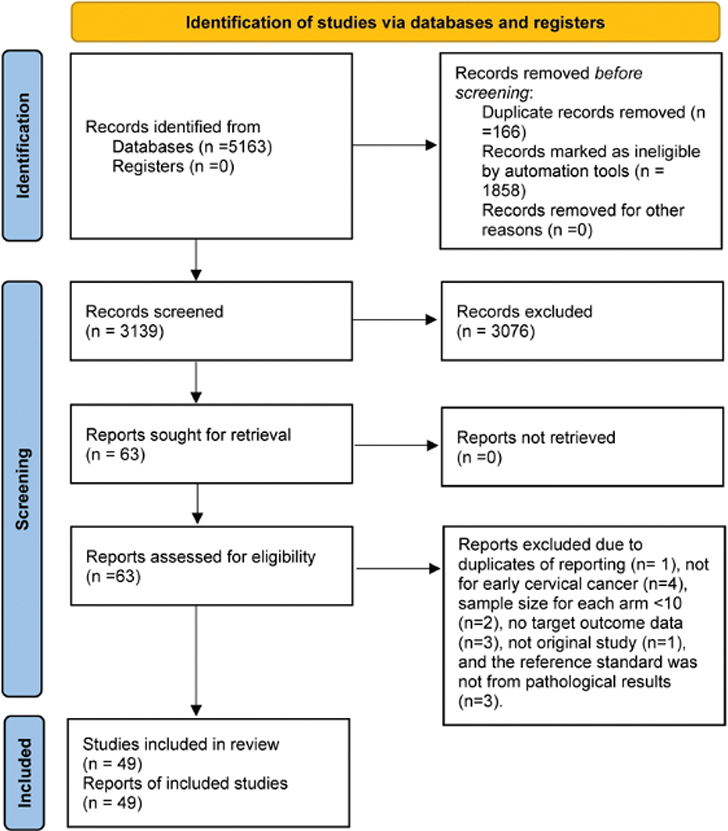
Figure 1. PRISMA flow diagram for the selection of articles for meta-analysis.
Of the 49 included studies, 28 (57.1%) were prospective. The total number of patients with ECC included was 5,004, with a range of 20–356 for individual studies. The median and mean ages were reported in 32 and 14 studies, respectively, except for three studies that did not specify the patients’ ages. The study reported ages ranging from 19 to 85 years old. The median BMI was reported in 30 studies with a range of 14.6 to 52.0 kg/m2. The most popular tracers and reference standards used were Technetium-99m (Tc-99m) ± other tracers (22/49, 44.9%) and pelvic lymph node dissection (PLND) (37/49, 75.5%), respectively (Table 1). Additionally, the FNR reported in SLNB studies ranged from 0 to 57.7%.
| Author and publication year (country) | Study design | Study period | Clinical stages (criteria) | Total sample size, n | Age (mean ± SD or specified), years | Tracer used | Reference standard |
| Zhang et al. 2014 (China) [30] | Prospective single-arm study | June 2009 to December 2010 | IA2-IIA (FIGO 2008) | 56 | Median = 45.5 (range 23.0 to 67.0) | MB | Bilateral PLND |
| Bats et al. 2015 (France) [31] | Prospective multicenter study | January 2005 to June 2007 | IA-IB1 (FIGO) | 139 | 44.4 ± 13.6 | Tc-99m+patent blue | Pelvic and para-aortic lymphadenectomy |
| de Freitas et al. 2015 (Brazil) [32] | Prospective longitudinal study | March 2008 to November 2010 | IA2-IIA (FIGO) | 57 | Median = 42.0 (range 24.0 to 71.0) | Tc-99m+Patent blue | Systematic bilateral PLND |
| Imboden et al. 2015 (Switzerland) [33] | Prospective cohort study | April 2008 to January 2011 | IA1-IIB (FIGO) | 58 | Mean = 47.0 for Patent blue group; Mean = 43.4 for ICG group | Tc-99m+Patent blue | Lymphadenectomy (based on the description of the paper) |
| Kato et al. 2015 (Japan) [34] | Retrospective analysis | January 2005 to December 2013 | IB1 (Not specified) | 102 | Not specified | Tc-99m ± Patent blue ± ICG | lymphadenectomy |
| Buda et al. 2016 (Italy) [35] | Retrospective cohort study | October 2010 to May 2015 | 1A2–IB1 (Not specified) | 45 | Not specified | MB ± Tc-99m or ICG | Systematic PLND |
| Cibula et al. 2016 (Czech Republic) [36] | Prospective single-arm study | Not specified | IB1-IIB (Not specified) | 17 | Mean = 48.0; Median = 45.0 (range 32.0 to 69.0) | Tc-99m+blue dye | PLND |
| Cusimano et al. 2017 (Canada) [37] | Prospective, longitudinal cohort study | August 2010 to February 2014 | IA1-IB1 (FIGO) | 39 | Median = 42.0 (range 28.0 to 61.0) | Tc-99m+patent blue | Bilateral PLND |
| Deng et al. 2017 (China) [38] | Prospective single-arm study | March 2003 to July 2015 | IB1 (FIGO 2009) | 49 | Mean = 28.5 (range 19.0 to 40.0) | Tc-99m | Bilateral PLND |
| Di Martino et al. 2017 (Multiple European countries) [39] | Multicenter, retrospective observational study | January 2008 to December 2016 | IB1-IIB (FIGO) | 95 | Median = 49.0 (range 26.0 to 77.0) for the Tc-99m group; Median = 46.0 (range 25.0 to 72.0) for the ICG group | Tc-99m+patent blue or ICG | Bilateral PLND |
| Lu et al. 2017 (China) [40] | Prospective single-arm study | January 2014 to January 2016 | IA2–IIA (FIGO 2009) | 40 | Median = 42.0 (range 34.0 to 53.0) | CNP | Systemic PLND ± para-aortic lymphadenectomy |
| Papadia et al. 2017 (Switzerland) [41] | Retrospective analysis | December 2008 to November 2016 | IA1–IIA (FIGO) | 60 | Median = 47.0 (range 27.0 to 72.0) | ICG or Tc-99m+patent blue | Bilateral PLND |
| Salvo et al. 2017 (United States) [42] | Retrospective analysis | August 1997 to October 2015 | IA1–IIA1 (Not specified) | 188 | Median = 38.0 (range 21.0 to 68.0) | ICG, Tc-99m, patent blue, or Tc-99m+patent blue | Bilateral PLND |
| Tanaka et al. 2017 (Japan) [43] | Prospective cohort study | September 2012 to May 2016 | IA-IIB (FIGO) | 119 | 46.0 ± 10.7 | Tc-99m, indigo carmine (IDC), or ICG | Systematic PLND |
| Buda et al. 2018 (Italy and Switzerland) [44] | Retrospective study | March 2011 to April 2017 | IA-IB1 (FIGO 2009) | 65 | Median = 46.0 (range 29.0 to 71.0) for the Tc-99m group; Median = 42.0 (range 28.0 to 68.0) for the ICG group | Tc-99m ± patent blue | PLND |
| Cea Garcia et al. 2018 (Spain) [45] | Prospective single-arm study | January 2012 to April 2017 | IA-IIA1 (FIGO) | 23 | 46.0 ± 10.1 | Tc-99m+MB | Bilateral PLND |
| Kim et al. 2018 (Republic of Korea) [46] | Single-center, retrospective study | August 2015 to January 2017 | IA1-IIA (FIGO) | 103 | Median = 45.0 (range 29.0 to 77.0) | ICG | Bilateral PLND |
| Soergel et al. 2018 (Germany) [47] | Prospective single-arm study | May 2015 to March 2017 | IA-IIB (FIGO) | 33 | Mean = 50.7 (range 33.0 to 82.0) | ICG or Tc-99m+patent blue | Complete PLND |
| Sonoda et al. 2018 (Japan) [48] | Retrospective study | June 2005 to May 2017. | In situ-IIA1 (FIGO) | 201 | Median = 33.0 (range 21.0 to 43.0) | Tc-99m | Permanent processing with final histological results of the SLN |
| Yahata et al. 2018 (Japan) [49] | Retrospective study | January 2009 to December 2015 | IA-IIA1 (FIGO) | 139 | Median = 33.0 (range 21.0 to 73.0) | Tc-99m | Permanent processing with final histological results of the SLN |
| Diaz-Feijoo et al. 2019 (Spain) [50] | Prospective single-arm study | September 2000 to October 2016 | IA2-IIA1 (FIGO 2009) | 128 | 48.4 ± 12.2 | Tc-99m+MB (or isosulfan blue) | Systematic and bilateral PLND |
| Balaya et al. 2020 (France) [51] | Prospective multicentric database study | January 2005 to December 2012 | IA-IIA1 (FIGO 2018) | 313 | Median = 42.0 (range 22.0 to 85.0) | Tc-99m+patent blue | Permanent processing with final histological results of the SLN |
| Bizzarri et al. 2020 (Italy) [52] | Prospective cohort study | November 2017 to July 2019 | IA1-IB1 (FIGO 2009) | 18 | Median = 40.5 (range 31.0 to 57.0) | ICG | Systematic PLND |
| Dostalek et al. 2020 (Czech Republic) [53] | Retrospective single-institution study | May 2005 to December 2015 | CC with pT1a – pT2 (TNM stage) | 309 | 44.4 ± 12.7 | Tc-99m+patent blue | Systematic PLND |
| Favre et al. 2020 (France) [54] | Randomized multicenter trial | December 2008 to November 2011 | IA1-IIA1 (FIGO 2009) | 101 | Median = 4 1.7 | Tc-99m+patent blue | PLND |
| Gil-Ibanez et al. 2020 (Spain) [55] | Retrospective study | March 2005 to April 2018 | IB1 (FIGO 2009) | 19 | Median = 33.5 (range 22.0 to 44.0) | Tc-99m+Isosulfan blue dye | Bilateral PLND |
| Luhrs et al. 2020 (Sweden) [56] | Prospective study | November 2014 to March 2017 | IA-IIA (FIGO 2009) | 65 | Median = 39.0 (range 23.0 to 79.0) | Tc-99m, ICG, or ICG+Tc-99m | PLND |
| Papathemelis et al. 2020 (Germany) [57] | Retrospective single-arm, single-center study | December 2015 to April 2018 | IA1-IIB (FIGO) | 20 | Mean = 51.2 (range 35.0 to 75.0) | ICG | Systematic PLND |
| Rychlik et al. 2020 (France) [58] | Retrospective single-arm, multiple-center study | January 2001 and December 2018 | IA1- IB2 (FIGO 2018) | 176 | 43.1 ± 11.8 | Tc-99m+MB, Tc-99m+ICG, MD, or ICG | Bilateral PLND |
| Santoro et al. 2020 (Italy) [59] | Retrospective study | January 2018 to March 2020 | IA1-IIB (FIGO 2018) | 116 | Median = 41.0 (range 21.0 to 71.0) for the ultrastaging group; Median = 46.0 (range 33.0 to 87.0) for the OSNA group | ICG | Systematic bilateral PLND |
| Wang et al. 2020 (China) [60] | Retrospective study | December 2015 to March 2018 | IB1-IIA1 (FIGO 2009) | 45 | 45.0 ± 9.8 | CNP | PLND |
| Bjornholt et al. 2021 (Denmark) [61] | Prospective multiple-center study | September 2016 to August 2018 | IA1-IIA0 (FIGO 2008) | 60 | Median = 61.0 (range 24.0 to 85.0) | ICG | Permanent processing with final histological results of the SLN |
| Diniz et al. 2021 (Brazil) [62] | Retrospective study | May 2014 to April 2020 | IA1 (FIGO 2019) | 92 | Median = 40.0 (range 22.0 to 76.0) | Patent blue or ICG | Systematic PLND |
| Harano et al. 2021 (Japan) [63] | Prospective one-arm study | January 2009 to January 2021 | IA2–IB2 (FIGO 2009) | 30 | Median = 34.0 (range 23.0 to 40.0) | ICG | Total PLND |
| Sponholtz et al. 2021 (Denmark) [64] | Multicenter prospective cohort study | March 2017 to January 2021 | IA1-IB2 (FIGO 2009) | 245 | Median = 44.0 (range 26.0 to 84.0) | ICG | Completion PLND |
| Weissinger et al. 2021 (Germany) [65] | Prospective study | March 2016 to April 2019 | IA-IIB (FIGO) | 41 | 48.1 ± 12.2 | Tc-99m+ (ICG or blue dye) | Bilateral systematic lymphadenectomy |
| Ya et al. 2021 (China) [66] | Prospective study | May 2017 to December 2019 | (FIGO 2009) | 356 | Median = 46.0 (range 23.0 to 68.0) | CNP | Complete PLND |
| Aoki et al. 2022 (Japan) [67] | Prospective single-center cohort study | October 2016 and October 2019 | IA2-IB1 (FIGO 2009) | 77 | Median = 40.0 (range 25.0 to 74.0) | ICG | Systematic PLND |
| Baeten et al. 2022 (Netherlands) [68] | Prospective, single-center, single-arm feasibility study | Not specified | IA – IB2 or IIA1 (FIGO 2018) | 10 | Median = 39.0 (range 26.0 to 72.0) | Tc-99m | PLND |
| Luhrs et al. 2022 (Sweden) [70] | Prospective study | January 2014 to December 2020 | IA-IIA (FIGO 2009) | 145 | Median = 43.6 (range 23.0 to 85.0) | ICG | PLND |
| Niu et al. 2022 (China) [71] | Prospective study | February 2019 to June 2021 | IA-IIB (FIGO) | 59 | 48.6 ± 12.9 | Tc-99m | Extensive lymph node dissection |
| Yahata et al. 2018 (Japan) [49] | Retrospective study | January 2009 to December 2017 | IA-IIA (FIGO) | 181 | Median = 34.0 (range 21.0 to 73.0) | Tc-99m | Final histological results of the SLN |
| Smits et al. 2023 (United Kingdom) [72] | Retrospective cohort study | October 2015 to October 2019 | IA1-IIA1 (FIGO 2009) | 100 | Median = 39.0 (range 24.0 to 82.0) | ICG | PLND |
| Amengual et al. 2024 (Spain) [73] | Prospective, observational, descriptive, single-center study | January 2019 to October 2023 | IA1-IIA1 (FIGO 2018) | 38 | Median = 46.5 (range 40.0 to 54.0) | ICG+Tc-99m | Permanent processing with final histological results of the SLN |
| Bizzarri et al. 2024_ OSNA (Italy) [74] | Single-center, retrospective, cohort study | May 2017 to January 2021 | IA-IIA1 (FIGO 2018) | 100 | Median = 44.0 (range 26.0 to 85.0) | ICG | Bilateral systematic PLND |
| Bizzarri et al. 2024_ SCCAN (Italy) [75] | International, multicenter, retrospective study | January 2007 to December 2016 | IB1-IIA2 (FIGO 2009) | 300 | 37.0% was >45 years | Tc-99m ± blue dye or ICG | Pelvic lymphadenectomy ± para-aortic lymphadenectomy |
| Bogani et al. 2024 (Europe, Asia, North America, or Latin America) [76] | Retrospective, multi-institutional study | January 2000 to December 2022 | IA1-IB1 (FIGO 2009) | 31 | Median = 33.0 (range 22.0 to 41.0) | Not specified | Bilateral PLND |
| Persson et al. 2024 (Sweden) [77] | Prospective non-randomized trial | September 2014 to January 2023 | IA2-IIA1 (FIGO 2009) | 181 | Median = 44.5 (range 23.0 to 85.0) | ICG | Complete PLND |
| Vemula Venkata et al. 2024 (India) [78] | Prospective study | June 2016 to December 2017 | IA-IIA (FIGO) | 20 | Median = 53.0 | MB | Complete bilateral PLND |
| CC: Cervical cancer; CNP: Carbon nanoparticle; FIGO: Federation of Gynecology and Obstetrics; ICG: Indocyanine green; MB: Methylene blue; OSNA: one-step nucleic acid amplification; PLND: Pelvic lymph node dissection; SD: standard deviation; Tc-99m: Technecium-99. | |||||||
Risk of bias in studies
The quality assessments of the 49 studies are listed in Table 2. Firstly, most of the studies did not provide information on whether patient selection was consecutive. Furthermore, two studies had inappropriate exclusions [36, 44]. Regarding patient selection, the primary concern was that the studies did not include all clinical stages of ECC. Secondly, for the index test domain, the studies were classified as having ‘unclear’ risk of bias because intraoperative rapid pathological examination or ultrastaging was performed only for the reference standard. However, since the pathological examination procedure was highly consistent with real-world practice, the applicability of the index test for most studies was rated as ‘low risk of bias’. Thirdly, most of the included studies had a low risk of bias in the ‘reference standard’ domain. However, three studies were classified as having a high risk of bias because the conduction of the reference standard was unclear or without systematic bilateral PLND [33, 49, 51]. Finally, only a few studies have unclear risks in the domain of ‘flow and timing’ because there was inadequate information to make a judgment.
Table 2. A summary assessment of risk of bias for the 5 included studies using the QUADAS-2 tool.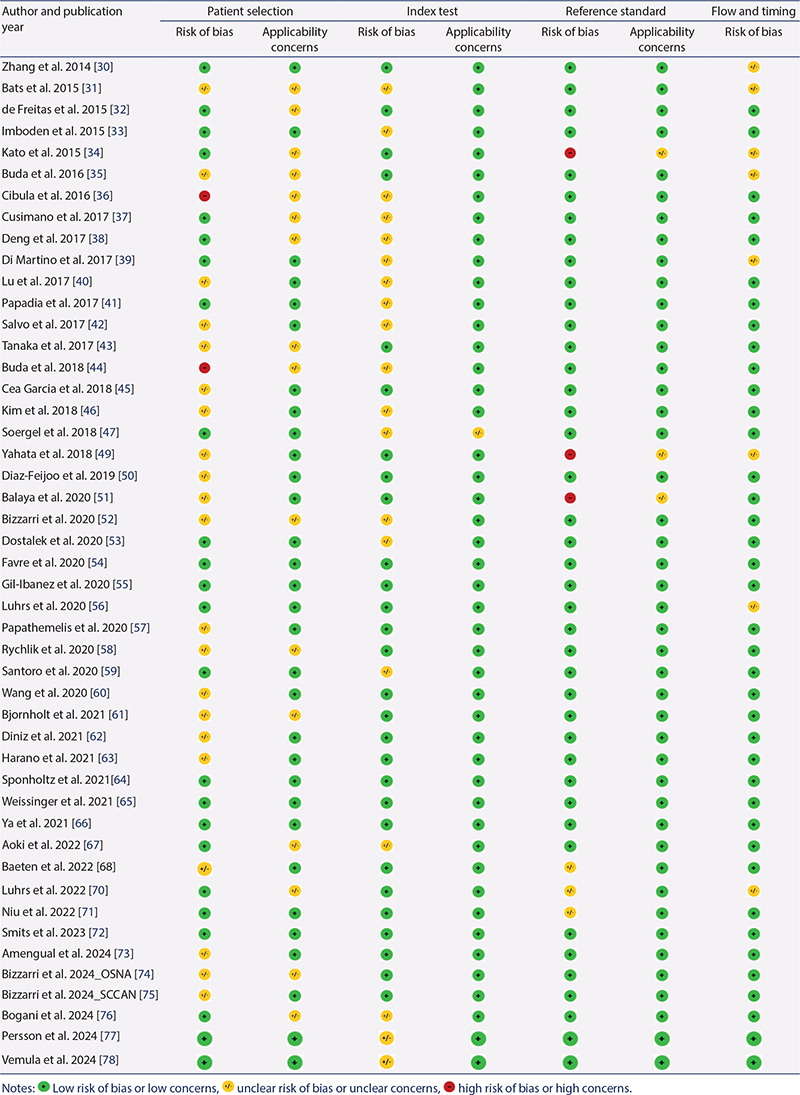
Sentinel lymph node false-negative rate
According to the meta-analysis, the FNR of SLNB for ECC was 10.9% (95% confidence interval [CI]: 6.0–16.7) based on 52 data sets from 48 studies (Figure 2). The data of Gil-Ibanez 2020 were excluded from the synthesis as there were no true positive LN metastases in the study [55].
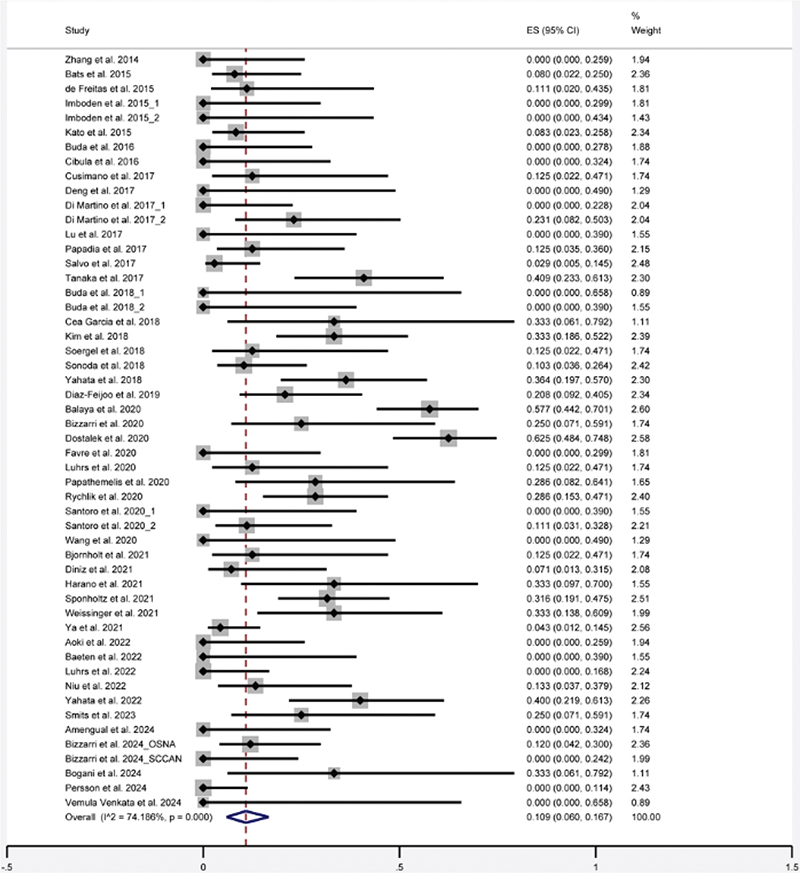
Figure 2. Forest plot of the overall false-negative rate of sentinel lymph nodes for early-stage cervical cancer.
As studies were conducted at different locations, different reference standard methods were applied. For FS using permanent pathological examination of PLND as reference standard, FNR = 18.3% (95% CI: 0.8–45.9); FS using PLND (H&E and ultrastaging), FNR = 8.2% (95% CI: 1.4–17.9); no FS or without considering FS using PLND including SLN (H&E and ultrastaging) as reference standard, FNR = 9.6% (95% CI: 1.8–21.0), one-step nucleic acid amplification (OSNA) instead of FS (H&E) using PLND as reference standard, FNR = 8.3% (95% CI: 1.5–18.3); and FS (H&E) using permanent pathological examination of SLN without PLND as reference standard, FNR = 27.0% (95% CI: 9.2–49.4).
There was no significant difference in FNR among patients with ECC across subgroups based on tracer type. The FNRs were 0% (95% CI: 0–10.3), 7.0% (95% CI: 0–7.5), 8.8% (95% CI: 0.3–23.0), 11.8% (95% CI: 4.3–21.4), and 18.7% (95% CI: 7.4–33.0) for methylene blue (MB), carbon nanoparticle (CNP), Tc-99m plus others, indocyanine green (ICG), and Tc-99m alone, respectively (Figure 3).
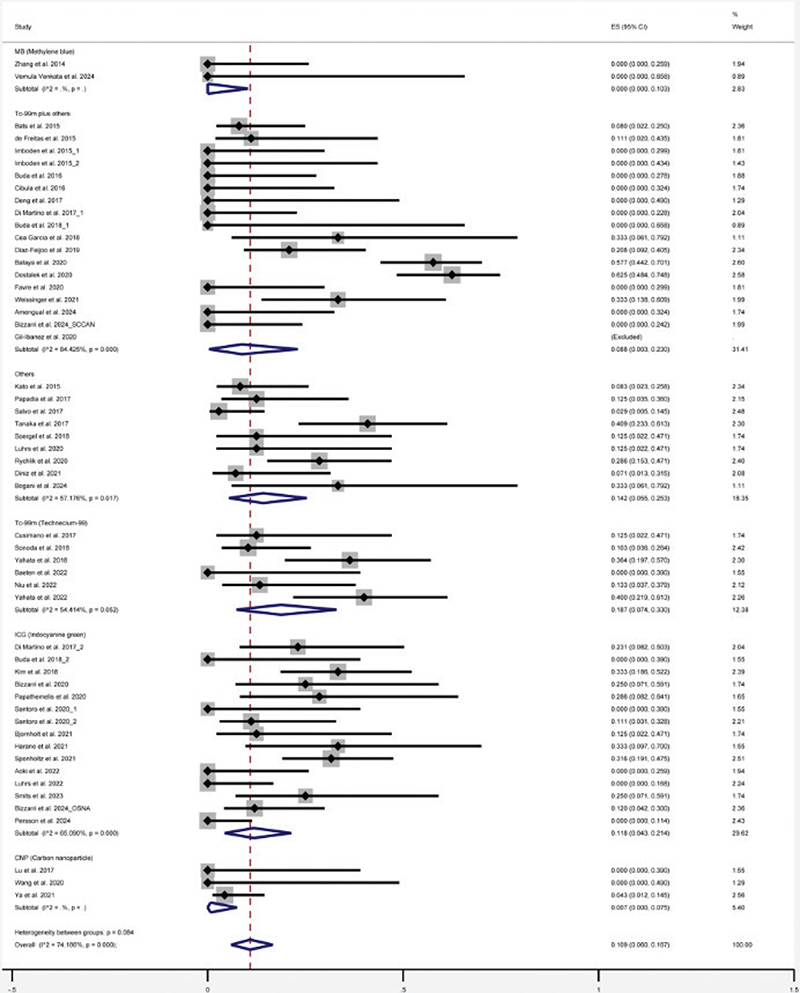
Figure 3. Forest plot of the subgroup analysis of the overall false negative rate of sentinel lymph nodes for early-stage cervical cancer according to different tracer regimens.
A total of four studies provided FNR information on tumor diameters ≥ 2 cm and/or < 2 cm [37, 38, 61, 64]. There was no significant difference in FNR in patients with ECC according to tumor diameter. However, the mean FNR (23.1%, 95% CI: 0–61.7) for patients with larger tumor diameters (≥ 2 cm) was higher than that for patients with smaller tumor diameters (< 2 cm) (6.9%, 95% CI: 0–33.1).
Meta-regression results
According to the results of the meta-regression analysis (Table 3), only the location of the SLN in the obturator area was significantly negatively related to the FNR (coefficient = −0.88, p = 0.04). Other variables were not significantly associated with the SLNB FNR in patients with ECC in the meta-analysis. However, age (mean or median), BMI (mean or median), SCC (tumor pathological type, proportion), grade 1 and grade 2 (risk of tumor, proportion), FIGO IA (proportion), FIGO IIA (proportion), SLN located in the para-aortic area (proportion), SLN located in the internal iliac area (proportion), SLN located in the presacral area (proportion), LVSI (proportion), and LEEP (proportion) were found to have a negative association with FNR. On the contrary, AD (portion of tumor pathological type), AS (portion of tumor pathological type), grade 3 (risk of tumor, proportion), FIGO IB (proportion), FIGO IIB (proportion), mean SLN detection number, patient detection rate of SLN, bilateral SLN detection rate, SLN located in the common iliac area (proportion), SLN situated in the external iliac area (proportion), SLN located in the parametrial area (proportion), and patients with neoadjuvant history (proportion) were found to have a positive association with FNR.
Sensitivity analysis and reporting biases
The FNA result was 9.8% (95% CI: 4.8–15.7) by sensitivity analysis, which is similar to the original result. According to the funnel plots and Egger’s test for small-study effects (p = 0.007) illustrated in Figure 4, there was no publication bias in this study.
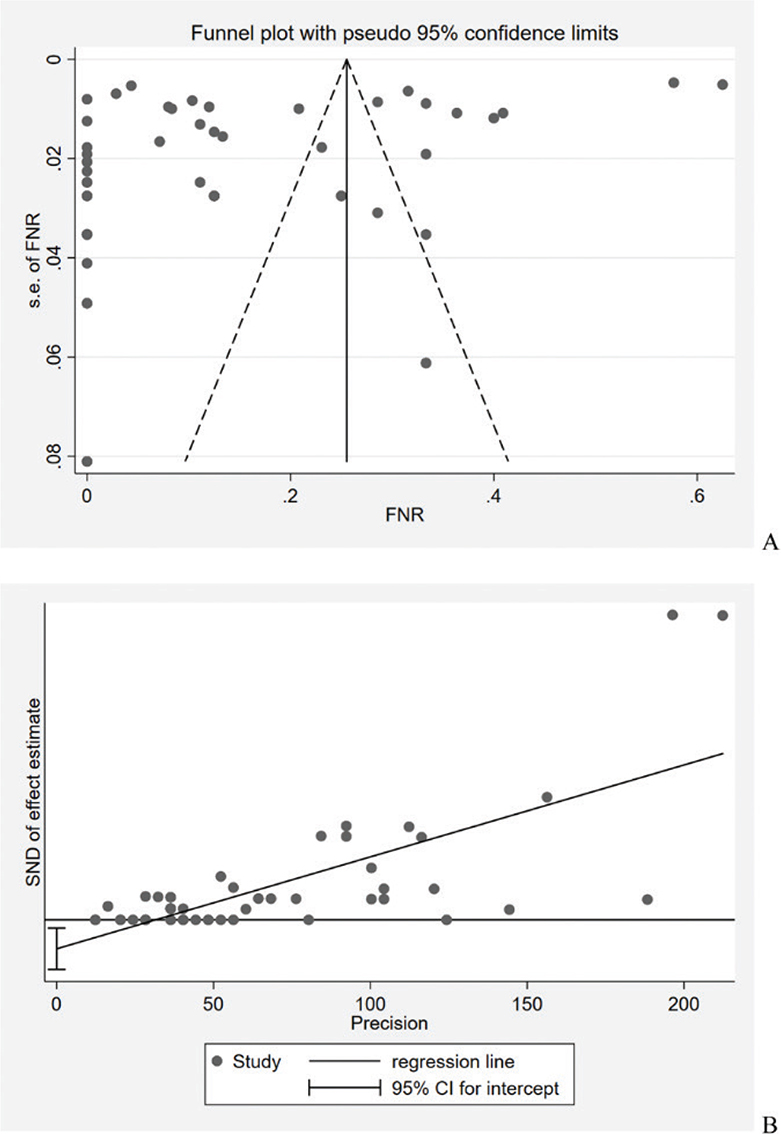
Figure 4. Publication bias assessment. (A) Funnel plots of false negative rates in the included studies. (B) Egger test for small-study effects on false-negative rates in the included studies.
Discussion
In this study, we performed a meta-analysis of 49 articles involving 5,163 patients with ECC who underwent SLN studies. The study quality and clinical applicability of the included studies had a low to moderate risk of concern. According to our analysis, the overall FNR of SLNB for ECC was 10.9% (95% CI: 6.0–16.7). Next, no significant differences in FNR were found for different reference standards or tumor diameter (< 2 cm vs. ≥ 2 cm). However, different tracers appear to account for different FNRs. In the meta-analysis, we found that the proportion of SLN located in the obturator area was significantly negatively associated with FNR (coefficient = −0.88, p = 0.04).
Based on studies published between 2014 and 2024, we found that the overall FNR of SLNB for ECC was 10.9% (95% CI: 6.0–16.7), which is remarkably similar to existing evidence. Lai et al. conducted a systematic review without meta-analysis and reported an FNR of 9% based on studies published between 1999 and 2015 [79] and Frumovitz et al. reported an FNR of more than 8% based on studies published from 2000 to 2007 [80]. Based on those results, FNR is a continuing issue for the surgical treatment of ECC, which surgeons must keep in mind when performing SLNB for ECC.
A critical controversy regarding SLNB is whether LVM (including micrometastases [MIC] and isolated tumor cells [ITC]) can be detected by intraoperative pathological techniques [81]. However, the traditional H&E technique used for intraoperative FSs cannot detect LVM, and IHC ultrastaging is believed to be the first choice to fulfill this purpose [17, 82, 83]. Another intraoperative LVM detection method is OSNA, which showed that patients using OSNA were not associated with worse DFS compared to those using ultrastaging [74]. Rationally, if the ultrastaging technique or OSNA were applied during the SLN assessment, the FNR should be lower than that of those who did not. However, according to our FNR subgroup analysis, which uses different techniques for the SLN test, no statistically significant differences were found. Our results may be due to the small sample size of patients included for different techniques or other potential risk factors. However, according to a recent meta-analysis by Guani et al., the risk ratios for disease-free survival (DFS) and overall survival (OS) in patients with LVM (MIC + ITC) compared to nonmetastatic patients were 2.60 (95% CI: 1.55–4.34) and 5.65 (2.81–11.39), respectively [84]. Therefore, in practice, it is never prudent to omit the appropriate techniques for detecting LVM in SLNB.
The tracers used during surgery were believed to be one of the key influencers for the precision of SLNB [16]. Both in breast cancer and CC, ICG was reported to have a better SLN detection rate than other tracers [16, 85]. Similar reports indicate that Tc-99m combined with other tracers was better than Tc-99m alone [35, 86]. According to our subgroup analysis of FNR, the means of the different tracer regimens were consistent with the above SLN detection rate. However, this difference was not statistically significant. Furthermore, only one study with a small sample size (n = 20) used MB as a tracer. More high-quality studies are needed to verify the accuracy of the different tracers used for SLNB.
In this study, four studies provided FNR data for different tumor diameters (≥ 2 cm vs. < 2 cm) [37, 38, 61, 64]. There was no significant difference in FNR in patients with ECC according to tumor diameter. However, the mean FNR for patients with larger tumor diameters (≥ 2 cm) was higher than that for patients with smaller tumor diameters (< 2 cm). Our findings were consistent with those reported by Zhang et al. [87]. Although more evidence is required to confirm this, in practice, more attention should be paid to the FNR issue when ECC tumor diameters are > 2 cm.
Limited by study-level data, we identified a few risk factors that could statistically affect the FNR. The only factor found was the proportion of SLN located in the obturator fossa, which was negatively associated with FNR. The obturator area is one of the most common sites for SLN identification. Our results indicated that the more SLNs found in the common SLN area, the fewer FNRs found. However, there are no similar reports in the literature on this topic. Whether SLN’s location is associated with the accuracy of the SLBM needs to be confirmed in future research.
This study is the first systematic review and meta-analysis of SLNB for ECC. In addition, it is the first to explore FNR risk factors using subgroup analysis and meta-regression. Our study has the advantage of a larger number of articles and a more recent publication year (in the last decade), allowing us to provide a more comprehensive and up-to-date summary of the topic of SLNB FNR for ECC. However, due to limited patient-level data, we identified only a few statistically significant risk factors for FNR. Furthermore, we provided evidence of trends in this topic that offer valuable clues for future research. The next limitation of this study is that the quality of the evidence may be low due to data heterogeneity. Future clinical trials following the standard procedures are needed to confirm or clarify our findings.
Conclusions
The overall FNR of SLNB for early CC was 10.9% (95% CI: 6.0–16.7). Factors that tended to reduce the FNR included the use of ultrastaging or OSNA for LVM detection, having a tumor diameter of less than 2 cm, employing specific tracer regimens (e.g. ICG, CNP, and Tc-99m combined with other tracers), and identification of more than one lymph node in the obturator fossa. More research is needed to confirm this hypothesis.
Ethics approval and consent to participate
Not applicable.
Consent for publication
Not applicable.
Availability of data and materials
The datasets generated and analyzed during this study are available from the corresponding author on reasonable request.
Authors’ contributions
Concept and design: CH; Acquisition, analysis, or interpretation of data: CH, FL, and JL; Drafting of the manuscript: CH; Critical review of the manuscript for important intellectual content: FL and JL; Statistical analysis: CH, CH, FL, and JL have full access to all the data in the study and assume responsibility for the integrity of the data and the precision of the data analysis. All authors have read and approved the final manuscript.
Acknowledgments
The authors would also like to thank Medjaden Bioscience Limited for their assistance in preparing the manuscript.
References
[1] Morton DL, Wen DR, Wong JH, Economou JS, Cagle LA, Storm FK, et al. Technical details of intraoperative lymphatic mapping for early stage melanoma. Arch Surg. 1992;127:392–9. https://doi.org/10.1001/archsurg.1992.01420040034005
[2] Nieweg OE, Uren RF, Thompson JF. The history of sentinel lymph node biopsy. Cancer J. 2015;21:3–6. https://doi.org/10.1097/PPO.0000000000000091
[3] Chen SL, Iddings DM, Scheri RP, Bilchik AJ. Lymphatic mapping and sentinel node analysis: current concepts and applications. CA Cancer J Clin. 2006;56:292–309; quiz 16–7. https://doi.org/10.3322/canjclin.56.5.292
[4] Gipponi M. Clinical applications of sentinel lymph-node biopsy for the staging and treatment of solid neoplasms. Minerva Chir. 2005;60:217–33.
[5] Sung H, Ferlay J, Siegel RL, Laversanne M, Soerjomataram I, Jemal A, et al. Global Cancer Statistics 2020: GLOBOCAN estimates of incidence and mortality worldwide for 36 cancers in 185 countries. CA Cancer J Clin. 2021;71:209–49. https://doi.org/10.3322/caac.21660
[6] Guani B, Gaillard T, Teo-Fortin LA, Balaya V, Feki A, Paoletti X, et al. Estimation risk of lymph nodal invasion in patients with early-stage cervical cancer: cervical cancer application. Front Oncol. 2022;12:935628. https://doi.org/10.3389/fonc.2022.935628
[7] Olthof EP, van der Aa MA, Adam JA, Stalpers LJA, Wenzel HHB, van der Velden J, et al. The role of lymph nodes in cervical cancer: incidence and identification of lymph node metastases-a literature review. Int J Clin Oncol. 2021;26:1600–10. https://doi.org/10.1007/s10147-021-01980-2
[8] Melamed A, Margul DJ, Chen L, Keating NL, Del Carmen MG, Yang J, et al. Survival after minimally invasive radical hysterectomy for early-stage cervical cancer. N Engl J Med. 2018;379:1905–14. https://doi.org/10.1056/NEJMoa1804923
[9] Ramirez PT, Frumovitz M, Pareja R, Lopez A, Vieira M, Ribeiro R, et al. Minimally invasive versus abdominal radical hysterectomy for cervical cancer. N Engl J Med. 2018;379:1895–904. https://doi.org/10.1056/NEJMoa1806395
[10] Guani B, Dorez M, Magaud L, Buenerd A, Lecuru F, Mathevet P. Impact of micrometastasis or isolated tumor cells on recurrence and survival in patients with early cervical cancer: SENTICOL Trial. Int J Gynecol Cancer. 2019;29:447–52. https://doi.org/10.1136/ijgc-2018-000089
[11] Martin-Hirsch P, Wood N, Whitham NL, Macdonald R, Kirwan J, Anagnostopoulos A, et al. Survival of women with early-stage cervical cancer in the UK treated with minimal access and open surgery. BJOG. 2019;126:956–9. https://doi.org/10.1111/1471-0528.15617
[12] Gianoni M, Mathevet P, Uzan C, Bats AS, Magaud L, Boutitie F, et al. Does the sentinel lymph node sampling alone improve quality of life in early cervical cancer management? Front Surg. 2020;7:31. https://doi.org/10.3389/fsurg.2020.00031
[13] Balaya V, Guani B, Pache B, Durand YG, Bonsang-Kitzis H, Ngô C, et al. Sentinel lymph node in cervical cancer: time to move forward. Chin Clin Oncol. 2021;10:18. https://doi.org/10.21037/cco-21-5
[14] Cibula D, Raspollini MR, Planchamp F, Centeno C, Chargari C, Felix A, et al. ESGO/ESTRO/ESP Guidelines for the management of patients with cervical cancer – update 2023. Virchows Arch. 2023;482:935–66. https://doi.org/10.1007/s00428-023-03552-3
[15] Abu-Rustum NR, Yashar CM, Arend R, Barber E, Bradley K, Brooks R, et al. NCCN Guidelines® Insights: cervical cancer, Version 1.2024. J Natl Compr Canc Netw. 2023;21:1224–33. https://doi.org/10.6004/jnccn.2023.0062
[16] Wang L, Liu S, Xu T, Yuan L, Yang X. Sentinel lymph node mapping in early-stage cervical cancer: meta-analysis. Medicine (Baltimore). 2021;100:e27035. https://doi.org/10.1097/MD.0000000000027035
[17] Margioula-Siarkou C, Almperis A, Gullo G, Almperi EA, Margioula-Siarkou G, Nixarlidou E, et al. Sentinel lymph node staging in early-stage cervical cancer: a comprehensive review. J Clin Med. 2023;13(1):27. https://doi.org/10.20944/preprints202310.0828.v1
[18] Ronsini C, De Franciscis P, Carotenuto RM, Pasanisi F, Cobellis L, Colacurci N. The oncological implication of sentinel lymph node in early cervical cancer: a meta-analysis of oncological outcomes and type of recurrences. Medicina (Kaunas). 2022;58(11):1539. https://doi.org/10.3390/medicina58111539
[19] Cibula D, McCluggage WG. Sentinel lymph node (SLN) concept in cervical cancer: current limitations and unanswered questions. Gynecol Oncol. 2019;152:202–7. https://doi.org/10.1016/j.ygyno.2018.10.007
[20] Salib MY, Russell JHB, Stewart VR, Sudderuddin SA, Barwick TD, Rockall AG, et al. 2018 FIGO staging classification for cervical cancer: added benefits of imaging. RadioGraphics. 2020;40:1807–22. https://doi.org/10.1148/rg.2020200013
[21] Page MJ, McKenzie JE, Bossuyt PM, Boutron I, Hoffmann TC, Mulrow CD, et al. The PRISMA 2020 statement: an updated guideline for reporting systematic reviews. BMJ. 2021;372:n71. https://doi.org/10.1136/bmj.n71
[22] Saleh M, Virarkar M, Javadi S, Elsherif SB, de Castro Faria S, Bhosale P. Cervical cancer: 2018 revised international federation of gynecology and obstetrics staging system and the role of imaging. Am J Roentgenol. 2020;214:1182–95. https://doi.org/10.2214/AJR.19.21819
[23] Fan MS, Qiu KX, Wang DY, Wang H, Zhang WW, Yan L. Risk factors associated with false negative rate of sentinel lymph node biopsy in endometrial cancer: a systematic review and meta-analysis. Front Oncol. 2024;14:1391267. https://doi.org/10.3389/fonc.2024.1391267
[24] Perkins RB, Wentzensen N, Guido RS, Schiffman M. Cervical cancer screening: a review. JAMA. 2023;330:547–58. https://doi.org/10.1001/jama.2023.13174
[25] Whiting PF, Rutjes AW, Westwood ME, Mallett S, Deeks JJ, Reitsma JB, et al. QUADAS-2: a revised tool for the quality assessment of diagnostic accuracy studies. Ann Intern Med. 2011;155:529–36. https://doi.org/10.7326/0003-4819-155-8-201110180-00009
[26] Huedo-Medina TB, Sánchez-Meca J, Marín-Martínez F, Botella J. Assessing heterogeneity in meta-analysis: Q statistic or I2 index? Psychol Methods. 2006;11:193–206.
[27] Ioannidis JP. Interpretation of tests of heterogeneity and bias in meta-analysis. J Eval Clin Pract. 2008;14:951–7. https://doi.org/10.1111/j.1365-2753.2008.00986.x
[28] Sterne JA, Egger M. Funnel plots for detecting bias in meta-analysis: guidelines on choice of axis. J Clin Epidemiol. 2001;54:1046–55.
[29] Furuya-Kanamori L, Barendregt JJ, Doi SAR. A new improved graphical and quantitative method for detecting bias in meta-analysis. Int J Evid Based Healthc. 2018;16:195–203. https://doi.org/10.1097/XEB.0000000000000141
[30] Zhang Z, Chang Q. Clinical analysis of sentinel lymph node identification in patients with cervical cancer. Eur J Gynaecol Oncol. 2014;35:26–31.
[31] Bats AS, Frati A, Froissart M, Orliaguet I, Querleu D, Zerdoud S, et al. Feasibility and performance of lymphoscintigraphy in sentinel lymph node biopsy for early cervical cancer: results of the prospective multicenter SENTICOL study. Ann Nucl Med. 2015;29:63–70. https://doi.org/10.1007/s12149-014-0910-1
[32] de Freitas RR, Baiocchi G, Hatschbach SBB, Linhares JC, Guerreiro JA, Minari CL, et al. Can a sentinel node mapping algorithm detect all positive lymph nodes in cervical cancer? Ann Surg Oncol. 2015;22:1564–9. https://doi.org/10.1245/s10434-014-4245-x
[33] Imboden S, Papadia A, Nauwerk M, McKinnon B, Kollmann Z, Mohr S, et al. A comparison of radiocolloid and indocyanine green fluorescence imaging, sentinel lymph node mapping in patients with cervical cancer undergoing laparoscopic surgery. Ann Surg Oncol. 2015;22:4198–203.
[34] Kato H, Ohba Y, Yamazaki H, Minobe S-I, Sudo S, Todo Y, et al. Availability of tissue rinse liquid-based cytology for the rapid diagnosis of sentinel lymph node metastasis and improved bilateral detection by photodynamic eye camera. Jpn J Clin Oncol. 2015;45:727–31. https://doi.org/10.1093/jjco/hyv079
[35] Buda A, Crivellaro C, Elisei F, Di Martino G, Guerra L, De Ponti E, et al. Impact of indocyanine green for sentinel lymph node mapping in early stage endometrial and cervical cancer: comparison with conventional radiotracer (99m)Tc and/or blue dye. Ann Surg Oncol. 2016;23:2183–91. https://doi.org/10.1245/s10434-015-5022-1
[36] Cibula D, Zikan M, Slama J, Fischerova D, Kocian R, Germanova A, et al. Risk of micrometastases in non-sentinel pelvic lymph nodes in cervical cancer. Gynecol Oncol. 2016;143:83–6. https://doi.org/10.1016/j.ygyno.2016.07.101
[37] Cusimano MC, Walker R, Bernardini MQ, Bouchard-Fortier G, Laframboise S, May T, et al. Implementing a cervical sentinel lymph node biopsy program: quality improvement in gynaecologic oncology. J Obstet Gynaecol Canada. 2017;39:659–67. https://doi.org/10.1016/j.ygyno.2016.07.101
[38] Deng X, Zhang Y, Li D, Zhang X, Guo H, Wang F, et al. Abdominal radical trachelectomy guided by sentinel lymph node biopsy for stage IB1 cervical cancer with tumors >2 cm. Oncotarget. 2017;8:3422–9.
[39] Di Martino G, Crivellaro C, De Ponti E, Bussi B, Papadia A, Zapardiel I, et al. Indocyanine green versus radiotracer with or without blue dye for sentinel lymph node mapping in stage >IB1 cervical cancer (>2 cm). J Minim Invasive Gynecol. 2017;24:954–9. https://doi.org/10.1016/j.jmig.2017.05.011
[40] Lu Y, Wei J-Y, Yao D-S, Pan Z-M, Yao Y. Application of carbon nanoparticles in laparoscopic sentinel lymph node detection in patients with early-stage cervical cancer. PLoS One. 2017;12:e0183834. https://doi.org/10.1371/journal.pone.0183834
[41] Papadia A, Gasparri ML, Genoud S, Bernd K, Mueller MD. The combination of preoperative PET/CT and sentinel lymph node biopsy in the surgical management of early-stage cervical cancer. J Cancer Res Clin Oncol. 2017;143:2275–81. https://doi.org/10.1007/s00432-017-2467-6
[42] Salvo G, Ramirez PT, Levenback CF, Munsell MF, Euscher ED, Soliman PT, et al. Sensitivity and negative predictive value for sentinel lymph node biopsy in women with early-stage cervical cancer. Gynecol Oncol. 2017;145:96–101. https://doi.org/10.1016/j.ygyno.2017.02.005
[43] Tanaka T, Terai Y, Ashihara K, Tsunetoh S, Akagi H, Yamada T, et al. The detection of sentinel lymph nodes in laparoscopic surgery for uterine cervical cancer using 99m-technetium-tin colloid, indocyanine green, and blue dye. J Gynecol Oncol. 2017;28:e13.
[44] Buda A, Papadia A, Di Martino G, Imboden S, Bussi B, Guerra L, et al. Real-time fluorescent sentinel lymph node mapping with indocyanine green in women with previous conization undergoing laparoscopic surgery for early invasive cervical cancer: comparison with radiotracer +/- blue dye. J Minim Invasive Gynecol. 2018;25:455–60. https://doi.org/10.1016/j.jmig.2017.10.002
[45] Cea Garcia J, de la Riva Perez PA, Rodriguez Jimenez I, Marquez Maraver F, Polo Velasco A, Jimenez Gallardo J, et al. Selective biopsy of the sentinel node in cancer of cervix: experience in validation phase. Rev Esp Med Nucl Imagen Mol (Engl Ed). 2018;37:359–65. https://doi.org/10.1016/j.remn.2018.04.003
[46] Kim J-H, Kim D-Y, Suh D-S, Kim J-H, Kim Y-M, Kim Y-T, et al. The efficacy of sentinel lymph node mapping with indocyanine green in cervical cancer. World J Surg Oncol. 2018;16:52. https://doi.org/10.1186/s12957-018-1341-6
[47] Soergel P, Kirschke J, Klapdor R, Derlin T, Hillemanns P, Hertel H. Sentinel lymphadenectomy in cervical cancer using near infrared fluorescence from indocyanine green combined with technetium-99m-nanocolloid. Lasers Surg Med. 2018;50:994–1001. https://doi.org/10.1002/lsm.22999
[48] Sonoda K, Yahata H, Okugawa K, Kaneki E, Ohgami T, Yasunaga M, et al. Value of intraoperative cytological and pathological sentinel lymph node diagnosis in fertility-sparing trachelectomy for early-stage cervical cancer. Oncology. 2018;94:92–8.
[49] Yahata H, Kobayashi H, Sonoda K, Kodama K, Yagi H, Yasunaga M, et al. Prognostic outcome and complications of sentinel lymph node navigation surgery for early-stage cervical cancer. Int J Clin Oncol. 2018;23:1167–72. https://doi.org/10.1007/s10147-018-1327-y
[50] Diaz-Feijoo B, Temprana-Salvador J, Franco-Camps S, Manrique S, Colas E, Perez-Benavente A, et al. Clinical management of early-stage cervical cancer: the role of sentinel lymph node biopsy in tumors <=2cm. Eur J Obstet Gynecol Reprod Biol. 2019;241:30–4. https://doi.org/10.1016/j.ejogrb.2019.07.038
[51] Balaya V, Guani B, Benoit L, Magaud L, Bonsang-Kitzis H, Ngo C, et al. Diagnostic value of frozen section examination of sentinel lymph nodes in early-stage cervical cancer at the time of ultrastaging. Gynecol Oncol. 2020;158:576–83. https://doi.org/10.1016/j.ygyno.2020.05.043
[52] Bizzarri N, Pedone Anchora L, Zannoni GF, Santoro A, Valente M, Inzani F, et al. Role of one-step nucleic acid amplification (OSNA) to detect sentinel lymph node low-volume metastasis in early-stage cervical cancer. Int J Gynecol Cancer. 2020;30:364–71. https://doi.org/10.1136/ijgc-2019-000939
[53] Dostalek L, Slama J, Fisherova D, Kocian R, Germanova A, Fruhauf F, et al. Impact of sentinel lymph node frozen section evaluation to avoid combined treatment in early-stage cervical cancer. Int J Gynecol Cancer. 2020;30:744–8. https://doi.org/10.1136/ijgc-2019-001113
[54] Favre G, Guani B, Balaya V, Magaud L, Lecuru F, Mathevet P. Sentinel lymph-node biopsy in early-stage cervical cancer: the 4-year follow-up results of the Senticol 2 trial. Front Oncol. 2020;10:621518. https://doi.org/10.3389/fonc.2020.621518
[55] Gil-Ibanez B, Glickman A, Del Pino M, Boada D, Fuste P, Diaz-Feijoo B, et al. Vaginal fertility-sparing surgery and laparoscopic sentinel lymph node detection in early cervical cancer. Retrospective study with 15 years of follow-up. Eur J Obstet Gynecol Reprod Biol. 2020;251:23–7. https://doi.org/10.1016/j.ejogrb.2020.05.039
[56] Luhrs O, Ekdahl L, Lonnerfors C, Geppert B, Persson J. Combining Indocyanine Green and Tc99-nanocolloid does not increase the detection rate of sentinel lymph nodes in early stage cervical cancer compared to Indocyanine Green alone. Gynecol Oncol. 2020;156:335–40. https://doi.org/10.1016/j.ygyno.2019.11.026
[57] Papathemelis T, Scharl A, Anapolski M, C Inwald E, Ignatov A, Ortmann O, et al. Value of indocyanine green pelvic lymph node mapping in the surgical approach of cervical cancer. Arch Gynecol Obstet. 2020;301:787–92. https://doi.org/10.1007/s00404-020-05457-x
[58] Rychlik A, Angeles MA, Migliorelli F, Croce S, Mery E, Martinez A, et al. Frozen section examination of sentinel lymph nodes can be used as a decisional tool in the surgical management of early cervical cancer. Int J Gynecol Cancer. 2020;30:358–63. https://doi.org/10.1136/ijgc-2019-000904
[59] Santoro A, Angelico G, Inzani F, Arciuolo D, Spadola S, Valente M, et al. Standard ultrastaging compared to one-step nucleic acid amplification (OSNA) for the detection of sentinel lymph node metastases in early stage cervical cancer. Int J Gynecol Cancer. 2020;30:1871–7. https://doi.org/10.1136/ijgc-2020-001710
[60] Wang Y, Dan Z, Yuan G, Zhang G, Liu S, Zhang Y, et al. Detection of sentinel lymph node in laparoscopic surgery for uterine cervical cancer using carbon nanoparticles. J Surg Oncol. 2020;122:934–40. https://doi.org/10.1002/jso.26100
[61] Bjornholt SM, Sponholtz SE, Markauskas A, Froding LP, Larsen CR, Fuglsang K, et al. Sentinel lymph node mapping for endometrial and cervical cancer in Denmark. Dan Med J. 2021;68.
[62] Diniz TP, Faloppa CC, Mantoan H, Goncalves BT, Kumagai LY, Menezes ANO, et al. Pathological factors associated with non-sentinel lymph node metastasis in early stage cervical cancer. J Surg Oncol. 2021;123:1115–20. https://doi.org/10.1002/jso.26341
[63] Harano N, Sakamoto M, Fukushima S, Iwai S, Koike Y, Horikawa S, et al. Clinical study of sentinel lymph node detection using photodynamic eye for abdominal radical trachelectomy. Curr Oncol (Toronto, Ont). 2021;28:4709–20. https://doi.org/10.3390/curroncol28060397
[64] Sponholtz SE, Mogensen O, Hildebrandt MG, Schledermann D, Parner E, Markauskas A, et al. Sentinel lymph node mapping in early-stage cervical cancer – a national prospective multicenter study (SENTIREC trial). Gynecol Oncol. 2021;162:546–54. https://doi.org/10.1016/j.ygyno.2021.06.018
[65] Weissinger M, Taran F-A, Gatidis S, Kommoss S, Nikolaou K, Sahbai S, et al. Lymph node staging with a combined protocol of 18F-FDG PET/MRI and sentinel node SPECT/CT: a prospective study in patients with FIGO I/II cervical carcinoma. J Nucl Med. 2021;62:1062–7. https://doi.org/10.2967/jnumed.120.255919
[66] Ya X, Qian W, Huiqing L, Haixiao W, Weiwei Z, Jing B, et al. Role of carbon nanoparticle suspension in sentinel lymph node biopsy for early-stage cervical cancer: a prospective study. BJOG. 2021;128:890–8.
[67] Aoki Y, Kanao H, Fusegi A, Omi M, Okamoto S, Tanigawa T, et al. Indocyanine green-guided sentinel lymph node mapping during laparoscopic surgery with vaginal cuff closure but no uterine manipulator for cervical cancer. Int J Clin Oncol. 2022;27:1499–506. https://doi.org/10.1007/s10147-022-02197-7
[68] Baeten IGT, Hoogendam JP, Braat AJAT, Zweemer RP, Gerestein CG. Feasibility of a drop-in gamma-probe for radioguided sentinel lymph detection in early-stage cervical cancer. EJNMMI Res. 2022;12:36.
[69] Devaja O, Papadopoulos AJ, Bharathan R, Montalto SA, Coutts M, Tan A, et al. Sentinel lymph node biopsy alone in the management of early cervical carcinoma. Int J Gynecol Cancer. 2022;32:15–20. https://doi.org/10.1136/ijgc-2019-001082
[70] Luhrs O, Bollino M, Ekdahl L, Lonnerfors C, Geppert B, Persson J. Similar distribution of pelvic sentinel lymph nodes and nodal metastases in cervical and endometrial cancer. A prospective study based on lymphatic anatomy. Gynecol Oncol. 2022;165:466–71. https://doi.org/10.1016/j.ygyno.2022.03.027
[71] Niu G, Ren Y, Zhai Y. Association study between the sentinel lymph node biopsy and the clinicopathological features of patients with cervical cancer. Dis Markers. 2022;2022:9697629. https://doi.org/10.1155/2022/9697629
[72] Smits A, Ten Eikelder M, Dhanis J, Moore W, Blake D, Zusterzeel P, et al. Finding the sentinel lymph node in early cervical cancer: when is unusual not uncommon? Gynecol Oncol. 2023;170:84–92. https://doi.org/10.1016/j.ygyno.2022.12.013
[73] Amengual Vila J, Torrent Colomer A, Sampol Bas C, Quintero Duarte A, Ruiz Coll M, Rioja Merlo J, et al. Detecting atypical sentinel lymph nodes in early-stage cervical cancer using a standardized technique with a hybrid tracer. Cancers. 2024;16:2626. https://doi.org/10.3390/cancers16152626
[74] Bizzarri N, Fedele C, Teodorico E, Certelli C, Pedone Anchora L, Carbone V, et al. Survival associated with the use of one-step nucleic acid amplification (OSNA) to detect sentinel lymph node metastasis in cervical cancer. Eur J Surg Oncol. 2024;50:108250. https://doi.org/10.1016/j.ejso.2024.108250
[75] Bizzarri N, Querleu D, Ramirez PT, Dostalek L, van Lonkhuijzen LRW, Giannarelli D, et al. Survival associated with the use of sentinel lymph node in addition to lymphadenectomy in early-stage cervical cancer treated with surgery alone: a sub-analysis of the Surveillance in Cervical CANcer (SCCAN) collaborative study. Eur J Cancer. 2024;211:114310. https://doi.org/10.1016/j.ejca.2024.114310
[76] Bogani G, Scambia G, Fagotti A, Fanfani F, Ciavattini A, Sopracordevole F, et al. Sentinel node mapping, sentinel node mapping plus back-up lymphadenectomy, and lymphadenectomy in Early-sTage cERvical caNcer scheduled for fertilItY-sparing approach: the ETERNITY project. Eur J Surg Oncol. 2024;50:108467. https://doi.org/10.1016/j.ejso.2024.108467
[77] Persson J, Luhrs O, Geppert B, Ekdahl L, Lonnerfors C. A prospective study evaluating an optimized sentinel node algorithm in early stage cervical cancer: the PROSACC-study. Gynecol Oncol. 2024;187:178–83. https://doi.org/10.1016/j.ygyno.2024.05.019
[78] Vemula Venkata VL, Hulikal N, Chowhan AK. Effectiveness of sentinel lymph node biopsy and bilateral pelvic nodal dissection using methylene blue dye in early-stage operable cervical cancer – a prospective study. Cancer Treat Res Commun. 2024;39:100816. https://doi.org/10.1016/j.ctarc.2024.100816
[79] Cheng-Yen Lai J, Yang MS, Lu KW, Yu L, Liou WZ, Wang KL. The role of sentinel lymph node biopsy in early-stage cervical cancer: a systematic review. Taiwan J Obstet Gynecol. 2018;57:627–35. https://doi.org/10.1016/j.tjog.2018.08.003
[80] Frumovitz M, Ramirez PT, Levenback CF. Lymphatic mapping and sentinel lymph node detection in women with cervical cancer. Gynecol Oncol. 2008;110:S17–20. https://doi.org/10.1016/j.ygyno.2008.03.012
[81] Bianchi T, Grassi T, Di Martino G, Negri S, Trezzi G, Fruscio R, et al. Low-volume metastases in cervical cancer: does size matter? Cancers (Basel). 2024;16(6):1107. https://doi.org/10.20944/preprints202402.1586.v1
[82] Wang XJ, Fang F, Li YF. Sentinel-lymph-node procedures in early stage cervical cancer: a systematic review and meta-analysis. Med Oncol. 2015;32:385. https://doi.org/10.1007/s12032-014-0385-x
[83] Agustí N, Viveros-Carreño D, Mora-Soto N, Ramírez PT, Rauh-Hain A, Wu CF, et al. Diagnostic accuracy of sentinel lymph node frozen section analysis in patients with early-stage cervical cancer: a systematic review and meta-analysis. Gynecol Oncol. 2023;177:157–64. https://doi.org/10.1016/j.ygyno.2023.08.019
[84] Guani B, Mahiou K, Crestani A, Cibula D, Buda A, Gaillard T, et al. Clinical impact of low-volume lymph node metastases in early-stage cervical cancer: a comprehensive meta-analysis. Gynecol Oncol. 2022;164:446–54. https://doi.org/10.1016/j.ygyno.2021.12.015
[85] Rocco N, Velotti N, Pontillo M, Vitiello A, Berardi G, Accurso A, et al. New techniques versus standard mapping for sentinel lymph node biopsy in breast cancer: a systematic review and meta-analysis. Updates Surg. 2023;75:1699–710. https://doi.org/10.1007/s13304-023-01560-1
[86] Nagar H, Wietek N, Goodall RJ, Hughes W, Schmidt-Hansen M, Morrison J. Sentinel node biopsy for diagnosis of lymph node involvement in endometrial cancer. Cochrane Database Syst Rev. 2021;6:Cd013021. https://doi.org/10.1002/14651858.CD013021.pub2
[87] Zhang X, Bao B, Wang S, Yi M, Jiang L, Fang X. Sentinel lymph node biopsy in early stage cervical cancer: a meta-analysis. Cancer Med. 2021;10:2590–600. https://doi.org/10.1002/cam4.3645