LETTER TO THE EDITOR
Psychological distress and tumor cell β2-adrenergic receptor levels in patients with surgically resected non-small cell lung cancer
Hronn Hardardottira,b  , Thor Aspelunda , Bryndis Valdimarsdottirc , Jurate Asmundssond , Vigdis Petursdottird , Katja Falle,f , Erika Broströmg,h , Heiddis Valdimarsdottiri,j , Fang Fangf , Magnus K. Magnussonk,l , Thorarinn Gudjonssonc,m , Tomas Gudbjartssonk,n , Erica K. Sloano , Susan K. Lutgendorfp , Christer Jansonh , and Unnur A. Valdimarsdottira,f,q
aCentre of Public Health Sciences, Faculty of Medicine, University of Iceland, Reykjavik, Iceland; bDepartment of Respiratory Medicine, Landspitali University Hospital, Reykjavik, Iceland; cStem Cell Research Unit, BioMedical Center, School of Health Sciences, University of Iceland, Reykjavík, Iceland; dDepartment of Pathology, Landspitali University Hospital, Reykjavik, Iceland; eClinical Epidemiology and Biostatistics, School of Medical Sciences, Örebro University, Örebro, Sweden; fInstitute of Environmental Medicine, Karolinska Instituted, Stockholm, Sweden; gDepartment of Immunology, Genetics and Pathology, Clinical and experimental pathology, Uppsala University, Uppsala, Sweden; hDepartment of Medical Sciences, Respiratory-, Allergy and Sleep Research, Uppsala University, Uppsala, Sweden; iDepartment of Psychology, Reykjavik University, Reykjavik, Iceland; jDepartment of Population Health Science and Policy, Icahn School of Medicine at Mount Sinai, New York, NY, USA; kDepartment of Medicine, Faculty of Medicine, University of Iceland, Reykjavík, Iceland; ldeCODE Genetics/Amgen Inc., Reykjavík, Iceland; mDepartment Laboratory Hematology, Landspitali University Hospital, Reykjavik, Iceland; nDepartment of Cardiothoracic Surgery, Landspitali University Hospital, Reykjavik, Iceland; oMonash Institute of Pharmaceutical Sciences, Monash University, Parkville, Australia; pDepartment of Psychological and Brain Sciences, University of Iowa, Iowa City, IA, USA; qDepartment of Epidemiology, Harvard T.H. Chan School of Public Health, Boston, MA, USA
KEYWORDS: psychological distress; lung cancer; β2-adrenergic receptors; sympathetic nervous system activation
Citation: ACTA ONCOLOGICA 2026, VOL. 65, 370–374. https://doi.org/10.2340/ao.v65.45317.
Copyright: © 2026 The Author(s). Published by MJS Publishing on behalf of Acta Oncologica. This is an Open Access article distributed under the terms of the Creative Commons Attribution 4.0 International License (http://creativecommons.org/licenses/by/4.0/).
Received: 2 January 2026; Accepted: 15 April 2026; Published: 4 May 2026
CONTACT: Hronn Hardardottir hronnh@landspitali.is Centre of Public Health Sciences, Faculty of Medicine, University of Iceland, Sturlugata 8, 101 Reykjavik, Iceland
Competing interests and funding: The authors report there are no competing interests to declare.
Introduction
Patients diagnosed with cancer often experience significant levels of psychological distress [1, 2], which has been associated with cancer progression [3–6] and increased cancer-specific mortality across different tumor types, including lung cancer [2, 7]. One potential mechanism by which psychological distress may affect cancer progression is through dysregulation of the hypothalamic–pituitary–adrenal axis and the sympathetic nervous system, which controls the release of catecholamines [8, 9]. The influence of catecholamines on tumor growth occurs in part through β-adrenergic receptors (β-ARs), which regulate multiple cellular processes, including tumor cell proliferation and invasion, and vascular integrity within tumors (angiogenesis) [3, 6, 10, 11]. The beta-2-adrenergic receptor (β2AR) subtype predominates in the lung (70%) [12], and signaling through β2AR has been associated with cancer progression through effects on tumor cell invasion [5, 13–17] and angiogenesis [6, 18].
While clinical studies are scarce, a recent publication indicates an association between symptoms of psychological distress and increased β2AR levels in patients with oral squamous cell carcinoma [19], and two clinical studies have associated β2AR expression with factors predicting poor outcomes in lung cancer [14, 15].
Therefore, in a patient population operated for newly diagnosed non-small cell lung cancer, we aimed to explore the association between psychological distress at diagnosis and tumor levels of β2AR.
Patients/material and methods
The LUng CAncer, Stress and Survival (LUCASS) study is a prospective cohort study in Iceland and Sweden with the overarching aim to investigate the psycho-biological stress response in patients undergoing a diagnostic work-up for suspected lung cancer [20, 21]. Details on LUCASS can be found in our earlier publications [20, 21].
The analytic cohort comprised 52 LUCASS participants with non-small cell lung cancer (NSCLC) who underwent curative-intent surgical resection. Data on age, education, marital status, employment, financial and smoking status, and perceived psychological distress were collected and integrated with clinical evaluations conducted at two time points: before and after the final diagnosis of lung cancer. Perceived psychological distress, anxiety, and depression were assessed using the 14-item Hospital Anxiety and Depression Scale (HADS) [22], a widely used screening tool in oncology. According to established guidelines, HADS total (HADS-T) scores ≥ 13 indicated potentially clinically significant psychological distress, HADS anxiety (HADS-A) scores ≥ 7 indicated clinically significant anxiety, and HADS depression (HADS-D) scores ≥ 5 indicated clinically significant depression [23].
Although HADS was assessed at two time points, the present analyses used the first assessment, administered before a definitive lung cancer diagnosis was established. Where pre-diagnostic measures from questionnaires were not available (for six participants, 11.5%), primary analyses used post-diagnostic measures (but pre-surgical).
The time interval from HADS assessments before diagnosis to surgery was at a median of 42 days (mean 50.7, SD 30.5, range 8–163 days).
The surgery was performed at a median of 28.5 days after the confirmed diagnosis of lung cancer (mean 31.8, SD 29.8, range 0–111 days). Pathologic stages were determined according to the 8th Tumor, Node, Metastasis (TNM) classification system [24].
The lung cancer diagnosis was based on pathological confirmation according to international guidelines [25]. The date of diagnosis was defined as the date of the first reported pathology diagnosis. Paraffin-embedded tumor specimens were classified according to the World Health Organization (WHO) classification of lung cancer from 2021 [26], as adenocarcinoma in 33 (63.5%) and non-adenocarcinoma in 19 (36.5%).
β2AR expression was determined by immunohistochemical staining using rabbit antihuman β2AR monoclonal antibody (ab182136, Abcam, Inc., Cambridge, UK; 1:1000 dilution). The expression of β2AR was considered positive if distinct membrane and cytoplasmic staining were present [14]. β2AR expression levels were assessed based on the extent of the staining as follows: 1: ≤ 10% of the tumor cells stained; 2: 11–25% of the tumor cells stained; 3: 26–50% of the tumor cells stained; and 4: ≥ 51% of the tumor cells stained (Figure 1). β2AR expression levels ≥ 3 were defined as high β2AR levels [27].
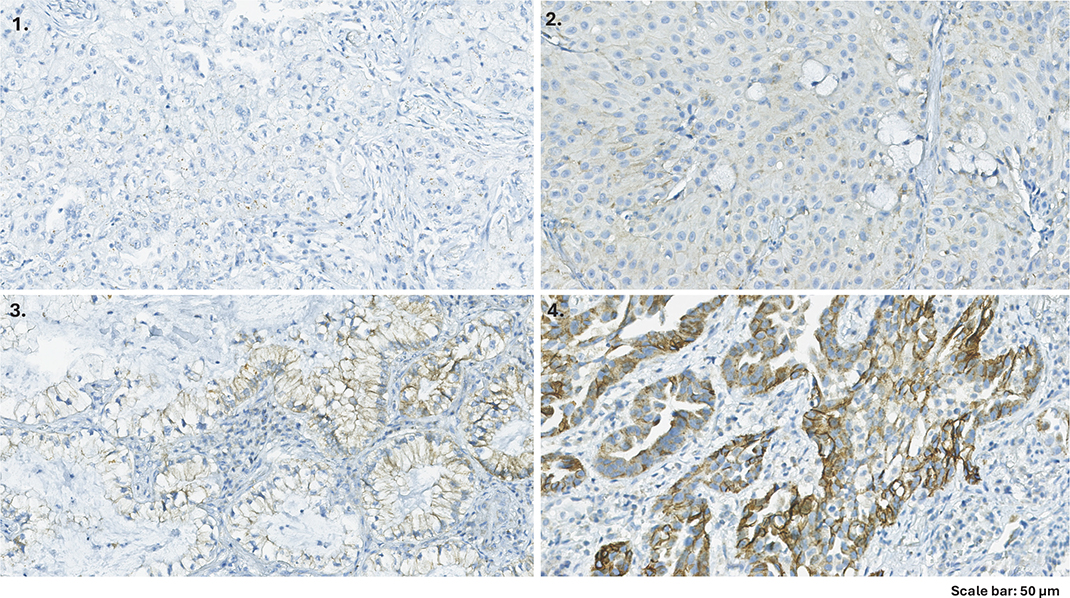
Figure 1. Representative β2AR immunostaining in NSCLC samples.
Samples were defined as low β2AR levels if they had (1) < 10% or (2) 11–25% of tumor cells positive for β2AR. Samples were defined as high β2AR levels if they had (3) 26–50% or (4) > 50% of tumor cells positive for β2AR. NSCLC: Non-Small Cell Lung Cancer; β2AR: beta-2-adrenergic receptor.
Immunostaining was assessed using light microscopy in a blinded fashion by two experienced pathologists (JA and VP). In case of discrepancies, both pathologists evaluated the slides simultaneously until a consensus was reached.
Statistical analysis
Summary statistics were used to describe the demographic and clinical characteristics of the study population. Predictive mean matching [28] was used to impute missing data in the HADS questionnaire (2.2%). Multiple logistic regression models were used to estimate the association between levels of β2AR and distress. All regression models were run without covariates and then including age and sex.
We performed all statistical analyses in R, version 4.3.1 [29] and the statistical significance was set at 0.05. This study and its procedures were approved by the Icelandic Bioethics Committee (VSNb201460025/03.07).
Results
The cohort included 52 patients (50% women, mean age 69.5 years (SD 8.1)) who underwent surgical treatment for NSCLC, 33 (63.5%) with adenocarcinoma, and 24 (46.2%) with p-TNM stage IA. Distressed patients at diagnosis (HADS-T scores ≥ 13) were younger compared to those reporting lower distress (HADS-T scores < 13) (Supplementary Table 1). The levels of β2AR on cancer cells were high in 10 participants (19.2%): 59.3% of patients with high psychological distress (HADS-T ≥ 13) and 10.4% in patients who were not distressed (HADS-T < 13) (Table 1). When adjusting for age and sex, a strong positive association was observed between perceived psychological distress (HADS-T score ≥ 13) and β2AR levels on the cancer cells (odds ratio [OR] 12.6, 95% confidence interval [CI] 2.1–108, p = 0.010). Depressive symptoms (HADS-D score of ≥ 5) were positively associated with β2AR levels (OR 6.5, 95% CI 1.4–47.3, p = 0.028) while the association between anxiety (HADS-A score ≥ 7) and β2AR levels was non-significant (OR 4.1, 95% CI 0.7–29.3, p = 0.132) (Table 1).
| Psychological distress | % patients with high tumor cell β2AR levelsb | ORa | 95%CIc | p-valued | ||||
| HADSe-T score | ||||||||
| < 13 | 10.4 | Ref | ||||||
| ≥ 13 | 59.3 | 12.6 | 2.1–108 | 0.010 | ||||
| HADSe-D score | ||||||||
| < 5 | 7.1 | Ref | ||||||
| ≥ 5 | 33.4 | 6.5 | 1.4–47.3 | 0.028 | ||||
| HADSe-A score | ||||||||
| < 7 | 13.7 | Ref | ||||||
| ≥ 7 | 39.5 | 4.1 | 0.7–29.3 | 0.132 | ||||
| aMultiple regression analysis, adjusted for age and sex; bAdjusted for age and sex; cConfidence interval; dP-values based on Chi-squared test when expected cell counts are less than 5; eHospital anxiety and depression scale. β2AR: beta-2-adrenergic receptor; OR: Odds Ratio; CI: Confidence Interval; HADS: Hospital Anxiety and Depression Scale. | ||||||||
Similar results were observed after excluding: (1) the six patients who answered the HADS after the cancer diagnosis (Supplementary Table 3), (2) the four patients who underwent neo-adjuvant treatment either concurrent chemo- or radio-therapy or surgery of a single metastasis in the brain or adrenal gland (Supplementary Table 4), or (3) the 11 patients with pTNM stages III–IV (Supplementary Table 5).
Discussion and conclusion
The findings of this study suggest an association between a patient’s psychological distress before lung cancer diagnosis and β2AR levels on NSCLC cells at surgery. This was reflected in a strong association between levels of depression and tumor cell β2AR levels.
Inclusion of patients who were eligible for surgery with curative intent, limited the study to patients with low TNM staging. Consequently, the rates of psychological distress before surgery were lower in this patient cohort (19.2%) than previously reported in the total LUCASS population that included patients on all TNM stages and of all lung cancer histology types (30.1%) [20]. Despite the relatively low rate of psychological distress, our findings suggest that pre-diagnosis distress levels are associated with tumor cell β2AR levels in NSCLC.
Although the mechanism of how psychological distress may influence the regulation of β2AR on cancer cells remains unclear, studies have demonstrated that psychological distress activates the sympathetic nervous system [6, 30–32], which drives cancer progression [5, 6, 11, 13, 17, 18, 33–36] and is associated with poorer survival in lung cancer [37]. Our findings extend recent observations that mental health symptoms independently predicted tumor cell β2AR levels in patients with oral squamous cell carcinoma [19]. Furthermore, two previous clinical lung cancer studies [14, 15] reported an association between β2AR levels and tumor cell proliferation.
While larger studies are needed to verify our findings, to our knowledge, this study provides the first evidence that pre-diagnostic perceived psychological distress is associated with lung cancer cell β2AR levels. If confirmed, β2AR may be a novel target for treatment; indeed, some studies [37], but not all [38], suggest that blocking β-adrenoceptor activity may be associated with improved clinical outcomes in lung cancer [37].
The strength of this study includes the well-defined protocol for patients referred for lung cancer work-up, as well as the prospective assessment of patient distress levels before the diagnosis of lung cancer. The main limitation is the small study sample size (n = 52), with 19.2% of the patients having high levels of β2AR on the cancer cells, which limits the statistical power for several analyses. Furthermore, the distress assessment (HADS questionnaire) was made before lung diagnosis and at a median of 42 days before the surgery used to collect tumor for β2AR analysis, which may have influenced the association of these two measures. Finally, the study population is limited to patients diagnosed with NSCLC going through a diagnostic work-up at a tertiary care university hospital in Reykjavik, Iceland, and therefore, may not be readily generalized to other hospitals or countries.
In conclusion, this study showed a strong association between pre-diagnostic distress levels and cancer cell β2AR levels in patients undergoing curative surgical resection for lung cancer. Subject to replication in larger independent samples, these findings highlight the importance of surveillance for mental health symptoms in this vulnerable patient population, given the established role of β2AR signaling in cancer progression.
Acknowledgments
We are particularly grateful to all the patients who participated in the study. In addition, we want to thank Sigrún B. Guðmundsdóttir and Hrönn Árnadóttir for their work in the study.
This work was supported by the Rannis Research Fund (grant no.: 141667-051), the Doctoral Grant from the University of Iceland Research Fund/Eimskip University Fund 2018 and the Landspitali University Hospital Research Fund 2015. EKS is supported by the National Health and Medical Research Council 2020851 and National Breast Cancer Foundation IIRS-20-025.
Data availability statement
The authors have full access to the primary data and can make the data available to the journal or interested researchers upon approval of the National Bioethics Committee of Iceland.
Ethics declarations & trial registry information
This study and its procedures were approved by the Icelandic Bioethics Committee (VSNb201460025/03.07).
Authors’ contributions
HH and UAV were involved in the project administration. HH, UAV, TA, HV, KF and CJ were involved in the investigation and conceptualization of the study.UAV, TA, EKS were involved in planning the formal analysis, HH performed the analysis, HH, UAV, TA, BM, VP, ThG were involved in the methodology. HH and TA were involved in the statistical analysis, TG and ThG were involved in the resources. HH drafted the manuscript and all authors reviewed, edited, and approved the final manuscript.
References
[1] Vehling S, Mehnert-Theuerkauf A, Philipp R, Härter M, Kraywinkel K, Kuhnert R, et al. Prevalence of mental disorders in patients with cancer compared to matched controls – secondary analysis of two nationally representative surveys. Acta Oncol. 2022;61(1):7–13. https://doi.org/10.1080/0284186X.2021.1992008
[2] Wang YH, Li JQ, Shi JF, Que JY, Liu JJ, Lappin JM, et al. Depression and anxiety in relation to cancer incidence and mortality: a systematic review and meta-analysis of cohort studies. Mol Psychiatry. 2020;25(7):1487–99. https://doi.org/10.1038/s41380-019-0595-x
[3] Lutgendorf SK, Sood AK. Biobehavioral factors and cancer progression: physiological pathways and mechanisms. Psychosom Med. 2011;73(9):724–30. https://doi.org/10.1097/PSY.0b013e318235be76
[4] Chang A, Sloan EK, Antoni MH, Knight JM, Telles R, Lutgendorf SK. Biobehavioral pathways and cancer progression: insights for improving well-being and cancer outcomes. Integr Cancer Ther. 2022;21:15347354221096081. https://doi.org/10.1177/15347354221096081
[5] Pan C, Wu J, Zheng S, Sun H, Fang Y, Huang Z, et al. Depression accelerates gastric cancer invasion and metastasis by inducing a neuroendocrine phenotype via the catecholamine/β(2) -AR/MACC1 axis. Cancer Commun (Lond). 2021;41(10):1049–70. https://doi.org/10.1002/cac2.12198
[6] Thaker PH, Han LY, Kamat AA, Arevalo JM, Takahashi R, Lu C, et al. Chronic stress promotes tumor growth and angiogenesis in a mouse model of ovarian carcinoma. Nat Med. 2006;12(8):939–44. https://doi.org/10.1038/nm1447
[7] Geerse OP, Brandenbarg D, Kerstjens HAM, Berendsen AJ, Duijts SFA, Burger H, et al. The distress thermometer as a prognostic tool for one-year survival among patients with lung cancer. Lung Cancer. 2019;130:101–7. https://doi.org/10.1016/j.lungcan.2019.02.008
[8] Eckerling A, Ricon-Becker I, Sorski L, Sandbank E, Ben-Eliyahu S. Stress and cancer: mechanisms, significance and future directions. Nat Rev Cancer. 2021;21(12):767–85. https://doi.org/10.1038/s41568-021-00395-5
[9] Wu Y, Zhou L, Zhang X, Yang X, Niedermann G, Xue J. Psychological distress and eustress in cancer and cancer treatment: advances and perspectives. Sci Adv. 2022;8(47):eabq7982. https://doi.org/10.1126/sciadv.abq7982
[10] Creed SJ, Le CP, Hassan M, Pon CK, Albold S, Chan KT, et al. β2-adrenoceptor signaling regulates invadopodia formation to enhance tumor cell invasion. Breast Cancer Res. 2015;17(1):145. https://doi.org/10.1186/s13058-015-0655-3
[11] Hanahan D, Monje M. Cancer hallmarks intersect with neuroscience in the tumor microenvironment. Cancer Cell. 2023;41(3):573–80. https://doi.org/10.1016/j.ccell.2023.02.012
[12] Rains SL, Amaya CN, Bryan BA. Beta-adrenergic receptors are expressed across diverse cancers. Oncoscience. 2017;4(7–8):95–105. https://doi.org/10.18632/oncoscience.357
[13] Zhang Y, Zanos P, Jackson IL, Zhang X, Zhu X, Gould T, et al. Psychological stress enhances tumor growth and diminishes radiation response in preclinical model of lung cancer. Radiother Oncol. 2020;146:126–35. https://doi.org/10.1016/j.radonc.2020.02.004
[14] Yazawa T, Kaira K, Shimizu K, Shimizu A, Mori K, Nagashima T, et al. Prognostic significance of beta2-adrenergic receptor expression in non-small cell lung cancer. Am J Transl Res. 2016;8(11):5059–70.
[15] Kaira K, Kamiyoshihara M, Kawashima O, Endoh H, Imaizumi K, Sugano M, et al. Prognostic impact of beta2 adrenergic receptor expression in surgically resected pulmonary pleomorphic carcinoma. Anticancer Res. 2019;39(1):395–403. https://doi.org/10.21873/anticanres.13125
[16] Hu P, He J, Liu S, Wang M, Pan B, Zhang W. beta2-adrenergic receptor activation promotes the proliferation of A549 lung cancer cells via the ERK1/2/CREB pathway. Oncol Rep. 2016;36(3):1757–63. https://doi.org/10.3892/or.2016.4966
[17] Chang A, Le CP, Walker AK, Creed SJ, Pon CK, Albold S, et al. β2-Adrenoceptors on tumor cells play a critical role in stress-enhanced metastasis in a mouse model of breast cancer. Brain Behav Immun. 2016;57:106–15. https://doi.org/10.1016/j.bbi.2016.06.011
[18] Le CP, Nowell CJ, Kim-Fuchs C, Botteri E, Hiller JG, Ismail H, et al. Chronic stress in mice remodels lymph vasculature to promote tumour cell dissemination. Nat Commun. 2016;7:10634. https://doi.org/10.1038/ncomms10634
[19] Santos-Sousa AL, Kayahara GM, Bastos DB, Sarafim-Silva BAM, Crivelini MM, Valente VB, et al. Expression of β(1)- and β(2)-adrenergic receptors in oral squamous cell carcinoma and their association with psychological and clinical factors. Arch Oral Biol. 2024;162:105939. https://doi.org/10.1016/j.archoralbio.2024.105939
[20] Hardardottir H, Aspelund T, Fall K, Broström E, Sigurdsson BB, Cook E, et al. Psychobiological stress response to a lung cancer diagnosis: a prospective study of patients in Iceland and Sweden. Acta Oncol. 2023;62(10):1338–47. https://doi.org/10.1080/0284186X.2023.2258445
[21] Hardardottir H, Aspelund T, Zhu J, Fall K, Hauksdottir A, Fang F, et al. Optimal communication associated with lower risk of acute traumatic stress after lung cancer diagnosis. Support Care Cancer. 2022;30(1):259–69. https://doi.org/10.1007/s00520-021-06138-4
[22] Zigmond AS, Snaith RP. The hospital anxiety and depression scale. Acta Psychiatr Scand. 1983;67(6):361–70. https://doi.org/10.1111/j.1600-0447.1983.tb09716.x
[23] Singer S, Kuhnt S, Gotze H, Hauss J, Hinz A, Liebmann A, et al. Hospital anxiety and depression scale cutoff scores for cancer patients in acute care. Br J Cancer. 2009;100(6):908–12. https://doi.org/10.1038/sj.bjc.6604952
[24] Goldstraw P, Chansky K, Crowley J, Rami-Porta R, Asamura H, Eberhardt WE, et al. The IASLC Lung Cancer Staging Project: proposals for revision of the TNM stage groupings in the forthcoming (eighth) edition of the TNM classification for lung cancer. J Thorac Oncol. 2016;11(1):39–51. https://doi.org/10.1016/j.jtho.2015.09.009
[25] Travis WD, Brambilla E, Burke AP, Marx A, Nicholson AG. Introduction to the 2015 World Health Organization classification of tumors of the lung, pleura, thymus, and heart. J Thorac Oncol. 2015;10(9):1240–2. https://doi.org/10.1097/JTO.0000000000000663
[26] Nicholson AG, Tsao MS, Beasley MB, Borczuk AC, Brambilla E, Cooper WA, et al. The 2021 WHO Classification of Lung Tumors: impact of advances since 2015. J Thorac Oncol. 2022;17(3):362–87. https://doi.org/10.1016/j.jtho.2021.11.003
[27] Shimizu A, Kaira K, Mori K, Kato M, Shimizu K, Yasuda M, et al. Prognostic significance of beta2-adrenergic receptor expression in malignant melanoma. Tumour Biol. 2016;37(5):5971–8. https://doi.org/10.1007/s13277-015-4420-0
[28] van Buuren S, Groothuis-Oudshoorn CG. mice: multivariate imputation by chained equation in R. J Stat Softw. 2011;45(3):1–67. https://doi.org/10.18637/jss.v045.i03
[29] R Core Team. R: a language and environment for statistical computing. Vienna: R Foundation for Statistical Computing; 2014.
[30] Bastos DB, Sarafim-Silva BAM, Sundefeld M, Ribeiro AA, Brandão JDP, BiasoliÉ R, et al. Circulating catecholamines are associated with biobehavioral factors and anxiety symptoms in head and neck cancer patients. PLoS One. 2018;13(8):e0202515. https://doi.org/10.1371/journal.pone.0202515
[31] Jang HJ, Boo HJ, Lee HJ, Min HY, Lee HY. Chronic stress facilitates lung tumorigenesis by promoting exocytosis of IGF2 in lung epithelial cells. Cancer Res. 2016;76(22):6607–19. https://doi.org/10.1158/0008-5472.CAN-16-0990
[32] Lutgendorf SK, DeGeest K, Dahmoush L, Farley D, Penedo F, Bender D, et al. Social isolation is associated with elevated tumor norepinephrine in ovarian carcinoma patients. Brain Behav Immun. 2011;25(2):250–5. https://doi.org/10.1016/j.bbi.2010.10.012
[33] Choi H, Mazzone P. Preoperative evaluation of the patient with lung cancer being considered for lung resection. Curr Opin Anaesthesiol. 2015;28(1):18–25. https://doi.org/10.1097/ACO.0000000000000149
[34] Xia Y, Wei Y, Li ZY, Cai XY, Zhang LL, Dong XR, et al. Catecholamines contribute to the neovascularization of lung cancer via tumor-associated macrophages. Brain Behav Immun. 2019;81:111–21. https://doi.org/10.1016/j.bbi.2019.06.004
[35] Zhang X, Zhang Y, He Z, Yin K, Li B, Zhang L, et al. Chronic stress promotes gastric cancer progression and metastasis: an essential role for ADRB2. Cell Death Dis. 2019;10(11):788. https://doi.org/10.1038/s41419-019-2030-2
[36] Zhang ZF, Feng XS, Chen H, Duan ZJ, Wang LX, Yang D, et al. Prognostic significance of synergistic hexokinase-2 and beta2-adrenergic receptor expression in human hepatocelluar carcinoma after curative resection. BMC Gastroenterol. 2016;16(1):57. https://doi.org/10.1186/s12876-016-0474-8
[37] Garramona FT, Cunha TF, Vieira JS, Borges G, Santos G, de Castro G, et al. Increased sympathetic nervous system impairs prognosis in lung cancer patients: a scoping review of clinical studies. Lung Cancer Manag. 2023;12(4):Lmt63. https://doi.org/10.2217/lmt-2023-0006
[38] Udumyan R, Montgomery S, Fang F, Valdimarsdottir U, Hardardottir H, Ekbom A, et al. Beta-blocker use and lung cancer mortality in a nationwide cohort study of patients with primary non-small cell lung cancer. Cancer Epidemiol Biomarkers Prev. 2020;29(1):119–26. https://doi.org/10.1158/1055-9965.EPI-19-0710