SYSTEMATIC REVIEW
Influence of abutment materials on peri-implant tissues health—a systematic review
Waad Khedera,b*, Renita Regoa, Marwan Mansoor Mohammeda, Zaid Hamdoona,b and Waseem Jerjesc
aCollege of Dental Medicine, University of Sharjah, Sharjah, United Arab Emirates; bCollege of Dentistry, Al Bayan University, Baghdad, Iraq; cFaculty of Medicine, Imperial College London, London, UK
ABSTRACT
Background: Abutment materials play a critical role in maintaining peri-implant tissue health, influencing both biological responses and aesthetic outcomes in implant-supported restorations. With the introduction of newer materials and digital fabrication techniques, an updated evaluation of their clinical performance is warranted.
Objective: This systematic review aimed to evaluate the influence of different abutment materials—titanium, zirconia, and polyether ether ketone (PEEK)—on peri-implant tissue health based on contemporary clinical evidence.
Materials and Methods: A systematic literature search was conducted in PubMed and Scopus databases in accordance with Preferred Reporting Items for Systematic reviews and Meta-Analyses (PRISMA) guidelines. Clinical studies published between 2019 and 2026 were included to reflect current advancements in implant prosthodontics. Eligible human studies assessing the impact of abutment materials on peri-implant tissue health were selected based on predefined criteria. Risk of bias was assessed using the ROBINS-I tool. Due to heterogeneity in study design, outcome measures, and follow-up duration, a meta-analysis was not feasible, and a qualitative synthesis was performed.
Results: A total of 13 studies were included. Titanium abutments demonstrated consistent performance, with stable marginal bone levels, low inflammatory response and high long-term predictability. Zirconia abutments showed comparable biological outcomes, with superior soft tissue response and aesthetic integration, particularly in anterior regions. Evidence regarding PEEK abutments was limited; however, preliminary findings suggest reduced inflammatory response and favorable biocompatibility. The included studies exhibited substantial heterogeneity in methodology and outcome reporting, limiting direct comparisons.
Conclusions: Titanium remains the most reliable abutment material due to its well-established clinical performance and mechanical stability. Zirconia represents a suitable alternative in aesthetically demanding situations, offering favorable soft tissue outcomes. PEEK demonstrates promising biological potential but lacks sufficient long-term clinical evidence to support routine use. Future research should focus on well-designed, long-term comparative studies with standardized outcome measures to strengthen the evidence base and guide clinical decision-making.
KEYWORDS: Abutments; Titanium; Zirconia
Citation: BIOMATERIAL INVESTIGATIONS IN DENTISTRY 2026, VOL. 13, 554–563. https://doi.org/10.2340/biid.v13.46210.
Copyright: © 2026 The Author(s). Published by MJS Publishing on behalf of Acta Odontologica Scandinavica Society. This is an Open Access article distributed under the terms of the Creative Commons Attribution 4.0 International License (http://creativecommons.org/licenses/by/4.0/), allowing third parties to copy and redistribute the material in any medium or format and to remix, transform, and build upon the material, with the condition of proper attribution to the original work.
Received: 24 April 2026; Accepted: 21 May 2026; Published: 02 July 2026
CONTACT Waad Kheder College of Dental Medicine, University of Sharjah, UAE, PO Box: 27272 wkheder@sharjah.ac.ae
Competing interests and funding: The authors report there are no competing interests to declare.
KEY MESSAGES
- Titanium abutments stay the gold standard, proving superior predictable peri-implant tissue outcomes and mechanical stability.
- Zirconia abutments offer comparable biological compatibility to titanium and enhanced aesthetic results, supporting their use in esthetically demanding regions.
- PEEK abutments show promising reduced inflammatory response and biocompatibility; however, long-term comparative studies are warranted, and evidence is limited.
Introduction
Dental implant therapy has become a well-established and predictable treatment modality for the rehabilitation of partially and completely edentulous patients, offering high survival rates and improved functional and aesthetic outcomes [1]. The long-term success of implant-supported restorations depends not only on osseointegration, but also on the maintenance of healthy peri-implant tissues, which serve as a biological seal protecting the underlying bone from microbial and mechanical challenges [2]. The peri-implant soft tissue complex, consisting of keratinized mucosa and connective tissue, plays a critical role in preserving peri-implant tissue health. Disruption of this interface may lead to biological complications such as peri-implant mucositis and peri-implantitis, which are among the leading causes of implant failure [2]. Consequently, factors influencing the integrity of the peri-implant soft tissue seal have become a major focus in contemporary implant dentistry [3].
Among these factors, the choice of abutment material has received considerable attention. The abutment represents the transmucosal component connecting the implant fixture to the prosthetic restoration and directly interacts with the peri-implant soft tissues. Therefore, its material composition, surface characteristics, and mechanical properties can significantly influence tissue response, bacterial adhesion, inflammatory processes, and marginal bone stability [4]. Titanium has long been regarded as the gold standard abutment material due to its excellent biocompatibility, corrosion resistance, and mechanical strength. Numerous clinical studies have demonstrated its ability to maintain stable peri-implant bone levels and favorable tissue conditions over time [5, 6]. However, aesthetic limitations, particularly in the anterior region, have prompted the development of alternative materials [7].
Zirconia has emerged as a widely used alternative due to its tooth-like color, favorable optical properties, and high biocompatibility [5]. In addition to its aesthetic advantages, zirconia has been associated with reduced bacterial adhesion and improved soft tissue response compared to metallic abutments [6]. Long-term clinical studies have also demonstrated comparable survival rates to titanium, supporting its use in implant prosthodontics [9, 10]. Nevertheless, concerns remain regarding its mechanical behavior and susceptibility to technical complications under functional loading [11]. More recently, polyether ether ketone (PEEK) has been introduced as a novel biomaterial in implant prosthodontics. PEEK is a high-performance polymer characterized by favorable mechanical properties, chemical stability, and potential for reduced inflammatory response [1]. Preliminary clinical evidence suggests that PEEK may support favorable soft tissue integration and reduced inflammatory markers compared to conventional materials [4]. However, its clinical application remains limited, and long-term data are lacking.
Despite the growing body of literature on abutment materials, the available evidence remains heterogeneous, with variations in study design, outcome measures, and follow-up duration. Furthermore, rapid advancements in digital workflows and Computer-Aided Design/Computer-Aided Manufacturing (CAD/CAM) fabrication techniques have introduced new material configurations and surface modifications, necessitating updated evaluations of their clinical performance [3]. Therefore, a comprehensive and up-to-date synthesis of the available clinical evidence is required to better understand the impact of different abutment materials on peri-implant tissue health. This systematic review aims to evaluate and compare the biological and clinical outcomes associated with titanium, zirconia, and PEEK abutments, with a particular focus on peri-implant tissue health parameters, including marginal bone loss, soft tissue response, and inflammatory outcomes.
Materials and methods
Study design and registration
This systematic review was conducted in accordance with the Preferred Reporting Items for Systematic Reviews and Meta-Analyses (PRISMA) guidelines [8]. The review protocol was prospectively registered in PROSPERO (CRD420251024493).
Search strategy
A comprehensive literature search was conducted using PubMed and Scopus databases to identify relevant studies evaluating the influence of abutment materials on peri-implant tissue health. These databases were selected due to their extensive coverage of biomedical and dental literature and their widespread use in implant dentistry research. Although additional databases such as Embase and Cochrane CENTRAL are recognized for their relevance in systematic reviews, they were not included in the present study. This decision was based on feasibility considerations and the expectation that the majority of relevant clinical studies would be indexed within PubMed and Scopus. However, the exclusion of these databases may have limited the comprehensiveness of the search and is acknowledged as a potential limitation.
The search was limited to studies published between January 2019 and December 2026 to capture contemporary clinical evidence reflecting recent advancements in abutment materials, including CAD/CAM zirconia systems and emerging materials such as PEEK. The search strategy included combinations of keywords related to dental implant abutments, abutment materials (titanium, zirconia, and PEEK), peri-implant tissue health, marginal bone loss, inflammation, and soft tissue response. Full search strategies are provided in Table 1.
Eligibility criteria
Inclusion criteria
- Human clinical studies (randomized controlled trials, prospective and retrospective studies, and case series)
- Studies evaluating titanium, zirconia, or PEEK abutments
- Studies reporting outcomes related to peri-implant tissue health (e.g., marginal bone loss, inflammation, soft tissue response, and survival rate)
- English-language publications
- Studies published between 2019 and 2026
Exclusion criteria
- Animal or in vitro studies
- Case reports, reviews, and conference abstracts
- Non-English studies
- Studies lacking relevant clinical outcomes
- Studies published prior to 2019
The inclusion of heterogeneous study designs was considered necessary due to the limited availability of high-level clinical evidence, particularly for emerging materials such as PEEK.
Study selection
After database searching, duplicates were removed. Titles and abstracts were screened, followed by full-text assessment of eligible studies. The selection process was performed systematically based on predefined criteria and is illustrated in the PRISMA flow diagram (Figure 1).
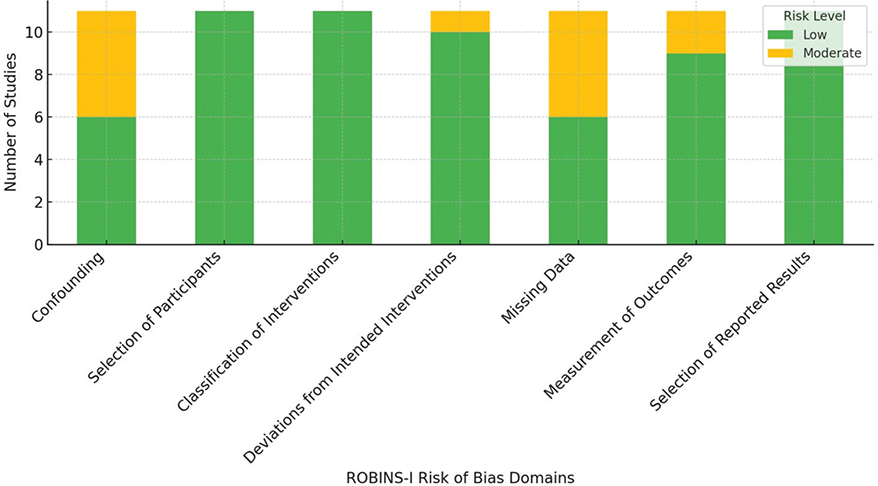
Figure 1. PRISMA flowchart of selection process.
Data extraction
Data was extracted using a standardized form including:
- Study design
- Number of patients and implants/restorations
- Abutment material
- Type of restoration
- Follow-up duration
- Clinical outcomes related to peri-implant tissue health
Risk of bias assessment
Risk of bias was assessed using the ROBINS-I tool across multiple domains. Studies were categorized as low or moderate risk of bias (Table 3).
Data synthesis
Due to substantial heterogeneity among the included studies in terms of study design, sample size, follow-up duration, outcome measures, and prosthetic protocols, a meta-analysis was not feasible. Therefore, a qualitative synthesis of the findings was performed. The results were analyzed descriptively, focusing on identifying trends and comparative outcomes associated with different abutment materials.
Results
Study selection
The initial search of PubMed and Scopus databases identified a total of 5,362 records. After removal of duplicates using automated tools, 158 records remained. Following title and abstract screening, 93 studies were considered potentially eligible. Of these, 28 articles were excluded due to lack of accessible full text. The remaining 65 full-text articles were assessed for eligibility, resulting in the exclusion of 52 studies that did not meet the inclusion criteria. Ultimately, 13 studies were included in the qualitative synthesis (Table 2). The study selection process is illustrated in the PRISMA flow diagram (Figure 1), ensuring transparency and reproducibility.
| Author(s) | Year | Aim of the study | Study design/ population | Abutment material | Results (health of peri-implant tissue) | Number of implants | Follow-up duration | Type of restoration |
| Bernabeu-Mira et al. [14] | 2021 | To assess the impact of abutment characteristics on marginal bone levels in immediate-loading full-arch prostheses. | Retrospective case series study with 17 patients having full-arch immediate-loading prostheses. | Titanium, Zirconia | Zirconia abutments exhibited less marginal bone loss compared to titanium abutments. | 87 | 1 year | Not mentioned |
| Donker et al. [2] | 2022 | To evaluate monolithic zirconia restorations with CAD/CAM titanium abutments in the posterior region. | Prospective case series study with 45 patients having screw-retained monolithic zirconia implant-supported restorations with CAD/CAM titanium abutments in the posterior region. | Titanium | Good clinical, radiographic and patient-reported outcomes for screw-retained monolithic zirconia restorations with CAD/CAM titanium abutments in the posterior maxilla and mandible after 1 year in function. | 49 | 1 year | Zirconia |
| Enkling et al. [1] | 2022 | To investigate soft tissue responses to different abutment materials in a controlled model. | Controlled and randomized study with 20 participants where 40 experimental one-piece healing abutment of four different materials were mounted on bone-level implants (split-mouth design). | Titanium, Zirconia | Zirconia abutments demonstrated enhanced soft tissue integration when compared to titanium. | 40 | 3 months | Not mentioned |
| Fonseca et al. [3] | 2021 | To assess the clinical and esthetic outcomes as well as patient satisfaction of screw-retained one-piece implant crowns fabricated with zirconia abutments. | Prospective cohort study with 32 patients receiving 40 implant single crowns in anterior and premolar sites. | Zirconia | Zirconia abutments achieved favorable aesthetic outcomes with high survival rates and minimal soft tissue complications. | 40 | 4.5 to 8 years | Zirconia |
| Hosseini et al. [9] | 2024 | To assess the survival rate of zirconia vs. metal abutments in patients with agenesis. | Prospective clinical study with 53 patients participated to previously published prospective clinical study with 3-year follow-up were recalled after 5 years. | Zirconia, Metal | Although zirconia and metal abutments exhibited similar survival rates, zirconia yielded superior aesthetic outcomes. | 89 | 5 years | 50 zirconia abutments got 50 all-ceramic (AC) crowns, 39 metal abutments got 29 metal-ceramic (MC) and 10 AC crowns. |
| Koller et al. [11] | 2020 | To compare clinical outcomes of two-piece zirconia vs. titanium implants. | Prospective randomized pilot trial with 21 patients undergoing posterior restorations. | Titanium, Zirconia | Two-piece zirconia abutments resulted in marginal bone loss comparable to titanium but were associated with improved aesthetics. | 28 | 80.9 months | Not mentioned |
| Milinkovic et al. [4] | 2022 | To analyze soft tissue response to PEEK and titanium healing abutments. | Randomized pilot clinical study with 10 patients using PEEK and titanium healing abutments. | PEEK, Titanium | PEEK abutments showed encouraging biocompatibility and elicited fewer inflammatory markers than titanium. | 20 | 3 months | Not mentioned |
| Pozzi et al. [10] | 2023 | To evaluate the long-term survival of zirconia screw-retained implant prostheses. | Retrospective multicenter study with 98 patients receiving screw-retained prostheses. | Zirconia | Zirconia-based screw-retained implant-supported prosthesis can be considered a reliable long-term treatment option for partial and complete edentulism. | 111 | Mean: 7.2 ± 3.4 years | Zirconia |
| Smirani et al. [7] | 2024 | Clinical outcomes of single implant-supported crowns utilizing titanium base abutments. | Prospective cohort study with 18 patients receiving single-crown restorations. | Titanium | Titanium abutments ensured long-term stability of peri-implant tissues with minimal marginal bone loss. | 18 | 7.5 years | Zirconia |
| Strauss et al. [6] | 2022 | To assess radiographic, restorative, clinical and technical outcomes as well as patient satisfaction of directly veneered zirconia restorations cemented on non-original titanium bases | Prospective cohort study with 22 patients using zirconia restorations on titanium bases. | Zirconia, Titanium | The restorative angle of implant-supported crowns on non-original titanium bases influences the initial marginal bone loss but without affecting their favorable long-term clinical performance. | 22 | 5 years | Zirconia |
| Weigl et al. [5] | 2019 | Compare outcomes of all-ceramic vs. titanium-based implant restorations. | A randomized controlled study where 42 patients received single implants restored either by all-ceramic restorations or conventional titanium-based restorations. | Zirconia, Titanium | Zirconia abutments outperformed titanium in aesthetic outcomes and peri-implant tissue health. | 42 | 1 year | 21 zirconia abutments got all-ceramic crowns, 21 titanium abutments got PFM crowns |
| Kumar et al. [12] | 2024 | To compare the effects of zirconia and titanium abutments on peri-implant hard and soft tissues. | A prospective clinical study included 40 patients requiring single-tooth implant restorations in the posterior region. | Zirconia, Titanium | Zirconia abutments are associated with better peri-implant tissue health and reduced marginal bone loss. | 40 | 6 months | Not mentioned |
| Savitha et al. [13] | 2024 | To compare the impact of titanium, zirconia, and gold alloy abutments on peri-implant tissue health and esthetic outcomes in patients receiving implant-supported prostheses. | A randomized controlled trial with 90 patients requiring single-tooth implant-supported prostheses. | Zirconia, Titanium, Gold | Zirconia abutments resulted in the most favorable peri-implant tissue health, with significantly lower PD, BOP, and plaque index compared to titanium and gold alloy abutments. In terms of esthetic outcomes, zirconia abutments also outperformed the other two abutments. |
90 | 1 year | All-ceramic crowns |
| CAD: Computer-Aided Design; CAM: Computer-Aided Manufacturing; PEEK: Polyetheretherketone; PFM: Porcelain Fused to Metal; PD: Periodontal Pocket; BOP: Bleeding on Probing | ||||||||
| Study | Bias due to confounding | Bias in selection of participants | Bias in classification of interventions | Bias due to deviations from intended interventions | Bias due to missing data | Bias in measurement of outcomes | Bias in selection of reported results | Overall, bias risk |
| Bernabeu-Mira et al. [16] | Moderate | Low | Low | Low | Moderate | Low | Low | Moderate |
| Donker et al. [2] | Low | Low | Low | Low | Low | Low | Low | Low |
| Enkling et al. [1] | Low | Low | Low | Moderate | Low | Low | Low | Low |
| Fonseca et al. [3] | Moderate | Low | Low | Low | Low | Moderate | Low | Moderate |
| Hosseini et al. [9] | Moderate | Low | Low | Low | Moderate | Moderate | Low | Moderate |
| Koller et al. [11] | Low | Low | Low | Low | Low | Low | Low | Low |
| Milinkovic et al. [4] | Moderate | Low | Moderate | Low | Low | Low | Low | Moderate |
| Pozzi et al. [10] | Low | Low | Low | Moderate | Low | Low | Low | Low |
| Smirani et al. [7] | Moderate | Low | Low | Low | Moderate | Low | Low | Moderate |
| Strauss et al. [6] | Low | Low | Low | Low | Low | Low | Low | Low |
| Weigl et al. [5] | Moderate | Low | Low | Low | Low | Low | Low | Moderate |
| Kumar et al. [12] | Low | Low | Low | Low | Low | Low | Low | Low |
| Savitha et al. [13] | Low | Low | Low | Low | Low | Low | Low | Low |
Study characteristics
The included studies comprised a range of clinical designs, including randomized controlled trials, prospective cohort studies, retrospective analyses, and case series. Sample sizes varied considerably across studies, reflecting differences in study design and clinical settings. The number of patients and implants/restorations, types of abutment materials, prosthetic designs, and follow-up durations are summarized in Table 2. Titanium and zirconia abutments were the most frequently investigated materials, while evidence regarding PEEK abutments was limited. Follow-up durations ranged from short-term evaluations (approximately 1 year) to long-term observations extending up to 12 years.
Outcomes according to abutment material
Titanium abutments
Titanium abutments were consistently associated with stable peri-implant tissue conditions. Across multiple studies, titanium demonstrated minimal marginal bone loss, low inflammatory response, and high long-term survival rates. These findings reinforce its established role as a reliable material in implant prosthodontics, particularly in load-bearing regions.
Zirconia abutments
Zirconia abutments exhibited favorable outcomes in terms of peri-implant tissue health, particularly in soft tissue response and aesthetic integration. Several studies reported improved mucosal conditions and comparable marginal bone stability relative to titanium. Long-term studies also demonstrated satisfactory survival rates; however, occasional technical complications, such as veneering fractures, were noted.
PEEK abutments
Evidence regarding PEEK abutments was limited to a small number of studies. Available data suggest that PEEK may be associated with reduced inflammatory response and favorable soft tissue behavior. However, due to the lack of long-term clinical data and limited sample sizes, the evidence remains preliminary.
Comparative analysis
Overall, titanium and zirconia abutments demonstrated comparable biological performance in maintaining peri-implant tissue health, with distinct advantages in mechanical and aesthetic domains, respectively. Titanium showed superior mechanical stability and long-term predictability, whereas zirconia provided enhanced aesthetic outcomes and soft tissue integration. In contrast, PEEK showed emerging potential but lacked sufficient evidence to support direct comparison with established materials. Graphical representations (Figures 2 and 3) illustrate the distribution of outcomes across abutment materials, highlighting the relatively balanced evidence base for titanium and zirconia and the limited data available for PEEK.
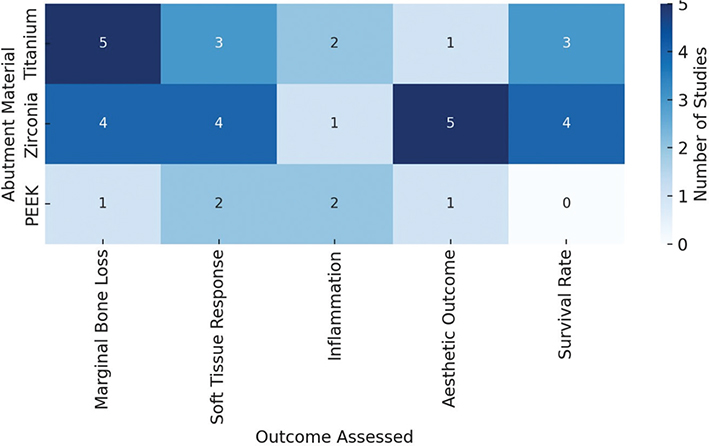
Figure 2. Evidence Map: Outcome assessed by Abutment Material. This matrix summarizes the number of included studies (n = 13) evaluating key clinical outcomes—marginal bone loss, soft tissue response, inflammation, aesthetic outcomes, and survival rate—across different abutment materials (titanium, zirconia, and PEEK). Darker shading indicates a greater number of studies assessing each outcome for a given material. The figure demonstrates a relatively strong and balanced evidence base for titanium and zirconia across most outcome domains, while highlighting the limited and emerging evidence for PEEK, particularly with respect to long-term survival.
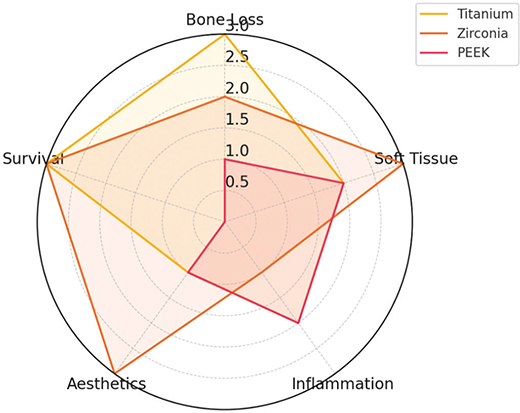
Figure 3. Outcome Advantage Profile per Abutment Material. This radar chart illustrates the relative performance of titanium, zirconia, and PEEK abutments across five clinical outcome domains: marginal bone loss, soft tissue response, inflammation, aesthetic outcomes, and survival rate. Scores (0–3) were assigned based on the strength and frequency of favorable outcomes reported in the included studies. Titanium and zirconia demonstrate comprehensive performance profiles, with distinct advantages in mechanical and aesthetic domains, respectively. In contrast, PEEK shows emerging potential but remains limited by insufficient evidence, particularly regarding long-term survival.
Risk of bias assessment
The methodological quality of the included studies was assessed using the ROBINS-I tool. Most studies were classified as having low to moderate risk of bias across the evaluated domains. The most common sources of bias were related to confounding factors and incomplete data reporting.
The distribution of risk of bias across studies is presented in Figure 4, which demonstrates that the majority of studies showed low risk in domains such as participant selection and outcome measurement, while moderate risk was more frequently observed in confounding and missing data domains.
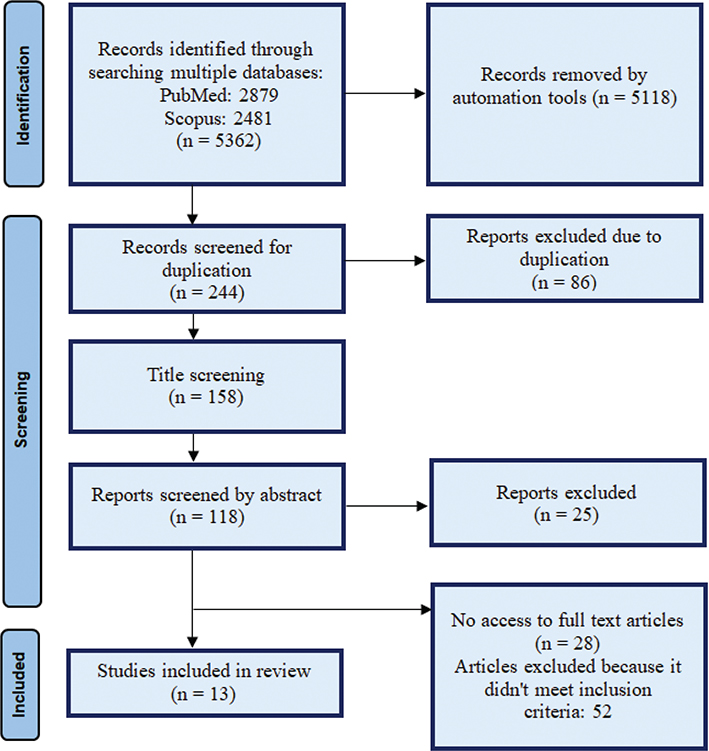
Figure 4. ROBINS-I Risk of Bias Across Domains in Included Studies. This stacked bar chart presents the distribution of included studies (n = 13) categorized as having low or moderate risk of bias across the seven domains assessed using the ROBINS-I tool. Most studies demonstrated a low risk of bias in domains such as participant selection, classification of interventions, and outcome measurement/reporting. In contrast, the highest proportion of moderate risk was observed in the confounding and missing data domains, highlighting potential limitations related to study design and data completeness.
Summary of findings
The collective evidence indicates that titanium remains the most extensively studied and clinically reliable abutment material, while zirconia offers comparable biological outcomes with additional aesthetic benefits. PEEK represents a promising alternative; however, current evidence is insufficient to draw definitive conclusions regarding its long-term clinical performance.
Discussion
This systematic review evaluated the influence of abutment materials—titanium, zirconia, and PEEK—on peri-implant tissue health based on contemporary clinical evidence. The findings indicate that titanium remains the most predictable material in terms of mechanical stability and maintenance of marginal bone levels, whereas zirconia demonstrates superior aesthetic outcomes and favorable soft tissue response. PEEK, as an emerging material, shows promising biological behavior; however, the current evidence base remains limited and predominantly short term. Titanium abutments continue to be regarded as the gold standard due to their well-documented biocompatibility, mechanical strength, and long-term clinical success. Across the included studies, titanium consistently exhibited minimal marginal bone loss and stable peri-implant tissue conditions, supporting its continued use, particularly in posterior regions where functional demands are high [2, 6]. These findings are consistent with previous clinical studies reporting stable peri-implant bone levels and favorable biological outcomes associated with titanium abutments [6, 7].
In contrast, zirconia abutments showed comparable survival rates while offering enhanced aesthetic integration and improved soft tissue outcomes. Several included studies demonstrated improved mucosal conditions and favorable biological responses when compared to titanium [5, 9]. Long-term investigations have further supported the clinical reliability of zirconia, reporting stable outcomes over extended follow-up periods [9, 10]. These findings are particularly relevant in anterior regions, where aesthetic considerations are critical. Kumar et al. reported that zirconia abutments were associated with improved soft tissue parameters and better preservation of marginal bone levels compared with titanium abutments over a 6-month observation period. The favorable clinical performance of zirconia may be related to its smoother surface characteristics and lower bacterial affinity, which may reduce plaque accumulation and inflammatory responses around implants [12]. Recent clinical evidence demonstrates that zirconia abutments are associated with reduced probing depth and lower bleeding on probing compared to titanium, indicating decreased peri-implant inflammation [13]. However, some studies reported technical complications associated with zirconia, such as veneering fractures or prosthetic issues, which may influence long-term performance [11]. Therefore, careful case selection remains essential when considering zirconia as an alternative to titanium.
The evidence regarding PEEK abutment remains limited, with only a small number of clinical studies available. Preliminary findings suggest that PEEK may reduce inflammatory responses and support favorable soft tissue integration, potentially due to its bioinert properties [4]. However, the absence of long-term clinical data and the limited number of comparative studies restrict the ability to draw definitive conclusions. Therefore, PEEK should currently be considered an emerging material with promising potential, warranting further investigation through well-designed longitudinal clinical trials.
A key limitation of this review is the heterogeneity among the studies included. Variations in study design, sample size, follow-up duration, outcome measures, and prosthetic protocols limited direct comparability and precluded the performance of a meta-analysis. This heterogeneity also introduces challenges in synthesizing the evidence and may affect the generalizability of the findings. Similar methodological variability has been reported in previous implant dentistry research, highlighting the need for more standardized clinical study designs [3]. Another important limitation relates to the variability in outcome reporting across studies. Differences in how peri-implant tissue health parameters—such as marginal bone loss, soft tissue response, and inflammatory markers—were defined and measured hinder direct comparisons and data pooling. This highlights the need for standardized outcome measures and reporting protocols in future clinical studies to enhance comparability and facilitate higher-level evidence synthesis⁸.
The present review was also limited by the restriction of the literature search to PubMed and Scopus databases. Although these databases provide extensive coverage of biomedical and dental literature, it is possible that relevant studies indexed in other databases, such as Embase or Cochrane CENTRAL, were not captured. Additionally, the inclusion of studies published only between 2019 and 2026 may have excluded earlier foundational research, thereby reducing the breadth of the evidence base. However, this temporal restriction was intentionally applied to focus on contemporary clinical practices and recent advancements in abutment materials, including CAD/CAM zirconia systems and emerging materials such as PEEK [3].
From a clinical perspective, the findings of this review emphasize the importance of a patient-centered approach in abutment material selection. Titanium remains the material of choice in situations requiring high mechanical strength and long-term reliability, particularly in posterior load-bearing regions. Zirconia offers distinct advantages in aesthetically demanding areas, providing improved soft tissue integration and favorable visual outcomes. While PEEK shows potential as a biologically favorable material, its routine clinical application should be approached cautiously until more robust long-term evidence becomes available [4]. Future research should focus on well-designed prospective clinical trials with larger sample sizes and extended follow-up periods to evaluate the long-term performance of both zirconia and PEEK abutments. Additionally, direct comparative studies using standardized outcome measures are essential to enable meaningful comparisons across materials. The integration of patient-reported outcomes, such as aesthetic satisfaction and quality of life, may also provide valuable insights into clinical decision-making. Establishing standardized reporting frameworks will be critical to advancing the evidence base and supporting more definitive conclusions in future systematic reviews.
Conclusion
This systematic review highlights the pivotal influence of abutment materials on peri-implant tissue health. Titanium remains the most reliable material, demonstrating superior mechanical stability and minimal marginal bone loss. Zirconia is a suitable alternative, particularly in esthetically demanding regions, providing comparable biological outcomes with enhanced soft tissue integration. Preliminary clinical evidence suggests that PEEK may offer favorable biocompatibility and reduced inflammatory responses; however, long-term clinical data are limited. Selection of abutment materials should be guided by patient-specific functional and aesthetic requirements, with zirconia favored in high-aesthetic zones and titanium preferred where mechanical strength is critical. The adoption of PEEK in routine practice should be approached cautiously until further long-term studies are available. Future research should focus on well-designed trials with larger sample sizes, standardized outcome measures, and extended follow-up to strengthen the evidence base and guide clinical decision-making.
Future directions
Future research should prioritize well-designed, prospective clinical trials with larger and more diverse patient populations to strengthen the evidence base regarding abutment materials. Specifically, studies should aim for longer follow-up periods to capture late-onset biological or technical complications, particularly for emerging materials such as PEEK. Standardization in outcome reporting—especially in peri-implant bone loss, soft tissue health, and inflammatory markers—would facilitate meaningful comparisons and enable future meta-analyses. There is also a need for interdisciplinary research integrating periodontology, prosthodontics, and materials science to explore the biological interactions between novel abutment surfaces and peri-implant tissues. Investigating patient-centered outcomes such as comfort, satisfaction, and quality of life will provide valuable context alongside clinical metrics. Additionally, comparative cost-effectiveness studies could inform material selection in settings with constrained resources. Finally, future systematic reviews may benefit from incorporating grey literature and non-English sources to mitigate language bias and broaden the global relevance of findings. As implant dentistry continues to evolve, such comprehensive and methodologically rigorous studies will be essential to guide clinicians in tailoring abutment selection to individual patient needs and clinical scenarios.
Authors’ contributions
Kheder, Waad: Conceptualization; Data curation; Formal analysis; Methodology; Project administration; Resources; Supervision; Validation; Visualization; Writing – original draft; and Writing – review & editing. Rego, Renita: Conceptualization; Data curation; Formal analysis; Methodology; Project administration; Resources; Validation; Visualization; and Writing – original draft. Mohammed, Marwan: Conceptualization; Data curation; Formal analysis; Methodology; Project administration; Resources; Validation; Visualization; and Writing – original draft. Hamdoon, Zaid: Conceptualization; Data curation; Formal analysis; Methodology; Project administration; Resources; Validation; Visualization; and Writing – original draft. Jerjes, Waseem: Data curation; Formal analysis; Project administration; Resources; Validation; Visualization; Writing – original draft; and Writing – review & editing.
Data availability statement
Data sharing is not applicable to this article as no new data were created or analyzed in this study.
References
[1] Enkling, Marder M, Bayer S, Götz W, Stoilov M, Kraus D. Soft tissue response to different abutment materials: a controlled and randomized human study using an experimental model. Clin Oral Implants Res. 2022;33(6):667–79. https://doi.org/10.1111/clr.13932
[2] Donker VJJ, Raghoebar GM, Jensen‑Louwerse C, Vissink A, Meijer HJA. Monolithic zirconia single tooth implant‑supported restorations with CAD/CAM titanium abutments in the posterior region: a 1‑year prospective case series study. Clin Implant Dent Relat Res. 2022;24(1):125–32. https://doi.org/10.1111/cid.13069
[3] Fonseca M, Molinero‑Mourelle P, Forrer FA, Schnider N, Hicklin SP, Schimmel M, et al. Clinical performance of implant crowns with customized zirconia abutments: a prospective cohort study with a 4.5‑ to 8.8‑year follow‑up. Clin Oral Implants Res. 2021;32(7):853–62. https://doi.org/10.1111/clr.13761
[4] Milinkovic I, Krasavcevic AD, Jankovic S, Sopta J, Aleksic Z. Immunohistochemical analysis of soft tissue response to polyetheretherketone (PEEK) and titanium healing abutments on dental implants: a randomized pilot clinical study. BMC Oral Health. 2022;22(1):484. https://doi.org/10.1186/s12903-022-02536-0
[5] Weigl P, Trimpou G, Grizas E, Hess P, Nentwig GH, Lauer HC, et al. All‑ceramic versus titanium‑based implant supported restorations: preliminary 12‑months results from a randomized controlled trial. J Adv Prosthodont. 2019;11(1):48–54. https://doi.org/10.4047/jap.2019.11.1.48
[6] Strauss FJ, Siegenthaler M, Hämmerle CHF, Sailer I, Jung RE, Thoma DS. Restorative angle of zirconia restorations cemented on non‑original titanium bases influences the initial marginal bone loss: 5‑year results of a prospective cohort study. Clin Oral Implants Res. 2022;33(7):745–56. https://doi.org/10.1111/clr.13954
[7] Smirani R, Chantler JG, Endres J, Jung RE, Naenni N, Strauss FJ, et al. Clinical outcomes of single implant supported crowns utilising the titanium base abutment: a 7.5‑year prospective cohort study. J Dent. 2024;149:105306. https://doi.org/10.1016/j.jdent.2024.105306
[8] Page MJ, McKenzie JE, Bossuyt PM, Boutron I, Hoffmann TC, Mulrow CD, et al. The PRISMA 2020 statement: an updated guideline for reporting systematic reviews. Syst Rev. 2021;10(1):89. https://doi.org/10.1136/bmj.n71
[9] Hosseini M, Worsaae N, Gotfredsen K. Survival rate of implant‑supported, single‑tooth restorations based on zirconia or metal abutment in patients with tooth agenesis: a 5‑years prospective clinical study. J Evid Based Dent Pract. 2024;24(2):101970. https://doi.org/10.1016/j.jebdp.2024.101970
[10] Pozzi A, Arcuri L, Fabbri G, Singer G, Londono J. Long‑term survival and success of zirconia screw‑retained implant‑supported prostheses for up to 12 years: a retrospective multicenter study. J Prosthet Dent. 2023;129(1):96–108. https://doi.org/10.1016/j.prosdent.2021.04.026
[11] Koller M, Steyer E, Theisen K, Stagnell S, Jakse N, Payer M. Two‑piece zirconia versus titanium implants after 80 months: clinical outcomes from a prospective randomized pilot trial. Clin Oral Implants Res. 2020;31(4):388–96. https://doi.org/10.1111/clr.13576
[12] Kumar S, Singha A, Dhingra J, Verma G, Singh SD, Kumar A. Evaluation of zirconia and titanium abutments on peri-implant tissues: a comparative study. Bioinformation. 2024;20(12):1809–12. https://doi.org/10.6026/9732063002001809
[13] Savitha PN, Solanki S, Soni M, Razdan RA, Gupta A, Patel KN. Impact of different abutment materials on peri-implant tissue health and esthetics in fixed prosthodontics. Bioinformation. 2024;20(10):1340–44. https://doi.org/10.6026/9732063002001340
[14] Bernabeu‑Mira JC, Soto‑Peñaloza D, Peñarrocha‑Diago M, Peñarrocha‑Oltra D. Influence of abutment characteristics on marginal bone level changes in immediate loading implant‑supported full‑arch fixed dental prostheses: a retrospective case series study with 1‑year follow‑up. Front Oral Maxillofac Med. 2021;3:34. https://doi.org/10.21037/fomm-21-64