ORIGINAL REPORT
UPPER LIMB TRAINING WITH A DYNAMIC HAND ORTHOSIS IN EARLY SUBACUTE STROKE: A PILOT RANDOMIZED TRIAL
Yih WONG, MD1,2, Chao-Jin-Zi LI, MD3,4, Louise ADA, PT, PhD5, Tong ZHANG, MD, PhD3,4, Grethe MÅNUM, MD, PhD1,2 and Birgitta LANGHAMMER, PT, PhD1,6,
From 1Research Department, Sunnaas Rehabilitation Hospital, Bjoernemyr, Norway, 2Institute of Clinical Medicine, Faculty of Medicine, University of Oslo, Oslo, Norway, 3School of Rehabilitation Medicine, Capital Medical University, Beijing, China, 4Department of Neurological Rehabilitation, Beijing Bo’ai Hospital, China Rehabilitation Research Center, Beijing, China, 5Faculty of Medicine and Health, University of Sydney, Sydney, Australia and 6Department of Physiotherapy, Faculty of Health Sciences, OsloMet – Oslo Metropolitan University, Oslo, Norway
Objectives: To investigate the effect of the addition of a dynamic hand orthosis to unilateral task-oriented training in early subacute stroke.
Design: Pilot randomized trial with concealed allocation, measurer blinding, and intention-to-treat analysis.
Setting: Rehabilitation hospital.
Participants: Thirty subacute stroke patients with moderate-to-severe upper limb disability.
Intervention: All participants received 4 weeks (60 min per day, 5 days a week) of unilateral task-oriented training. The experimental group (n = 15) wore a dynamic hand orthosis during half of the training time (i.e. 30 min per day).
Outcome measures: Primary outcome was the upper limb activity measured using the Action Research Arm Test (ARAT) measured at baseline and 4 weeks. Secondary outcomes were the Nine-hole Peg Test, Fugl-Meyer Assessment for upper extremity, grip strength, modified Ashworth Scale, Barthel Index and EuroQol-5D.
Results: No difference between groups was found for the primary outcome ARAT (mean difference 4/57, 95% confidence interval (95% CI) –5 to 13) nor for any secondary outcome.
Conclusion: No additional benefit was found of wearing a dynamic hand orthosis during unilateral task-oriented training in the early subacute period.
LAY ABSTRACT
Dynamic hand orthosis may help upper limb recovery by optimizing the wrist and hand position. The aim of this study was to investigate the effect of the addition of a dynamic hand orthosis to real-life task practice in early subacute stroke. A total of 30 stroke patients with upper limb disability were recruited to the study. All participants received 4 weeks (60 min per day, 5 days a week) of training. Fifteen participants wore a dynamic hand orthosis during half the training time (i.e. 30 min per day). No additional benefit of wearing a dynamic hand orthosis, in terms of upper limb impairments, activity, or participation, was found.
Key words: stroke; rehabilitation; upper extremity; recovery of function; orthotic devices.
Citation: J Rehabil Med 2022; 54: jrm00279. DOI: http://dx.doi.org/10.2340/jrm.v54.2231
Copyright: © Published by Medical Journals Sweden, on behalf of the Foundation for Rehabilitation Information. This is an Open Access article distributed under the terms of the Creative Commons Attribution-NonCommercial 4.0 International License (https://creativecommons.org/licenses/by-nc/4.0/)
Accepted: Feb 25, 2022; Epub ahead of print: March 16, 2022; Published: Apr 7, 2022
Correspondence address: Birgitta Langhammer, OsloMet – Oslo Metropolitan University, Postboks 4, St. Olavs plass, 0130 Oslo, Norway. Email: birg@oslomet.no
Competing interests and funding: The authors have no conflicts of interest to declare.
Approximately two-thirds of persons after stroke have upper limb limitation, and half of them will remain disabled with regard to arm-hand performance 3 months after onset (1, 2). Reduced upper limb capacity is known to be associated with dependence in activities of daily living, restricted participation and diminished quality of life (3–5). Despite the frequency, upper limb interventions used within routine clinical practice are diverse and provide an ongoing challenge for clinicians and persons after stroke.
A systematic review of the research shows no high-quality evidence related to the effectiveness of any interventions in improving upper limb function (6). Nevertheless, Pollock et al. have indicated that a relatively high dose of repetitive task practice of more than 20 h may be effective, and unilateral arm training could be more beneficial than bilateral arm training. Recent studies, in addition, suggested that varying schedule or doses might lead to a different response to task-oriented training at several key clinical time-points post-stroke (7–9). The Stroke Recovery and Rehabilitation Roundtable recommended the time from the first week until the first month post-stroke to be considered a critical window for brain repair processes and a target for recovery trials (10). Early subacute period is defined as 7 days–3 months post-stroke, while the period from 3 months until 6 months post-stroke is the late subacute period.
In the last decades, interest in task-oriented programme involving the use of technology and/or assistive devices has been developed for upper limb recovery after stroke (11–13). These devices are envisioned to provide motivation, instruction or feedback during training. Dynamic orthoses, for example, give stability and assist the users in executing a functional grasp by optimizing the wrist and hand position (14, 15). They are designed to maintain the wrist in a functional position and assist fingers and thumb extension following a grasping motion via tensioners at the interphalangeal joints. Therapist and user can customize the tension at the joints, depending on the level of assistance required to accomplish tasks. Compared with robotics, these devices are easy-to-use and less costly, which is ideal for clinical and home training (16). However, the effectiveness of such intervention early after stroke has not been definitively shown (6, 17).
Therefore, this study aimed to determine the clinical effect of a commercially available dynamic hand orthosis in the early subacute period after stroke. The specific research question for this study was: Is the addition of dynamic hand orthosis to unilateral task-oriented training more effective in improving upper limb outcome than unilateral task-oriented training alone in early sub-acute stroke?
METHODS
Design
A pilot, prospective, parallel-group, randomized trial was conducted (Fig. 1). Participants were recruited into the study following admission to the neurorehabilitation ward of China Rehabilitation Research Center, Beijing, China, after having a stroke. Baseline measurement was undertaken prior to randomization. A computer-generated randomization table was generated by a person not involved in the study. Participants were randomly allocated into either the experimental or control group based on an assignment schedule stored in consecutively numbered, sealed, opaque envelopes to ensure concealment. Outcomes were collected at baseline and Week 4 by an independent measurer blinded to group allocation. To maintain blinding, participants were instructed not to discuss any aspects of their intervention with the measurer. Ethics approval was obtained from the Regional Committee for Medical and Health Research Ethics (2017/1915 REK sør-øst D) and the China Rehabilitation Research Center Ethics Committee (number 2019-112-1). Participants were provided with written information about the study and gave written informed consent. The study was registered with ClinicalTrials.gov (NCT03396939).
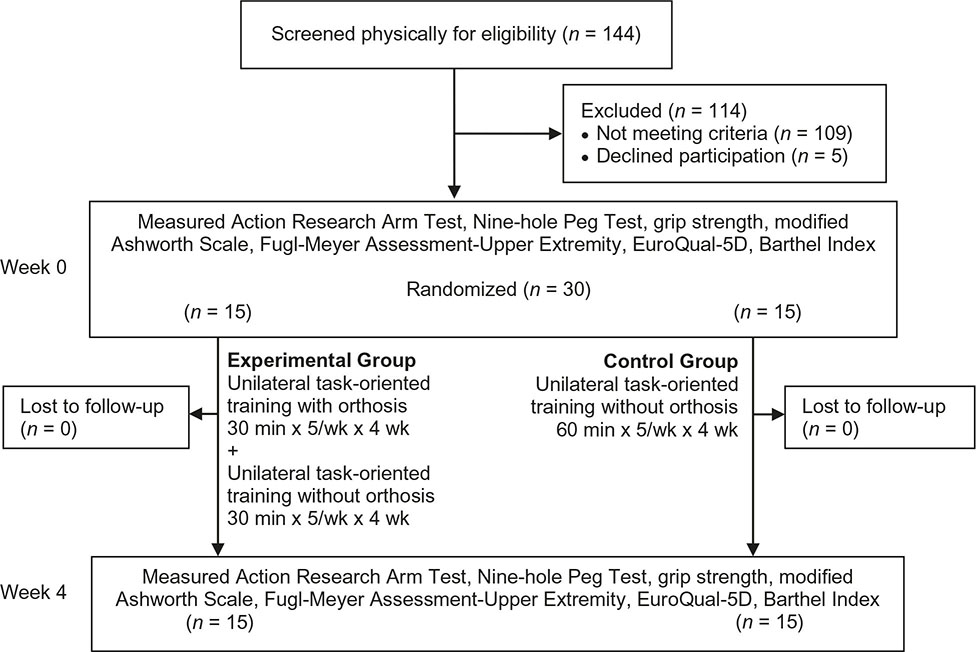
Fig. 1. Flow of participants through the trial.
Participants
People admitted with a diagnosis of first-time stroke to the centre were included if they: had a first-time stroke, were aged > 18 years and able to consent, were 14–90 days since stroke, had partial finger movement (defined as ≥ 10° of active finger flexion). Potential participants were excluded if they: had full finger extension, had language and/or cognitive impairments that preclude the person from following instructions (defined as Montreal Cognitive Assessment ≤ 20 or Mini–Mental State Examination ≤ 20, Goodglass-Kaplan Aphasia Severity Rating Scale < 2), had severe comorbidities or other health conditions that precluded the person from undergoing upper limb rehabilitation (18–20).
Intervention
Both groups received unilateral task-oriented training for the affected upper extremity, 5 times/week, for 4 consecutive weeks. Individual therapist-supervised upper limb practice at the institution could be divided into smaller sessions throughout the training, but was set to be 60 min in total for arm and hand, i.e. 20 h of practice. The structure of the programme was standardized, but the content was individualized according to the goals of each participant. In general, the 60-min session was divided into 10 min of gross motor training (e.g. reaching the opposite shoulder, hip, top and back of head with hand), 10 min of fine motor training (e.g. pinch, grip, writing, turning pages, distributing cards), 10 min of strength training, and 30 min of activities of daily living training (e.g. washing up, folding laundry, sweeping floor). The experimental group wore the dynamic hand orthosis on the affected hand for 30 min during the supervised upper limb practice. A commercially available dynamic hand orthosis (Saeboglove®, Saebo Inc., Charlotte, NC, USA) was used. It consists of a soft Lycra glove, a spiralled forearm splint and a proprietary tension system. The orthosis was especially used during fine motor and activities of daily living training.
Adherence to the intervention and mean time taken for each session of training were recorded using an exercise log. Participant acceptability with the intervention was measured using a semi-structured interview following the intervention phase. Questions about their experiences of wearing the orthosis and willingness to recommend the programme to others were posed. Participants rated their satisfaction from 1 to 5 (strongly dissatisfied to strongly satisfied) regarding the programme: frequency, intensity, time, type of exercises, and duration of intervention.
Outcome measures
The primary outcome to determine whether the intervention could be effective in increasing upper limb activity was the Action Research Arm Test (ARAT) (21). ARAT consists of 19 items divided into 4 subtests measuring grasp, grip, pinch, and gross arm movement. Items are rated on a 4-point ordinal scale (0–3) with a score of 3 indicating the normal performance of the task within 5 s and a score of 0 indicating the inability to perform any part of the task within 60 s. The sum score ranges from 0 to 57. The test is sensitive to change in arm and hand skills and has been widely used in previous stroke trials. The minimum clinically important differences (MCID) of the ARAT is defined as 5.7 points (22, 23).
Secondary outcomes included valid and reliable measures on upper limb activity, impairment, health status and independence. Activity was assessed using the Nine-hole Peg Test (9-HPT) with a cutoff of 180 s and reported as pegs/s (24, 25). Measures on upper limb impairment following stroke were maximal handgrip strength measured using a Jamar dynamometer (kg), spasticity at the elbow, and hand level measured using the modified Ashworth Scale (0–4) (26, 27), and synergy development measured using the Fugl-Meyer Assessment Upper Extremity (FMA-UE) (0–66) (28, 29). Health status was measured using the visual analogue scale from the EuroQual-5D (EQ-5D) (0–100) (30). In addition, the Barthel Index measures independence in activities of daily living (0–100) (31).
Data analysis
A sample size of 30 was consistent with recommendations about the design of pilot studies (32). Outcomes for continuous variables were compared between the groups using a 2-sample t-test (normally distributed data) or Mann–Whitney U test (non-normally-distributed data) and the between-group difference was presented as mean difference (95% CI), since significance was set at p < 0.05. All statistical analyses were performed using STATA version 16 for Mac (STATA Corp., College Station, TX, USA).
RESULTS
Flow of participants through the trial
Thirty people with stroke were recruited, enrolled in the study, and there were no dropouts over the 4 weeks (Fig. 1). The groups were similar in terms at baseline, except that the control group was younger and therefore fewer of them were retired than the experimental group (Table I).
Compliance with trial method
All 30 participants in the experimental and control groups received 1 h of unilateral task-oriented training per day. Four participants in the experimental group and 10 in the control group received daily training in a 1-h session, while 11 in the experimental group and 5 in the control group received 2 30-min sessions. Majority of participants (n = 13) became more independent in the orthosis donning procedure after several supervised sessions and required no intensive support from a therapist. Two participants (ARAT < 10/57 at baseline) were unable to don the orthosis themselves. Participants with shoulder subluxation (n = 4), shoulder pain (n = 4), or shoulder hand syndrome (n = 5) in the experimental group wore the orthosis < 30 but > 15 min. Of the 15 participants in the experimental group, 73% were either strongly satisfied or satisfied with the dynamic hand orthosis and willing to recommend it to others, 87% of them were either strongly satisfied or satisfied with the programme as a whole, 80–93% were either strongly satisfied or satisfied in terms of frequency, intensity, time, type of exercises, and duration of intervention.
Effect of intervention
Group data for outcomes at baseline and 4 weeks later are presented in Table II. By Week 4, the experimental group scored 4 points out of 57 (95% CI –5 to 13, p = 0.39) higher than the control group on the ARAT, but this was not statistically significant. Neither were there any statistically significant between-group difference in the secondary outcomes.
DISCUSSION
This study demonstrates that the addition of a dynamic hand orthosis to 4 weeks of unilateral task-oriented training in the early subacute phase after stroke is no more effective than training without the orthosis. Even so, the use of the orthosis was highly satisfying to participants.
The study involved people who were severely disabled after stroke (i.e. most scored < 50% of maximum score of ARAT and could not move a peg on the 9-HPT at baseline). Thus, a possible reason for lack of difference between the groups may be that there was simply less capacity for improvement among participants, given that the initial severity of motor impairment appears to be a most important predictor for upper limb recovery (33). This appears to be the case, since there was little improvement in upper limb activity in either group. Our upper limb practice may be effective if applied with less-disabled people. Also, the effects of the intervention when applied in the earlier stages remain unclear, as the mean time that the participants entered the study was 52 days post-stroke. The chosen time of use and duration were pragmatic because of the insurance coverage and rehabilitation subsidy system in China. On the other hand, a more extended period of wearing the orthosis may have rendered a different result (34–36).
The overall results of this trial were in line with a large study by Wolf et al., in which robotic-assisted movement of the wrist and fingers in addition to task-oriented training was compared with a dose-matched intervention in 99 severely affected individuals in the subacute phase after stroke (37). There was no difference between groups in upper limb activity over time where the control group increased 3 points out of 57 (95% CI –0.9 to 6.4, p = 0.15) more than the experimental group on the ARAT. In a systematic review of dynamic hand orthoses, Alexander et al. found a positive effect for upper limb activity (MD 6 points out of 57, 95% CI 0–12, p = 0.04 on the ARAT); however, the effect was small and was on the basis of 2 small studies (n = 29) with high risk of bias (38). Similarly to the current study, Franck et al. reported a high-intrinsic motivation and sense of self-regulation regarding the use of an orthosis in combination with functional electrical stimulation, perhaps due to an increased awareness of the affected side promoting participation in training (34).
This pilot trial has both strengths and limitations. Its main strength is the incorporation of features to minimize bias: (i) participants were assigned to experimental and control groups using a concealed random allocation procedure; (ii) all outcomes were measured by the same person, who was blinded to group allocation; (iii) both groups received the same frequency, intensity, time, and type of training, except for the addition of the orthosis; and (iv) the data were analysed blindly by a statistician. However, there are several limitations: (i) it was not possible to blind the participants or the treating therapist due to the nature of the intervention; and (ii) the participants were very disabled and may not have had the ability to recover. However, this is the characteristic of participants for which the orthosis was designed and, therefore, there is no indication that further investigation of dynamic hand orthoses is warranted.
CONCLUSION
In this trial of 30 min wearing a dynamic hand orthosis during 4 weeks of daily unilateral task-oriented training, there was no additional benefit in terms of upper limb impairments, activity or participation.
ACKNOWLEDGEMENTS
Support for this study was provided by Sunnaastifstelsen and China Rehabilitation Research Center Funding (2020-Q4, 2020-10, 2019zx-01). We are grateful to all patients who participated in this study and to Fu-Biao Huang, Xiao-Xia Du, Yun-Lei Wang, Hao-Jie Zhang who contributed to the study.
REFERENCES
- Lawrence ES, Coshall C, Dundas R, Stewart J, Rudd AG, Howard R, et al. Estimates of the prevalence of acute stroke impairments and disability in a multiethnic population. Stroke 2001; 32: 1279–1284.
- Kwakkel G, Kollen BJ, van der Grond J, Prevo AJ. Probability of regaining dexterity in the flaccid upper limb. Stroke 2003; 34: 2181–2186.
- Morris JH, van Wijck F, Joice S, Donaghy M. Predicting health related quality of life 6 months after stroke: the role of anxiety and upper limb dysfunction. Disabil Rehabil 2013; 35: 291–299.
- Wyller TB, Sveen U, Sødring KM, Pettersen AM, Bautz-Holter E. Subjective well-being one year after stroke. Clinl Rehabil 1997; 11: 139–145.
- Franceschini M, La Porta F, Agosti M, Massucci M, ICR2 group. Is health-related-quality of life of stroke patients influenced by neurological impairments at one year after stroke? Eur J Phys Rehabil Med 2010; 46:389–399.
- Pollock A, Farmer SE, Brady MC, Langhorne P, Mead GE, Mehrholz J, et al. Interventions for improving upper limb function after stroke. Cochrane Database of Systematic Reviews 2014; 11: CD010820.
- Ward NS, Brander F, Kelly K. Intensive upper limb neurorehabilitation in chronic stroke: outcomes from the Queen Square programme. J Neurol Neurosurg Psychiatry 2019; 90: 498–506.
- Wolf SL, Thompson PA, Winstein CJ, Miller JP, Blanton SR, Nichols-Larsen DS, et al. The EXCITE stroke trial: comparing early and delayed constraint-induced movement therapy. Stroke 2010; 41: 2309–2315.
- Winstein CJ, Wolf SL, Dromerick AW, Lane CJ, Nelsen MA, Lewthwaite R, et al. Effect of a task-oriented rehabilitation program on upper extremity recovery following motor stroke: the ICARE randomized clinical trial. JAMA 2016; 315: 571–581.
- Bernhardt J, Hayward KS, Kwakkel G, Ward NS, Wolf SL, Borschmann K, et al. Agreed definitions and a shared vision for new standards in stroke recovery research: the Stroke Recovery and Rehabilitation Roundtable taskforce. Int J Stroke 2017; 12: 444–450.
- Timmermans AA, Seelen HA, Willmann RD, Kingma H. Technology-assisted training of arm-hand skills in stroke: concepts on reacquisition of motor control and therapist guidelines for rehabilitation technology design. J Neuroeng Rehabil 2009; 6: 1.
- Lo AC, Guarino PD, Richards LG, Haselkorn JK, Wittenberg GF, Federman DG, et al. Robot-assisted therapy for long-term upper-limb impairment after Stroke. N Engl J Med 2010; 362: 1772–1783.
- Bos RA, Haarman CJ, Stortelder T, Nizamis K, Herder JL, Stienen AH, et al. A structured overview of trends and technologies used in dynamic hand orthoses. J Neuroeng Rehabil 2016; 13: 62.
- Hoffman HB, Blakey GL. New design of dynamic orthoses for neurological conditions. NeuroRehabilitation 2011; 28: 55–61.
- Lannin NA, Cusick A, McCluskey A, Herbert RD. Effects of splinting on wrist contracture after stroke. Stroke 2007; 38: 111–116.
- Hendricks HT, Ijzerman MJ, de Kroon JR, in ‘t Groen FA, Zilvold G. Functional electrical stimulation by means of the ‘Ness Handmaster Orthosis’ in chronic stroke patients: an exploratory study. Clin Rehabil 2001; 15: 217–220.
- Wong Y, Ada L, Wang R, Månum G, Langhammer B. Self-administered, home-based, upper limb practice in stroke patients: a systematic review. J Rehabil Med 2020; 52: jrm00118.
- Nasreddine ZS, Phillips NA, Bédirian V, Charbonneau S, Whitehead V, Collin I, et al. The Montreal Cognitive Assessment, MoCA: brief screening tool for mild cognitive impairment. J Am Geriatr Soc 2005; 53: 695–699.
- Folstein MF, Folstein SE, McHugh PR. “Mini-mental state”: a practical method for grading the cognitive state of patients for the clinician. J Psychiatr Res 1975; 12: 189–198.
- Roth C. Boston Diagnostic Aphasia Examination. In: Kreutzer JS, DeLuca J, Caplan B (eds) Encyclopedia of Clinical Neuropsychology. New York: Springer; 2011, p. 428–430.
- Lyle RC. A performance test for assessment of upper limb function in physical rehabilitation treatment and research. Intl J Rehabil Res 1981; 4: 483–492.
- van der Lee JH, Beckerman H, Lankhorst GJ, Bouter LM. The responsiveness of the Action Research Arm test and the Fugl-Meyer Assessment scale in chronic stroke patients. J Rehabil Med 2001; 33: 110–113.
- van der Lee JH, de Groot V, Beckerman H, Wagenaar RC, Lankhorst GJ, Bouter LM. The intra- and interrater reliability of the action research arm test: A practical test of upper extremity function in patients with stroke. Arch Phys Med Rehabil 2001; 82: 14–19.
- Ekstrand E, Lexell J, Brogårdh C. Test−retest reliability and convergent validity of three manual dexterity measures in persons with chronic stroke. PM R 2016; 8: 935–943.
- Chen HM, Chen CC, Hsueh IP, Huang SL, Hsieh CL. Test-retest reproducibility and smallest real difference of 5 hand function tests in patients with stroke. Neurorehabil Neural Repair 2009; 23: 435–440.
- Bohannon RW, Smith MB. Interrater Reliability of a modified Ashworth scale of muscle spasticity. Physl Ther 1987; 67: 206–207.
- Gregson JM, Leathley M, Moore AP, Sharma AK, Smith TL, Watkins CL. Reliability of the Tone Assessment Scale and the modified Ashworth scale as clinical tools for assessing poststroke spasticity. Arch Phys Med Rehabil 1999; 80: 1013–1016.
- Fugl-Meyer AR, Jääskö L, Leyman I, Olsson S, Steglind S. The post-stroke hemiplegic patient. 1. a method for evaluation of physical performance. Scand J Rehabil Med 1975; 7: 13–31.
- Deakin A, Hill H, Pomeroy VM. Rough guide to the Fugl-Meyer Assessment: upper limb section. Physiotherapy 2003; 89: 751–763.
- Kind P, Brooks R, Rabin R. EQ-5D concepts and methods: a developmental history. Houten: Springer; 2005.
- Mahoney FI BD. Functional evaluation: the Barthel Index. Md State Med J 1965; 14: 61–65.
- Cocks K, Torgerson DJ. Sample size calculations for pilot randomized trials: a confidence interval approach. J Clin Epidemiol 2013; 66: 197–201.
- Coupar F, Pollock A, Rowe P, Weir C, Langhorne P. Predictors of upper limb recovery after stroke: a systematic review and meta-analysis. Clin Rehabil 2011; 26: 291–313.
- Franck JA, Smeets RJEM, Seelen HAM. Evaluation of a functional hand orthosis combined with electrical stimulation adjunct to arm-hand rehabilitation in subacute stroke patients with a severely to moderately affected hand function. Disabil Rehabil 2019; 41: 1160–1168.
- Barry JG, Ross SA, Woehrle J. Therapy Incorporating a dynamic wrist-hand orthosis versus manual assistance in chronic stroke: a pilot study. J Neurol Phys Ther 2012; 36: 17–24.
- Jeon HS, Woo YK, Yi CH, Kwon OY, Jung MY, Lee YH, et al. Effect of intensive training with a spring-assisted hand orthosis on movement smoothness in upper extremity following stroke: a pilot clinical trial. Top Stroke Rehabil 2012; 19: 320–328.
- Wolf SL, Sahu K, Bay RC, Buchanan S, Reiss A, Linder S, et al. The HAAPI (Home Arm Assistance Progression Initiative) trial: a novel robotics delivery approach in stroke rehabilitation. Neurorehabil Neural Repair 2015; 29: 958–968.
- Alexander J, Dawson J, Langhorne P. Dynamic hand orthoses for the recovery of hand and arm function in adults after stroke: a systematic review and meta-analysis of randomised controlled trials. Top Stroke Rehabil 2022; 29: 114–124.