ORIGINAL REPORT
BACK TO LIFE: IS IT POSSIBLE TO BE MYSELF AGAIN? A QUALITATIVE STUDY WITH PERSONS INITIALLY HOSPITALIZED DUE TO COVID-19
Karin TÖRNBOM, PhD1,2, Marie ENGWALL, PhD1,3, Hanna C. PERSSON, PhD1,4 and Annie PALSTAM, PhD1,4,5
From the 1Department of Clinical Neuroscience, Institute of Neuroscience and Physiology, Sahlgrenska Academy, University of Gothenburg, 2Department of Social Work, University of Gothenburg, 3Department of Health Science, University West, Trollhattan, 4Department of Occupational and Physiotherapy, Sahlgrenska University Hospital, Gothenburg and 5School of Health and Welfare, Dalarna University, Sweden
Objective: To gain a deeper understanding of the lived experiences of patients with COVID-19, regarding rehabilitation, work and social life 6 months after hospital discharge.
Design: An explorative qualitative study with individual interviews.
Subjects: Patients of working age with persistent self-reported symptoms at a 3-month follow-up who had received inpatient hospital care with discharge approximately 6 months previously were purposively sampled.
Methods: Semi-structured interviews were performed with 10 men and 5 women. The interviews were transcribed verbatim and analysed with inductive thematic analysis.
Results: Four themes were identified: “Social support – crucial, but decreased over time”, “Varying needs of, and access to, rehabilitation”, “Returning to work after COVID-19 – crucial for future prospects” and “An overwhelming experience that essentially changed one’s personality”.
Conclusion: Rehabilitation provided participants with the valuable tools for recovery, giving them hope for future recovery. Support from next of kin was highly valued, creating stronger family bonds. A new meaning and greater appreciation of life was expressed.
LAY ABSTRACT
The aim of this study was to gain a deeper understanding of the lived experiences of COVID-19 patients regarding rehabilitation, work and social life 6 months after hospital discharge. Patients of working age with persistent self-reported symptoms at a 3-month follow-up, who had received inpatient care at hospital with discharge approximately 6 months previously, were recruited. Individual interviews were performed with 10 men and 5 women, and the interviews were analysed according to thematic analysis. The study found that the rehabilitation team provided participants with valuable tools for recovery, which made them feel they were improving and gave them hope of future recovery. Support from next of kin was highly valued, and this created stronger family bonds. Participants also expressed a new meaning to, and greater appreciation for, life.
Key words: persistent symptoms; COVID-19; qualitative research; coping strategies; inpatient; activities of daily living; follow-up study; lived experience; return to work; rehabilitation.
Citation: J Rehabil Med 2022; 54: jrm00327. DOI: https://doi.org/10.2340/jrm.v54.2742
Copyright: © Published by Medical Journals Sweden, on behalf of the Foundation for Rehabilitation Information. This is an Open Access article distributed under the terms of the Creative Commons Attribution-NonCommercial 4.0 International License (https://creativecommons.org/licenses/by-nc/4.0/)
Accepted: Jul 26, 2022; Epub ahead of print: Aug 17, 2022; Published: Sep 9, 2022
Correspondence address: Hanna C Persson, Sahlgrenska Academy at University of Gothenburg, Institute of Neuroscience and Physiology, Rehabilitation Medicine, Per Dubbsgatan 14, SE-413 45 Göteborg, Sweden. E-mail: hanna.persson@neuro.gu.se
Competing interests and funding: The authors have no conflicts of interest to declare.
In Sweden, more than 9,300 patients have been hospitalized with COVID-19 in intensive care (1), while a considerably larger number was cared for in other ward units. Studies indicate that post-COVID symptoms are generally more severe after hospitalization (2) and that post-viral syndrome may complicate recovery (3). Some people develop persistent or fluctuating symptoms weeks or months after COVID-19, regardless of the patients being cared for in hospitals or self-managing at home (4, 5).
At the beginning of the COVID-19 pandemic especially, rehabilitation for long-lasting symptoms were characterized by questions and inexperience within the field (4). Today, it is evident that most symptoms seen after COVID-19 are not unique to this disease (6). There is deep knowledge within the rehabilitation field regarding care for most of these persistent symptoms, although the cognitive difficulties and fatigue many patients have are still problematic for the rehabilitation teams (6). Important areas that still need to be addressed are: whether rehabilitation needs after COVID-19 are being met sufficiently, to what extent rehabilitation care is being individually tailored, and if rehabilitation is sufficiently motivating in the long term?
Apart from an often long and uncertain path to recovery, the emotional burden of having been critically ill might cause coping difficulties (7). People may develop a psychological crisis after critical illness (8), which is emotionally challenging both for the patient and for next of kin (9). Furthermore, hospitalization due to critical illness has shown to correlate with stress syndrome and post-traumatic stress (10), depression and a decreased quality of life (11). Although critical illnesses may leave the survivor devastated, research has found that, with time, this experience may influence a personality change, making the person grow in a new direction (12, 13). This phenomenon, known as post-traumatic growth (PTG), often entails a shift in priorities, giving intrinsic values and questions related to the philosophy of life greater significance (12).
A high variability in symptoms from long- or post-COVID-19 has been reported (14). People may experience a range of symptoms for an unknown amount of time and with limited evidence on how to manage these symptoms (15). Individuals living with long COVID commonly report fears of long-term sequelae, fears of isolation, as well as anxiety about their work situation (16, 17). Such uncertainty leaves people with persistent symptoms in a precarious situation with unclear prospects for their futures (18). Neither they or medical specialists can tell whether they will return to work next week, within months or even years. They cannot determine how their lives will work out in the long run, and new strategies or ways of living may need to be developed.
The increasing volume of literature on post-COVID-19 symptoms indicates an urgent need to understand the individual experiences of what it is like to live with these symptoms (14). Not only is it important to gather first-hand information through research procedures in order to add reliable knowledge to this field of research, we also need to know more about how to support and assist this group in their daily lives and ongoing recovery. Furthermore, there is a lack of in-depth studies covering the experiences of persistent symptoms after COVID-19 in patients who were initially hospitalized due to the virus.
This is the second part of a 2-part article aimed at describing the experiences of COVID-19 patients. The focus of this paper is to explore the recovery process with regards to rehabilitation, work and social life 6 months after hospital discharge.
METHODS
Study design
This is the second part of a qualitative study with an explorative approach, where individual interviews were conducted and analysed with inductive thematic analysis, referring to a realist or essentialist paradigm. Before the study began, informed written consent was obtained from all participants. The study adhered to the consolidated criteria for reporting qualitative research (COREQ) guidelines (19). The current study was approved by the Swedish Ethical Review Authority (Dnr: 2020-03046, 2020-0392) and followed the principles of the Declaration of Helsinki.
Participants
Purposive sampling was used to enrol persons from the Life in the Time of COVID study in Gothenburg (GOT-LOCO) cohort, who had been discharged from hospital approximately 6 months previously, were of general working age (18–65 years) and had persistent self-reported symptoms at a 3-month follow-up. The GOT-LOCO cohort included persons previously hospitalized due to COVID-19 (July 2020 to February 2021) in the Västra Götaland Region (Sweden), were non-contagious when enrolled, an expected care period of 5 days or more, were 18 years or older and lived in their own housing prior to hospitalization (20). Patients who were unable to provide informed consent, had an expected 1-year mortality prognosis, or were not Swedish residents, were excluded.
A total of 21 eligible persons were identified through purposive sampling and with consideration regarding aspects of heterogeneity (age, sex, educational level, employment category, and country of birth). They were invited by post to participate in the study. The invitation letter was followed-up by a telephone call to schedule a time for an interview to be conducted either by phone, digitally, or face-to-face, in line with the pandemic guidelines and recommendations. Two persons declined to participate, and 4 could not be reached.
Fifteen persons (10 men, 5 women) agreed to participate in the study. Further demographic characteristics of the study population are shown in Engwall et al. Recovering from covid-19 - a process characterized by uncertainty: a qualitative study. J Rehabil Med 2022.
Data collection
Two of the authors (HP and AP) developed the interview guide, which was further refined in discussions between all authors. HP is a woman, has a PhD in medicine and is a physiotherapist. AP is a woman, has a PhD in medicine and is a physiotherapist with previous experience in qualitative research methodology. Two patient partners with lived experience of COVID-19 were involved in the discussions and refinement of the interview guide, which was then piloted with the patient partner who had experience of inpatient care due to COVID-19.
The first and second authors (KT and ME) performed all the interviews between July and August 2021. KT is a woman, has a PhD in medicine, is a social scientist, has previous experience in performing qualitative studies, but had no previous contact with the current study’s participants. ME is a woman, has a PhD in caring science, is a registered nurse, and has previous experience in performing qualitative studies. ME performed the 3-month follow-up by telephone with the GOT-LOCO cohort and, thus, had previous telephone contact with the participants. Eleven interviews were phone interviews, 2 were conducted digitally, and 2 were face-to-face interviews performed at the rehabilitation medicine research unit. All interviews were one-on-one with 1 researcher present, except for 1 interview performed with 2 participants during the in-person interviews.
The interviews lasted between 37 and 91 min and were audio-recorded and transcribed verbatim; field notes were not taken. After 15 interviews, the material was perceived as rich and nuanced by the interviewers and a low degree of new knowledge was obtained from the latest performed interviews. Experience in qualitative research methodology was considered to be important when performing the interviews. Interview questions included aspects that could be perceived as sensitive, and interviewers applied caution and respect throughout the interviews to avoid adding distress to the participants. Also, participants were invited to get in touch with the research team with any additional concerns if they arose.
Data analysis
Inductive thematic analysis (21) was used when analysing the transcribed interviews. This type of analysis is performed in several steps, in which the interviews are firstly read and re-read separately by 2 of the authors (ME and AP) to become familiar with the text and to note initial codes. The authors (ME and AP) then coded the interviews together and searched for potential themes, which were reviewed and refined by all authors, and discussed until a consensus was reached. To ensure the validity of themes in relation to the data content, the process of analysis continuously shifted between the whole and parts of the text. Examples of the coding process are provided in Table I.
RESULTS
Four themes were identified: “Social support – crucial, but decreased over time”, “Varying needs of, and access to, rehabilitation”, “Returning to work after COVID-19 – crucial for future prospects” and “An overwhelming experience that essentially changed one’s personality” (Fig. 1). The themes are illustrated with quotes from the participants.
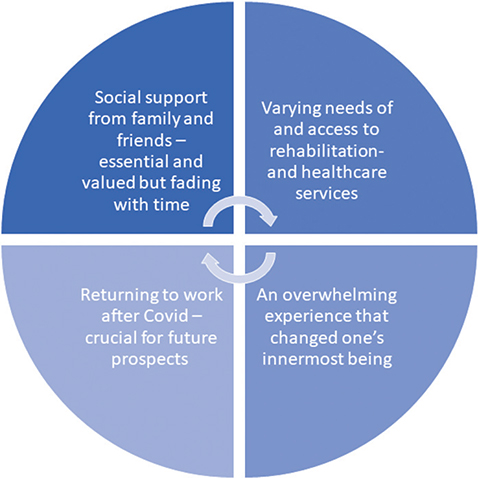
Fig. 1. Illustration of themes identified.
Social support – crucial, but decreased over time
The immediate family was the most important support in the recovery process, especially in the early phases. The family provided care and looked after the participants’ needs, such as helping them to rest and recover at their own pace, and they provided encouragement. The next of kin supported the participants in rehabilitative activities or exercise and brought structure to the participants’ daily lives. Another form of support from family members was to be patient, as some activities took a lot longer than previously. Sometimes, roles within the family were shifted; for example, chores were distributed differently among family members when participants needed to alleviate their burden at home. Some participants described family members, out of consideration, not allowing them to contribute to household chores, which could also be perceived as discouraging.
Some stated that they became closer to each other within the family, as the family spent more time together at home due to the pandemic, giving an opportunity for more family time and socializing with each other. Deeper conversations about life within the family were described as a result of the severe illness. For some, religious beliefs were more pronounced after their difficult illness experience, which brought the family closer together and was a source of hope for the future.
“We have talked about this [during the COVID-19 illness] all the time. Everyone in the family is a believer [Christian] and even if we didn’t pray to God together as a family before, I felt a need to do it now. When praying, you actually talk about how it is and what you can’t handle…then it comes naturally to talk about values, what value your life has and what it is that is important in life”. (Participant 5, man)
However, the patience of family members when it came to participants’ limited capacity could decrease over time and higher demands were then put upon them, which made them feel less supported.
“The acceptance and support from family and friends has changed over time. People around me, including my wife, expect me to be as alert and well as I look on the outside now, but I am still fatigued, I still have to take it easy and rest a lot. At first, when I got out of the hospital, I got very much help and support, everyone was just so happy that I was back home. But over time things go back to normal, and expectations from others are higher, it feels like they don’t really accept that I still can’t manage as well as before.” (Participant 1, man)
Participants living alone described having continuous telephone contact with family members, who made regular social visits to them and assisted them with practical matters. Accepting help from others was sometimes perceived as a new and unfamiliar experience. Participants with grandchildren described a special joy and gratitude in having them in their lives, which contributed to increased motivation and zest for life. However, interaction with grandchildren was often exhausting, and the participants had to rest afterwards.
“Then my oldest grandchild says: grandma, I can see that you are tired, now go and lay down”. (Participant 7, woman)
Keeping in touch with friends was also considered important for recovery. Friends supported them in different ways. They called to ask about the state of health and made social visits to listen and support them. They were also helpful with practical things, such as cooking or cleaning. These visits conveyed a sense of security and of not being forgotten. The use of social media also led to reconnecting with old contacts and new ones being made.
“It was rather positive with social media when I was lying in the hospital, and after that, I have gotten more contact with many during that time…you get contacted through social media with, ‘we need to get together’, and that could be a person that I haven’t seen for several years. So, in that way, it has almost been positive [the hospitalization due to COVID-19] to have had the opportunity to have those types of messages”. (Participant 6, man)
Hidden symptoms, such as fatigue and cognitive difficulties, sometimes made it difficult for those around them to understand their situation, and consequently resulted in an absence of support. Furthermore, participants described that a slow recovery process led their friends to be impatient, sometimes making derogatory comments about the lack of recovery, as the friends expected everything to return to normal quickly.
“You get so tired from the little things, like…some people don’t understand…they say ‘oh, that’s nothing, now you need to get out and work, improve your conditioning’, and then they laugh when I tell them that I get short of breath when I walk out to the car”. (Participant 14, man)
Varying needs for, and access to, rehabilitation
Participants described various experiences of rehabilitation and follow-up received after being discharged from hospital. Some had not been contacted for follow-up nor received any rehabilitation. Others had received written instructions at hospital discharge for rehabilitation exercises to be performed at home, and some had been referred to outpatient rehabilitation with support from rehabilitation staff in their home or at a primary care facility.
“When I got back home [from the hospital], I had a rehabilitation plan with me that I got from the physiotherapists at the hospital. I did that once a day, but the breathing exercises you had to do several times a day, I think. You were supposed to breathe in and out, and cough and such”. (Participant 1, man)
Some had contacted their health centre themselves to access rehabilitation services, while others had not and expressed unmet needs of support due to a lack of rehabilitation and follow-up after hospital discharge. Early rehabilitation in primary care for both physical and mental rehabilitation was perceived to be very important for a gradual, continuous recovery.
“To me, physiotherapy has meant a lot. I felt so much better mentally from that. It made me feel that I had accomplished something, and also that my body was actually functioning. One wants to feel that arms and legs still work despite everything, you know”. (Participant 5, man)
Participants who had received follow-up and rehabilitation after discharge from hospital described feelings of being cared for and feeling secure. Having an interdisciplinary rehabilitation team reassured the participants. They described how psychologists, occupational therapists and physiotherapists on the rehabilitation team provided them with valuable tools for recovery, which they found encouraging and gave them hope for future recovery. However, for some participants, rehabilitation had ceased even when the participants perceived they still needed continued care.
Some participants with less frequent rehabilitation contact described dissatisfaction with outdated exercise schedules that lacked progression and adjustments according to their recovery. On the other hand, some participants who increased their rehabilitation in terms of frequency and difficulty could not cope, due to exhaustion, and had to scale it back. Some participants described not being in need of rehabilitation interventions, but were instead able to motivate themselves to exercise independently for their own recovery.
“The rehab contact has been quite good… it is clear that you can always wish for more and faster reactions and a good program that is properly put together, but we do not know much about this COVID and it is very individual, so I understand that this is something there are no resources for…if I had to wish for something, it would perhaps be a closer follow-up and that it would be something more than just the first rehab”. (Participant 8, woman)
Some participants had previously established contact with healthcare services prior to COVID-19 due to pre-existing chronic conditions. This turned out to be of great value for those participants, since it meant an opportunity for continuous follow-up with no need to find new healthcare providers. Some participants experienced symptoms for which they had sought care for at their health centre after discharge, but where they did not always get the understanding they expected. Knowledge about sequelae after COVID-19 among healthcare staff was sometimes perceived as limited, which meant incomprehension and, as a consequence, lack of support from healthcare.
“I don’t miss anything really when it comes to the rehabilitation, but it would have been better if I could have gotten a diagnosis on what is wrong with my body with these cramps and pains…I haven’t even gotten to see a doctor”. (Participant 2, man)
Returning to work after COVID – crucial for future prospects
Six months after having been discharged from hospital, some participants had returned to work while others had not. Returning to work was the goal for all participants with ongoing employment, and was perceived as a sign of a successful recovery. Work provided them with inspiration, a social context and an invigorating feeling of getting back to life again. Not being able to work as before was perceived as stressful. Participants also shared their fears of never being able to return to work, a scenario they would try their utmost to avoid. However, being close to retirement, some participants chose to retire early as a solution to cope with their impaired capacity for work. Fatigue, impaired cognitive ability and dyspnoea were commonly described obstacles for performing work, resulting in full or partial sick leave.
“When you can’t cope it’s like you just want to sit or lie down, and I don’t want that. I am a fighter, I don’t want to end up like that…’this has been good [to be on sick leave]’ because I’m not like that, I am a bit of a workaholic”. (Participant 7, woman)
A gradual return to work was described as successful, sometimes with adapted work tasks or other possibilities for flexibility, such as opportunities to work from home or taking pauses during the workday. Part-time sick leave was a successful strategy for some to cope with work demands, while others experienced difficulties in adapting their work tasks to part-time work, as they had to work at a faster pace to manage everything in the fewer number of hours.
Sometimes, participants expressed fears of being stuck on part-time sick leave and not being able to work full time as before. However, some felt their stress levels decreased from working part-time, as this alleviated some of their workload. Having a continuous dialogue with the employer, the doctor and the social insurance agency was perceived as supportive and meant that their work situation was continuously monitored and adjusted as required. However, some participants described frustration when not being allowed to return to work by their doctor who wanted them to avoid setbacks due to possible overload. Also, the social insurance agency rules of part-time sick leave could slow down the return-to-work process for some, as it meant having to work part of the day everyday rather than working every other day. This led to stress and fatigue, and was perceived as especially troublesome for participants who had to commute long distances to work.
“It would have been better if I could have worked 4 days a week instead [in the return to work process], but now I need to work every day of the week but fewer hours instead. I would have had better use of a whole day off to rest, but the social insurance rules don’t allow for that. Now, when I work for 6 hours a day I am actually away from home for 11 hours, since I have such a long way to work, and I get really tired”. (Participant 9, man)
Having the opportunity to alternate between physically strenuous tasks and lighter administrative duties was highlighted as a good strategy for being able to work a full day. Also, being able to take breaks to rest during the work shift was perceived as a good coping strategy. However, work tasks could sometimes be too physically challenging to be performed at all, which made it seem impossible to return to work before health was fully restored. Here, a good relationship with employers was deemed important and could mean being alleviated from difficult or strenuous tasks, which others took over. This could make it possible for participants to work full-time even though they were not fully recovered. Most participants expressed that they were met with understanding from employers and colleagues regarding their health situation and that they felt supported in the workplace when returning to work. In some cases, a lack of understanding from the employer regarding the need for adjustments or accommodations could prevent a successful progression to return to work.
“I have a two-and-a-half-hour commute to work every day. It would have been optimal to work from home, then I could work 100% [full-time], but then it always became a little sensitive with others who had to sit and work at the office”. (Participant 9, man)
An overwhelming experience that essentially changed one’s personality
The experience of undergoing a serious critical illness and hospitalization meant revalued existential perspectives, changes in personal values and new priorities in daily life. The experience led to thoughts about life and death, and life was no longer taken for granted. This further led to an increased gratitude for life and a sorrow for others who did not survive. Gratitude was expressed over living in Sweden and the benefits that it brought by being cared for within the Swedish healthcare system. A gratitude for life towards God was also described. Participants expressed a new humility towards life as well as new perspectives of what was of true importance to them. They described a change of focus away from material objects, status and career to focus on family relationships instead. Some participants experienced deeper and more honest relationships with their family members, and they also experienced positive changes in their personality, such as having a calmer temperament. Being a parent also meant participants felt a sense of responsibility to survive and fully recover for the sake of the children.
“Life has become more important to me now; it has become more meaningful for me to live. I have children, family that I have to think about”. (Participant 7, woman)
“So then one thinks that I am healthy, and I feel good, I have a job and two children and everything is fantastic right now. I am just really satisfied with my life right now, more satisfied than I might have been a couple of years ago when I stressed a lot more and chased around after something without actually knowing why”. (Participant 2, man)
The gratitude for life and having survived also affected priorities in daily lives meant taking better care of their health and overall wellbeing as well as of family relationships, and many made changes to lead a healthier life. Strategies, such as sleeping more and reducing stress, both in their professional life and spare time were described. Another strategy was to plan for the future in a more structured way considering new perspectives on the fragility of life. This could mean deciding to work less than before or retiring earlier than planned to make the most of life. Also, the little things in everyday life came to have a greater significance to some, and thoughts of taking one day at a time and not planning too much were described as a strategy to make the most out of each day.
“The situation with the illness [COVID-19] has also meant positive consequences; it forced me to change some things in life to cope, which turned out to be positive for me in the long run. It was like someone pulled the hand brake…I actually don’t know, maybe it would’ve been possible for me to continue on the same track for many years, but I could have also had a heart attack in a few years instead”. (Participant 5, man)
For some, life returned to normal, and they did not delve into how seriously ill they had been, but carried on as before. Others described a grief over no longer recognizing themselves. Their bodies, as well as their personalities, had changed with the critical illness and this affected their identity and how they perceived themselves. Some described that their previously cheerful attitude to life had changed to a more serious outlook, and some described not recognizing themselves within their body, which was associated with grief and loss of life.
“I was the happiest person on earth, a positive joker, one who always made a joke…I just miss my life as well”. (Participant 7, woman)
DISCUSSION
In summary, this study showed a complex and diverse picture of how daily life was experienced 6 months after discharge from hospital post-COVID-19. Participants’ ability to manage everyday life varied considerably depending on the severity and type of symptoms but also depending on personality, social support and access to rehabilitation.
Social support, both practical and emotional, were experienced as important for the recovery process among our participants, which is line with previous findings (14–15, 18, 22). The meaning of receiving social support during an illness should not be underestimated (9, 23). A recent article on long-COVID stated that family played a crucial role in giving emotional support but also to support with practical activities (22).
Participants explained that hidden or invisible symptoms; for example, fatigue and memory problems, had a slow recovery progression. At some point, family and friends got frustrated and lost their patience, no longer managing to be all-supportive. In addition, the fluctuating nature of symptoms, which was noted previously (14), were challenging for family members, because they felt relief with the improvements and then struggled to cope with their relation relapsing. Furthermore, a recent qualitative study showed that invisible symptoms were sometimes met with disbelief by family and friends, leaving participants with no one to confide in (22). The findings in the current study indicate that the next of kin played an important role during the path to recovery. These results also demonstrate the need to support carers in the family professionally; therefore, they will be able to cope with being “a supportive significant other” for the long term (24).
Overall, participants felt secure and cared for by rehabilitation professionals. A supportive interdisciplinary team reassured the participants and created feelings of hope for the future.
In contrast, a British study reported how COVID-19 participants felt distrusted by healthcare professionals (18). Moreover, recent qualitative studies showed that post-COVID patients felt a lack of support and were dismissed by health professionals when addressing their symptoms (14, 17, 22). In addition, the current participants emphasized that they wanted to feel secure and cared for, which is in line with previous research that highlighted the participants’ needs to be acknowledged and believed was crucial for their recovery (18). A considerable difference in the current study was participants seemed to have greater access to rehabilitation. Having been initially hospitalized meant that they, in some cases, were directly referred to a rehabilitation clinic.
Participants in the current study were dissatisfied with the rehabilitation that was either not individually tailored or did not progress. A previous study suggests that listening to patients, trying to assist at every stage, and creating programmes based on individual needs were important parts of a well-tailored rehabilitation recovery plan (24).
Participants were clear that they wanted to return to work. Working was described as a huge part of their identity and as concrete evidence to being back on track for a full recovery. As described by Ladds et al. (15), being able to work after COVID-19 was one part in repossessing the identity of being a healthy and successful self. Participants in the current study who had not returned to work felt anxious and worried about this. Severe COVID-19 infection may damage a person’s professional self, and thereby their sense of purpose and identity, especially if it takes a long time to return to work or if the person experiences setbacks (16, 18).
The results of the current study demonstrate a trust and confidence in decisions that participants made together with their managers and doctors about returning to work progressively through part-time sick leave. Overall, participants felt content with going back slowly at a steady pace, although they did worry about whether they would be able to go back to work full-time. It seems that other qualitative studies present more anxiety concerning the return to work process (15, 17, 25). This applies both to concerns about working part-time and to worries concerning whether participants would receive extended sick-leave (15).
Participants in the current study kept returning to the fact that they felt grateful for being alive. An assumption is that this demonstrated gratitude, overall content in everyday life, and a less uncertain and anxious existence in comparison with other studies (15, 25) came with having been critically ill. Feelings of gratefulness and positive emotions in people having experienced an extreme adverse life event are known as post-traumatic growth (PTG) (26). This growth can be associated with prioritizing intrinsic values, such as spending more time with family or engaging in activities that bring joy (12). In addition to these findings, the current participants felt stronger bonds of affection within their family.
As intrinsic values are reprioritized during PTG, concerns related to achievements become less valued (12). In the current study this was featured by a lower interest in material possessions or making a career. In addition, this emotional process was characterized by a greater interest in existential questions on the purpose and meaning of life (13, 27). In the current analysis, these deeper questions were evident by reflections on meaning in life, about God’s existence, and about why they had survived while others had not. According to prior research, such reflections may leave the person with deeper senses of meaning compared with before the serious event (12, 13, 28). It was also mentioned that a positive life orientation may create an important outlook for a person to deal with pain or to cope with chronic illnesses (28).
Factors that may contribute to PTG among discharged COVID patients were recently found to be: increased social support, maintaining a positive coping style, and enhancing one’s self-esteem (29). Among the current participants, not all were able to reach an overall positive coping style or feel hopeful for the future. Some stressed that they grieved the loss of their personalities; they felt different and could not cope in the same way as before. For example, they experienced fatigue, memory loss or physical exhaustion. It is understandable that such dramatic life alterations leave their mark and take time to accept. Another aspect after being ill from COVID is the uncertainty concerning regression of persistent symptoms (5). It may be argued that living with symptoms of a disease that are surrounded by so many questions adds an extra dimension of uncertainty that may lead to more worries and enhanced overall anxiety.
The strengths of this study included the carefully considered purposive sampling. Taking an explorative approach, it is highly important to know what you are investigating and what exact group you aim to learn more about (21). Participants in the current study had been discharged due to COVID-19 approximately 6 months previously and showed persistent self-reported symptoms at a 3-month follow-up. In qualitative methods, the researchers balance the desire to undertake a broad and comprehensive study with the aim to provide in-depth understanding on the topic (21). To meet these requirements, careful heterogeneous sampling was carried out with respect to age, sex, educational level, employment category and country of birth. The substance of interviews was thoroughly considered, and interviews were carried out as long as meaningful new information was presented.
It is important to bear in mind that all included participants had persistent symptoms at 3 months. The inclusion criteria may have led to recruiting participants with potentially more severe symptoms compared with a general COVID-19 patient cohort at 6-months since discharge. Half a year prior to being interviewed, participants had survived a life-threatening disease. Although they agreed to be interviewed on the subject, we cannot tell to what extent they had recovered emotionally from the event. It is also possible that participants were in an ongoing crisis at the time they were interviewed. Participants’ emotional states could, therefore, have impacted the interview content, in that sensitive information may have been omitted or avoided. However, it is important to emphasize that none of the participants raised any of these issues or concerns.
In conclusion, participants described a wide range of symptoms and consequences of living with persistent symptoms 6 months after discharge (see part I of the study Engwall et al. Recovering from covid-19 - a process characterized by uncertainty: a qualitative study. J Rehabil Med 2022). They had, to varying degrees, received access to rehabilitation. Participants felt that the rehabilitation team provided them with valuable tools for recovery, which improved their health and gave them hope for future recovery. Support from next of kin was described as highly valuable to recover, and the participants expressed feeling stronger bonds within their family. In addition, a new meaning and greater appreciation of life was expressed, together with a somewhat surprisingly positive attitude. Future research should investigate how hospitalization due to COVID-19 may impact people’s long-term lives and how serious illnesses can fundamentally change people.
ACKNOWLEDGEMENTS
We would like to thank our patients’ partners, Helena Strömberg and Tomas Angervik, for their knowledgeable contributions to the research question, interview guide and in discussing the results.
This study was funded by grants from the Swedish government under an agreement between the Swedish government and the county councils (ALF 73750, ALFGBG-942914), Forte/Formas (2020-02775), Vastragotaland regional research funding (VGFOUREG-940508, VGFOUREG-969267), the Sahlgrenska University Hospital research funds (SU-961051).
REFERENCES
- The Swedish Intensive Care Registry. COVID-19 in Swedish intensive care 2022 Jan 7 [cited 2022 May 10]. Available from: https://www.icuregswe.org/en/data--results/covid-19-in-swedish-intensive-care/
- Lorent N, Vande Weygaerde Y, Claeys E, Guler Caamano Fajardo I, De Vos N, De Wever W, et al. Prospective longitudinal evaluation of hospitalised COVID-19 survivors 3 and 12 months after discharge. ERJ Open Res 2022; 8.
- Fowler-Davis S, Platts K, Thelwell M, Woodward A, Harrop D. A mixed-methods systematic review of post-viral fatigue interventions: are there lessons for long Covid? PloS One 2021; 16.
- Borg K, Stam HJ. Rehabilitation of post-Covid-19 syndrome – once again a call for action! J Rehabil Med 2021; 53.
- Macpherson K, Cooper K, Harbour J, Mahal D, Miller C, Nairn M. Experiences of living with long COVID and of accessing healthcare services: a qualitative systematic review. BMJ Open 2022; 12.
- Wade DT. Rehabilitation after COVID-19: an evidence-based approach. Clin Med (Lond) 2020; 20: 359–365.
- Hatch R, Young D, Barber VS, Griffiths J, Harrison DA, Watkinson PJ. Anxiety, depression and post-traumatic stress disorder management after critical illness: a UK multi-centre prospective cohort study. Crit Care 2020; 24.
- Vlake JH, van Genderen ME, Schut A, Verkade M, Wils EJ, Gommers D, et al. Patients suffering from psychological impairments following critical illness are in need of information. J Intensive Care 2020; 8.
- Hickman RL, Douglas SL. Impact of chronic critical illness on the psychological outcomes of family members. AACN Adv Crit Care 2010; 21: 80–91.
- Battle CE, James K, Bromfield T, Temblett P. Predictors of post-traumatic stress disorder following critical illness: a mixed methods study. J Intensive Care Soc 2017; 18: 289–293.
- Rai R, Singh R, Azim A, Agarwal A, Mishra P, Singh PK. Impact of critical illness on quality of life after intensive care unit discharge. Indian J Crit Care Med 2020; 24: 299–306.
- Strack J, Lopes P, Gaspar M. Reappraising cancer: life priorities and growth. Onkologie 2010; 33: 369–374.
- Gökalp ZŞ, Koç H, Kozan HİÖ. Coping and post-traumatic growth among COVID-19 patients: a qualitative study. J Adult Dev 2022; 29: 228–239.
- Kingstone T, Taylor AK, O’Donnell CA, Atherton H, Blane DN, Chew-Graham CA. Finding the ‘right’ GP: a qualitative study of the experiences of people with long-COVID. BJGP Open 2020; 4.
- Ladds E, Rushforth A, Wieringa S, Taylor S, Rayner C, Husain L, et al. Persistent symptoms after Covid-19: qualitative study of 114 “long Covid” patients and draft quality principles for services. BMC Health Services Res 2020; 20.
- Roberts ME, Knestrick J, Resick L. The lived experience of COVID-19. J Nurse Practit 2021; 17: 828–832.
- Razai MS, Al-Bedaery R, Anand L, Fitch K, Okechukwu H, Saraki TM, et al. Patients’ experiences of “Long COVID” in the community and recommendations for improving services: a quality improvement survey. J Prim Care Commun Health 2021; 12.
- Callan C, Ladds E, Husain L, Pattinson K, Greenhalgh T. ‘I can’t cope with multiple inputs’: a qualitative study of the lived experience of ‘brain fog’ after COVID-19. BMJ Open 2022; 12.
- Tong A, Sainsbury P, Craig J. Consolidated criteria for reporting qualitative research (COREQ): a 32-item checklist for interviews and focus groups. Int J Qual Health Care 2007; 19 (6): 349–357.
- Larsson AC, Palstam A, Persson HC. Physical function, cognitive function, and daily activities in patients hospitalized due to COVID-19: a descriptive cross-sectional study in Sweden. Int J Envir Res Public Health 2021; 18.
- Braun V, Clarke V. Using thematic analysis in psychology. Qualitat Res Psychol 2006; 3: 77–101.
- Humphreys H, Kilby L, Kudiersky N, Copeland R. Long COVID and the role of physical activity: a qualitative study. BMJ Open 2021; 11.
- Umberson D, Montez JK. Social relationships and health: a flashpoint for health policy. J Health Soc Behav 2010; 51: 54–66.
- Atherton H, Briggs T, Chew-Graham C. Long COVID and the importance of the doctor-patient relationship. Br J Gen Pract 2021; 71: 54–55.
- Taylor AK, Kingstone T, Briggs TA, O’Donnell CA, Atherton H, Blane DN, et al. ‘Reluctant pioneer’: a qualitative study of doctors’ experiences as patients with long COVID. Health Expect 2021; 24: 833–842.
- Tedeschi RG, Calhoun LG. Posttraumatic growth: conceptual foundations and empirical evidence. Psychol Inq 2004; 15: 1–18.
- Büssing A, Wirth AG, Reiser F, Zahn A, Humbroich K, Gerbershagen K, et al. Experience of gratitude, awe and beauty in life among patients with multiple sclerosis and psychiatric disorders. Health Qual Life Outcomes 2014; 12.
- Wood AM, Froh JJ, Geraghty AW. Gratitude and well-being: a review and theoretical integration. Clin Psychol Rev 2010; 30: 890–905.
- Yan S, Yang J, Ye M, Chen S, Xie C, Huang J, et al. Post-traumatic growth and related influencing factors in discharged COVID-19 patients: a cross-sectional study. Front Psychol 2021; 12.