ORIGINAL ARTICLE
NON-INFERIORITY OF DIGITALLY ASSISTED OUTPATIENT REHABILITATION IN PATIENTS WITH BACK PAIN: 12-MONTH FOLLOW-UP OF A RANDOMIZED CONTROLLED TRIAL
Richard ALBERS, MS1  , Stella LEMKE, MAG1, David FAUSER, PhD1 , Franziska SCHÄFFER, MA2, Sebastian KNAPP, PhD3 , Gert KRISCHAK, MD, PhD, MBA4 and Matthias BETHGE, PhD1
From the 1University of Lübeck, Institute of Social Medicine and Epidemiology, Lübeck, 2ZAR Regensburg, Regensburg, 3GOREHA GmbH, Berlin, and 4Nanz Medico GmbH & Co. KG, Stuttgart, Germany
Objective: To examine the non-inferiority of digitally assisted, multimodal rehabilitation that utilizes a digital version of a standardized back school (intervention group) compared with a rehabilitation program applying the back school conventionally in person (control group).
Design: Nonblinded, randomized, controlled, non-inferiority trial with 12-month follow-up after the end of rehabilitation.
Subjects/Patients: Adults aged 18–65 years with back pain.
Methods: The back school was part of a 3-week rehabilitation program along with other treatments in accordance with the therapy standards. Eight outpatient rehabilitation centers conducted the rehabilitation program. Self-reported pain self-efficacy (10–60 points) was the primary outcome. Non-inferiority was established if the lower limit of the one-sided 95% confidence interval was greater than –4 points for pain self-efficacy.
Results: A total of 157 participants (55.3%) completed the 12-month follow-up. Multiple imputation of missing data allowed for inclusion of 270 participants in the analysis (intervention group: n = 127, control group: n = 143). Our primary adjusted intention- to-treat analysis demonstrated that digitally assisted rehabilitation was non-inferior to conventional rehabilitation at the 12-month follow-up (b = 0.48; 95% CI = –3.09 to ∞).
Conclusion: This study supports the hypothesis that digitally assisted rehabilitation is a viable alternative to in-person rehabilitation for patients with back pain.
LAY ABSTRACT
This study looked at whether a partly digital back pain rehabilitation program could work just as well as a traditional, fully in-person version. Adults with back pain took part in a 3-week outpatient rehabilitation program focused on exercises and education. One group completed the entire program in person, while the other group completed the exact same program with some parts, such as the educational content, delivered digitally. After 1 year, both groups showed similar improvements in how confident they felt about managing their pain. The partly digitally delivered program was found to be just as effective as the in-person program. This matters because it shows that adding digital elements to rehabilitation can maintain quality while offering greater flexibility. Making parts of the treatment digital can save time, reduce travel, and help people stick to their rehabilitation – especially those with busy schedules or limited access to clinics.
Key words: telerehabilitation; digital health; telemedicine; back pain; randomized controlled trial.
Citation: J Rehabil Med 2026; 58: jrm44366. DOI: https://doi.org/10.2340/jrm.v58.44366.
Copyright: © 2026 The Author(s). Published by MJS Publishing, on behalf of the Foundation for Rehabilitation Information. This is an Open Access article distributed under the terms of the Creative Commons Attribution 4.0 International License (http://creativecommons.org/licenses/by/4.0/).
Submitted: Jul 21, 2025; Accepted after revision: Mar 18, 2026; Published: May 20, 2026.
Correspondence address: Richard Albers, Institute of Social Medicine and Epidemiology, University of Lübeck, Ratzeburger Allee 160, Lübeck, 23562, Germany. E-mail: richard.albers@uksh.de
Competing interests and funding: MB has received funding for studies on rehabilitation from the German Research Foundation, the Federal Ministry of Labor and Social Affairs, as well as the Federal German Pension Insurance and Pension Insurance North, Berlin-Brandenburg and Knappschaft-Bahn-See. GK is chief physician at the outpatient rehabilitation centre in Friedrichshafen and chairman of Central Functional Area Medicine at Nanz Medico GmbH & Co. KG group. All participants are derived from outpatient rehabilitation centers that belong to the Nanz Medico GmbH & Co. KG group. FS is sports therapist at the outpatient rehabilitation centre Regensburg. The outpatient rehabilitation centre Regensburg also belongs to the Nanz Medico GmbH & Co. KG group. SK is employed at the German company GOREHA GmbH, which digitized the standardized back school and distributes the Caspar application used for the digital rehabilitation evaluated in this study. DF, RA, and SL declare no competing interests.
The study was funded by the Federal German Pension Insurance, Hohenzollerndamm 46-47, 10713 Berlin (grant number: 8011-106-31/31.104.10). The funding covered personnel, material, and travel expenses. The funding body had no impact on the design of the study, data collection, data analysis, data interpretation, writing the manuscript, and publication of the results.
With a high prevalence of around 15.6% among adults in Germany (1), back pain is strongly associated with work disability (2) and high costs (3, 4). Both the causes and effects of back pain are biopsychosocial, such as pain, physical limitations, depression, social life, and inability to work, and interact with each other (5, 6). Rehabilitation programs that incorporate a multidisciplinary biopsychosocial approach are therefore recommended in back pain treatment guidelines worldwide and have been shown to reduce pain and disability in people with chronic low back pain (5, 7, 8).
Telerehabilitative interventions can increase access to therapy for patients, e.g., because long travel distances are no longer necessary or therapy can be more conveniently planned into everyday life (9). Telerehabilitative multidisciplinary biopsychosocial treatments could therefore improve treatment availability for people with back pain if such programs are comparably effective. To our knowledge, however, there are only 2 studies that have compared a remote app-based intervention with an in-person intervention, which used a multimodal (10, 11) and multidisciplinary (10) approach, and demonstrated similar outcomes in both groups (10, 11) or even better outcomes in favour of telerehabilitation (10). Neither of the 2 studies reported long-term effects, as did most other studies on digital interventions in rehabilitative settings. Long-term follow-up studies are, however, particularly important when health issues are recurrent or chronic and lifestyle changes need to be maintained over an extended period to allow health changes to become visible (12, 13).
In Germany, rehabilitation for back pain is typically conducted as a multidisciplinary 3-week program. A key component of these 3-week programs is an evidence-based, multimodal, and multidisciplinary back school. The back school consists of structured patient education (i.e., seminars), supervised exercising, and self-management training to increase physical activity in everyday life and change cognitive patterns that lead to chronic pain (14–16). In preparation for our study, we digitized this back school and transformed the conventional 3-week in-person program into a digitally assisted rehabilitation program (intervention group). In the digitally assisted rehabilitation program, the digitized back school was integrated into the multidisciplinary 3-week rehabilitation program, which – except for the back school component – was delivered in person at the outpatient rehabilitation centre. The digitized back school was completed at home. We aimed to demonstrate that patients who complete the digitally assisted rehabilitation program achieve pain self-efficacy comparable to those who participate in the conventional in-person rehabilitation program. In our previous publication, we presented the study results at the end of rehabilitation and at the 3-month follow-up (17). In this publication, we present the long-term effects (12-month follow-up) of our study.
METHODS
Trial design
To investigate whether patients completing the digitally assisted rehabilitation program achieve pain self-efficacy comparable to patients participating in a conventional in-person rehabilitation program, we conducted a randomized controlled trial (18). In this paper, we report the findings of the final 12-month follow-up. Findings on the short-term non-inferiority at the end of rehabilitation and at the 3-month follow-up can be found elsewhere (17). Patients were recruited at 8 outpatient rehabilitation centers in 7 German cities (Berlin, Bielefeld, Frankfurt am Main, Jena, Munich, Paderborn, and Regensburg). The intervention group participated in the digital back school remotely. The digital components were provided by Caspar Health, an e-health company that offers digital prevention, rehabilitation, and aftercare.
This study adhered to the principles outlined in the Declaration of Helsinki. Approval for the research was granted by the Ethics Committee of the University of Lübeck (21–462) on 25 March 2022, prior to its commencement. A more detailed overview can be found in the study protocol (18). We used the Consolidated Standards of Reporting Trials (CONSORT) and the extension for randomized non-inferiority and equivalence trials when drafting the manuscript (19, 20).
Setting and participants
In Germany, patients with back pain typically enter outpatient rehabilitation through a physician’s referral. A prerequisite for the referral is a confirmed medical need, which is determined by the treating physician (e.g., general practitioner) and documented in a rehabilitation application submitted by individuals to the relevant health insurance provider or pension insurance agency. Upon approval, patients are assigned to a certified rehabilitation facility. Outpatient rehabilitation is generally carried out close to the patient’s place of residence. The eligibility of potential study participants was assessed by study assistants employed at the respective outpatient rehabilitation centers at the start of the rehabilitation program. Recruitment was subsequently initiated.
Patients between the ages of 18 and 65 who experienced back pain (ICD-10 M50-M54, post-acute and acute rehabilitation) were eligible to participate in the study. Individuals without reliable internet access, a suitable electronic device for app-related videos, or a functional camera for communication were excluded. Patients not proficient in German were also excluded.
Intervention group
The intervention group was provided with a digitally assisted rehabilitation program, including a digital back school. The standardized back school was created by the German Pension Insurance and is grounded in both the health action process approach and the fear-avoidance beliefs model (14, 15, 21). A randomized controlled trial demonstrated the effectiveness of this standardized back school. However, implementation took place in an inpatient setting and was carried out in person (14). In this study, the Caspar application was used for the digital implementation and remote delivery of a digital version of the standardized back school. An overview of the back school in the intervention group is presented in Table SI in accordance with the Template for Intervention Description and Replication (TIDieR) checklist (22) and the TIDieR-Telehealth checklist (23). Further information on the intervention can be found in the study protocol (18).
Control group
The control group received a conventional rehabilitation program, including the conventional version of the standardized back school as in-person meetings (16). An overview of the back school in the control group is presented in Table SII following the TIDieR checklist (22). Further information on the intervention can be found in the study protocol (18).
Both groups
The full 3-week rehabilitation program included, in addition to the back school, various other treatments. These treatments were in line with the therapy standards set by the German Pension Insurance for individuals with chronic back pain and primarily included exercise therapy, physiotherapy, and psychosocial interventions (16). The therapy standards for chronic back pain stipulate that all patients complete at least 46.1 h of therapy throughout the rehabilitation period, provided that all intended treatment components are clinically appropriate. The objective of the program was to enhance the patients’ functional abilities and to facilitate or restore their participation in work and daily activities.
Outcomes
Primary outcome. The primary outcome was pain self-efficacy as reported by the participants and was assessed using the German version of the Pain Self-Efficacy Questionnaire (PSEQ, German: Fragebogen zur Erfassung der schmerzspezifischen Selbstwirksamkeit [FESS]) (24, 25). The score ranges from 10–60. Higher scores indicate better pain self-efficacy (24).
Secondary outcomes. The secondary outcomes included general health (measured by the Copenhagen Psychosocial Questionnaire [COPSOQ], 0–10 points) (26), mental health, functional capacity, and pain (assessed using the Indicators of Rehabilitation Status [IRES-24] questionnaire, 0–10 points) (27), and cognitive and behavioural pain management (28). The latter encompassed subscales such as action-oriented coping, cognitive restructuring, subjective coping competence, mental distraction, counter-activities, and relaxation, which were evaluated using the Questionnaire for the Assessment of Pain Coping ([FESV], 4–24 points) (28).
Additional secondary outcomes consisted of knowledge concerning back pain and treatment (0–50 points), self-efficacy in applying the learned knowledge (0–20 points), and electronic health literacy (measured by the E Health Literacy Scale, [eHEALS], 8-40 points) (29). Three self-created questions on self-informing behaviour, exercise adherence after the end of rehabilitation, and knowledge adherence after the end of rehabilitation were each evaluated categorically and transformed into binary variables (at least once per week vs less than once per week).
Additional secondary outcomes related to work included work ability, which was evaluated using 3 questions from the Work Ability Index (30, 31). The first 2 questions inquired about the current capacity to perform physical and mental work (2–10 points). The third question required participants to rate their overall work ability on a scale from 0 to 10 points (32, 33). Additionally, the assessment included current sickness absence, length of sickness absence (in weeks), and current employment status (yes or no).
Only participants in the intervention group gave feedback on the digital program. We evaluated the usability of the Caspar application using the System Usability Scale (0–100 points, with scores of 70 or above considered acceptable) (34, 35) and collected an overall rating of the Caspar application (1 = very good, 2 = good, 3 = satisfactory, 4 = adequate, 5 = inadequate) (36). Scores from the System Usability Scale were further categorized into 5 ranges: 0–59, 60–69, 70–79, 80–89, and 90–100 (35).
Sample size
We established that a difference of 4 points in pain self-efficacy represents the smallest meaningful difference between the intervention and control group (24, 37). Our non-inferiority analysis required a minimum sample size of 242 participants (one-sided error: 5%; power: 90%).
Randomization and blinding
Randomized allocation was performed on a one-to-one ratio, with the principal investigator from the University of Lübeck responsible for generating all randomization sequences using Stata/SE version 16.1 (StataCorp LLC, College Station, TX, USA). Forty assignments were randomly grouped into blocks of 4 and 8. This was done for each outpatient rehabilitation centre individually. The University of Lübeck supplied the rehabilitation centers with 40 sealed, non-transparent envelopes containing only the study identification number and the information about the group allocation. After the participants had given informed consent, each envelope, numbered from 1 to 40, was handed out consecutively to the participants by a study assistant in each outpatient rehabilitation centre. The content of the envelope was concealed from all study personnel, with the exception of the principal investigator, who was not involved in participant recruitment. At each outpatient rehabilitation centre, a study assistant was responsible for enrolling participants and recording their group allocation in a study list (Microsoft Excel; Microsoft Corp, Redmond, WA, USA) using the assigned identification number. Both groups used the same consent forms. Participants, treatment staff, and the assessors of the data were not blinded. Additional information is provided elsewhere (18).
Statistical analysis
We calculated descriptive statistics to determine the sample characteristics. To assess baseline group differences, we used a two-sample t-test for continuous variables and the Pearson χ2 test for categorical variables.
The confidence interval (CI) approach was used to assess the primary hypothesis of non-inferiority (19, 20). If the lower limit of the one-sided 95% CI exceeded –4 points, non-inferiority of the digitally assisted rehabilitation was assumed. The treatment effect estimate was adjusted for both the baseline score of the dependent variable and the rehabilitation centre. A linear regression model was used to estimate the difference in pain self-efficacy and its CI. Sex, education level, age, motivational self-efficacy, and electronic health literacy were considered as potential moderators of the treatment effect on the primary outcome. The interaction effects were assessed using linear regression models, along with the corresponding p-values.
Linear or logistic regression was conducted to estimate differences between groups for secondary continuous and binary outcomes. Regression coefficients or odds ratios were calculated, along with their 95% CIs and p-values. Superiority of the intervention group was tested for all secondary outcomes to identify potential group differences that, if non-inferiority was established, could help determine a preference for digitally assisted rehabilitation or conventional rehabilitation in person (38).
For the primary adjusted intention-to-treat analysis, we addressed missing data by performing multiple imputations, generating 20 independent datasets (39, 40). The imputation model incorporated covariates with no missing values, including sex, age, native German language skills, group allocation, and outpatient rehabilitation centre (location), as well as covariates with missing values, such as pain self-efficacy (primary outcome). The latter showed 41.9% of missing values at the 12-month follow-up. The parameter estimates were subsequently combined according to Rubin’s rules (41).
In the sensitivity analyses, we calculated several estimates: a non-adjusted intention-to-treat estimate, an adjusted per-protocol analysis estimate, and an estimate for a complete-case analysis. In the per-protocol analysis, we included only participants from both groups who attended at least 6 of the 7 back school modules, and we adjusted for the baseline score of the dependent variable and the rehabilitation centre. In the complete case analysis, we included only participants with complete data on all variables included in the model and adjusted for the baseline score of the dependent variable and the rehabilitation centre.
P-values < 0.05 were considered statistically significant, with all hypothesis tests conducted as two-tailed, except for the primary outcome. Any participant who withdrew consent had their data removed from the analysis. Stata/SE version 16.1 was used to perform all analyses.
RESULTS
Participant flow and recruitment
Between 5 April 2022, and 31 January 2023, study assistants at the outpatient rehabilitation centers assessed 685 patients for enrolment, of whom 284 were randomly assigned to either the intervention group (n = 138) or the control group (n = 146). Recruitment ended once an adequate sample size was achieved. A total of 14 patients were excluded after withdrawing consent and requesting the removal of their data. Twelve months after the end of rehabilitation, 157 participants completed the follow-up questionnaire (55.3%) (intervention group: n = 71; control group: n = 86). In our intention-to-treat analyses, we included 270 participants, using multiple imputation to replace missing values. The participant flow is presented in Fig. 1 (42).
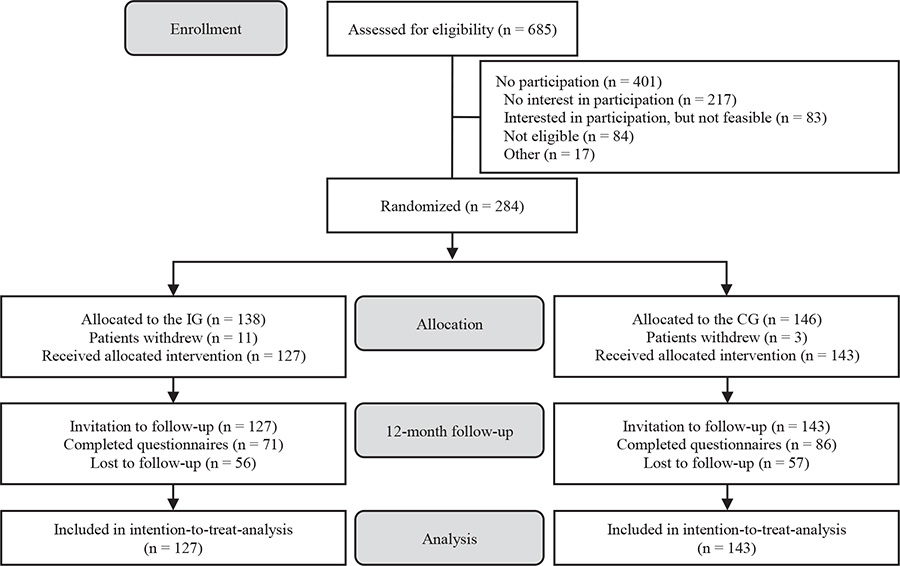
Fig. 1. Flow of participants. CG: control group; IG: intervention group.
Sample characteristics
The average age of participants was 46.8 years; 52.6% were women, 55.8% reported an intermediate level of education (levels 3 to 4 of the International Standard Classification of Education [ISCED-11]), and 36.6% reported a high level of education (levels 5 to 8 of the ISCED-11). Table I presents the sample characteristics for both the intervention and control groups. The 2 groups showed comparable levels of health and functional impairment at baseline, with no significant differences found.
| Item | IG (n = 127) | CG (n = 143) | p-value* | ||
| n | M (SD) or % | n | M (SD) or % | ||
| Sociodemographic data | |||||
| Age in years | 127 | 46.5 (10.4) | 143 | 47.0 (10.4) | 0.667 |
| Sex | 0.662 | ||||
| Female | 65 | 51.2% | 77 | 53.8% | |
| Male | 62 | 48.8% | 66 | 46.2% | |
| Native German speaker | 0.721 | ||||
| Yes | 111 | 87.4% | 127 | 88.8% | |
| No | 16 | 12.6% | 16 | 11.2% | |
| Partnership | 0.809 | ||||
| Yes | 94 | 78.3% | 109 | 79.6% | |
| No | 26 | 21.7% | 28 | 20.4% | |
| Level of education | 0.480 | ||||
| Low | 12 | 9.6% | 8 | 5.7% | |
| Medium | 69 | 55.2% | 79 | 56.4% | |
| High | 44 | 35.2% | 53 | 37.9% | |
| Primary outcome | |||||
| Pain self-efficacy (10–60) | 120 | 38.6 (11.4) | 136 | 37.3 (10.0) | 0.313 |
| Secondary outcomes | |||||
| Current health status (0–10) | 125 | 4.9 (1.9) | 142 | 4.8 (1.8) | 0.722 |
| Mental health (0–10) | 125 | 4.9 (2.3) | 141 | 5.2 (2.3) | 0.385 |
| Functional capacity (0–10) | 125 | 4.4 (2.1) | 138 | 4.1 (2.0) | 0.230 |
| Pain (0–10)a | 125 | 3.2 (1.8) | 141 | 2.8 (1.6) | 0.073 |
| Action-oriented coping (4–24) | 123 | 16.3 (4.8) | 135 | 16.0 (4.8) | 0.654 |
| Cognitive restructuring (4–24) | 122 | 13.3 (4.7) | 133 | 12.5 (4.3) | 0.186 |
| Subjective coping competence (4–24) | 124 | 16.7 (4.0) | 136 | 16.3 (4.2) | 0.415 |
| Mental distraction (4–24) | 122 | 11.0 (4.4) | 138 | 11.3 (4.8) | 0.584 |
| Counter-activities (4–24) | 124 | 13.3 (4.6) | 135 | 12.6 (4.6) | 0.229 |
| Relaxation (4–24) | 122 | 11.4 (4.7) | 137 | 10.8 (4.9) | 0.273 |
| Disorder and treatment knowledge (0–50) | 121 | 23.7 (12.0) | 135 | 24.7 (11.9) | 0.500 |
| Self-efficacy in practising knowledge (0–20) | 124 | 10.3 (4.4) | 134 | 10.3 (4.6) | 0.879 |
| Electronic health literacy (8–40) | 124 | 29.2 (6.6) | 135 | 29.4 (5.9) | 0.883 |
| Self-informing behaviour | 0.807 | ||||
| At least once a week | 41 | 32.8% | 43 | 31.4% | |
| Less than once a week | 84 | 67.2% | 94 | 68.6% | |
| Employment | 0.629 | ||||
| Yes | 113 | 90.4% | 124 | 88.6% | |
| No | 12 | 9.6% | 16 | 11.4% | |
| Off work due to sickness absence | 0.537 | ||||
| Yes | 65 | 52.0% | 77 | 55.8% | |
| No | 60 | 48.0% | 61 | 44.2% | |
| Work ability in relation to work demands (2–10) | 122 | 5.9 (1.7) | 140 | 5.9 (2.0) | 0.975 |
| Self-rated work ability (0–10) | 120 | 4.4 (2.3) | 142 | 4.5 (2.6) | 0.612 |
| Sickness absence (weeks) | 126 | 9.7 (9.1) | 138 | 9.3 (9.0) | 0.705 |
| Deviations in the number of cases in the rows are due to missing values. CG: control group; IG: intervention group; M: mean. aHigh values represent low pain. *Two-sample t-test or Pearson χ2 test. |
|||||
Delivered dose of treatment, usability, and use of the Caspar application
A difference of 2.2 h in treatment dose was observed, with the intervention group receiving 69.9 h and the control group 67.7 h. In accordance with the therapy standards of the German Pension Insurance for patients with chronic back pain, both groups completed a minimum of 46.1 therapy hours (16). Assessment of the Caspar application at the end of rehabilitation revealed acceptable system usability (mean = 75.7, standard deviation = 14.4). Approximately 76% of the participants in the intervention group rated the Caspar application as at least acceptable (> 70 points). Overall, 80.8% of the intervention group assessed the Caspar application as good or better. A more detailed overview of the delivered dose of treatment, usability, and the use of the Caspar application, as well as information on the number of completed back school modules per group and further outcomes, can be found elsewhere (17).
Primary outcome
At the 12-month follow-up, pain self-efficacy was slightly in favour of the intervention group. The lower limit of the 95% CI for the intervention group surpassed the non-inferiority margin of –4 points, demonstrating the intervention group’s non-inferiority. Non-inferiority was also confirmed in the non-adjusted intention-to-treat analysis, as well as by the adjusted complete-case analysis and the adjusted per-protocol analysis (Table II, Fig. 2).
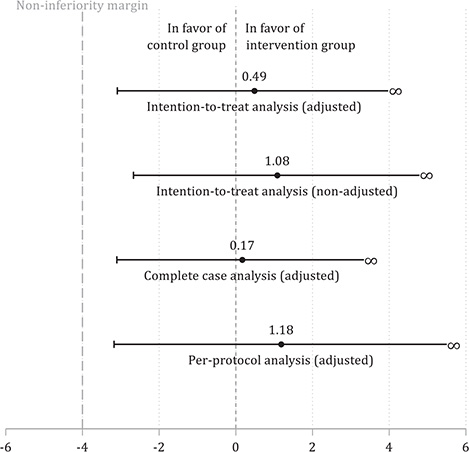
Fig. 2. Testing non-inferiority of the digitally assisted rehabilitation using one-sided 95% confidence intervals at the 12-month follow-up.
Secondary outcomes
In our adjusted intention-to-treat analysis (Tables III and IV) and the adjusted per-protocol analysis (Tables SIII and SIV), there were no significant group differences at the 12-month follow-up. In our adjusted intention-to-treat analysis, however, the significance level for better subjective coping skills favouring the intervention group was only slightly exceeded (b = 1.12; 95% CI = –0.01 to 2.25; p = 0.051). The non-adjusted intention-to-treat analysis (b = 1.29; 95% CI = 0.12 to 2.45; p = 0.031) and the adjusted complete-case analysis (b = 1.52; 95% CI = 0.34 to 2.70; p = 0.012) each showed significantly better subjective coping competence in favour of the intervention group at the 12-month follow-up (Tables SV–SVIII).
| Item | IG (n = 127) | CG (n = 143) | b | 95% CI | p-value* | ||
| Predicted value | SE | Predicted value | SE | ||||
| Current health status (0–10) | 6.33 | 0.22 | 5.99 | 0.20 | 0.34 | –0.27–0.96 | 0.273 |
| Mental health (0–10) | 6.04 | 0.24 | 5.89 | 0.26 | 0.16 | –0.57–0.88 | 0.666 |
| Functional capacity (0–10) | 6.11 | 0.25 | 5.97 | 0.23 | 0.14 | –0.58–0.85 | 0.701 |
| Pain (0–10) | 4.64 | 0.25 | 4.76 | 0.20 | –0.12 | –0.73–0.48 | 0.691 |
| Action-oriented coping (4–20) | 18.08 | 0.47 | 17.62 | 0.41 | 0.46 | –0.75–1.66 | 0.452 |
| Cognitive restructuring (4–20) | 14.95 | 0.46 | 14.35 | 0.47 | 0.60 | –0.72–1.92 | 0.368 |
| Subjective coping competence (4–20) | 18.05 | 0.46 | 16.93 | 0.40 | 1.12 | –0.01–2.25 | 0.051 |
| Mental distraction (4–20) | 11.62 | 0.53 | 11.53 | 0.57 | 0.09 | –1.26–1.44 | 0.893 |
| Counter-activities (4–20) | 13.49 | 0.56 | 13.37 | 0.45 | 0.12 | –1.30–1.53 | 0.872 |
| Relaxation (4–20) | 12.49 | 0.58 | 13.10 | 0.50 | –0.61 | –2.12–0.89 | 0.422 |
| Disorder and treatment knowledge (0–50) | 37.74 | 1.15 | 36.87 | 1.17 | 0.87 | –2.48–4.21 | 0.605 |
| Self-efficacy in practising gained knowledge (0–20) | 14.15 | 0.54 | 13.84 | 0.44 | 0.31 | –1.11–1.73 | 0.662 |
| Electronic health literacy (8–40) | 32.58 | 0.56 | 32.68 | 0.55 | –0.09 | –1.60–1.40 | 0.902 |
| Work ability in relation to work demands (2–10) | 7.05 | 0.25 | 6.87 | 0.22 | 0.19 | –0.50–0.86 | 0.586 |
| Self-rated work ability (0–10) | 6.18 | 0.32 | 6.01 | 0.28 | 0.18 | –0.66–1.01 | 0.676 |
| Sickness absence in weeks (0–26) | 4.90 | 1.01 | 5.83 | 1.03 | –0.93 | –3.98–2.12 | 0.543 |
| b: regression coefficient; CG: control group; IG: intervention group. *Linear regression. Multiple imputation was used for the adjusted intention-to-treat analysis. | |||||||
| Factor | IG (n = 127) | CG (n = 143) | OR | 95% CI | p-value* | ||
| Predicted value | SE | Predicted value | SE | ||||
| Employment: yesa | 0.87 | 0.04 | 0.83 | 0.04 | 1.29 | 0.55–3.02 | 0.558 |
| Off work due to sickness absence: yes | 0.21 | 0.05 | 0.22 | 0.05 | 0.94 | 0.40–2.19 | 0.878 |
| Self-informing behaviour: at least once per week | 0.15 | 0.05 | 0.18 | 0.05 | 0.80 | 0.31–2.08 | 0.646 |
| Adherence to exercises: at least once per week | 0.52 | 0.06 | 0.54 | 0.05 | 0.94 | 0.49–1.80 | 0.855 |
| Adherence to knowledge: at least once per week | 0.58 | 0.06 | 0.52 | 0.05 | 1.26 | 0.67–2.36 | 0.463 |
| CG: control group; IG: intervention group; OR: odds ratio. *Logistic regression. aDue to perfect prediction of the variable, no adjustment for baseline values and outpatient rehabilitation centre. Multiple imputation was used for the adjusted intention-to-treat analysis. | |||||||
Moderator analysis
There were no significant moderating effects of age, sex, the level of education, electronic health literacy, and motivational self-efficacy (p > 0.05).
Adverse effect
No adverse effects or unintended effects were reported in either group during the study.
DISCUSSION
This randomized controlled trial evaluated the effectiveness of digitally assisted rehabilitation, which incorporated a multimodal digital back school, compared with conventional rehabilitation that delivered the same back school through in-person sessions for patients with back pain. At the 12-month follow-up, we found that digitally assisted rehabilitation was non-inferior for our primary outcome, pain self-efficacy. Our primary outcome results remained consistent across all analyses, including adjusted and non-adjusted intention-to-treat, adjusted complete case, and adjusted per-protocol analyses.
The results for our secondary outcomes showed better subjective coping competence in favour of the intervention group in our non-adjusted intention-to-treat analysis and adjusted complete-case analysis. In addition, subjective coping competence in our adjusted intention-to-treat was close to being in favour of the intervention group. In the adjusted complete-case and per-protocol analysis at the 3-month follow-up, we found better counter-activities for the intervention group (17). Both outcomes, counter-activities and coping competence, represent pain management (28). This is a subtle indication that the digital back school may be slightly superior in teaching cognitive and behavioural pain management.
Our 12-month follow-up results also showed that the non-inferiority of digitally assisted rehabilitation was maintained from the end of rehabilitation to 1 year after rehabilitation. Particularly in the case of a health condition such as back pain with the potential for recurrent episodes, it is important that the long-term effects of treatment are sustained.
The effectiveness of telerehabilitation has been investigated worldwide in numerous studies on various health problems and compared with in-person rehabilitation (9, 43–48). The results generally showed that the effectiveness of telerehabilitation was comparable to in-person rehabilitation. Given these comparable results, the choice between in-person rehabilitation and telerehabilitation could be made individually for each patient, ensuring the best possible fit for their specific needs (49). Moreover, should telerehabilitative services become a permanent part of patient care, healthcare providers will face questions about which patients are best suited for telerehabilitative services, how to maximize their effectiveness, and how to implement them most effectively in clinical practice (50). Studies on digital therapeutic interventions should therefore examine characteristics that moderate the effectiveness of these interventions in order to identify which patients are most suitable for them (50). McLaughlin et al. identified characteristics of patients with chronic back pain that could support the effectiveness of a digital intervention as part of therapy, such as employment status (part-time or full-time), high pain self-efficacy, and high scores on the Work Ability Score (50).
Strengths and limitations
The strengths and weaknesses of this randomized controlled trial have already been described in the previous publication of the short-term results at the end of rehabilitation and the 3-month follow-up (17). We will therefore only discuss issues specifically related to the 12-month follow-up.
Although the dropout rate did not increase much compared with the 3-month follow-up, it was high in both groups, and the risk of attrition bias threatens the internal validity of our results. A non-response analysis was carried out, whereby responders and non-responders were compared with each other overall (Table SIX). We found several significant group differences at baseline, such as a higher rate of unemployment among non-responders as well as lower pain self-efficacy and a lower level of education among non-responders, which argues against the missing data being completely at random (MCAR). Instead, the differences suggest that the data were missing at random (MAR). Therefore, variables related to non-response were incorporated into the imputation model. Dropout occurred similarly in both the intervention and control groups, suggesting that missingness was not strongly differential by group. An important strength of our study was the 12-month follow-up, as most studies on digital interventions have primarily focused on short-term effects.
Although the intervention group attended the rehabilitation centre daily, participation in the digitally assisted rehabilitation program still resulted in advantages. Study participants were able to integrate the digital back school into their individual daily routines and thereby increased flexibility, for example in favour of childcare responsibilities. In addition, educational videos could be accessed repeatedly, the physical exercise videos facilitated the transfer of exercises into the home environment, and the chat function allowed participants to ask questions about the content of the digital back school at any time. We assume that digitalization is particularly suitable for aftercare. The transition from outpatient or inpatient rehabilitation to patients’ everyday lives frequently constitutes a substantial barrier. Consequently, the sustainable transfer of learned behaviours into daily routines often fails. In particular, the continuation of exercises learned during rehabilitation within one’s home environment is considered a major barrier. Rehabilitation measures monitored by therapists in the patient’s own environment can sustainably strengthen personal responsibility and help secure long-term rehabilitation success.
Future research should identify which specific components of multimodal rehabilitation can be digitized, and to what extent, without compromising its effectiveness. This could enhance the flexibility of rehabilitation. Future studies should research whether models of digitally assisted rehabilitation can be effectively applied to other patient groups and in other formats such as rehabilitation aftercare.
Conclusion
This study provides evidence that digitally assisted rehabilitation is a viable option for patients with back pain in an outpatient setting. We were able to show that digitally assisted rehabilitation was not inferior to conventional in-person rehabilitation in the long term. This new concept of digitally assisted rehabilitation can be seen as a promising opportunity to combine the advantages of in-person rehabilitation and telerehabilitation, while maintaining non-inferior clinical effectiveness and simultaneously improving accessibility, continuity of care, and patient engagement across diverse clinical settings.
ACKNOWLEDGEMENTS
The authors would like to thank all teams at all participating outpatient rehabilitation centers for implementing and conducting the study. Additionally, they wish to thank all the study participants for their participation in the study and the Nanz Medico GmbH & Co. KG group for supporting the study in their rehabilitation facilities.
Trial details: German Clinical Trials Register (DRKS00028770, 5 April 2022).
REFERENCES
- Von der Lippe E, Krause L, Porst M, Wengler A, Leddin J, Müller A, et al. Prävalenz von Rücken- und Nackenschmerzen in Deutschland. Ergebnisse der Krankheitslast-Studie BURDEN 2020 J Health Monit 2021; 6: 1–14. https://doi.org/10.25646/7854
- Chen S, Chen M, Wu X, Lin S, Tao C, Cao H, et al. Global, regional and national burden of low back pain 1990–2019: a systematic analysis of the Global Burden of Disease study 2019. J Orthop Translat 2022; 32: 49–58. https://doi.org/10.1016/j.jot.2021.07.005
- Wenig CM, Schmidt CO, Kohlmann T, Schweikert B. Costs of back pain in Germany. Eur J Pain 2009; 13: 280–286. https://doi.org/10.1016/j.ejpain.2008.04.005
- Dorner TE, Alexanderson K, Svedberg P, Ropponen A, Stein KV, Mittendorfer-Rutz E. Sickness absence due to back pain or depressive episode and the risk of all-cause and diagnosis-specific disability pension: a Swedish cohort study of 4,823,069 individuals. Eur J Pain 2015; 19: 1308–1320. https://doi.org/10.1002/ejp.661
- Kamper SJ, Apeldoorn AT, Chiarotto A, Smeets RJ, Ostelo RW, Guzman J, et al. Multidisciplinary biopsychosocial rehabilitation for chronic low back paIn: Cochrane systematic review and meta-analysis. BMJ 2015; 350: h444. https://doi.org/10.1136/bmj.h444
- Hartvigsen J, Hancock MJ, Kongsted A, Louw Q, Ferreira ML, Genevay S, et al. What low back pain is and why we need to pay attention. Lancet 2018; 391: 2356–2367. https://doi.org/10.1016/S0140-6736(18)30480-X
- Nicol V, Verdaguer C, Daste C, Bisseriex H, Lapeyre E, Lefevre-Colau MM, et al. Chronic low back paIn: a narrative review of recent international guidelines for diagnosis and conservative treatment. J Clin Med 2023; 12. https://doi.org/10.3390/jcm12041685
- Bundesärztekammer, Kassenärztliche Bundesvereinigung, Arbeitsgemeinschaft der Wissenschaftlichen Medizinischen Fachgesellschaften. Nicht-spezifischer Kreuzschmerz. Patientenleitlinie zur Nationalen VersorgungsLeitlinie 2017 [accessed Nov 27, 2023]. Available from: https://www.register.awmf.org/de/leitlinien/detail/nvl-007
- Hawley-Hague H, Lasrado R, Martinez E, Stanmore E, Tyson S. A scoping review of the feasibility, acceptability, and effects of physiotherapy delivered remotely. Disabil Rehabil 2022; 45: 3961–3977. https://doi.org/10.1080/09638288.2022.2138574
- Toelle TR, Utpadel-Fischler DA, Haas KK, Priebe JA. App-based multidisciplinary back pain treatment versus combined physiotherapy plus online education: a randomized controlled trial. NPJ Digit Med 2019; 2: 34. https://doi.org/10.1038/s41746-019-0109-x
- Cui D, Janela D, Costa F, Molinos M, Areias AC, Moulder RG, et al. Randomized-controlled trial assessing a digital care program versus conventional physiotherapy for chronic low back pain. NPJ Digit Med 2023; 6: 121. https://doi.org/10.1038/s41746-023-00870-3
- Norrie J. The importance of long-term follow-up in clinical trials. Lancet Glob Health 2023; 11: e995–e996. https://doi.org/10.1016/S2214-109X(23)00244-9
- Bonekamp NE, Visseren FLJ, Cramer MJ, Dorresteijn JAN, van der Meer MG, Ruigrok YM, et al. Long-term lifestyle change and risk of mortality and type 2 diabetes in patients with cardiovascular disease. Eur J Prev Cardiol 2024; 31: 205–213. https://doi.org/10.1093/eurjpc/zwad316
- Meng K, Seekatz B, Roßband H, Worringen U, Vogel H, Faller H. Intermediate and long-term effects of a standardized back school for inpatient orthopedic rehabilitation on illness knowledge and self-management behaviors: a randomized controlled trial. Clin J Pain 2011; 27: 248–257. https://doi.org/10.1097/AJP.0b013e3181ffbfaf
- Hoppe K, Oehme J, Worringen U. Curriculum Rückenschule. Standardisierte Patientenschulung. Berlin: DRV; 2019.
- Deutsche Rentenversicherung. Reha-Therapiestandards Chronischer Rückenschmerz. Berlin: DRV; 2020.
- Albers R, Lemke S, Fauser D, Knapp S, Krischak G, Bethge M. Non-inferiority of hybrid outpatient telerehabilitation: 3-month follow-up of a randomized controlled trial. Eur J Phys Rehabil Med 2024: 1009–1018. https://doi.org/10.23736/S1973-9087.24.08458-2
- Albers R, Lemke S, Knapp S, Krischak G, Bethge M. Non-inferiority of a hybrid outpatient rehabilitation: a randomized controlled trial (HIRE, DRKS00028770). BMC Digit Health 2023; 1: 1–13. https://doi.org/10.1186/s44247-023-00013-4
- Wellek S, Blettner M. Establishing equivalence or non-inferiority in clinical trials: part 20 of a series on evaluation of scientific publications. Dtsch Arztebl Int 2012; 109: 674–679. https://doi.org/10.3238/arztebl.2012.0674
- Piaggio G, Elbourne DR, Altman DG, Pocock SJ, Evans SJ, Group C. Reporting of noninferiority and equivalence randomized trials: an extension of the CONSORT statement. JAMA 2006; 295: 1152–1160. https://doi.org/10.1001/jama.295.10.1152
- Meng K, Seekatz B, Roßband H, Worringen U, Faller H, Vogel H. Entwicklung eines standardisierten Rückenschulungsprogramms für die orthopädische Rehabilitation. Rehabilitation 2009; 48: 335–344. https://doi.org/10.1055/s-0029-1239575
- Hoffmann TC, Glasziou PP, Boutron I, Milne R, Perera R, Moher D, et al. Better reporting of interventions: template for intervention description and replication (TIDieR) checklist and guide. BMJ 2014; 348: g1687. https://doi.org/10.1136/bmj.g1687
- Rhon DI, Fritz JM, Kerns RD, McGeary DD, Coleman BC, Farrokhi S, et al. TIDieR-telehealth: precision in reporting of telehealth interventions used in clinical trials – unique considerations for the template for the intervention description and replication (TIDieR) checklist. BMC Med Res Methodol 2022; 22: 161. https://doi.org/10.1186/s12874-022-01640-7
- Mangels M, Schwarz S, Sohr G, Holme M, Rief W. Der Fragebogen zur Erfassung der schmerzspezifischen Selbstwirksamkeit (FESS). Diagnostica 2009; 55: 84–93. https://doi.org/10.1026/0012-1924.55.2.84
- Nicholas MK. The pain self-efficacy questionnaire: taking pain into account. Eur J Pain 2007; 11: 153–163. https://doi.org/10.1016/j.ejpain.2005.12.008
- Nübling M, Stößel U, Hasselhorn H-M, Michaelis M, Hofmann F. Methoden zur Erfassung psychischer Belastungen. BAuA; 2005.
- Wirtz M, Farin E, Bengel J, Jäckel W, Hämmerer D, Gerdes N. IRES-24 Patientenfragebogen. Entwicklung der Kurzformeines Assessmentinstrumentes in der Rehabilitationmittels der Mixed-Rasch-Analyse. Diagnostica 2005; 51: 75–87. https://doi.org/10.1026/0012-1924.51.2.75
- Geissner E. Verarbeitung chronischer Schmerzen – Skalen zur Erfassung der Schmerzbewältigung und der schmerzbedingten psychischen Beeinträchtigung. Z Klin Psychol Psychother. 1999; 28: 280–290. https://doi.org/10.1026//0084-5345.28.4.280
- Norman CD, Skinner HA. eHEALS: the ehealth literacy scale. J Med Internet Res 2006; 8: e27. https://doi.org/10.2196/jmir.8.4.e27
- Ilmarinen J. The work ability index (WAI). Occup Med 2007; 57: 160. https://doi.org/10.1093/occmed/kqm008
- Bethge M, Spanier K, Neugebauer T, Mohnberg I, Radoschewski FM. Self-reported poor work ability – an indicator of need for rehabilitation? A cross-sectional study of a sample of German employees. Am J Phys Med Rehabil 2015; 94: 958–966. https://doi.org/10.1097/PHM.0000000000000281
- Fauser D, Zeuner AK, Zimmer JM, Golla A, Schmitt N, Mau W, et al. Work ability score as predictor of rehabilitation, disability pensions and death? A German cohort study among employees with back pain. Work 2022; 73: 719–728. https://doi.org/10.3233/WOR-210987
- El Fassi M, Bocquet V, Majery N, Lair ML, Couffignal S, Mairiaux P. Work ability assessment in a worker population: comparison and determinants of work ability index and work ability score. BMC Public Health 2013; 13: 305. https://doi.org/10.1186/1471-2458-13-305
- Brooke J. SUS: a retrospective. J Usability Stud 2013; 8: 29–40
- Bangor A, Kortum P, Miller J. An empirical evaluation of the system usability scale. Int J Hum-Comput Int 2008; 24: 574–594. https://doi.org/10.1080/10447310802205776
- Thielsch M, Salaschek M. Toolbox zur kontinuierlichen Website-Evaluation und Qualitätssicherung. Cologne: BZgA; 2017.
- Dube MO, Langevin P, Roy JS. Measurement properties of the pain self-efficacy questionnaire in populations with musculoskeletal disorders: a systematic review. Pain Rep 2021; 6: e972. https://doi.org/10.1097/PR9.0000000000000972
- Dasgupta A, Lawson KA, Wilson JP. Evaluating equivalence and noninferiority trials. Am J Health Syst Pharm 2010; 67: 1337–1343. https://doi.org/10.2146/ajhp090507
- White IR, Royston P, Wood AM. Multiple imputation using chained equations: issues and guidance for practice. Stat Med 2011; 30: 377–399. https://doi.org/10.1002/sim.4067
- Royston P, White IR. Multiple imputation by chained equations (MICE): implementation in Stata. J Stat Softw 2011; 45: 1–20. https://doi.org/10.18637/jss.v045.i04
- Little R, Rubin D. Statistical analysis with missing data. Hoboken: Wiley; 2002.
- Schulz KF, Altman DG, Moher D, CONSORT Group. CONSORT 2010 statement: updated guidelines for reporting parallel group randomised trials. BMJ 2010; 340: c332. https://doi.org/10.1136/bmj.c332
- Giustiniani A, Danesin L, Pezzetta R, Masina F, Oliva G, Arcara G, et al. Use of telemedicine to improve cognitive functions and psychological well-being in patients with breast cancer: a systematic review of the current literature. Cancers 2023; 15. https://doi.org/10.3390/cancers15041353
- Toonders SAJ, van der Meer HA, van Bruxvoort T, Veenhof C, Speksnijder CM. Effectiveness of remote physiotherapeutic e-Health interventions on pain in patients with musculoskeletal disorders: a systematic review. Disabil Rehabil 2023; 45: 3620–3638. https://doi.org/10.1080/09638288.2022.2135775
- Leon-Salas B, Gonzalez-Hernandez Y, Infante-Ventura D, de Armas-Castellano A, Garcia-Garcia J, Garcia-Hernandez M, et al. Telemedicine for neurological diseases: a systematic review and meta-analysis. Eur J Neurol 2023; 30: 241–254. https://doi.org/10.1111/ene.15599
- Pescaru CC, Crisan AF, Marc M, Trusculescu AA, Maritescu A, Pescaru A, et al. A systematic review of telemedicine-driven pulmonary rehabilitation after the acute phase of COVID-19. J Clin Med 2023; 12: 4854. https://doi.org/10.3390/jcm12144854
- Dawson R, Oliveira JS, Kwok WS, Bratland M, Rajendran IM, Srinivasan A, et al. Exercise interventions delivered through telehealth to improve physical functioning for older adults with frailty, cognitive, or mobility disability: a systematic review and meta-analysis. Telemed J E Health 2024; 30: 940–950. https://doi.org/10.1089/tmj.2023.0177
- Moreno-Ligero M, Moral-Munoz JA, Salazar A, Failde I. mHealth intervention for improving pain, quality of life, and functional disability in patients with chronic paIn: systematic review. JMIR Mhealth Uhealth 2023; 11: e40844. https://doi.org/10.2196/40844
- Martinez-Pozas O, Corbellini C, Cuenca-Zaldivar JN, Melendez-Oliva E, Sinatti P, Sanchez Romero EA. Effectiveness of telerehabilitation versus face-to-face pulmonary rehabilitation on physical function and quality of life in people with post COVID-19 condition: a systematic review and network meta-analysis. Eur J Phys Rehabil Med 2024; 60: 868–877. https://doi.org/10.23736/S1973-9087.24.08540-X
- McLaughlin KH, Fritz JM, Minick KI, Brennan GP, McGee T, Lane E, et al. Examining the relationship between individual patient factors and substantial clinical benefit from telerehabilitation among patients with chronic low back pain. Phys Ther 2024; 104: pzad180. https://doi.org/10.1093/ptj/pzad180