ORIGINAL REPORT
AGE, RESILIENCE, SOCIAL SUPPORT, AND HEALTH LITERACY AS PREDICTORS OF FUNCTIONAL ABILITY IN PEOPLE WITH SPINAL CORD INJURY: A 6-MONTH FOLLOW-UP STUDY
Shumei LI, MSN1  , Xiaoping SU, MSN2 , Jiawen WANG, MM3 and Xiangxiang TANG, MSN1
From the 1School of Nursing, Clinical College of Anhui Medical University, Hefei, 2School of Nursing, Suzhou Medical College of Soochow University, Suzhou, and 3Department of Spinal Surgery, the Third Affiliated Hospital of Soochow University, Changzhou, China
Objective: To longitudinally examine age, resilience, social support, and health literacy as predictors of functional ability in people with spinal cord injury from rehabilitation initiation through to 6-month follow-up.
Design: Follow-up study.
Setting: The spinal surgery department of the Third Affiliated Hospital of Soochow University, China.
Subjects/Patients: This study included 367 inpatients with traumatic spinal cord injury at a single centre.
Methods: Functional ability (Modified Barthel Index, MBI), resilience (Connor–Davidson Resilience Scale), social support (Social Support Rating Scale), and health literacy (Brief Health Literacy Screening) were assessed at baseline, 3-month, and 6-month follow-up. Linear mixed-effects models analysed predictors of MBI change.
Results: MBI scores improved slightly from baseline to 6-month follow-up (43.50 [21.48] to 46.81 [22.10]), indicating a modest magnitude of change. Multivariate analysis identified younger age (β = –0.02; p = 0.028), higher resilience (β = 0.22; p < 0.001), and higher health literacy (β = 0.32; p = 0.001) as significant independent predictors of greater functional ability over time. Social support was significant only in univariate analysis (β = 0.44; p = 0.038).
Conclusions: Although the observed improvement in functional ability was modest, younger age, stronger psychological resilience, and higher health literacy were independent predictors of better functional ability in the first 6 months after discharge from spinal cord injury. Further research is warranted to determine the clinical significance of these changes. Rehabilitation strategies may consider integrating interventions targeting these modifiable psychosocial and cognitive resources.
LAY ABSTRACT
This study followed 367 individuals with spinal cord injury for 6 months after starting rehabilitation to explore psychosocial factors that may influence functional ability. We found that younger age, higher psychological resilience (the ability to cope with adversity), and better health literacy (the skills to understand and use health information) were associated with greater improvement in functional ability over time. Social support appeared beneficial, but its effect was linked to other factors. These results suggest that modifiable psychological and cognitive resources may play an important role in functional ability. Accordingly, rehabilitation programmes may benefit from integrating strategies to build resilience and improve health literacy alongside physical therapy to potentially optimize functional outcomes for people with spinal cord injury.
Key words: spinal cord injury; functional ability; resilience; social support; health literacy; rehabilitation nursing.
Citation: J Rehabil Med 2026; 58: jrm45268. DOI: https://doi.org/10.2340/jrm.v58.45268.
Copyright: © 2026 The Author(s). Published by MJS Publishing, on behalf of the Foundation for Rehabilitation Information. This is an Open Access article distributed under the terms of the Creative Commons Attribution 4.0 International License (http://creativecommons.org/licenses/by/4.0/).
Submitted: Dec 22, 2025; Accepted after revision: Sept 7, 2026; Published: Sept 22, 2026.
Correspondence address: Xiangxiang Tang, School of Nursing, Clinical College of Anhui Medical University, Wangjiang West Road 1166, Shushan District, Hefei City, Anhui Province, 230031, China. E-mail: tangwenjingxx@163.com
Competing interests and funding: The authors have no conflicts of interest to declare.
This research was supported by the Natural Science Research Project of Clinical College of Anhui Medical University (KY2025008), the Natural Science Research Projects of Universities in Anhui Province (2023AH052770), and the Chinese Medical Education Project (2023B004).
As a devastating neurological trauma, spinal cord injury (SCI) results in persistent motor and sensory deficits, adversely affecting multiple dimensions of life, including somatic stability, mental health, and societal integration (1). People with SCI are at risk of multiple secondary health conditions (SHCs), such as neuropathic or musculoskeletal pain, oedema, spasticity, pressure ulcers, pulmonary infection, urinary tract infections, bowel problems, autonomic dysreflexia, osteoporosis (2). SHCs significantly impair daily functioning and social participation in people with SCI, ultimately leading to substantial deterioration in their quality of life (QoL) (3, 4). SCI is currently incurable, and treatment is primarily focused on minimizing SHCs and optimizing residual function through rehabilitation. Functional limitations following SCI represent a pervasive challenge for people with SCI. Relevant studies have revealed that, compared to patients with SHCs, people with SCI without complications exhibit a statistically significant greater improvement in functional ability during the early rehabilitation phase (5, 6).
A review study offers limited, low-quality evidence suggesting that a small number of physiotherapy interventions may enhance functional ability scores in people with SCI (7). The significance of controlling for all physiotherapy interventions in studies investigating the effects of novel experimental interventions on functional ability remains unclear. Previous studies have consistently demonstrated that the level and severity of injury (6, 8–10) negative emotional states (e.g., anxiety and depression) (10, 11), and the duration of hospitalization (6, 10, 12) significantly influence the functional ability of individuals with SCI. However, whether psychosocial resource-level factors can predict changes in the functional ability of people with SCI has not been thoroughly investigated. Numerous studies have concentrated on identifying predictive indicators of psychological outcomes in people with SCI.
The prevalence of mental health disorders, including anxiety and depression, is markedly higher in individuals with SCI than in the general population (13). Within the first year following SCI, an individual’s strong self-efficacy is closely associated with lower levels of depression and anxiety over time (14). Our previous studies have shown that resilience has a more significant predictive effect on rehabilitation outcomes than self-efficacy during the early rehabilitation phase of people with SCI (15). In addition, related studies have demonstrated that enhanced social support can alleviate anxiety and depression in people with SCI (16, 17).
Health literacy (HL) plays a pivotal role in successful self-management by equipping individuals with the cognitive and social skills required to navigate health information, make informed decisions, and ultimately achieve better health outcomes (18). Despite its clinical significance, this area remains a notable gap in SCI rehabilitation research and evidence-based care strategies. Negative mood states and somatic SHCs constitute substantial barriers to optimal self-management in people with SCI (19). As far as we know, the potential influence of HL on functional improvement trajectories in those with SCI has not been empirically established.
Previous studies have generally suggested that younger individuals with SCI are more likely to attain favourable outcomes, such as higher levels of positive emotions, self-efficacy, social support, social participation, life satisfaction, and self-management ability (15). While age is frequently identified as a potential prognostic factor, its precise impact on functional ability post-SCI has not been definitively established.
Therefore, this longitudinal study examined age, resilience, social support, and HL as predictors of functional ability in individuals with SCI from rehabilitation initiation through to 6-month follow-up. Identifying these predictors is important because modifiable factors such as resilience and HL can be targeted by rehabilitation interventions to potentially enhance functional outcomes, while non-modifiable factors like age can help identify high-risk individuals who may need additional support. This knowledge fills a critical gap, as most prior studies focused on psychological well-being rather than the trajectory of functional improvement itself.
METHODS
Study design
These data were collected within a prospective cohort study designed to evaluate the evolution of patient activation and self-management capacity during SCI rehabilitation (20). In a parent study, we sought to examine the course of patient activation in people with traumatic SCI with larger numbers of participants and measurement points between the start of rehabilitation and the 6-month follow-up period. The parent study, which was initiated in October 2020 and concluded in November 2023, was designed and reported in full compliance with the STrengthening the Reporting of OBservational Studies in Epidemiology (STROBE) guidelines.
Participants
Inpatients with SCI were recruited from the spinal surgery department of a large general hospital in Changzhou. Eligible participants met the following inclusion criteria: (i) age 18 years or older; (ii) fluency in Chinese; (iii) absence of cognitive impairment, as indicated by a Mini-Mental State Examination (MMSE) score of 27 or higher; (iv) no self-reported history of psychological illness; (v) first-time hospitalization due to traumatic spinal cord injury (TSCI); (vi) neurological injury level located between C5 and S5; and (vii) stable vital signs following surgery.
Procedure
All study procedures were conducted in compliance with international ethical standards and were approved by the Institutional Ethics Committee of the Third Affiliated Hospital of Soochow University (Approval No. 2021-EDU-CL002-01).
Based on findings from our previous research, the average hospitalization duration for all participants was approximately 1 month (15, 21). Participants underwent comprehensive evaluations within 1 week of admission, followed by surgical interventions such as decompression, internal fixation, and fusion.
Written and verbal informed consent was obtained from all participants and their primary caregivers after a thorough explanation of the study procedures.
Pre-discharge baseline data collection occurred within a standardized 7-day window prior to participants’ hospital release. Qualified nursing staff personally distributed and explained both printed and digital questionnaire formats during scheduled ward visits. Detailed instructions were provided to participants before they completed the questionnaires. Follow-up questionnaires were subsequently sent to participants online. If no response was received within 7 days, participants were contacted by phone, with a maximum of 3 reminders.
After discharge, participants will choose to either return home for community-based rehabilitation or enter a rehabilitation institution for hospital-based rehabilitation.
Measurement and data collection
Baseline assessments included: (i) demographic and clinical characteristics, (ii) patient-reported outcomes, and (iii) functional ability (Modified Barthel Index, MBI). Resilience, social support, and HL were evaluated at 3-month and 6-month follow-ups, with functional reassessment (MBI) conducted at the 6-month endpoint.
Demographic and disease-related characteristics. Demographic and clinical characteristics, including sex, age, educational level, marital status, injury aetiology, and injury level, were extracted from the participants’ medical records. The American Spinal Injury Association (ASIA) Impairment Scale and the first MBI score were assessed by a trained rehabilitation physician during hospitalization. The second MBI score was evaluated by the same physician at the participants’ 6‑month follow‑up visit to the hospital.
Patient-reported outcome measures
Resilience. Resilience was measured using the Connor–Davidson Resilience Scale (CD-RISC). In this study, the Chinese version of the 25-item CD-RISC, adapted by Yu and Zhang, was utilized (22). Each item on the scale is rated using a 5-point Likert scale (0 = not true at all to 4 = true nearly all the time), with total scores ranging from 0 to 100. Higher scores reflect greater resilience. In our previous study, the Cronbach’s α coefficient for this scale was 0.856, indicating high internal consistency (15).
Social support. Social support was evaluated using the Chinese version of the Social Support Rating Scale (SSRS), developed by Xiao (23). This 10-item scale comprises 3 dimensions: objective support, subjective support, and support utilization. Each item is scored on a 4-point Likert scale, with higher total scores indicating greater perceived social support. In our previous study, the Cronbach’s α coefficient for this scale was 0.801, demonstrating good internal reliability (15).
HL. HL was assessed using the validated 3-item Brief Health Literacy Screening (BHLS) tool (24), which has previously been employed in studies examining HL among people with SCI (25). Each of the 3 items is scored on a 5-point Likert scale, with total scores ranging from 3 to 15. Higher scores indicate greater subjective health literacy. BHLS levels are categorized as follows: (i) inadequate (3–9); (ii) marginal (10–12); and (iii) adequate (13–15). These categories are based on the scale’s established development framework (24, 26). In terms of reliability, the BHLS demonstrates high internal consistency, with Cronbach’s α values of 0.76 among outpatients and 0.80 among inpatients (27). Regarding validity, the BHLS shows moderate correlation with the Test of Functional Health Literacy in Adults (S-TOFHLA), with a correlation coefficient of r = 0.40 for both outpatients and inpatients (27). The Cronbach’s α coefficients for the 3 measurements in this study were 0.81, 0.82, and 0.79, respectively.
This study necessitated the translation and linguistic validation of the BHLS into Chinese (Mandarin) to ensure its applicability for measuring HL in the specific context of individuals with SCI in China. The procedures for the translation and validation of the Chinese version of the BHLS are detailed below.
First, the BHLS was independently translated into Chinese by 2 bilingual researchers: one specializing in SCI and the other holding a Master’s degree in nursing. The 2 translated versions were then compared, and any discrepancies were reconciled through discussion to produce a consensus version. Subsequently, the reconciled Chinese version was back-translated into English by an independent bilingual translator, who held a medical doctorate with 6 years of experience studying in the United States and was blinded to the original BHLS and the study’s conceptual framework. The research team then reviewed the back-translated version against the original BHLS, addressed all identified discrepancies, and finalized the Chinese version of the scale. A convenience sample of 135 SCI patients, recruited during the early phase of the study, was used to evaluate the psychometric properties of the Chinese version of the BHLS.
The content validity of the Chinese version of the BHLS was evaluated by a panel of experts. Content validity, which refers to the extent to which an instrument’s items adequately represent the target construct, was quantified using the Content Validity Index (CVI). The content validity of the Chinese version of the BHLS was assessed by 5 SCI clinical experts using a 4-point Likert scale (1 = not relevant, 2 = somewhat relevant, 3 = quite relevant, 4 = highly relevant). The Item-Level CVI (I-CVI) was calculated as the proportion of experts rating an item as 3 or 4, with a value above 0.78 deemed acceptable (28). The Scale-Level CVI (S-CVI) was the average of all I-CVIs, with a threshold of > 0.90 (28). In our evaluation, the I-CVIs ranged from 0.80 to 1.00, and the S-CVI was 0.93.
Internal consistency reliability, defined as the homogeneity of items intended to measure a single construct, was evaluated using Cronbach’s α coefficient. The results were interpreted as follows: values between 0.70 and 0.80 indicate acceptable consistency, and values greater than 0.80 indicate excellent consistency (29). In our evaluation, the Cronbach’s α coefficient of the Chinese version of the BHLS was 0.78.
MBI. The Chinese version of the MBI, which exhibits excellent internal consistency (Cronbach’s α = 0.930), was utilized to assess activities of daily living (ADL) for each participant in our study (30). The total score ranges from 0 (complete dependence) to 100 (complete independence), with higher scores indicating greater functional independence in daily activities. The scores are allocated across 10 items as follows: personal hygiene and bathing (5 points each); feeding, toilet use, stair climbing, dressing, bowel control, and bladder control (10 points each); and chair-bed transfer and ambulation or wheelchair use (15 points each). This scale has been extensively validated and demonstrates strong reliability and validity in Chinese populations (31).
Data analysis
All analyses were performed using SPSS, version 26.0 (IBM Corp, Armonk, NY, USA). Statistical significance was indicated by a p-value of < 0.05.
Differences in baseline and 6-month follow-up variables between participants receiving community-based rehabilitation and those undergoing hospital-based rehabilitation were assessed using Mann–Whitney U tests (for non-normally distributed continuous variables), χ2 tests (for categorical variables), and Fisher’s exact tests (for small sample sizes, where applicable).
To assess longitudinal changes in MBI scores, both univariate and multivariate linear mixed-effects models were employed. The models incorporated random slopes and intercepts with a compound symmetry covariance structure to analyse data from baseline, 3-month, and 6-month follow-up assessments. Covariates (age, resilience, social support, and HL) were included based on our study objectives. Model assumptions were verified through visual inspection of residual plots.
To assess the robustness of our primary findings against potential confounding by injury severity, we conducted several sensitivity analyses. First, we re‑ran the multivariate linear mixed‑effects model with the ASIA Impairment Scale grade (categorized as A, B, C, or D) forcibly entered as a fixed‑effect covariate. Second, we treated ASIA grade as an ordinal variable (A = 1, B = 2, C = 3, D = 4) to verify that the coding scheme did not influence the results. Third, to rule out the possibility that extreme values (i.e., floor effects) drove our findings, we excluded participants with MBI scores of 0 at baseline or 6‑month follow‑up and re‑estimated the model. Fourth, we calculated E‑values for the significant predictors (resilience and HL) to quantify the minimum strength of association that an unmeasured confounder would need to have with both the predictor and the outcome to fully explain away the observed effects. All sensitivity analyses were performed using the same linear mixed‑effects framework with random intercepts and slopes.
RESULTS
This study initially screened 404 eligible participants. Of these, 367 (90.84%) were successfully enrolled, while 37 were excluded (31 declined participation and 6 were unavailable for other reasons), as illustrated in Fig. 1. Among enrolled participants, only 3 individuals (0.82%) provided incomplete questionnaire data across the 3 assessment time points. Two participants missed the CD-RISC assessment at 6-month follow-up, and 1 participant did not complete the BHLS at the same time point. Missing values were imputed using population median values for the respective scales.
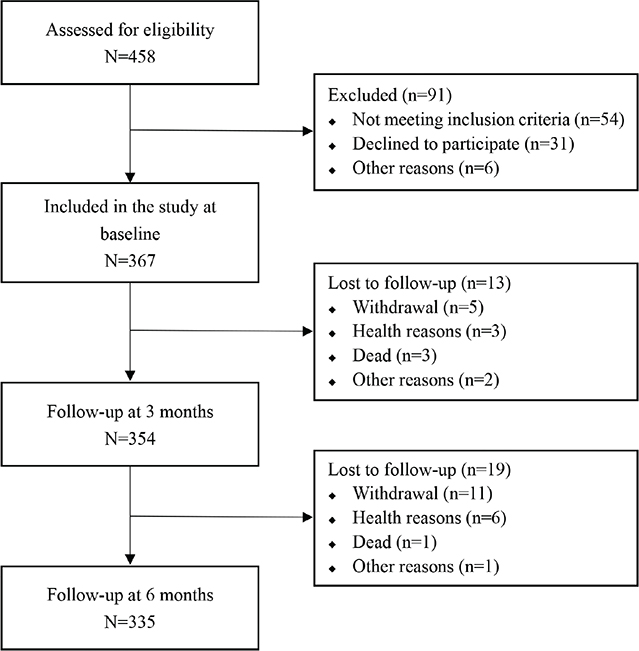
Fig. 1. Flow diagram of the participants.
Baseline demographic data, disease-related characteristics, and all patient-reported outcome scores are given in Table I. Among 367 participants, the median age was 49.00 years (interquartile range [IQR] 40.00-57.00). The majority were male (247 participants, 67.30%). Among all participants, 205 (55.86%) were diagnosed with cervical cord injury, 76 (20.71%) with thoracic injury, and 86 (23.43%) with lumbar injury.
MBI scores over time
Mean scores across measurement time points are presented in Table II. MBI scores increased from 43.50 (21.48) at baseline to 46.81 (22.10) at 6-month follow-up. Resilience scores remained stable from baseline (57.64 [9.61]) to 3-month follow-up (57.73 [8.66]), then improved to 60.00 (9.15) at 6 months. Similarly, HL scores showed progressive improvement from baseline (8.08 [2.60]) through 3-month (8.68 [2.08]) to 6-month follow-up (8.71 [2.46]). Fig. 2 illustrates the longitudinal trajectories of outcome measures in the study cohort (n = 335).
| Variables | N | Baseline | N | 3 months’ follow-up | N | 6 months’ follow-up |
| Resilience, mean (SD) | 367 335‡ |
57.64 (9.61) 57.59 (9.43) |
354 335‡ |
57.73 (8.66) 57.81 (8.61) |
335‡ | 60.00 (9.15) |
| HL, mean (SD) | 367 335‡ |
8.08 (2.60) 8.11 (2.57) |
354 335‡ |
8.68 (2.08) 8.69 (2.09) |
335‡ | 8.71 (2.46) |
| MBI, mean (SD) | 367 335‡ |
43.50 (21.48) 43.50 (21.35) |
335‡ | 46.81 (22.10) | ||
| ‡Participants who completed 3 surveys (335 participants). SD: standard deviation. |
||||||
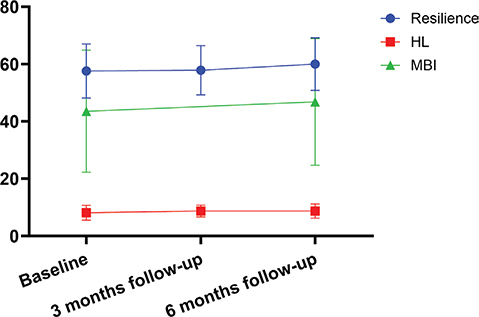
Fig. 2. The longitudinal trajectories of outcome measures in the study cohort (n = 335).
In univariate analysis (Table III), MBI scores increased significantly over time (β = 1.66; 95% confidence interval (CI), 1.40 to 1.92; p < 0.001). Further analysis of the potential covariates showed that higher resilience, social support and HL had a positive effect on the MBI score as a function of time (β = 0.35; 95% CI, 0.28 to 0.43; p < 0.001, β = 0.44; 95% CI, 0.02 to 0.85; p = 0.038, and β = 0.72; 95% CI, 0.50 to 0.93; p < 0.001, respectively). In the multivariate analysis (Table III), the MBI score increased significantly over time (β = 2.38; 95% CI, 0.19 to 4.58; p = 0.034). Younger age had a positive effect on improvement over time (β = –0.02; 95% CI, –0.04 to –0.003; p = 0.028). Higher resilience and HL scores remained significantly related to higher MBI scores over time (β = 0.22; 95% CI, 0.15 to 0.28; p < 0.001, β = 0.32; 95% CI, 0.14 to 0.50; p = 0.001, respectively).
| Variable | β (95% CI) | p-value* |
| Univariate linear mixed-effects model analyses | ||
| Time | 1.66 (1.40 to 1.92) | < 0.001*** |
| Age | –0.05 (–0.24 to 0.14) | 0.576 |
| Resilience | 0.35 (0.28 to 0.43) | < 0.001*** |
| Social Support | 0.44 (0.02 to 0.85) | 0.038* |
| Health literacy | 0.72 (0.50 to 0.93) | < 0.001*** |
| Multivariate linear mixed-effects model analyses | ||
| Time | 2.38 (0.19 to 4.58) | 0.034* |
| Age | 0.07 (–0.12 to 0.27) | 0.459 |
| Age*time | –0.02 (–0.04 to –0.003) | 0.028* |
| Resilience | 0.22 (0.15 to 0.28) | < 0.001*** |
| Social support | 0.25 (–0.18 to 0.68) | 0.251 |
| Social support*time | 0.0000838 (–0.043 to 0.044) | 0.997 |
| Health literacy | 0.32 (0.14 to 0.50) | 0.001** |
| SCI: spinal cord injury; 95% CI: 95% confidence interval. p-value*: linear mixed-effects model. * p < 0.05; ** p < 0.01; *** p < 0.001. |
||
In univariate analysis (participants with community-based rehabilitation, n = 280), MBI scores increased significantly over time (β = 1.76; 95% CI, 1.47 to 2.05; p < 0.001) (Table IV). Higher levels of resilience, social support, and HL were associated with higher MBI scores over time (β = 0.38; 95% CI, 0.30 to 0.46; p < 0.001, β = 0.49; 95% CI, 0.03 to 0.95; p = 0.036, and β = 0.78; 95% CI, 0.52 to 1.03; p < 0.001, respectively). In the multivariate analysis (Table IV), the MBI score increased significantly over time (β = 2.82; 95% CI, 0.39 to 5.25; p = 0.023). Higher resilience and HL scores remained significantly related to higher MBI scores over time (β = 0.21; 95% CI, 0.14 to 0.29; p < 0.001, β = 0.32; 95% CI, 0.11 to 0.54; p = 0.003, respectively). Younger age had a positive effect on improvement over time (β = –0.03; 95% CI, –0.05 to –0.01; p = 0.016).
| Variable | β (95% CI) | p-value* |
| Univariate linear mixed-effects model analyses | ||
| Time | 1.76 (1.47 to 2.05) | < 0.001*** |
| Age | –0.06 (–0.27 to 0.16) | 0.597 |
| Resilience | 0.38 (0.30 to 0.46) | < 0.001*** |
| Social Support | 0.49 (0.03 to 0.95) | 0.036* |
| Health literacy | 0.78 (0.52 to 1.03) | < 0.001*** |
| Multivariate linear mixed-effects model analyses | ||
| Time | 2.82 (0.39 to 5.25) | 0.023* |
| Age | 0.08 (–0.14 to 0.30) | 0.457 |
| Age*time | –0.03 (–0.05 to –0.01) | 0.016* |
| Resilience | 0.21 (0.14 to 0.29) | < 0.001*** |
| Social support | 0.31 (–0.16 to 0.79) | 0.198 |
| Social support*time | –0.002 (–0.05 to 0.05) | 0.925 |
| Health literacy | 0.32 (0.11 to 0.54) | 0.003** |
| 95% CI: 95% confidence interval. p-value*: linear mixed-effects model. * p < 0.05; ** p < 0.01; *** p < 0.001. |
||
In univariate analysis (participants with hospital-based rehabilitation, n = 55), MBI scores increased significantly over time (β = 1.15; 95% CI, 0.56 to 1.73; p < 0.001) (Table V). Higher levels of resilience and HL were associated with higher MBI scores over time (β = 0.25; 95% CI, 0.10 to 0.40; p = 0.001, β = 0.50; 95% CI, 0.10 to 0.90; p = 0.015, respectively). In the multivariate analysis (Table V), higher resilience scores remained significantly related to higher MBI scores over time (β = 0.18; 95% CI, 0.04 to 0.33; p = 0.015). However, these findings from the hospital-based rehabilitation subgroup should be interpreted with caution due to the small sample size (n = 55), which limits statistical power and precision of the estimates.
| Variable | β (95% CI) | p-value* |
| Univariate linear mixed-effects model analyses | ||
| Time | 1.15 (0.56 to 1.73) | < 0.001*** |
| Age | –0.03 (–0.46 to 0.39) | 0.881 |
| Resilience | 0.25 (0.10 to 0.40) | 0.001** |
| Social support | 0.26 (–0.69 to 1.20) | 0.588 |
| Health literacy | 0.50 (0.10 to 0.90) | 0.015* |
| Multivariate linear mixed-effects model analyses | ||
| Time | –1.16 (–6.76 to 4.45) | 0.680 |
| Age | 0.01 (–0.46 to 0.48) | 0.954 |
| Age*time | 0.01 (–0.04 to 0.06) | 0.688 |
| Resilience | 0.18 (0.04 to 0.33) | 0.015* |
| Social support | 0.02 (–1.03 to 1.07) | 0.972 |
| Social support*time | 0.04 (–0.07 to 0.15) | 0.465 |
| Health literacy | 0.26 (–0.13 to 0.64) | 0.187 |
| 95% CI: 95% confidence interval. p-value*: linear mixed-effects model. * p < 0.05; ** p < 0.01; *** p < 0.001. |
||
Sensitivity analyses confirmed the robustness of our primary findings. After adjusting for ASIA grade as a categorical covariate, resilience (β = 0.21; 95% CI, 0.15 to 0.28; p < 0.001) and HL (β = 0.31; 95% CI, 0.13 to 0.50; p = 0.001) remained significant independent predictors of MBI improvement over time, with only minimal attenuation of their β coefficients (1.9% and 3.1% reductions, respectively). The age*time interaction also remained essentially unchanged (β = –0.02; 95% CI, –0.04 to –0.002; p = 0.027). ASIA grade itself emerged as a strong independent predictor, as expected (ASIA_D vs A: β = 17.83; 95% CI, 13.77 to 21.89; p < 0.001). When ASIA was treated as an ordinal variable, the results were virtually identical (resilience: β = 0.21, p < 0.001; HL: β = 0.32, p = 0.001). Exclusion of participants with floor‑effect MBI scores (n = 14) did not materially alter the findings (resilience: β = 0.21, p < 0.001; HL: β = 0.30, p = 0.002). The E‑values for resilience (1.65) and HL (1.92) suggested that unmeasured confounding was unlikely to fully account for the observed associations. Detailed results of all sensitivity analyses are presented in Table SI.
DISCUSSION
This study provides novel evidence on the functional recovery trajectory of people with SCI during the critical early post-discharge period and elucidates the pivotal roles of specific psychosocial and cognitive resources (i.e., resilience and HL in this study). Our findings indicate that functional improvement, as measured by the MBI, shows a statistically significant but modest positive trajectory (mean increase of 3.31 points) from baseline to 6 months post-discharge. Beyond this temporal trend, our multivariate analyses identify younger age, higher psychological resilience, and greater HL as significant independent predictors of greater functional improvement. The persistence of resilience and HL as strong predictors, even after accounting for age and rehabilitation setting, underscores their foundational importance. While social support showed a beneficial univariate association, its effect was mediated through other factors in the full model, highlighting the complex interplay of resources. Therefore, an integrated biopsychosocial approach to SCI rehabilitation is warranted, one that may benefit from incorporating interventions to strengthen psychological and cognitive resources as part of a comprehensive strategy to support functional outcomes.
From baseline to the 6-month follow-up, MBI scores showed a slight overall improvement (43.50 [21.35] to 46.81[22.10]) in individuals undergoing rehabilitation after SCI. The nature of SCI presents a formidable challenge to restoring functional independence, and many individuals reach a stable but limited level of recovery. As the world’s largest developing country, China bears a substantial burden of SCI, yet the development of comprehensive rehabilitation resources for this population remains in a nascent stage (32). After the onset of SCI, patients may receive some hospital-based rehabilitation services targeting body function improvement, complication prevention education, muscle strengthening exercises, and range of motion training. They then return home with limited information and without the necessary skills for maintaining optimal health outcomes (32, 33). The limited availability of rehabilitation services may have contributed to the constrained functional abilities and limited functional gains observed among participants in this study.
Notably, no significant differences were observed in outcomes between participants receiving community‑based vs hospital‑based rehabilitation. This may be explained by several factors. First, as noted earlier, comprehensive community‑based rehabilitation services for SCI in China remain nascent, and most patients discharged to community settings receive limited structured support. Second, the hospital‑based group was relatively small (n = 55), which may have limited statistical power to detect between‑group differences. Third, the 6‑month follow‑up period may be insufficient to capture differential effects of rehabilitation settings. Future studies with larger samples and longer follow‑up are needed to further explore setting‑related differences.
To contextualize the clinical meaningfulness of this change, we referenced available estimates of the minimal clinically important difference (MCID) from the literature. A change of 11 points on the Barthel Index is considered an MCID in acutely hospitalized older medical patients (34). For the MBI specifically, Huang et al. reported an MCID of 5.34 points in patients with ischaemic stroke (35). Although directly comparable MCID estimates for the MBI in SCI populations have not been firmly established, the observed 3.31‑point improvement in our cohort falls below both of these referenced thresholds, suggesting that the overall functional change, while statistically significant, was clinically modest. Notably, self‑care items (e.g., feeding, dressing) and sphincter control may show earlier gains than mobility‑related items (e.g., ambulation, transfers), which typically require more intensive rehabilitation. However, this speculation warrants item‑level validation in future studies.
However, the central contribution of this study lies in deconstructing this aggregate trend to reveal the heterogeneity in individual recovery pathways and their predictors. The identification of HL as a novel, independent predictor is an important finding. Some scholars believe that SCI should be considered a chronic disease, not an accidental injury, due to the high risk of SCI-related SHCs and the nature of chronic diseases (36). While HL is recognized as a cornerstone of chronic disease management (18), its empirical link to functional recovery in SCI has been speculative at best (19, 25). Our results substantiate this potential link. We hypothesize that individuals with adequate HL may be better equipped to decode complex medical instructions, proactively manage secondary complications, and navigate the often-fragmented post-acute care system (3). It is possible that such self-management competencies are associated with fewer interruptions to rehabilitation from preventable health crises, which could in turn support more consistent engagement in functional retraining. This potential pathway between cognitive empowerment and physical outcome warrants further investigation in causal designs.
Studies have identified several potential factors influencing HL, including treatments provided in rehabilitation services, duration of injury, cognitive function, educational level, specific characteristics of rehabilitation services, frequency of contact with healthcare professionals, race/ethnicity, and geographic factors (37). Rehabilitation is particularly closely linked to HL, and it is crucial for rehabilitation professionals to consider the HL levels of their individuals with SCI to ensure the effectiveness of treatment. SCI predisposes individuals to an increased burden of comorbidities and a decline in physical function. The resulting impairments, which vary widely among individuals, often lead to functional limitations and a consequent need for ongoing guidance and support (38). It is important to enable people with SCI to take a more active role in self-management and to develop a patient-centred model of rehabilitation intervention. Both rehabilitation and HL emphasize enhancing patient capacity and participation, adopting a holistic approach, implementing patient-centred practices, and equipping patients with methods and information, while also underscoring the importance of equitable access to healthcare services (39). People with SCI who participate in rehabilitation services may experience improvements in HL levels through guidance and personalized education.
Our longitudinal design reveals that resilience is associated with positive adjustment and greater functional improvement over time in individuals with SCI. Within the field of SCI research, psychological resilience is a well-documented predictor of adaptation and recovery, as supported by numerous cross-sectional studies (11, 15). This finding dovetails with our previous work, which positioned resilience as a more potent predictor than self-efficacy in the early inpatient phase (15). In the multivariate analysis of participants undergoing hospital-based rehabilitation (n = 55), resilience was the only variable that remained significantly associated with higher MBI scores over time. It suggests that the capacity to withstand stress and bounce back from setbacks may be more strongly associated with long-term functional adaptation than one’s confidence in performing specific tasks at a given moment. The promotion of self-efficacy and social support and the prevention and treatment of depression have significant implications for improving resilience in people with SCI (40). Teaching mindfulness practices (mindfulness meditation, journalling, and stress management), positive cognitive restructuring, and problem-solving seem to have positive effects on improving resilience in people with SCI (41).
Consistent with previous reports (6, 8, 42), our study suggests that younger patients with SCI tend to achieve higher levels of functional independence. Prior studies have shown that older individuals have a significantly elevated mortality rate within the first year post-TSCI (43). Furthermore, among survivors, the neurological improvement observed in older patients often fails to translate into commensurate functional gains, unlike in their younger counterparts (43). Substantial evidence indicates that people with SCI often experience significant cognitive impairment, and cognitive function is inversely correlated with age (44). From a long-term rehabilitation perspective, cognitive impairment in those with SCI represents a key barrier to effective self-management, thereby limiting potential gains in functional independence and QoL (5). However, its inclusion in the model alongside resilience and HL sends a crucial clinical message: while age is a non-modifiable factor, the potent modifiable predictors (resilience and HL) offer viable targets for intervention across all age groups. Therefore, when designing, implementing, and evaluating rehabilitation interventions for individuals with SCI, healthcare providers should give particular consideration to the specific needs of older adults.
The nuanced finding that social support did not retain independent significance in the overall multivariate model warrants careful interpretation. These findings suggest that social support may be associated with functional improvement indirectly, potentially through its association with reduced psychological distress (e.g., depression and anxiety) (16, 17). Social support during a dynamic process is a mutually reinforcing phenomenon that can change over time (45). Previous research has demonstrated that social support contributes to psychological recovery and adaptation while also promoting better overall health and functioning in people with SCI (46, 47). Couple and family relationships are consistently identified as the most significant sources of social support (45, 47, 48). The involvement of family members in chronic disease management can, paradoxically, have negative consequences. For instance, excessive reliance on family support may be associated with reduced patient autonomy and might hinder the acquisition of crucial self-management skills (49). Furthermore, for people with SCI, the mere fact of being married is not inherently beneficial; rather, it is the quality of the marital relationship that determines positive outcomes (50). The perception of genuine support is more likely to occur within the context of satisfactory relationships, and, in turn, episodes of effective support can enhance couple satisfaction and reciprocal trust (50). Beyond these explanations, 2 additional possibilities should be considered. First, the SSRS mainly measures structural aspects of social support (e.g., network size) rather than its functional quality. Perceived support quality may be more important for functional recovery in SCI, but the SSRS may not capture this adequately (50). Second, resilience and social support overlap conceptually and empirically. Individuals with higher resilience may build and maintain supportive relationships more effectively, and vice versa (46). Thus, the non-significance of social support in the multivariate model may partly reflect shared variance with resilience. Future studies should use multi-dimensional support measures and explore pathways between resilience, support, and functional outcomes.
Limitations
The interpretability of our findings must be balanced against certain limitations. The single-centre design in China may affect generalizability to other healthcare systems and cultures. A smaller proportion of people with non-TSCI were excluded from our analysis, so we cannot rule out that this could have affected the generalizability of our findings. While we controlled for key confounders, residual confounding from unmeasured variables like socioeconomic status, therapy intensity, or specific complication profiles is possible. The use of a subjective HL screener, though pragmatic and valid, may not fully capture functional HL performance. The 6-month follow-up, while valuable for the early phase, is insufficient to assess long-term prediction. Third, the subgroup analysis by rehabilitation setting was limited by the small sample size of the hospital-based rehabilitation group (n = 55). Consequently, the non-significant findings for HL and social support in this subgroup may reflect Type II error rather than true absence of effect. The significant association of resilience with functional improvement in this subgroup should be considered preliminary and requires validation in larger cohorts. Fourth, although Spinal Cord Independence Measure III (SCIM III) is preferred for SCI, its Chinese version was not yet validated when this study began (51). We therefore used MBI, which correlates strongly with SCIM III and remains a meaningful functional proxy in SCI research.
Additionally, although we acknowledge that rehabilitation intensity and the presence of secondary complications are important clinical confounders, we were unable to include them as covariates in the primary model. This was due to the absence of a standardized, quantifiable measure of therapy dosage (e.g., total hours of physical/occupational therapy) that could be reliably compared between participants who returned to community-based rehabilitation vs those who remained in hospital-based settings. Similarly, the occurrence of secondary health conditions was not systematically captured as a time‑varying covariate in our dataset. Future studies with precise, protocol‑driven documentation of therapy content and complication profiles are needed to further disentangle these confounders. Nevertheless, the E‑value analyses suggested that our core findings are robust to potential unmeasured confounding.
Conclusions
This longitudinal study indicates that the determinants of post-SCI functional trajectories extend beyond neurological and demographic factors to include modifiable psychosocial resources, which exert their effect through indirect pathways. Our findings indicate that a combination of psychological resilience and HL is uniquely associated with greater functional improvement over the initial 6-month period following hospital discharge. We propose that consciously and systematically building a cognitive toolkit for health navigation could be considered for integration into standard physical and occupational therapy for people with SCI, with the potential dual aim of supporting functional improvement and fostering psychological resilience. Furthermore, healthcare providers can empower people with SCI to take a more active and effective role in their rehabilitation through guided, personalized health education, thereby promoting greater functional ability and QoL.
ACKNOWLEDGEMENTS
The authors extend their gratitude to all participants for their contributions and acknowledge the research support provided by the Third Affiliated Hospital of Soochow University.
Data archiving: The datasets generated and/or analysed during the current study are available from the corresponding author upon reasonable request.
Ethical approval: The research and procedures were approved by the ethical committee of the Third Affiliated Hospital of Soochow University (2021-EDU-CL002-01).
REFERENCES
- Eli I, Lerner DP, Ghogawala Z. Acute traumatic spinal cord injury. Neurol Clin 2021; 39: 471–488. https://doi.org/10.1016/j.ncl.2021.02.004
- Adegeest CY, van Gent JAN, Stolwijk-Swüste JM, Post MWM, Vandertop WP, Öner FC, et al. Influence of severity and level of injury on the occurrence of complications during the subacute and chronic stage of traumatic spinal cord injury: a systematic review. J Neurosurg Spine 2022; 36: 632–652. https://doi.org/10.3171/2021.7.Spine21537
- van der Meer P, Post MW, van Leeuwen CM, van Kuppevelt HJ, Smit CA, van Asbeck FW. Impact of health problems secondary to SCI one and five years after first inpatient rehabilitation. Spinal Cord 2017; 55: 98–104. https://doi.org/10.1038/sc.2016.103
- Adriaansen JJ, Ruijs LE, van Koppenhagen CF, van Asbeck FW, Snoek GJ, van Kuppevelt D, et al. Secondary health conditions and quality of life in persons living with spinal cord injury for at least ten years. J Rehabil Med 2016; 48: 853–860. https://doi.org/10.2340/16501977-2166
- Bhattarai M, Shigemoto Y, Smedema SM. Role of self-efficacy on functional limitations among persons with spinal cord injury. Chronic Illn 2025; 21: 94–104. https://doi.org/10.1177/17423953231203731
- Hastings BM, Ntsiea MV, Olorunju S. Factors that influence functional ability in individuals with spinal cord injury: a cross-sectional, observational study. S Afr J Physiother 2015; 71: 235. https://doi.org/10.4102/sajp.v71i1.235
- Harvey LA, Glinsky JV, Chu J. Do any physiotherapy interventions increase spinal cord independence measure or functional independence measure scores in people with spinal cord injuries? A systematic review. Spinal Cord 2021; 59: 705–715. https://doi.org/10.1038/s41393-021-00638-0
- Lee BA, Leiby BE, Marino RJ. Neurological and functional recovery after thoracic spinal cord injury. J Spinal Cord Med 2016; 39: 67–76. https://doi.org/10.1179/2045772314y.0000000280
- Hiremath SV, Marino RJ, Coffman DL, Karmarkar AM, Tucker CA. Assessing functional recovery for individuals with spinal cord injury post-discharge from inpatient rehabilitation. J Spinal Cord Med 2024; 47: 893–901. https://doi.org/10.1080/10790268.2023.2220983
- Abdul-Sattar AB. Predictors of functional outcome in patients with traumatic spinal cord injury after inpatient rehabilitation: in Saudi Arabia. NeuroRehabilitation 2014; 35: 341–347. https://doi.org/10.3233/nre-141111
- Huang H, Chen M, Ding P, Xia X, Dai Q, Feng L, et al. Disability trajectories individuals with spinal cord injury in mainland China: do psychosocial resources and diseases factors predict trajectories? Spinal Cord 2025; 63: 1–8. https://doi.org/10.1038/s41393-024-01040-2
- Milićević S, Bukumirić Z, Nikolić AK, Babović R, Janković S. Demographic characteristics and functional outcomes in patients with traumatic and nontraumatic spinal cord injuries. Vojnosanit Pregl 2012; 69: 1061–1066.
- Carrard V, Kunz S, Peter C. Mental health, quality of life, self-efficacy, and social support of individuals living with spinal cord injury in Switzerland compared to that of the general population. Spinal Cord 2021; 59: 398–409. https://doi.org/10.1038/s41393-020-00582-5
- van Diemen T, Tran Y, Stolwijk-Swuste JM, Roels EH, van Nes IJW, Post MWM. Trajectories of self-efficacy, depressed mood, and anxiety from admission to spinal cord injury rehabilitation to 1 year after discharge. Arch Phys Med Rehabil 2021; 102: 1939–1946. https://doi.org/10.1016/j.apmr.2021.04.018
- Tang X, Huang J, Wang W, Su X, Yu Z. Predictors of activation among persons with spinal cord injury during hospitalization: a cross-sectional study. Jpn J Nurs Sci 2023; 20: e12532. https://doi.org/10.1111/jjns.12532
- de la Vega R, Molton IR, Miró J, Smith AE, Jensen MP. Changes in perceived social support predict changes in depressive symptoms in adults with physical disability. Disabil Health J 2019; 12: 214–219. https://doi.org/10.1016/j.dhjo.2018.09.005
- Fekete C, Tough H, Arora M, Hasnan N, Joseph C, Popa D, et al. Are social relationships an underestimated resource for mental health in persons experiencing physical disability? Observational evidence from 22 countries. Int J Public Health 2021; 66: 619823. https://doi.org/10.3389/ijph.2021.619823
- Berkman ND, Sheridan SL, Donahue KE, Halpern DJ, Crotty K. Low health literacy and health outcomes: an updated systematic review. Ann Intern Med 2011; 155: 97–107. https://doi.org/10.7326/0003-4819-155-2-201107190-00005
- Munce SE, Webster F, Fehlings MG, Straus SE, Jang E, Jaglal SB. Perceived facilitators and barriers to self-management in individuals with traumatic spinal cord injury: a qualitative descriptive study. BMC Neurol 2014; 14: 48. https://doi.org/10.1186/1471-2377-14-48
- Su X, Liu Q, Wang J, Song J, Tang X. Patient activation during the first 6 months after the start of spinal cord injury rehabilitation: a cohort study. Eur J Phys Rehabil Med 2025; 61: 250–262. https://doi.org/10.23736/s1973-9087.25.08758-1
- Tang X, Liu Q, Su X, Yu Z. Effects of a self-efficacy-centered self-management program on neurogenic bladder after spinal cord injury: a randomized controlled trial. Jpn J Nurs Sci 2025; 22: e12642. https://doi.org/10.1111/jjns.12642
- Yu X, Zhang J. Factor analysis and psychometric evaluation of the Connor-Davidson Resilience Scale (CD-RISC) with Chinese people. Social Behav Person 2007; 35: 19–30.
- Xiao S. Theoretical basis and research application of social support rating scale. J Clin Psychiatry 1983; 4: 98–100 [in Chinese].
- Chew LD, Griffin JM, Partin MR, Noorbaloochi S, Grill JP, Snyder A, et al. Validation of screening questions for limited health literacy in a large VA outpatient population. J Gen Intern Med 2008; 23: 561–566. https://doi.org/10.1007/s11606-008-0520-5
- Singh G, Sawatzky B, Nimmon L, Mortenson WB. Perceived eHealth literacy and health literacy among people with spinal cord injury: a cross-sectional study. J Spinal Cord Med 2023; 46: 118–125. https://doi.org/10.1080/10790268.2021.1963140
- Wallace LS, Rogers ES, Roskos SE, Holiday DB, Weiss BD. Brief report: screening items to identify patients with limited health literacy skills. J Gen Intern Med 2006; 21: 874–877. https://doi.org/10.1111/j.1525-1497.2006.00532.x
- Wallston KA, Cawthon C, McNaughton CD, Rothman RL, Osborn CY, Kripalani S. Psychometric properties of the brief health literacy screen in clinical practice. J Gen Intern Med 2014; 29: 119–126. https://doi.org/10.1007/s11606-013-2568-0
- Almanasreh E, Moles R, Chen TF. Evaluation of methods used for estimating content validity. Res Social Adm Pharm 2019; 15: 214–221. https://doi.org/10.1016/j.sapharm.2018.03.066
- Bland JM, Altman DG. Cronbach’s alpha. BMJ 1997; 314: 572. https://doi.org/10.1136/bmj.314.7080.572
- Leung SO, Chan CC, Shah S. Development of a Chinese version of the Modified Barthel Index: validity and reliability. Clin Rehabil 2007; 21: 912–922. https://doi.org/10.1177/0269215507077286
- Hong W, Liu Z, Zhang X, Li M, Yu Z, Wang Y, et al. Distance-related functional reorganization predicts motor outcome in stroke patients. BMC Med 2024; 22: 247. https://doi.org/10.1186/s12916-024-03435-7
- Li J, Liu G, Zheng Y, Hao C, Zhang Y, Wei B, et al. The epidemiological survey of acute traumatic spinal cord injury (ATSCI) of 2002 in Beijing municipality. Spinal Cord 2011; 49: 777–782. https://doi.org/10.1038/sc.2011.8
- Chang F, Zhang Q, Xie H, Yang Y, Sun M, Wu A, et al. Effects of a rehabilitation program for individuals with chronic spinal cord injury in Shanghai, China. BMC Health Serv Res 2020; 20: 298. https://doi.org/10.1186/s12913-020-05181-x
- Hartley P, Keating JL, Jeffs KJ, Raymond MJ, Smith TO. Exercise for acutely hospitalised older medical patients. Cochrane Database Syst Rev 2022; 11: Cd005955. https://doi.org/10.1002/14651858.CD005955.pub3
- Huang Y, Shi JJ, Sun Y, Wu W, Wang XL. Study on the minimum clinically important difference of modified Barthel index in the evaluation of ischemic stroke. Chin J Health Statis 2022; 39: 215–217+221 [in Chinese].
- van Diemen T, Scholten EW, van Nes IJ, Geertzen JH, Post MW. Self-management and self-efficacy in patients with acute spinal cord injuries: protocol for a longitudinal cohort study. JMIR Res Protoc 2018; 7: e68. https://doi.org/10.2196/resprot.8054
- Silva FAR, Barbosa MA, Prudente COM, Morais LA, Moraes KL, Vila VSC, et al. Health literacy of people with spinal cord injury: a systematic review. Spinal Cord 2023; 61: 409–414. https://doi.org/10.1038/s41393-023-00903-4
- Diviani N, Zanini C, Gemperli A, Rubinelli S. An exploration of information seeking behavior among persons living with spinal cord injury in Switzerland. Spinal Cord 2021; 59: 452–461. https://doi.org/10.1038/s41393-020-00583-4
- Levasseur M, Carrier A. Do rehabilitation professionals need to consider their clients’ health literacy for effective practice? Clin Rehabil 2010; 24: 756–765. https://doi.org/10.1177/0269215509360752
- Bhattarai M, Maneewat K, Sae-Sia W. Psychosocial factors affecting resilience in Nepalese individuals with earthquake-related spinal cord injury: a cross-sectional study. BMC Psychiatry 2018; 18: 60. https://doi.org/10.1186/s12888-018-1640-z
- Nery-Hurwit M, Yun J, Ebbeck V. Examining the roles of self-compassion and resilience on health-related quality of life for individuals with Multiple Sclerosis. Disabil Health J 2018; 11: 256–261. https://doi.org/10.1016/j.dhjo.2017.10.010
- Wilson JR, Davis AM, Kulkarni AV, Kiss A, Frankowski RF, Grossman RG, et al. Defining age-related differences in outcome after traumatic spinal cord injury: analysis of a combined, multicenter dataset. Spine J 2014; 14: 1192–1198. https://doi.org/10.1016/j.spinee.2013.08.005
- Furlan JC, Fehlings MG. The impact of age on mortality, impairment, and disability among adults with acute traumatic spinal cord injury. J Neurotrauma 2009; 26: 1707–1717. https://doi.org/10.1089/neu.2009.0888
- Sachdeva R, Gao F, Chan CCH, Krassioukov AV. Cognitive function after spinal cord injury: a systematic review. Neurology 2018; 91: 611–621. https://doi.org/10.1212/wnl.0000000000006244
- Le Fort M, Lefèvre C, Kieny P, Perrouin-Verbe B, Ravaud JF. The functioning of social support in long-term prevention after spinal cord injury: a qualitative study. Ann Phys Rehabil Med 2021; 64: 101454. https://doi.org/10.1016/j.rehab.2020.10.007
- Jenkins HT, Cosco TD. Spinal cord injury and aging: an exploration of the interrelatedness between key psychosocial factors contributing to the process of resilience. Health Psychol Behav Med 2021; 9: 315–321. https://doi.org/10.1080/21642850.2021.1911656
- Müller R, Peter C, Cieza A, Geyh S. The role of social support and social skills in people with spinal cord injury: a systematic review of the literature. Spinal Cord 2012; 50: 94–106. https://doi.org/10.1038/sc.2011.116
- Juguera Rodriguez L, Pardo Rios M, Leal Costa C, Castillo Hermoso M, Perez Alonso N, Diaz Agea JL. Relatives of people with spinal cord injury: a qualitative study of caregivers’ metamorphosis. Spinal Cord 2018; 56: 548–559. https://doi.org/10.1038/s41393-018-0092-0
- Mayberry LS, Osborn CY. Family involvement is helpful and harmful to patients’ self-care and glycemic control. Patient Educ Couns 2014; 97: 418–425. https://doi.org/10.1016/j.pec.2014.09.011
- Tramonti F, Gerini A, Stampacchia G. Relationship quality and perceived social support in persons with spinal cord injury. Spinal Cord 2015; 53: 120–124. https://doi.org/10.1038/sc.2014.229
- Wang T, Tang J, Xie S, He X, Wang Y, Liu T, et al. Translation and validation of the Chinese version of the Spinal Cord Independence Measure (SCIM III) Self-Report. Spinal Cord 2021; 59: 1045–1052. https://doi.org/10.1038/s41393-020-00601-5