REVIEW
CONTENT AND OUTCOME OF NON-PHARMACOLOGICAL REHABILITATION FOR WOMEN WITH TRAUMATIC BRAIN INJURY – A SCOPING REVIEW
Kajsa LIDSTRÖM HOLMQVIST, Reg Occup Ther, Assoc Prof1, Marie MATÉRNE, Assoc Prof2, Grahame SIMPSON, Psychol, Prof3–5, Jessica MASSEY, Neuropsychol3 and Thomas STRANDBERG, Prof2,6
From the 1University Health Care Research Centre and Department of Neurology and Rehabilitation Medicine, Faculty of Medicine and Health, Örebro University, Örebro; 2School of Behavioural, Social and Legal Sciences, Örebro University, Örebro, Sweden; 3Liverpool Brain Injury Rehabilitation Unit, South Western Sydney Local Health District, Sydney; 4John Walsh Centre for Rehabilitation Research, School of Health Sciences, Faculty of Medicine and Health, The University of Sydney, Sydney; 5Brain Injury Rehabilitation Research Group, Ingham Institute for Applied Medical Research, Sydney, Australia, and 6Disability Research, Örebro University, Örebro, Sweden
Objective: To identify and map evidence on the content and outcomes of non-pharmacological rehabilitation for women with traumatic brain injury.
Design: Scoping review.
Subjects/patients: Women aged 18–65 years with traumatic brain injury of any severity.
Methods: The PubMed, CINAHL and PsycINFO databases were searched. Studies including individuals with nontraumatic brain injuries, text and opinion papers, conference abstracts, study protocols, and grey literature were excluded. Inclusion criteria were: either ≥ 50% of the sample were women, or outcome data distinguished women’s results from the rest of the sample. A data-extraction form was used. Extracted data included specific details concerning the participants, context, study methods, and key findings.
Results: 41 studies with varying designs were included. None of the interventions described had a specific focus on women or women’s needs. Community or outpatient settings dominated. The interventions were grouped into 3 main categories with underlying sub-categories – Alternative and complementary interventions, Training to restore functions, and Skills training to enhance cognitive functioning – with the latter category containing the most studies.
Conclusion: The interventions described targeted a wide range of consequences from traumatic brain injury but without a clear gender perspective. Current rehabilitation models need to be developed to also include such a perspective.
LAY ABSTRACT
This article reviews the literature on rehabilitation interventions for women aged 18–65 years who have sustained a traumatic brain injury. Three databases were searched to find studies describing interventions. Only studies in which at least half the participants were women or the results for women were separated from those for men were included. Forty-one studies are described in the results, categorized based on target area: Alternative and complementary interventions, Training to restore functions, and Skills training to enhance cognitive functioning. The third category contained the most studies. The results show that none of the studies were specifically developed for or adapted to women’s needs. As women experience somewhat different symptoms and consequences in life from traumatic brain injury in comparison with men, this study emphasizes the clinical and research importance of developing and evaluating interventions with a gender perspective.
Key words: brain injuries; female; gender; intervention.
Citation: J Rehabil Med 2026; 58: jrm45767. DOI: https://doi.org/10.2340/jrm.v58.45767.
Copyright: © 2026 The Author(s). Published by MJS Publishing, on behalf of the Foundation for Rehabilitation Information. This is an Open Access article distributed under the terms of the Creative Commons Attribution 4.0 International License (http://creativecommons.org/licenses/by/4.0/).
Submitted: Mar 22, 2026; Accepted after revision: Sept 7, 2026; Published: Oct 2, 2026.
Correspondence address: Kajsa Lidström Holmqvist, University Health Care Research Centre and Department of Neurology and Rehabilitation Medicine, Faculty of Medicine and Health, Örebro University, Örebro, Sweden. E-mail: kajsa.lidstrom-holmqvist@oru.se
Competing interests and funding: The authors have no conflicts of interest to declare.
Traumatic brain injury (TBI) is a leading cause of long-term disability and mortality worldwide and has been identified as a significant global health concern (1). The severity of TBI can be classified as mild, moderate, or severe, with severe TBI indicating significant consequences in terms of long-term effects on motor, sensory, cognitive, communication, behavioural, and social factors. TBI rehabilitation is recommended to be delivered by a multidisciplinary team with a focus on functional recovery and psychosocial adjustment guided by person-centred goals (2–5). Approaches include attempts to restore functions (e.g., motor skills; coordination, and balance) or to train individuals to learn to use compensatory techniques such as assistive technology or metacognitive strategies (6). Psychosocial adjustment encompasses the process of adapting to changes in identity, emotional well-being, and social roles following injury, with the aim of promoting participation in daily life activities and quality of life (7).
In TBI rehabilitation, the influence of both sex and gender has been underappreciated where gender extends beyond biological sex and integrates the social, biological, cultural, and behavioural factors that shape rehabilitation processes and outcomes (8). There are important reasons to apply a gendered perspective to neurorehabilitation in the context of current disparities between females and males across impairments, functional/psychosocial outcomes, and rehabilitation treatments (9, 10). The need to develop intervention strategies to address these disparities for women after acquired brain injury (ABI) has been identified as a global health issue across neurorehabilitation, as identified by both the World Stroke Organization (11) and the Lancet Neurology Commission in Traumatic Brain Injury (TBI) (12). In relation to TBI, there may be multiple factors that contribute to these disparities. For instance, sex-specific biological and social factors can affect both TBI rate and recovery (13). For example, hormonal disturbances due to TBI in women have been suggested as an explanation for some differences in sex-related outcomes. Moving on from possible biological factors, another difference lies in the epidemiology of TBI, with population-based prevalence estimates showing that men are more than twice as likely to be affected (15–17). This may be another contributing factor to the paucity of studies conducted on women with TBI, which has led to an incomplete understanding of the impact of TBI in females (13, 14).
In addition to the variations in incidence rates, gender disparities in the causes of TBI have also been identified, with women being more likely than men to sustain TBI due to intimate partner violence (18, 19). Furthermore, symptom profiles can also vary by gender, with women reporting higher levels of anxiety, depression, and post-concussion symptoms after TBI. Women have also reported poorer outcomes than men even though the size of the differences differs depending on age and severity of injury with women of child-bearing age with mild TBI showing poorer outcomes (20). Women also report high degrees of social isolation, loss of friendships, and difficulties in adjusting to a new sense of self while feeling not understood or trivialized (14).
Given this context of gender-based disparities, and the call for intervention strategies to address such disparities, this scoping review aimed to identify and map evidence on the content and outcomes of non-pharmacological rehabilitation for women under 65 years of age with TBI, guided by the following research questions:
- What is the content of rehabilitation delivered to women with TBI?
- What are the outcomes of rehabilitation for women with TBI?
- What experiences of rehabilitation content, outcome, and support are reported by women with TBI?
METHODS
This scoping review follows the methodological guidelines of the Joanna Briggs Institute (JBI) (21, 22) and is reported in accordance with the Preferred Reporting Items for Systematic Reviews and Meta-Analyses – Extension for Scoping Reviews (PRISMA-ScR) guidelines (23). The analytical process was supported by the Covidence software. The study is registered in Open Science Direct (https://doi.org/10.17605/OSF.IO/QUY3T), and a study protocol has been published (24).
Eligibility criteria were structured by participants, concept, and context, according to the recommendations for scoping reviews by Peters et al. (22).
Eligibility criteria: participants
This scoping review included studies in which at least half of the sample were adult women (aged 18–65 years) who had sustained a TBI of any severity, or in which outcome data were reported by gender, distinguishing women’s results from the rest of the sample. Studies with a mixed sample including individuals with non-TBI were excluded.
Eligibility criteria: concept
Content of non-pharmacological rehabilitation interventions. This review considered studies that described the content of all types of non-pharmacological rehabilitation interventions delivered to women, except invasive treatments such as brain stimulation or acupuncture, treatment at emergency units, or interventions targeting secondary diagnoses such as depression.
Outcome of rehabilitation interventions. Relevant outcomes covered both quantitative and qualitative measures, including scores on measures of function or participation, quality of life, coping strategies or cognitive strategies, as well as key themes elicited from qualitative research.
Eligibility criteria: context
Studies in which participants received a rehabilitation intervention in hospital (inpatient and outpatient) or in community-based settings were considered. No geographical restriction was placed on included studies.
Types of sources
Peer-reviewed experimental and quasi-experimental study designs – including randomized controlled trials (RCTs), non-randomized controlled trials, pre–post studies, and interrupted time-series studies – were included, as well as cohort studies, case control studies, cross-sectional studies, and case reports. Qualitative studies with various designs were also included. Text and opinion papers, conference abstracts, grey literature, and study protocols were excluded.
Search strategy
Only studies in English were included, as most research is published in English. Studies published from the year 2000 onwards were included, as studies began more frequently to apply a gender perspective at the turn of the millennium.
The PubMed (PubMed), CINAHL (EBSCO), and PsycINFO (EBSCO) databases were searched using a search strategy developed in collaboration with research librarians, who also conducted all searches. An initial limited pilot search of PubMed was undertaken to ensure that relevant articles were included. The text words contained in the titles and abstracts of relevant articles, as well as the index terms describing the articles, were used to develop a full search strategy for the 3 databases. This search strategy, including all identified keywords and index terms, was applied for each included database. The main search was conducted in February 2024, and an updated search was completed in October 2025. Searches for each database are presented in Appendix S1.
Study selection
All identified studies were collated and uploaded into Covidence (25), and duplicates were removed. Three independent reviewers (KLH, MM, TS) assessed the titles and abstracts against the eligibility criteria. One reviewer (KLH) screened all titles and abstracts, while the other 2 reviewers (MM, TS) screened half each. To determine whether most participants in a study were women/female and/or whether the study outcomes were reported separately by sex/gender, it was sometimes necessary to screen the methods and result sections as well. A few disagreements were resolved through joint discussion. Potentially relevant studies were read in full and assessed against the eligibility criteria using the same procedure as in the previous step. In studies selected for data extraction, manual searches of reference lists were conducted to identify additional studies of interest.
Data extraction
Data were extracted by 2 reviewers (KLH, TS) using a data-extraction form (24) adapted by the reviewers from Peters et al. (22). Extracted data included specific details regarding the participants, context, study methods, and key findings relevant to the review questions. The data-extraction method was piloted on 10 articles before further use, and no further modifications of the extraction form were made. The 2 reviewers compared their data extractions and agreed on a joint extraction.
Data analysis and presentation
Information on authors, year, country of origin, setting, aim, type of studies, methods, population/severity of TBI, intervention descriptions, outcome measures, and quantitative and qualitative outcomes are presented in Tables I and II. The content and outcome of each intervention were analysed and categorized according to intervention type. Many interventions included more than 1 type (e.g., both restorative and skills-directed content) and were categorized based on their primary target area or content. The authors jointly determined the primary focus of each study. Two authors (KLH, TS) performed an initial categorization, which was discussed and refined by all authors until consensus was reached. For case studies, only results applying to female participants are reported here. Studies on participants’ experiences of the rehabilitation content and outcome were very few and were summarized on a manifest level. In addition, such studies reported on experiences from interventions that were evaluated with quantitative outcomes in other included studies. The results from each intervention are therefore reported together, including both participants’ experiences and quantitative outcomes.
| Reference | Country | Context | Aim | Severity of TBI | Sample size, gender distributiona, ageb | Design | |
| Alarie et al., 2022 (54) | Canada | Outpatient | To determine the feasibility, safety, and acceptability of a remotely delivered progressive walking intervention designed for adults with persistent mTBI symptoms and explore its effects on health-related outcomes | Mild | N = 20 16 F (female), 80% Mean age 42.5 |
Feasibility study | |
| Banerjee et al., 2021 (26) | India | Clinic | To study multiple aspects of individuals’ functioning along with cognitive functioning to help restore the “sense of self”, while carrying out neuropsychological rehabilitation | Mild to moderate | N = 1 1 F, 100% Age 25 |
Case study | |
| Bay, et al., 2016 (40) | USA | Outpatient | To describe 2 lifestyle interventions, their methods of delivery and participants’ levels of satisfaction for persons with chronic TBI | Mild to moderate | N = 25 12, F, 68% Age 18–80 |
RCT | |
| Bédard et al., 2003 (50) | Canada | Community | To examine the potential efficacy of a mindfulness-based stress-reduction approach to improve quality of life in individuals who have suffered TBI | Mild to moderate | N = 10 7 F, 70% Mean age 43 |
Pre–post study | |
| Bieman-Copland & Dywan, 2000 (27) | Canada | Community | To describe the implementation of a no-confrontative behavioural approach to treat anosognosia | Severe | N = 1 1 F, 100% Age 28 |
Case study | |
| Bonn et al., 2023 (51) | Canada | Outpatient | To determine the number and types of goals by individuals completing an interdisciplinary outpatient rehabilitation intervention for persisting symptoms following mTBI | Mild | N = 217 154 F, 71% Mean age 44.4 |
Pre–post study | |
| Bonn et al., 2025 (53) | Canada | Outpatient | To evaluate whether factors associated with developing persistent symptoms influence satisfaction with the performance of self-identified goals | Mild | N = 198 144 F, 73% Mean age 44.7 |
Pre–post study | |
| Briggs et al., 2024 (63) | USA | Outpatient | To demonstrate changes in vision efficiency and patient reports of vision-related occupational performance in adult patients with an mTBI after occupational-therapy-led Remedial Vision Rehabilitation | Mild | N = 11 9 F, 82% Mean age 54 |
Pre–post study | |
| Brown et al., 2015 (41) | USA | Community | To test whether a curriculum-based advocacy training programme improves advocacy behaviour when compared with a matched group engaged in self-directed advocacy activities | Moderate to severe | N = 129 78 F, 60% Age >18 |
RCT | |
| Callahan et al., 2023 (42) | USA | Community | To investigate the LoveYourBrain Mindset programme’s feasibility, acceptability, usability, and effectiveness in improving TBI clinical outcomes | Any severity | N = 411 335 F, 82% Mean age 45 |
Pre–post study | |
| Campbell et al., 2022 (39) | USA | Clinic | To explore feasibility and adoption of an in-person rehabilitation programme for subacute mTBI delivered through tele-rehabilitation | Mild | N = 56 (in person) 47 F, 84% Mean age 34 N = 17 (tele-rehab.) 9 F, 53% Mean age 38 |
Feasibility study | |
| Cantor et al., 2014 (43) | USA | Community | To determine whether the Short-Term Executive Plus cognitive rehabilitation programme improves executive dysfunction after TBI | Any severity | N = 98 61 F, 62% Mean age 45 |
RCT | |
| Connolly & Lyon, 2017 (28) | USA | Outpatient | To describe a patient with significant visual symptoms caused by accommodative and vergence dysfunction that was treated by vision therapy post-mTBI | Mild | N = 1 1 F, 100% Age 20 |
Case study | |
| Dawson et al., 2009 (52) | Canada | Community | To test the applicability of the Cognitive Orientation to Occupational Performance approach for use with adults with executive dysfunction arising from TBI | Mild | N = 3 1 F, 33% Age 32 |
Case study | |
| Donnelly et al., 2021 (44) | USA | Community | To conduct a mixed-method, pre–post, retrospective study on the feasibility, acceptability, and effectiveness of the LoveYourBrain yoga programme | Any severity | N = 705 529 F, 75% Age 15–70 |
Mixed method | |
| Esquenazi et al., 2013 (45) | USA | Outpatient | To compare the effects of robotic-assisted treadmill training (RATT) and manually assisted treadmill training (MATT) in participants with TBI and to determine the potential impact on the symmetry of temporal walking parameters | Not specified | N = 8 (RATT) 5 F, 62,5% Mean age 37 N = 8 (MATT) 4 F, 50% Mean age 42 |
RCT | |
| Faulkner et al., 2025 (60) | New Zealand | Outpatient | To achieve focus of treatment by embedding an Acceptance and Commitment Therapy, ACT-informed intervention for mTBI into multidisciplinary outpatient rehabilitation services | Mild | N = 24 15 F, 62.5% Mean age 32 |
Feasibility study | |
| Faulkner et al., 2025 (61) | New Zealand | Outpatient | To understand participants’ experiences of ACTion mTBI, (Acceptance and Commitment Therapy for people with Mild Traumatic Brain Injury), determine acceptability, and identify any refinements needed to inform a full-scale effectiveness trial | Mild | N = 23 21 F, 91% Mean age 34 |
Qualitative study | |
| Fleming et al., 2005 (56) | Australia | Outpatient | To describe a prospective memory rehabilitation programme which incorporates elements of self-awareness and compensatory strategy training | Not specified | N = 3 1 F, 33% Age 52 |
Pre–post study | |
| Finch et al., 2017 (55) | Australia | Outpatient | To evaluate whether a novel meta-cognitive, goal-based intervention improved and maintained the social communication skills of adults with TBI | Not specified | N = 8 4 F, 50% Age 35–49 |
Pilot study | |
| Fritz & Basso, 2013 (29) | USA | Clinic | To determine the feasibility and potential value of incorporating a cognitive-motor dual-task training programme into physical therapy for a patient with a severe TBI | Severe | N = 1 1 F, 100% Age 25 |
Case study | |
| Grimm et al., 2017 (36) | USA | Not specified | To analyse changes in emotional regulation and health-related quality of life following a yoga intervention for participants with TBI | Not specified | N = 3 2 F, 66% Mean age 44 |
Mixed method | |
| Hecker et al., 2025 (65) | The Netherlands | Outpatient | To investigate the effectiveness and feasibility of individual 14-week exposure therapy for patients with persistent symptoms after concussion | Mild | N = 4 3 F, 75% Mean age 63 |
Single-case experimental design | |
| Imhoff et al., 2017 (30) | Canada | Outpatient | To evaluate the effectiveness of an in-simulator training programme with automated feedback on driving performance in a TBI individual | Moderate | N = 1 1 F, 100% Age 20 |
Case study | |
| Kersey et al., 2025 (64) | USA | Community | To modify the intervention ENGAGE for the TBI population and evaluate its feasibility. ENGAGE-TBI, a community-based group intervention for people with traumatic brain injury | Not specified | N = 12, 6 F, 50% Mean age 47 |
Feasibility study | |
| King et al., 2024 (66) | The Netherlands | University faculty | To investigate the efficacy of a newly developed intensive exposure intervention for individuals with persistent concussion symptoms after concussion, aiming to tackle avoidance behaviour | Mild | N = 4 3 F, 75% Mean age 26.5 |
Single case experimental design | |
| Kreutzer et al., 2018 (46) | USA | Outpatient | To evaluate the efficacy of a structured, curriculum-based intervention to promote post-injury resilience and adjustment | Any severity | N = 83 46 F, 55% Mean age 42 |
RCT | |
| Mahajan et al., 2024 (31) | India | Outpatient | To investigate the effectiveness of an integrated psychotherapeutic approach combining Rational Emotive Behavior Therapy and Cognitive Retraining in managing the complex psychological effects of TBI | Not specified | N = 1 1 F, 100% Age 34 |
Case study | |
| Nguyen et al., 2024 (57) | Australia | Community | To explore participant experiences of Interdisciplinary Rehabilitation for Concussion Recovery, an interdisciplinary intervention for post-concussion symptoms and its impact on symptoms, daily function and concussion beliefs | Mild | N = 13 8 F, 61% Mean age 39.7 |
Qualitative study | |
| Ownsworth et al., 2010 (58) | Australia | Community | To evaluate the effects of meta-cognitive skills training and behavioural practice on error self-regulation during a naturalistic task after TBI | Severe | N = 3 1 F, 33% Age 43 |
Case study | |
| Palmese & Raskin, 2000 (35) | USA | Community | To investigate the success of Attention Process Training in the rehabilitation of attention in individuals diagnosed with mTBI | Mild | N = 3 1 F, 100% Age 42 |
Case study | |
| Raina et al., 2016 (47) | USA | Community | To evaluate the feasibility of conducting a randomized clinical trial of an internet-based manualized intervention to teach individuals with TBI to manage fatigue | Any severity | N = 17 (Maximising Energy) 9 F, 53% Mean age 44 |
RCT | |
| Rath et al., 2003 (34) | USA | Outpatient | To evaluate the efficacy of a remedial programme aimed at reducing difficulties in emotional self-regulation and facilitating problem-solving, compared with a conventional neuropsychological rehabilitation programme | Mild | N = 60 37 F, 62% Mean age 43.6 |
RCT | |
| Sartor-Glittenberg & Brickne, 2014 (48) | USA | Outpatient | To describe changes in impairments and activity limitations in individuals with severe cerebellar ataxia from TBI who participated in a long-term, multidimensional physical therapy programme | Severe | N = 3 1 F, 100% Age 22 |
Case study | |
| Schmid et al. 2016 (33) | USA | Community | To investigate the feasibility of people with TBI completing an 8-week yoga programme and to explore change in physical functioning after the programme for people with chronic TBI | Not specified | N = 3 2 F, 75% Age 42, 48 |
Mixed method | |
| Tate et al. 2020 (59) | Australia | Community | To develop a goal-directed intervention to increase non-vocational activity for people with TBI who experienced substantial disability and evaluate its effectiveness. | Severe | N = 7 1 F, 14% Age 55 |
Single-case experimental design | |
| Toglia et al. 2010 (38) | USA | Community | To operationalize and explore the multicontext approach to generalization of trained strategies among individuals with TBI | Moderate | N = 4 2 F, 50% Age 29, 50 |
Pre–post study | |
| Toglia et al. 2011 (49) | USA | Community | To examine whether an individual could learn to use a checklist across variable functional situations, perform better in functional tasks, and report increased levels of self-regulation and everyday functioning | Moderate | N = 1 1 F, 100% Age 29 |
Case study | |
| Tsaousides et al. 2017 (37) | USA | Community | To perform a preliminary evaluation of the efficacy of a web-based group intervention to improve emotion regulation in individuals with TBI | Any severity | N = 91 51 F, 56% Mean age 47 |
Pre–post study | |
| Tzeng et al. 2025 (62) | Taiwan | Outpatient | To evaluate the effects of a 12-week digital walking exercise intervention incorporating real-time self-monitoring and personalized feedback via wearable fitness trackers compared with standard exercise education | Mild | N = 52 30 F, 57,7% Mean age 43.98 |
RCT | |
| Özata Değerli et al. 2025 (32) | Türkiye | Outpatient | To examine the effect of multicontext occupational therapy intervention on cognitive function, occupational performance, and independence in activities of daily living in a client with TBI | Not specified | N = 1 1 F, 100% Age 42 |
Case study | |
| aSample size and gender distribution is reported as presented in the different studies, but if different groups (e.g., control group) are presented, the target group for this study only is presented in the table. bReporting of age varies in the different studies and is reported in this table as presented in the original studies. | |||||||
| Reference | Design | Intervention description, length of intervention | Outcome measures | Outcomes |
| Alternative and complementary interventions (n = 6) | ||||
| Yoga (n = 4) | ||||
| Callahan et al., 2023 (42) | Pre–post study | On-line manualized group-based, yoga, mindfulness, and psychoeducation programme to people with TBI, caregivers, and clinicians. 6 weeks |
Acceptability: single question Quality of Life after Brain Injury (QOLIBRI) Quality of Life in Neurological Disorders (Neuro-QOL) TBI-QOL(Quality of Life) |
Acceptability 9 out of 10. Statistically significant improvement in quality of life, resilience, emotional and behavioural dysregulation, cognition, and positive affect and well-being. Interactive classes with group discussions showed better quality of life, no other differences due to choice of interactive class |
| Donnely, et al., 2021 (44) | Mixed method | Each class with a specific structure of breathing exercises, gentle yoga, guided meditation, and facilitated discussion with psychoeducation to cultivate skills in resilience. 6 weeks once a week. |
Quality of Life after Brain Injury – Overall Scale (QOLIBRI-OS) Neuro-QOL TBI-QOL |
Statistically significant improvements in QOLIBRI-OS, resilience, positive affect and well-being, and cognition. Better ability to regulate anxiety, anger, stress, and impulsivity. Improved memory, concentration, and self-awareness. Greater motivation to participate in activities in the community |
| Grimm et al., 2017 (36) | Mixed method | Protocol-based individual yoga tailored to the individual’s needs and abilities. All sessions included breathing, yoga postures and meditation/relaxation. 8 weeks, 4 sessions, 1 h bi-weekly. |
Difficulties in Emotion Regulation Scale (DERS) QOLIBRI Semi-structured interview |
Emotional regulation: inconsistent results. Quality of life: 6%–8% improvement Interviews: positive experiences of improved peacefulness, personal growth, mind–body connection, emotional regulation, concentration, self-confidence, and social participation |
| Schmid et al., 2016 (33) | Mixed method | Protocol-based individual yoga tailored to the individual’s needs and abilities. All sessions included breathing, yoga postures, and meditation/relaxation. 8 weeks, 16 sessions 1 h twice/week |
Berg Balance Scale (BBS) Activities-specific Balance Confidence Scale (ABC) Pain, Enjoyment of Life and General Activity Scale (PEG) Range of Motion (ROM) Goniometer Chair to stand test Gait speed test Interviews |
Improved balance. Inconsistent pain results. Increased flexibility, strength, and gait speed. Experiences of positive impact on participants’ life and recovery, increased strength, less fear of falling, better walking ability, better activity performance |
| Mindfulness (n = 2) | ||||
| Bay et al., 2016 (40) | RCT | Mindfulness Group Therapy: Introduction to bodily sensations and mindfulness. Positive body awareness and movement. Single focused meditation using a mantra and self-compassionate meditation on positive affirmations. 8 weeks, 90 min/week, after 4 weeks, 60 min/week |
Center for Epidemiological Studies – Depression Scale (CES-D) Rivermead Post-Concussion Questionnaire (RPQ) Study-specific survey on satisfaction |
Decreased depression and post-concussion symptoms. No change in psychological functioning. Overall satisfaction with the intervention |
| Bédard et al., 2003 (50) | Pre–post study | Manual-based intervention following Kabat-Zinn’s Mindfulness-based Stress Reduction Programme and Kolb’s Experiential Learning Cycle. Insight meditation, breathing exercises, guided visualization, and group discussion as the primary techniques. 12-weekly group sessions |
Short-form Health Survey (SF-36) Beck Depression Inventory (BDI-II) Symptom Check List – 90 items (SCL-90-R) Perceived Stress Scale (PSS) Multidimensional Health Locus of Control Scale (MHLC) Global Severity Index (GSI) Positive Symptom Distress Index (PSDI) Community Integration Questionnaire (CIQ) |
Improved quality of life and cognitive affective domain of BDI-II. No improvements in overall BDI-II, PSS, GSI scores. Improved PSDI. No changes in CIQ. No changes between groups in MHLC |
| Training to restore functions (n = 13) | ||||
| Training to restore physical functions (n = 11) | ||||
| Alarie et al. 2022 (54) | Feasibility study | Intervention was remotely delivered and consisted of weekly telehealth sessions with participants to individualize their walking progression and offer motivational support specific to individuals with an mTBI. 8 weeks |
Walking log. Number of minor falls. Perceived exacerbation of symptoms. Acceptability of the intervention. 17-item 5-point scale designed for this study |
In total, 38% of participants completed the intervention and found it to be feasible, safe, and acceptable. Participants increased weekly the total number of steps walked. Severity of post-concussion symptoms, kinesiophobia, anxiety, and fatigue were reduced, while quality of life improved. Participants felt increased self-efficacy about physical activity |
| Bonn et al., 2023 (51) | Pre–post study | Session comprised circuit training, focused on common impairments in cognition, balance, endurance, vision, vestibular function, and self-management. Each session included an education section on recovery-related topics. 16 sessions at 90 min each |
Canadian Occupational Performance Measure – Performance (COPM-P) Canadian Occupational Performance Measure – Satisfaction (COPM-S) |
Satisfaction with self-care goals improved significantly more than leisure and productivity goals. Performance ratings were significantly greater after intervention |
| Bonn et al., 2025 (53) | Pre–post study | Combined physiotherapy and occupational therapy group intervention (BrainEx90); each session consisted of 40 min of circuit training, 20 min of group education and then 30 mins of additional circuit training. 16 weeks, 90 minutes once a week |
COPM-P COPM-S RPQ Generalized Anxiety Disorder Scale (GAD-7) |
In total, 92% experienced a clinically important improvement in COPM. Neither age, sex, days since injury, education, mechanism of injury, baseline COPM-S, GAD-7, nor RPQ scores significantly influenced satisfaction with performance of self-identified goals |
| Briggs et al., 2024 (63) | Pre–post study | Bottom-up treatment following the Three-component Model of Vision. The programme progression was first eye movements, accommodation, and then vergence. 8–30 weeks |
Vertical/horizontal saccades, vergence jumps, near-point convergence Convergence Insufficiency Symptom Survey (CISS) COPM |
Statistically significant changes were found in all outcome measurement scores after remedial vision rehabilitation, with a large effect using a t-test analysis |
| Campbell et al., 2022 (39) | Feasibility study | Four treatment areas with progression: (I) cervical spine, (II) cardiovascular, (III) static balance, (IV) dynamic balance. 6 weeks, 8 x 60-minvisits |
Neurobehavioral Symptom Inventory (NSI) | Both groups reported a decrease in symptoms. The in-person group had a large effect in decreases in symptoms, whereas the tele-rehab group had a moderate effect |
| Connolly & Lyon, 2017 (28) | Case study | Initial therapy focused on gross vergence and feedback mechanisms and distance/near accommodative. Hart chart both at home and in the office. 18 weeks, weekly to bi-monthly therapy |
Near Point Convergence (NPC) Near Point of Accommodation (NPA) Monecular Estimate Method (MEM) Negative and Positive Relate Accommodation (NRA/PRA) Smooth vergence ranges |
Decreased frequency of diplopia, which did not occur daily and only at the end of the day, for 2–3 s per occurrence |
| Esquenazi et al., 2013 (45) | RCT | Intervention involved walking on a treadmill continuously at a prescribed speed. Every sixth minute, standardized encouragement was given. 6–8 weeks, 18 sessions 3 times/week |
Overground walking, maximal velocity Stroke Impact Scale (SIS) |
A statistically significant improvement in the mobility domain of the SIS was found for both groups |
| Fritz & Basso, 2013 (29) | Case study | Standard physiotherapy supplemented with dual-task training, motor- and cognitive-motor dual tasks. Closed environment stability and transport activities with and without intertrial variability with no manipulation. 2 weeks, 7 days in each phase |
Walking While Talking Test (WWTT) Trail Making Test (TMT) Functional Independence Measure (FIM) 10-minute walk test (10MWT) BBS |
WWTT: Improvement from 6 to 1 error. TMT: Improvement. FIM: Less dependent in all variables. 10MWT: 51% improvement 10 stairs up: 14% improvement 10 stairs down. BBS: Minimal change |
| Nguyen et al., 2014 (57) | Qualitative study | Individualized and coordinated cognitive behaviour therapy and sleep intervention, physiotherapy, and medical management. Treatment plans and participant therapy goals. 12 weeks, up to 8 sessions |
Semi-structured interviews Persistent Post-Concussive Symptoms (PPCS) |
Three themes describe the treatment journey: Dissatisfaction with previous consultations, Perceived active ingredients of intervention, and Impact of interdisciplinary intervention. Outcomes in concussion symptoms, resumption of activities and becoming more mindful, being equipped with strategies and skills to manage symptoms |
| Sartor-Glittenberg & Brickner, 2014 (48) | Case study | Individually tailored programme to reduce ataxia by increasing proximal stability, improve coordination of extremities, and improve balance. Interventions were modified on patient’s ability and response to treatment. 40–45 min, 3–4 days/week, decreasing to 2 days/week |
BBS One Leg Stand Time (OLST) One Leg Stand Closed Eyes (SOLEC) Falls Efficacy Scale (FES) Sensory Organisation Test (NeiroCom) 6-minute walk test (6MWT) FIM |
Improved to some degree on all measures and met minimal detectable change on BBS and with smallest real difference on 6MWT |
| Tzeng et al., 2025 (62) | RCT | Structured digital walking exercise programme, group supported by a wearable fitness tracker and personalized feedback. Exercise intensity was monitored both objectively via heart rate zones and subjectively by individual. 12 weeks |
6MWT BDI-II Quality of Life (QoL) World Health Organisation Measure Quality of Life (WHOQOL-BREF) |
Greater improvement in intervention group than controls on 6MWT. No significant difference on BDI and WHOQOOL-BRIEF. In the high-adherence subgroup, significant improvements were observed in functional capacity, as measured by the 6MWT, as well as in depressive symptoms, and overall quality of life |
| Training to restore cognitive functions (n = 2) | ||||
| Banerjee et al., 2021 (26) | Case study | Cognitive remediation via neurologic music therapy techniques. Use of social media for memory training. Individual and family therapy. Follow-up sessions every month. Duration not described |
NIMHANS Neuropsychological Battery (NNB) BDI-II Self-evaluation |
Significant improvements in neurocognitive assessments of mental speed, sustained attention, verbal fluency, verbal working memory, planning, set shifting, response inhibition, and verbal and visual learning and memory. Significant positive changes on somatic and cognitive-affective domains. Improvements in anger and mood regulation, sleep disturbance, negative recurrent thoughts, retrograde memory, generalization of functions |
| Palmese & Raskin, 2000 (35) | Case study | Attention retraining, use, manipulation and repetition of auditory and visual stimuli. Followed by no treatment control, sessions with an educational computer programme. 10 weeks, 1 h weekly |
Consonant Trigrams (CTT) Paced Auditory Serial-Addition Test (PASAT) Symbol Digit Modalities Test (SDMT) Stroop Colour Word Interference Test (SCWT) Test of Reading Speed TORS) Digit Vigilance (DV) Revised Auditory Processing Test (R-APT) |
Improvement on the CTT and the SDMT from the pre-test to the post A-test. From the post A-test to the post B-test, improvement on the PASAT. From the pre-test to the post B-test, improved performance by 1 standard deviation on the CTT and by 2 standard deviations on the CTT |
| Skills training to enhance cognitive functioning (n = 22) | ||||
| Meta cognitive skills training (n = 10) | ||||
| Cantor et al., 2014 (43) | RCT | STEP programme, group training in problem-solving and emotional regulation with individual sessions on attention and compensatory strategies training. 12 weeks, 9 h/week |
5-step Problem Solving Inventory (SWAPS) Frontal Systems Behaviour Scale (FrSBe) Behavioural Assessment of the Dysexecutive Syndrome (BADS) Self-awareness of Deficits Interview (SAD) DERS Attention Process Training, Second Edition (APT-II) Executive function, attention, memory and affective distress, self-efficacy, social participation, quality of life |
Significant treatment effects for the composite executive function measure, the FrSBe and SWAPS. No between-group differences on the neuropsychological measures or on measures of attention, emotional regulation, self-awareness, affective distress, self-efficacy, participation, or quality of life |
| Dawson et al., 2009 (62) | Case study | The Cognitive Orientation to Occupational Performance (CO-OP) intervention guides participants to use a meta-cognitive problem-solving strategy, the Goal-Plan-Do-Check strategy. The CO-OP emphasizes training using verbal self-instruction. Duration not described |
COPM Dysexecutive Questionnaire (DEX) |
Performance improved on 7 of 9 trained goals and on 4 of 7 untrained goals. Improvement was maintained at a 3-month follow-up. Participants reported significant improvement on the DEX at post-testing |
| Finch et al., 2017 (55) | Pilot study | Manual-based intervention designed to be goal-driven, involve group sessions with individual sessions focusing on remediating impaired social communication skills using meta-cognitive skills training. 8 weeks, 1 h/week |
Profile of Pragmatic Impairment in Communication (PPIC) Goal Attainment Scale (GAS) LaTrobe Communication Questionnaire (LCQ) |
PPIC: a statistically significant group change was found for 5 of the feature-summary scores across the 4 time points. GAS: 3 reached all their goals, 1 reached 2 of 3. LCQ: 2 out of 4 improved their communication skills |
| Fleming et al., 2005 (56) | Pre–post study | Compensatory manual-based intervention with set themes for each session, aimed at identifying potential barriers; establishing self-awareness of memory deficits; and introducing a customized compensatory tool, a cueing system and organizational strategies. 8 weeks, 1 session/week |
Memory for Intentions Screening Test (MIST) Comprehensive Assessment of Prospective Memory (CAPM)) Sydney Psychosocial Reintegration Scale (SPRS) Diary entries |
MIST: improvement larger than one SD for age group. CAPM: marginally improvement post. SPRS: no change. Diary entries/week: pre: 27, post: 82 |
| Ownsworth et al., 2010 (58) | Case study | Four-session baseline of behavioural practice on meal activities. Eight sessions in the treatment phase with meta-cognitive skills training. Duration not described |
Observation on error behaviour Patient Competency Rating Scale (PCRS) |
Therapist-corrected errors: 76% reduction relative to baseline. Self-corrected errors: 13%–29% corrected relative to baseline. PCRS: increased between pre- and post-intervention |
| Rath et al., 2003 (34) | RCT | Intervention focused on problem-solving skills through emotional self-regulation and “clear thinking”. Each session followed a prepared agenda. 24 sessions, for 1 x 2-h session/week |
Executive function Problem-solving self-appraisal Self-appraised emotional self-regulation and clear thinking Objective observer ratings of roleplay |
The group showed significant improvement in problem solving, self-appraised clear thinking and emotional self-regulation, and objective observer ratings of roleplayed scenarios. Also showed significant improvement in visual memory, immediate recall and self-esteem |
| Toglia et al., 2010 (38) | Pre–post study | Multicontextual approach to cognitive rehabilitation treatment methods for teaching use of strategies across a range of meaningful activities to promote generalization and enhance functional performance. Duration not described |
Awareness Questionnaire (AQ) Self-Regulation Skills Interview (SRSI) Behaviour Rating Inventory of Executive Function (BRIEF) Multiple Errands Test (MET) Executive Function Performance Test (EFPT) |
Positive changes in self-regulatory skills and strategy use. General awareness of deficits remained unchanged. Examination of individual participants revealed important, varying patterns of change in strategy use, learning transfer, and self-awareness across intervention |
| Toglia et al., 2011 (49) | Case study | Each intervention session consisted of multiple-step everyday activities and included metacognitive techniques. Responses to questions focused on identification of challenges, and strategy generation was recorded within each intervention session during pre-activity and post-activity discussions. 5 week, 9 sessions, 75 min twice/week |
SRIS AQ BRIEF MET EFPT Ratings of specific awareness Difficulties in strategy generation |
Findings suggest improved functional performance and generalization of use of an external strategy despite an absence of changes in general self-awareness of deficits. This case describes the multicontext intervention process and provides clinical suggestions for working with individuals with TBI |
| Tsaousides et al., 2017 (37) | Pre–post study | Video-based group intervention. Comprehensive, skill-based intervention combining didactics, metacognitive strategies, and experiential training. Sessions 1–8 consisted of psychoeducation and sessions 9–24 focused on skill practice. Duration not described |
DERS Positive Affect Negative Affect Schedule (PANAS) Satisfaction With Life Scale (SWLS) Problem Solving Inventory (PSI) Social Problem-Solving Inventory – Revised: Short Form (SPSI-R:S) DEX |
Significant changes with large effect sizes were found for the DERS at the 12-week follow-up assessment. Significant and moderate changes were found on the SWLS, DEX, PSI, and subscales of the PANAS and SPSI-R:S |
| Özata Değerli et al., 2025 (32) | Case study | A multicontext approach built on the combination of remedial and compensatory techniques that focuses on generalizing learning transfer in cognitive rehabilitation. 8 week, 16 sessions, 2 sessions/week at 45 min |
Loewenstein Occupational Therapy Cognitive Assessment (LOTCA) FIM Lawton Brody Instrumental Activities of Daily Living Scale (IALD) COPM EFPT |
All outcome measures showed improvements. Results showed improved cognitive functioning and occupational performance, and increased independence in daily living. The client generalized the use of the strategies in different contexts and increased their occupational performance and satisfaction |
| Skills training directed towards community participation (n = 3) | ||||
| Imhoff et al., 2017 (30) | Case study | In-simulator training sessions with driving-specific automated feedback on the driving performance issued during the simulation. 5 weeks, 11 training sessions |
Driving performance Simulation duration Speed regulation Lateral positioning |
Speeding duration decreased during training sessions but returned to initial duration after feedback removed for the final assessment. Time spent in an incorrect lateral position decreased |
| Kersey et al., 2025 (64) | Feasibility study | Intervention sessions guided by participant workbook materials, including worksheets for identifying goals and making plans to achieve them. ENGAGE-TBI (a community-based group intervention further provided educational content around identifying barriers and supports, finding and using social support, and self-advocacy. 12 sessions, 2 x 90-min sessions/week |
The Pittsburgh Rehabilitation Participation Scale (PRPS) Client Satisfaction Questionnaire (CSQ) Activity Card Sort (ACS) Patient-Reported Outcomes Measurement Information System (PROMIS) |
Participants demonstrated clinically meaningful improvements in all measures of participation, including the ACS, change in activities retained. Minimal change was observed in social isolation and physical health. In terms of the ENGAGE-TBI structure, participants placed high value on community outings and peer mentor involvement |
| Tate et al., 2020 (59) | Single case experimental design | Each session included 6 elements: progress on goals; feedback on activity and performance targets; creation of opportunities for participants to reflect on their performance and reinforce use of successful strategies; confirm activities and performance levels for the following week; work with participants to develop action plans; discuss applicable strategies to enhance goal achievement. Duration not described |
GAS Nottingham Leisure Questionnaire (NLQ) Revised Lubben Social Network Scale (LSNS-R) Anxiety and Stress Scales (DASS) Self-Esteem Inventory (CSEI) SWLS QOLIBRI Social Support Survey (SSS) Community Integration Measure (CIM) World Health Organisation Disability Assessment Schedule (WHODAS-2) FrSBe SPRS |
Results showed large effect size (ES), although the level was not sufficient to meet GAS criteria for a clinically meaningful standard of performance. The ES for the goal was small, and the confidence interval included zero. Generalization measures showed reliable change in leisure (NLQ), community integration (CIM), quality of life (SWLS, QOLIBRI), self-esteem (CSEI), and improved mood (DASS). Increases in stress and anxiety (DASS) at follow-ups |
| Skills training to build psychological resources (n = 9) | ||||
| Bieman-Copland & Dywan, 2000 (27) | Case study | Combined implementation of behavioural therapy techniques with the development of a supportive and collaborative therapeutic alliance. Duration not described |
Brock Adaptive Functioning Questionnaire (BAFQ) Challenging and maladaptive behaviours were identified |
Targeted behaviours were decreased through behavioural interventions. Marked reductions in inappropriate behaviours were achieved, along with a return to supportive community living |
| Brown et al., 2015 (41) | RCT | Manual-based group intervention with pre-defined content regarding different aspects of advocacy for each session. Adapted for the need of each state, but key curriculum was preserved. 1 day/month for 4 consecutive months |
Advocacy Behaviour Rating Scale (ABRS) | ABRS increased significantly after intervention |
| Faulkner et al., 2025 (60) | Feasibility study | ACTion-mTBI is a manual-based intervention built on focused ACT with the aim of addressing mTBI-related needs and promoting recovery. Duration not specified, 5 sessions |
WHODAS-2 RPQ Depression Anxiety and Stress Scale – 21 (DASS-21) Valued Living Questionnaire (VLQ) Action and Acceptance Questionnaire Reactive Avoidance (AAQ-ABI (RA) Acceptance and Action Questionnaire (AAQ-II) |
Feasible to implement community-based rehab. ACTion-mTBI had a significantly greater improvement in functional disability than cognitive behavioural therapy (CBT) and a significantly greater reduction in post-concussion symptoms, anxiety, and stress. Promisingly, significant improvements were found in psychological flexibility post-treatment |
| Faulkner et al., 2025 (61) | Qualitative study | ACTion-mTBI is a manual-based intervention built on focused ACT with the aim of addressing mTBI-related needs and promoting recovery. Duration not specified, 5 sessions |
Participants’ experiences | Improved understanding of the emotional and cognitive aspects of concussion. Feeling empowered. Timing of the intervention was important |
| Hecker et al., 2025 (65) | Single case experimental design | Exposure exercises to challenge thoughts and expectations regarding activities the participant avoids or performs in an adapted way. 14 weeks, 14 treatment sessions |
RPQ Post-Concussion Symptoms Catastrophising Scale (PCS-CS) Fear of Mental Activity Scale (FMA) Utrecht Scale for Evaluation of Rehabilitation – Participation-restriction Scale (USER-P) QoL |
Satisfaction with daily life increased, and avoidance behaviour and post-concussion symptoms experienced decreased. Participants and therapists rated the intervention protocol with an average of 8.8 out of 10 |
| King et al., 2024 (66) | Single case experimental design | Participants and therapists set up performed behavioural experiments to test participants’ fearful predictions, activities that participants indicated were bothersome, or those they avoided. 4 weeks, 22 h of therapy in total |
RPQ PCS-CS FMA Hospital Anxiety and Depression (HADS) USER-P Utrecht Coping List (UCL) Eysenck Personality Questionnaire – Revised Short Scale (EPQ-RSS) Working Alliance Inventory – Short Revised (WAI-SR) |
Tau-U, as a measure of effect, yielded significant effects for all participants on all measures when comparing baseline and intervention phases. The pooled standardized mean difference was high for all measures; symptom experience = 0.93, satisfaction with daily functioning = 1.86, and activity avoidance = −2.05 |
| Kreutzer et al., 2018 (46) | RCT | Structured, manual-based treatment programme designed to enhance individuals’ resilience and adjustment after TBI via educational strategies, skill-building to improve communication, problem-solving, and emotional control. 5 weeks, 7 sessions, 2-month follow-up |
CD-RISC Mayo Portland Adaptability Inventory – 4 (MPAI-4) Brief Symptom Inventory – 18 (BSI-18) 13-Item Stress Test |
Completers had significantly improved scores for all outcomes when comparing the follow-up measures with baseline. Only the BSI-18 achieved a difference that was deemed clinically significant |
| Mahajan et al., 2024 (31) | Case study | A psychotherapeutic management approach involving rapport establishment, psychoeducation, addressing and exploring emotional impact and cultural beliefs, and curating techniques tailored to cognitive limitations. Duration not specified, 35–40 min/session |
Subjective Units of Distress scale (SUD) Clinical observation |
SUD decrease from 90 at base to 58 at last follow-up |
| Raina et al., 2016 (47) | RCT | Internet-delivered intervention, manual-based programme combining education, problem-solving therapy, and home assignments to teach individuals to manage self-identified fatigue-related problems. 8 weeks, 2 sessions/week |
Modified Fatigue Impact Scale (MFIS) PROMIS Fatigue Severity Scale (FSS) |
Intervention manual was easy to understand and use. All participants learned the intervention and could apply the intervention steps. Improvements in all questionnaires, statistical significance not reported |
RESULTS
All in all, the 2 searches generated 10,633 references. After removing 6,205 duplicates, 4,428 titles/abstracts were screened, leaving 163 articles for full-text review, whereof 14 were from the updated search. Thirty-two articles, of which 9 were from the updated search, met the eligibility criteria, with an additional 9 identified through a manual search, resulting in 41 included articles. The study-selection process and reasons for the exclusion of studies at full text are reported in Fig. 1.
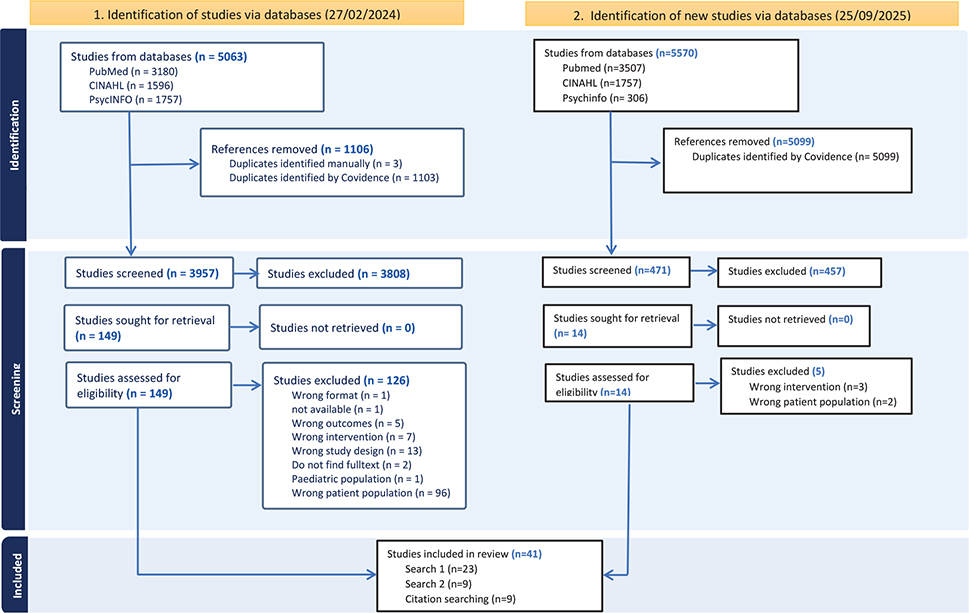
None of the identified studies had a primary purpose of examining rehabilitation interventions focused on the specific needs or challenges faced by women after TBI. In several single-participant case studies, the participant was a woman (n = 7) (26), but the choice of a woman as the case was incidental to the primary purpose of the study. There was a trend in more recent studies to include more women and thus meet the eligibility criteria.
Studies from the United States dominated (n = 21) (28–49), followed by studies from Canada (n = 7) (27, 30, 50–54), and Australia (n = 5) (55–59). There were also 2 studies from India (26, 31), 2 from New Zealand (60, 61), 2 from the Netherlands (65, 66), and 1 each from Taiwan (62) and Turkey (32). The design of the studies varied; case studies were most common (n = 12), followed by pre–post studies (n = 8), RCTs (n = 8), feasibility studies (n = 4), single-case experimental designs (SCED) (n = 3), and mixed-method designs (n = 3). The studies were conducted in several service contexts, with community settings (n = 17) and outpatient care (n = 19) being the most common. The target groups for the interventions represented a variety of TBI severities. Table I provides details of the context aims, target groups within TBI, study designs, and methodologies.
The RCTs (n = 8) used 2 forms of control group: waitlist controls (43, 46) and active controls (34, 40, 41, 45, 47, 62). Of the RCTs using active controls, 3 studies used interventions that were considered “treatment as usual” for the target area in question (34, 41, 62), whereas 3 used study-specific control interventions (40, 45, 47). The study-specific control interventions had the same target area as the experimental intervention but differed partly in content and delivery: Esquenazi et al. (45) used a different walking support system and method of feedback; Bay et al. (40) compared their self-developed psychological lifestyle intervention focusing on stress management with a mindfulness intervention; and Raina et al. (47) compared their fatigue-directed intervention with controls receiving health education.
Content and outcome of interventions
The final categorization consisted of 3 main categories: Alternative and complementary interventions, Training to restore functions, and Skills training to enhance cognitive functioning. These main categories and their underlying sub-categories (Fig. 2) are summarized below in narrative form. Table II provides detailed extracted data on the individual interventions, specific outcome measures, and outcomes for each study.
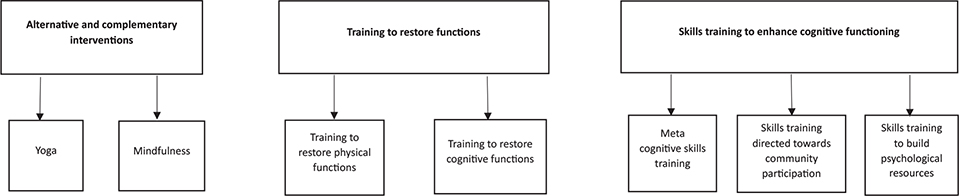
Fig. 2. Themes and categories of the results.
Alternative and complementary interventions
Within this category, the sub-categories of yoga (33, 36, 42, 44) and mindfulness interventions (40, 50) were identified (see Table II). When specified, intervention providers were identified as yoga therapists, with a mix of one-to-one interventions (33, 36, 40) and group interventions (42, 44, 50). All interventions had a manual or predefined structure. The duration of both intervention types varied between 6 and 12 weeks, with 1 to 2 sessions each week.
Yoga. Of 4 yoga interventions, all followed a classic format with breathing exercises, yoga postures, and meditation or relaxation. Two also included a psychoeducational component. Of these 2, 1 was a group-based online intervention directed not only to TBI survivors but also to caregivers and clinicians. Among other topics, the psychoeducation included education on the brain, resilience, positive thinking, and gratitude (42). The other intervention for TBI participants had a psychoeducational component aimed at cultivating resilience skills (44).
The outcome measures covered a wide range of physical, behavioural, and cognitive functions, such as physical (33) capabilities, emotional regulation (36, 42, 44), and resilience (42). Different quality of life questionnaires were also common (42, 44). Three papers used qualitative interview data alongside quantitative measures (33, 36, 44).
Mindfulness. Of the 2 mindfulness interventions, 1 followed a classic mindfulness structure (40), while the other followed Kabat-Zinn’s mindfulness-based stress-reduction programme in conjunction with Kolb’s experiential learning cycle, which includes group discussions (50). Outcome measures evaluated depression (40, 50), stress (50), and quality of life (50).
Overall, the results from the yoga and mindfulness interventions suggested positive outcomes on women’s quality of life, with 2 studies reporting statistically significant improvements (42, 44). Positive outcomes in physical functions were also reported, whereas the results on improvement in psychological wellbeing were inconsistent. Interview data described positive outcomes from yoga interventions regarding women’s physical functions, cognitive functions and motivation to participate in activities in the community.
Training to restore functions
This category has two sub-categories: training to restore physical functions and training to restore cognitive functions.
Training to restore physical functions. Eleven papers focused on the restoration of physical functions (28, 29, 39, 45, 48, 51, 53, 54, 57, 62, 63), as outlined in Table II. Two concerned the restoration of visual convergence (28, 63), whereas 9 described interventions to restore various aspects of physical functions important for mobility, such as balance, strength, and coordination (29, 39, 45, 48, 57); cardiovascular capacity (39, 57); walking ability (45, 54, 62); and motor dual-tasking (29). The interventions were mostly provided by physiotherapists. One paper described a multidisciplinary intervention provided by a neuropsychologist, a physiotherapist, and a physician, with a focus on returning to physical activity after concussion (57).
Both interventions focusing on visual convergence (28, 63) were progressive. Outcome measures assessed convergence and accommodation. One study showed decreased diplopia (28), and the other showed statistically significant changes in all measures of vergence (63).
All interventions targeting various aspects of mobility had a progressive approach, with increasingly challenging exercises. The exercises used included cervical spine, cardiovascular, static balance, dynamic balance (39), ocular and vestibular rehabilitation with cervical management, somatosensory motor control and neck strengthening (57), treadmill walking with a bodyweight support system or a robotic gait orthosis (45), rock climbing (48), structured walking (54, 62), and transport activities in closed and open environments (29). Four interventions were delivered individually, whereas the rock-climbing intervention involved both individual and group formats (48). A circuit-training programme (51, 53) addressed common impairments in cognition, balance, endurance, vision, vestibular function, and self-management. Sessions also included education on recovery-related topics (51, 53).
Four studies (29, 45, 48, 62) evaluated balance and/or gait/walking speed, along with measures of daily functioning or independence. Overall, the results showed improvements in balance and gait/walking speed: large effect sizes regarding symptom reduction were reported by Campbell et al. (39), and statistically significant improvement in mobility was reported by Esquinazi et al. (45). Two studies evaluating self-rated goal achievement in occupational performance and satisfaction showed clinically important improvements (51, 53). In the multidisciplinary intervention (57), participants described their experiences of the treatment journey after concussion, including perceived active ingredients and the impact of the multidisciplinary approach.
Training to restore cognitive functions. Two case studies reported on interventions aimed at restoring attention (35) and memory (26). Both interventions used a typical restorative approach involving a hierarchical structure with progressively harder exercises with many repetitions, which were delivered individually (26, 35). The study focusing on attention used manipulation and repetition of auditory and visual stimuli (35), whereas the study focusing on memory used paper-and-pencil exercises and various music exercises, among others (26). Both case studies utilized neuropsychological tests as outcome measures (26, 35). In the work by Banerjee et al. (26), participants also self-evaluated depression, anger, and mood regulation; sleep disturbance; negative recurrent thoughts; retrograde memory; generalization of functions; and perception of “self”. Both studies showed statistically significant improvements in some or all neuropsychological tests, and Banerjee et al. (26) reported improvements in most of the participants’ self-evaluations.
Skills training to enhance cognitive functioning
Twenty-two papers described a variety of interventions aimed at enhancing cognitive functioning (27, 30–32, 34, 37, 38, 41, 43, 46, 47, 49, 52, 55, 56, 58–61, 64–66), as shown in Table I. The papers generally stated a target area for the interventions but were often broad in approach, and some encompassed additional elements. One intervention was person-centred, with the client defining and prioritizing goal activities and the skills training tailored to manage those activities (59). The interventions were categorized into sub-categories by main target area, as follows: interventions focusing on metacognitive skills training (n=9); skills training directed towards community participation (n=3); and skills training to build psychological resources (n=10).
All papers described a clear structure for the intervention, either in the form of a manual or through defined stages. Most were delivered face-to-face in individual (27, 30, 31, 38, 49, 52, 56, 58–61, 69, 66) or group formats (38, 37, 41, 43, 46, 64) or using a combination of both (55). A few were delivered online or via video (37, 47). Among studies that specified the professionals delivering the intervention, the following were listed: psychologist/neuropsychologist (37, 43, 46, 65, 66), occupational therapists (32, 38, 47, 49, 52, 64), and speech therapist (55).
Below follows a description of the interventions by target areas.
Metacognitive skills training. Ten interventions focused on metacognitive skills training (32, 34, 37, 38, 43, 49, 52, 55, 56, 58), as indicated in Table II, whether in a general sense (32, 38, 49, 52), directed to a specific activity (55, 58) or directed to 1 or more predefined executive functions (43, 56). Four studies employed a broad general approach, with 3 using a multi-context approach (6) focused on the generalization of metacognitive strategies to different activities and contexts (32, 38, 49). The fourth study focused on learning a generic metacognitive strategy (CO-OP) to perform any activity (52).
One paper described an intervention aimed at improving social communication skills using metacognitive skills training and goal-based therapy in a mix of group and individual sessions (55). Three interventions used group-based metacognitive skills training and cognitive behavioural techniques to improve emotional regulation (34, 37, 43). Two included training in structured problem-solving frameworks (43, 52), and 1 also incorporated training in attention and the use of external aids (43). One study described a programme to improve prospective memory skills (56), including metacognitive skills training for developing self-awareness of memory deficits, as well as using a cueing system and organizational strategies (56).
Outcome measures varied widely between the different studies. Neuropsychological tests, questionnaires or tests regarding awareness, self-regulation, measures of goal achievement, and various measures of quality of life/well-being were commonly used. Due to the large variation in outcome measures, further information concerning the outcome measures of each study is provided in Table II. Two RCT studies showed statistically significant improvements in problem-solving, among other outcomes (34, 43). In the case studies and pre–post studies, evaluations of functional performance showed positive outcomes (32, 38, 49, 56); this also applied to the majority of the neuropsychological tests used, regardless of study design (34, 37, 43, 55, 56, 58). Outcomes regarding reintegration (34, 56), participation and quality of life (43) showed no changes.
Skills training directed towards community participation. Three interventions were aimed at enhancing community participation by targeting either specific activities (30, 59) or engagement in a broader sense (64). In a case study, Imhoff et al. (30) described an intervention in a car-driving simulator with automated feedback. Tate et al. (59) used a person-centred approach in a feasibility study, with the client being supported to identify and prioritize 3 meaningful activities, upon which the intervention then focused. Sessions included feedback on performance and strategies to “troubleshoot” barriers (59).
In an SCED study, Kersey et al. (64) described a manualized community-based group intervention to improve social participation. The main content involved building a participation plan with strategies for participation and identifying barriers and supports (64).
Regarding the driving simulation (30), the participants’ speeding duration decreased but returned to the initial duration after feedback was removed. Time spent in an incorrect lateral position decreased. For the intervention supporting meaningful activities (59), the results were insufficient to meet Goal-Attainment Scaling (GAS) criteria for a clinically meaningful standard of performance, but reliable changes were reported in leisure, community integration, quality of life, self-esteem, and improved mood. The intervention on social participation (64) showed clinically meaningful improvements in all measures of participation. Table II provides details of outcomes and outcome measures used.
Skills training to build psychological resources. Nine interventions focused on developing coping skills that targeted areas impacting life situation as a whole (27, 31, 41, 46, 47, 60, 61, 65, 66). The target areas were resilience (46), advocacy (41), psychological flexibility using acceptance and commitment therapy (ACT) (60, 61), fear avoidance (65, 66), negative behaviours related to anosognosia (27), and fatigue management (47). Many interventions were manual-based and combined treatment sessions with home assignments. Most had elements of psychoeducation and strategy use; when specified, intervention providers were identified as trained psychologists. The intervention targeting anosognosia (27) focused on behavioural therapy techniques using strategies, feedback, and reflexion in a collaborative and supporting therapeutic alliance.
The advocacy and fatigue-management interventions were group-based (41, 47). The ACT intervention (60, 61) and the fear-avoidance interventions (65, 66) were adaptations of manual-based interventions originally developed for non-TBI groups.
To evaluate outcomes, a broad range of outcome measures were used, ranging from neuropsychological tests and questionnaires to interviews on participants’ experiences. In summary, the RCT studies showed positive results. The intervention targeting resilience showed a clinically significant improvement in symptoms (46), and the intervention targeting advocacy increased advocacy behaviour significantly (41). The SCED studies on the fear-avoidance intervention showed an increase in satisfaction with daily life and a decrease in avoidance behaviours (65, 66). The case study evaluating the anosognosia interventions showed a decrease in targeted behaviours (27).
The ACT intervention was found to be feasible to implement in community-based rehabilitation, and participants’ experiences were generally positive (60, 61). The interventions targeting fatigue management were also found to be feasible for the target group (47).
DISCUSSION
To the best of our knowledge this is the first review undertaken to identify and map evidence regarding the content and outcomes of non-pharmacological rehabilitation for women under the age of 65 with TBI. An overall and notable finding is that none of the identified studies specifically addressed women’s needs. Even though earlier research (7, 15, 16) had reported gender-based differences after TBI, no studies explicitly focused on women or aimed to examine a specific gender perspective. It was more by chance that some case studies involved a woman, as no rationale for including a woman in these studies was described. Therefore, we can assume that studies focusing on women’s specific rehabilitation needs after TBI are rare and that interventions targeting women need to be developed, studied, and trialled in rehabilitation settings for the future. However, it should be emphasized that women after TBI clearly have many of the same needs and challenges as men after TBI, and women participants were still benefiting from interventions improving cognitive efficacy, mobility, and so forth.
To address gender disparities Lian et al. (67) state that TBI rehabilitation models need to go beyond injury-related impairments and include clinical assessments “that acknowledge disrupted gender roles, responsibilities, relationships, and identities after TBI” (p. E173). In our results, most of the studies had a focus on injury-related impairments even though we could see a trend toward a more holistic view in some categories. The outcome measures used in the included studies did not reflect a gendered perspective, possibly indicating a lack of gender awareness in existing rehabilitation models.
One way to address the specific needs of women is to apply a gender lens to person-centred approaches in which the woman is involved in the whole process through goal setting, intervention, and evaluation of outcome. In this review, 1 intervention described a person-centred approach with the client defining and prioritizing goal activities that she considered meaningful and important, and the skills training was tailored to manage those activities (59). Another 4 studies (51–53, 63) used the Canadian Occupational Performance Measure (COPM) (68) for goal-setting and evaluation of outcome. The COPM is a person-centred interview-based measure and it is promising that it is used. However, it does not ensure that the intervention is person-centred and targets the person’s specific goals, nor does it ensure that the interview includes a gender perspective. In all, 5 interventions out of 41 in this study described a person-centred approach to some extent. This support research stating that person-centredness is not fully implemented in TBI rehabilitation (69, 70). Besides obstacles described in research (69, 70), a person-centred approach requires staff with knowledge of gender differences in outcomes after TBI. This is crucial to be able to ask gender-relevant questions during the goal-setting process, as the women themselves cannot be expected to spontaneously identify these. Considering the scarcity of research on understanding gender issues in women with TBI (13, 14), more knowledge is needed to help rehabilitation staff support gender-differentiated rehabilitation.
In our results, studies published in recent years included more women in their samples than previously. This may indicate an increased and more gender-specific interest in studies of rehabilitation after TBI, which is consistent with other research in this area (71). However, to improve rehabilitation for women, clinical research is needed that not only includes women but also separates and compares gender-specific patterns across the lifespan rather than just outcomes (13). Such research approaches may lead to improved support and treatment for both women and men after TBI.
Furthermore, compared with other categories in our results more studies have recently been published within the sub-category Skills training to build psychological resources, indicating increased interest in a relatively holistic approach to rehabilitation after TBI. Overall, the main category, Skills training to enhance cognitive functioning, which included the sub-category above, contained more recent studies than the categories that focused on restoration of functions. One implication may be that interventions focusing on managing difficulties in everyday life after TBI – such as through coping mechanisms and managing psychological effects after injury – are gaining increased attention in rehabilitation. Other researchers have reported a similar emphasis (72, 73). Overall, these results may indicate an increased interest in sex and gender differences and needs in rehabilitation interventions after TBI.
Given the interest in the management of psychological effects after injury, it is worth noting the lack of studies addressing interventions for women’s TBI after intimate partner violence. Earlier research has shown that women are more often affected by TBI due to intimate partner violence than men and that the numbers of affected women are undercounted (18). Such women present a complex medical picture, where traumatic experiences with conditions such as post-traumatic stress disorder (PTSD) co-vary with the effects of the TBI. Therefore, it is essential to develop and evaluate interventions to address the needs of this sub-group of women.
Earlier research on women’s experiences of living with TBI in a broader sense shows different experiences compared with men (14, 72) and one of our research questions was about women’s experiences of received rehabilitation. Among the broader group of qualitative investigations into the lived experience of women with TBI, there was little exploration of women’s experiences past treatment. According to guidelines on the evaluation of complex health interventions, studies of participant experiences should be part of evaluating interventions (74), such as those used in the area of rehabilitation, and can identify important gaps and areas for improvement. Future research studies with a focus on participant experiences are needed and can contribute to a deepened understanding of the gendered related impacts of rehabilitation interventions.
Methodological considerations
The aim of this study was to describe interventions specifically for women; however, no such studies were found in the initial searches, and most studies had a clear bias where most participants were men. Therefore, we adjusted the eligibility criteria and accepted studies in which women comprised at least half of the sample or in which women’s results could be extracted. This approach is open to discussion, and a counterargument may be that this approach made it difficult to be conclusive about effects regarding women. Our decision was based on the assumption that, if at least half of the participants were women, then both men’s and women’s perspectives would be reflected, and the study would provide information regarding the applicability of the interventions for women.
There are several possible ways to categorize interventions, and this was a challenging task in this study, as the interventions covered a wide range of target areas and content. We chose to use a conventional approach, with a main categorization based on either restorative or compensatory content. This categorization was complicated by the fact that many interventions had elements of both. Other methods of categorization would certainly have been possible, but we consider that the chosen classification provides a useful overview.
The aim of scoping reviews is explorative and does not include a quality appraisal of included studies (22). However, it is notable that a large proportion of the included studies in this study were case studies contributing with low evidence; only 8 were RCT studies. This result highlights the need for studies with larger samples and improved designs and does also indicate that research on TBI rehabilitation in general, and regarding women specifically, needs further development.
In conclusion, the studies included in this scoping review covered a wide range of interventions from which women with TBI seem to benefit. However, the results show a lack of interventions developed for or adapted to women’s needs specifically. Further, a focus on injury-related impairments seemed to dominate the content, even though there was a trend toward a more holistic approach in recent studies. The outcome measures used did not clearly reflect a gender perspective and were mostly evaluating on impairment level rather than on activity and participation level. A possible conclusion could be that current rehabilitation models need to be developed to also include a gender perspective. To achieve this, an important clinical implication is that rehabilitation staff of all professions need to have knowledge of sex and gender differences to meet the individual needs of the person and tailor the interventions accordingly. In addition, to support and secure a gender perspective in rehabilitation, outcome measures capturing such perspectives and differences need to be developed. Further, outcomes have to a larger extent to be evaluated on activity and participation level to better capture gender perspectives.
ACKNOWLEDGEMENTS
The authors would like to thank the research librarians Karin Emilsson and Ulrika Johansson at the Örebro University library for their valuable support and assistance with developing search strategies and performing database searches.
REFERENCES
- Dewan MC, Rattani A, Gupta S, Baticulon RE, Hung Y-C, Punchak M, et al. Estimating the global incidence of traumatic brain injury. J Neurosurg 2018; 130: 1080–1097. https://doi.org/10.3171/2017.10.JNS17352
- Baker A, Barker S, Sampson A. Caregiver outcomes and interventions: a systematic scoping review of the traumatic brain injury and spinal cord injury literature. Clin Rehabil 2017; 31: 45–60. https://doi.org/10.1177/0269215516639357
- Evans J. Goal setting during rehabilitation early and late after acquired brain injury. Curr Opin Neurol 2012; 25: 651–655. https://doi.org/10.1097/WCO.0b013e3283598f75
- Scholten AC, Haagsma JA, Cnossen MC, Olf M, van Beeck EF, Polinder S, et al. Prevalence of and risk factors for anxiety and depressive disorders after traumatic brain injury: a systematic review. J Neurotraum 2016; 33: 1969–1994. https://doi.org/10.1089/neu.2015.4252
- Sergeyenko Y, Andreae ME, Segal M. Diagnosis and management of mild traumatic brain injury (mTBI): a comprehensive, patient-centered approach. Curr Pain Headache Rep 2025; 29: 19: 2–10. https://doi.org/10.1007/s11916-024-01333-4
- Toglia J, Foster E. The multicontext approach to cognitive rehabilitation: a metacognitive strategy intervention to optimize functional cognition. Tampa, FL: Gatekeeper Press; 2021.
- Bray EA, Hogan C, Mitchell J. Impact of early personal resources on long-term psychosocial outcomes after moderate-to-severe traumatic brain injury: a systematic review. J Head Trauma Rehab 2024; 39: E481–E97. https://doi.org/10.1097/HTR.0000000000000958
- Mollayeva T, Mollayeva S, Colantonio A. Traumatic brain injury: sex, gender and intersecting vulnerabilities. Nat Rev Neurol 2018; 14: 711–722. https://doi.org/10.1038/s41582-018-0091-y
- Colantonio A. Sex, gender, and traumatic brain injury: a commentary. Archi Phys Med Rehabil 2016; 97: S1–S4. https://doi.org/10.1016/j.apmr.2015.12.002
- Eapen BC, Bowles AO, Sall J, Lang AE, Hoppes CW, Stout KC, et al. The management and rehabilitation of post-acute mild traumatic brain injury. Brain Injury 2022; 36: 693–702. https://doi.org/10.1080/02699052.2022.2033848
- Carcel C, Sandset EC, Ali M, Allende Echanez MI, Mosconi MG, de Souza AC, et al. Addressing sex and gender differences in stroke risk and management: a scientific statement from the World Stroke Organization. Int J Stroke 2026: 21: 303–323. https://doi.org/10.1177/17474930251393009
- Maas AI, Menon DK, Manley GT, Abrams M, Åkerlund C, Andelic N et al. Traumatic brain injury: progress and challenges in prevention, clinical care, and research. Lancet Neurol 2022; 21(11): 1004–1060. https://doi.org/10.1016/S1474-4422(22)00309-X
- Valera EM, Joseph ALC, Snedaker K, Breiding MJ, Robertson CL, Colantonio A, et al. Understanding traumatic brain injury in females: a state-of-the-art summary and future directions. J Head Trauma Rehabil 2021; 1: 36(1): E1–E17. https://doi.org/10.1097/HTR.0000000000000652
- O’Reilly K, Wilson N, Peters K. Narrative literature review: health, activity and participation issues for women following traumatic brain injury. Disabil Rehabil 2018; 40: 2331–2342. https://doi.org/10.1080/09638288.2017.1334838
- Colantonio A, Mar W, Escobar M, Yoshida K, Velikonja D, Risoli S, et al. Women’s health outcomes after traumatic brain injury. J Womens Health 2010; 19: 1109–1116. https://doi.org/10.1089/jwh.2009.1740
- Blaya MO, Raval AP, Bramlett HM. Traumatic brain injury in women across lifespan. Neurobiol Dis 2022; 164: 1–15. https://doi.org/10.1016/j.nbd.2022.105613
- Frost RB, Farrer TJ, Primosch M. Prevalence of traumatic brain injury in the general adult population: a meta-analysis. J Neuroepidem 2013; 40: 154–159. https://doi.org/10.1159/000343275
- Haag H, Jones D, Joseph T. Battered and brain injured: traumatic brain injury among women survivors of intimate partner violence – a scoping review. Trauma Violence Abus 2022; 23: 1270–1287. https://doi.org/10.1016/j.apmr.2019.08.449
- Wills E, Fitts M. Listening to the voices of aboriginal and Torres Strait islander women in regional and remote Australia about traumatic brain injury from family violence: a qualitative study. Health Expect 2024; 27: e14125. https://doi.org/10.1111/hex.14125
- Mikolić A, Van Klaveren D, Groeniger JO, Wiegers EJ, Lingsma HF, Zeldovich M, et al. Differences between men and women in treatment and outcome after traumatic brain injury. J Neurotrauma 2021; 15; 38(2): 235–251. https://doi.org/10.1089/neu.2020.7228
- Peters MD, Godfrey CM, Khalil H, McInerney P, Parker D, Soares C, et al. Guidance for conducting systematic scoping reviews. JBI Evid Implement 2015; 13: 141–146. https://doi.org/10.1097/XEB.0000000000000050
- Peters MD, Marnie C, Tricco AC, Pollock D, Munn Z, Alexander L, et al. Updated methodological guidance for the conduct of scoping reviews. JBI Evid Synth 2021; 18: 2119–2126. https://doi.org/10.11124/JBIES-20-00167
- Tricco AC, Lillie E, Zarin W, O’Brien K, Colquhoun H, Levac D, et al. PRISMA extension for scoping reviews (PRISMA-ScR): checklist and explanation. Ann Intern Med 2018; 169: 467–473. https://doi.org/10.7326/M18-0850
- Holmqvist KL, Strandberg T, Simpson G, Massey J, Matérne M. Content and outcome of non-pharmacological rehabilitation in hospital, or community-based care, for women with traumatic brain injury: a scoping review protocol. BMJ Open 2025; 15: e092767. https://doi.org/10.1136/bmjopen-2024-092767
- Covidence. The world’s #1 systematic review tool [web page]. Melbourne: Covidence [cited 2024 March 8]. Available from: https://www.covidence.org/
- Banerjee M, Hegde S, Thippeswamy H. In search of the ‘self’: holistic rehabilitation in restoring cognition and recovering the ‘self’ following traumatic brain injury: a case report. NeuroRehabilitation 2021; 48: 231–242. https://doi.org/10.3233/NRE-208017
- Bieman-Copland S, Dywan J. Achieving rehabilitative gains in anosognosia after TBI. Brain Cogn 2000; 44: 1–5. https://doi.org/10.1006/brcg.1999.1139
- Connolly K, Lyon DW. In-office vision therapy for the treatment of post-concussion syndrome: is it beneficial? A case report. Optom Vis Perform 2017; 5: 221.
- Fritz NE, Basso DM. Dual-task training for balance and mobility in a person with severe traumatic brain injury: a case study. J Neurol Phys Ther 2013; 37: 37–43. https://doi.org/10.1097/NPT.0b013e318282a20d
- Imhoff S, Lavallière M, Germain-Robitaille M. Training driving ability in a traumatic brain-injured individual using a driving simulator: a case report. Int Med Case Reports J 2017; 10: 41–45. https://doi.org/10.2147/IMCRJ.S120918
- Mahajan SN, Jain A, Chattopadhyay S. Integrating rational emotive behavior therapy, compassion-focused therapy with cognitive retraining in traumatic brain injury: a case report. Consort Psychiatricum 2024; 5: 91–102. https://doi.org/10.17816/CP15546
- Özata Değerli MN, Değerli Yİ, Aydöner S. The effect of occupational therapy intervention based on a multicontext approach in a patient with traumatic brain injury: a case study. Internet J Allied Health Sci Practice 2025; 23: 23.
- Schmid AA, Miller KK, Van Puymbroeck M. Feasibility and results of a case study of yoga to improve physical functioning in people with chronic traumatic brain injury. Disabil Rehabil 2016; 38: 914–920. https://doi.org/10.3109/09638288.2015.1062927
- Rath JF, Simon D, Langenbahn DM. Group treatment of problem- solving deficits in outpatients with traumatic brain injury: a randomised outcome study. Neuropsychol Rehabil 2003; 13: 461–488. https://doi.org/10.1080/09602010343000039
- Palmese CA, Raskin SA. The rehabilitation of attention in individuals with mild traumatic brain injury, using the APT-II programme. Brain Injury 2000; 14: 535–548. https://doi.org/10.1080/026990500120448
- Grimm L, Van Puymbroeck M, Miller K. Yoga after traumatic brain injury: changes in emotional regulation and health-related quality of life in a case-study. Int J Complement Altern Med 2017; 8: 00247. https://doi.org/10.15406/ijcam.2017.08.00247
- Tsaousides T, Spielman L, Kajankova M. Improving emotion regulation following web-based group intervention for individuals with traumatic brain injury. J Head Trauma Rehab 2017; 32: 354–365. https://doi.org/10.1097/HTR.0000000000000345
- Toglia J, Johnston MV, Goverover Y. A multicontext approach to promoting transfer of strategy use and self regulation after brain injury: an exploratory study. Brain Injury 2010; 24: 664–677. https://doi.org/10.3109/02699051003610474
- Campbell KR, Wilhelm JL, Pettigrew NC. Implementation and adoption of telerehabilitation for treating mild traumatic brain injury. J Neurol Phys Ther 2022; 46: E1–E10. https://doi.org/10.1097/NPT.0000000000000409
- Bay E, Ribbens-Grimm C, Chan RR. Development and testing of two lifestyle interventions for persons with chronic mild-to-moderate traumatic brain injury: acceptability and feasibility. Appl Nurs Res 2016; 30: 90–93. https://doi.org/10.1016/j.apnr.2015.11.00
- Brown AW, Moessner AM, Bergquist TF. A randomized practical behavioural trial of curriculum-based advocacy training for individuals with traumatic brain injury and their families. Brain Injury 2015; 29: 1530–1538. https://doi.org/10.3109/02699052.2015.1075173
- Callahan CE, Beisecker L, Zeller S. LoveYourBrain mindset: feasibility, acceptability, usability, and effectiveness of an online yoga, mindfulness, and psychoeducation intervention for people with traumatic brain injury. Brain Injury 2023; 37: 373–382. https://doi.org/10.1080/02699052.2023.2168062
- Cantor J, Ashman T, Dams-O’Connor K, Dijkers MP, Gordon W, Spielman L, et al. Evaluation of the short-term executive plus intervention for executive dysfunction after traumatic brain injury: a randomized controlled trial with minimization. Arch Physical Med Rehabil 2014; 95: 1–9. e3. https://doi.org/10.1016/j.apmr.2013.08.005
- Donnelly KZ, Baker K, Pierce R. A retrospective study on the acceptability, feasibility, and effectiveness of LoveYourBrain Yoga for people with traumatic brain injury and caregivers. Disabil Rehabil 2021; 43: 1764–1775. https://doi.org/10.1080/09638288.2019.1672109
- Esquenazi A, Lee S, Packel AT. A randomized comparative study of manually assisted versus robotic-assisted body weight supported treadmill training in persons with a traumatic brain injury. PM&R 2013; 5: 280–290. https://doi.org/10.1016/j.pmrj.2012.10.009
- Kreutzer JS, Marwitz JH, Sima AP. Efficacy of the resilience and adjustment intervention after traumatic brain injury: a randomized controlled trial. Brain Injury 2018; 32: 963–971. https://doi.org/10.1080/02699052.2018.1468577
- Raina KD, Morse JQ, Chisholm D. Feasibility of a cognitive behavioral intervention to manage fatigue in individuals with traumatic brain injury: a pilot study. J Head Trauma Rehabil 2016; 31: E41–E49. https://doi.org/10.1097/HTR.0000000000000196
- Sartor-Glittenberg C, Brickner L. A multidimensional physical therapy program for individuals with cerebellar ataxia secondary to traumatic brain injury: a case series. Physiother Theor Pract 2014; 30: 138–148. https://doi.org/10.3109/09593985.2013.819952
- Toglia J, Goverover Y, Johnston MV. Application of the multicontextual approach in promoting learning and transfer of strategy use in an individual with TBI and executive dysfunction. OTJR-Occup Part Heal 2011; 31: S53–S60. https://doi.org/10.3928/15394492-20101108-09
- Bedard M, Felteau M, Mazmanian D, Fedyk K, Klein R, Richardson J, et al. Pilot evaluation of a mindfulness-based intervention to improve quality of life among individuals who sustained traumatic brain injuries. Disabil Rehabil 2003; 25: 722–731. https://doi.org/10.1080/0963828031000090489
- Bonn MM, Dickey JP, Moran B. Completing an interdisciplinary outpatient intervention improves patient rehabilitation goals following a mild traumatic brain injury. Physiother Theor Pr. 2023; 39: 310–316. https://doi.org/10.1080/09593985.2021.2022046
- Dawson DR, Gaya A, Hunt A. Using the cognitive orientation to occupational performance (CO-OP) with adults with executive dysfunction following traumatic brain injury. Can J Occup Ther 2009; 76: 115–127. https://doi.org/10.1177/000841740907600209
- Bonn MM, Dickey JP, Moran B. The relationship between prognostic factors and patient satisfaction with performance of self-identified goals following interdisciplinary mild traumatic brain injury rehabilitation. Physiother Theor Pract 2025; 41: 1172–1180. https://doi.org/10.1080/09593985.2024.2397089
- Alarie C, Gagnon I, de Guise E, McKerral M, Kersalé M, van het Hoog B, et al. A remotely delivered progressive walking intervention for adults with persistent symptoms of a mild traumatic brain injury: feasibility and exploration of its impact. Front Rehab Sci 2022; 3: 898804. https://doi.org/10.3389/fresc.2022.898804
- Finch E, Cornwell P, Copley A. Remediation of social communication impairments following traumatic brain injury using metacognitive strategy intervention: a pilot study. Brain Injury 2017; 31: 1830–1839. https://doi.org/10.1080/02699052.2017.1346284
- Fleming JM, Shum D, Strong J. Prospective memory rehabilitation for adults with traumatic brain injury: a compensatory training programme. Brain Injury 2005; 19: 1–10. https://doi.org/10.1080/02699050410001720059
- Nguyen JV, Willmott C, Ponsford J. Moving forward on the road to recovery after concussion: participant experiences of interdisciplinary intervention for persisting post-concussion symptoms. Disabil Rehabil 2024; 46: 3961–3969. https://doi.org/10.1080/09638288.2023.2261374
- Ownsworth T, Quinn H, Fleming J. Error self-regulation following traumatic brain injury: a single case study evaluation of metacognitive skills training and behavioural practice interventions. Neuropsychol Rehabil 2010; 20: 59–80. https://doi.org/10.1080/09602010902949223
- Tate RL, Wakim D, Sigmundsdottir L. Evaluating an intervention to increase meaningful activity after severe traumatic brain injury: a single-case experimental design with direct inter-subject and systematic replications. Neuropsychol Rehabil 2020; 30: 641–672. https://doi.org/10.1080/09602011.2018.1488746
- Faulkner J, Prouty D, Devlin L, Appleton D, Rocje M, Below K, et al. Acceptance and commitment therapy for mild traumatic brain injury (ACTion-mTBI): a quasiexperimental feasibility study. BMJ Open 2025; 15: e089727. https://doi.org/10.1136/bmjopen-2024-089727
- Faulkner JW, Chua J, Voice-Powell A, Snell DL, Rocke M, Moffat J, et al. Experience of Acceptance and Commitment Therapy for those with mild traumatic brain injury (ACTion mTBI): a qualitative descriptive study. PLoS One 2025; 20: e0312940. https://doi.org/10.1371/journal.pone.0312940
- Tzeng HY, Chang CC, Chen SC, Chen SJ, Hueng DY, Chu CM, et al. Effect of a digitally monitored walking program on functional and psychological outcomes in individuals with mild traumatic brain injury: a randomized controlled trial. Arch Phys Med Rehabil 2025; 107: 1–10. https://doi.org/10.1016/j.apmr.2025.08.014
- Briggs S, Scheiman M, Asakura Y. Occupational therapist-led remedial vision program after mild traumatic brain injury: pre/post pilot study. Open J Occup Ther 2024; 12: 1–13. https://doi.org/10.15453/2168-6408.2237
- Kersey J, Alimi E, McArthur AR. ENGAGE-TBI: adaptation of a community-based intervention to improve social participation after brain injury. Brain Injury 2025; 39: 518–525. https://doi.org/10.1080/02699052.2025.2449927
- Hecker L, King S, Stapert S, Geusgens C, den Hollander M, Fleischeuer B, et al. Can exposure therapy be effective for persistent post-concussion symptoms? A nonconcurrent multiple baseline design across 4 cases. J Head Trauma Rehabil 2025; 40: 269–278. https://doi.org/10.1097/HTR.0000000000001023
- King S, Stapert SZ, Winkens I. Efficacy of an intensive exposure intervention for individuals with persistent concussion symptoms following concussion: a concurrent multiple baseline single-case experimental design (SCED) study. J Head Trauma Rehabil. 2024; 39: E419–429. https://doi.org/10.1097/HTR.0000000000000942
- Lian L, Coupland R, Tylinski Sant’Ana T. Community integration challenges of men and women after traumatic brain injury: a reflexive thematic analysis of lived experiences through a gender lens. J Head Trauma Rehabil 2025; 40: E163–E74. https://doi.org/10.1097/HTR.0000000000000994
- Law MC, Baptiste S, Carswell A, McColl MA, Polatajko HJ, Pollock N. Canadian occupational performance measure. Toronto: Canadian Association of Occupational Therapists; 1994.
- Yun D, Choi J. Person-centered rehabilitation care and outcomes: a systematic literature review. Int J Nurs Stud 2019; 93: 74–83. https://doi.org/10.1016/j.ijnurstu.2019.02.012
- Plant SE, Tyson SF, Kirk S, Parsons J. What are the barriers and facilitators to goal-setting during rehabilitation for stroke and other acquired brain injuries? A systematic review and meta-synthesis. Clin Rehabil 2016; 30(9): 921–930. https://doi.org/10.1177/0269215516655856
- Liljehult MM, von Euler-Chelpin MC, Christensen T. Sex differences in independence in activities of daily living early in stroke rehabilitation. Brain Behav 2021; 11: e2223. https://doi.org/10.1002/brb3.2223
- Alston M, Jones J, Curtin M. Women and traumatic brain injury: “It’s not visible damage”. Australian Social Work 2012; 65: 39–53. https://doi.org/10.1080/0312407X.2011.594898
- Domensino AF, Verberne D, Prince L. Client experiences with holistic neuropsychological rehabilitation: ‘It is an ongoing process’. Neuropsychol Rehabil 2022; 32: 2147–2169. https://doi.org/10.1080/09602011.2021.1976222
- Richards DA, Hallberg IR, Estabrooks C, Köpke S, Meyer G, Wallin L, et al. Complex interventions in health: an overview of research methods. New York: Routledge; 2026.